
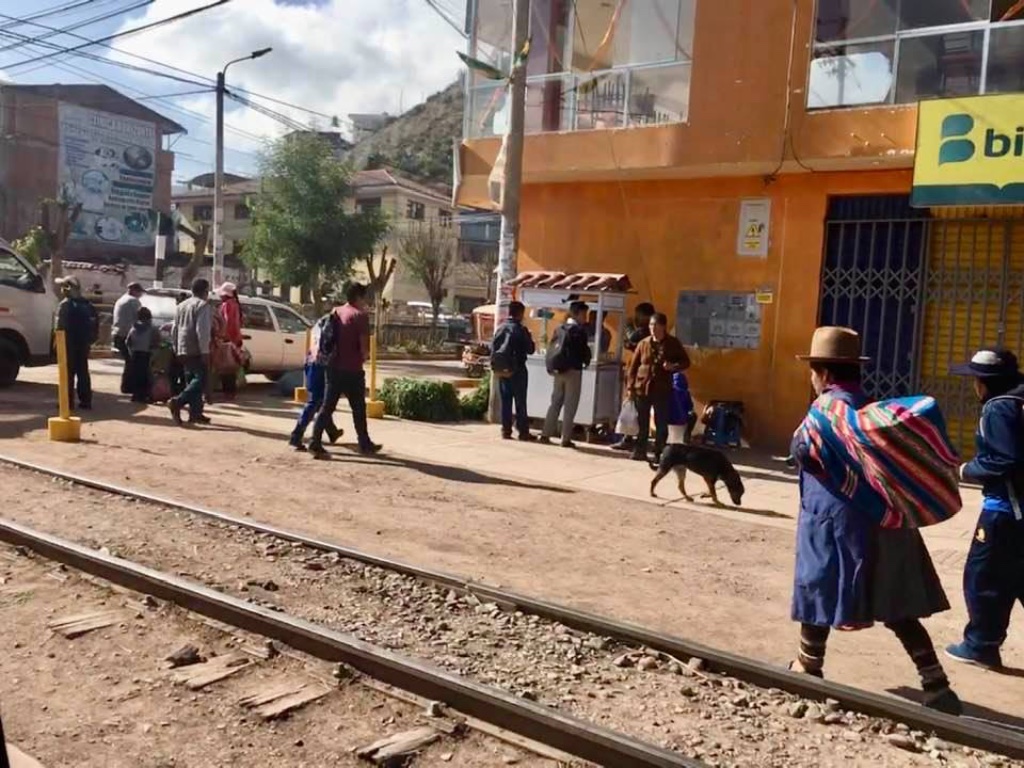
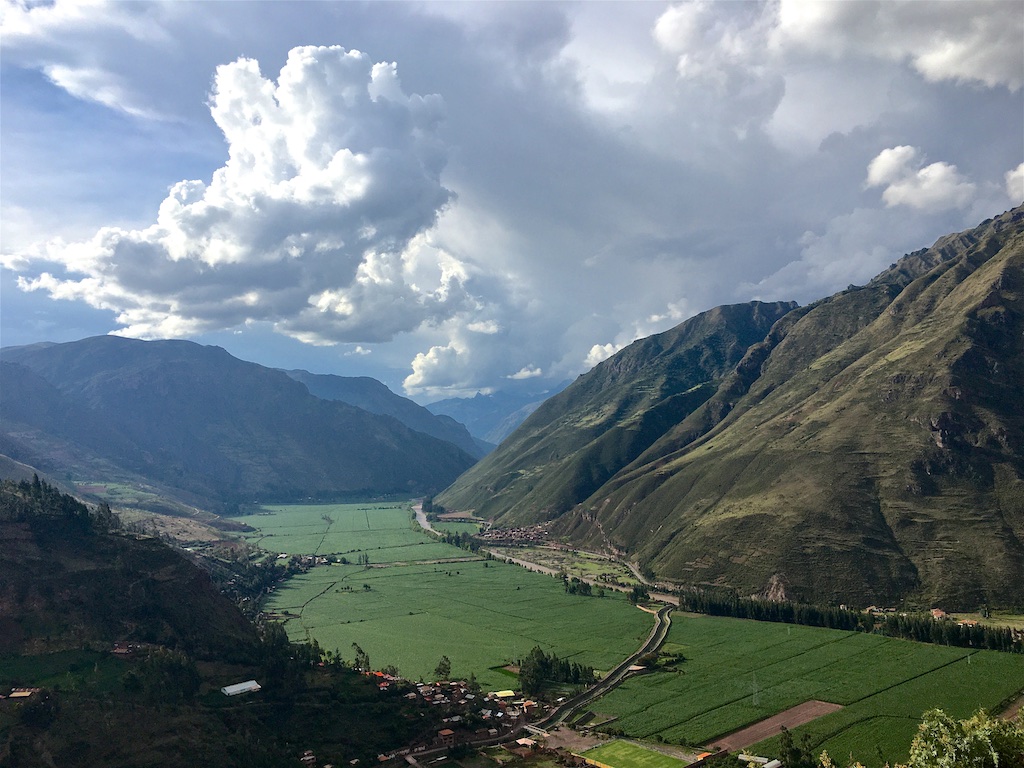
On the drive out to Cochahuasi Animal Sanctuary we saw a lot of the fascinating world of the Andes. There were women tending to day to day life in their bowler hats and colorful skirts, and while we can’t really know what the world of the Incas was like, many are descendants of the Incas and there are some who still speak Quechua, the language of the Incan Empire and the place is rooted in that history.
Our driver knew some Quechua, and we chatted about that and about llamas and alpacas (domesticated animals that we saw off and on), and also vicuñas (the wild ancestor of the alpaca), and guanacos (wild ancestors of llamas). At times he saw vicunas in the hills, but no guanacos. I had hopes for seeing guanacos, but alas.
Along the drive we saw rufous-collared sparrows a few times, turkey vultures, black vultures, and occasional swallows. We stopped in a spot to look at the scenery and saw rufous-collared sparrows.
While we were very tired it was great that we chose to visit the animal sanctuary. It was a way to get some time close to llamas and alpacas, and also see vicuñas, the national animal, which are a pre-domesticated camelid the alpaca descended from (no guanacos here, alas, those spitting wonders).
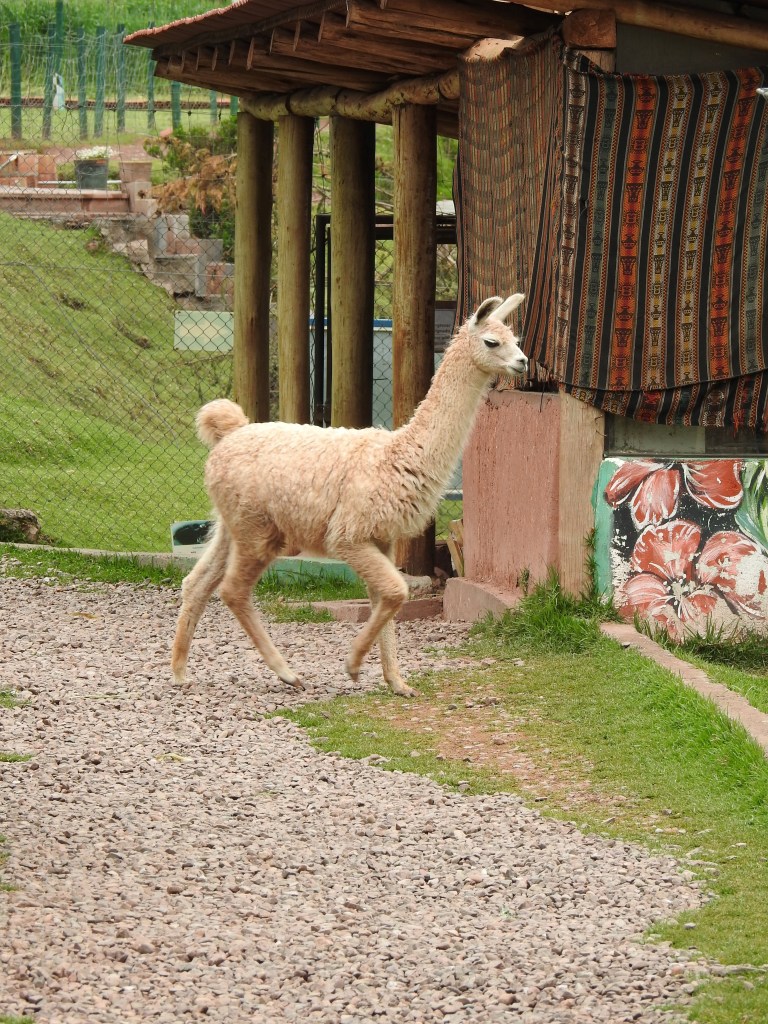
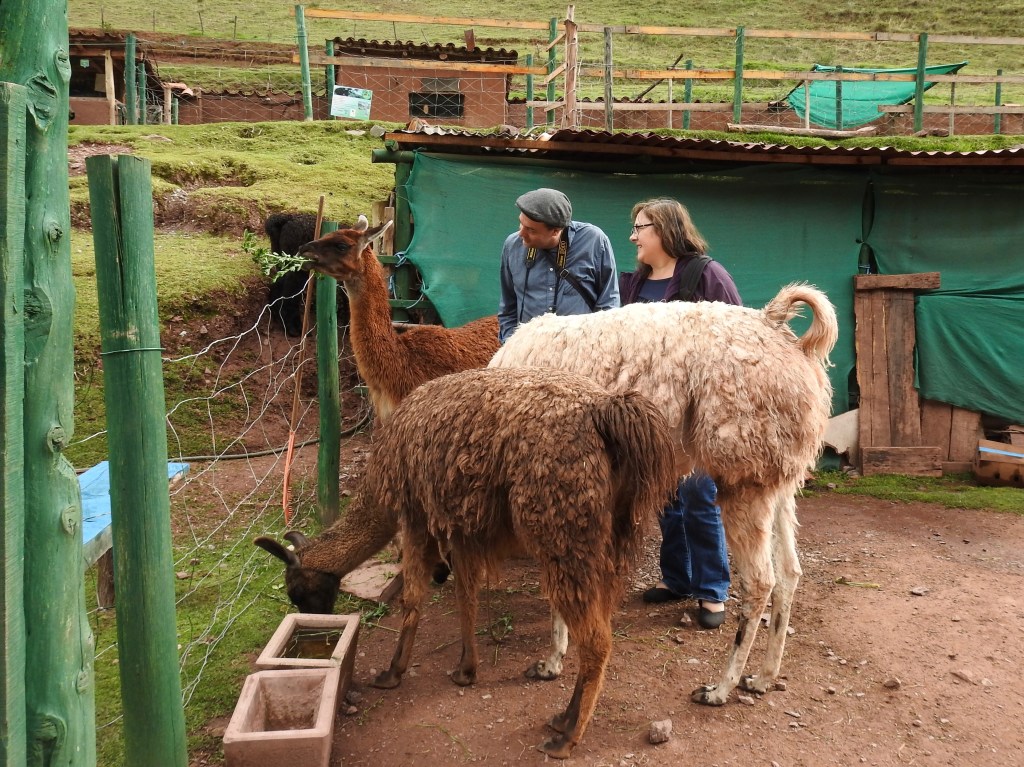
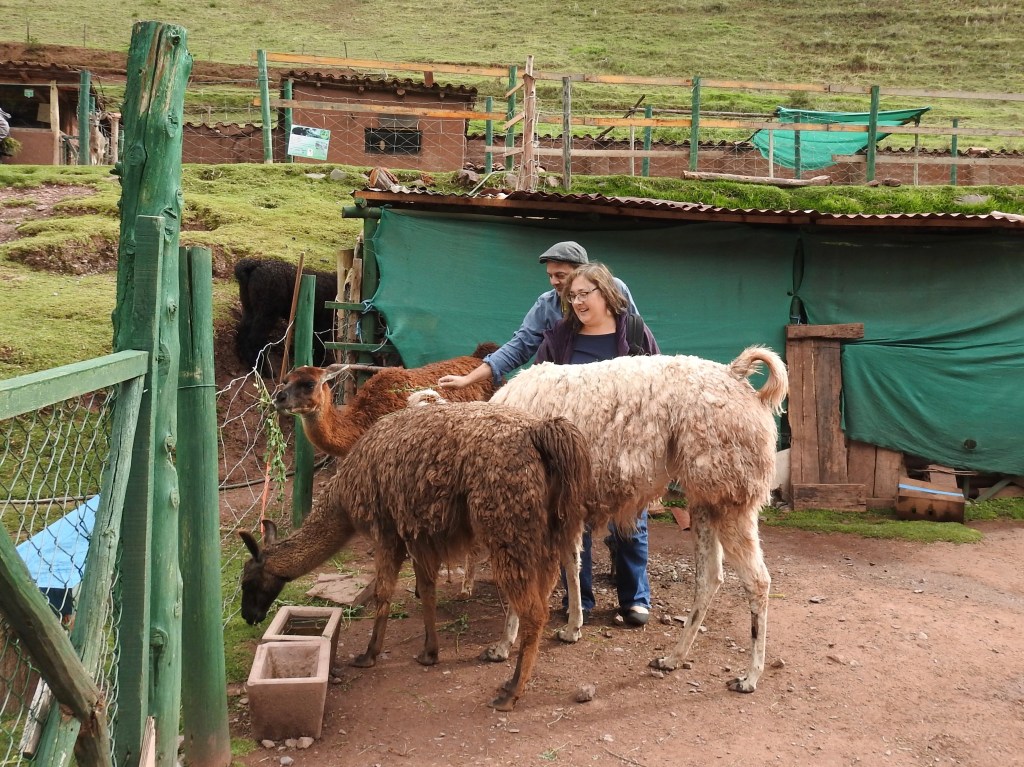
I somehow forgot to take any photos of the vicuña so we need to go back to Peru at some point.
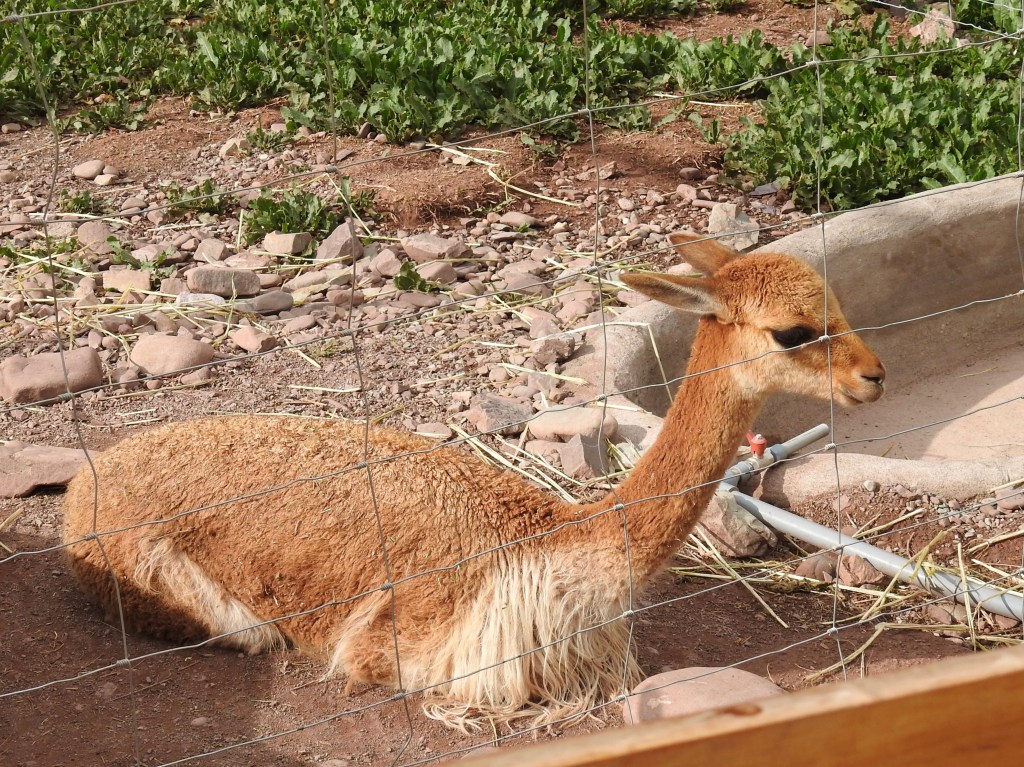
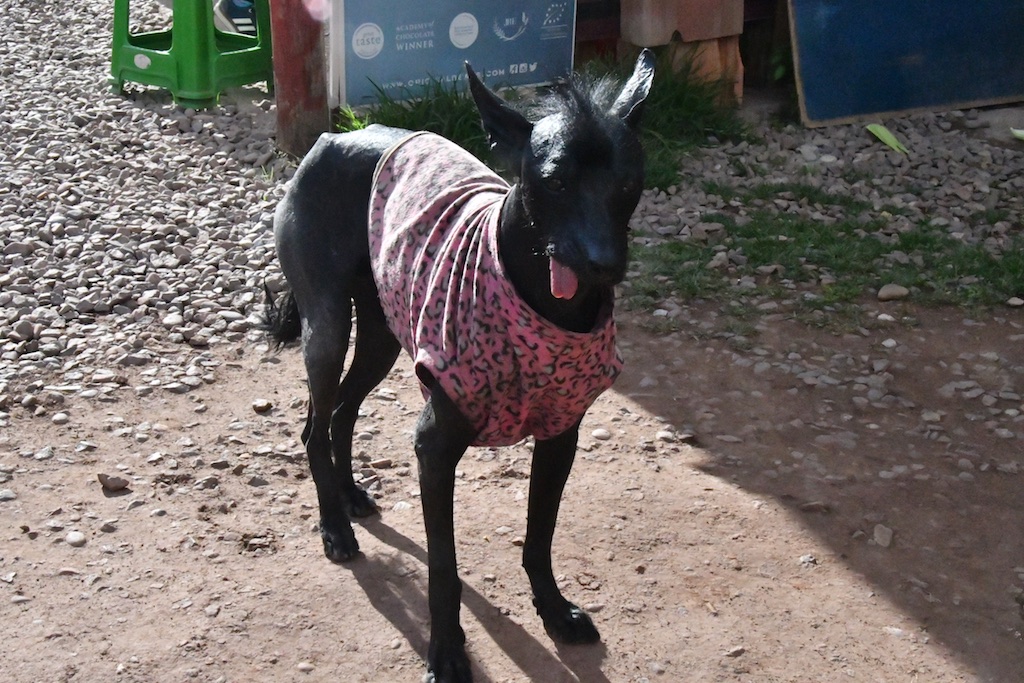
We also saw the Peruvian Hairless Dog, a species that almost disappeared since while the Incas and other pre-hispanic people liked them, they really are not pretty dogs. Fascinating, though.
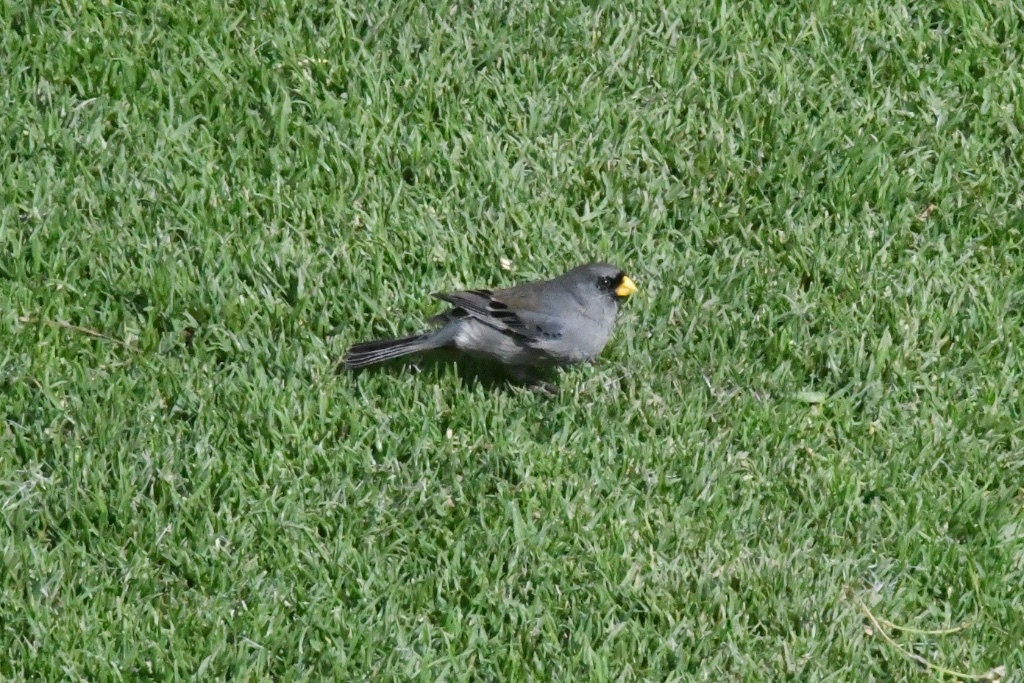
We saw a number of rufous-collared sparrows, and a lot of turkey vultures and black vultures, and a few small mystery birds, some really colorful and gone too quickly. Also we spotted what appears to be a band-tailed seed eater.
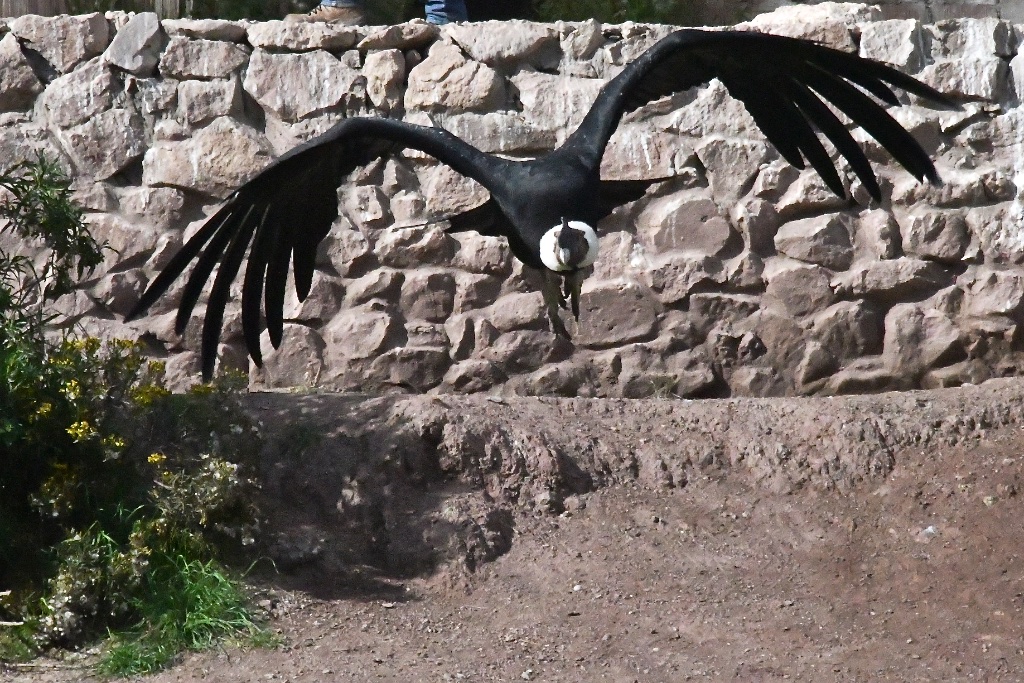
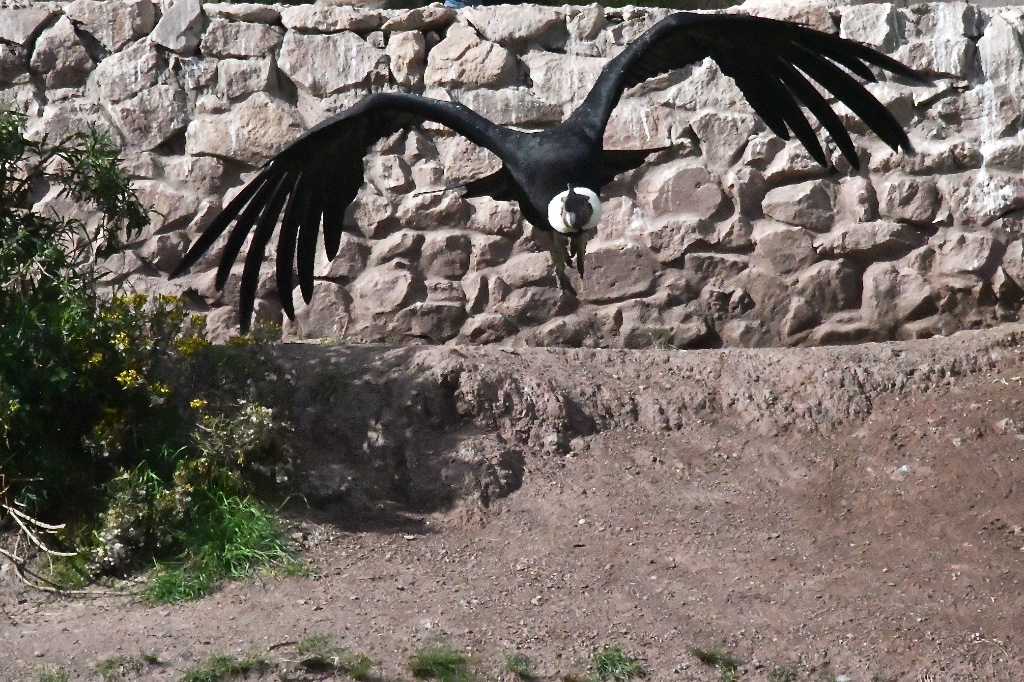
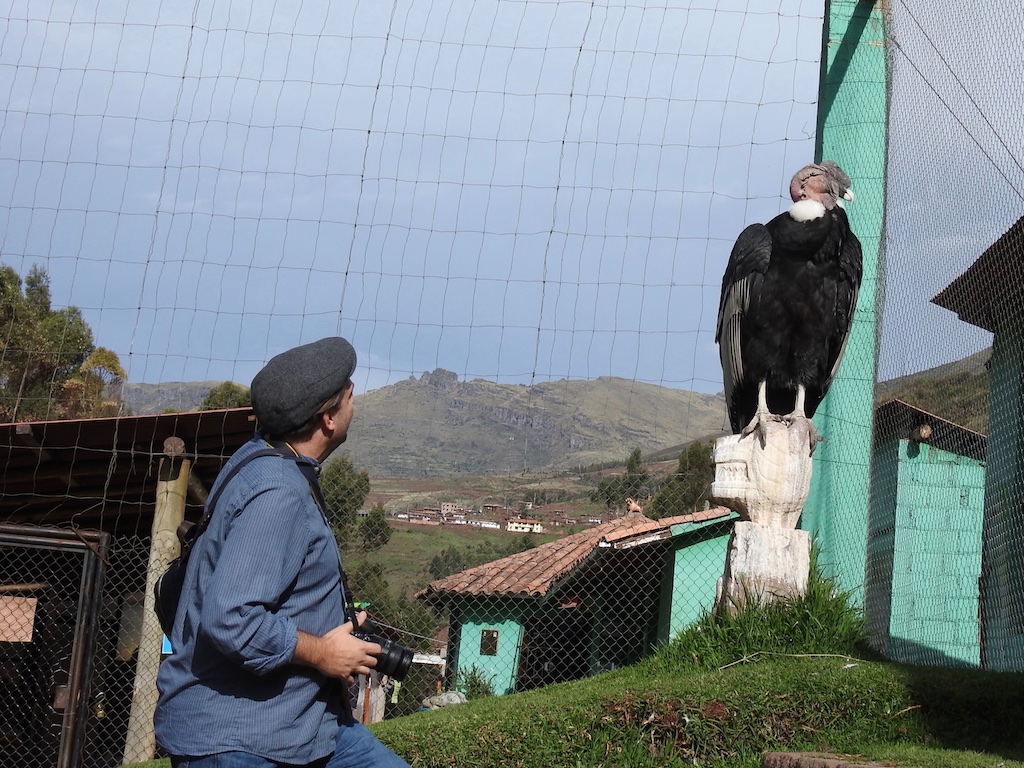
The sanctuary’s big attraction is the condors. The sanctuary has a lot of Andean animals that were from a pet trade or were injured and need care, but they do rehab and release some animals including Andean condors. Our timing for seeing Andean condors in the wild at Colca Canyon was not good, so this was a chance to see them.
We had a good time at the rehab/rescue, drank a local herbal tea that helps with altitude sickness, and a lady wandered off, found something she pulled from the ground that looked and smelled like parsley, and insisted I rub it on my forehead, which I did. While we both still felt tired and could still feel the lower oxygen, over time more blood was flowing and we managed a bit better with the altitude though doing anything exerting was likely to result in a lot of panting and gasping for air.
No one at the wildlife rehab spoke much English. We had contacted them while we were in the US to go over transit options and contacted them from the airport to send a driver out to get us from the airport (they offer this as a service, their rates were good, and whatever cut they get is going to the sanctuary). We arranged with them to get us a ride from there to Ollantetambo, which was a good 45min – an hour drive so the sanctuary would get a cut of the fare. I had the driver captive so I spoke to him to practice Spanish, talking about the Incas, local wildlife, and the local languages, and various things we’d spot while we drove along. He knew some Quechua, and was friendly and an interesting person to get to talk to.
The local Andean peoples are really fascinating to get to meet and talk to, really. This is a place where descendants of the pre-hispanic peoples still speak the language of the Incan empire. You can see the legacy of Spanish colonialism everywhere, but the ladies in their bowler hats and folks doing their thing raising alpacas out in the hills, they’re a very unique and fascinating people.
We got to Ollantetambo later in the day, and got to our AB&B, the Inca Hotel near cien ventanas. The address was not a street #, so mapping was… complicated… but we got to Ollantetambo.
At this point we had long days of travel, had landed in Cusco many hours earlier to much lower oxygen levels, had walked around the wildlife rehab center, and were wiped.
We checked in our B&B at the Inka Hotel which turned out to have a grueling three flights of stairs, and we were left huffing a lot, but we got our things situated, got unpacked and got into town right after sundown. The hosts at the B&B were nice and really helpful. They spoke very little English so it was good that I’d been prepping Spanish.
The electricity here is 220v. We’d checked our devices to make sure their transformers handled 220 and 110, and now that we had a real world test we found the USB chargers and all our things were fine.
The first thing we did was visit a pharmacy to get a canister of oxygen for Machu Picchu. We found another pharmacy where we bought a Peruvian SIM for my phone with enough data to last the trip. We then bought some (very good) empanadas for dinner at a local Peruvian place, and tried potatoes a la Huancaína – potatoes in a spiced cheese sauce flavored with a Peruvian yellow pepper. We managed all that without speaking any English. English knowledge is much less common up in the Andes.
Ollantaytambo was our first spot to spend the night. It has a train station for the trip to Machu Picchu, so it’s a common stop for visitors to Machu Picchu. It was a really lovely place, with some very interesting ruins, and a lovely historic square. They don’t have traffic lights, but use traffic police at the larger intersections
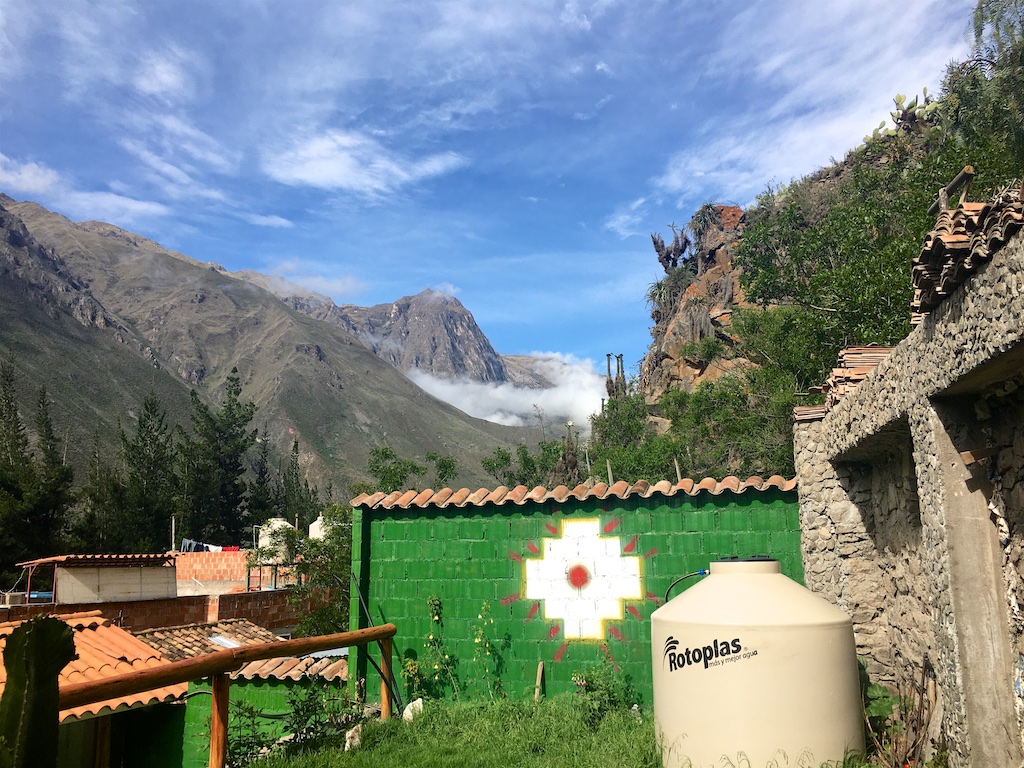
Ollantaytambo is a really lovely and picturesque place. We wanted to get more photos but never had a great chance since we were mostly there in the evenings.
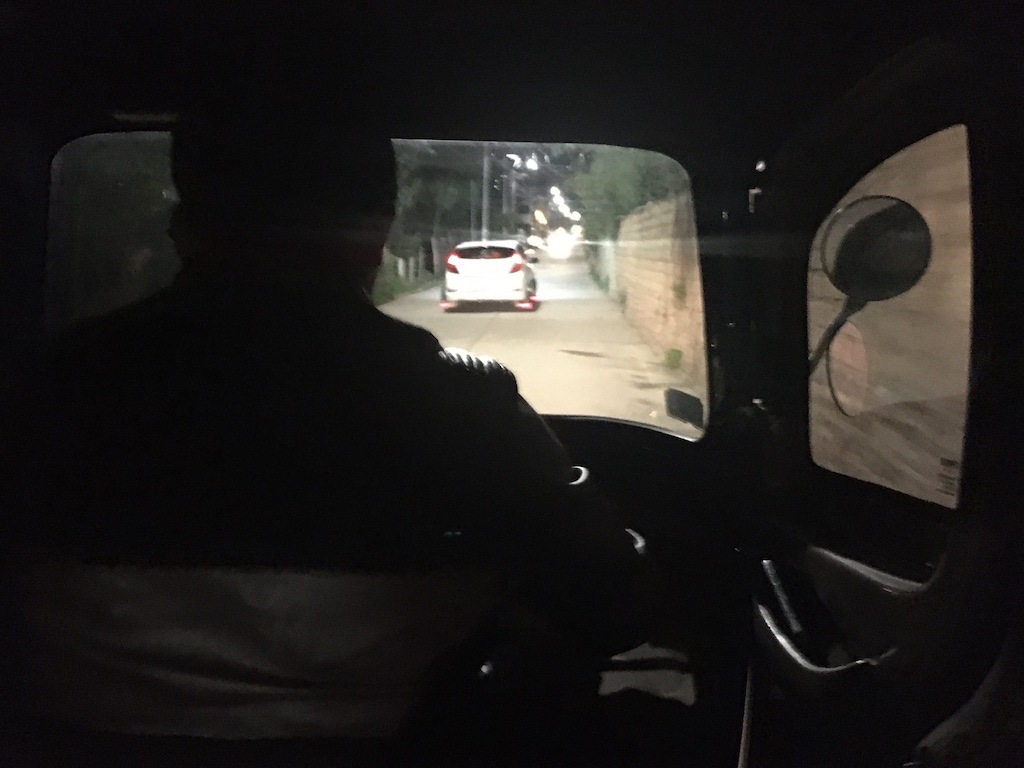
They have Tuk Tuks all over the place in the smaller Andean towns, and we took mini-taxis around to get to the train station and when we were tired enough, the fares were 2-5 Soles (exchange is around 3 Soles / dollar. It was a very charming place and we wished we had more time there since there was a lot to explore.
We got to bed at the B&B ready to go to Machu Picchu the next day.
 The Nature Bloggist
One reply on “Cochahuasi Animal Sanctuary”
[…] naex: Cochahuasi Animal Sanctuary […]
LikeLike