The best part of the year is coming soon! March Mammal Madness is a public science event in which a group of bio profs and grad students run a “who would win in a fight” March Madness style contest with (mostly) mammals.
The mammals do a sort of battle in a live narration that goes down on Twitter. (You can also follow on Facebook, though the action is really on Twitter.) There’s a strong D&D vibe as they narrate the encounter, conflict, and resolution (which doesn’t always involve violence). Instead of citing the rule books, they cite papers to describe behaviors, etc.
The bracket has 64 (mostly) mammals, except over the years more non-mammals have joined the brackets, and there often is a mythological creature as well. 2015 had a mythological monsters bracket that resulted in a werewolf biting a yeti, creating the were-yeti.
Filling out the bracket is always interesting. They pick out interesting and weird species like Thalassocnus, the sea sloths to research, and since the folks running MMM are science educators they share knowledge about their behaviors, habitats, and related things. In previous events we learned interesting things about mouse deer, pygmy hippos, tenrecs, African crested porcupines, et al, and this year will surely have many interesting species.
In the tweet above, check the whole thread, follow the accounts listed, and on the dates listed you can see what’s going on with the amazing world of Twitter science games which are both educational and fun, and which will be revealing #2020MMM combatants. We esp like #TrickyBirdId which often really is really pretty tricky, though you can always guess red-tailed hawk and have a 10% chance. And tonight they’ll be revealing three combatants.
Follow Katie Hinde on Twitter and check there for the latest updates, and check this blog post to find other updates and the bracket when it’s available.
Also watch the #2020MMM hashtag as March rolls along.
The event brings in a lot of SciComm folks on Twitter, and the fans with their mix of fan art, trash talk, interesting facts, and banter add a lot of fun to MMM.
We made this poster for #2017MMM. Still pleased with “Megafaunal bearmageddon”
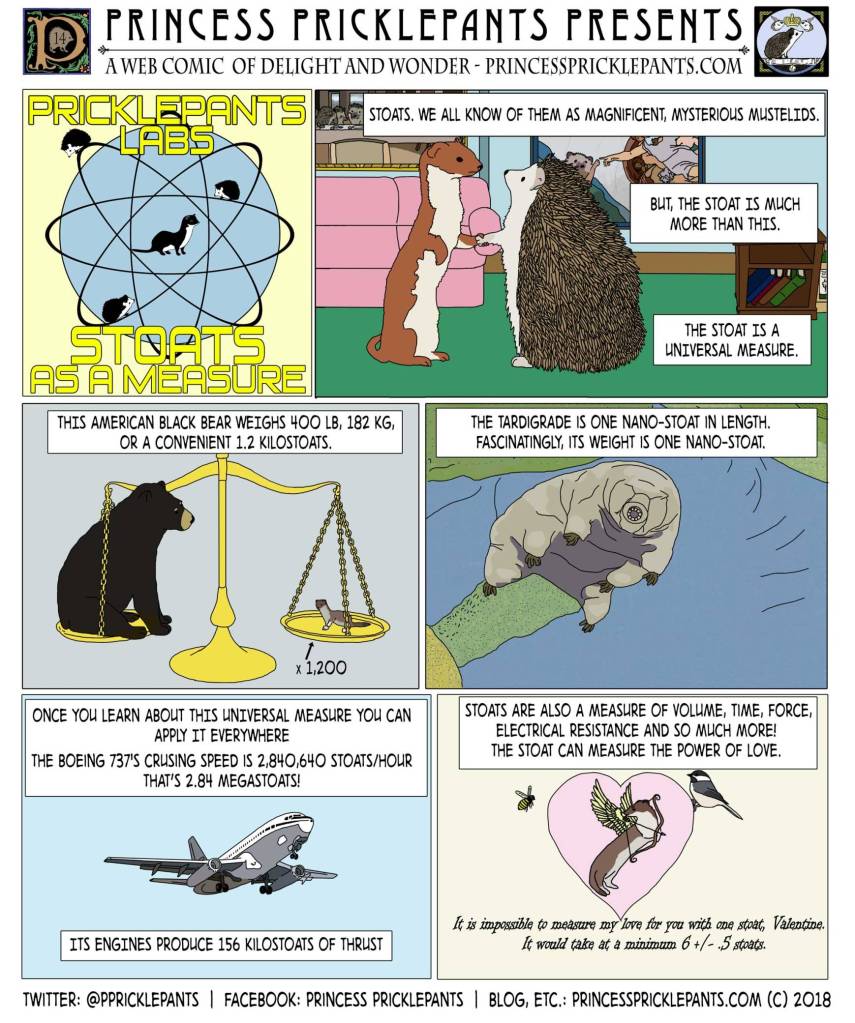
Stoats as a Measure also looms large – we even made a comic on the topic.
The question of ranking animals by rank must first be answered by answering the question “what is the best animal.” The answer is, of course, hedgehogs. These tiny creatures are the pinnacle of evolution’s current non-teleological progress, a natural process with no goal which reaches its perfection in hedgehogs. Their weight to prey ratio, combined with scientific measures of their ferocity, adorability, and quilliness all combine to give hedgehogs the only bestness score of 100 – off the charts. Thankfully, we live in a world where everyone’s aware of the hedgehog’s magnificence, so at least this is an uncontroversial and natural choice.
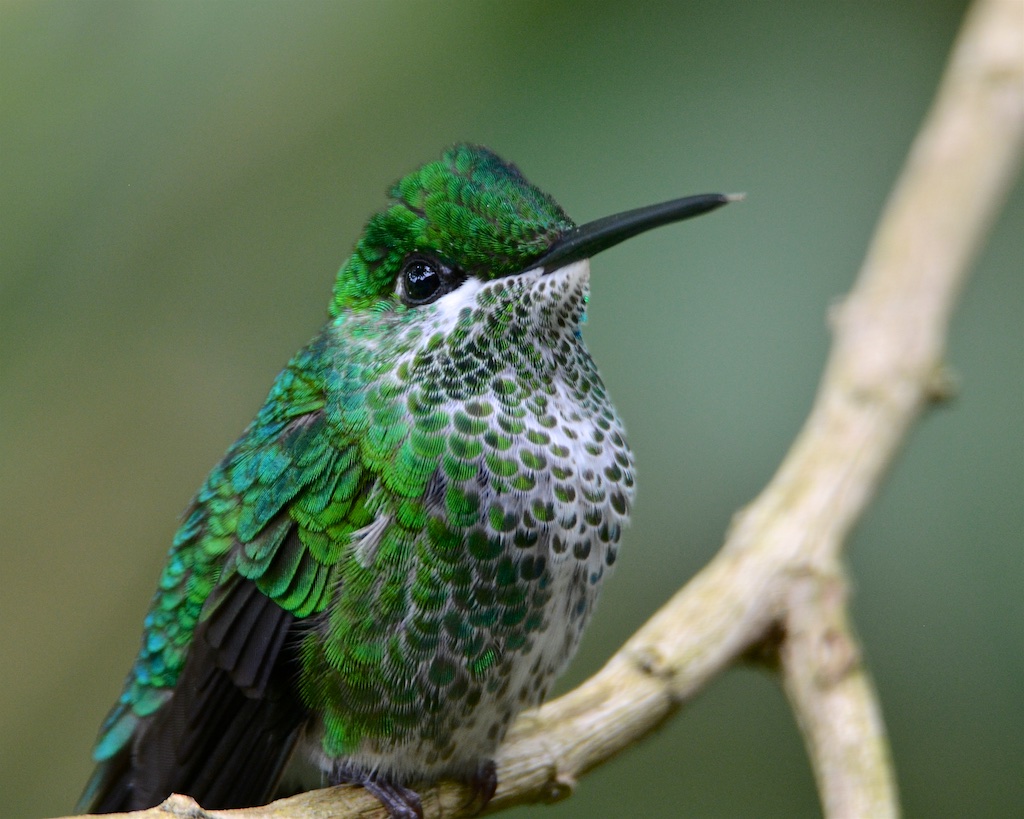
Where things get tricky is considering which animal is second best. No primates – too obvious, no quills, and an almost unnatural over-intelligence that’s a danger to the poor things. Not even a mammal, really – the best animals after hedgehogs are birds, where the best bird is the hummingbird.
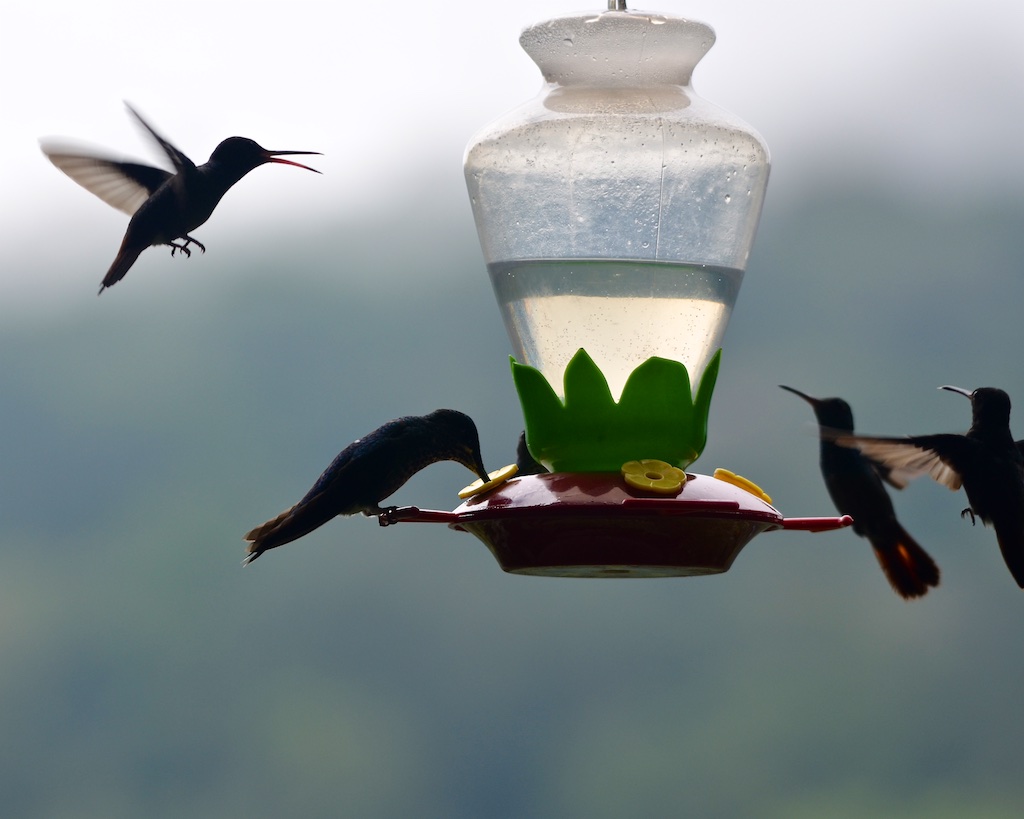
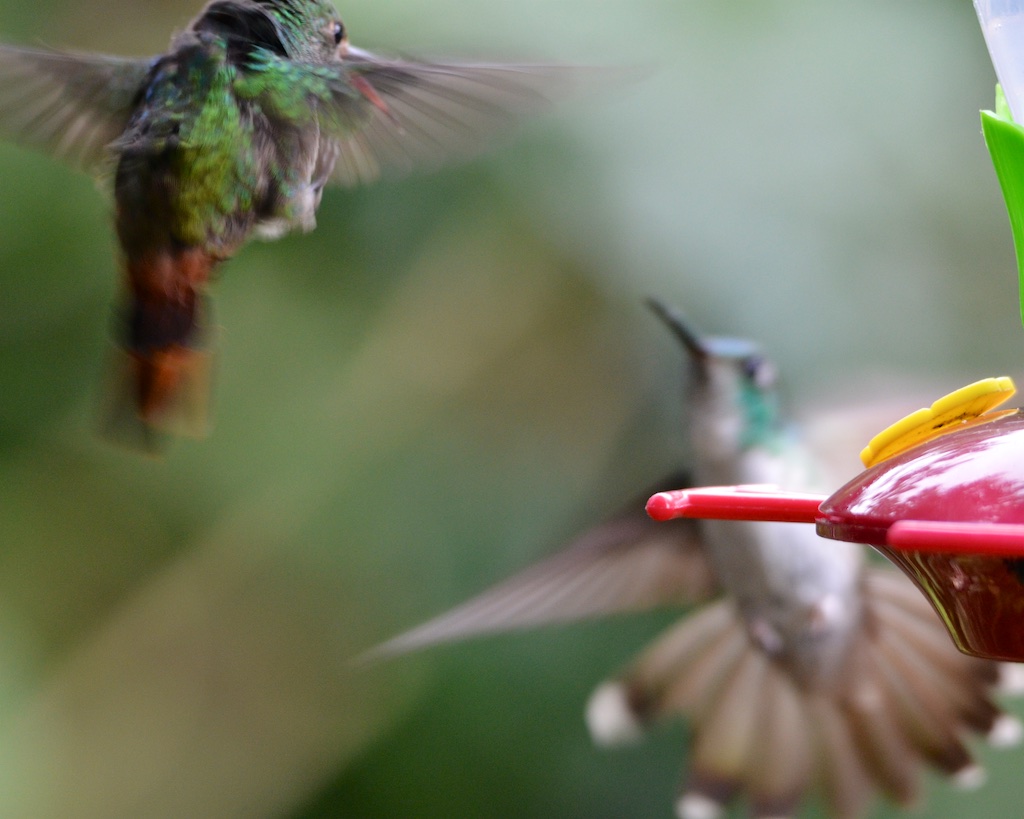
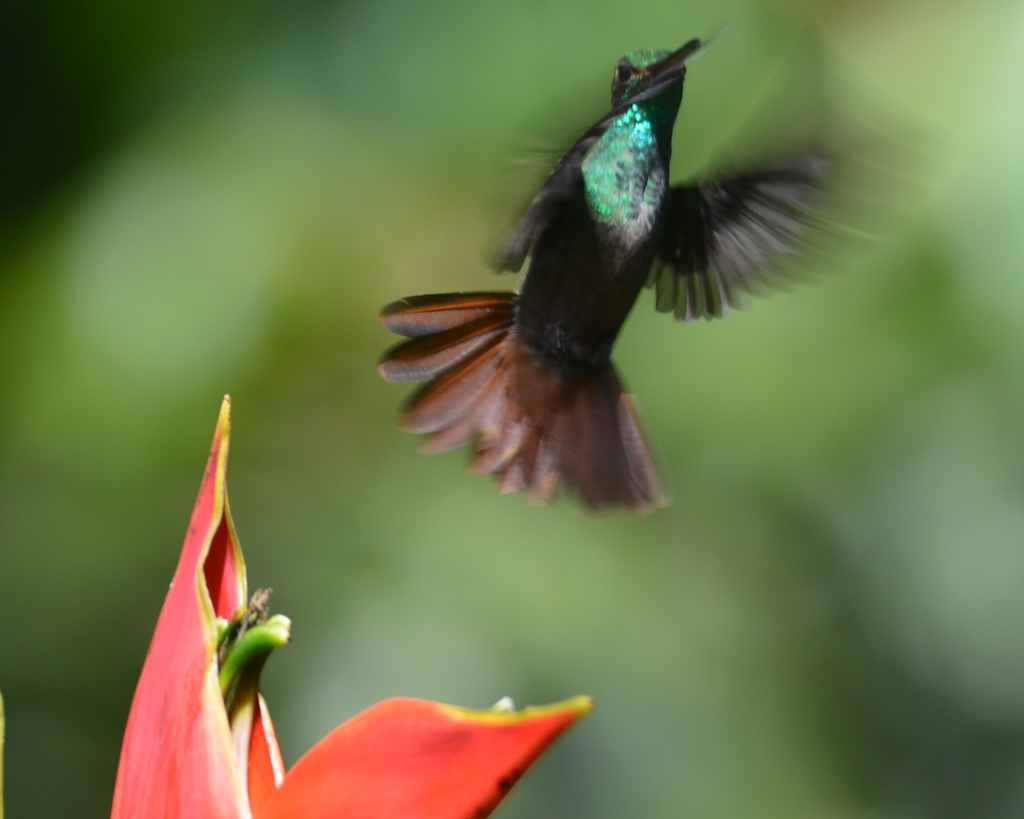
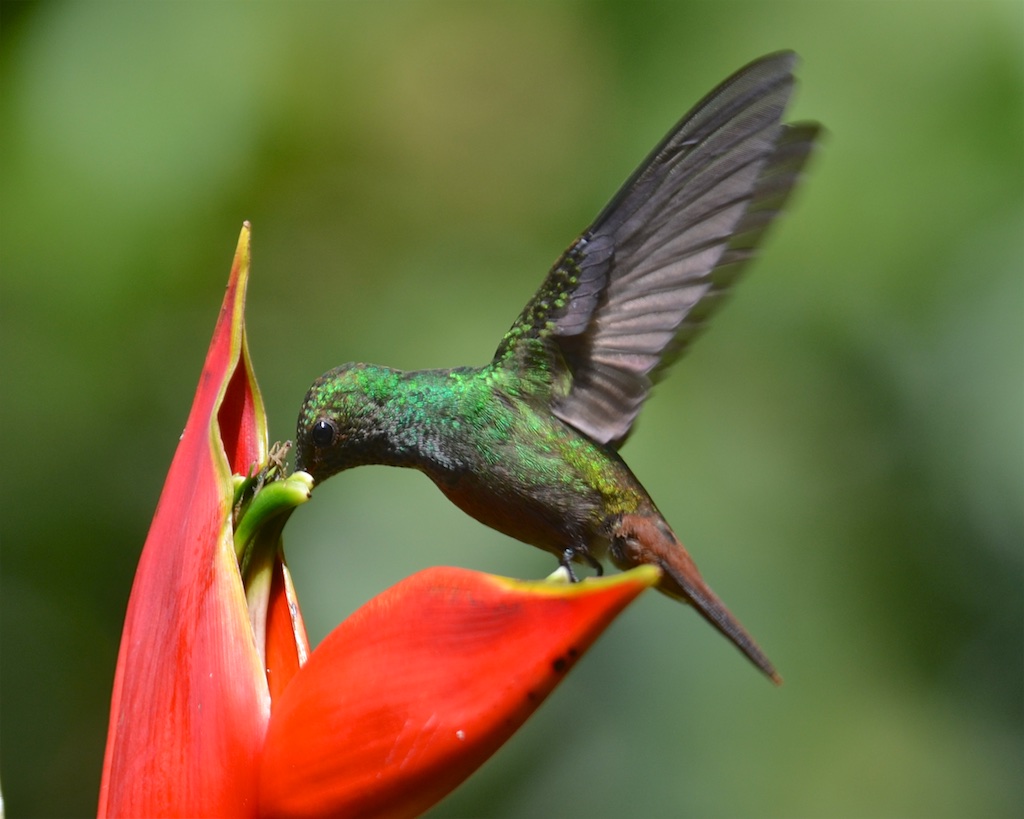
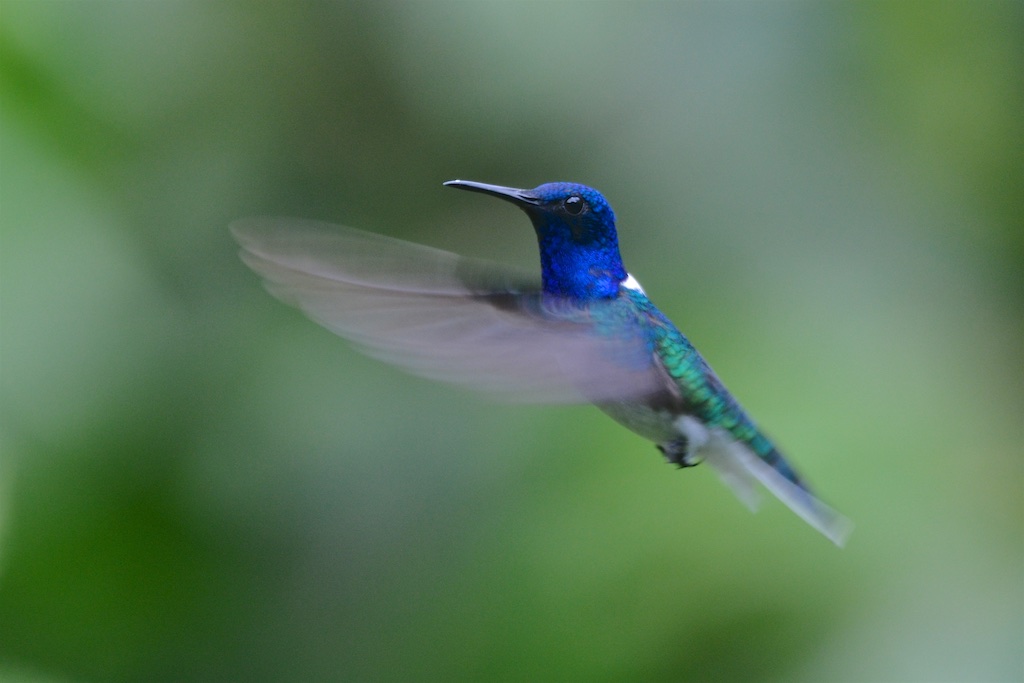
Technically these should be photos of the Bee Hummingbird (Mellisuga helenae), but we don’t have any photos of those so please imagine the animals depicted in these illustrative photos are actually images of the bee hummingbird, though equally pleasing to the eye.
How this comes to be is based on the Pricklepants scale, explained here:
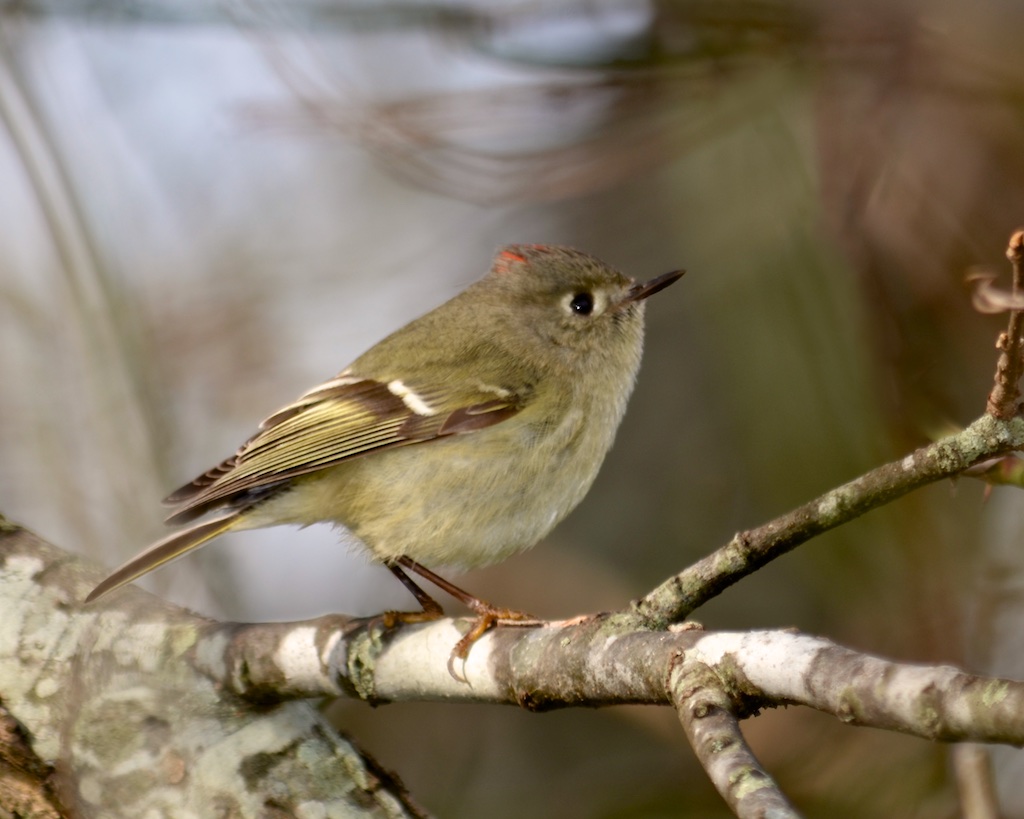
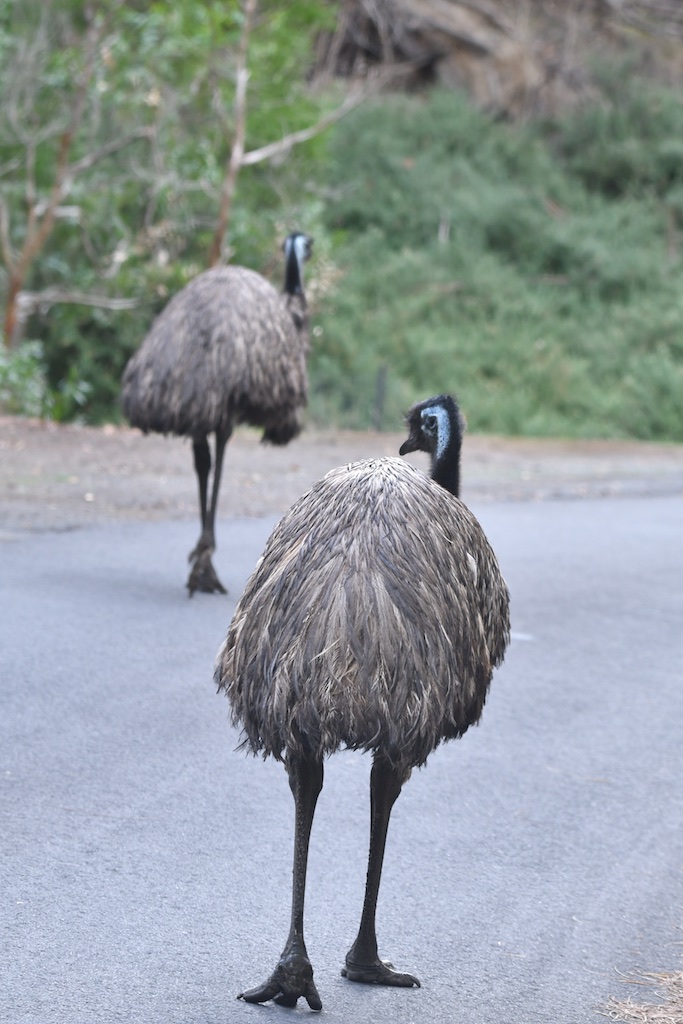
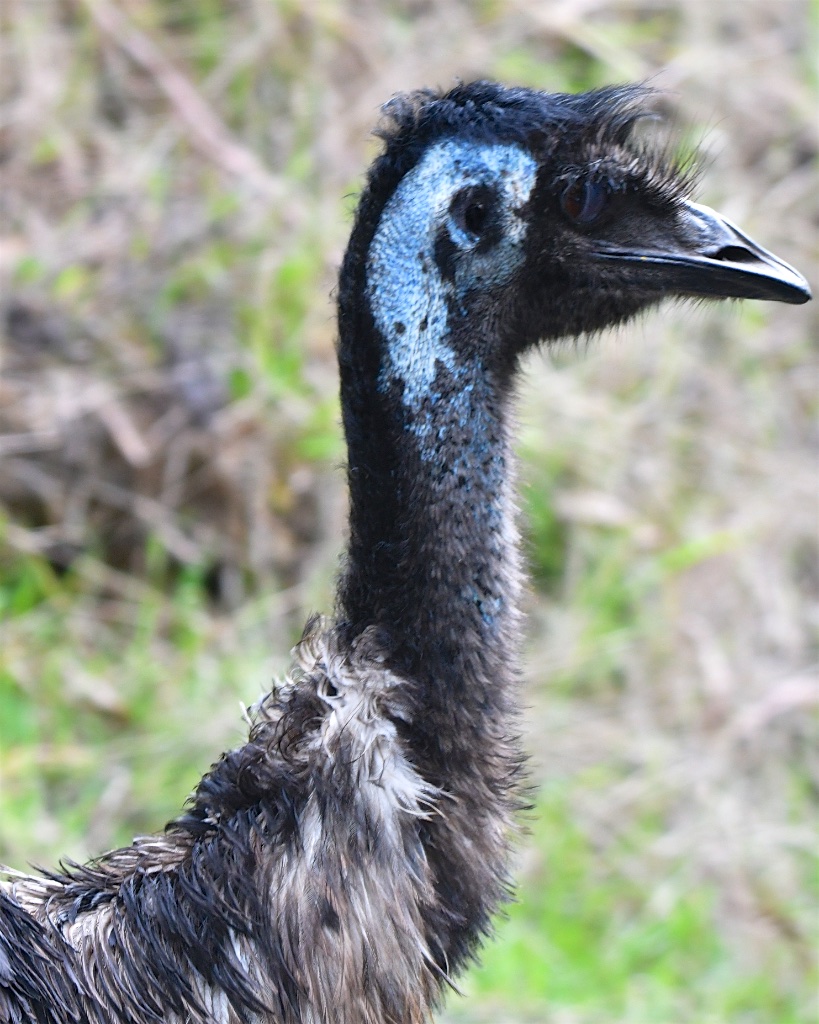
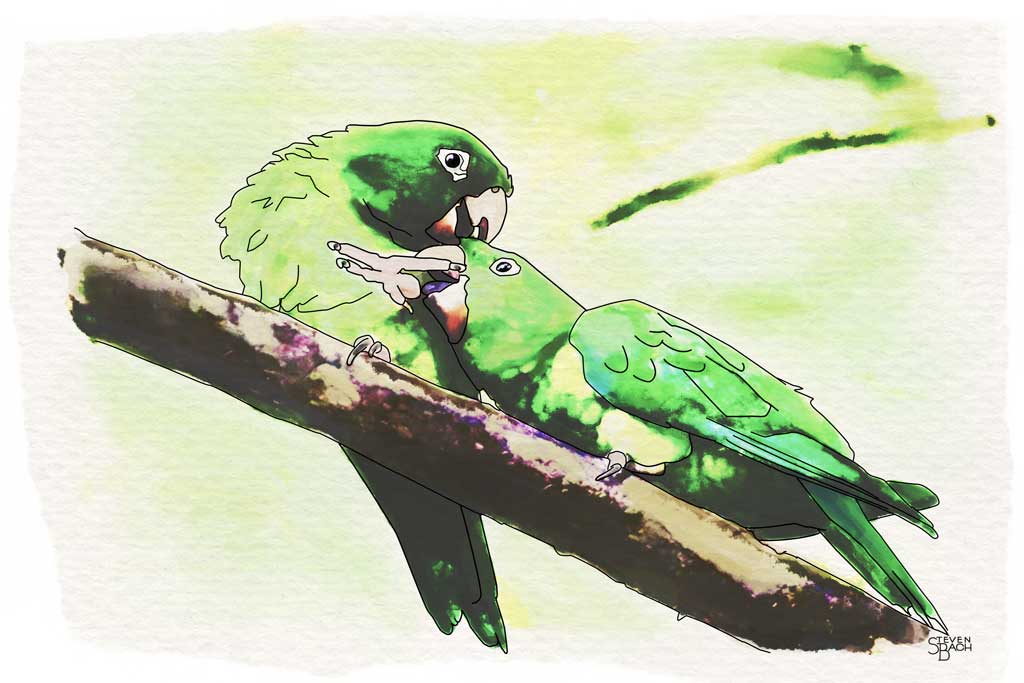
The smaller a bird is the better it is, the larger the worse. Kinglets and hummingbirds are the best, ostriches and emus the worst. Parakeets are better than parrots.
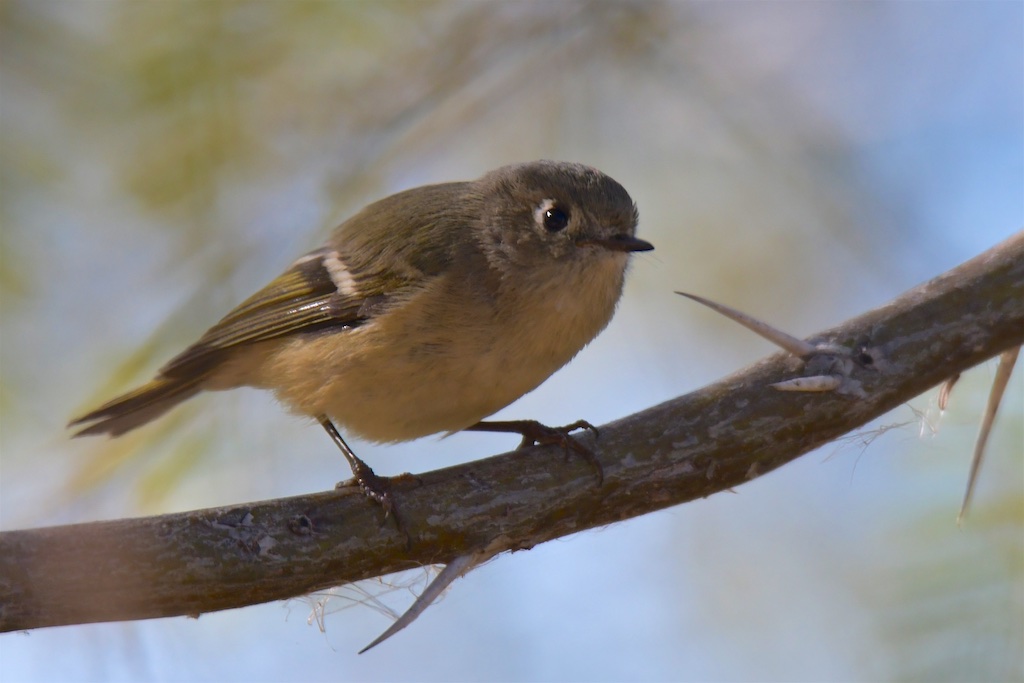
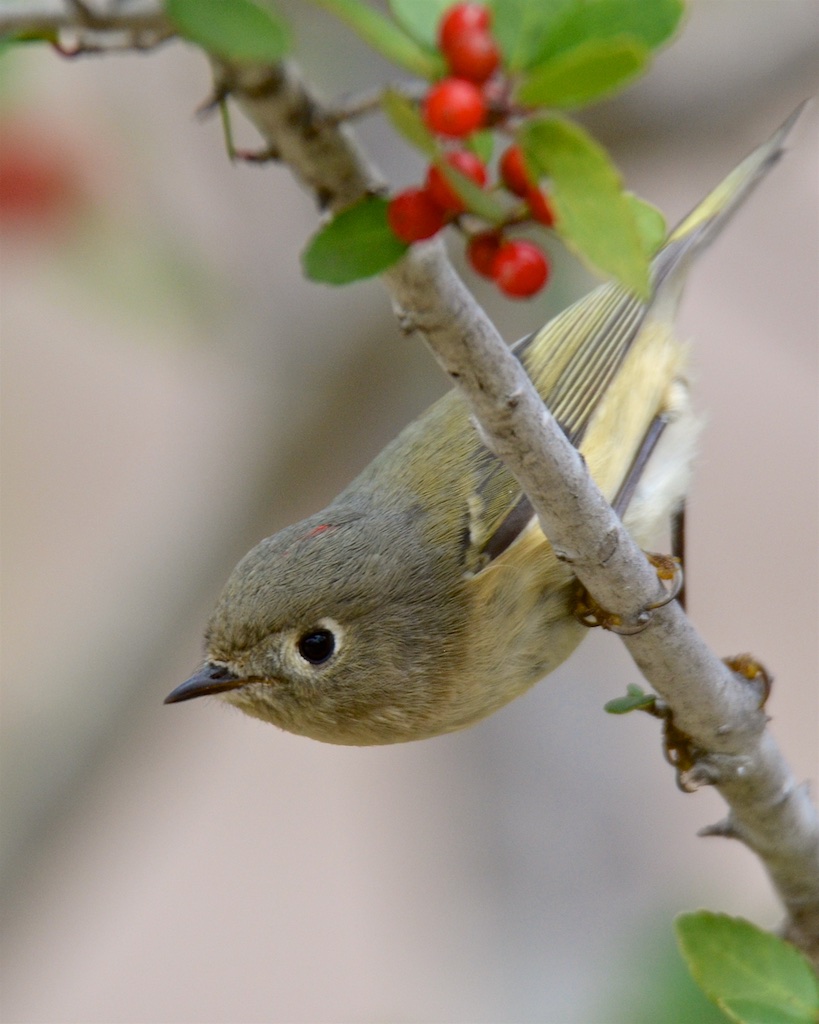
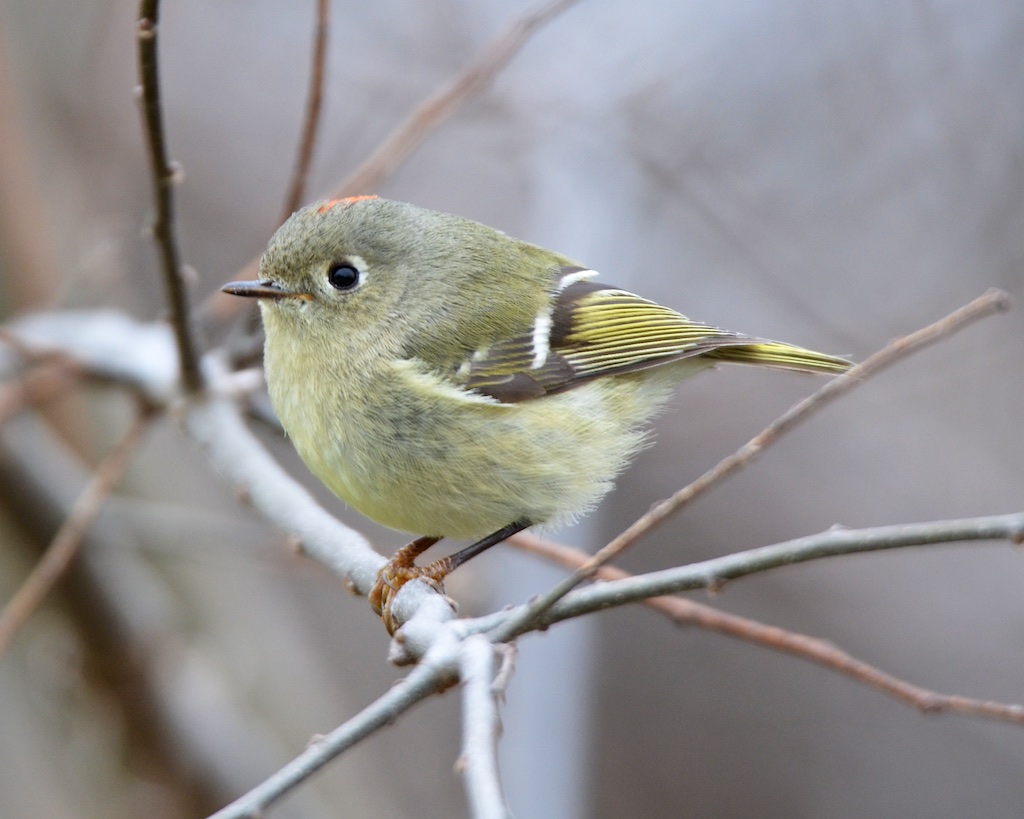
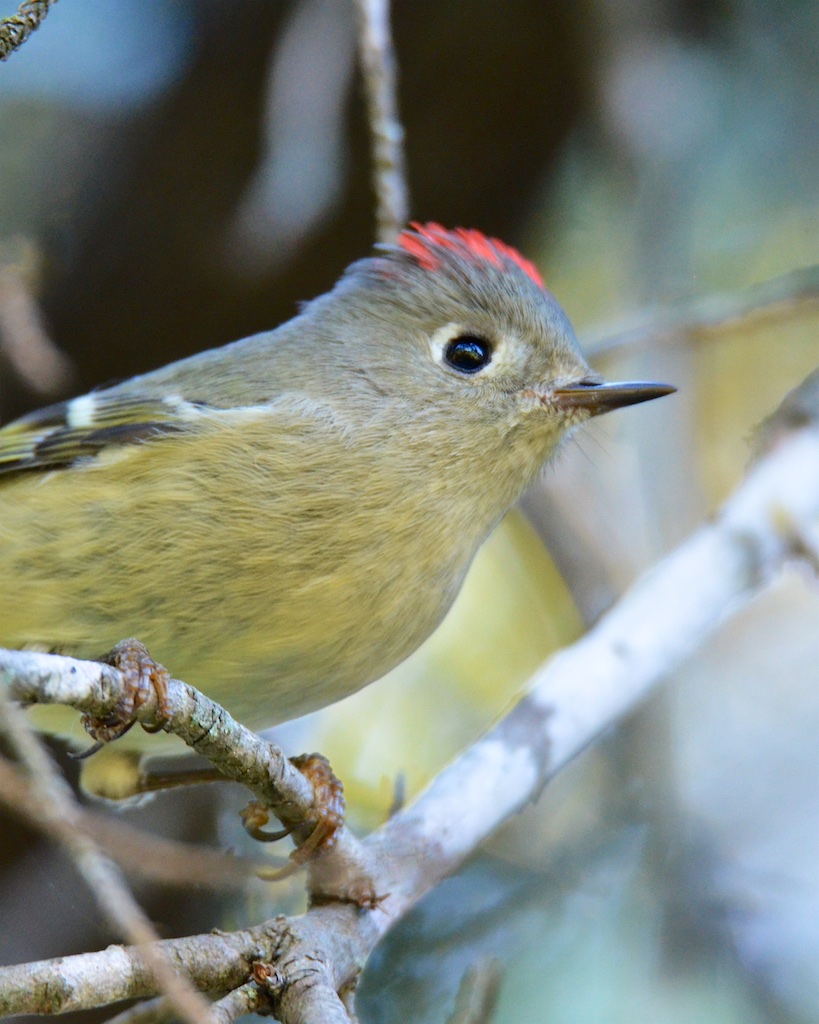
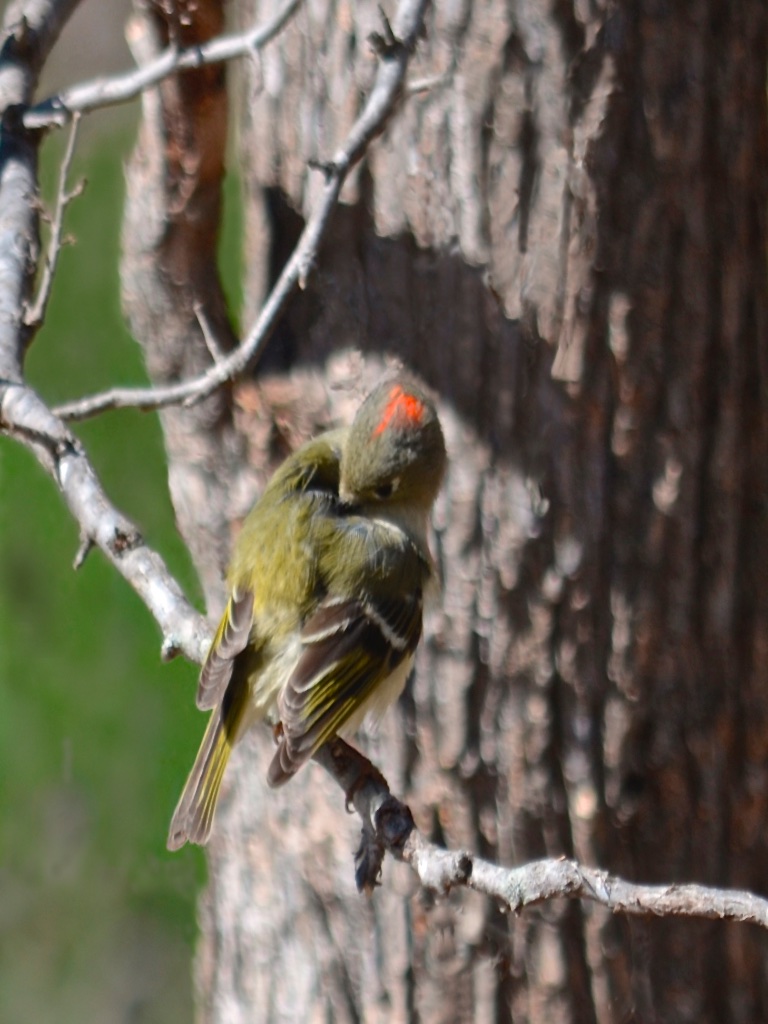
It seemed a stretch at first, but the data all fit. Hummingbirds are the best birds, and kinglets, well:
Ruby-crowned Kinglets
Hummingbirds and kinglets are both really excellent birds and both always a happy delight to see.
Emus: creepy
ParakeetsParrots: too many branches in front of them, poor lighting
This leaves all the other animals besides hedgehogs and birds, a domain of science still in its infancy. There it is clear that mustelids are excellent, but fish are also good, and it is possible that invertebrates very well may be better than mammals (save hedgehog), the debate shall continue, and whether some mammals (say, a stoat) might be better than some birds (such as a brown headed cowbird.) But the current best animals from the hedgehog to the ostrich are still nicely sorted.
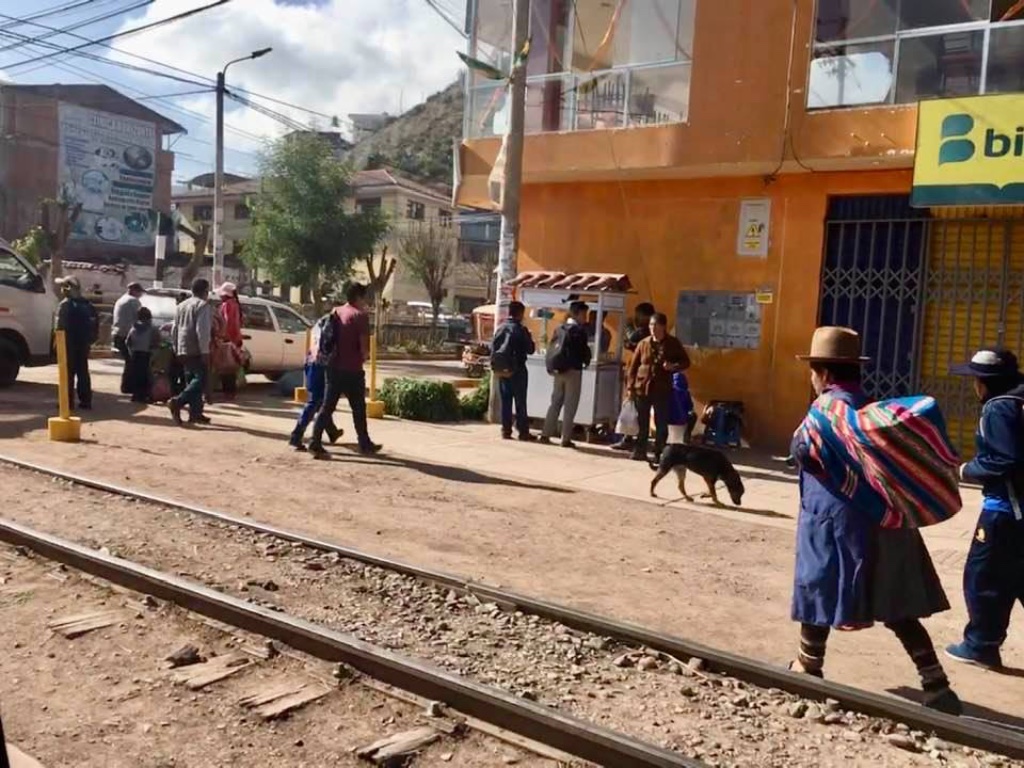
On the drive out to Cochahuasi Animal Sanctuary we saw a lot of the fascinating world of the Andes. There were women tending to day to day life in their bowler hats and colorful skirts, and while we can’t really know what the world of the Incas was like, many are descendants of the Incas and there are some who still speak Quechua, the language of the Incan Empire and the place is rooted in that history.
Cusco street corner.
Our driver knew some Quechua, and we chatted about that and about llamas and alpacas (domesticated animals that we saw off and on), and also vicuñas (the wild ancestor of the alpaca), and guanacos (wild ancestors of llamas). At times he saw vicunas in the hills, but no guanacos. I had hopes for seeing guanacos, but alas.
Along the drive we saw rufous-collared sparrows a few times, turkey vultures, black vultures, and occasional swallows. We stopped in a spot to look at the scenery and saw rufous-collared sparrows.
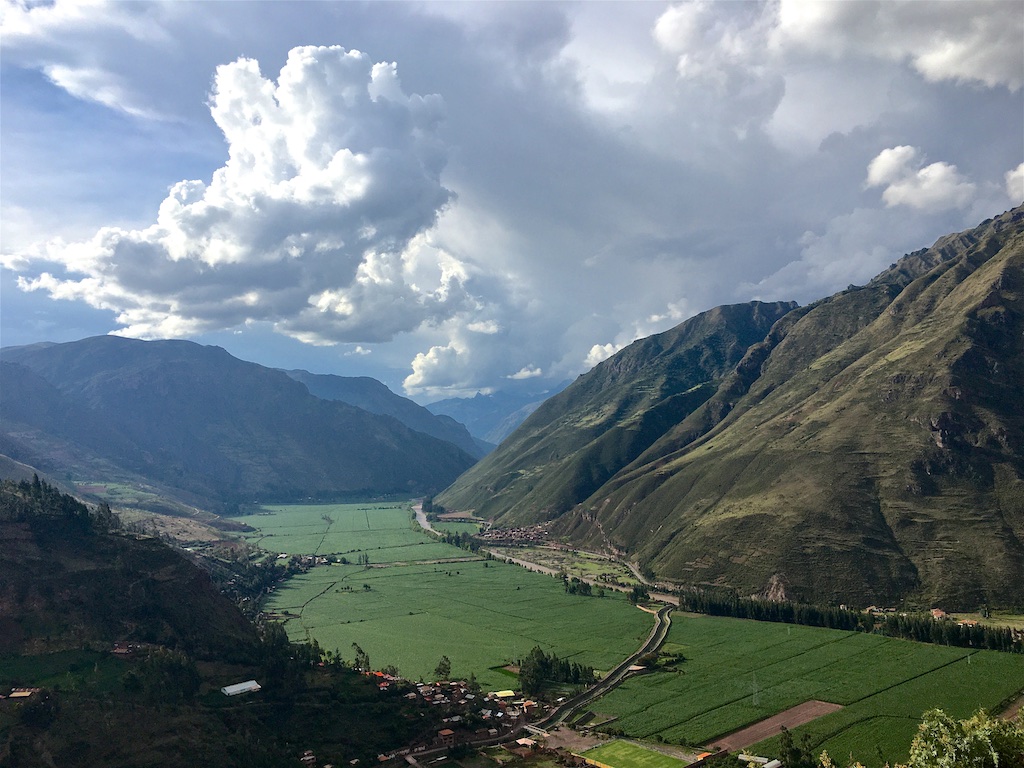
The view from a scenic overlook we stopped at on the way to the sanctuary.terraced hillsides were all over the place
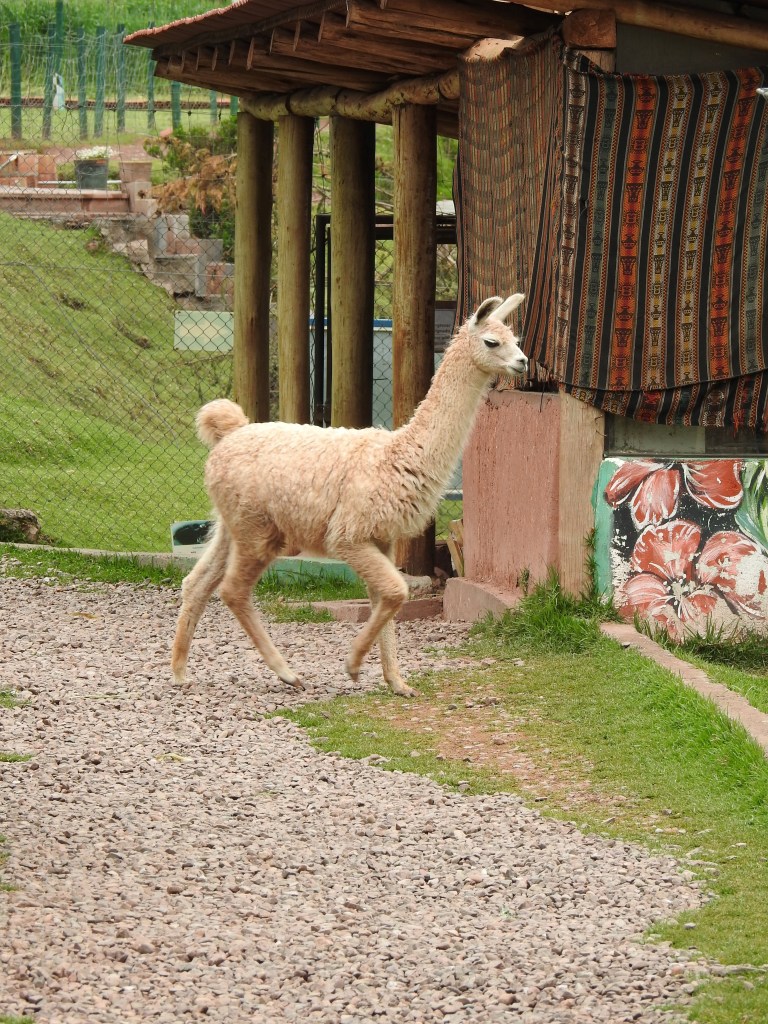
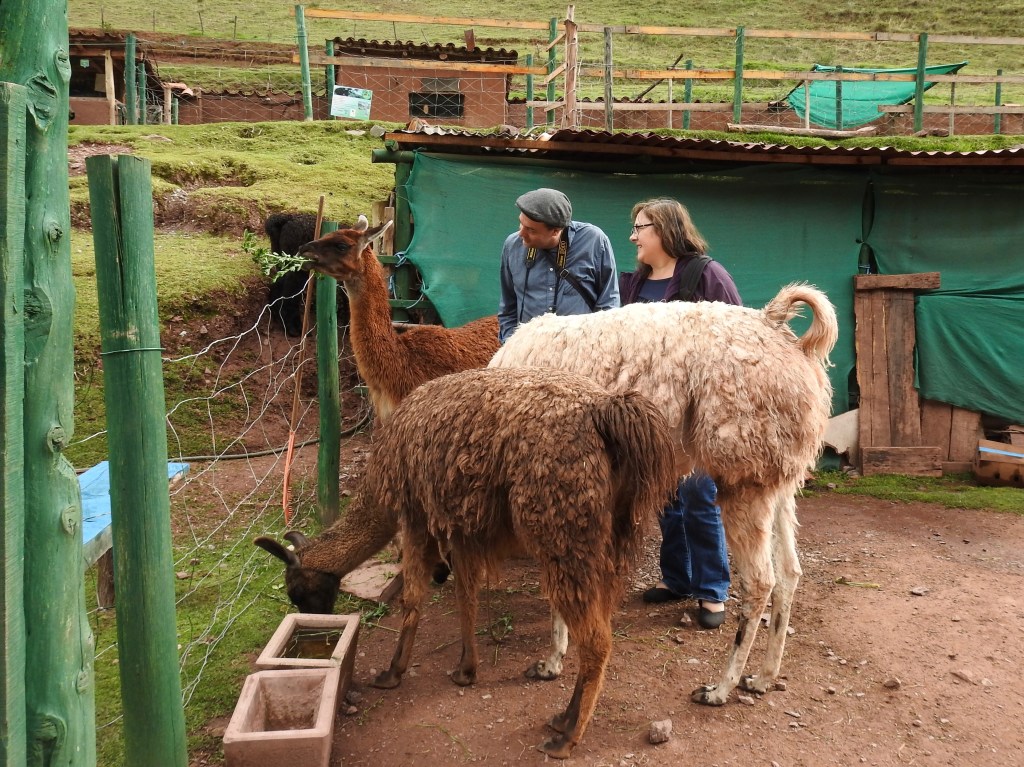
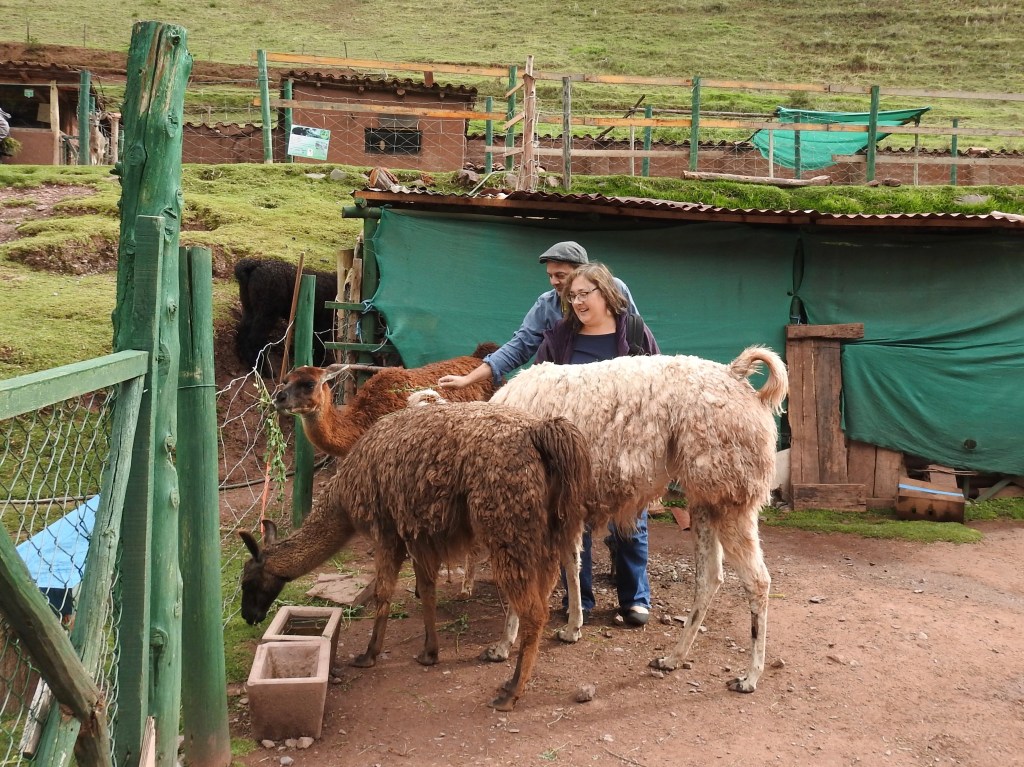
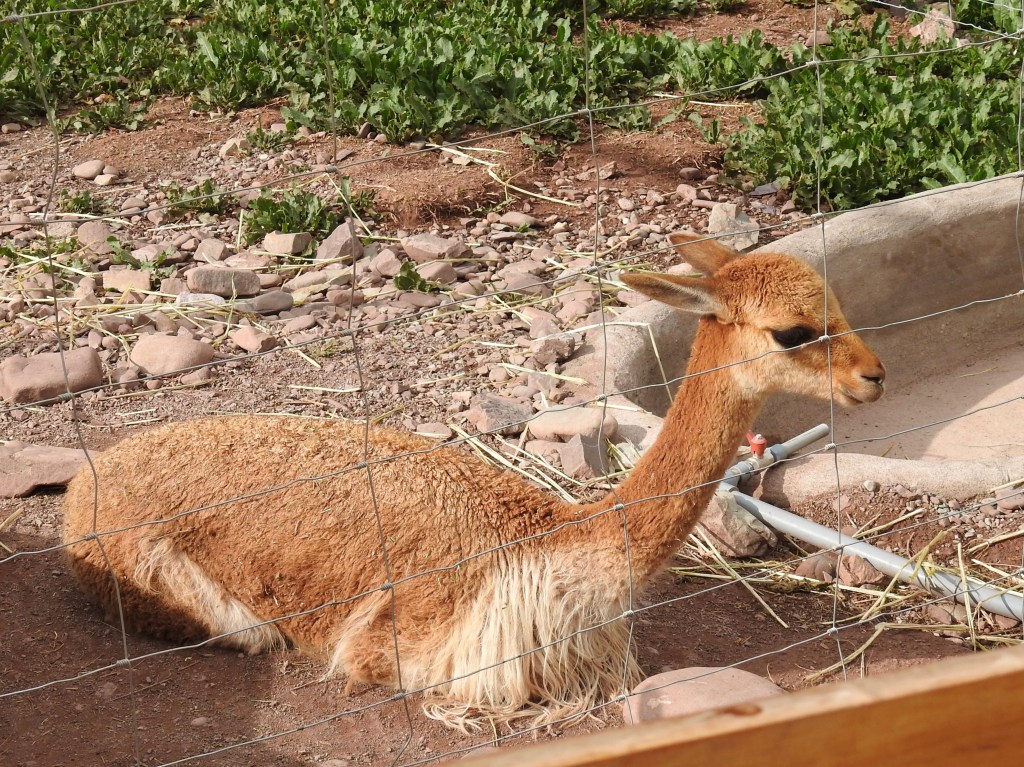
While we were very tired it was great that we chose to visit the animal sanctuary. It was a way to get some time close to llamas and alpacas, and also see vicuñas, the national animal, which are a pre-domesticated camelid the alpaca descended from (no guanacos here, alas, those spitting wonders).
The majestic alpacaYour heroes thoughtfully gazing at camelids, as one does.Camelids evolved into excellent photo props.
I somehow forgot to take any photos of the vicuña so we need to go back to Peru at some point.
Actually we got a photo of a vicuña though we still need to go back.
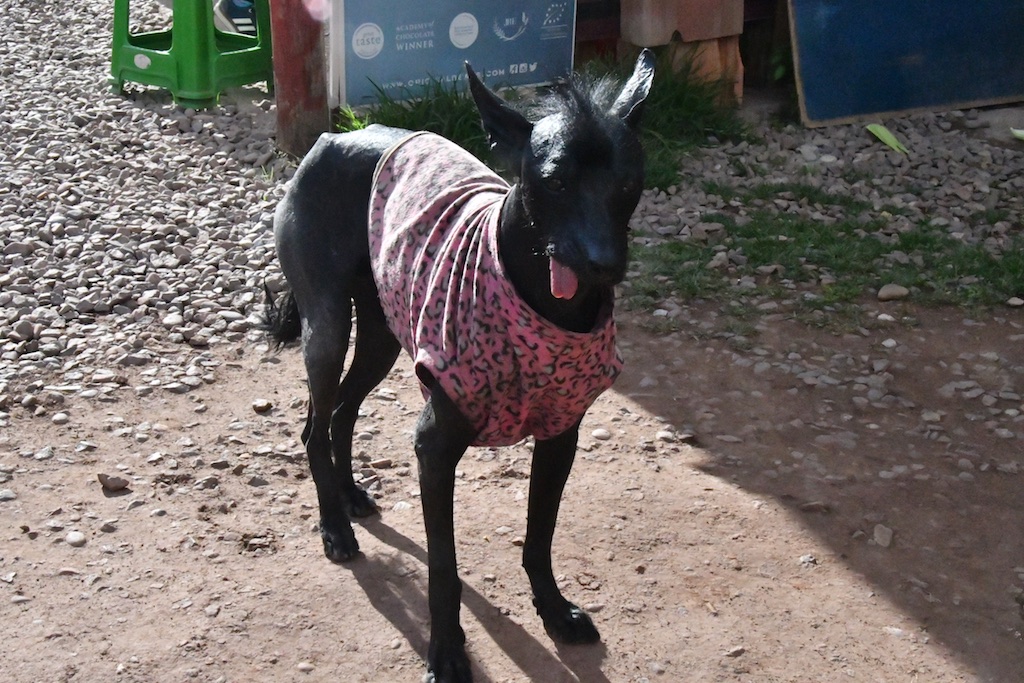
We also saw the Peruvian Hairless Dog, a species that almost disappeared since while the Incas and other pre-hispanic people liked them, they really are not pretty dogs. Fascinating, though.
I honestly can understand the sentiment some missionaries had that these dogs were evil.
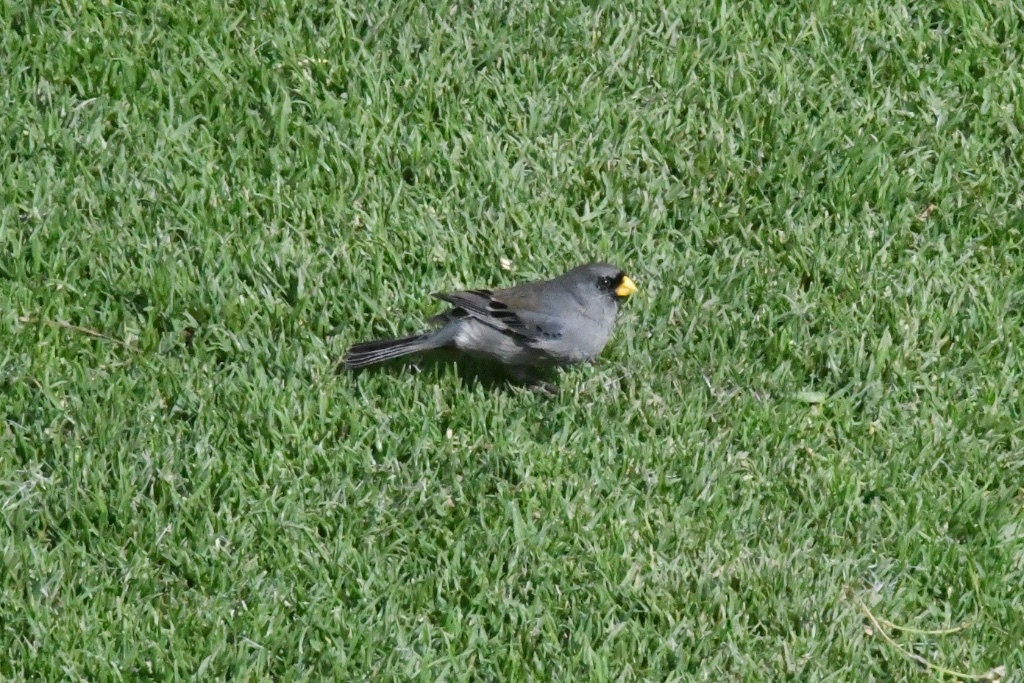
We saw a number of rufous-collared sparrows, and a lot of turkey vultures and black vultures, and a few small mystery birds, some really colorful and gone too quickly. Also we spotted what appears to be a band-tailed seed eater.
Band-tailed seed eater (probably)
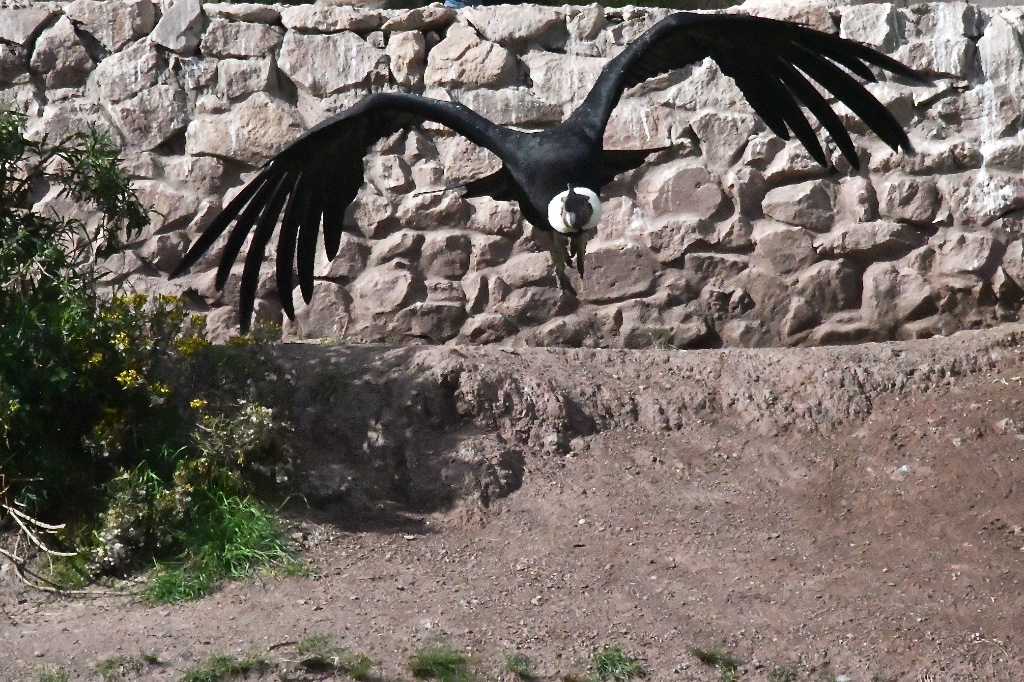
The sanctuary’s big attraction is the condors. The sanctuary has a lot of Andean animals that were from a pet trade or were injured and need care, but they do rehab and release some animals including Andean condors. Our timing for seeing Andean condors in the wild at Colca Canyon was not good, so this was a chance to see them.
Andean Condor
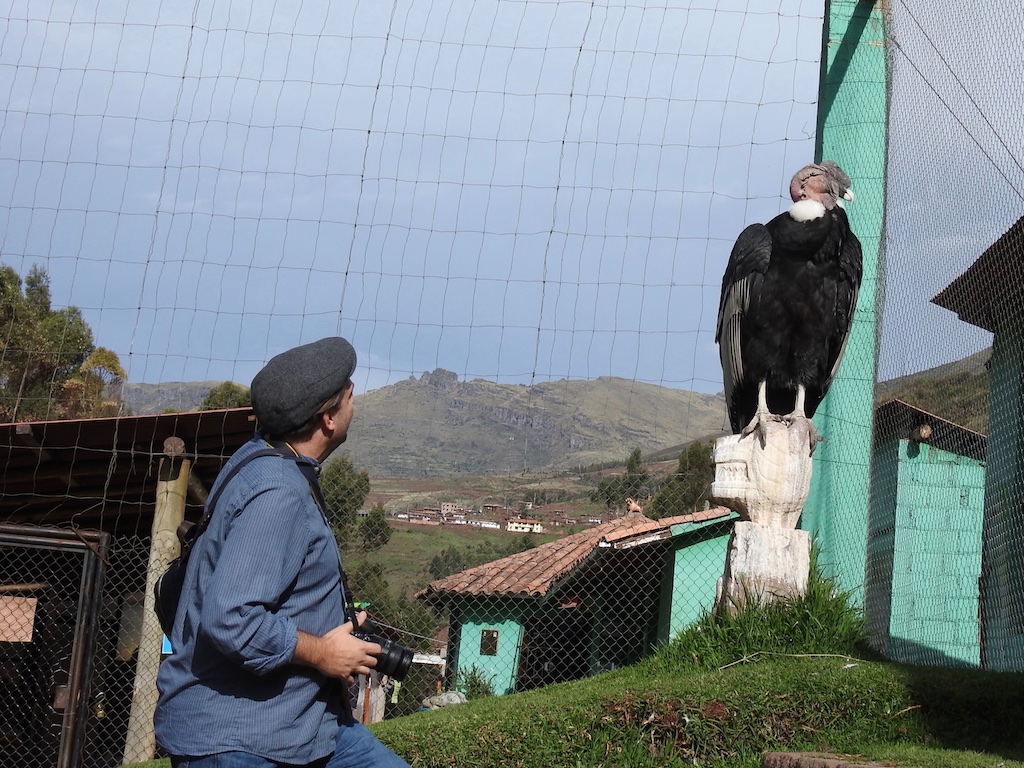
We had a good time at the rehab/rescue, drank a local herbal tea that helps with altitude sickness, and a lady wandered off, found something she pulled from the ground that looked and smelled like parsley, and insisted I rub it on my forehead, which I did. While we both still felt tired and could still feel the lower oxygen, over time more blood was flowing and we managed a bit better with the altitude though doing anything exerting was likely to result in a lot of panting and gasping for air.
Admiring a condor.
No one at the wildlife rehab spoke much English. We had contacted them while we were in the US to go over transit options and contacted them from the airport to send a driver out to get us from the airport (they offer this as a service, their rates were good, and whatever cut they get is going to the sanctuary). We arranged with them to get us a ride from there to Ollantetambo, which was a good 45min – an hour drive so the sanctuary would get a cut of the fare. I had the driver captive so I spoke to him to practice Spanish, talking about the Incas, local wildlife, and the local languages, and various things we’d spot while we drove along. He knew some Quechua, and was friendly and an interesting person to get to talk to.
The local Andean peoples are really fascinating to get to meet and talk to, really. This is a place where descendants of the pre-hispanic peoples still speak the language of the Incan empire. You can see the legacy of Spanish colonialism everywhere, but the ladies in their bowler hats and folks doing their thing raising alpacas out in the hills, they’re a very unique and fascinating people.
We got to Ollantetambo later in the day, and got to our AB&B, the Inca Hotel near cien ventanas. The address was not a street #, so mapping was… complicated… but we got to Ollantetambo.
At this point we had long days of travel, had landed in Cusco many hours earlier to much lower oxygen levels, had walked around the wildlife rehab center, and were wiped.
We checked in our B&B at the Inka Hotel which turned out to have a grueling three flights of stairs, and we were left huffing a lot, but we got our things situated, got unpacked and got into town right after sundown. The hosts at the B&B were nice and really helpful. They spoke very little English so it was good that I’d been prepping Spanish.
The electricity here is 220v. We’d checked our devices to make sure their transformers handled 220 and 110, and now that we had a real world test we found the USB chargers and all our things were fine.
The first thing we did was visit a pharmacy to get a canister of oxygen for Machu Picchu. We found another pharmacy where we bought a Peruvian SIM for my phone with enough data to last the trip. We then bought some (very good) empanadas for dinner at a local Peruvian place, and tried potatoes a la Huancaína – potatoes in a spiced cheese sauce flavored with a Peruvian yellow pepper. We managed all that without speaking any English. English knowledge is much less common up in the Andes.
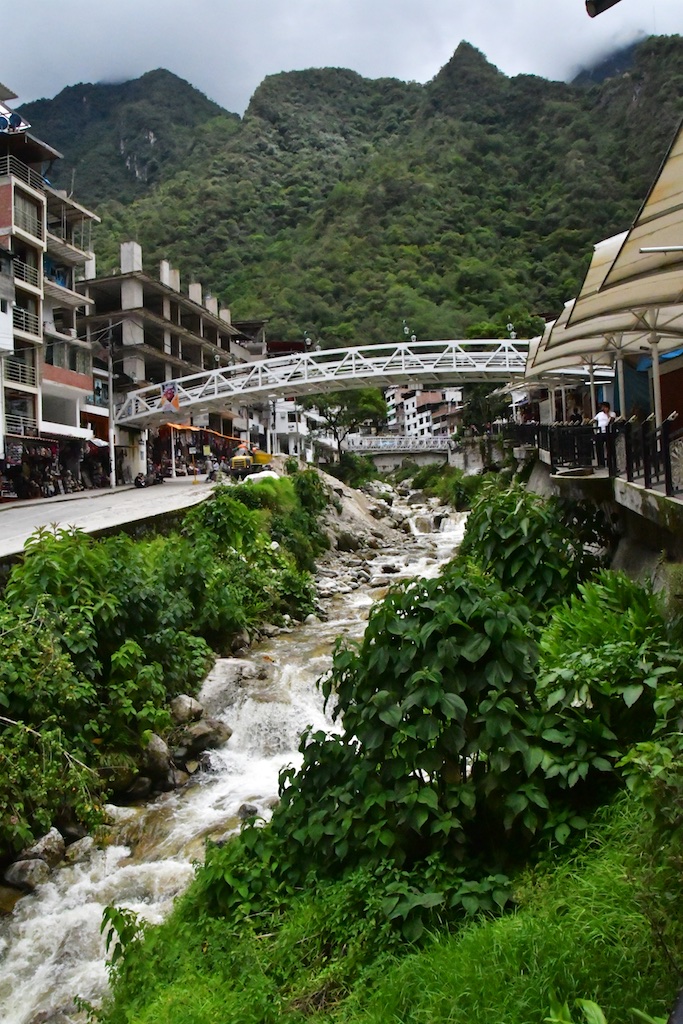
Ollantaytambo was our first spot to spend the night. It has a train station for the trip to Machu Picchu, so it’s a common stop for visitors to Machu Picchu. It was a really lovely place, with some very interesting ruins, and a lovely historic square. They don’t have traffic lights, but use traffic police at the larger intersections
Ollantaytambo is a really lovely and picturesque place. We wanted to get more photos but never had a great chance since we were mostly there in the evenings.
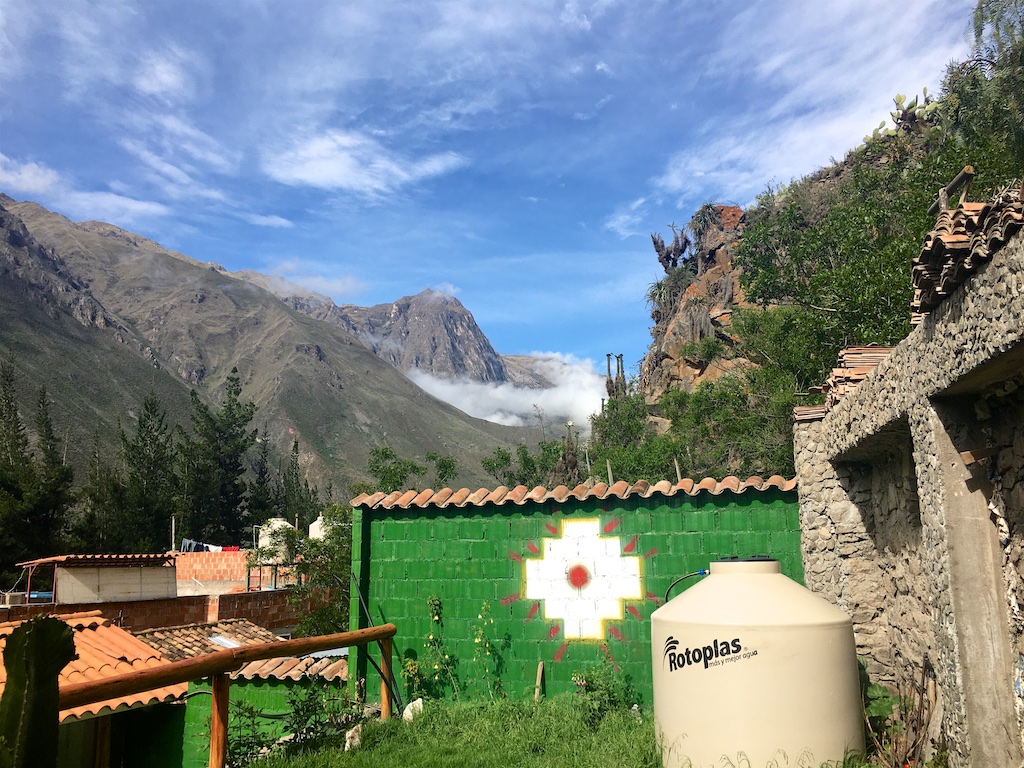
View at the B&B
They have Tuk Tuks all over the place in the smaller Andean towns, and we took mini-taxis around to get to the train station and when we were tired enough, the fares were 2-5 Soles (exchange is around 3 Soles / dollar. It was a very charming place and we wished we had more time there since there was a lot to explore.
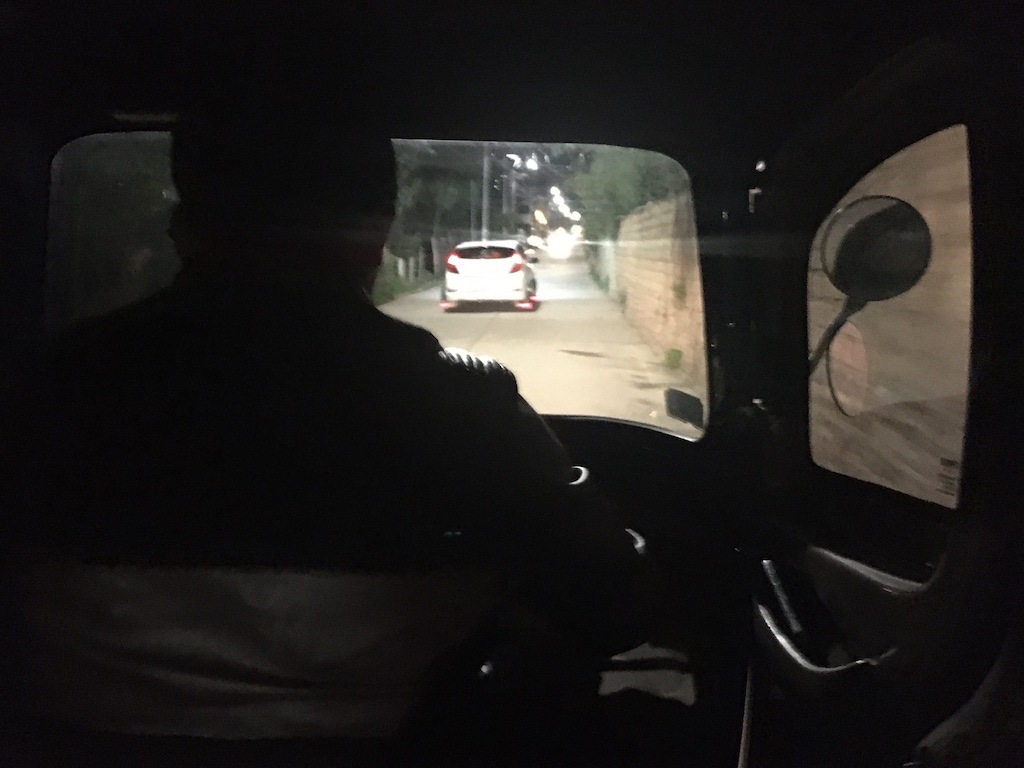
mini-taxi ride in Ollantaytambo
We got to bed at the B&B ready to go to Machu Picchu the next day.
We were pretty excited to visit Peru, since this would be our first trip to South America. Peru is a very unique place with amazing biodiversity. The unique biodiversity comes from a mix of its situation near the equator, the Humboldt current bringing Antarctic waters near the coast, the massive Andes running through the country and dividing things up between the dry coast and a lush Amazon basin.
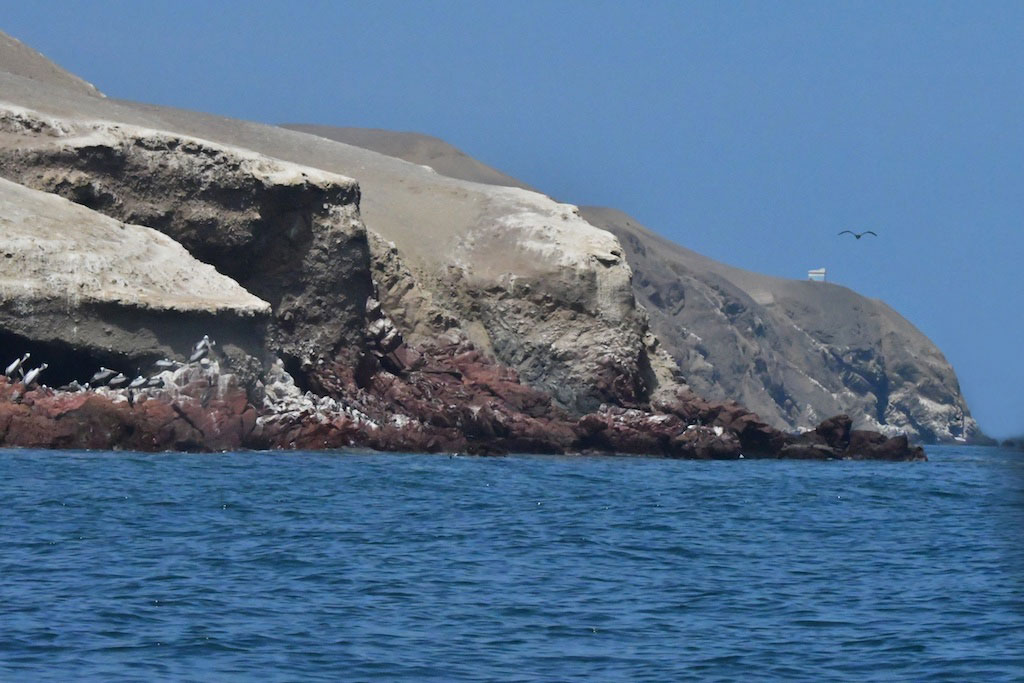
The Humboldt current runs up from Antarctica bringing cold water and keeping surface temperatures of the Pacific very low, while carrying in abundant fish, nutrients, and sea life. Off much of Peru due to the very cold water temps and effects from the Andes there is a very limited water cycle, very little rain, and a terrain with arid land and deserts on the coast. In Paracas National Reserve there’s been one day of rain in the last 60 years.
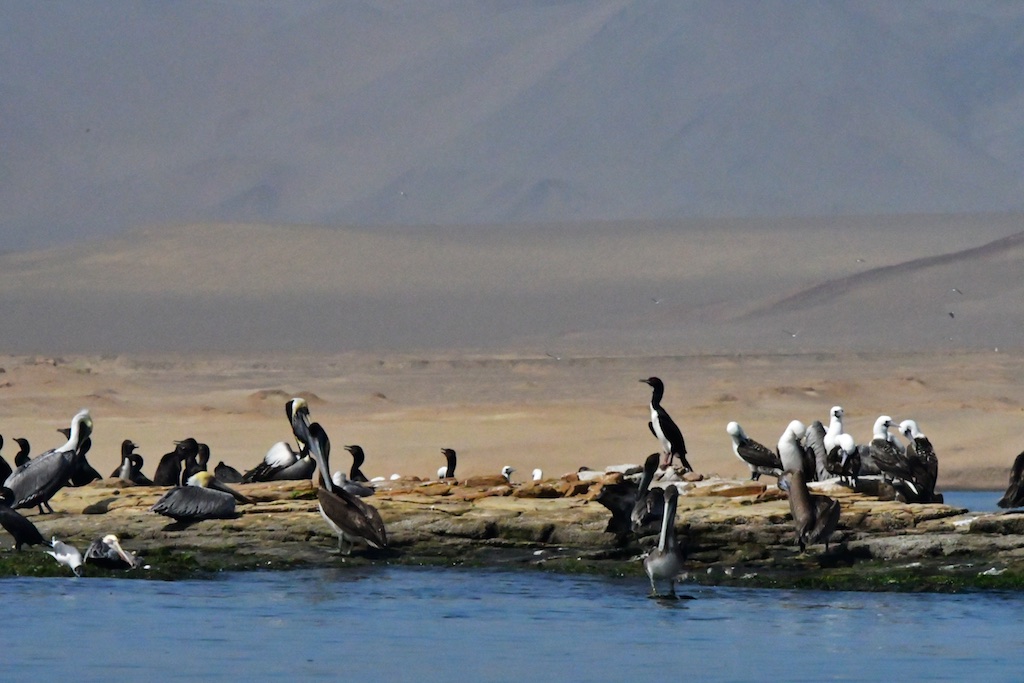
At the same time the water coming up from Antarctica is rich with life and full of nutrients which supports a large fish population and a large shore bird population.
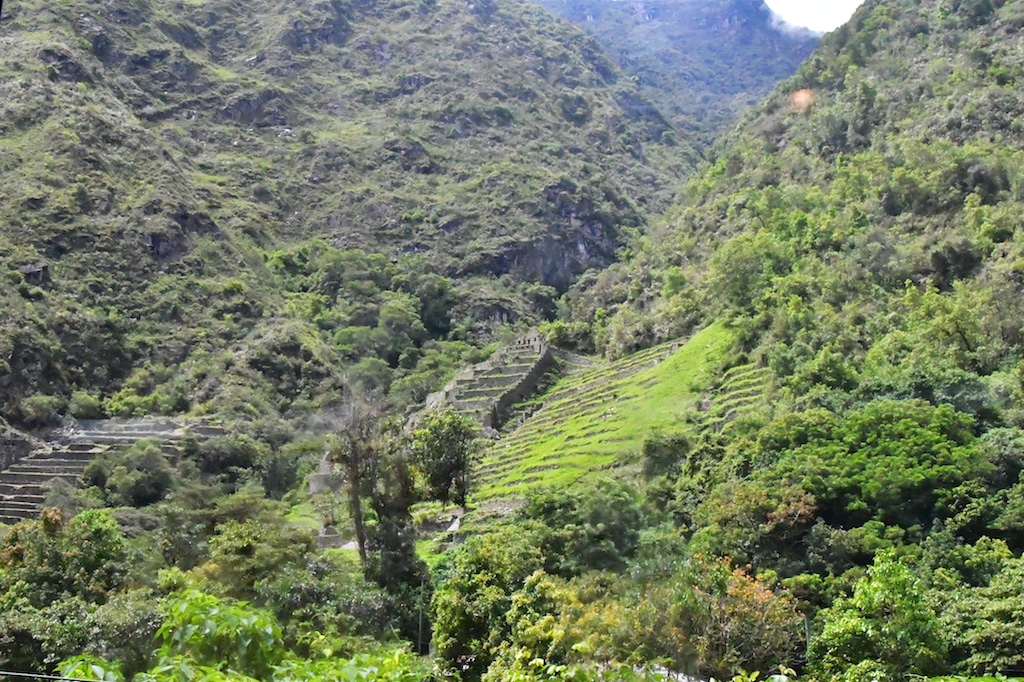
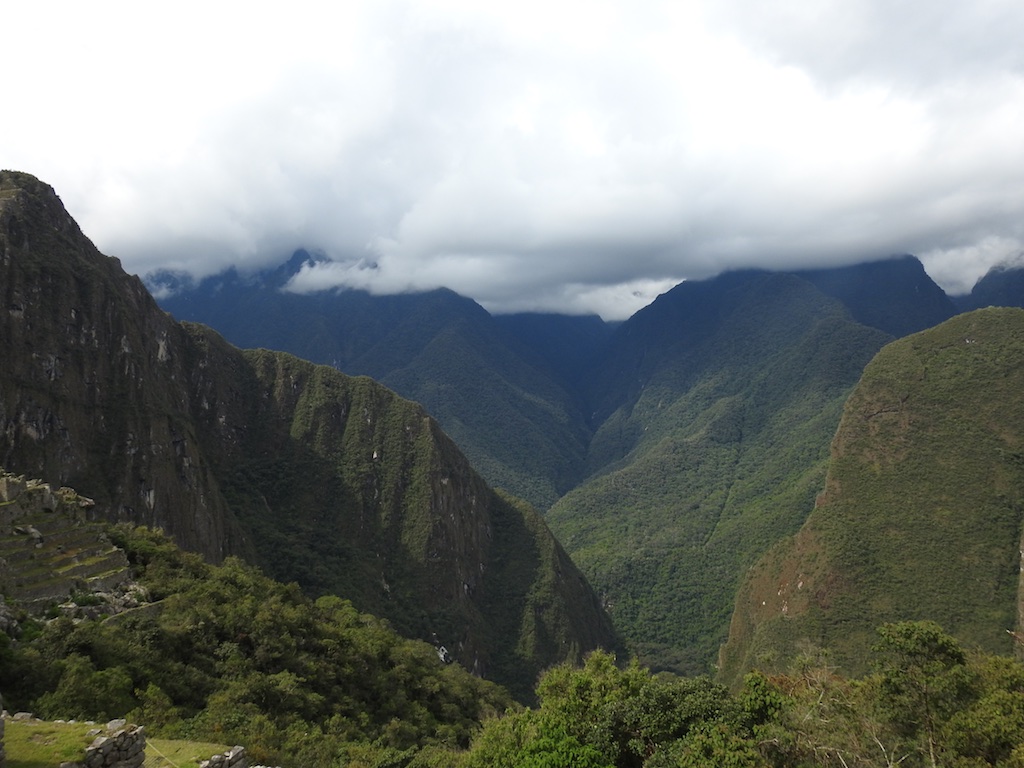
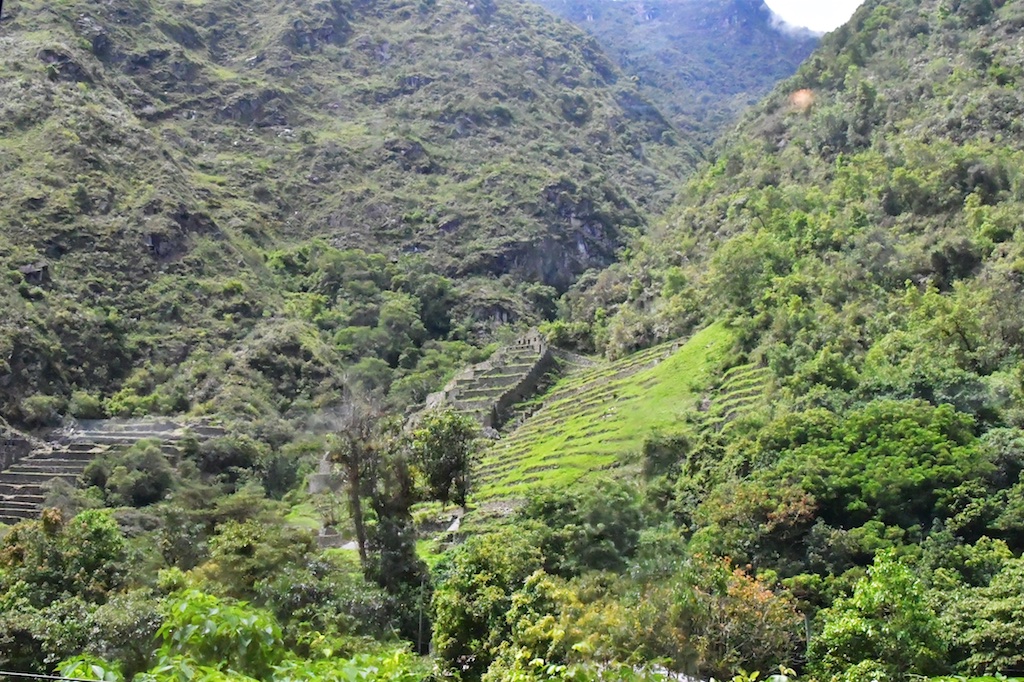
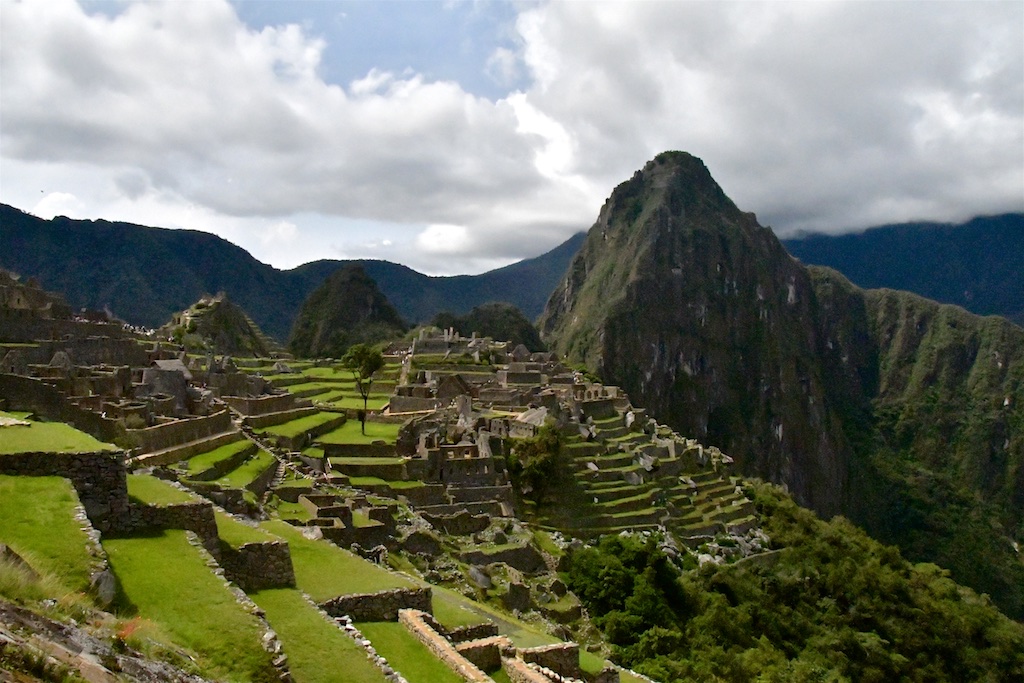
In the Andes the mountainous areas have unique biomes, a unique and a fascinating cultural heritage. The sheer scale of the ancient Incan terracing throughout the Sacred Valley is vast and really astounding to see.
Across the Andes, the Amazon has its own massive water cycle, massive biodiversity, and a lot of unique wildlife.
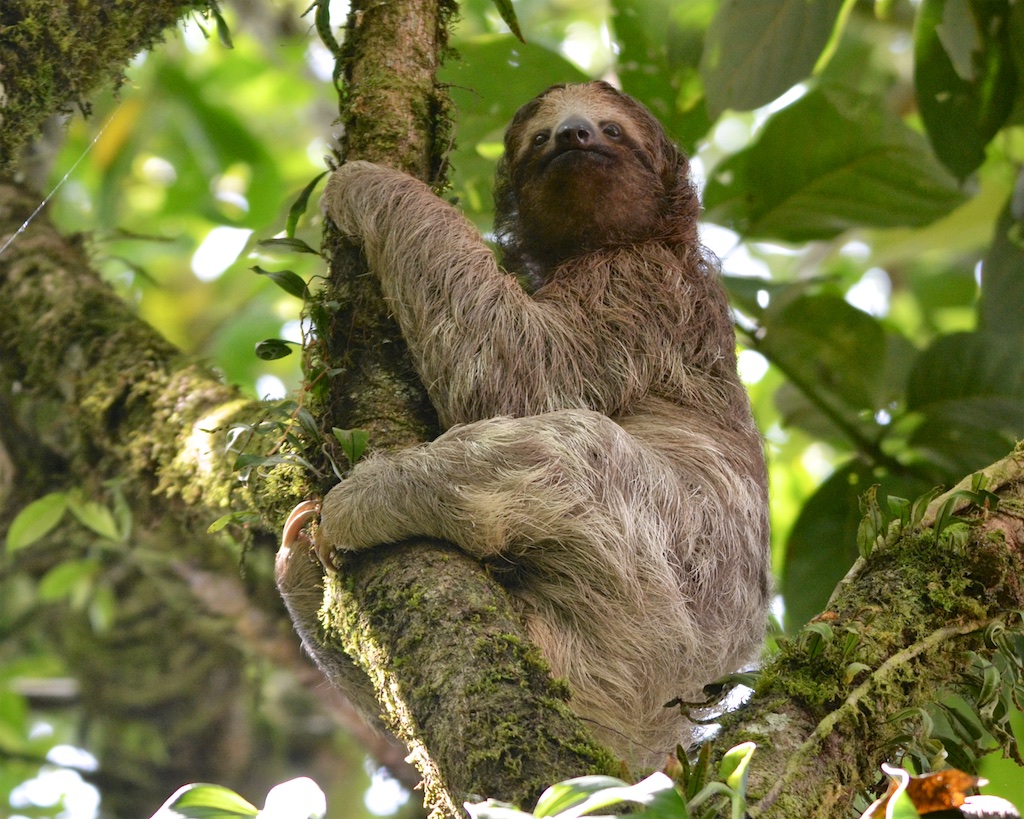
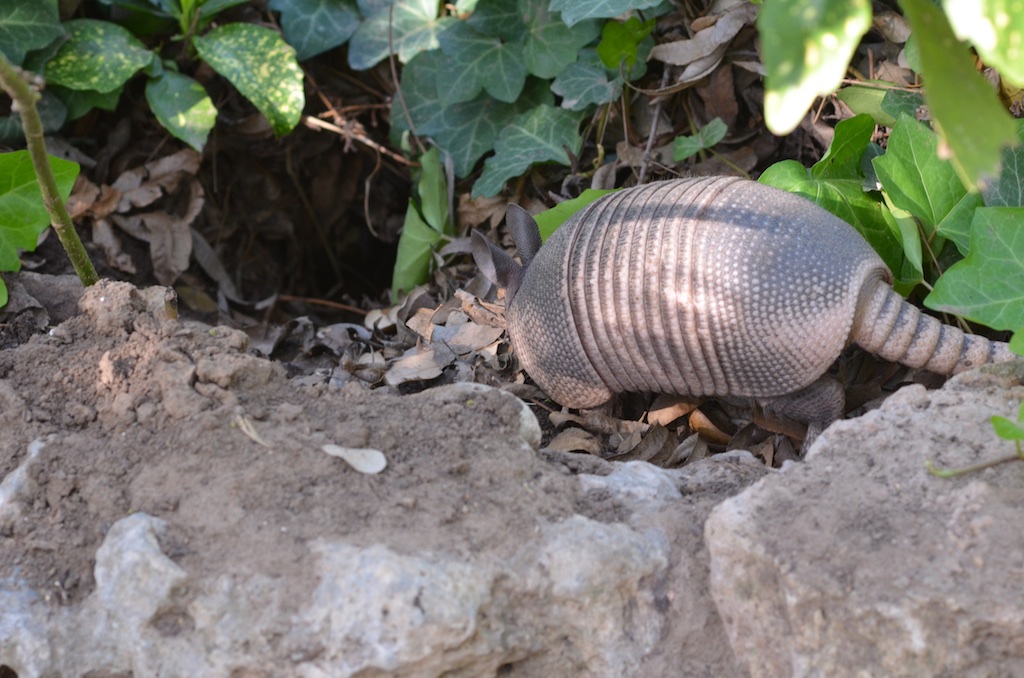
The continent of S. America was once connected to Australia along with Africa as Gondwana, breaking up around 150 million years ago with life on each continent branching out. Once separated, the mammals on the continent were marsupials and oddballs like Xenarthrans, whose living members include anteaters, sloths, and armadillos. They evolved in a geographically isolated continent for > 100 million years.
(These are our photos, but not from Peru.)
Central America eventually cropped up as a bridge around 3 million years ago causing the Great American Interchange. Armadillos, opossums migrated north, while migrants from N. America include squirrels, bears, wild cats, foxes, rodents, etc. Interestingly, ancestors of the guinea pig, capybara, coati, llama, and alpaca, all distinctly S. American creatures, migrated down at this point.
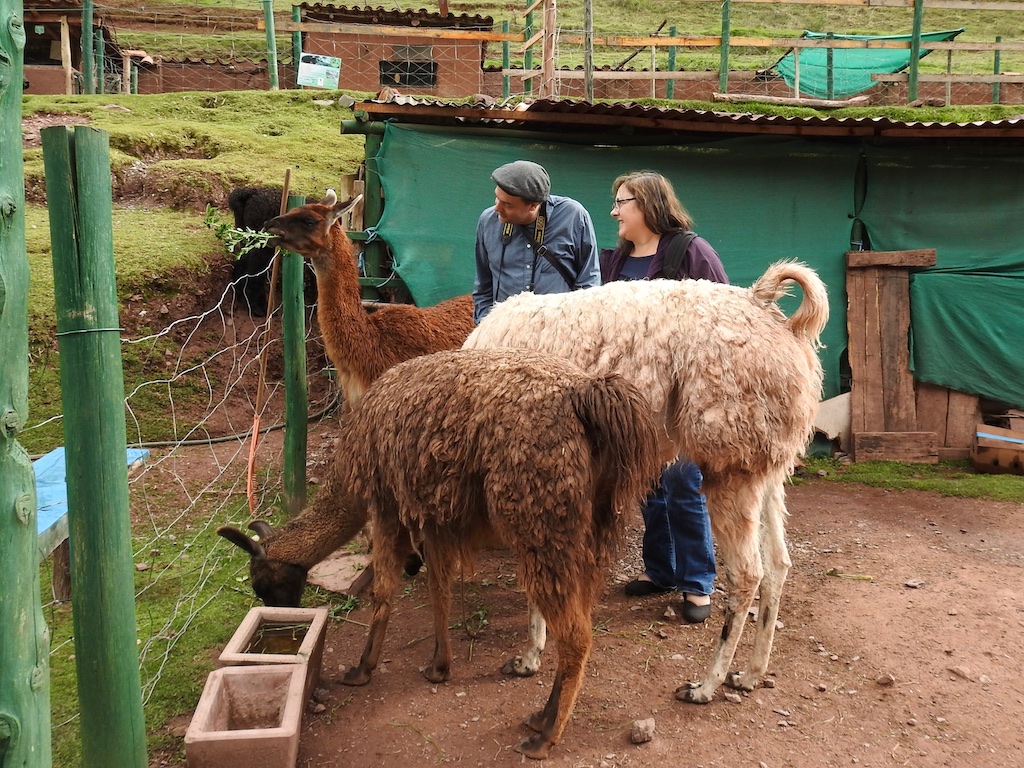
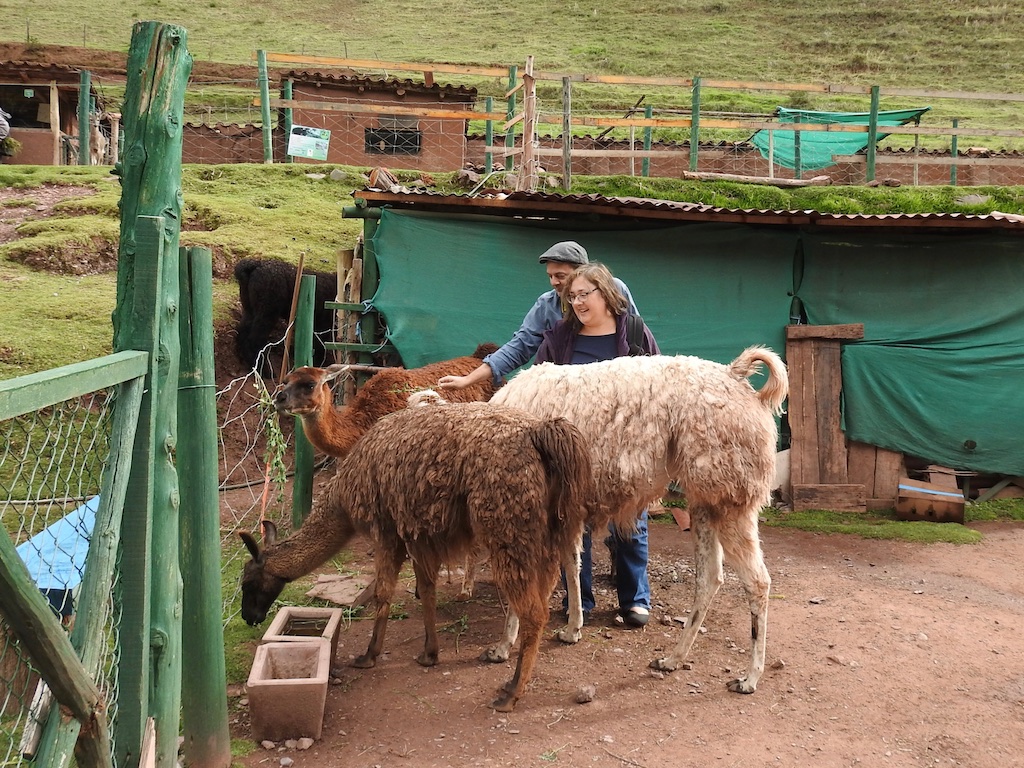
Since we’re never visited S. America, getting the chance to see llamas and alpacas was something really interesting for us. The llama is a domesticated guanaco. The wild guanaco’s camelid ancestors migrated from the plains of N. America to S. America around 3 million years ago. N. American camelids also crossed the Bering Strait and evolved into camels in Asia. There were still camelids in N. American until the end of the last Ice Age(!).
Us admiring llamas.
S. America also has primates, which showed up somehow around 40 million years ago. While the evidence is scant, the best theory for why there are monkeys and other primates in South America is that they crossed the Atlantic from Africa, island hopping at a time when sea levels were much lower and the distance between continents was shorter. Monkeys beat humans to the new world by around 40 million years. Personally I think we should should change Colombus Day to Monkey Day.
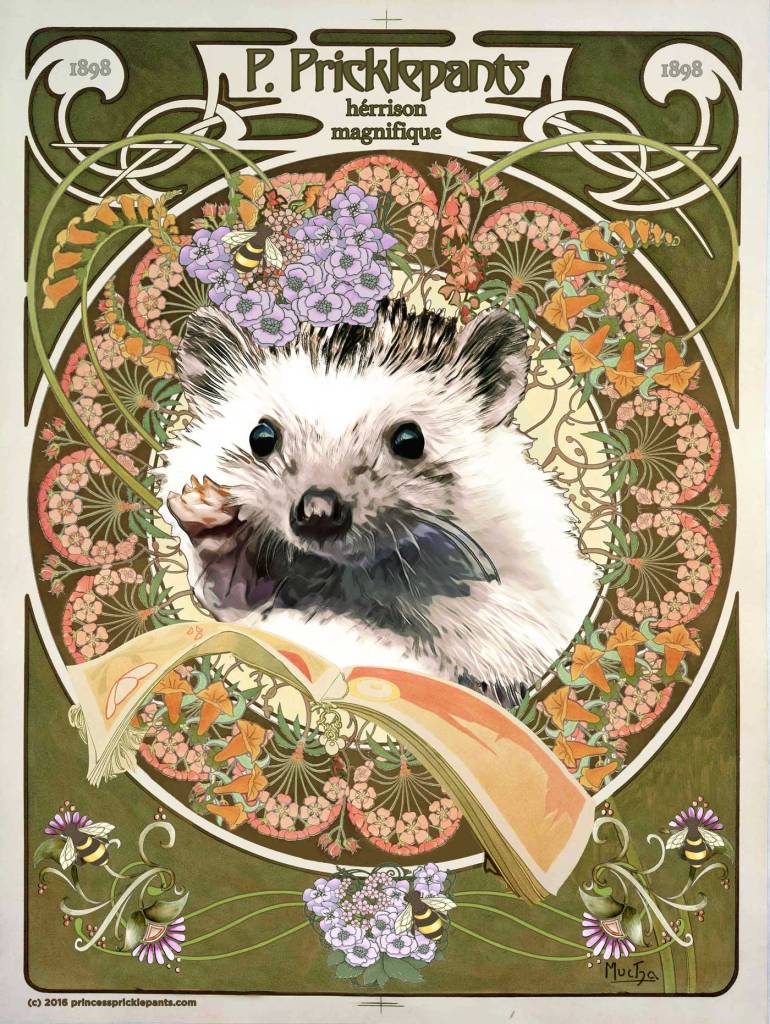
We’ve always really liked the poster art of the Art Nouveau movement, esp. Alphons Mucha’s work. This was one first Art Nouveau hedgehog poster art, designed to look like a work by Mucha.
Old Art Nouveau postcard art from the 1910s repainted and updated with hedgehog.
Art Nouveau line art. We redrew line art from an old public domain postcard for this, repainted things, and added the hedgehog.
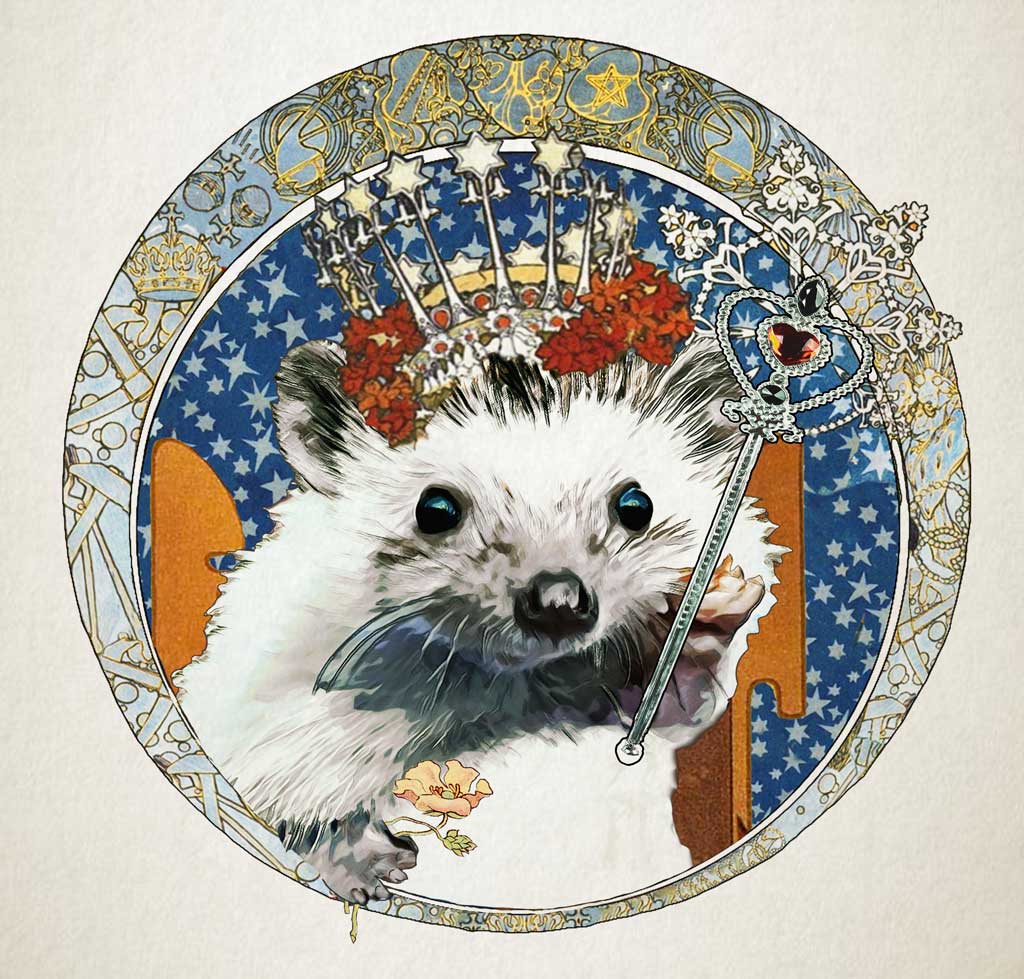
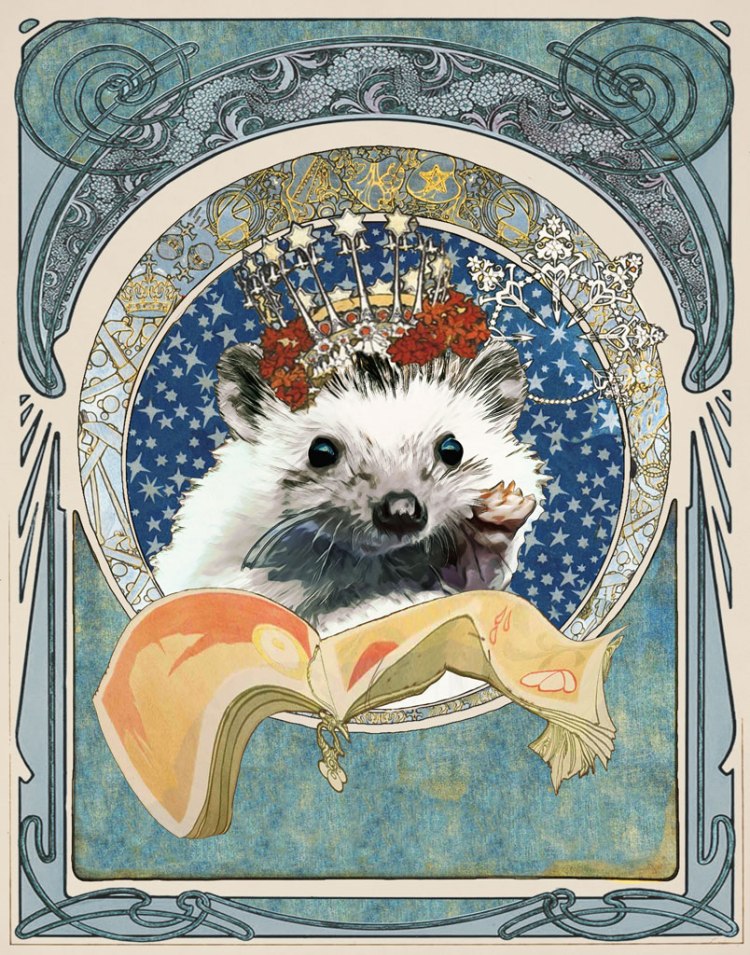
The Winter Hedgehog PrincessWinter Hedgehog Princess Reframed
We borrowed a lot from Mucha’s Princess Hyacinth here but drew a lot in using Mucha’s style.
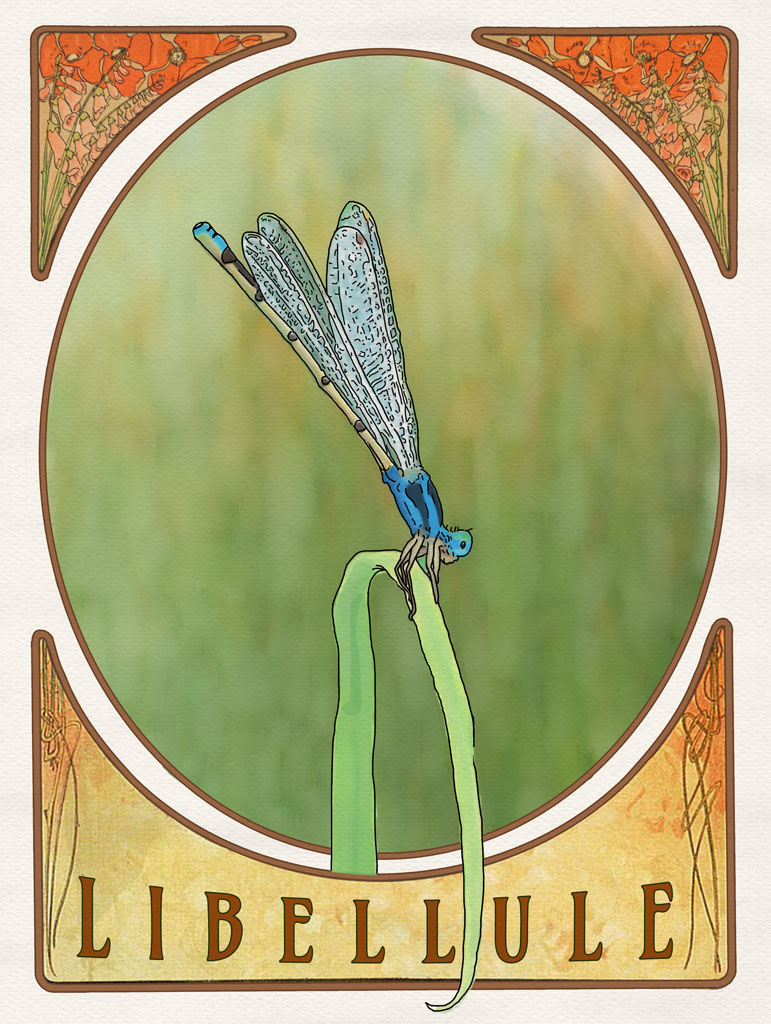
Damselfly Nouveau
The bug’s form is based on a photo of a damselfly in a nice pose. The exposure was blown out so it wasn’t a good photo, so I decided to use the bug as a mostly white canvas to paint in, painting in the color and the light. The wings involved a lot of fiddling. With no detail we got to pick the species so it’s a double-striped bluet.
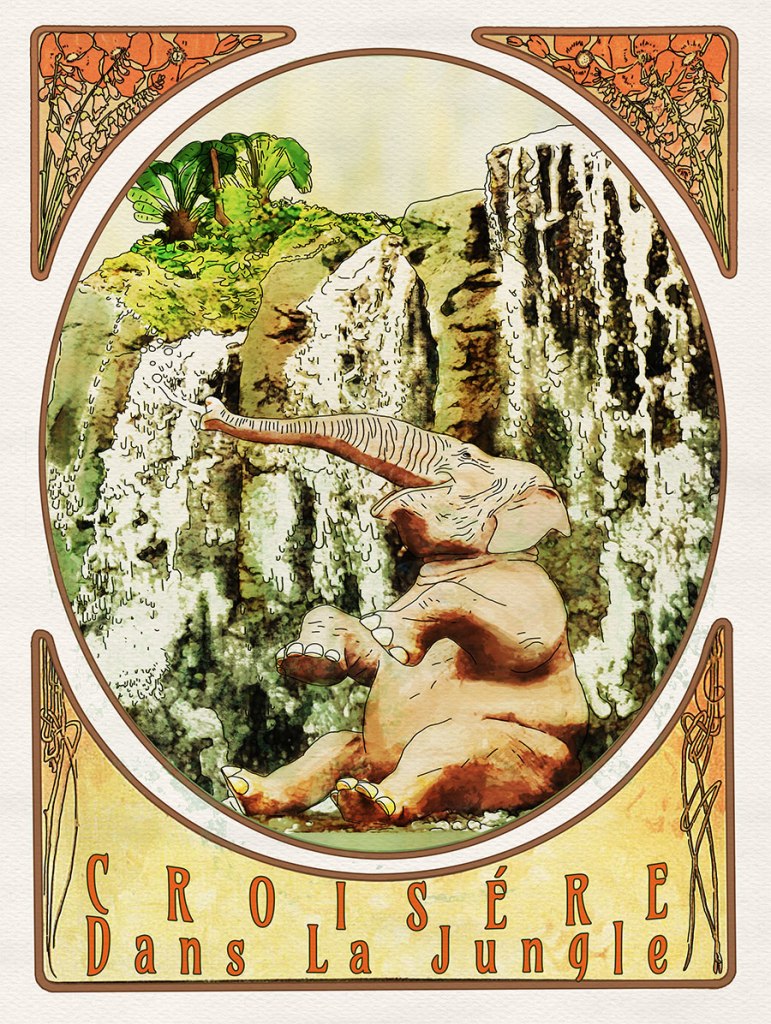
Jungle Cruise
Disney fan art. Walt has effectively taken over part of our brain.
Haunted Mansion wallpaper shapes in the corner, but we drew the bats. We actually used a model from the 1890s for Leota, so she has Gibson Girl hair.
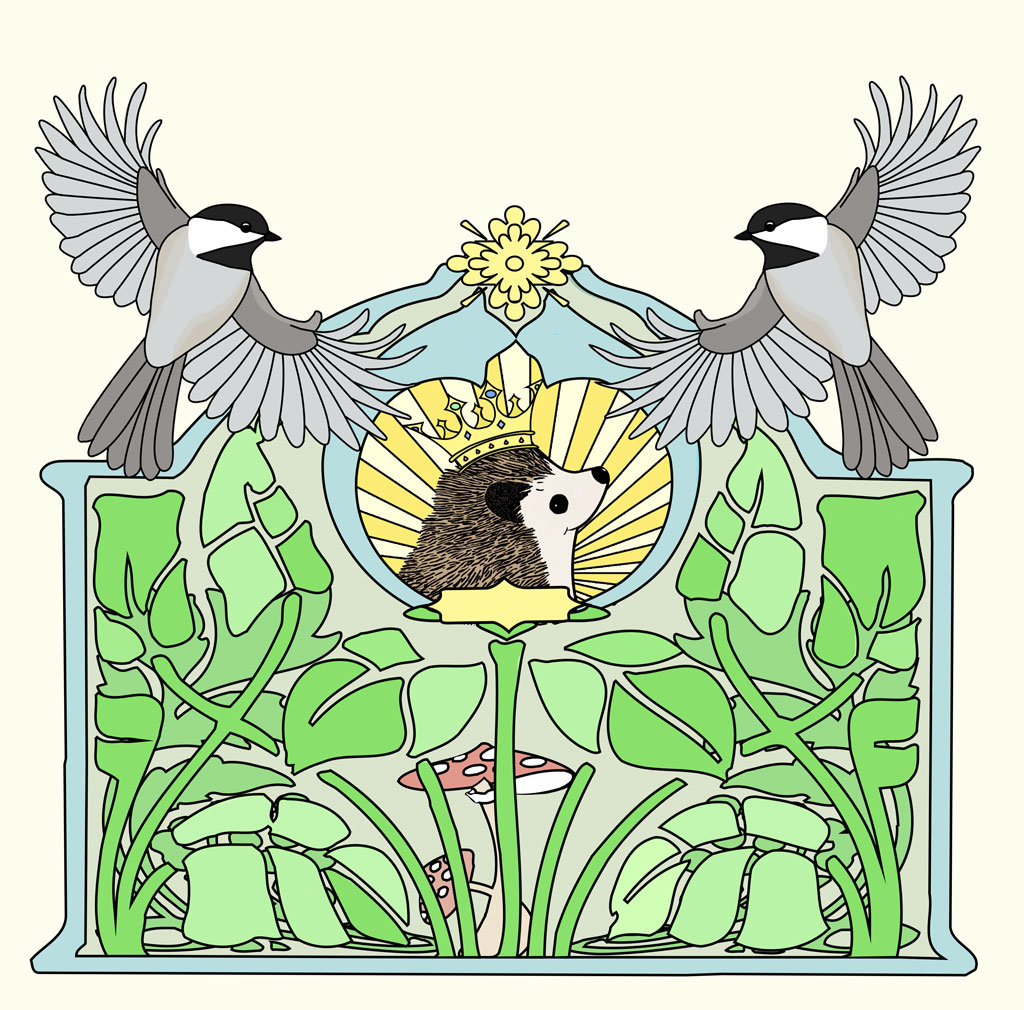
Chickadee Nouveau
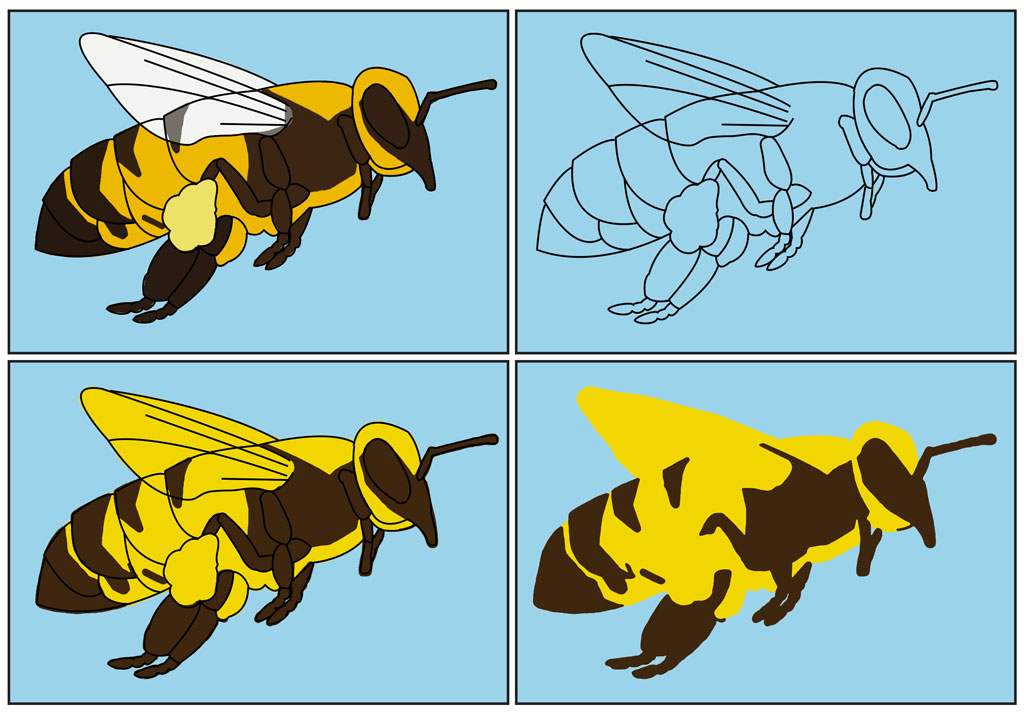
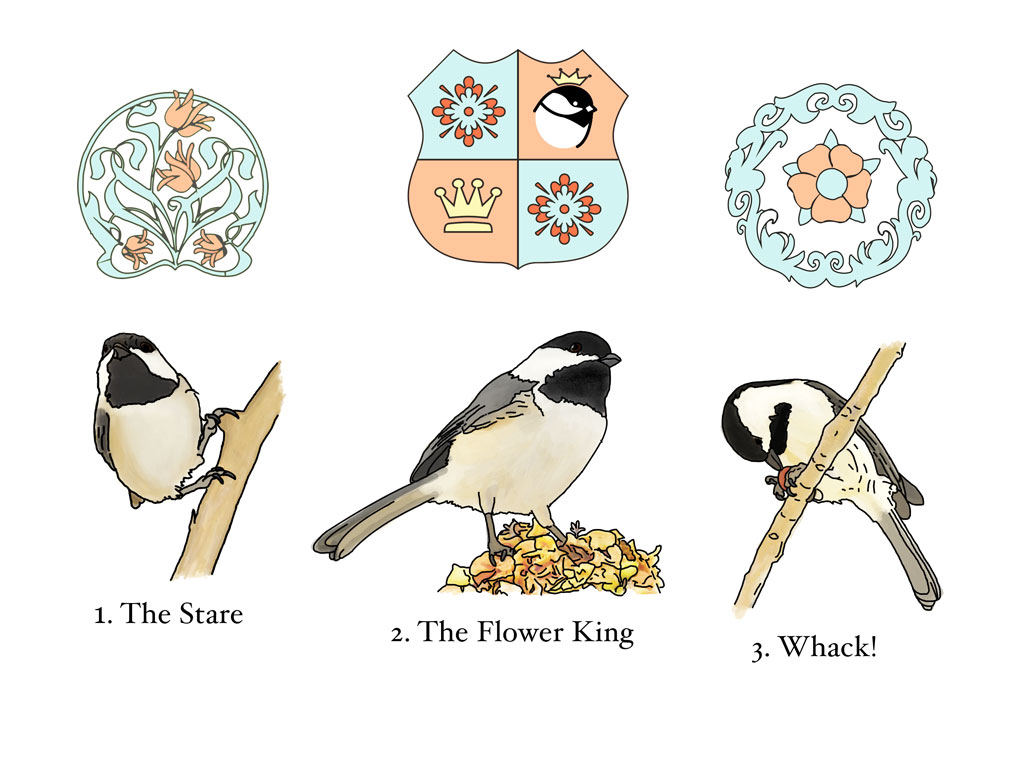
I’ve been working on learning vector art since you can create nice clean lines and tune the lines until they’re close enough to what we want. The chickadees are vector line art but hand painted.
Vector Princess Nouveau
Revisiting the previous vector art with a new theme was fun. Also we should probably make shirts and things for this one.
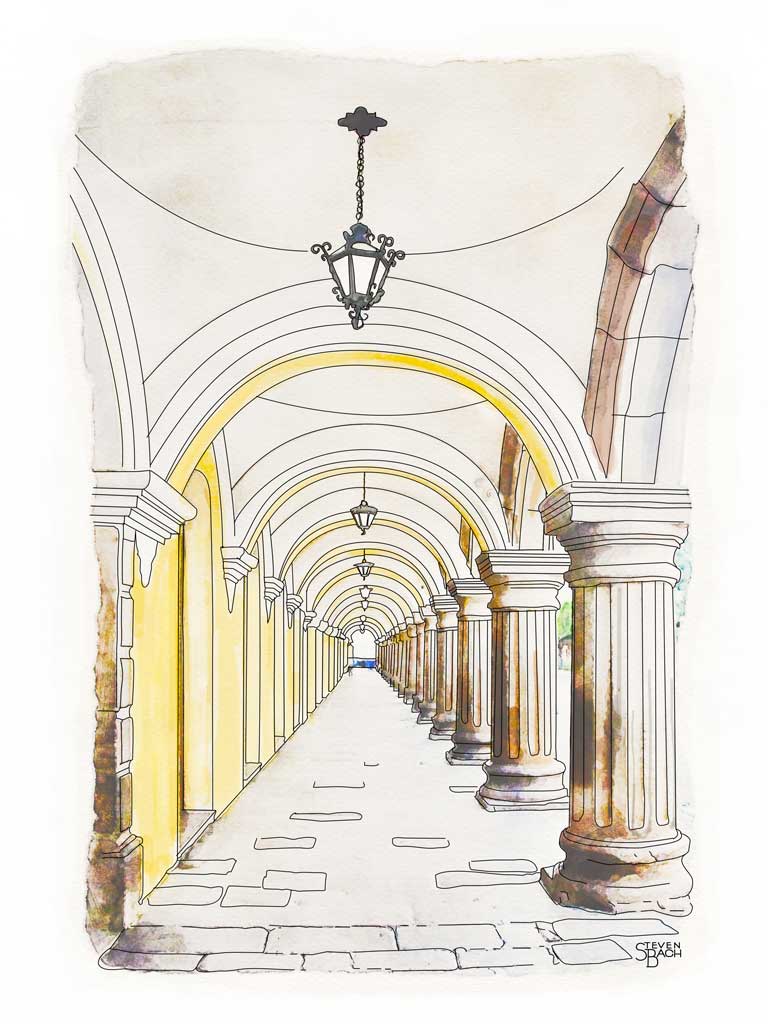
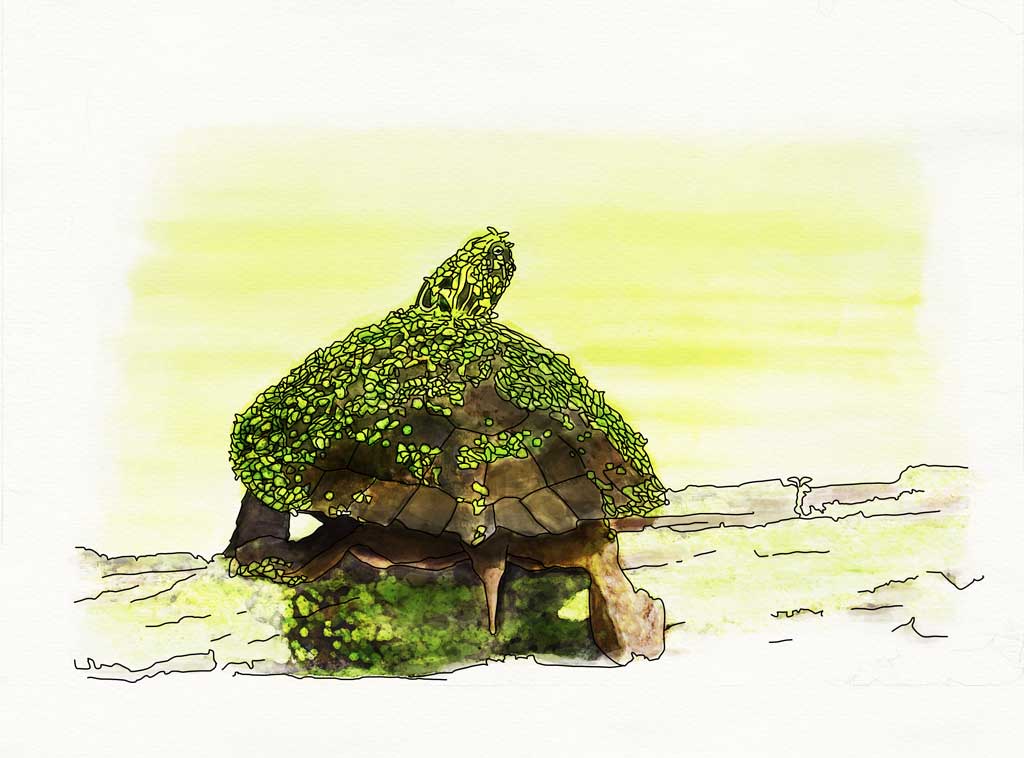
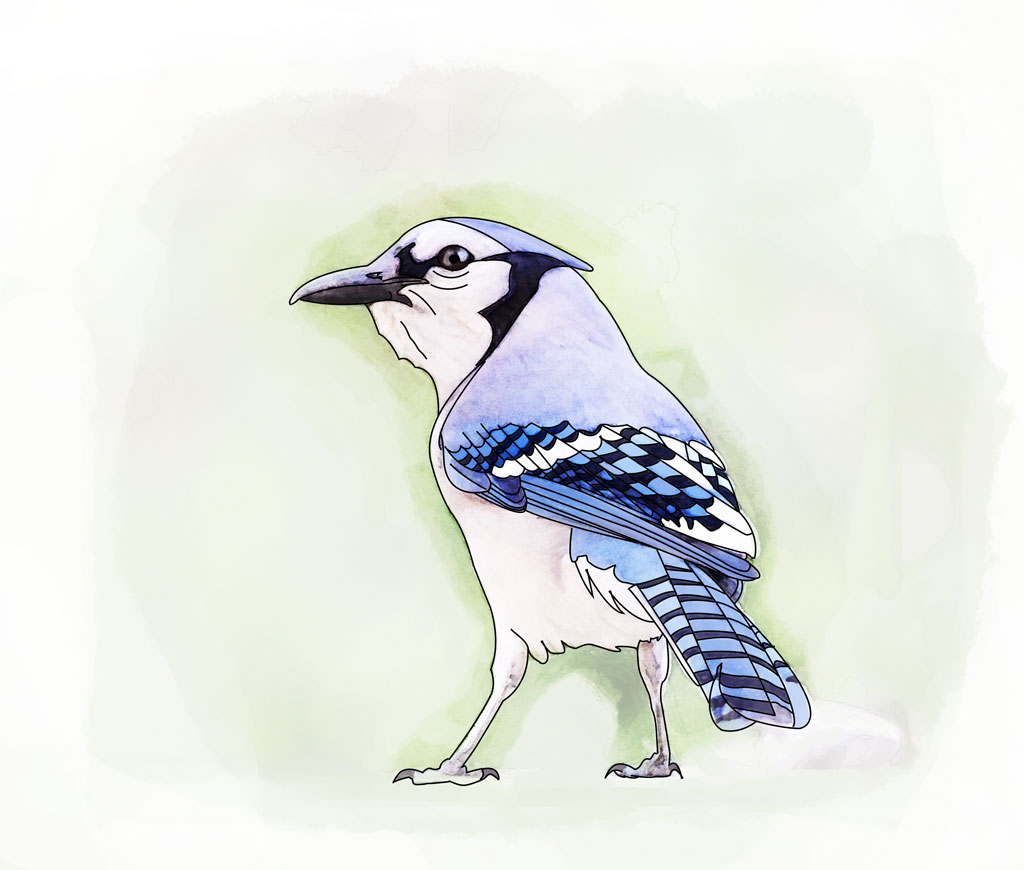
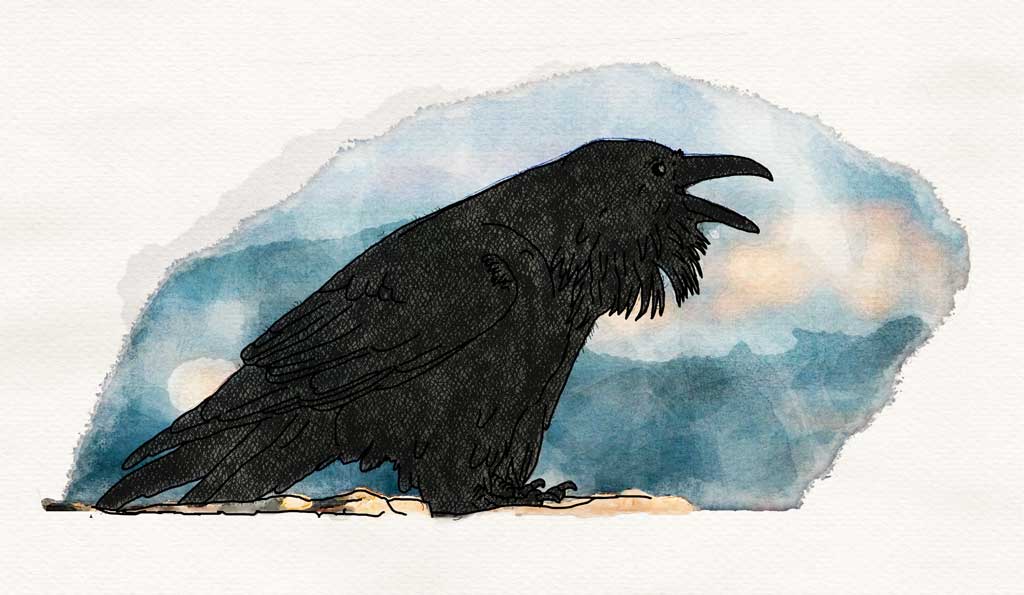
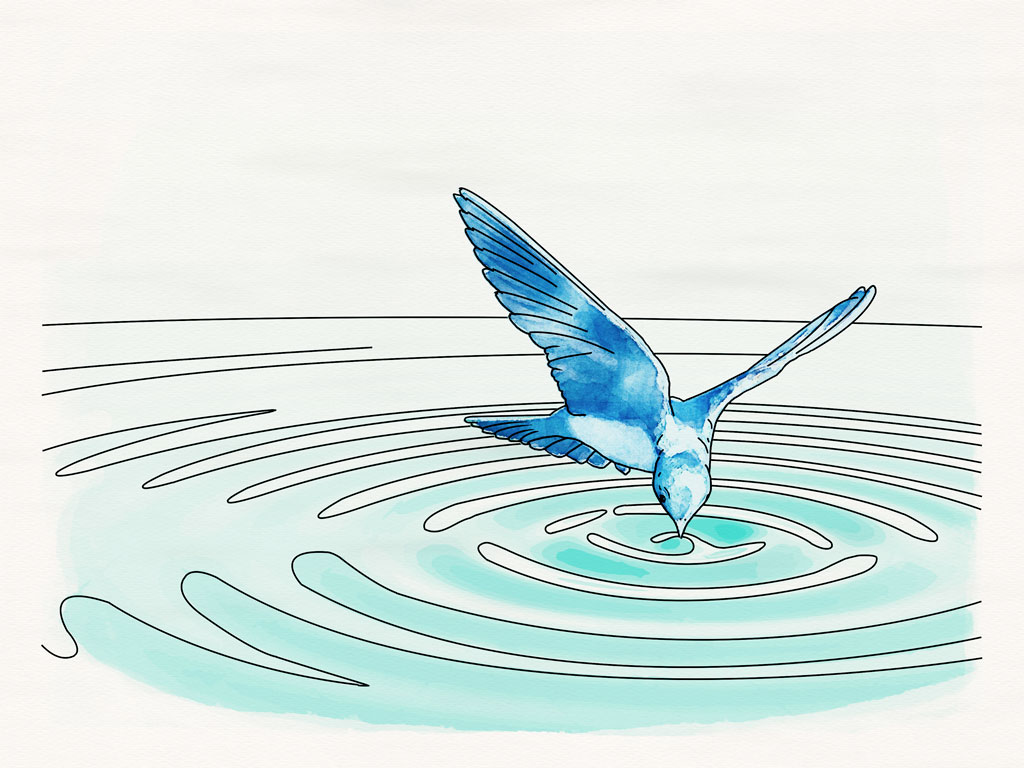
We’ve been making a lot of little nature themed watercolor-style digital paintings. They’re mostly based on photos of places we’ve been/things we’ve seen, and while making them I’m reflecting on the place. I decided to learn to do a watercolor-style art in the style used in illustrations around Jun 2019, and I’ve worked out some things I like. I also learned to use Photoshop’s pen tool/vector art which is hard to learn but not only speeds up line art, but lets you correct mistakes easily and facilitates fine-tuning line art. My hands are shaky, so I’m mostly programming lines instead of drawing them.
From Aug. A bit busy but I like it.Antigua in Jan.
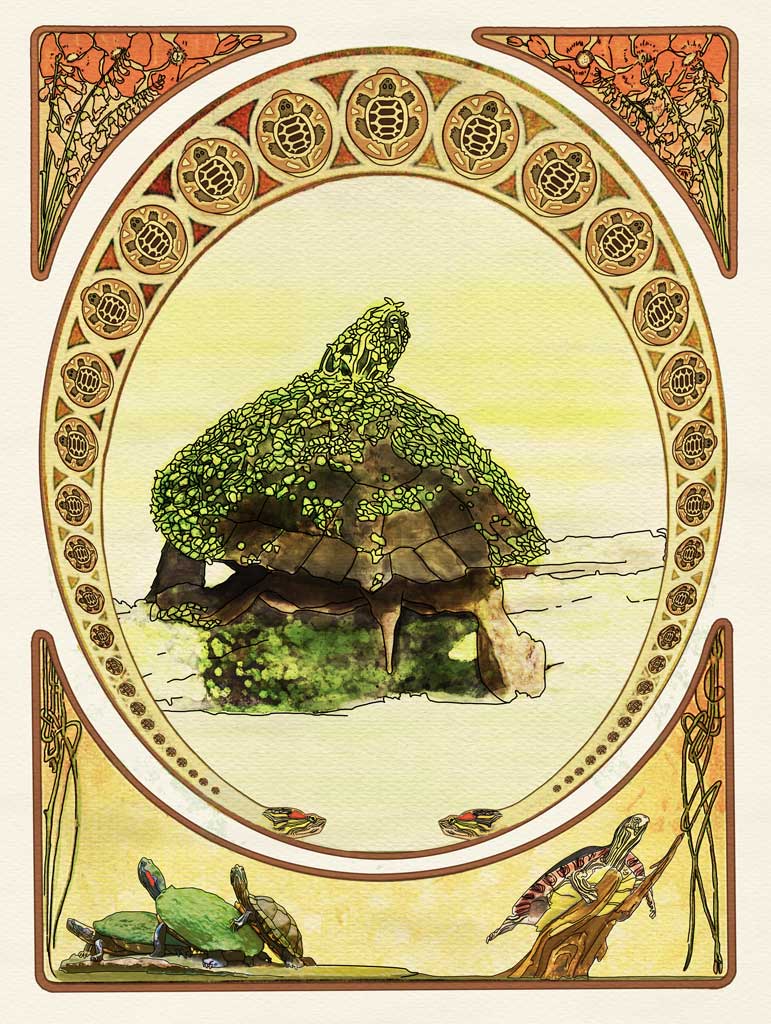
Most of these are based at least loosely on photos. We use nature as a model, and pay a lot of attention to palettes found in habitats, and draw/paint things as illustrations. This was a technique used by Alphons Mucha whose work we’re a fan of.
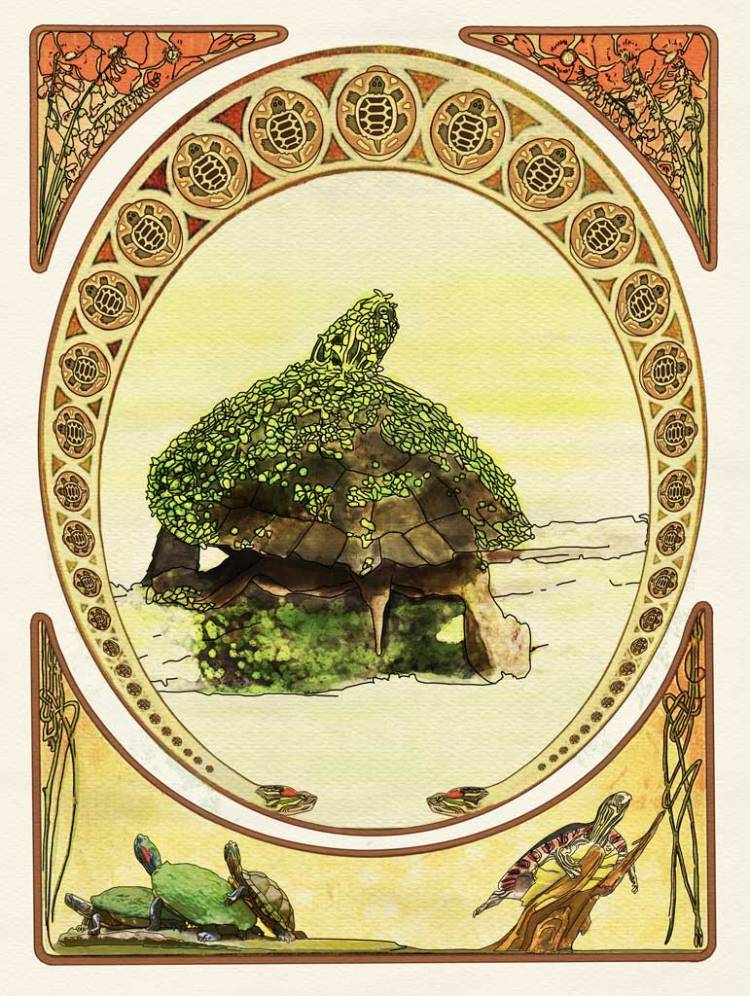
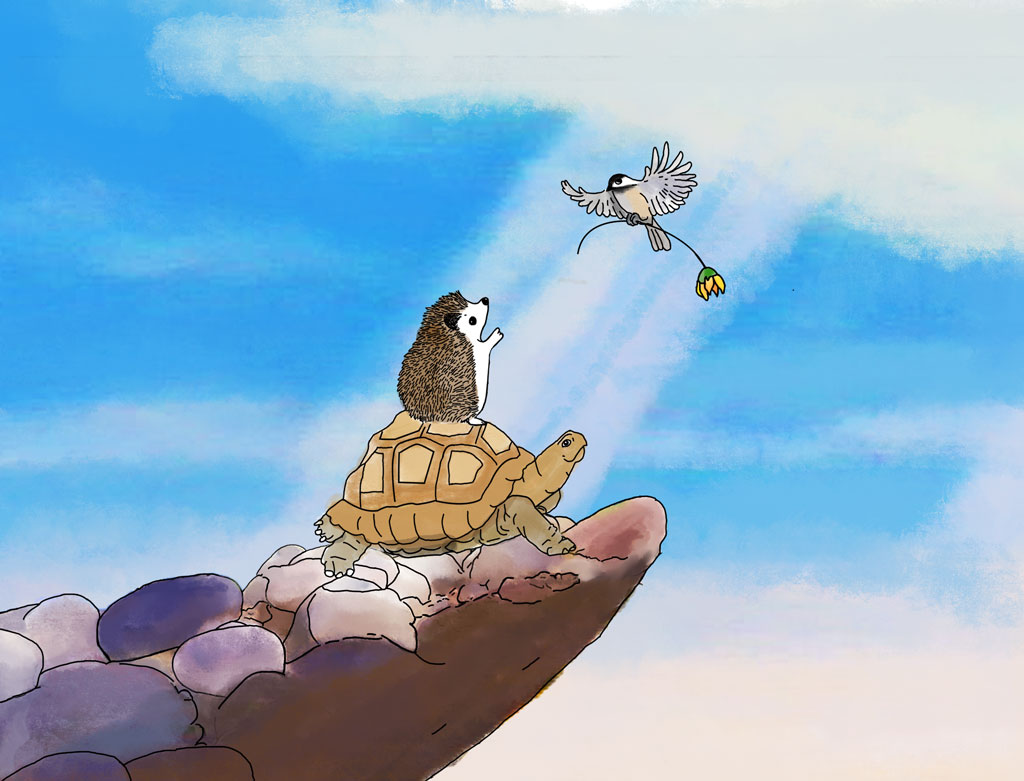
Mucha-style Turtle
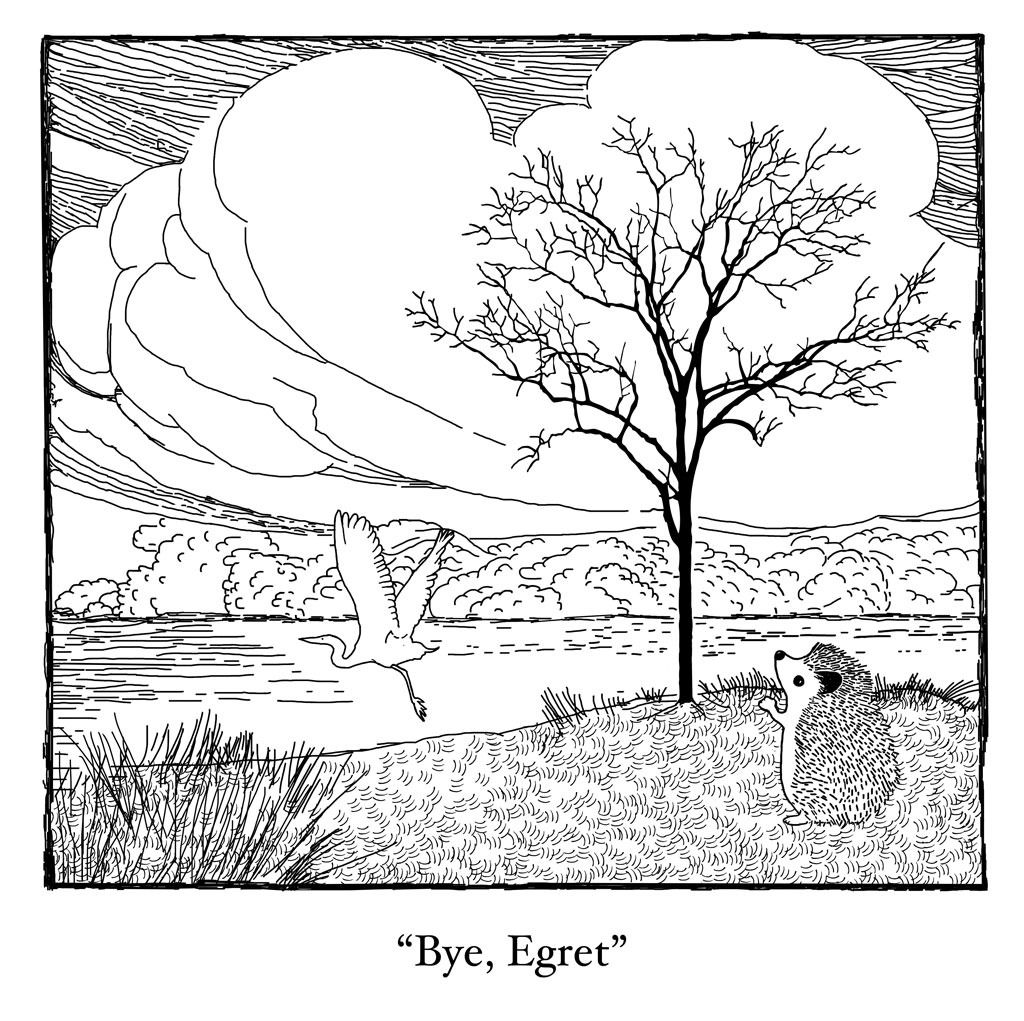
Nature doodles.We use these techniques for character art too for hedgehog-related things.The sad thing we must say every time we meet one, usually before a proper introduction.
We’ll be including this kind of art in our posts and sharing things we’ve made.
We live in Austin, so getting to Peru was a multi-step process. In the eve we headed out after work, we drove to San Antonio, about an hour and a half of driving.
We left our car at a friend’s house near the airport (thanks Kenny), stayed at a Hyatt near the airport (we stay at Hyatts a lot and have status there – they have good beds), then got up at horribly early in the AM, and headed to the airport to make sure we got there well in advance to deal with lines and delays.
We had booked a flight from S.A. through Mexico City with a 10 hour layover. The plan was that we would visit a museum in Mexico City during the layover, then go back to the airport and fly onward to Lima. When we got to the checkin counter, we found out that our flight had been cancelled. Apparently Interjet didn’t get enough people on the flight so they cancelled it, which didn’t seem to be a real surprise to the gate employees. Luckily they were great and worked with us to sort it out. Haley explained our original plan and the point in time where we had a contingent flight in Lima, and the agent got us on a flight to Guadalajara that could transfer to Mexico City’s to make a Mexico City -> Lima flight that would get us there in time for our Cusco flight from Lima. We were pretty grateful to the Interjet folks for doing extra to help us make a flight booked on LatAm for Lima-Cusco.
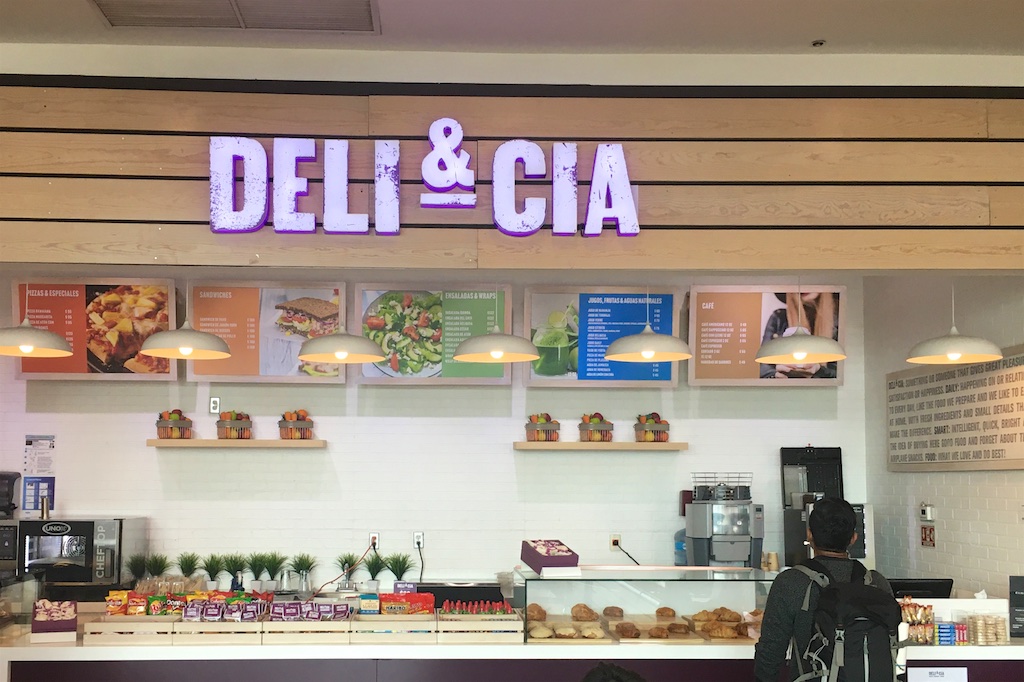
So it turned out that we didn’t enjoy a quick trip to Mexico City on the way to Lima. We spent time on layover in an airport in Guadalajara. We certainly weren’t about going sightseeing in Guadalajara on a lark, but we got some good Mexican food and I read the phrasebook and practiced some Spanish.
The ampersand in Spanish has a long I sound, so this place isn’t Deli and CIA, but something like Deliiicia.
We quickly transferred once we landed in Mexico City, scrambled through customs, and got on our next long, long leg to Cusco.
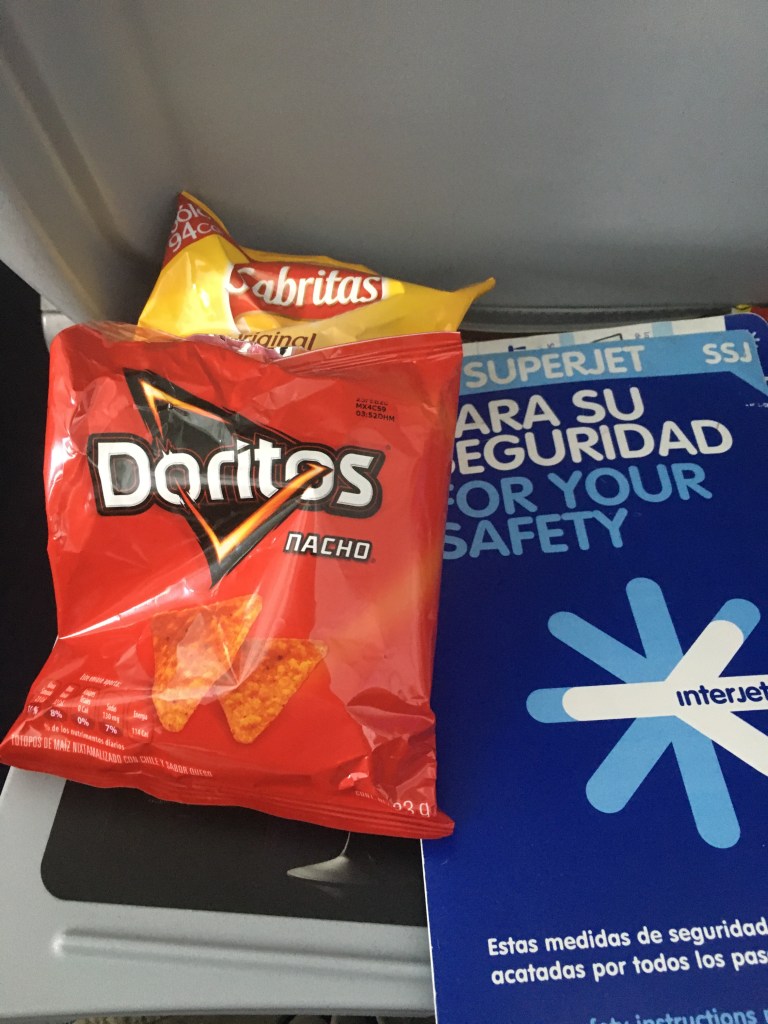
I secretly had hoped Doritos weren’t known outside the US, but alas, they were being served on a Mexican airline’s flight from Mexico City to Lima.
The main flight was on Interjet which is a Mexican airline, apparently is family owned, and probably gets all of it’s fleet used from other airlines. Their older jets do have nice leg room, and besides the cancellation we managed fine. They sometimes play in-flight entertainment on drop-down flat panels that are over some seats, though having flown on planes that still had ash trays, this is fine. Meals are not an option – bring snacks. They serve drinks, and they serve Pepsi products – no Mexican Coke, alas.
If you fly Interjet it would be a good idea to have at least a bit of working knowledge of basic Spanish. They are not a US airline. They are a Mexican airline with some US presence in Miami, San Antonio, Dallas, L.A., and Vegas, but mostly flying routes in Mexico, C. America, and S. America. They do repeat announcements in English usually, but there’s no saying whether the people working the gates outside the US will speak English.
At this point we’d been flying or sitting in airports for a more than a day, so we tried to get some sleep on the Mexico City-Lima flight. They showed a documentary about a Latin band that had a confusing number of lead singers – at least eight. They also showed old public domain cartoons and a Chaplin film.
We both did manage to get a little sleep before we landed in Lima. Once we got there we went through customs again, got our luggage, bought some currency at a bad exchange rate, and worked our way through the airport’s security again. Alas, I wore my hiking boots on the flight to save room – they have metal grommets that would trigger the detectors so I still had to take my shoes off outside the US.
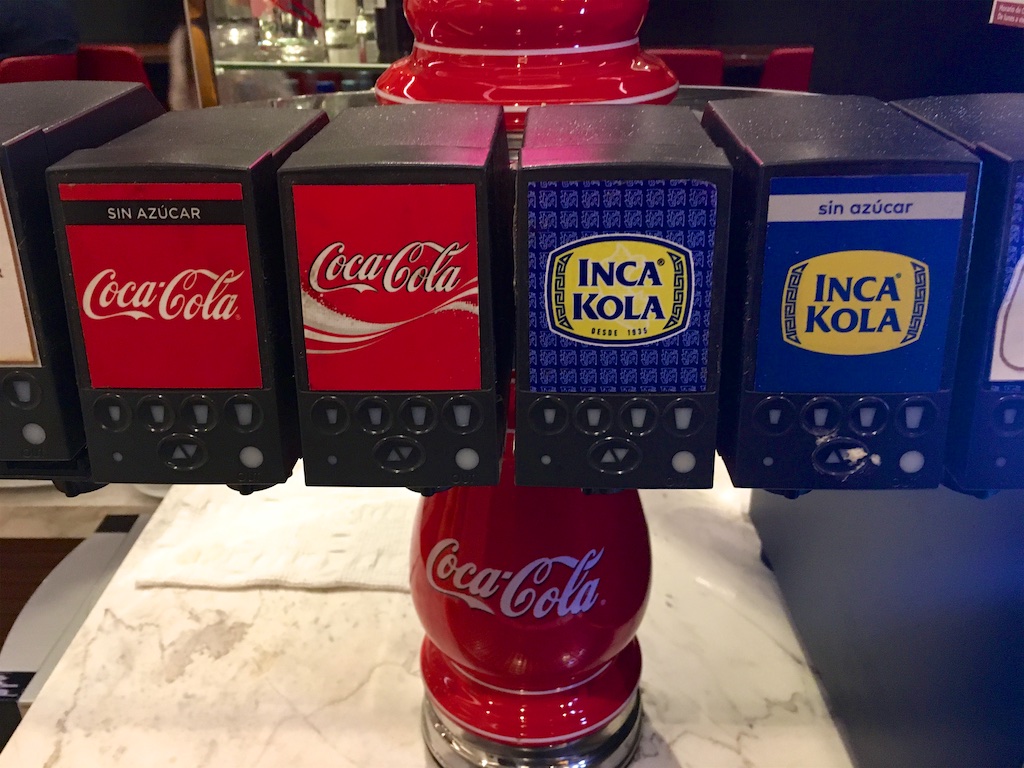
Once we were back in the Lima airport we had a while before the flight so we went to an airport lounge. We both took showers, charged batteries, ate empanadas and lounge snacks, had a cappuccino from the fancy machine, and had some Inca Kola.
Inca Kola is a lemon verbena flavored soda popular in Peru. It’s really pretty good, though the fresh lime-ade many Peruvian restaurants serve is better.
The lounge time helped recuperate from having been strapped into a plane seat for hours. And then we were off to in a Peruvian airport finding the gate to get on a domestic flight from Lima to Cusco.
The LatAm flight to Cusco was uneventful and mercifully short comparatively. Since it was domestic we didn’t need to worry about customs, and the Cusco airport is tiny, so we were off the plane and picking up our bags quickly.
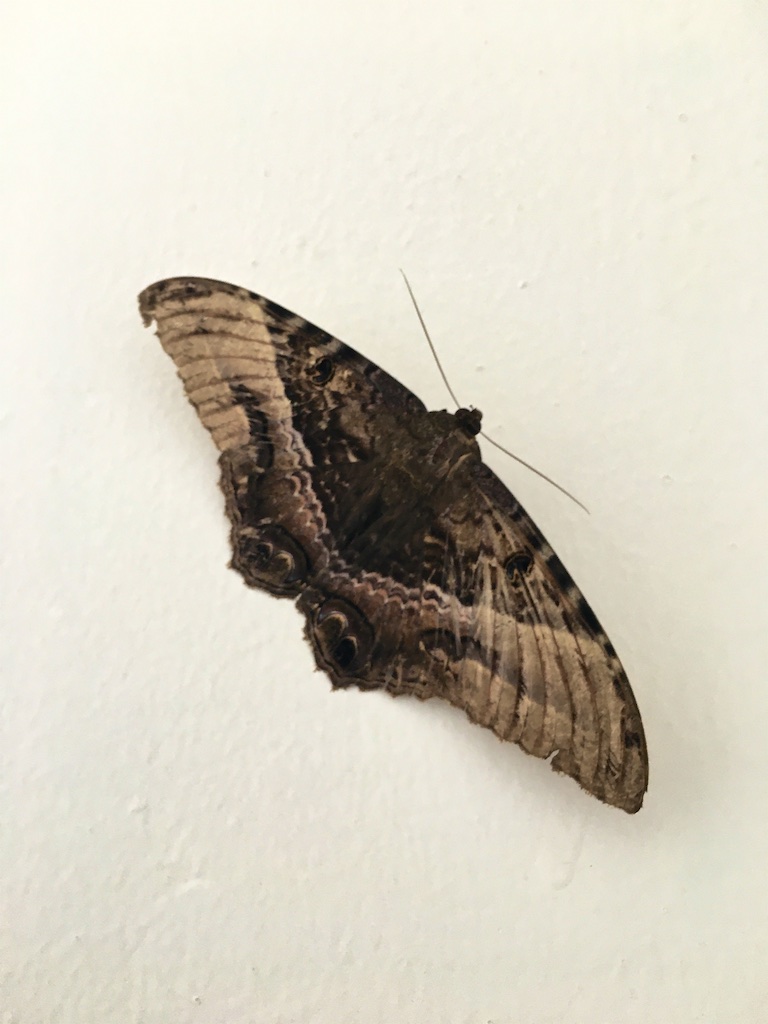
The first thing any new visitor to Cusco is going to notice is that the air is much thinner at 12,000 feet above sea level. We were both tired and oxygen starved, carrying our (overpacked) luggage around out of the gate added to the oxygen starvation. But there was a really big moth near the restrooms so that was cool.
It was on a wall, so nothing for perspective but the wing span was around 4-5 inches. Looks like an Ascalapha odorata, the black witch moth.
Once we landed in Cusco we had the choice of whether to visit a local animal rehab/rescue, Cochahuasi Animal Sanctuary, or to go straight to our lodging in Ollyantetambo. We were wiped out from travel and low O2, but decided to press on to the animal rehab since this was a chance to see some Andean Condors they’re rehabbing and preparing to release, and we weren’t going to let a small thing like the inability to take a small walk without wheezing and feeling drained stop us from visiting a wildlife rehab. Those people are doing work we love to see. Also they could arrange us getting a ride from the Cusco airport to their site, and then from there to Ollyantetambo, and the sanctuary would get some cut of that.
So we contacted the animal sanctuary, eventually a driver picked us up at the airport, and we took a long drive through Cusco to Cochahuasi.
While we are absolute squares, who are roughly as uncool as possible (there’s no way to make hiking boots cool in many circumstances we’ve worn them in, and we walk around with paper books as old squares do), we were practicing Spanish in Duolingo and hit exercises referring to a pen. A pen in Spanish is un lapicero in Guatemala, una pluma in Mexico, and probably un boligrafo everywhere.
I took a pen with me wherever we went, sometimes in a shirt pocket, though also in bags in part since we’ll have to fill out paperwork at the airport at least a couple times, and there’ll be things to sign. I took a few pens and guarded them. Not only are they handy, but then you don’t need to remember the right word for “pen.”
We picked up a Nikon Coolpix P900 for the Peru trip. It’s a fairly inexpensive bridge camera. Nikon crammed a mind-blowing super-telephoto zoom into a generally adequate camera. We’ve used it for a couple trips now, so here are our thoughts.
Our main camera is a Nikon D500 with a 150-600mm zoom. The D500 is a much better camera – it’s incredibly fast and powerful, but does get heavy. The Nikon D5 is Nikon’s flagship camera. The D500 is a mini-D5 with D5 guts paired to a smaller sensor with a huge round eyepiece with a great, bright optical field of view that includes nice digital overlays with clear displays for shutter/ISO/focus mode/focal point etc, a ton of modes for autofocus, etc. The P900 is a simple camera with a digital eyepiece with too low of a resolution and refresh rate to really like, but it has more reach and is great for daylight outdoor photography of subjects that are reasonably still and general photography in good light.
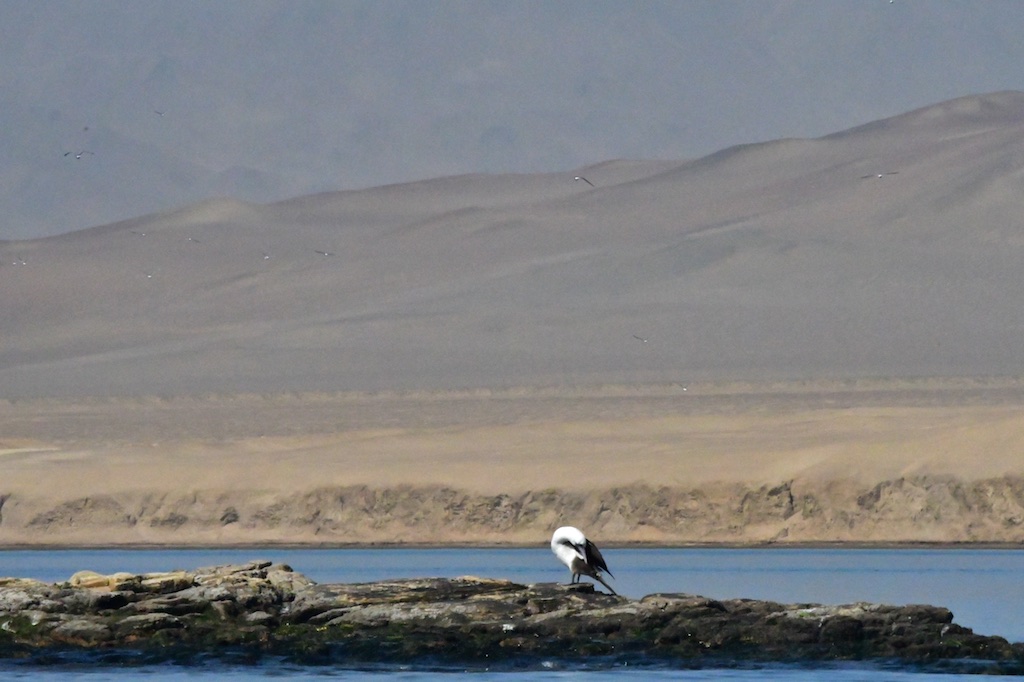
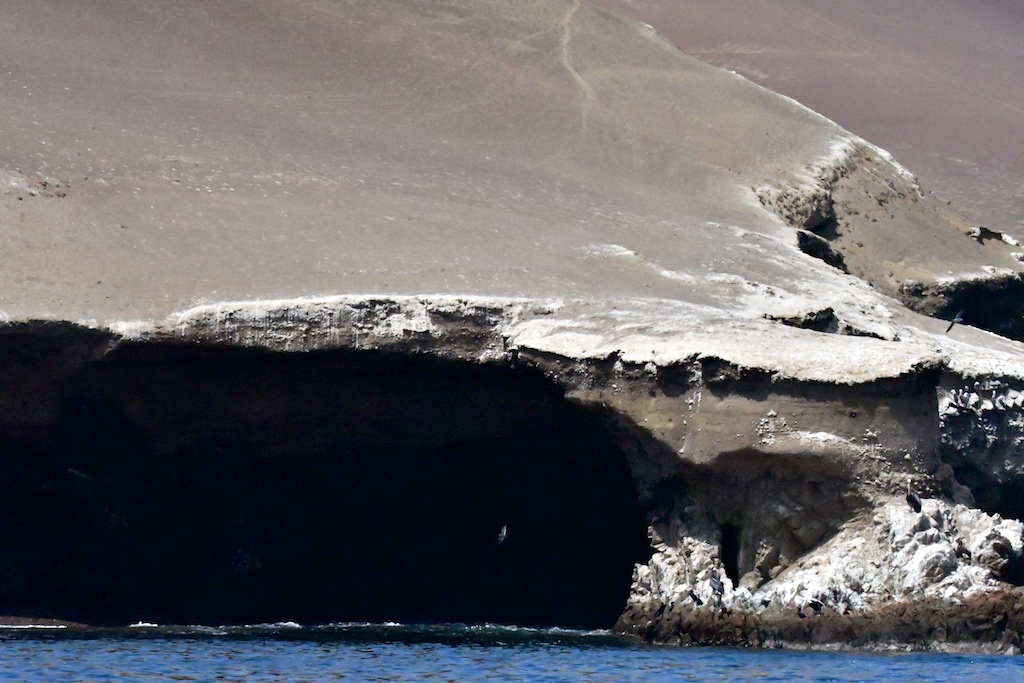
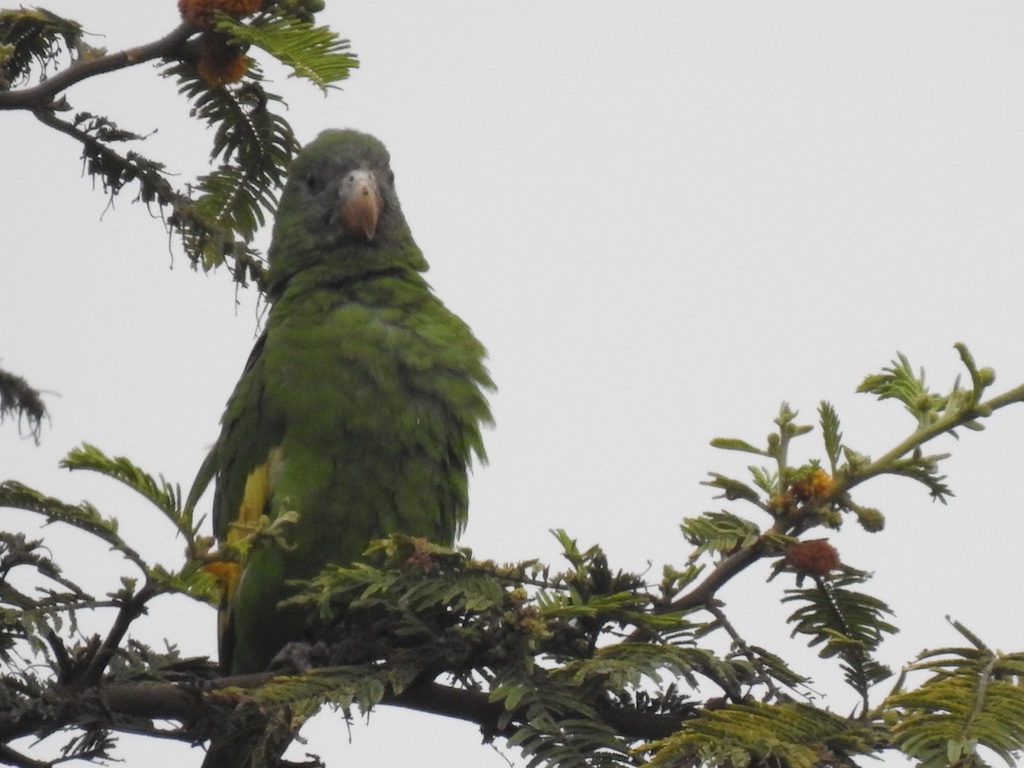
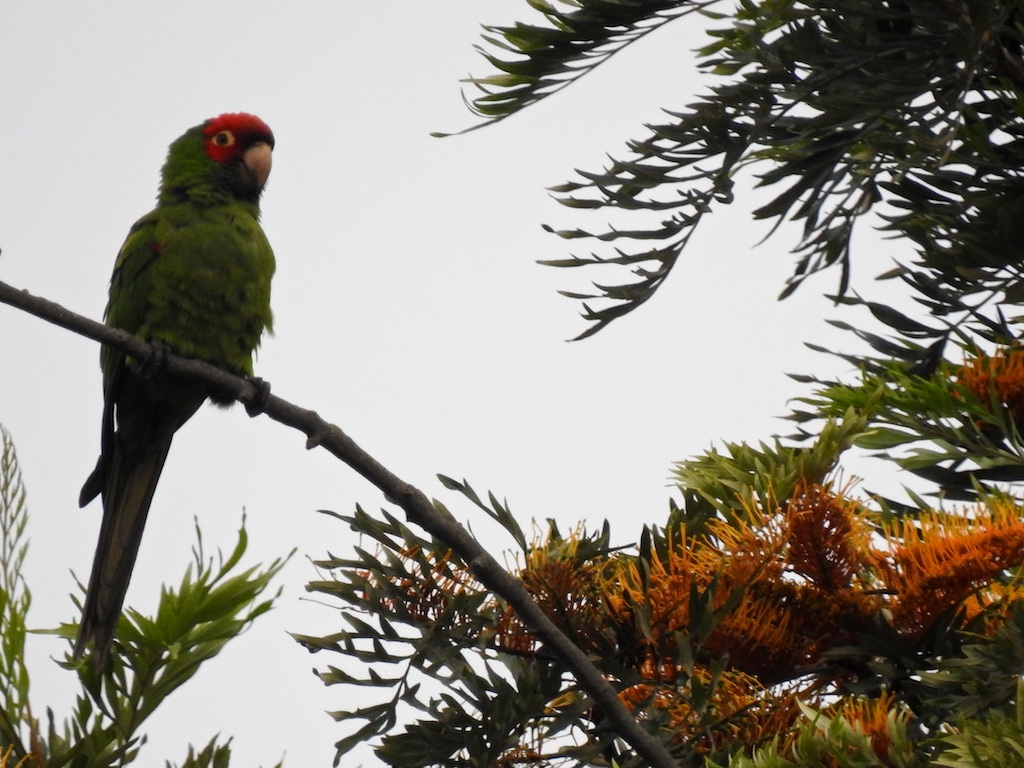
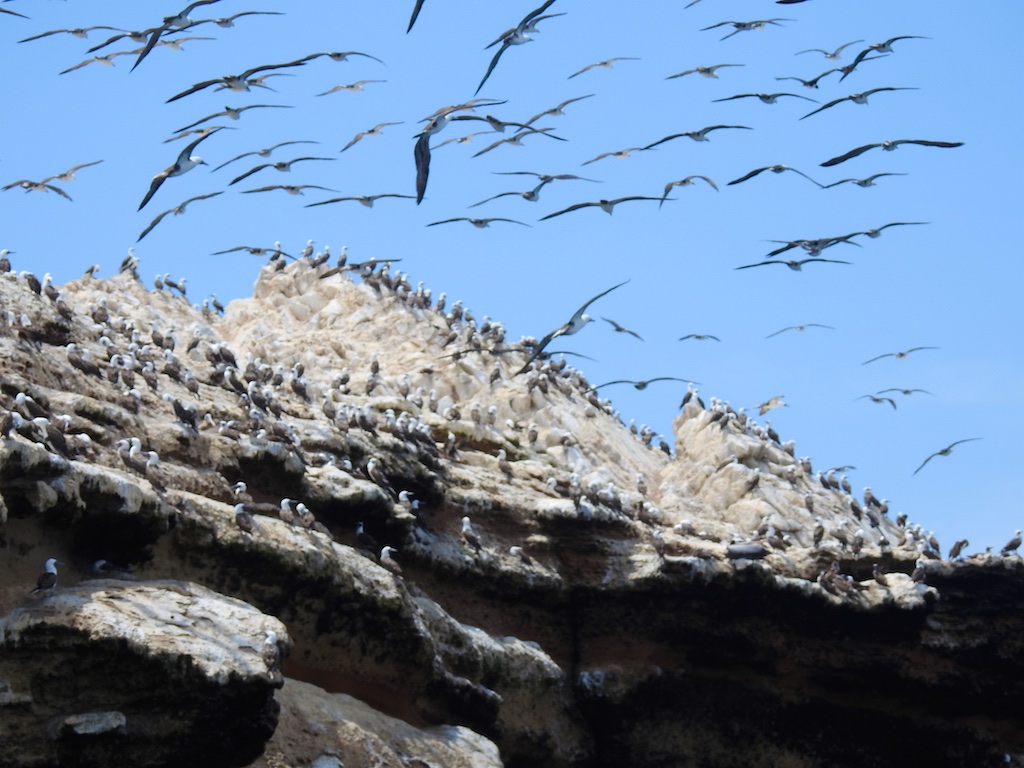
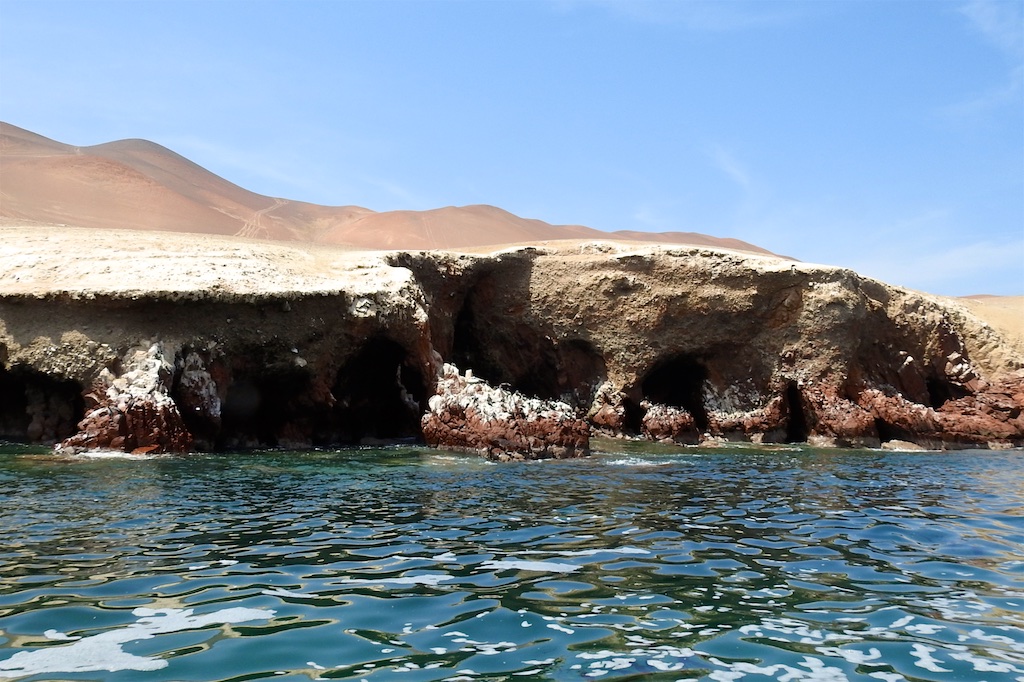
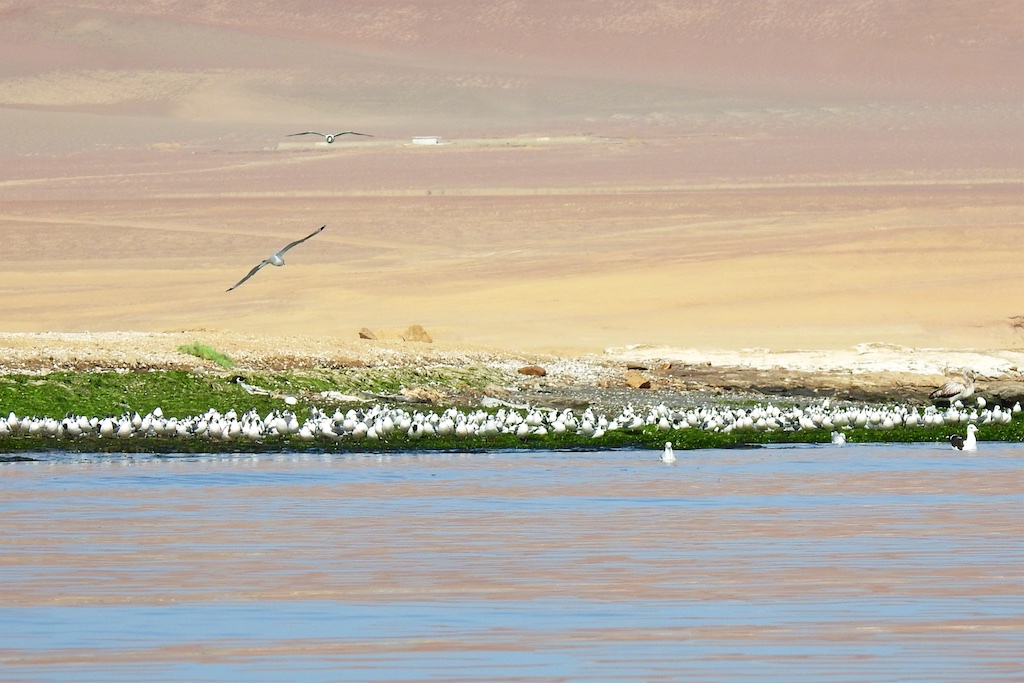
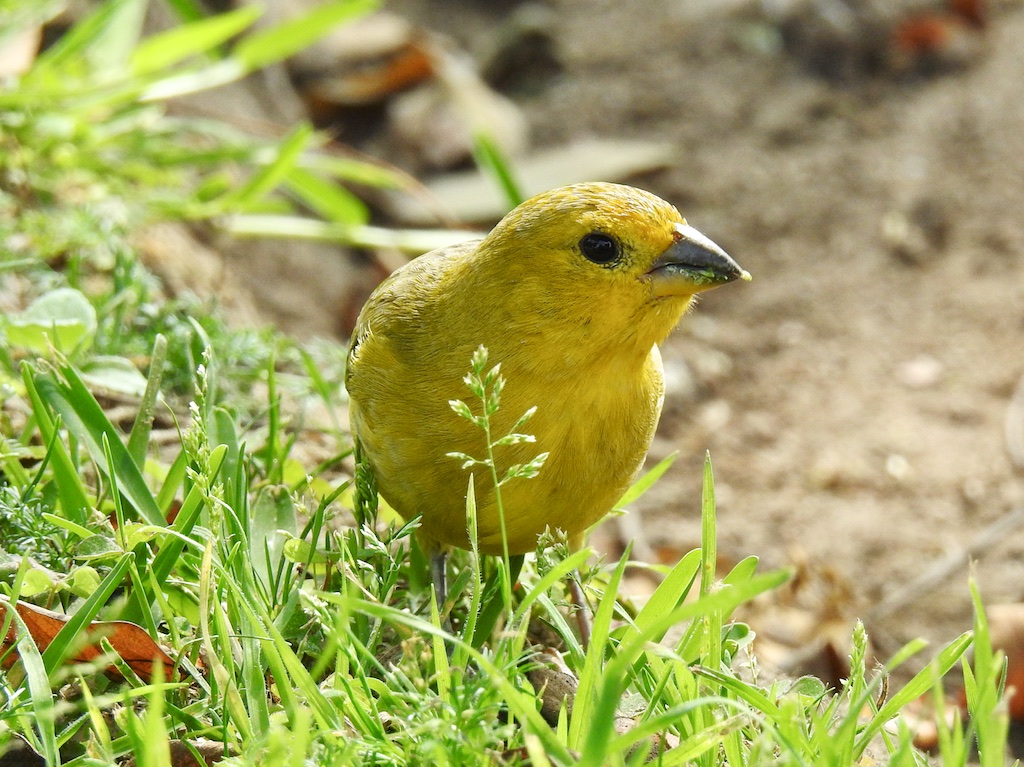
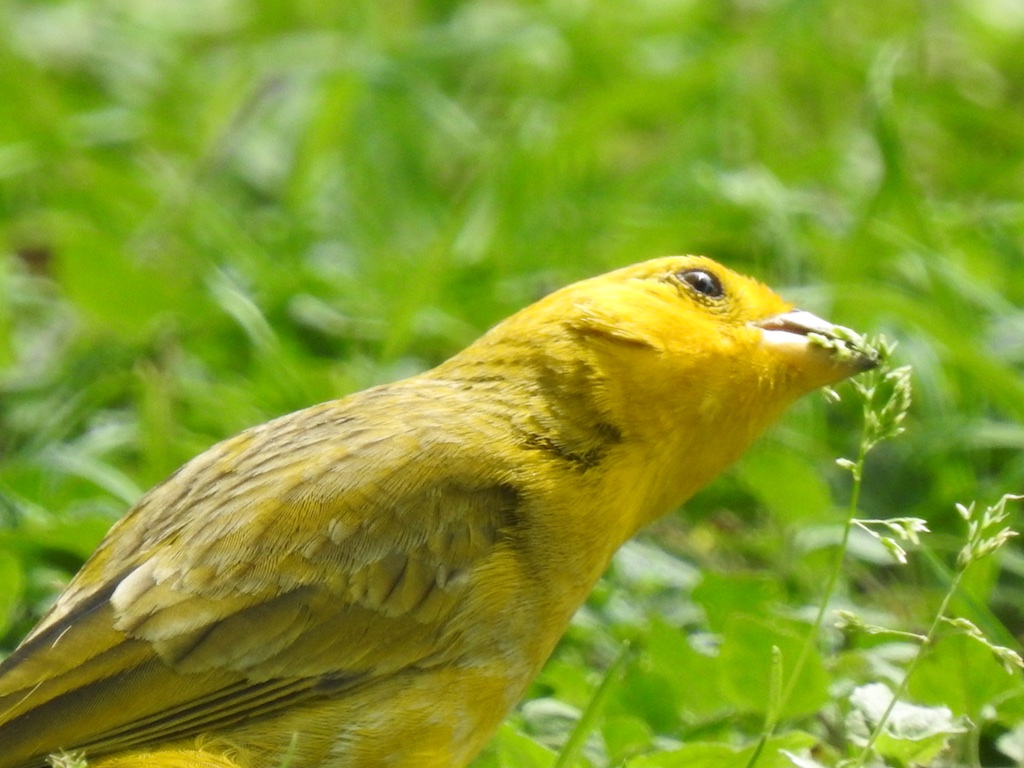
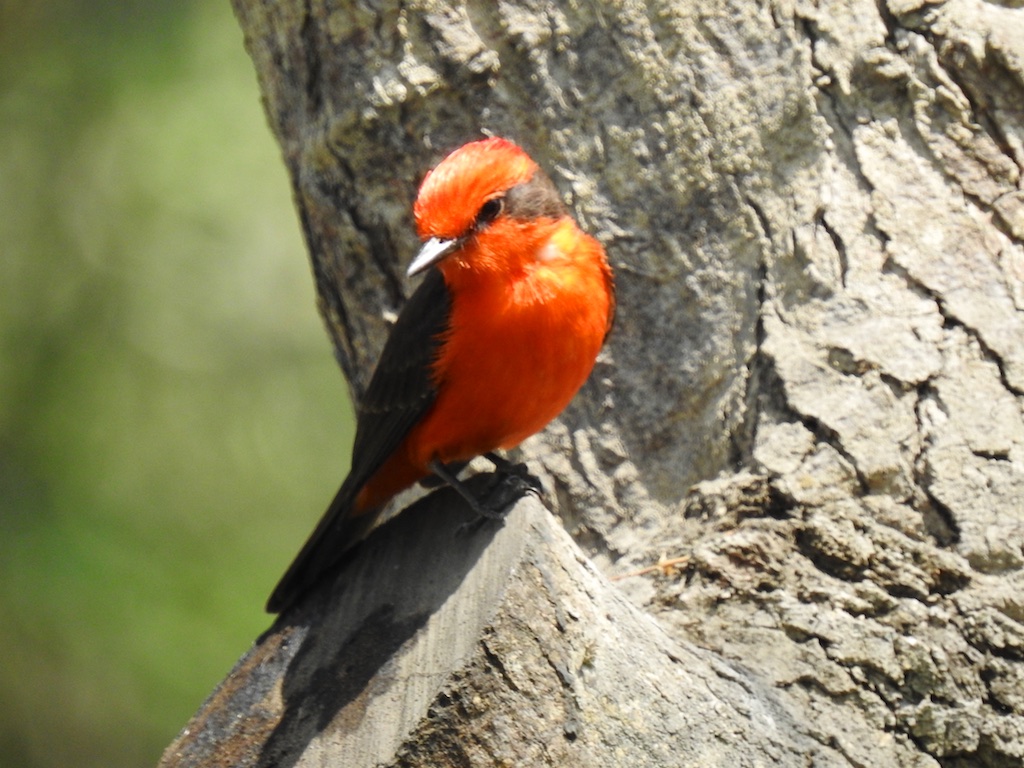
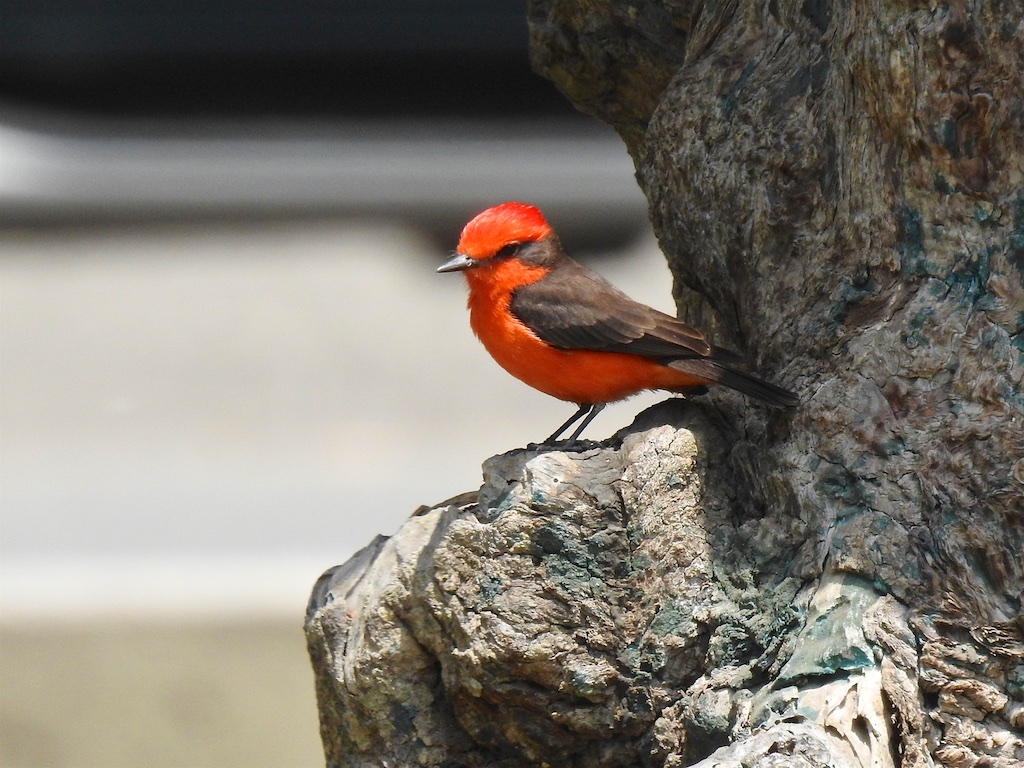
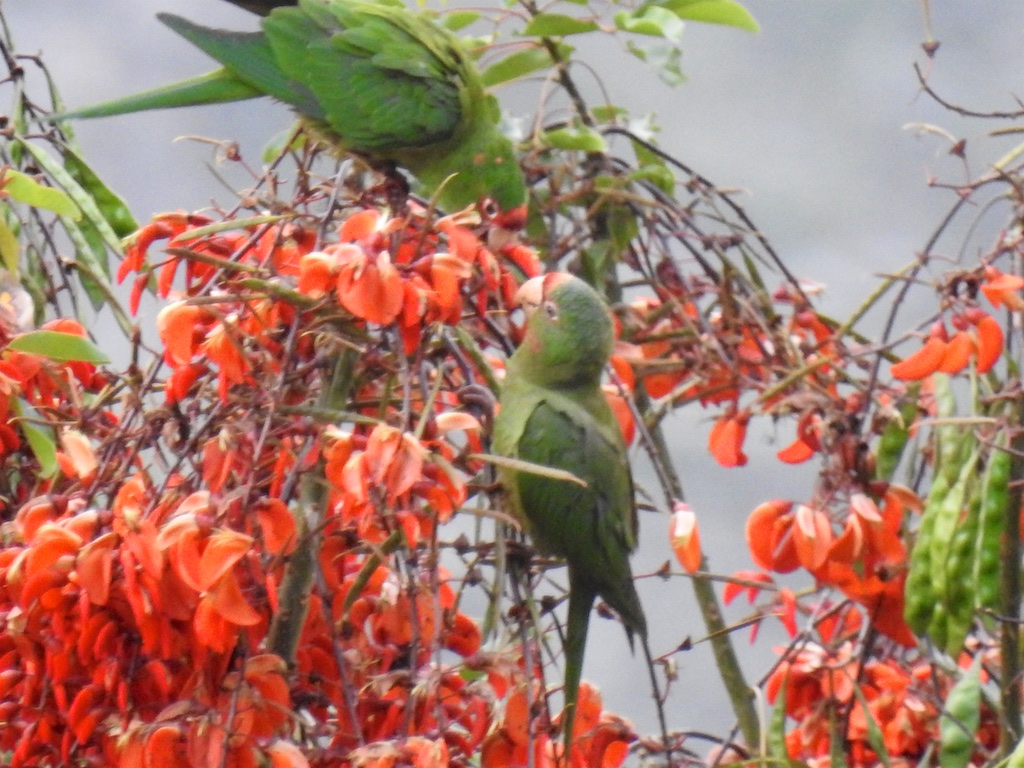
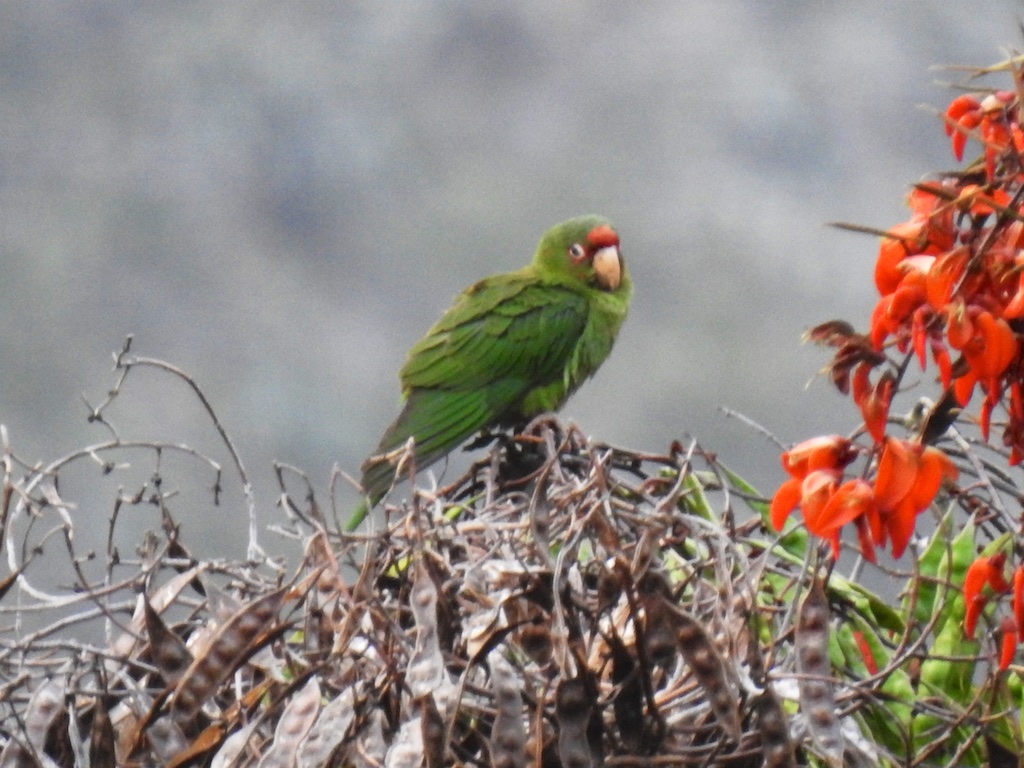
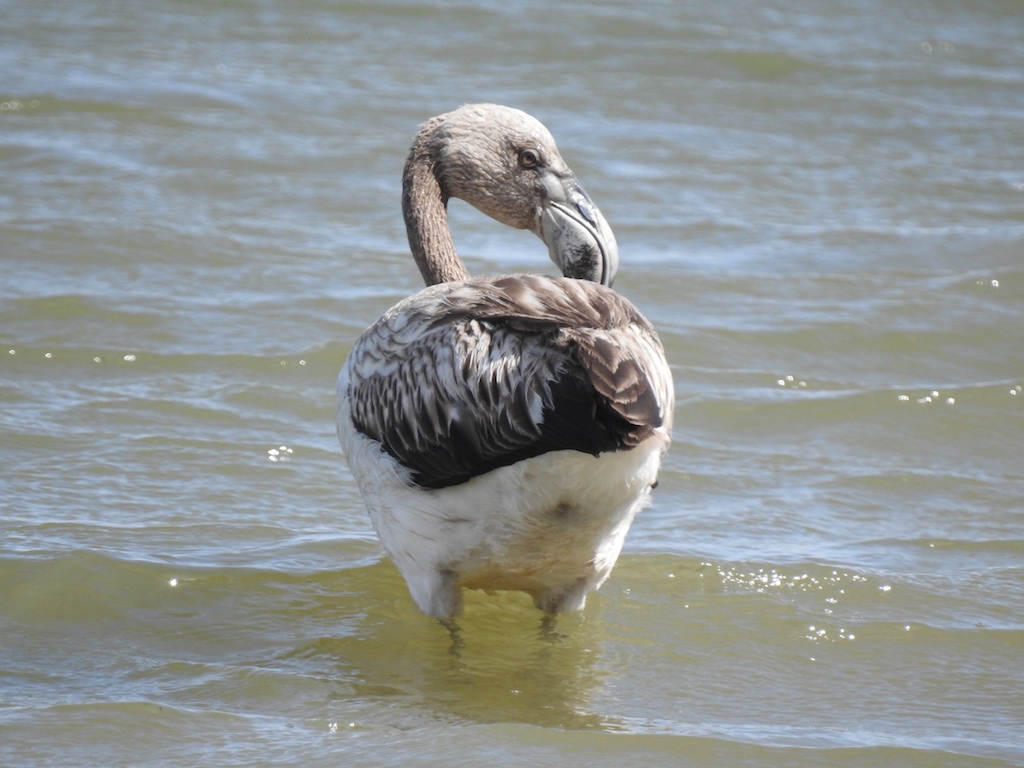
Here are some photos we took with it in Peru.
For a fairly small, fairly cheap, handheld those are really pretty amazing. For us it’s a great second camera. There’s a lot the D500 will handle better, esp. when birds are moving, light is lower, or speed is key to get a shot. But still it’s nice, it’s light, and great when the lighting is friendly, though very rough in poor light. Also the optical viewfinder isn’t good. Haley and I both used the P900 at various points, and for both of us the viewfinder is the biggest drawback this model has. Apparently the P1000 (which has even more zoom) is better, but it’s such a large camera we didn’t want it for travel photography. I thought it might be some kind of larger video camera since it’s a big long tube with the body build around it. Well worth getting your hands on any model camera in person before buying it if you can.
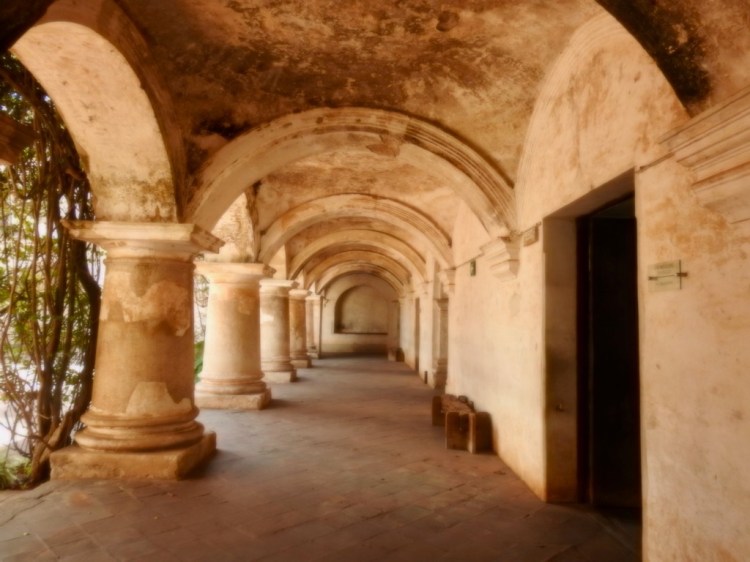
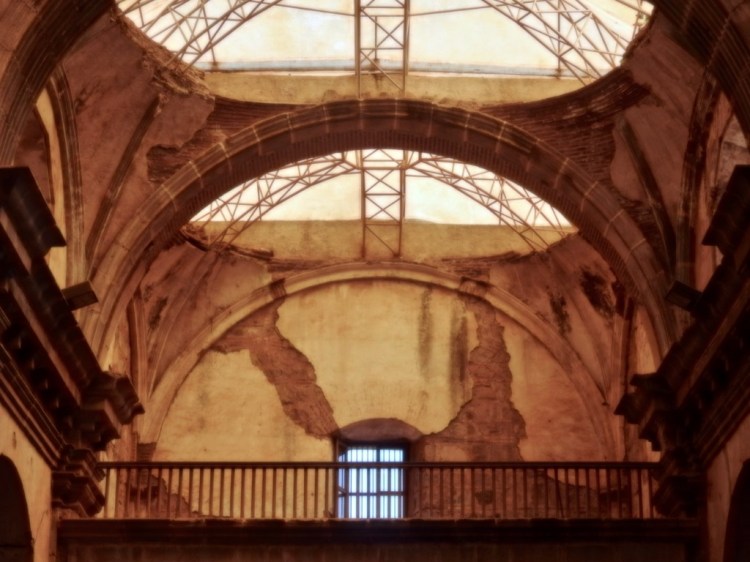
Above is a gallery of photos we took in Antigua with the P900. I could certainly get better shots with a wide lens on the D500, and sharper shots for much of it, but the P900 was really just fine for this stuff and incredibly handy compared to swapping lenses on the D500.
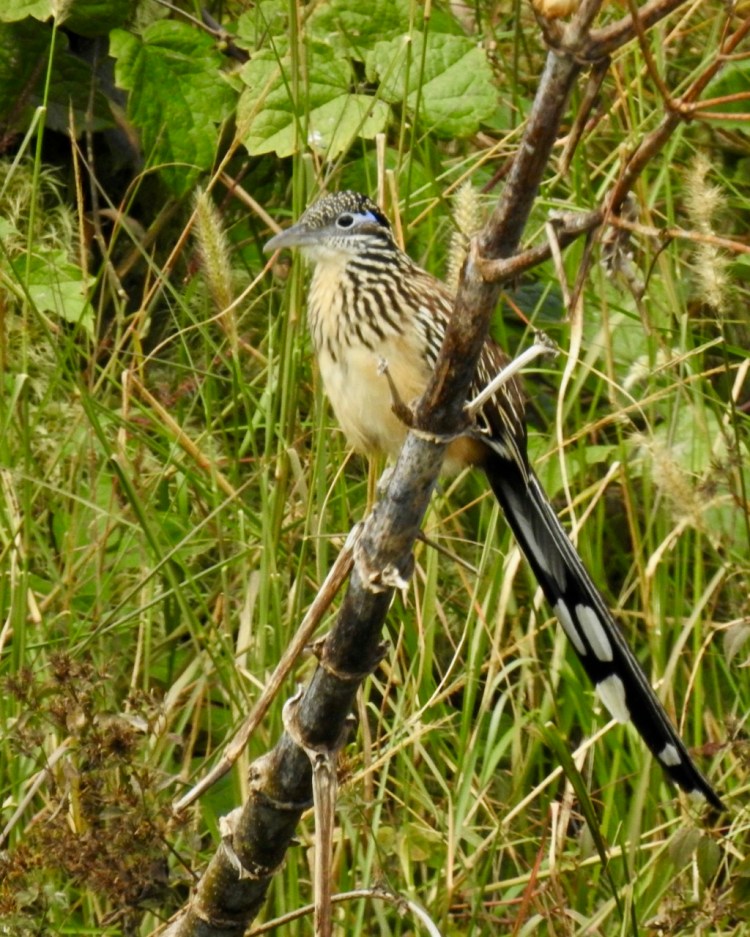
With birds that are way out the autofocus isn’t going to lock optimally. This isn’t National Geographic material, though you can really tell that’s a lesser roadrunner and you have a nice view of the cuckoo spots under the tail.
This camera’s not going to handle indoor lighting well. There are places in broadleaf forests where it’s always going to be too dark for this camera to perform well. You have limited control over the camera’s settings, but generally adequate. “Bird mode” puts you in single point enter focus with shutter and exposure settings that generally work so long as the light’s adequate.
This thing isn’t going to replace the D500. It can lock onto a moving bird in the middle of dark broadleaf forest with rain just starting and still nail the shot. It’s special. But the P900 is good for what it is when the conditions are right.
Planning for packing is critical when traveling to other countries. You need to know what luggage sizes are going to work everywhere you want your luggage to go by domestic flights, buses/trains/whatever. If you make a mistake here, it’s not the end of the world- it’s just possible to get hit with charges to check a bag and deal with collecting it.
The bazooka. All things considered it’s a nice small, light lens for the reach and a fast, powerful body, but it’s still really heavy.
For us we have the big camera, a Nikon D500 with a few lenses including the big Tamron 150-600. That eats a bag. We use a large padded Think Tank Glass Limo case. It’s carried this lens and camera around four continents so far, kept everything safe and easy to access, and it’s easy to reconfigure when your gear changes. It also is 18 pounds with camera and lenses and eats one bag from our luggage. Sometimes I took the dictionary, phone, and bird field guide in the camera bag as well which put it around 20 lbs but lets me carry one bag for all my stuff.
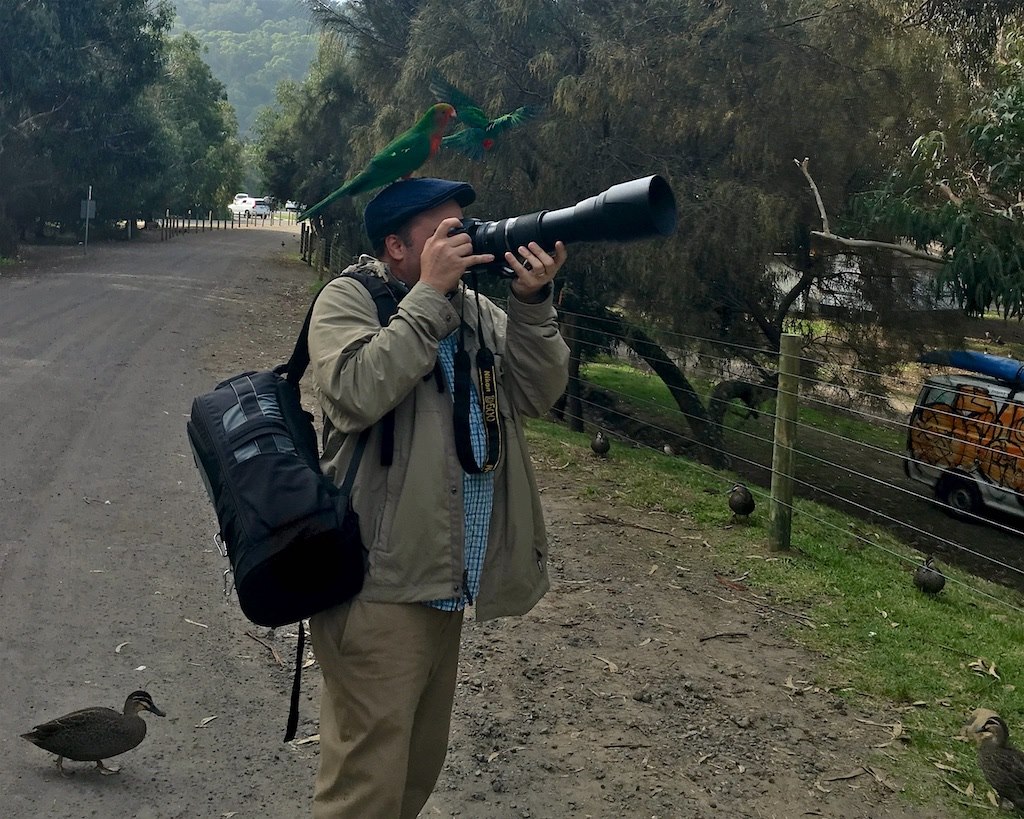
Me, bag to left, King Parrot on head, Pacific black ducks to left and in back.
On top of the camera gear, we each packed one backpack with stuff we’d want on planes and trains and buses and things. Power cords go there, as do backup batteries for the phones/iPad, snacks, water bottles when possible, jackets/t-shirts, and sometimes umbrellas. This is also a good place for bug repellents.
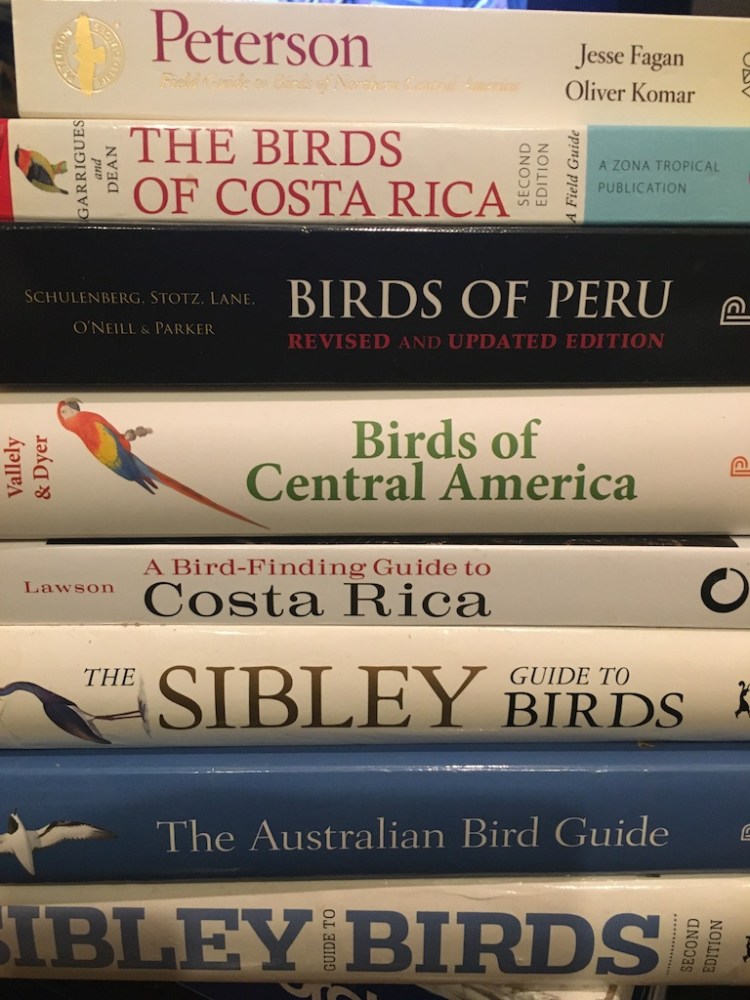
We bring paper bird field guides to new countries we visit. We read sections of interest in free time and use books for identification since they don’t need batteries or network. For this trip we got a used copy of Birds of Peru: Revised and Updated Edition, which is laid out nicely, has nice illustrations, and has nice clear region/range maps for each species.
We also packed Lonely Planet: Peru and Lonely Planet Latin American Spanish Phrasebook and Dictionary. No batteries and packed with useful material. It’s written by Brits, so they call eggplants aubergines and they always call cilantro ‘coriander’ but it’s very readable and in general it’s a solid phrasebook. The canned phrases in the phrasebook all seem idiomatic for what I hear and read in Latin America, I’ve gotten a lot of mileage out of it, and it’s helped. Good index. Nice food dictionary in the back as well as a compact en-es dictionary and es-en dictionary. This was critical for Peru since in much of the country few speak English.
Then we each had a suitcase. Because we had really expansive luggage allowances with one checked bag on Interjet, and the connecting LatAm flights, and could check bags on the long bus. Since we had a lot of suitcase capacity, we then overfilled with heavy clothes, fearing the cold. It mostly wasn’t very cold. Totally should have packed shorts.
Peru also isn’t a 110v system. They’re 220 like most of the world, but uses two/three-pronged plugs keyed like the US. So long as we could find the power supply/device saying it could handle 220 input, we took it with us and used it, and everything was fine. If we didn’t see support for 220 on a device we didn’t plug it in. iPhone chargers and most chargers in general are fine, so this really wound up being nbd. We made sure we had enough USB chargers for all our things using only two-prongers and we were fine, but we did stay at places with no grounded plugs. Good to be prepared to cope with the local power setup in new countries.
We also checked into water at this point. In Peru you don’t drink the tap water, but drink bottled/filtered water. You definitely want to know whether tap water is potable wherever you’re visiting. If the water isn’t potable, use bottled/filtered water religiously, brush your teeth with bottled water, and be careful.
Our extra luggage capacity had a cost – weight. We worried about the cold and were lugging around heavy useless clothes a lot. We could have slimmed down a lot more on clothes. In higher altitudes, the cost of luggage weight is higher. Altitude sickness hits right as you’re picking up your bags. The agony we experienced of lugging bags while our body was starved of oxygen hopefully will be a helpful reminder to pack light. As Aeschylus says, we learn through suffering.
The big takeaways are to pack as light as possible, make sure you check regulations all the way through your journey before you pack, check power, and pack as light as possible even if you’ve got some empty luggage capacity.





 The Nature Bloggist