Categories
Blog Post Uncategorized

San Diego, Oceanside – Fall 2021

In 2021 in the fall we took a trip to California visiting San Diego and Oceanside, then heading up to Oregon to visit Portland and the coast near Cannon Beach. My job at the time let me work fully remote, there was no Austin office, and we took full advantage of our location independence. On this trip we took some days off and other days I’d work in a hotel room or some place with a decent network connection. While I needed quiet for calls for various meetings, that was usually easy, and for this I was writing a bunch of Java code where it part adding Hibernate models/db updates, and then was mostly glue code tying together services.
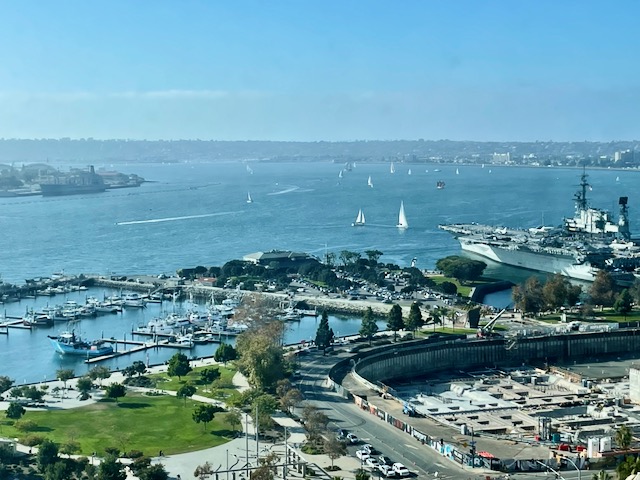
The view from the room in San Diego

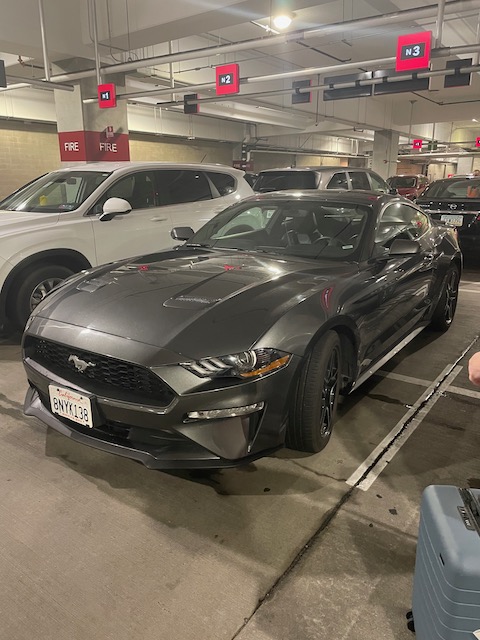
We landed in San Diego airport (SAN), got to the car rental, and they only had one car left, a Mustang coupe. It had a V8 with a lot of torque, the exhaust note was tuned, the manual said it had a limited-slip diff, and the low center of gravity and grippy tires would have made it fun to go fast in, in theory. We were not every gunning it anywhere on the unfamiliar, crowded, narrow streets in downtown Dan Diego. It was an adequate car, but was too low slung, overpowered, had poor rear visibility, and had poor fuel economy. The car did have endless torque, but driving was primarily slow crawls on some traffic-filled space, like downtown San Diego, the I-5, and PCH, often crawling up to around 35 or 40 MPH, followed by braking. There’s a pop-cultural dream of driving Mustang around Southern California, but the reality is that a Subaru would be my preference.
San Diego was beautiful. Working from the hotel worked fine. We could walk to a marina from the hotel and I’d do that sometimes on work breaks. There was also a park nearby with various bird species in the trees, and on the weekend we drove out to a few great sites in Chula Vista and Point Loma.
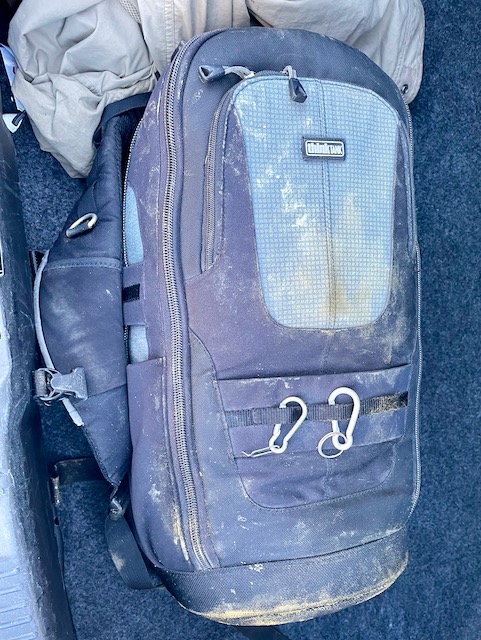
The camera bag picked up some sand patina at Point Loma

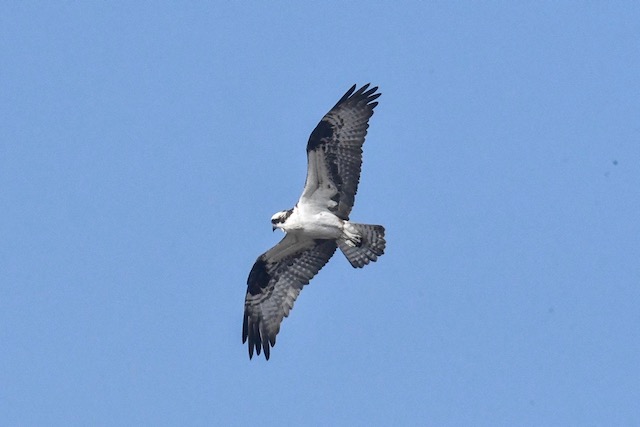
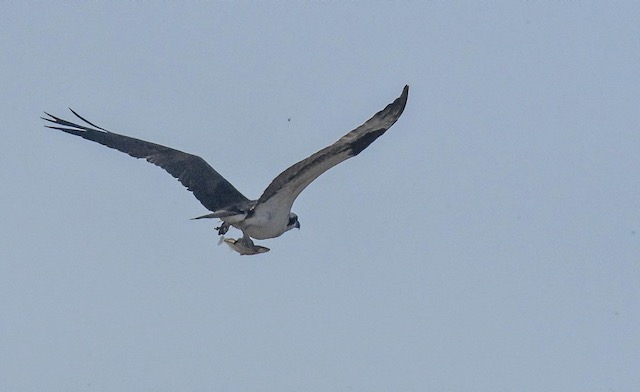
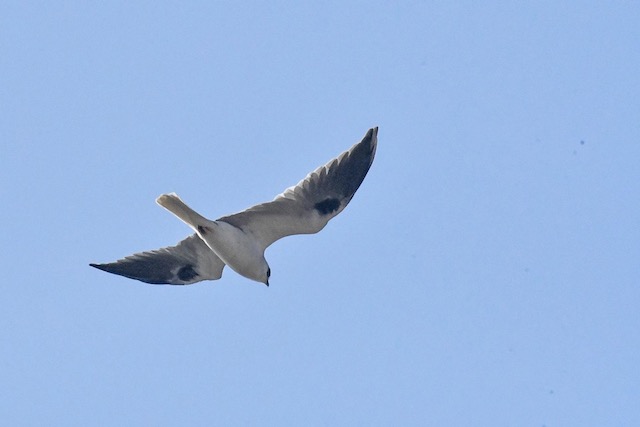
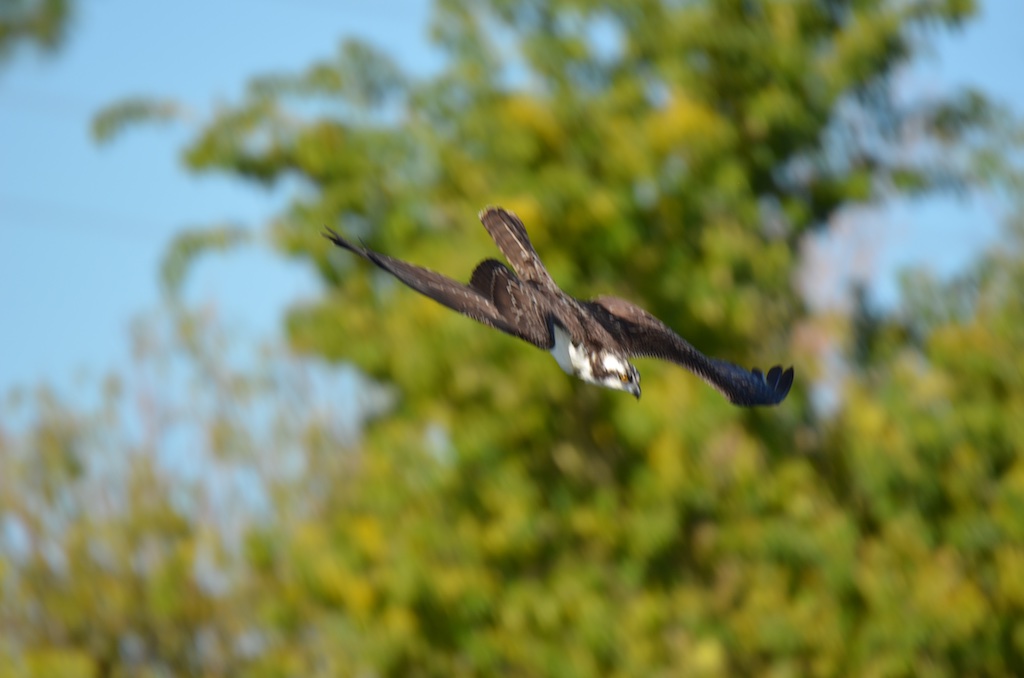
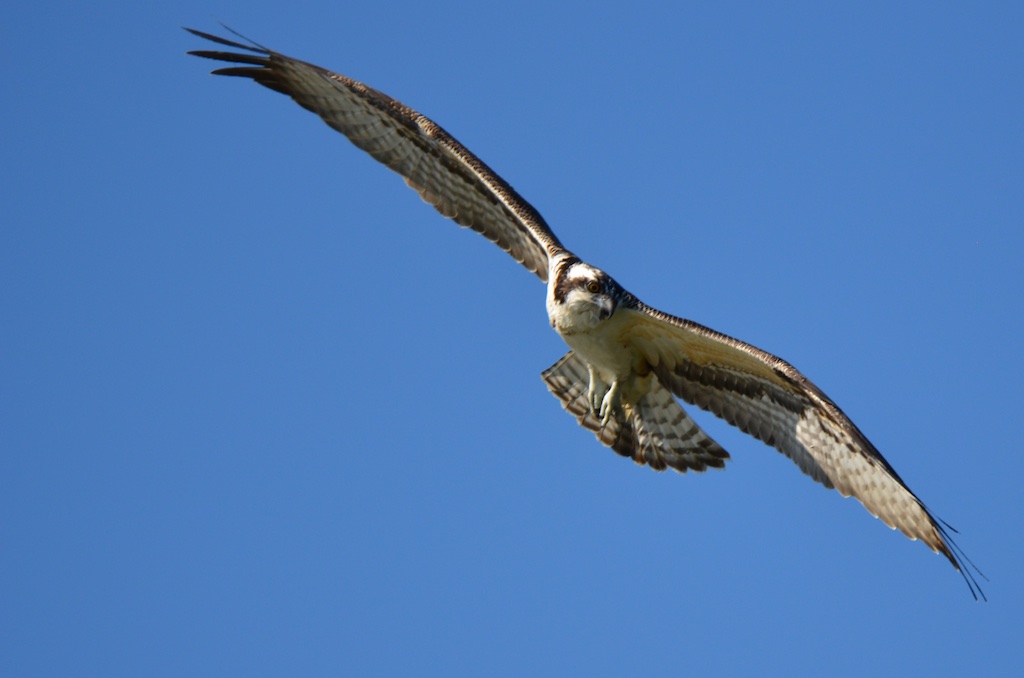
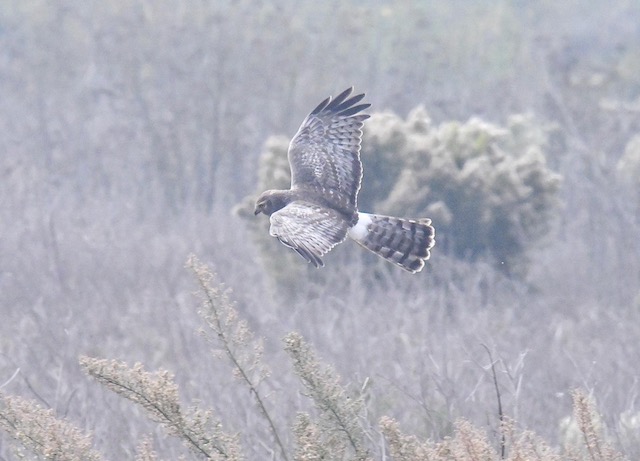
There were huge numbers of corvids in San Diego county, lots of ravens and crows. We got a few good looks at northern Harriers and watched them hunt. We also spotted a couple white-tailed kites – so cool! Ospreys too, lots of raptors at the coast near Chula Vista. The birds were great, the weather was always perfect, easy place to spend a day mostly outside. We also went out to Point Loma for a day, which was a truly beautiful place, lovely coasts.
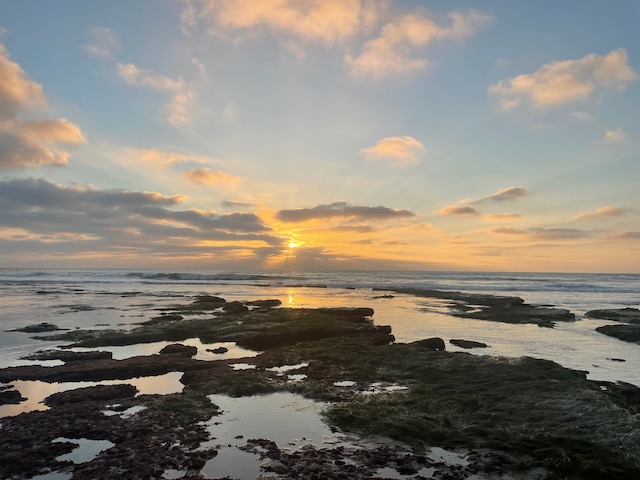
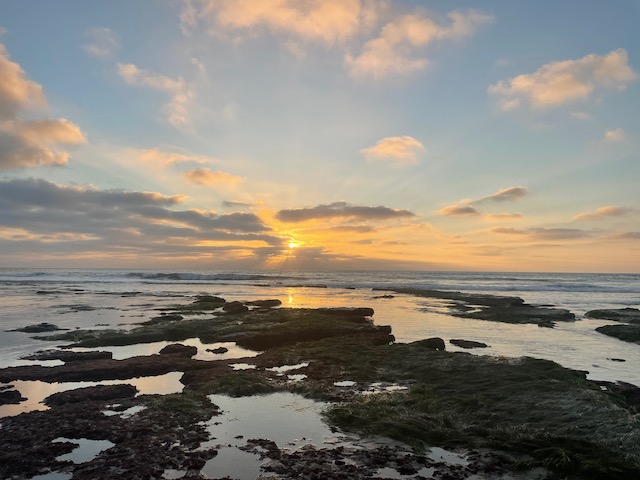
Southern California sunsets are usually magnificent
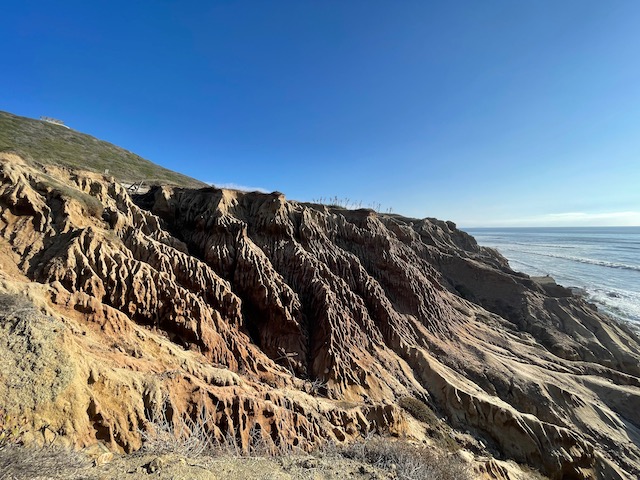
Point Loma’s cliffs were really interesting

We were thinking about either moving back to CA or getting to OR – TX has many flaws that grow worse, but the new job ties us to the Austin office for a while, so we’re not going anywhere for a while. San Diego does have perfect weather year round, has a wide diversity of bird specie, San Diego county has one of the top species counts in the US, and it’s also a horribly expensive place to live since way too many people know it’s a year round mild Mediterranean climate paradise with lots of great hiking trails so you can go out on a nice hike pretty much any day you’d like.

Night view from the room

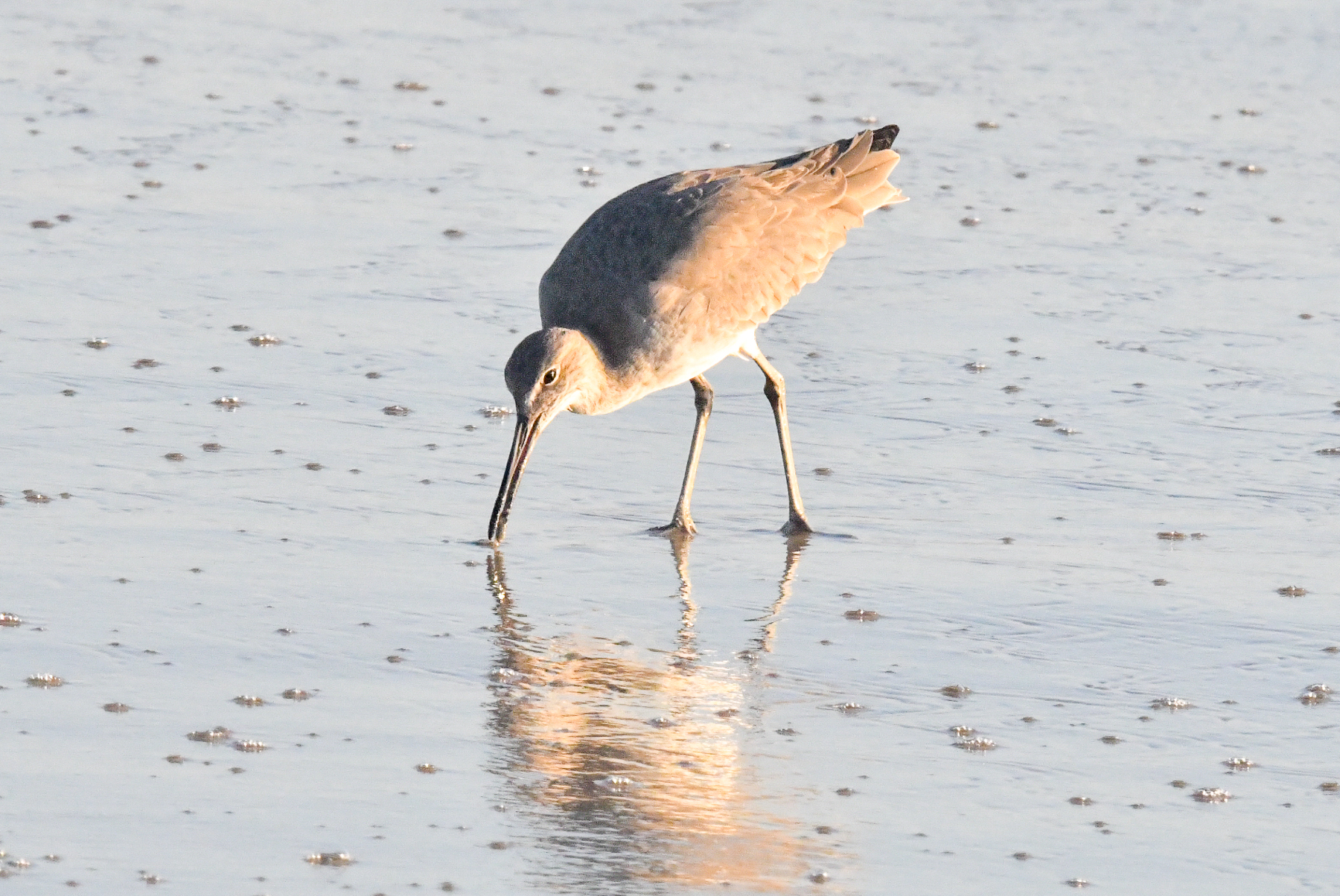
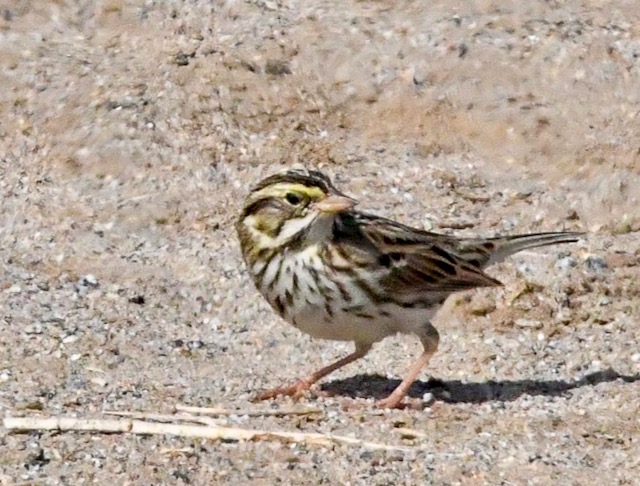
While birding San Diego we saw a few new species, like brants ( very small goose, unexpected find, neat), Brandt’s cormorant (been looking for a while), and black oystercatchers (been looking a while, nice to find). We saw a few local things like California towhees, finally got clear photos of northern harriers, and saw a lot of western gulls and ring-billed gulls. We worked on improving our sparrow and gull id skills the whole time we were on the west coast, and I know the field marks to check for at this point. While I was there I could id the main species by their field marks and knew which were interesting to take photos of to check/look up ids. In Austin I rarely see gulls and it’s been long enough now that I’d look things up at this point.
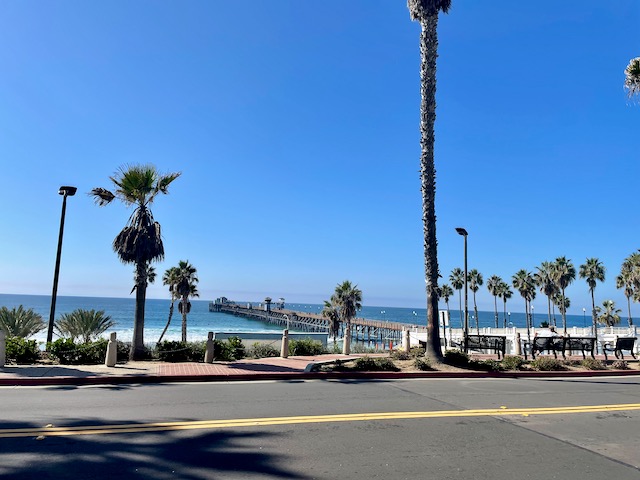
Oceanside, so pretty

After a few days we moved on to Oceanside in south San Diego county. I used to visit Oceanside as a kid, since my great aunt Clara lived down there. It’s changed a lot but still is familiar to me in some ways, and it’s really lovely little beach town. We saw our friend Katinka in Oceanside and got to visit for a few days. It was great to see her, and Haley and Katinka went out during the days while I worked. We went to a few tide pools together that were very good.
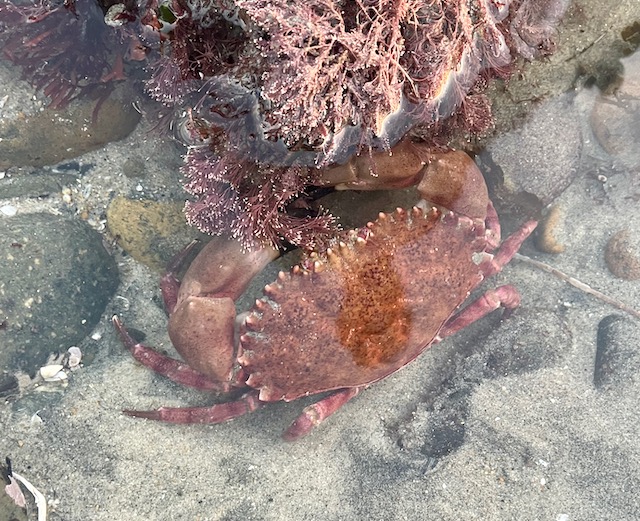
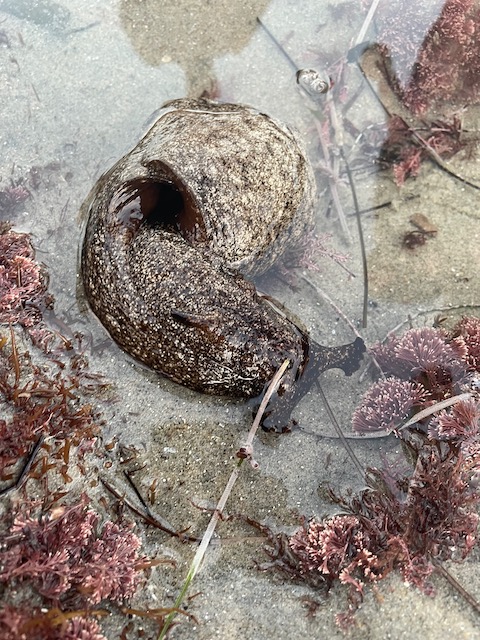
Sea Hare
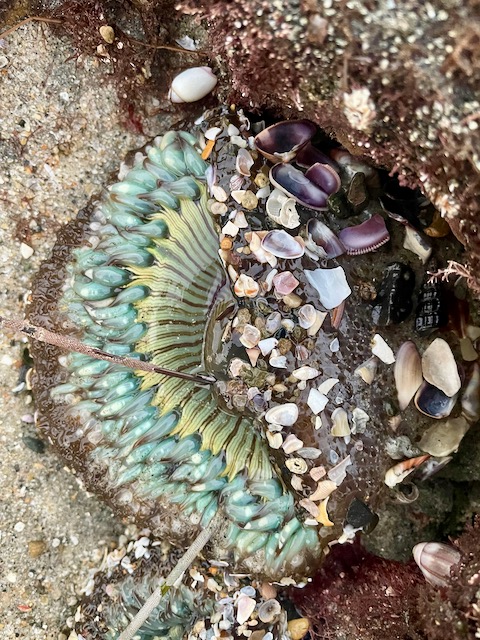
Anemone

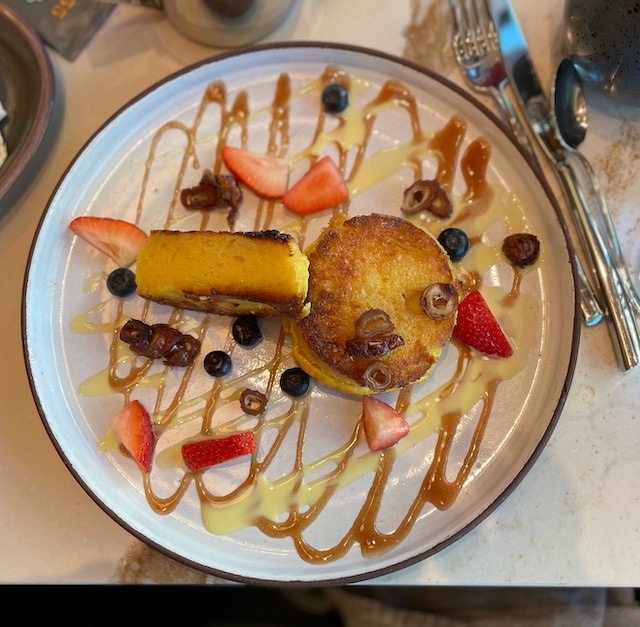
For dinners we found an Indian place that had N. Indian and Nepalese food that was great, and we visited some taco places and other things that were good. The breakfasts at the Seabird were glorious.
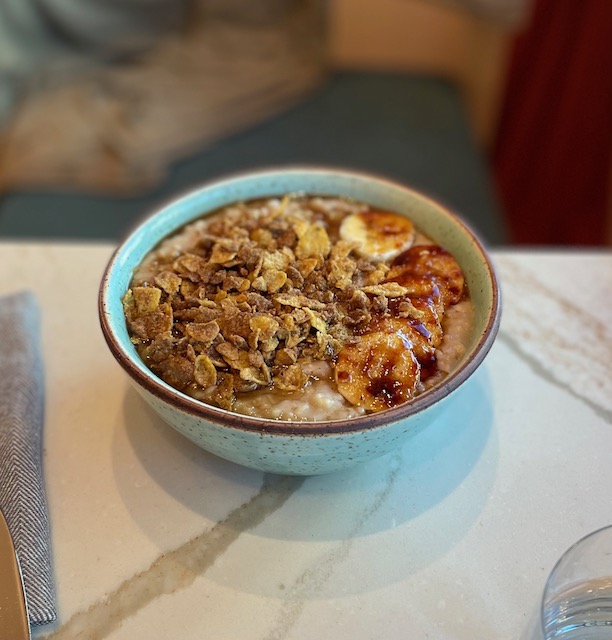
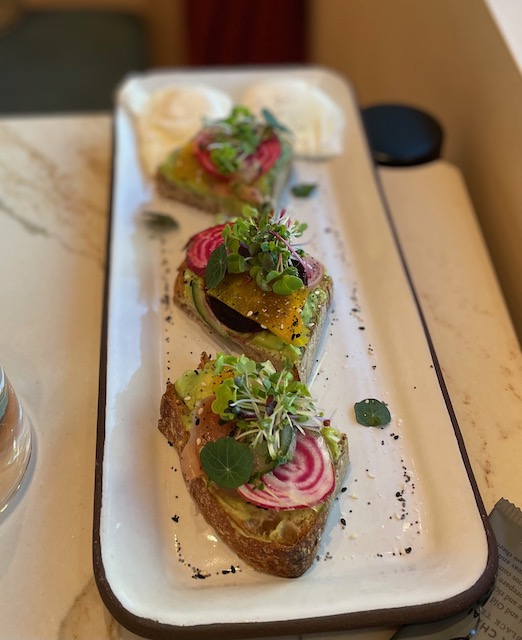
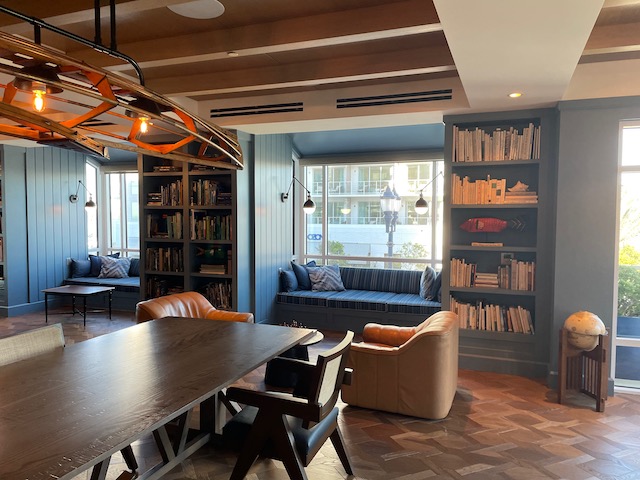
On one of our days in Oceanside I worked out of this library and it was pretty nice.

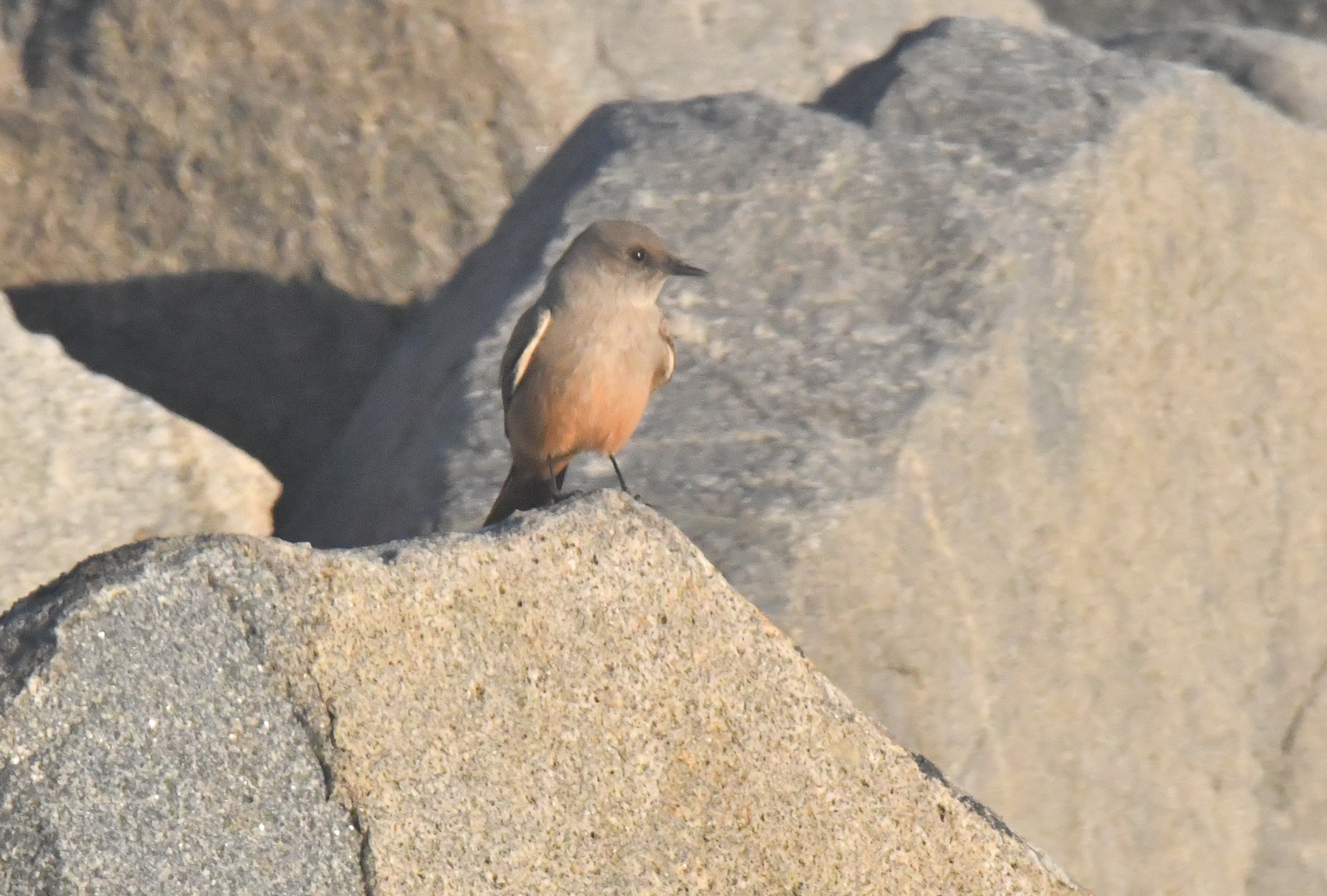
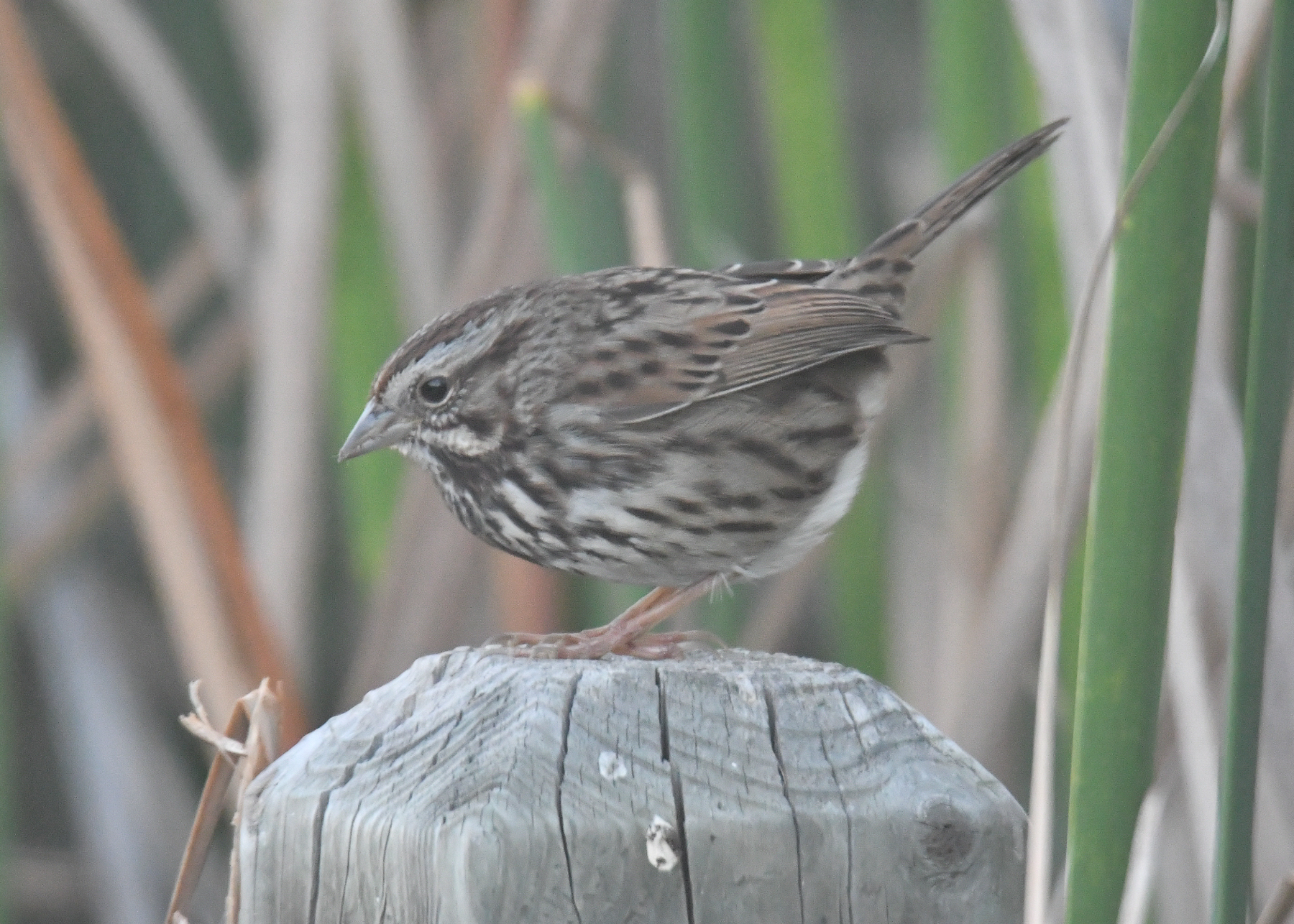
We also saw a lot of black phoebes (a bird of the western US though I’ve seen them in Costa Rica and Peru as well – neat to see), along with the Say’s phoebe, standard shore birds, and huge flocks of corvids, mainly American crows and ravens. I am a giant corvid fan so the giant murders of crows in the sky were awesome to see. We went out to a rocky breakwater-type-thing at the beach where California ground squirrels were residents, didn’t find any, we looked it up and determined that they were hibernating. The beach near the breakwater was nice and from there there were a lot of trails along the coast.
This image has an empty alt attribute; its file name is img_1782.jpeg
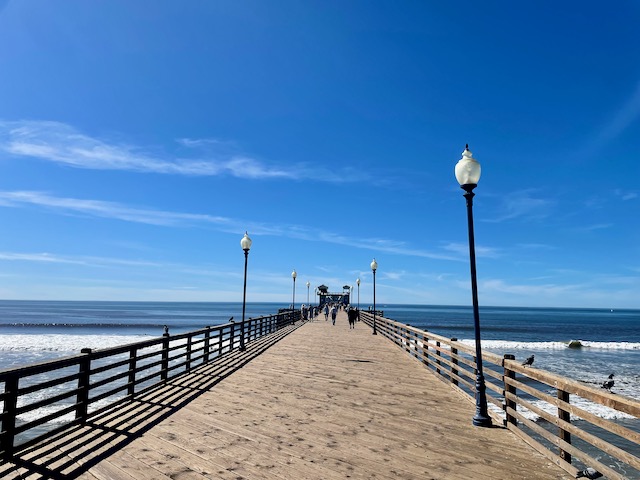
The pier at Oceanside

We eventually wound up in Santa Ana near John Wayne Airport, where the ponds nearby had a big flock of Canada geese, and I spotted a white-crowned sparrow, and a savannah sparrow right outside the hotel lobby near the airport. We returned the Mustang, glad to be rid of that car, and flew off to Portland, Oregon.
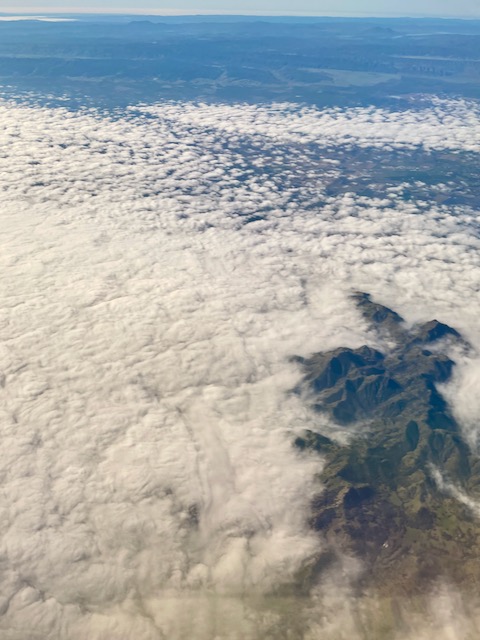
Window seat view flying into PDX
Categories
Uncategorized

Side-Birding

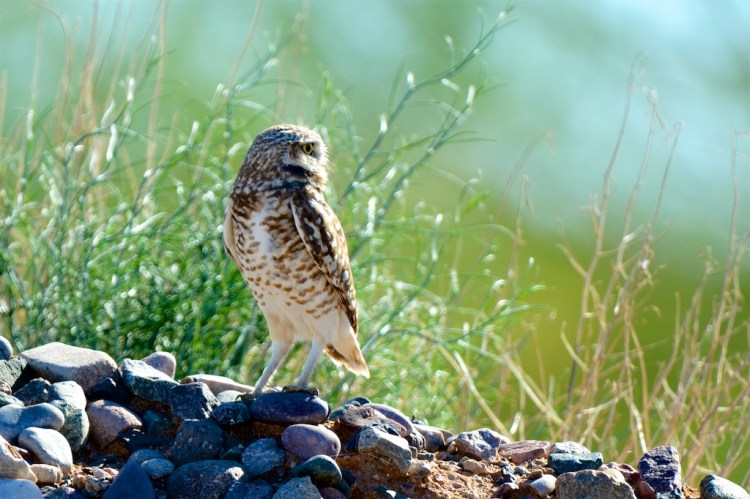
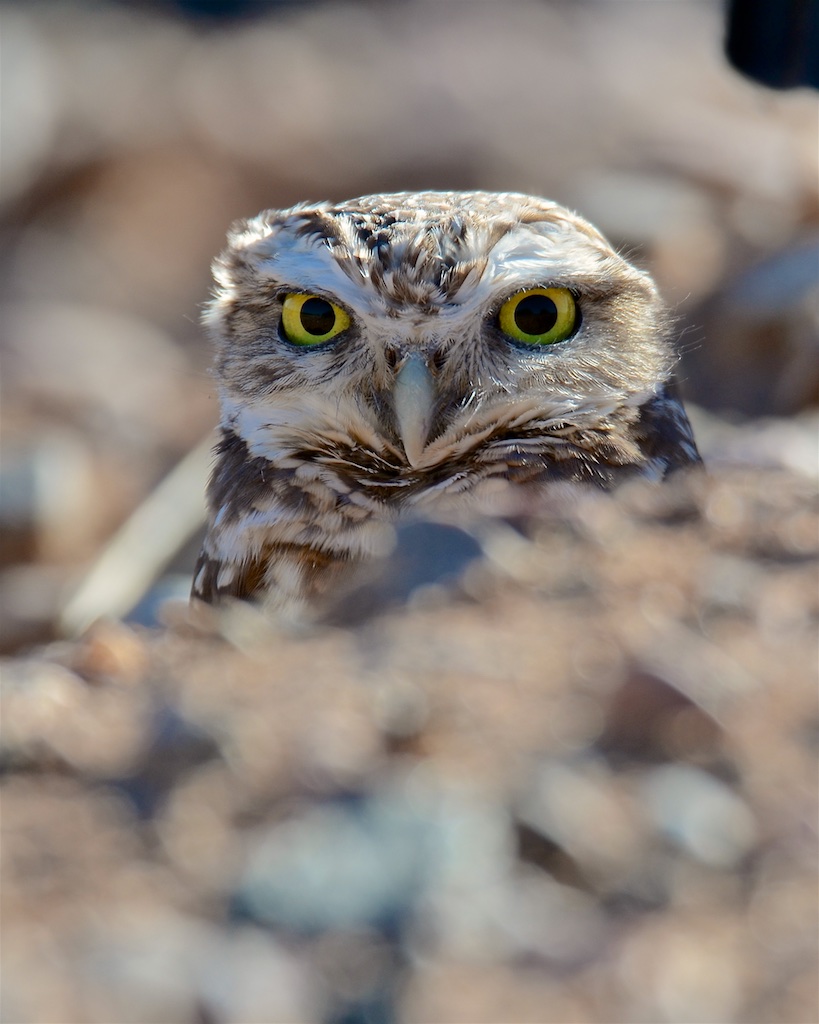
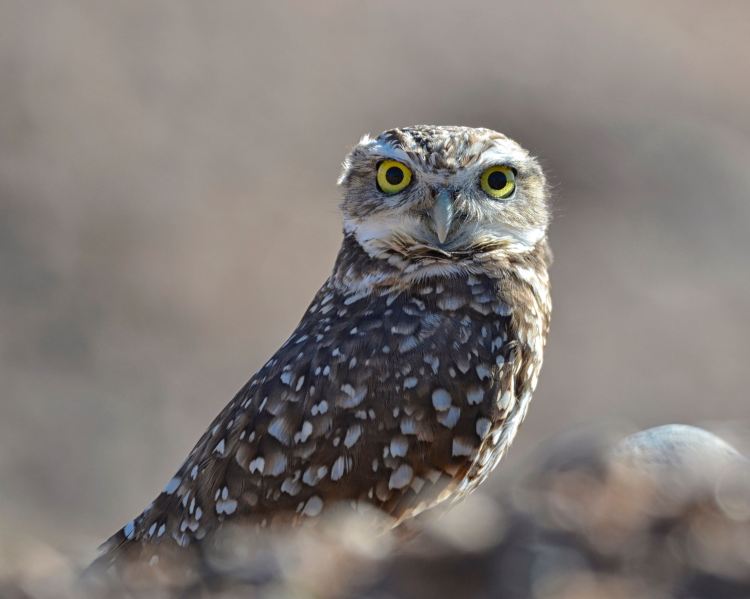
While at this point the bits of traveling we do are mostly to do outdoors things, when we see family or do non-ecotourism things we tend to go out and see what there is to see in the local habitats if there are any. When Haley’s parents lived in Scottsdale, AZ we’d use eBird to find interesting hotspots in the area. We found burrowing owls in the area and learned about nice birding/wildlife spots like Gilbert, AZ

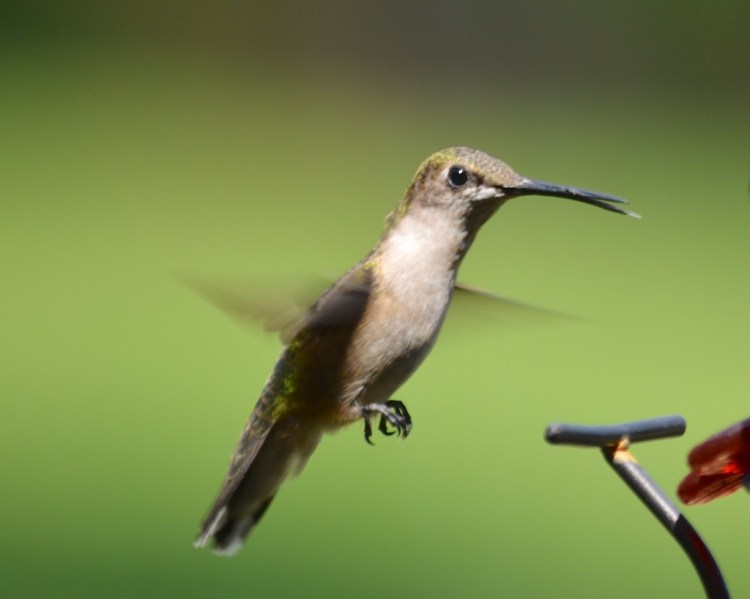
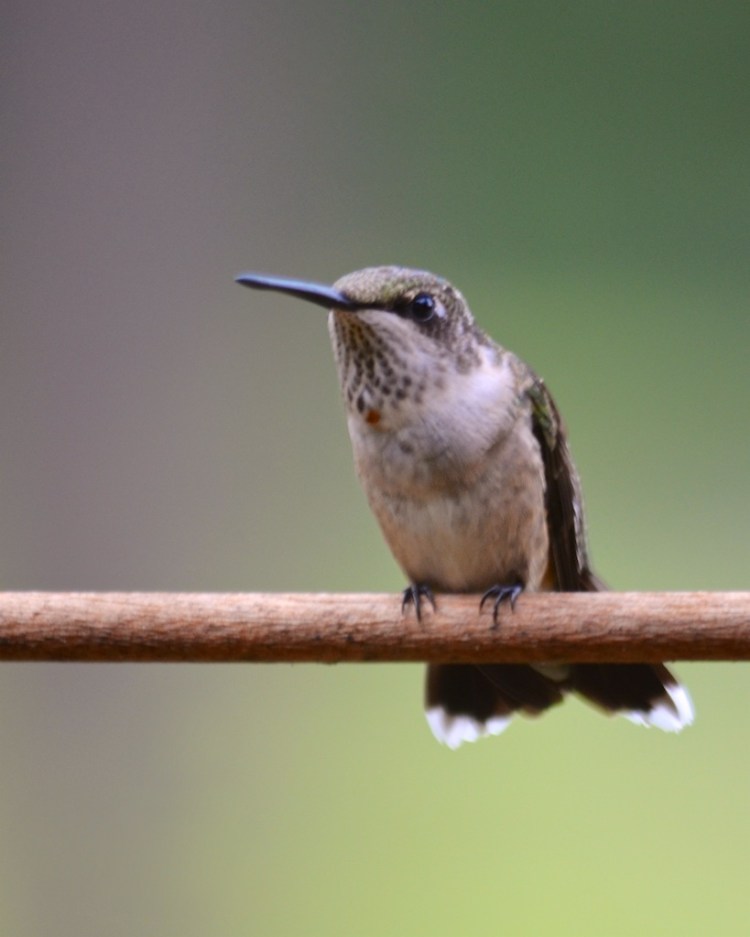
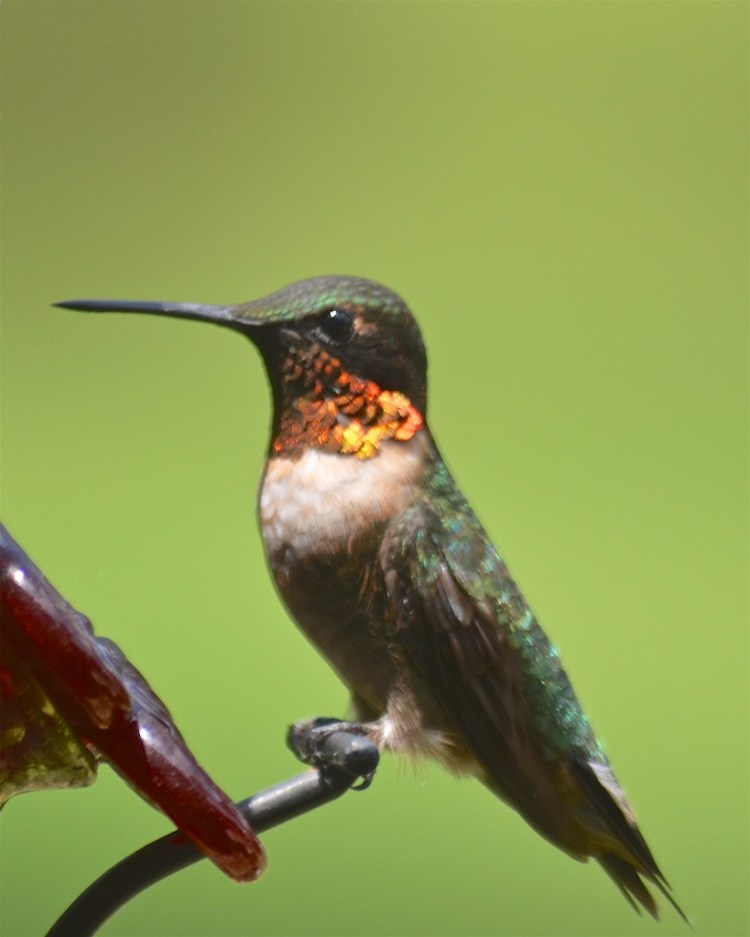
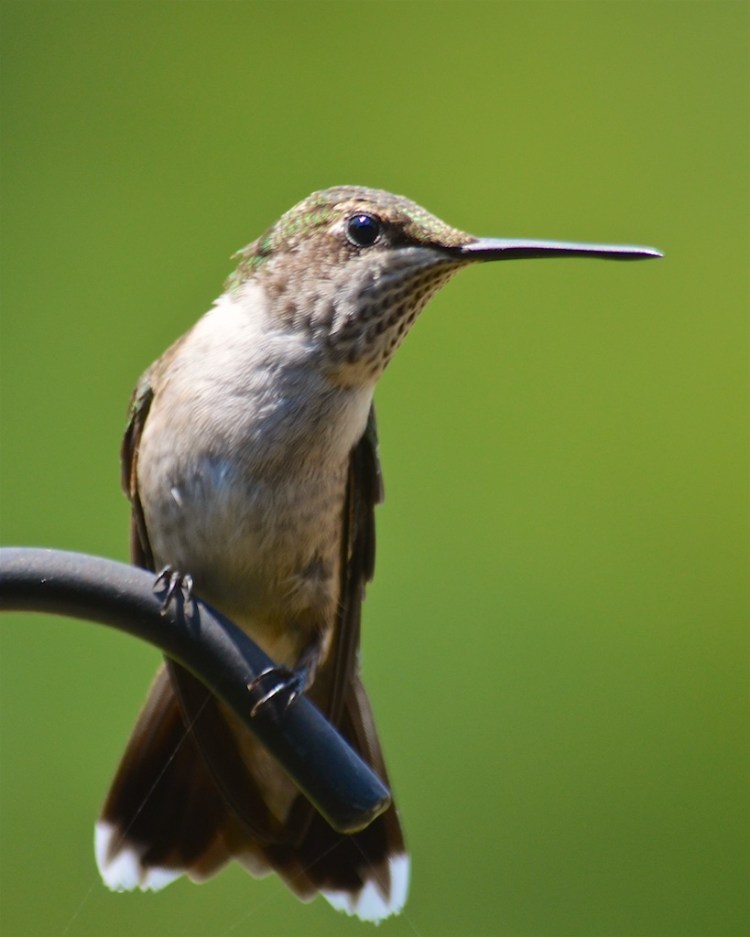
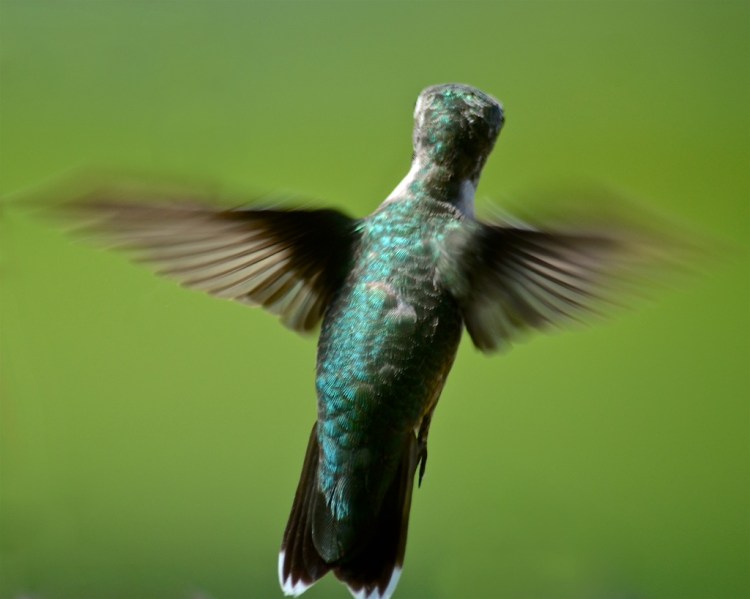
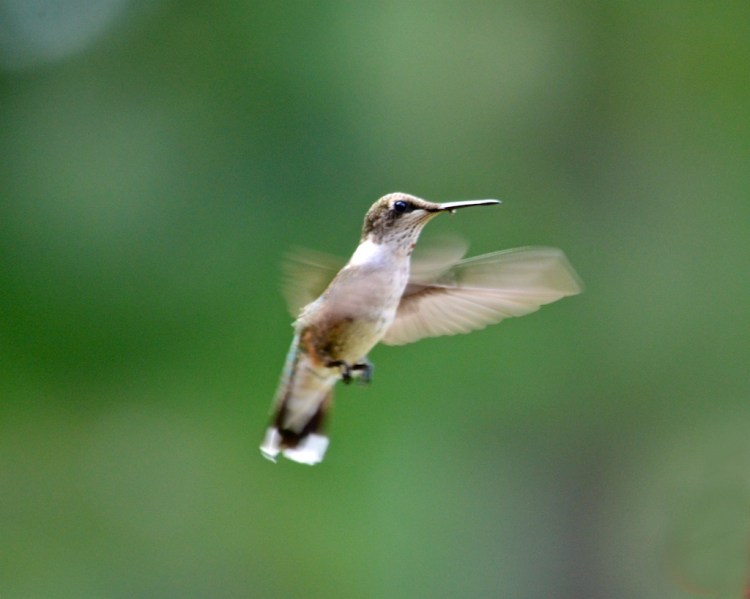
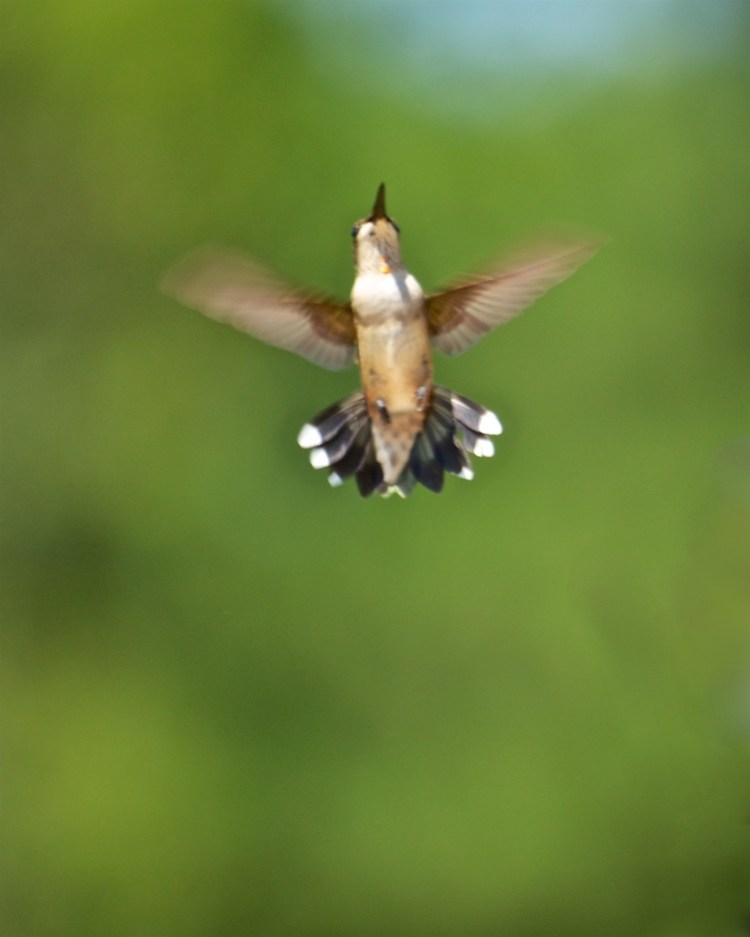
When visiting my parents’ house in Alabama, they have nesting ruby-throated hummingbirds in the area in the spring and other interesting wildlife.

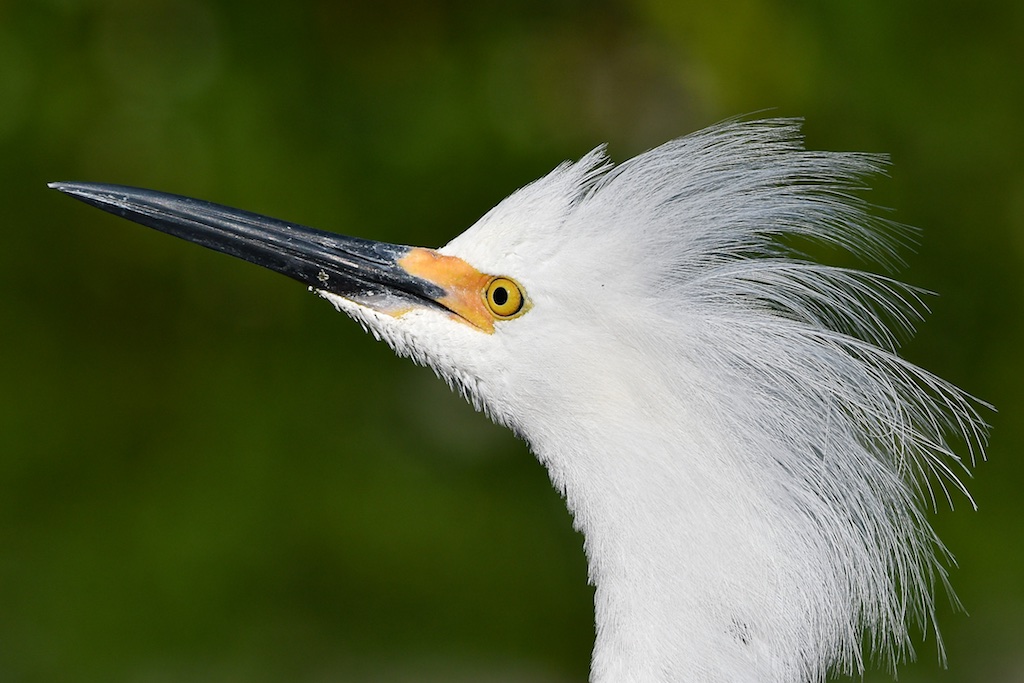
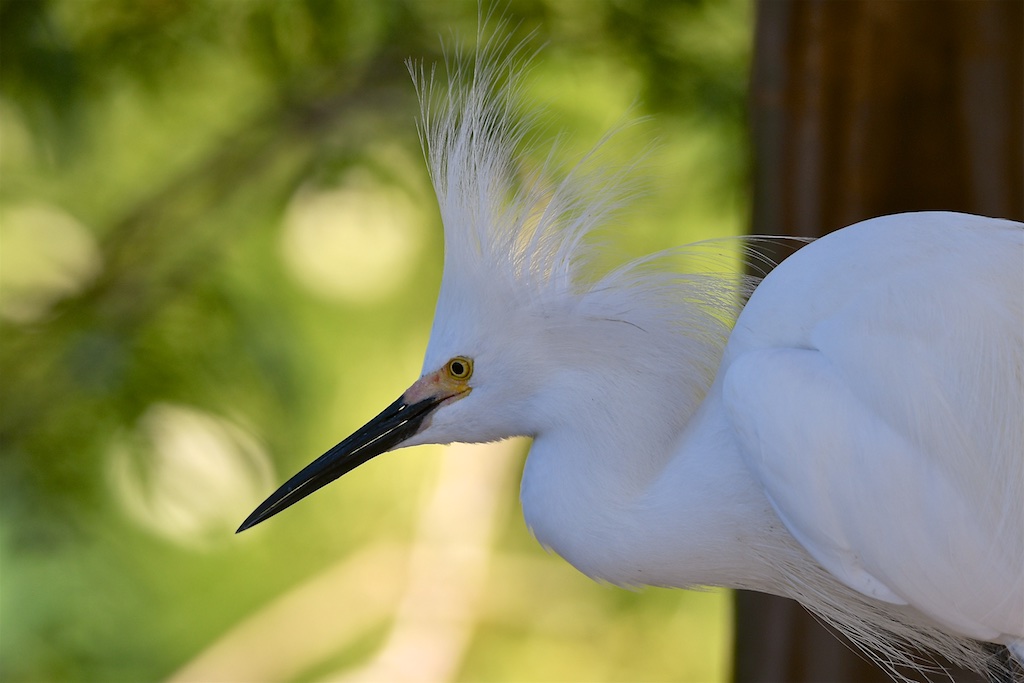
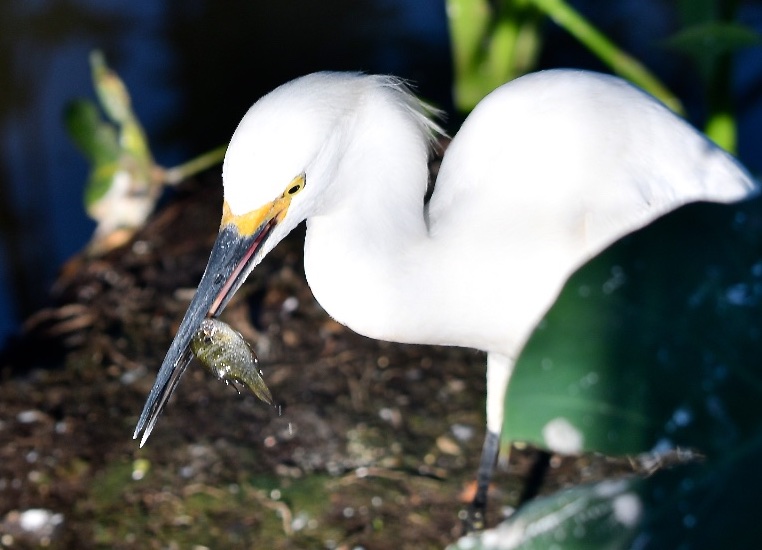
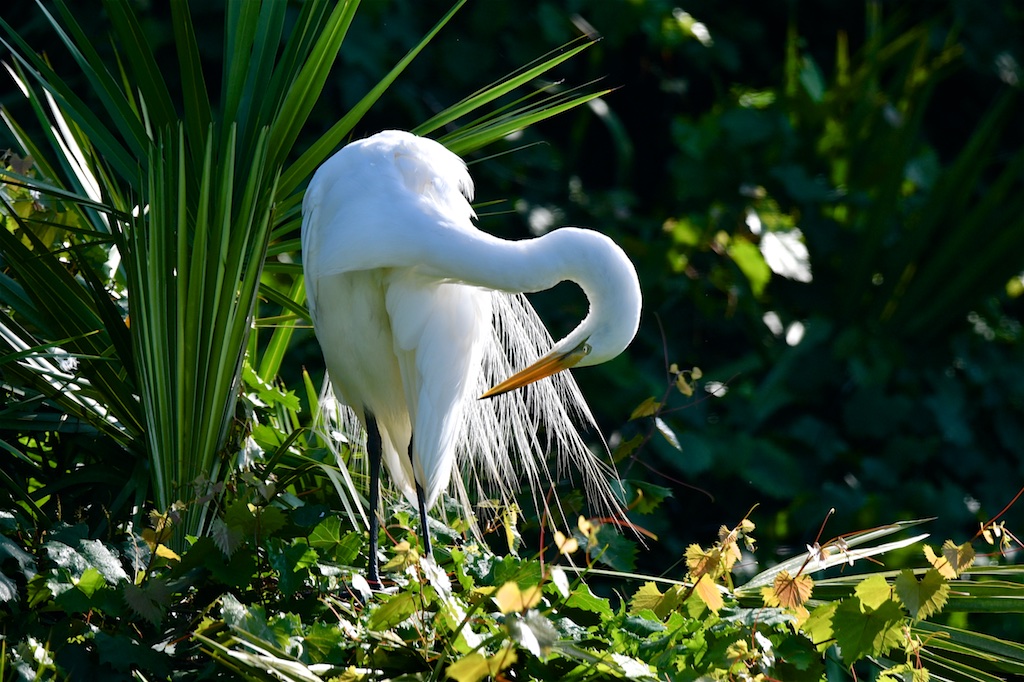
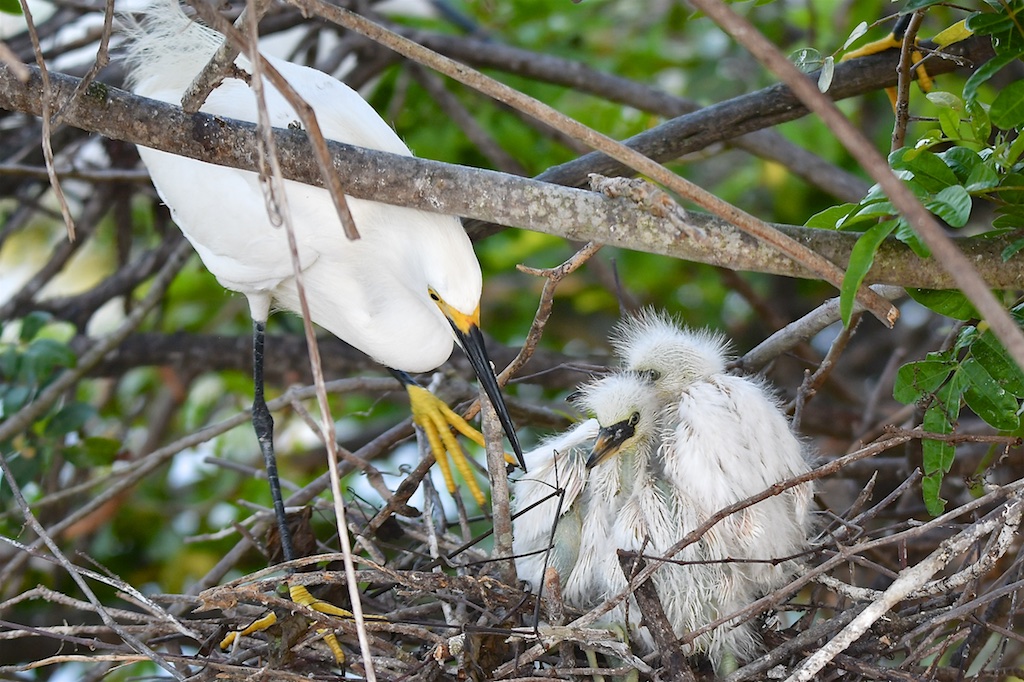
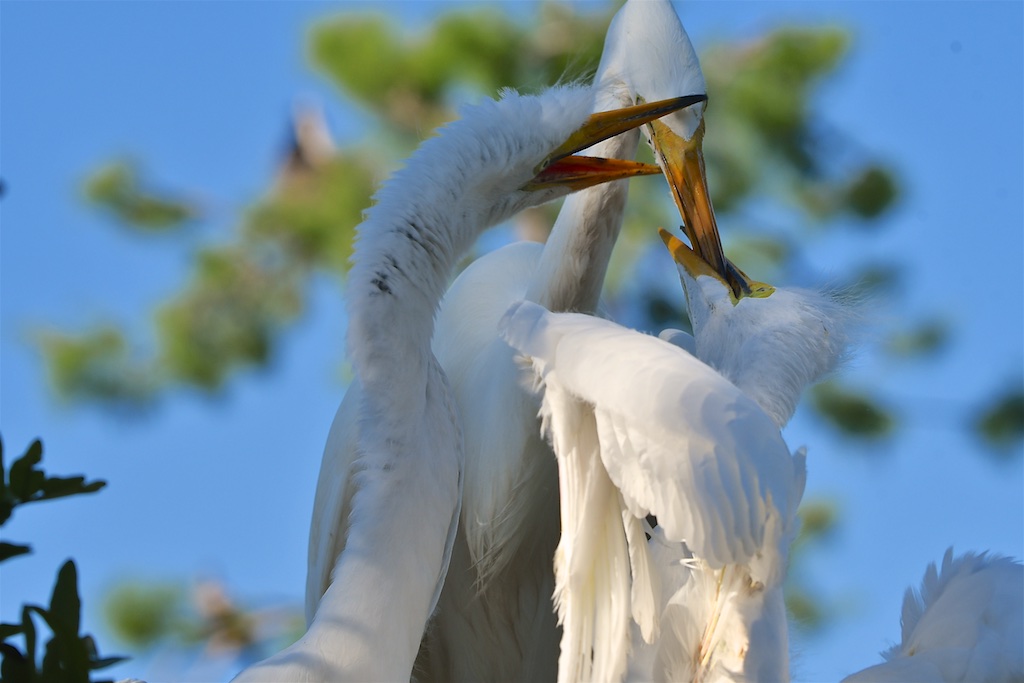
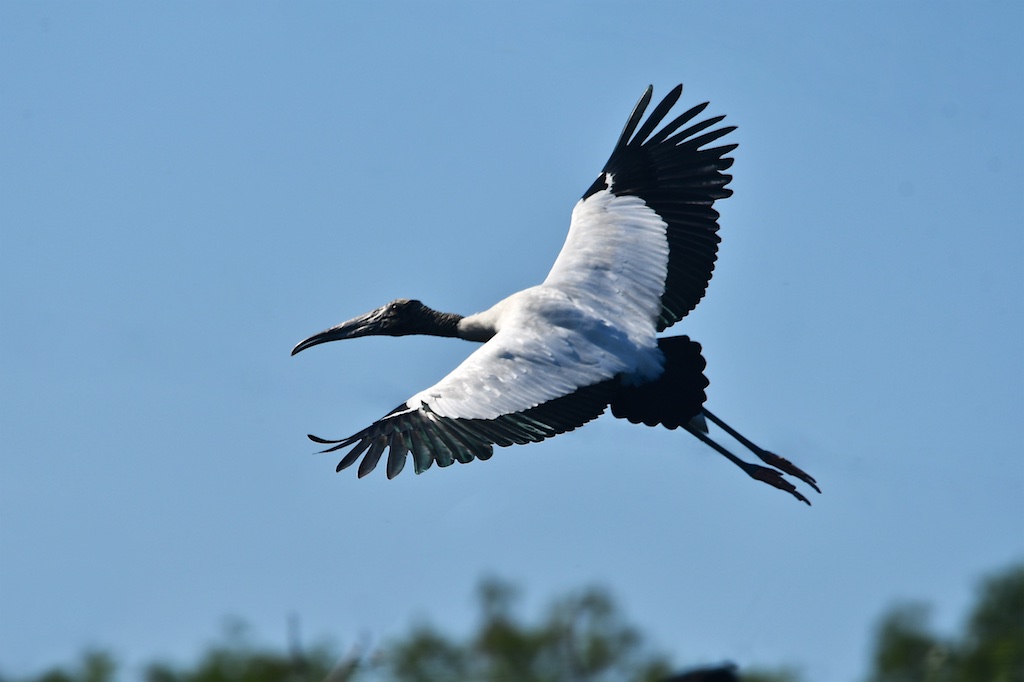
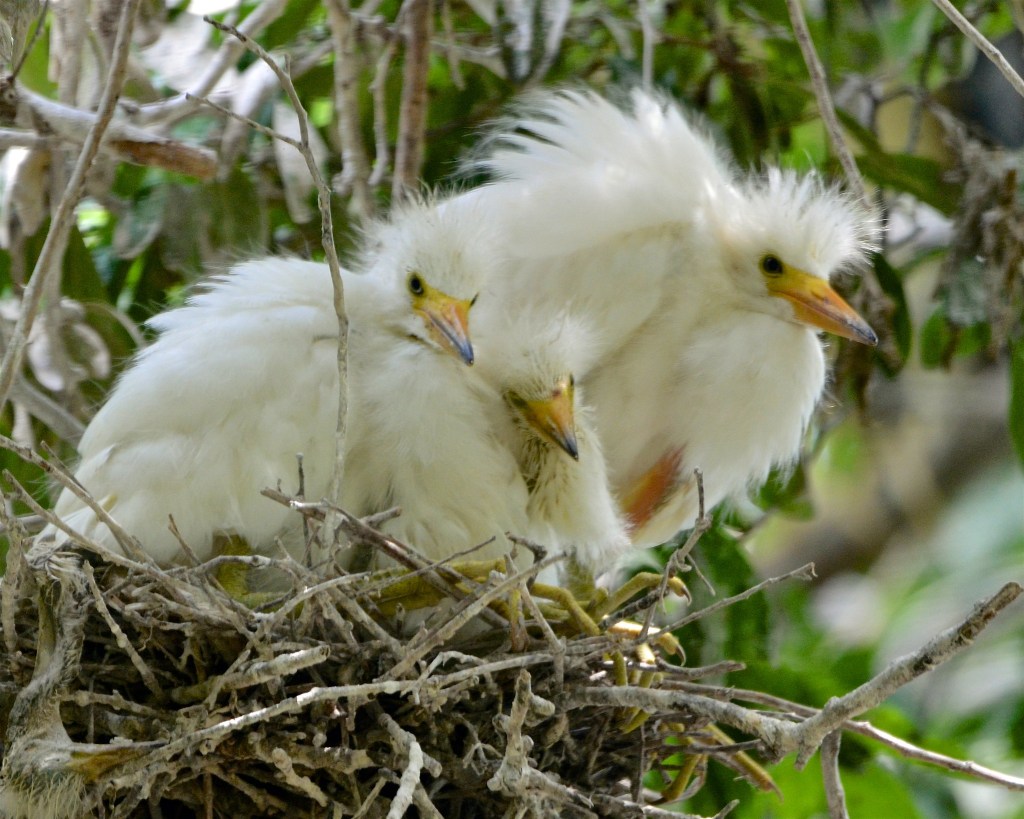
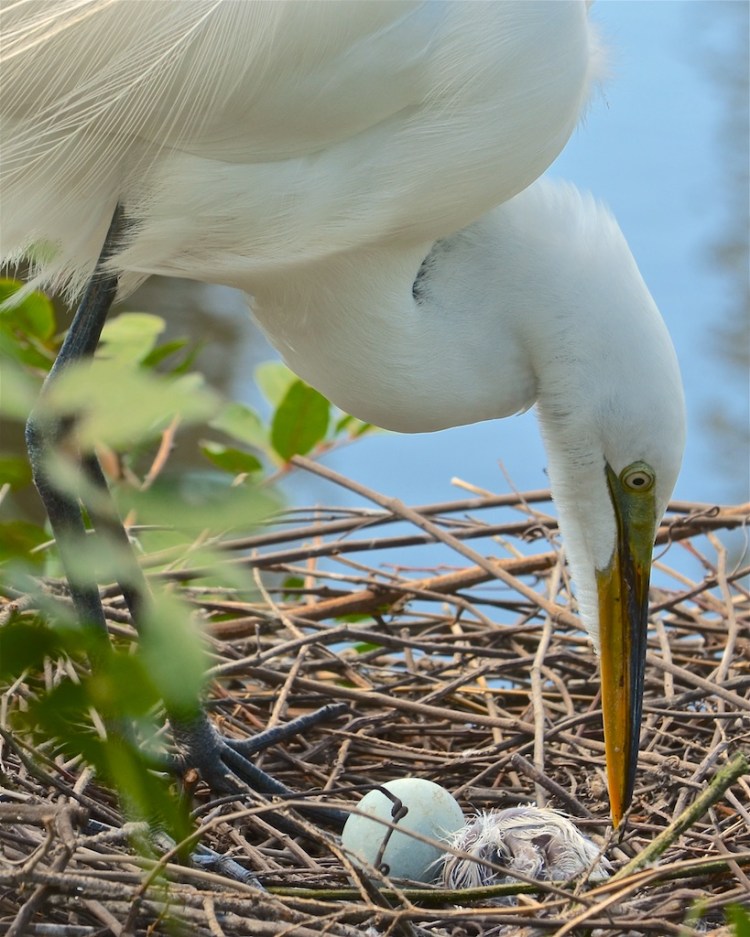
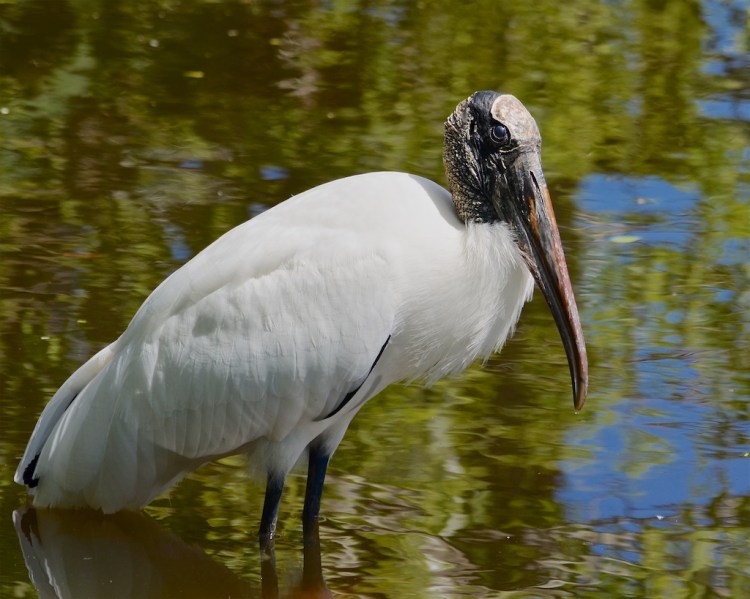
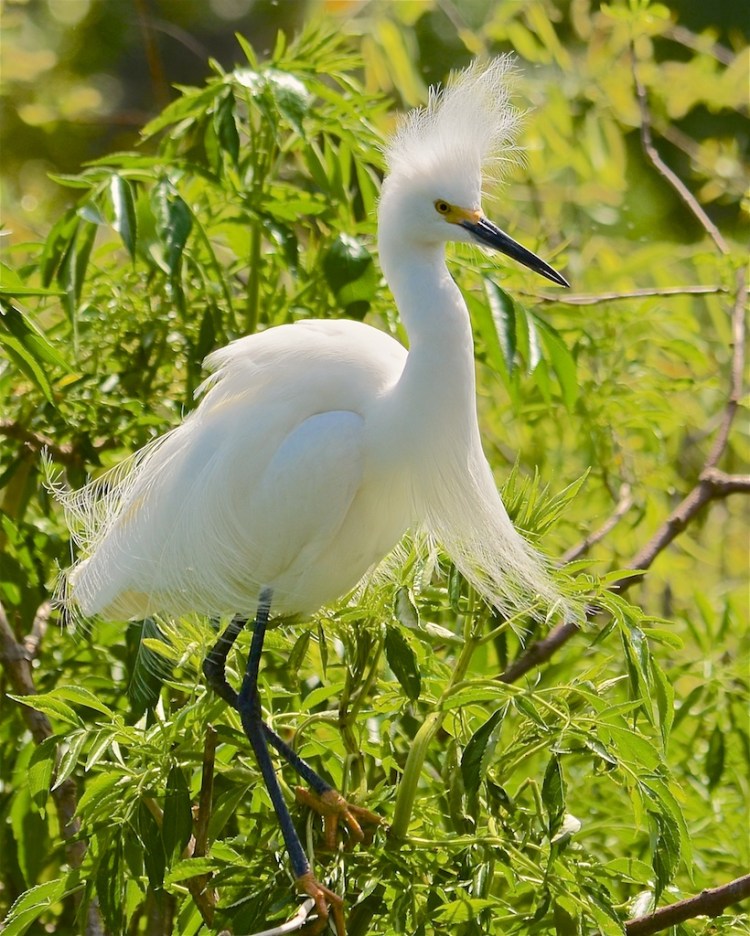
While we haven’t been in the last few years, we used to wind up in Orlando to go to Walt Disney World. Florida’s actually got some of the best birding in the US, so from WDW we’d sometimes work in a side trip to Gatorland’s rookery which is astounding. It’s a very cheesy amusement park, but in the back they set up a lagoon as an alligator with nice wooden walkways along the shore. Herons and egrets actually love to build nests with alligator moat defenses and now there are vast numbers of nesting birds in the back with some nests fairly close to the walkway. There are occasional roseate spoonbills, lots of species of herons and egrets, and also many wood storks. Looking up, you’ll usually spot a couple raptors in the air as well.

Snowy Egret At Gatorland Rookery

There’s often interesting wild things to see out in the wild if you know where to look. For planning and for on the ground research, eBird and iNaturalist are both really valuable tools for finding things. eBird’s great for looking up local hotspots and finding out where to find birds and other wildlife, and you can look for local areas with dense iNaturalist observations easily to find various sorts of rich habitats.

At this point we tend to record what we find on iNaturalist more than eBird. We’re working on getting more observations in eBird too, but we tend to log things by taking photos and making an id list later which fits iNat.

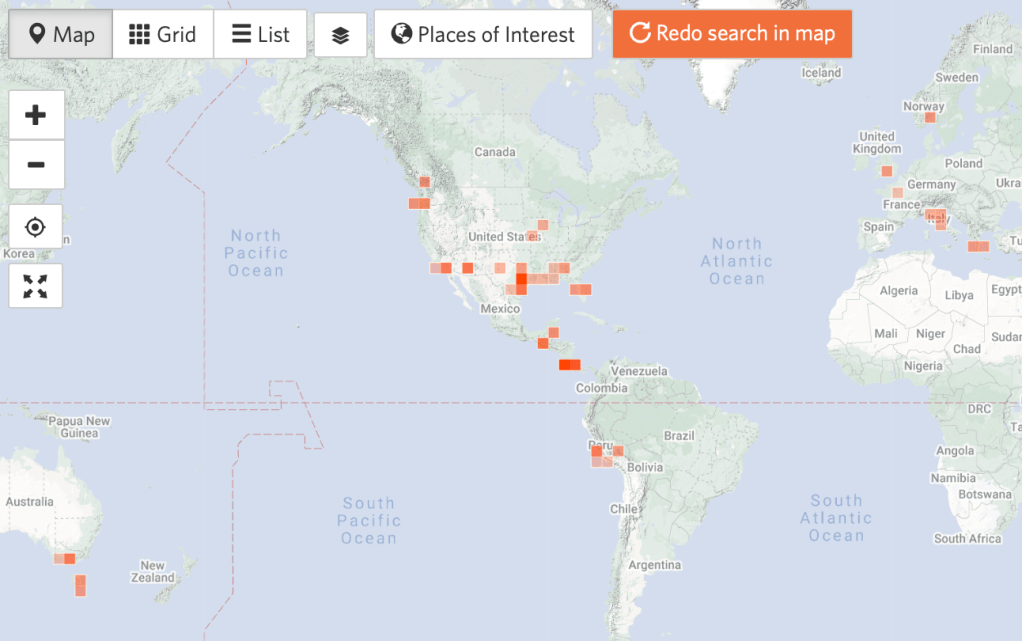
Below is our iNaturalist observation map. It’s fun watching those red dots expand. Even in a place like Rome, Italy, just taking a photo of a pigeon as an observation adds an observation.
Our map

While we don’t have a count of all the species of birds we’ve seen (a couple thousand probably), our count for birds with a photo id is currently at 607. If we counted things we just saw/heard without a photo that would surely be well over 1k, but we like having evidence and consensus-based id for our list.

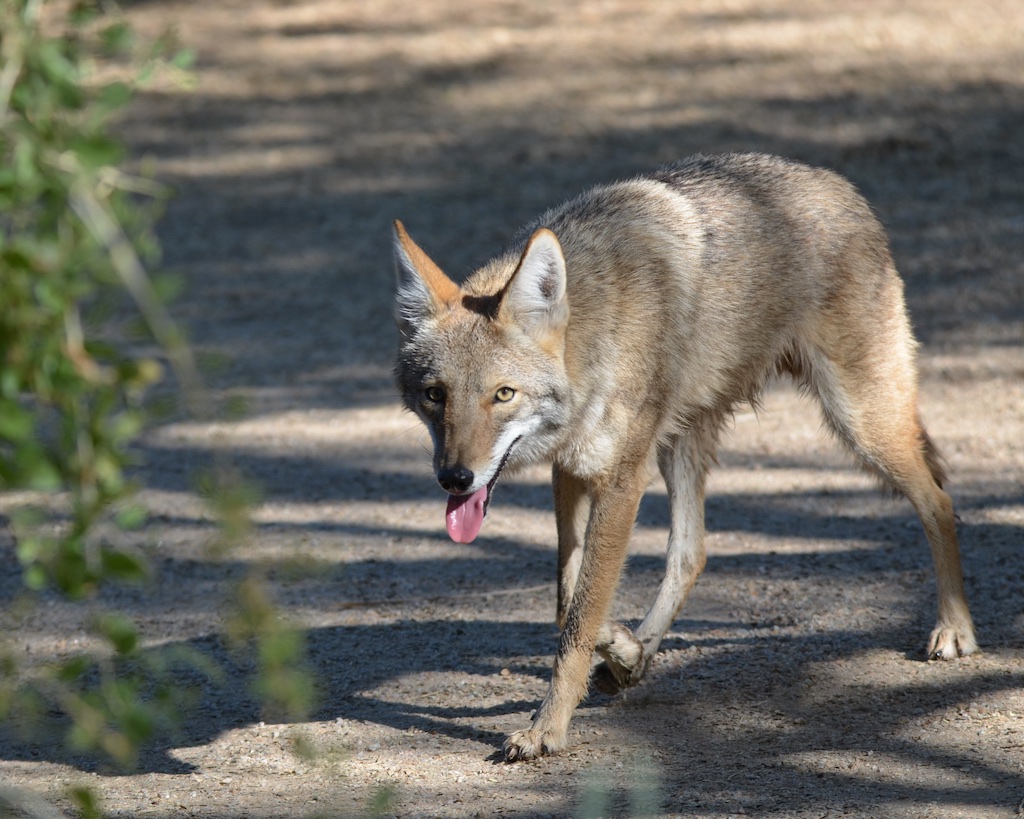
We’ve seen 48 species of wild mammals, 92 butterflies & moths (always fun to find new Lepidoptera), and are always happy to see a new species of ant, bee, fish, bird, mammal, crustacean, etc. We’re more of a naturalist that’s interested in birds, than a birder per se. Always interested in learning more about biogeography, ecology, coevolution, and general macro-bio topics, so iNaturalist is a nice fit for us.

Our life list

The other tool we’d heartily recommend is the Merlin app. We generally didn’t have any data but downloaded a Costa Rica pack and the local species lists with frequencies were always available. While the sound id doesn’t work as well outside the US, it’s often very good inside the US.

Categories
Uncategorized

Back From Hiatus

We were just heading back home from a lovely trip to Guatemala in late Jan. 2020 thinking about writing about our birding trip to the cloud forests in search of the quetzals we never found, and write more about the things we did find.
In the airport we heard about a new virus that had been spreading that was at risk of becoming a pandemic. And a blog about ecotourism seemed like a poor idea. But we’ll be posting some things here again, since we’ve been to San Diego

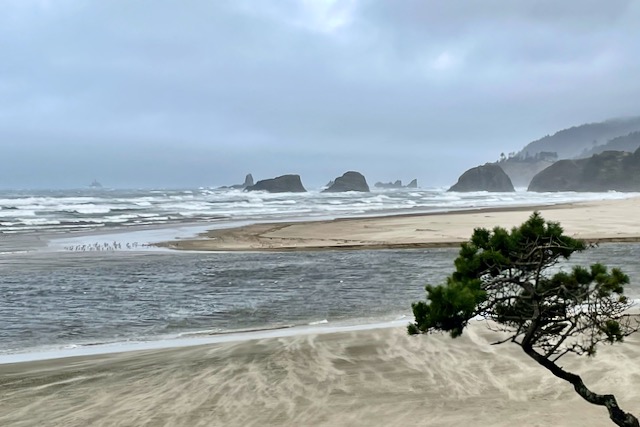
The Oregon coast

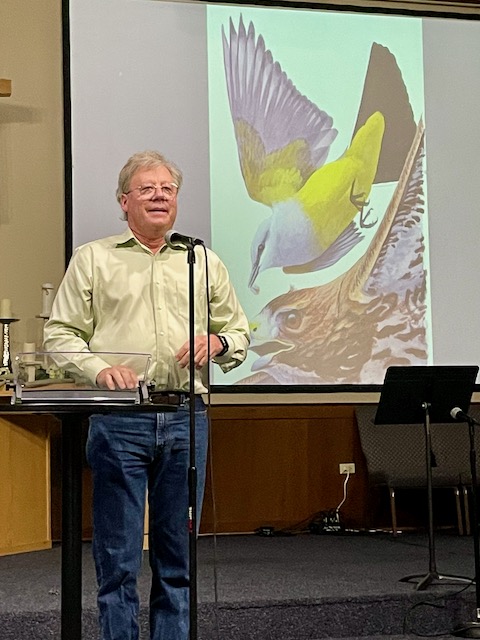
To Corpus Christi for a birding festival where we saw a David Sibley keynote (!)

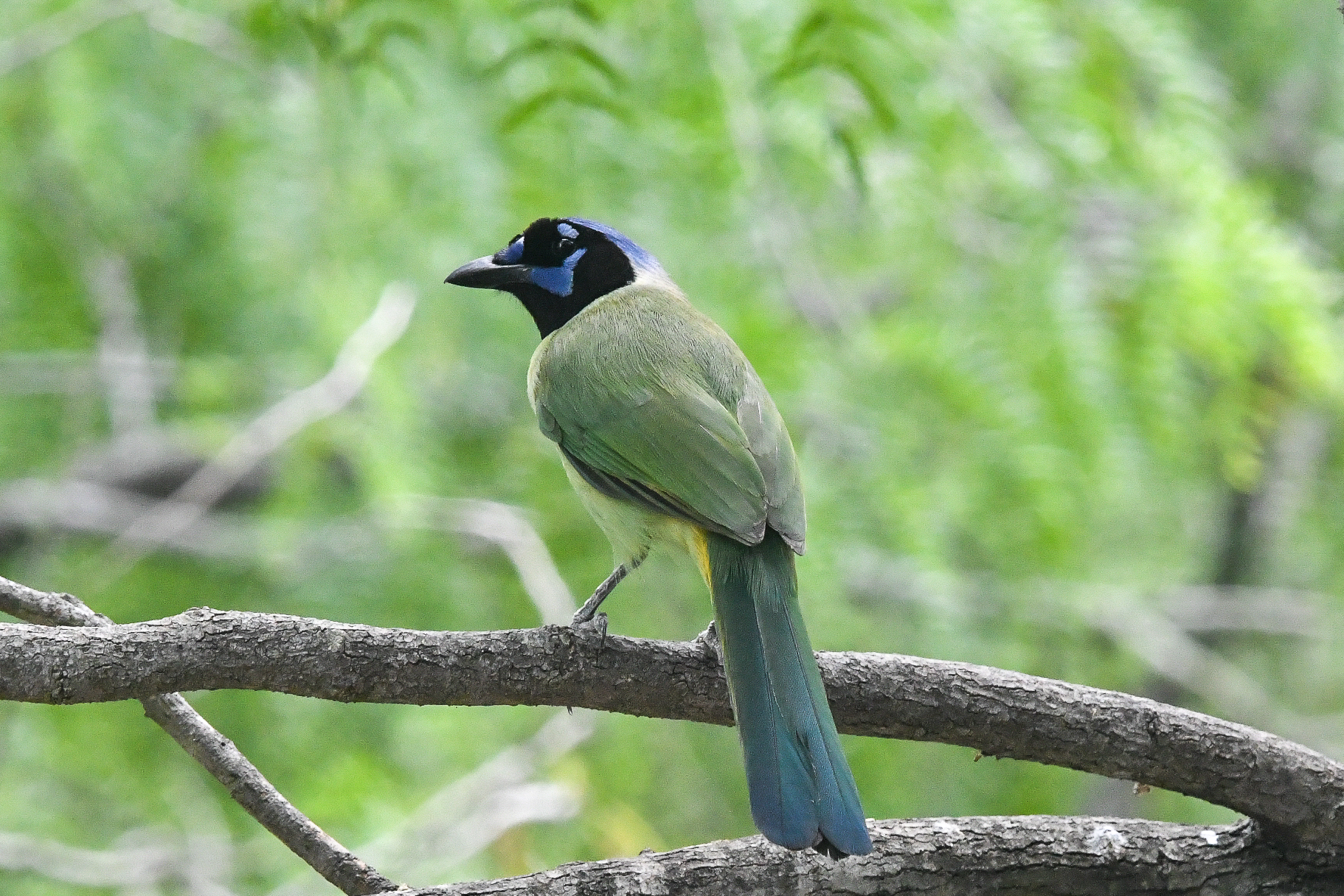
On the way home from the Birdiest Festival in America, we visited Choke Canyon State Park near San Antonio which had really nice birding – lots of Neotropical species like kiskadees and green jays in the US.

And we also spent 25 days in Costa Rica. There’s > 100 photos in our Flickr album at this point and we wrote a series of emails a little over-full of photos that mostly weren’t delivered but will be fine for blog posts.

Hairy Woodpecker In The Rain

More to come.

Categories
Uncategorized

The Long Journey Home and Mexico City

We got a car from the Hyatt Centric in San Isidro to Lima’s airport. On the drive there we watched Lima out the window and watched the utterly insane things drivers were doing on the roads.

We would not rent a car in Peru. Lots of intersections were chaos with no lights and cars pushing their way along in horrible ways. We’ve driven in Australia, driven on mud roads in the sticks in Costa Rica, driven winding mountain roads in Greece that were usually too narrow for passing, and driven in Italy, Oslo, Mexico, and elsewhere outside the US. Peru – Hell. No. At the intersections without stop signs or lights, the right of way gets sorted out by some kind of hostility/threat signaling. Hard pass.

We talked to the driver on the way back about how much we’d enjoyed the trip, about how interesting Peru was, and about how interesting the indigenous peoples there are and about Aymara, Quechua, and the Manu Road and other things. By that point my Spanish was pretty warmed up, and he was very interesting to talk to.

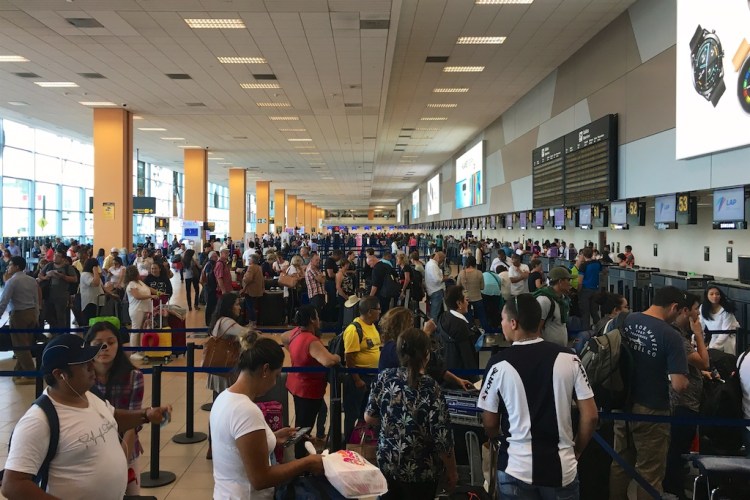
We got to the airport, got checked in for the flight, and had a person from the airline help with Haley which also made baggage handling and security run fairly smoothly other than my shoes tripping metal detectors, and soon we were flying to Mexico City.

Bienvenidos a Lima International Airport

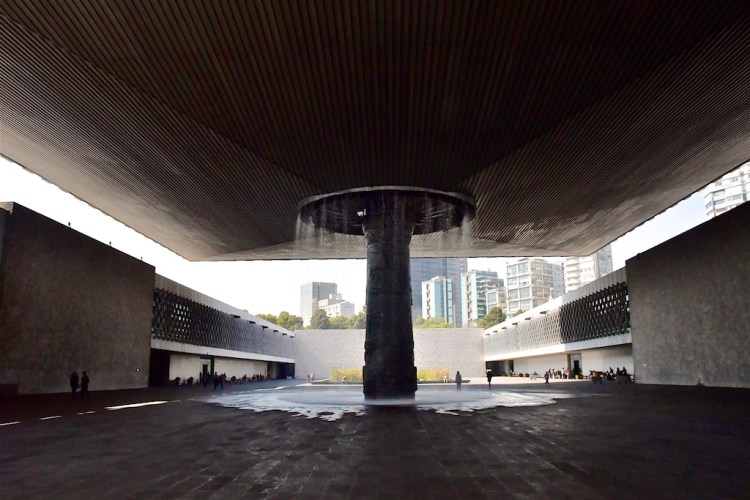
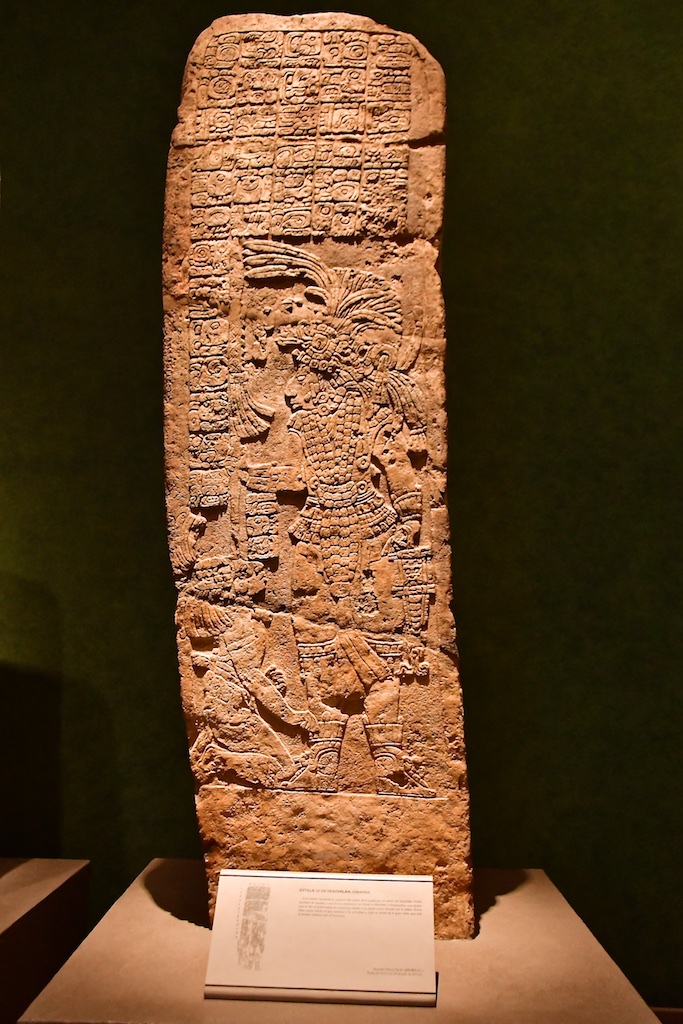
We had another long layover planned in Mexico City, so once we landed in Mexico in the evening we headed out to stay at a hotel. We decided to visit the Museo Nacional de Antropología. We had a lot of trouble getting pesos, and wound up eating at the museum’s cafeteria instead of from the street vendors nearby, but enjoyed the time we had there.

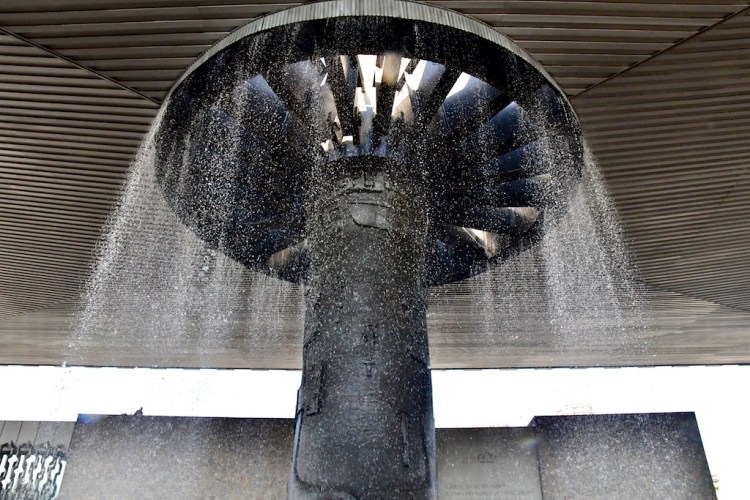
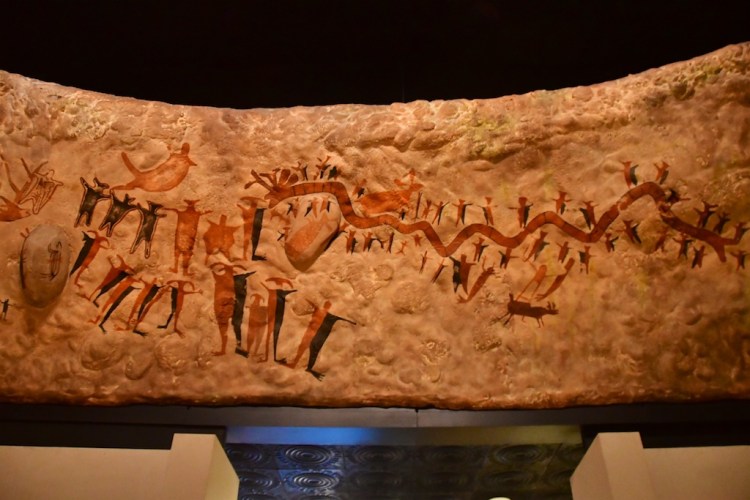
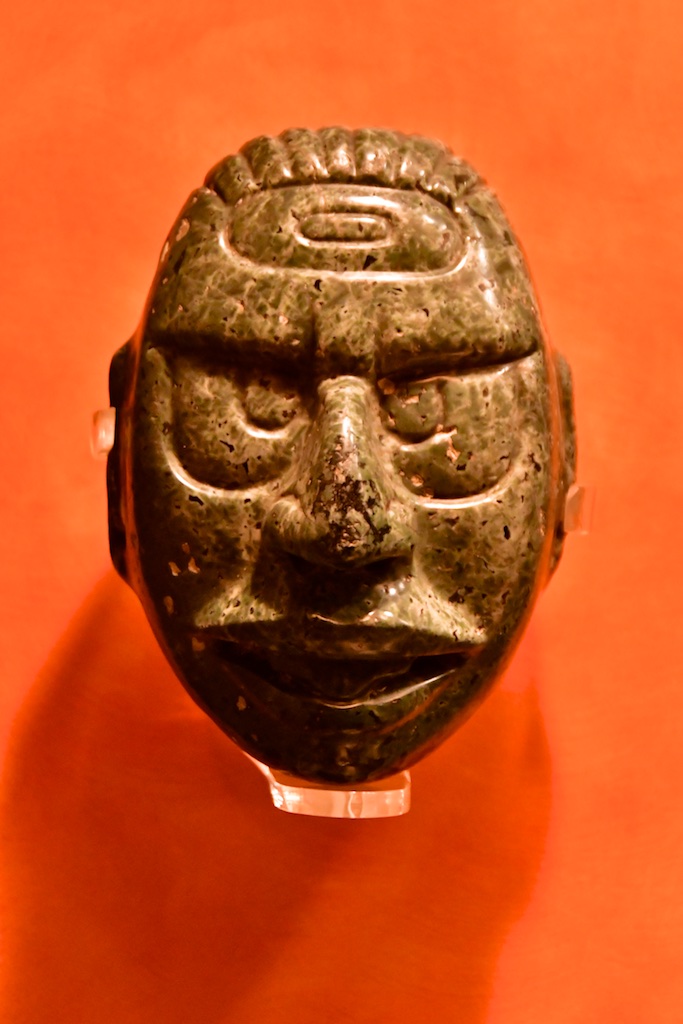
The museum is a very beautiful space, with a really huge and interesting fountain in a large covered courtyard and exhibitions from many different time periods and cultures in Mexico and I learned some things, esp. about early Meso-American cultures – there are some really ancient cave paintings I had no idea existed.

Cave paintings c. 8,000 BC
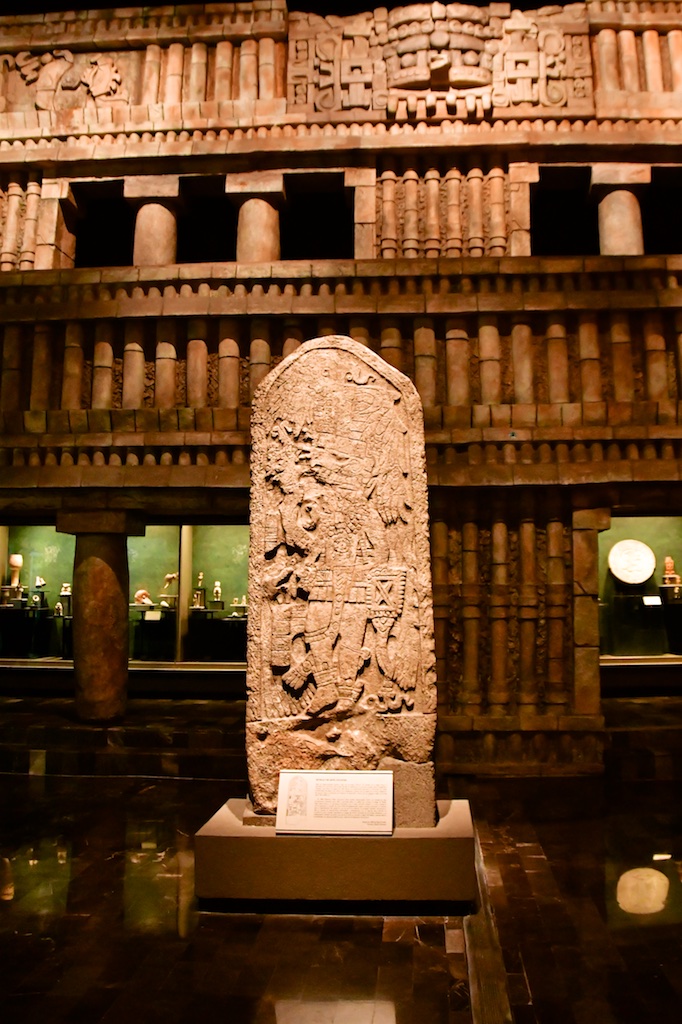
Mayan Stele
Ancient Mayan carved jade face/mask
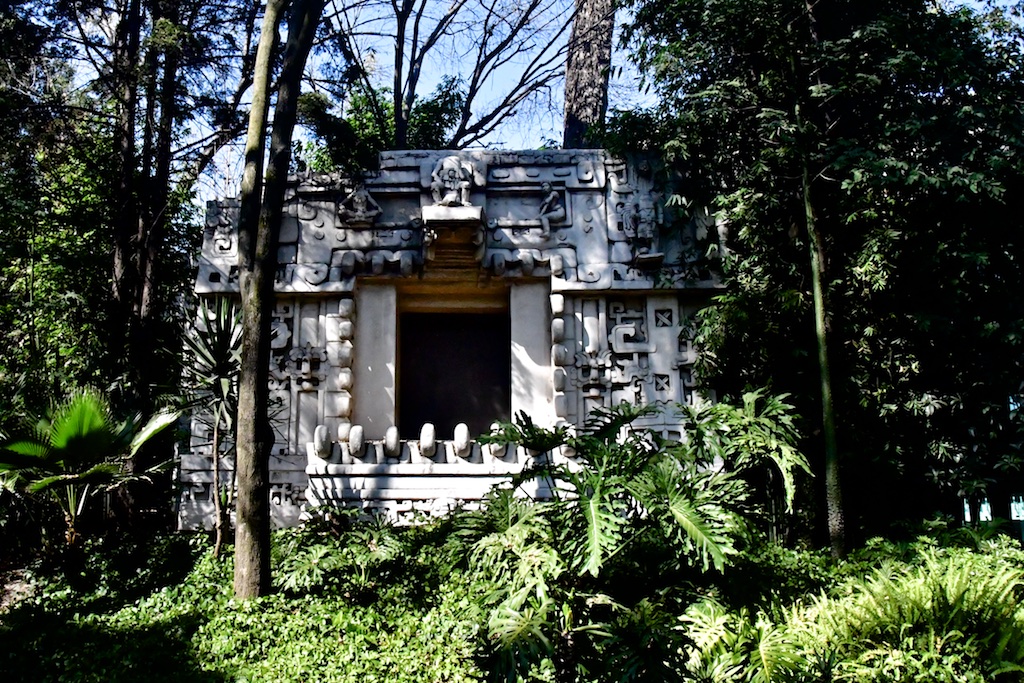
The museum also had a lot of reproductions of ancient structures outside that were nicely done.

We didn’t have enough time in the museum before we had to get going to catch our flight, but what we saw was really interesting. They do have English maps and some guides but most employees don’t speak English so knowing a little Spanish helps with security, bag checks, and things. We had our luggage with us and checked it at the bag check which worked out fine.

From the museum we took a Lyft to the airport, went through security, and flew to San Antonio easily. Then we got a Lyft to our friend in S.A.’s house, and drove from there to Austin.

The Peru trip was very tiring, but we loved checking out Lima, seeing the flocks of saffron finches hopping around us, checking out the baroque and neoclassical art and architecture in their basilicas and cathedrals, and getting street food. The time hanging out on the Paracas coast at a scallop farm with ten dogs, seeing flamingos right there on the coast and going out to see penguins, seals, and tens of thousands of birds was our favorite. The Andes were full of really cool surprises, seeing the Incan sites and a people who still speak the ancient Incan language was so cool, and there was a ton of natural beauty and interesting wildlife in the Andes.

When we were leaving Haley and I both agreed we really wanted to return one day. There’s a lot we haven’t seen – the Manu Road, the Amazon, Lake Titicaca, and other things. At this point it will surely be a long time before international travel returns, but I am practicing my Spanish hoping there will be some day when we can return.

Categories
Art Uncategorized

Recent Art

We Have Liftoff

We made a round cloudy background that was nicely generic.

Categories
Uncategorized

Closer to Home

We do love getting to visit new places to see nature and wildlife, but we’re always happy finding local nature and wildlife in Austin too.

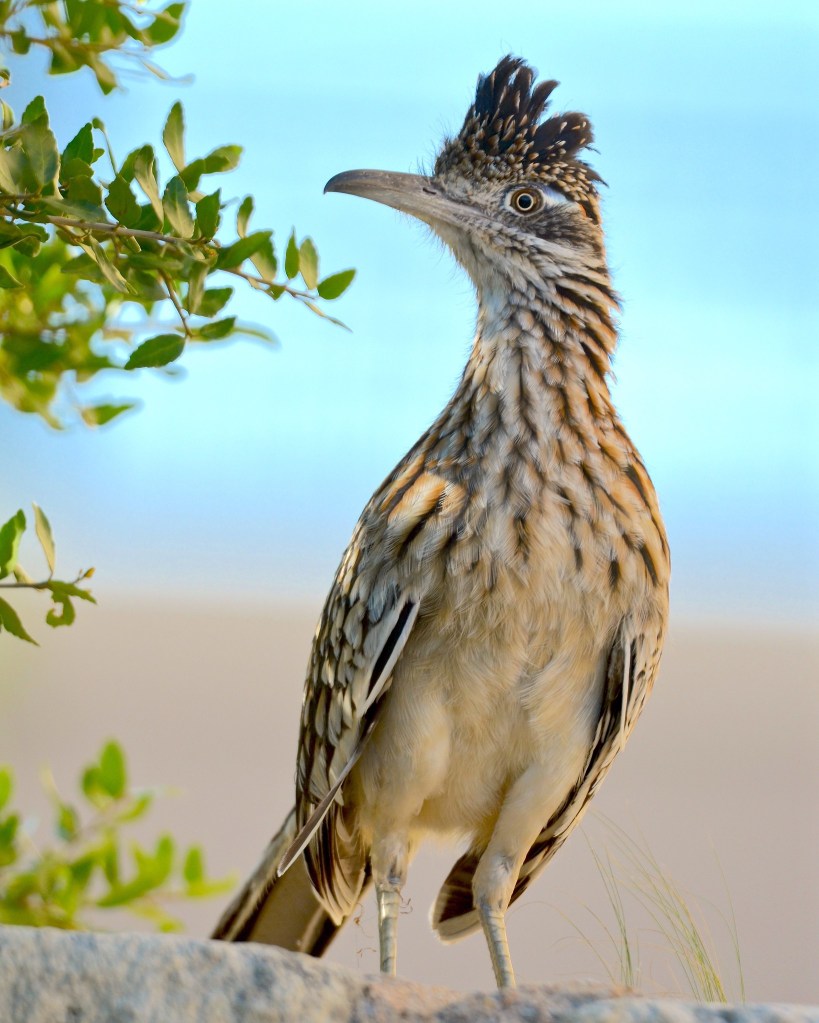
Near my old office we had a roadrunner that would appear near the parking lot at times.

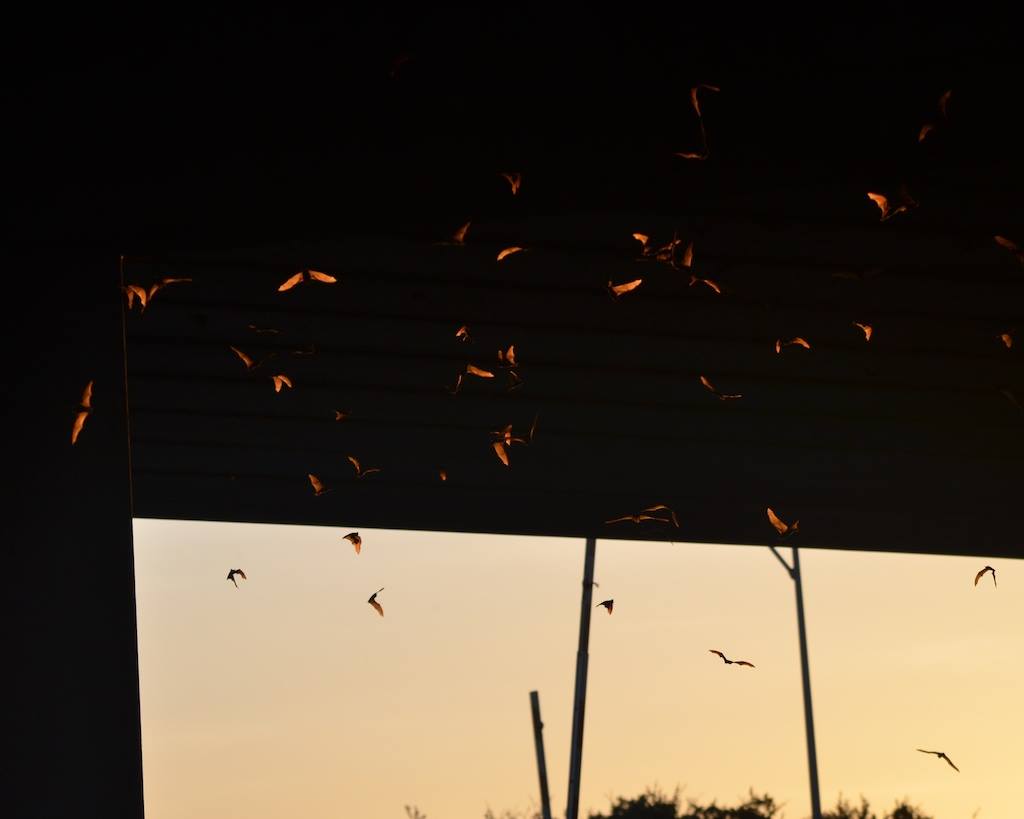
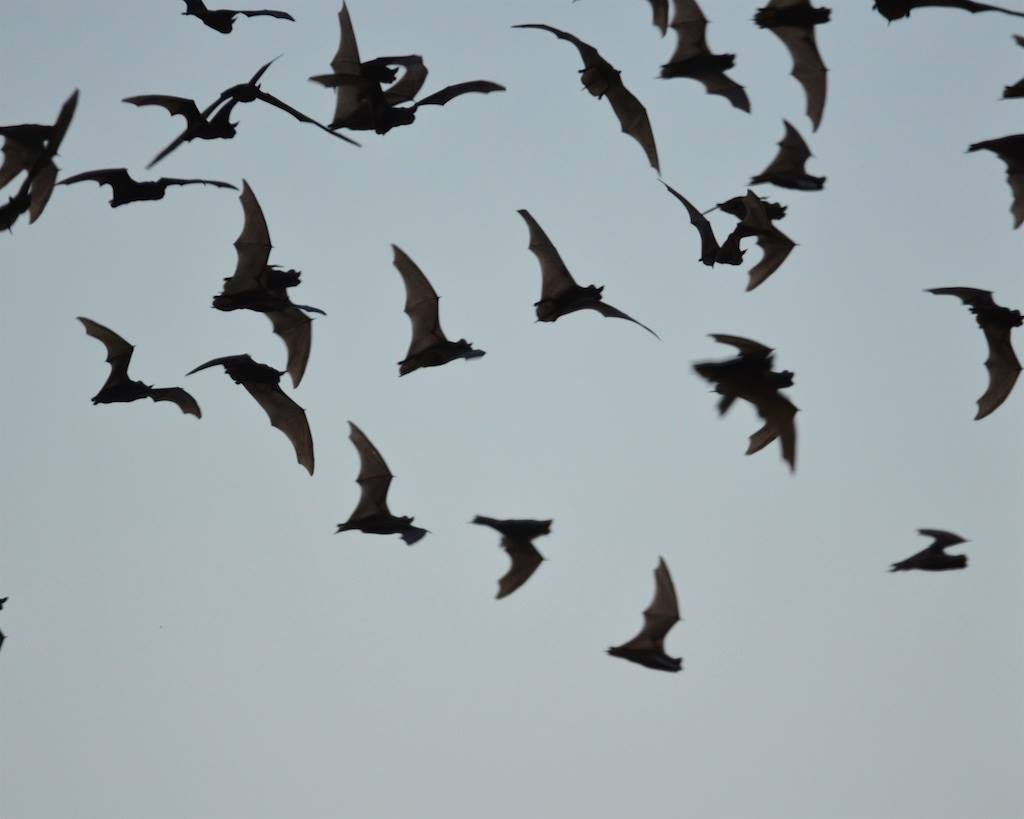
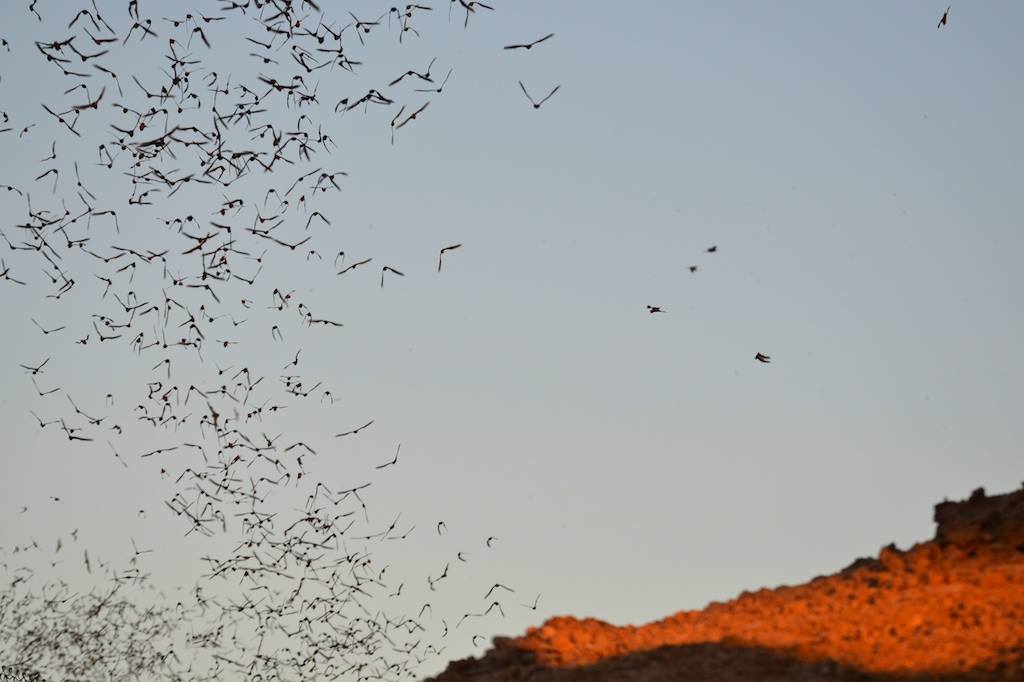
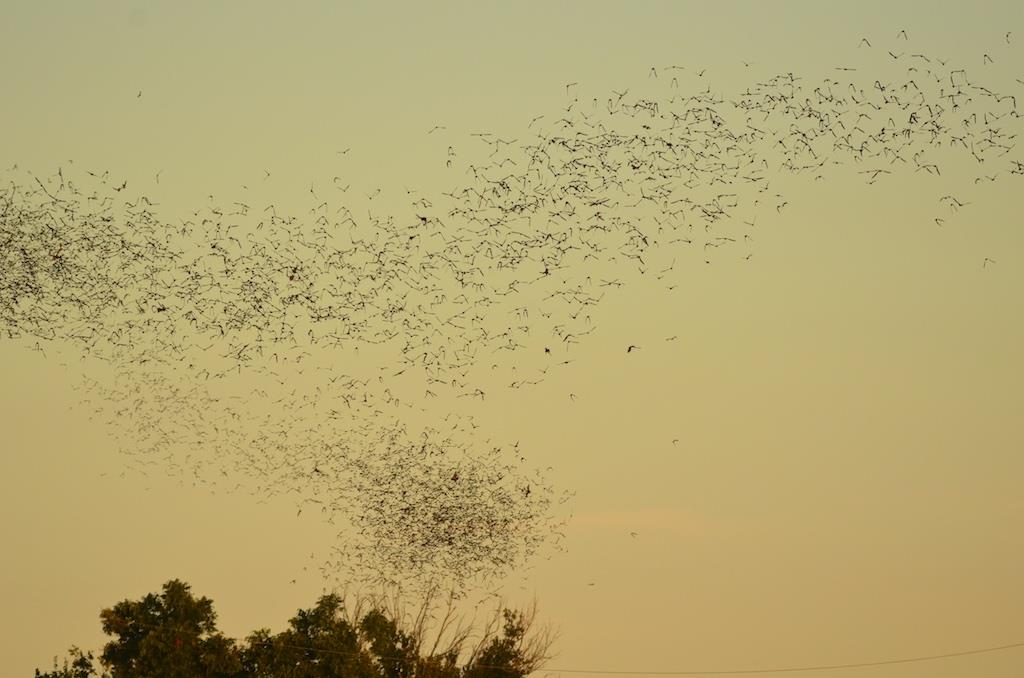
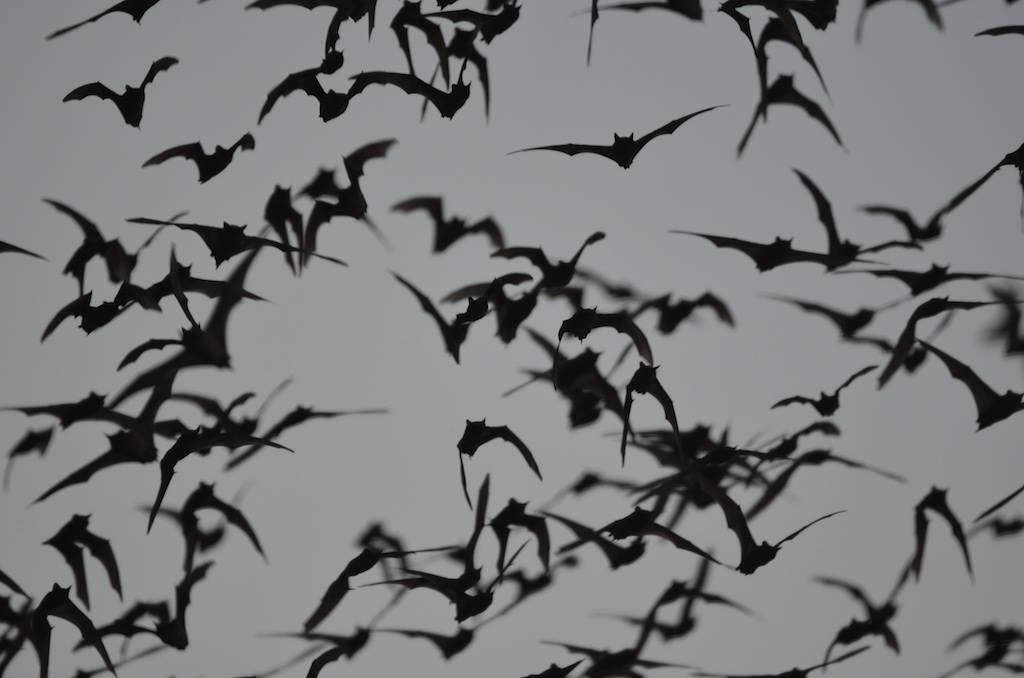
The Congress Ave bats here are well known and well loved by this town. There’s an area near Old McNeil and the 35 that’s got a similarly sized colony that’s a bit quieter and worth visiting.

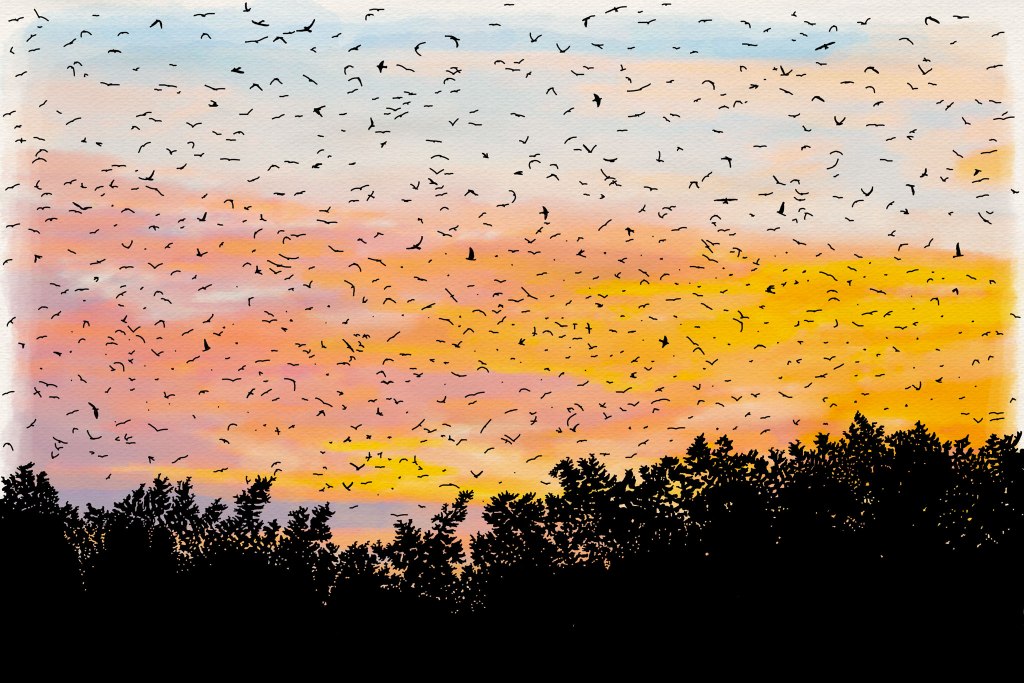
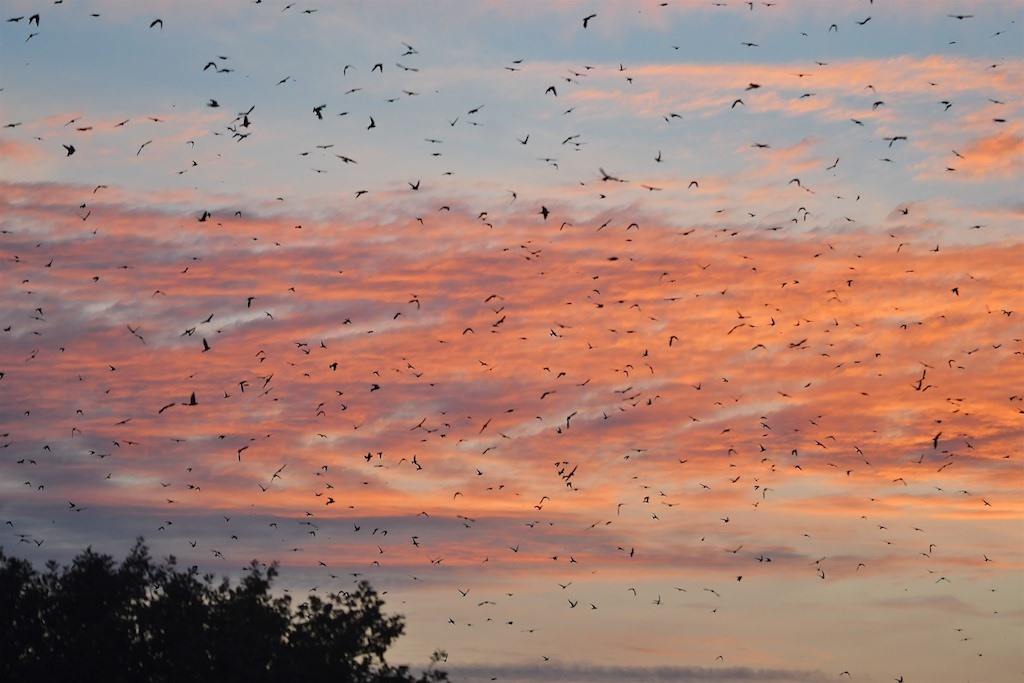
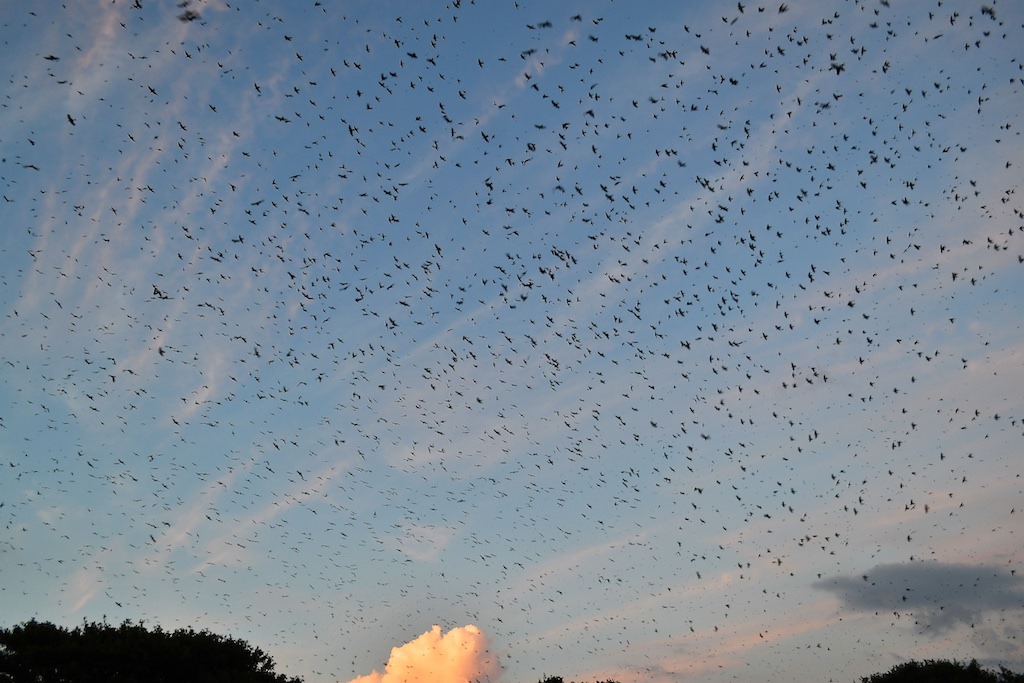
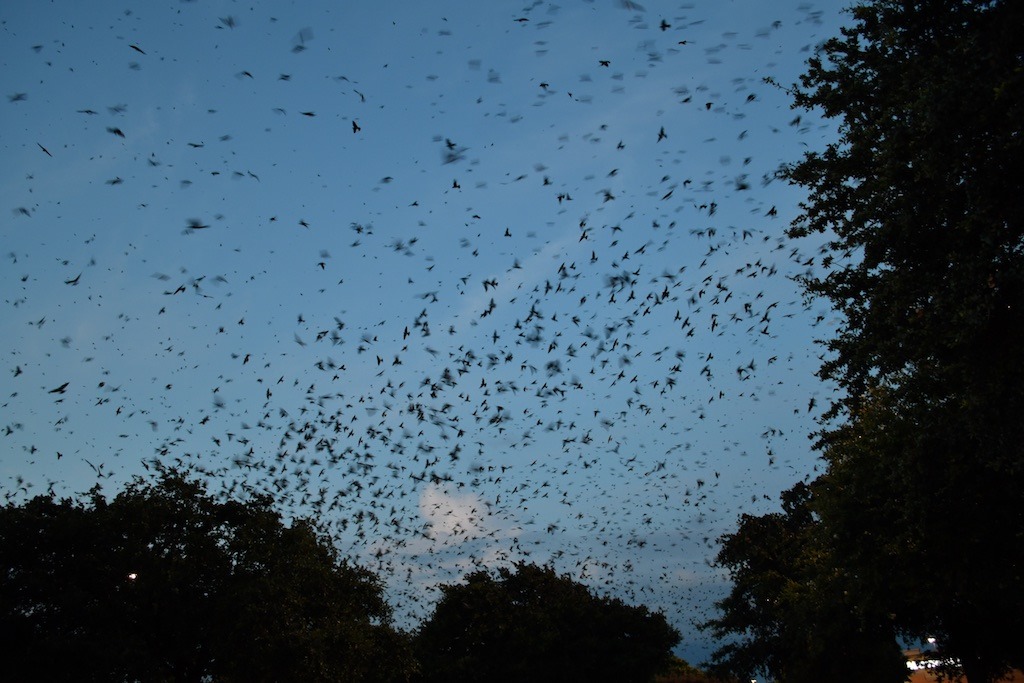
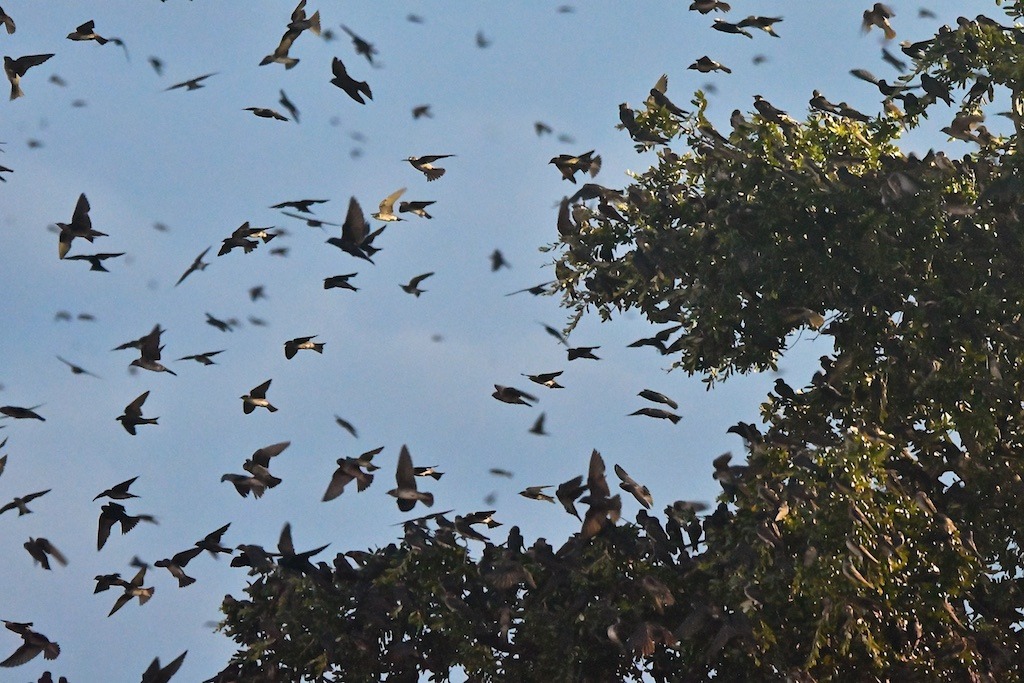
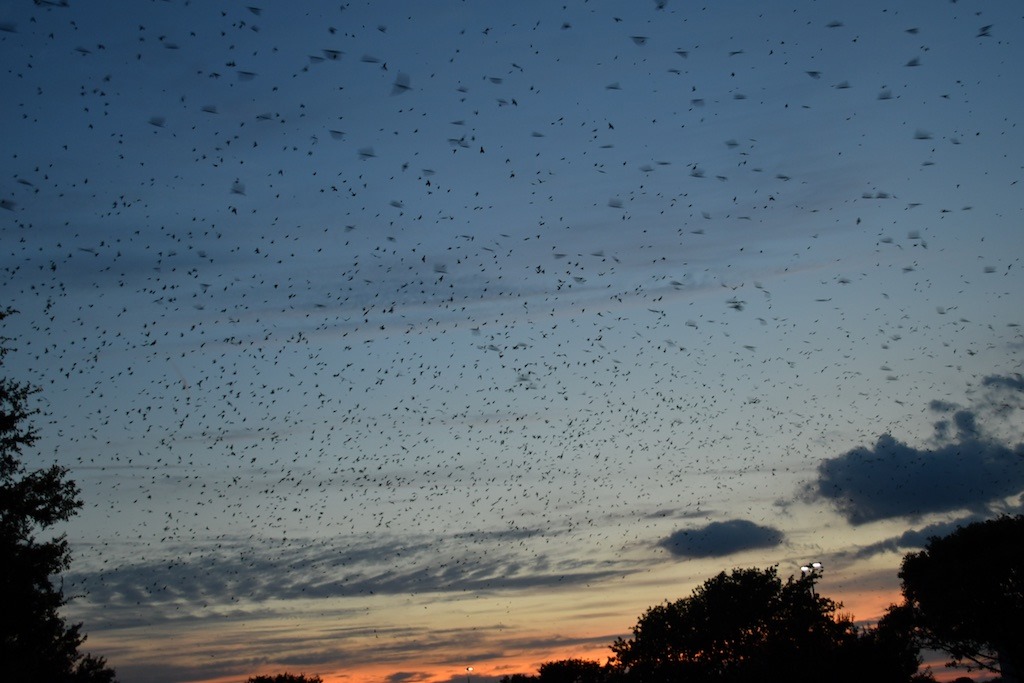
Every year the purple martins collect in Austin to form massive flocks, gathering together in prep for their migrations. The flocks can number >400k birds in a small clump of trees. They used to flock in the Highland Mall parking lot, but this year they were in La Frontera up north. They’re amazing and well worth visiting if you’re in the area when they’re flocking.

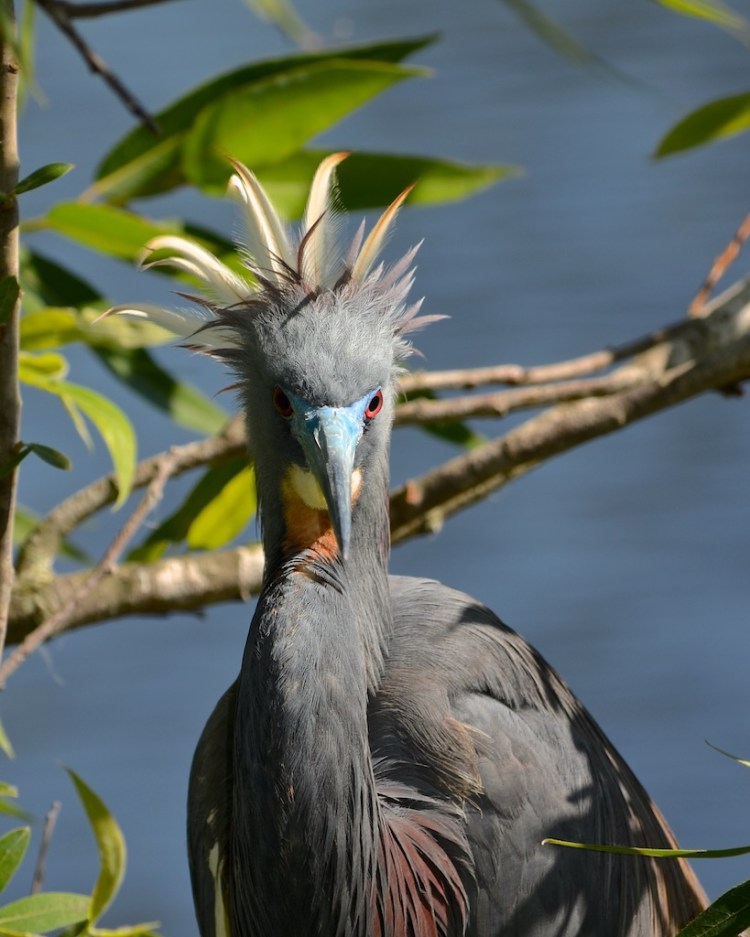
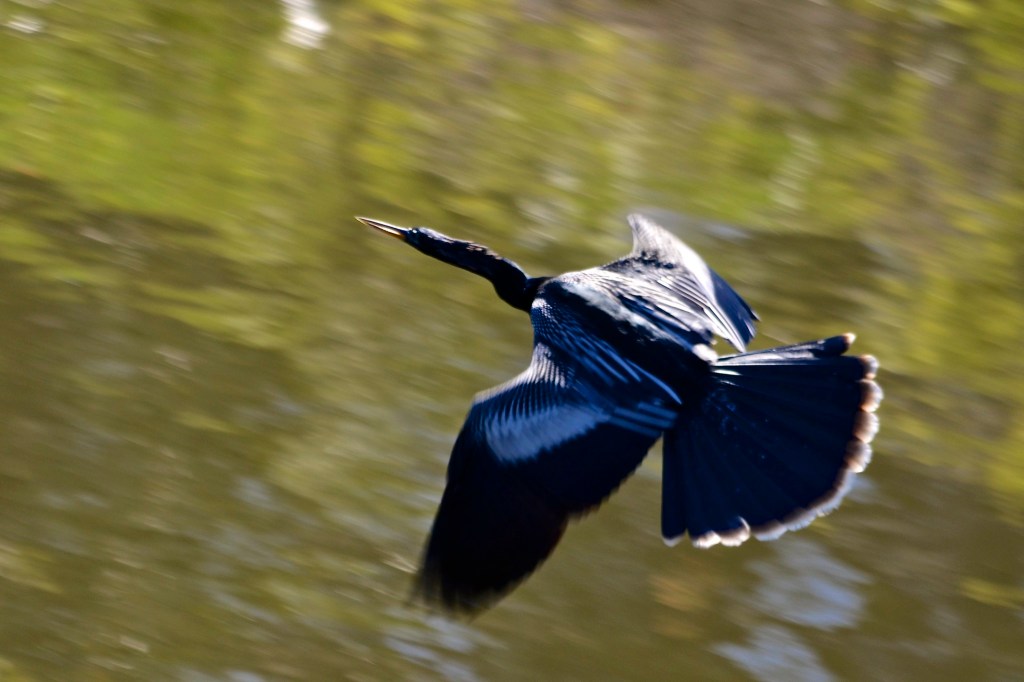
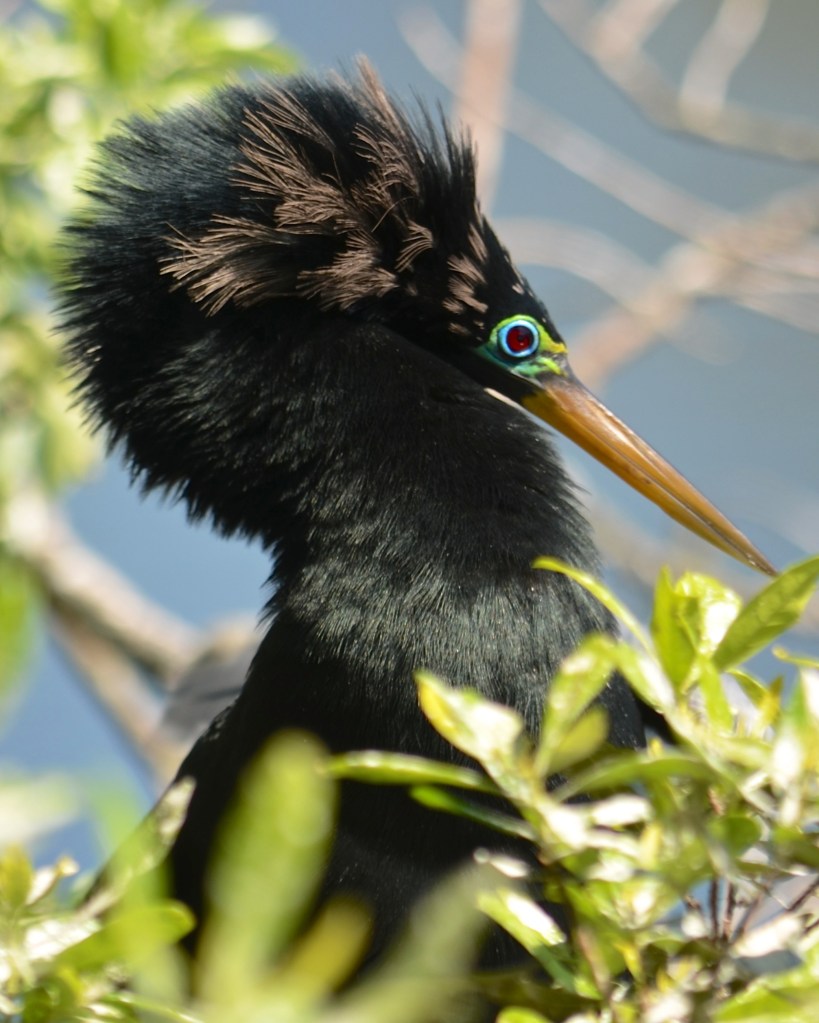
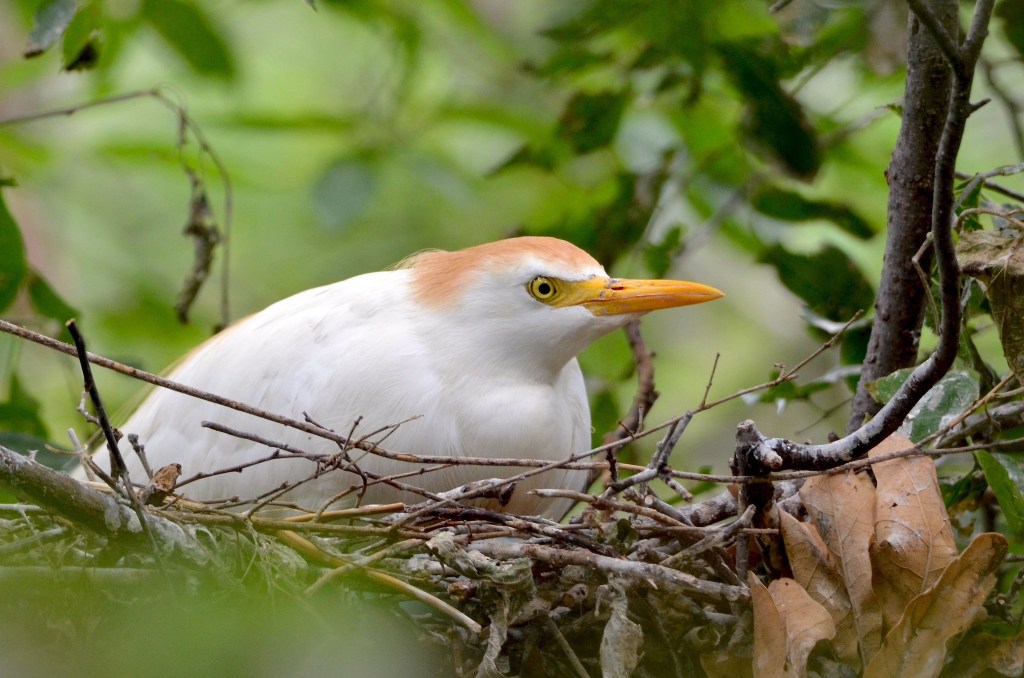
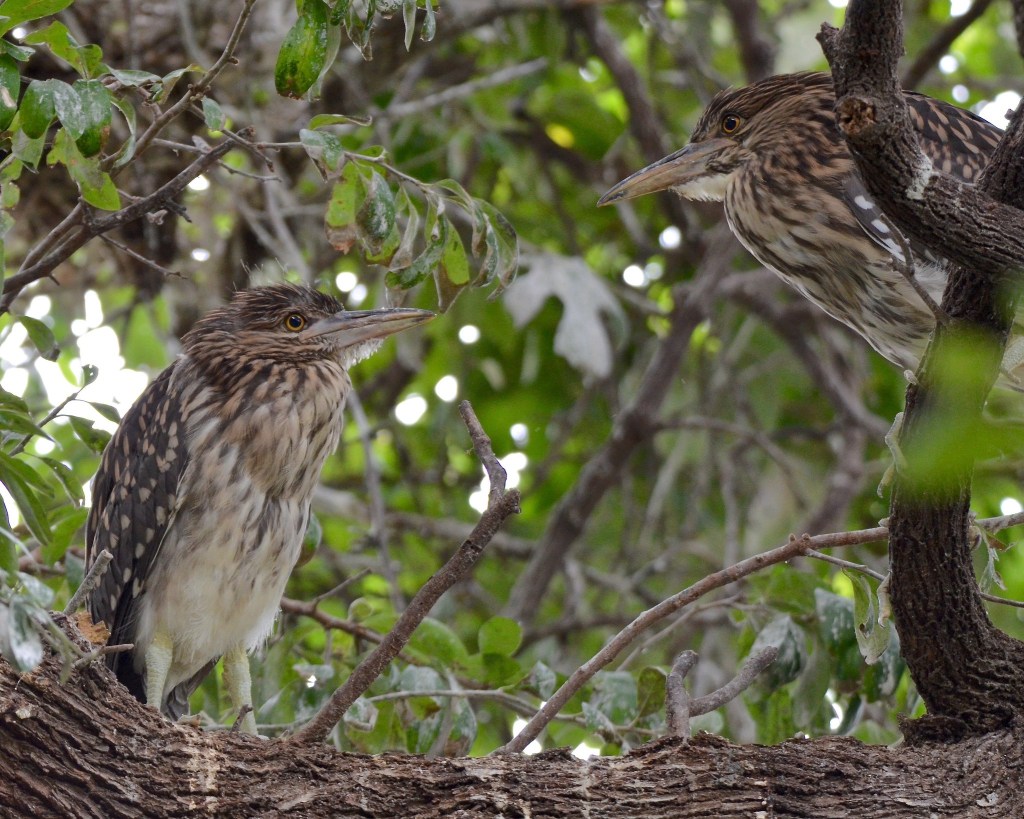
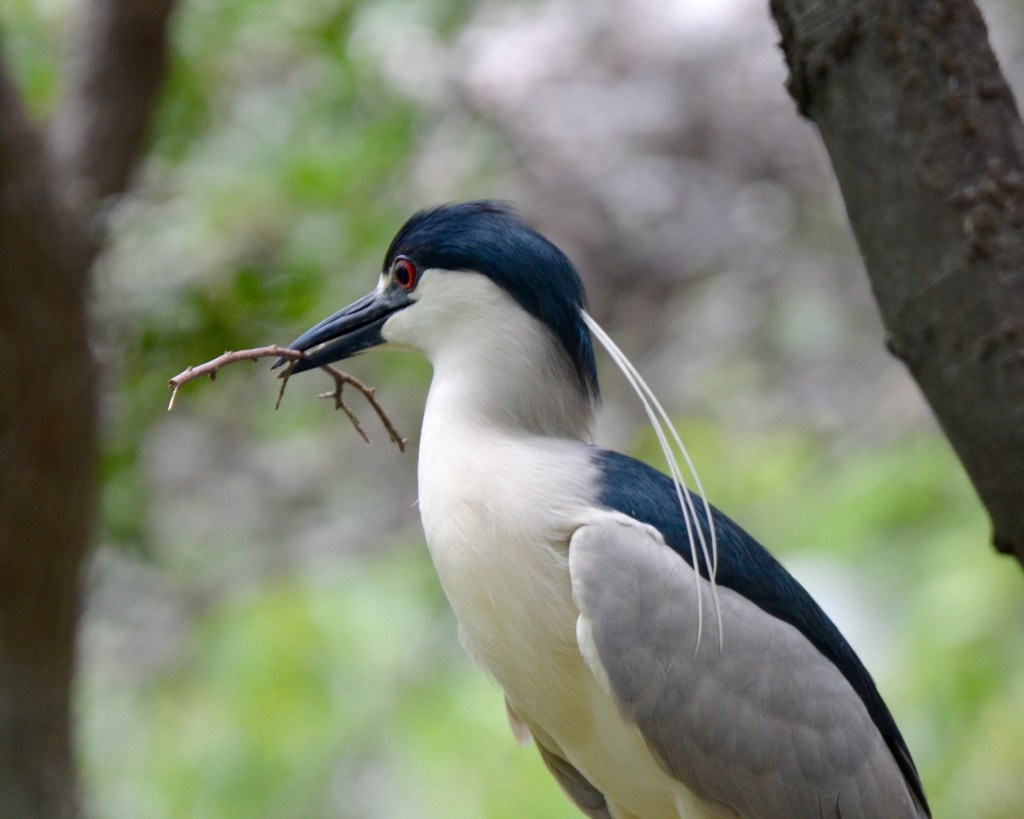
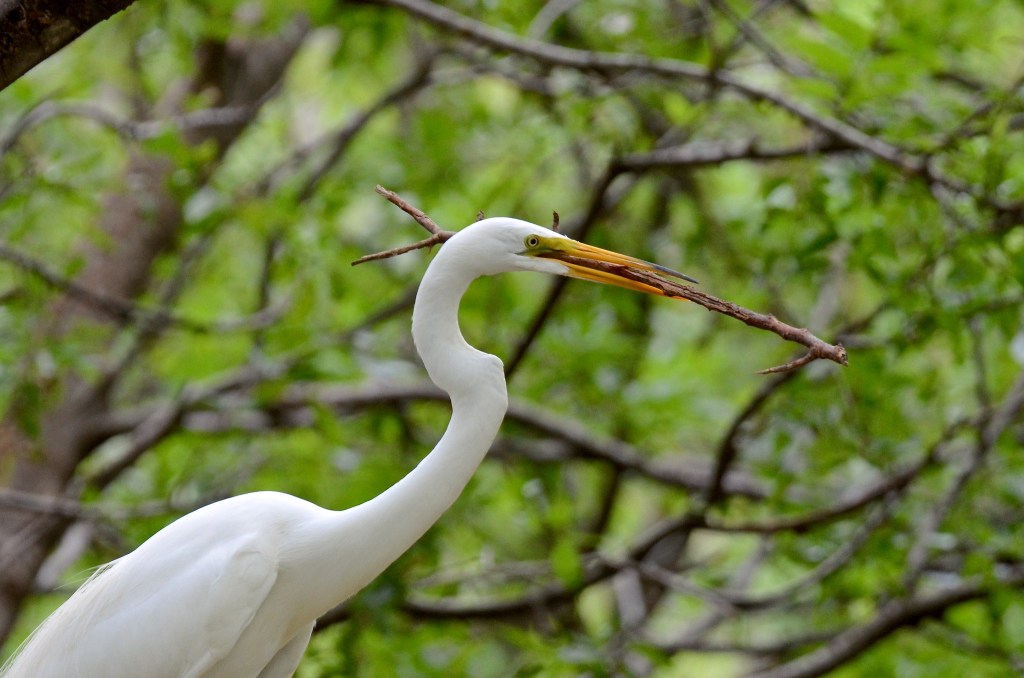
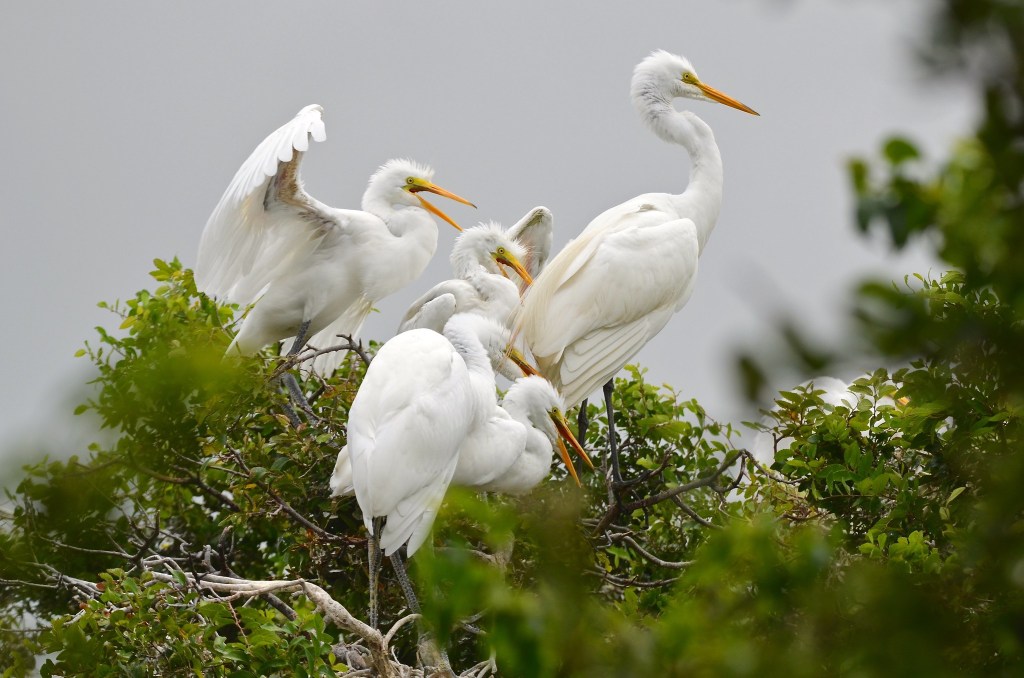
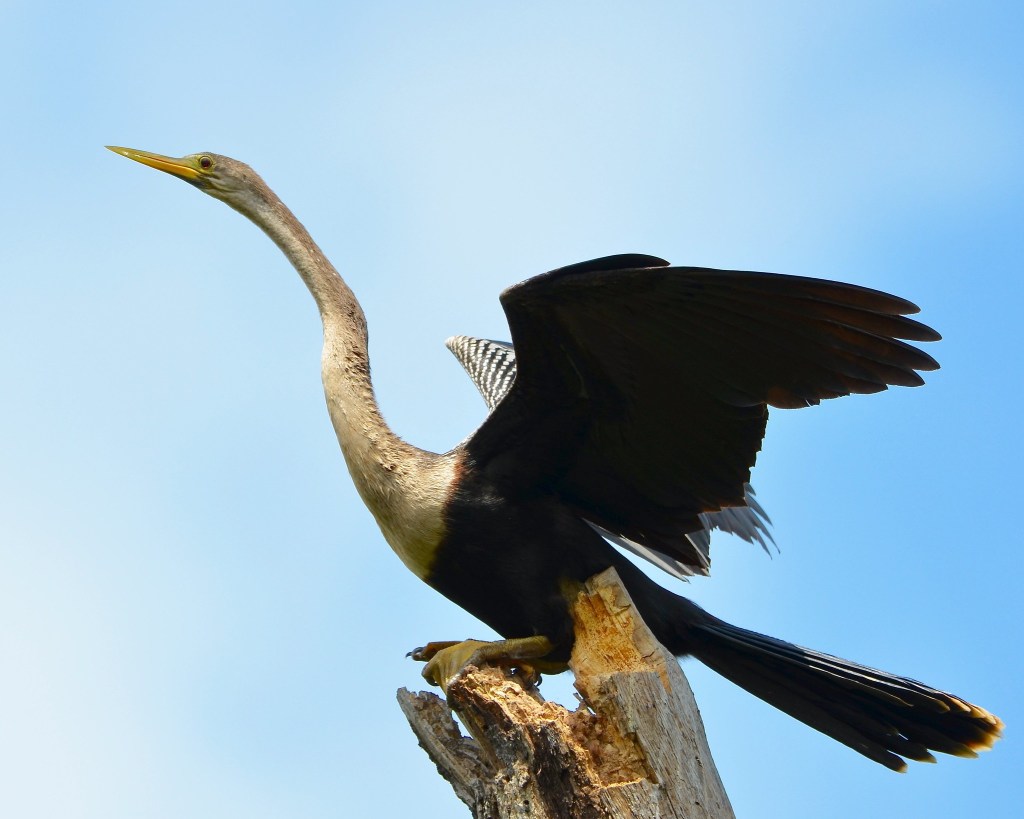
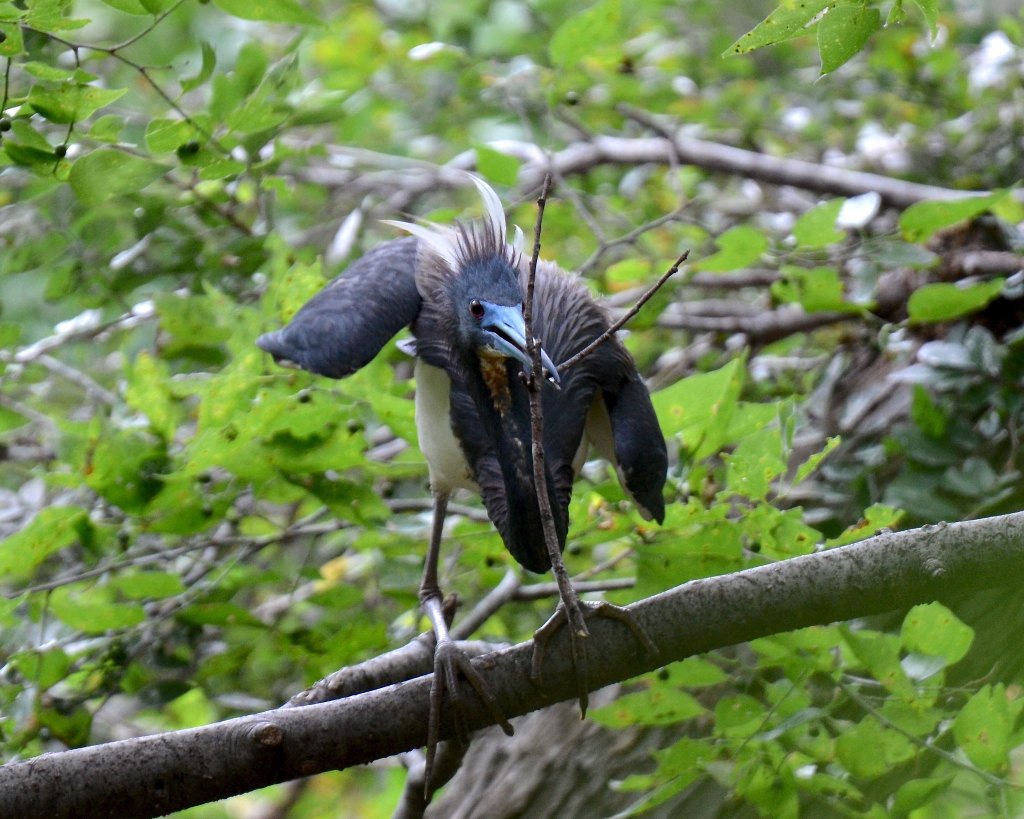
Pretty close to Austin, we wound up in Dallas off and on and found the UT SouthWest Medical Center Rookery there. It’s amazing. In the middle of town just a bit off the I35 there’s a medical center with a protected rookery. At different times of the year you can see black-crowned night herons, great egrets, anhinga, little blue herons, tricolored herons, great blue herons, cattle egrets, and sometimes other species nesting here. It’s loud with bird noise. Wonderful place to visit.

We will likely have more to say on other Austin things later on bats, armadillos, birding spots, museums, and the interesting birds and wildlife to be found here.

Categories
Blog Peru Post Uncategorized

Books and Spanish Prep for Peru

(Jan 2020 content – we’d gotten back from Peru, were writing about the 2019 trip, didn’t publish this back then, it’s a bit dated now, but we’ll have more to say on learning Spanish so this adds some context)

Once we’d booked the flight, we started planning for Peru. One early thing we did was go to a local Barnes & Noble to take a look at travel guides on Peru. We read through them and liked the Lonely Planet’s Peru travel guide. It was helpful for looking things up in prep for the trip to get a sense of things there and to look up transit inside Peru. We also used to it in Lima to find things to do and get a sense of what was where.

We also looked for what Spanish-English dictionaries, phrasebooks, etc. they might have, though the brick and mortar had nothing I liked.

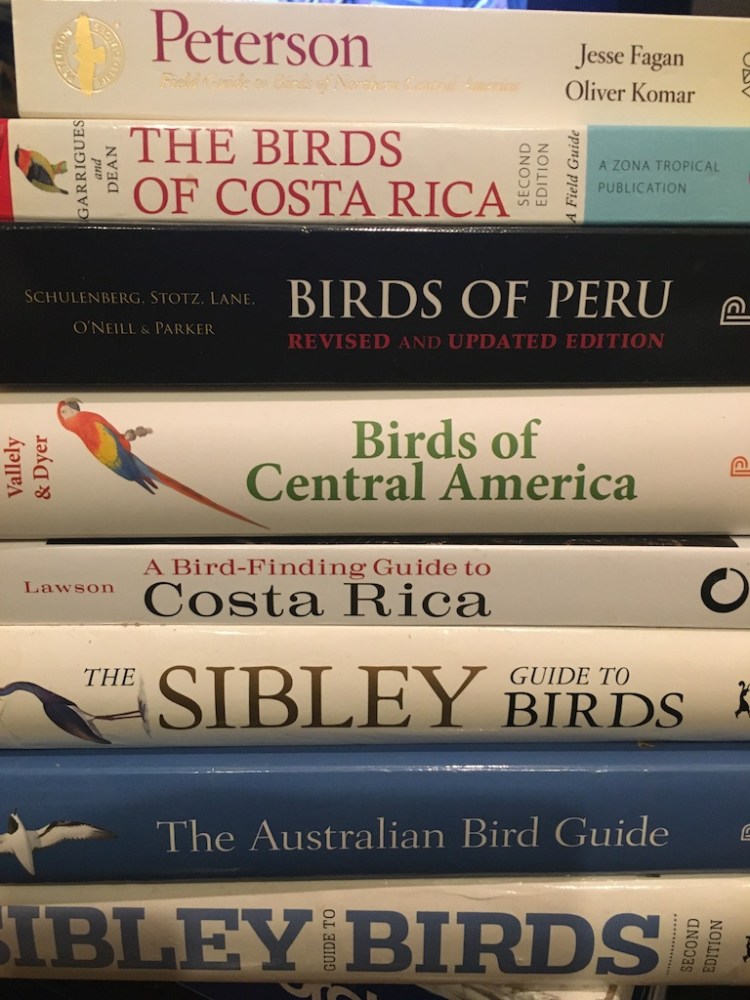
At home we looked up field guides to the birds of Peru, and got a used copy of Princeton Field Guides Birds of Peru which we read through in prep for the trip.

An important book for this trip was a Latin American Spanish phrasebook to use for prep and take on the trip. I’d visited Costa Rica and we managed to drive all over the country in a 4×4 and we were fine, but I am definitely not fluent. At one point in Costa Rica we managed to get a rented 4×4 stuck in the mud, I talked to some locals about our problem and got a solution involving a tractor pulling us free worked out, but I didn’t know the word for mud (which I eventually looked up – “barro”).

We decided we wanted a paper book for this trip. We were in areas with very limited network, so no online tools were reliable. We ultimately bought the Lonely Planet Latin American Spanish Phrasebook and Dictionary online and that thing has been worth it’s weight in gold.

The book’s good – helped sort out the important vocab quickly, offer phrased (of varying utility, but many helpful), and it has a small but nice dictionary in the back.

I read and reviewed relevant sections of the book before the trip for prep, on air/bus/train travel, hotels, restaurants and other utility vocab./phrases to work into working memory. I reviewed before the trip and also during transit times or other down times. I hadn’t spoken Spanish in a couple years and was far from fluent then, so I had to work a lot in. I read bits and pieces of the dictionary as well just to look things up when I wondered about vocab. The book worked well for this.

I studied four years of Spanish in high school, and in college studied Greek and Latin with bits of French and German. This kind of background meant that I have a fair proficiency with reading Spanish, but learning to understand spoken Spanish by ear is really hard.

Part of my prep for ear training was listening to Latin music, and listening to/watching Spanish language media. Before the trip I watched a fair amount of Maria La Del Barrio with Spanish subtitles. This helped catch up on vocab more and work on listening skills. Also on the bus from Pisco to Lima Wallace and Gromit: Curse of the Were-Rabbit came on with Spanish voice acting and Spanish subtitles. That turned out to be a great show for immersion. (Iron Man II which was on earlier was less effective). I also listened to Latin music, though it’s likely Tito Puente’s latin jazz instrumentals didn’t really solidify my Spanish much. 

Since the trip we watched The Muppets in Spanish which was great, and also interesting since the Latin American Spanish voiceover and the Latin American Spanish subtitles didn’t match.

I did Duolingo every day for a couple months leading up to the trip to keep basic language exercises running and help good enough vobab in working memory. It’s probably not the best language teaching app, but it’s adequate and helpful for reinforcing core vocab and reinforcing basic idioms. Since then I’ve kept it up and daily practice really is key.

Immersion really is the a great way to exercise auditory processing of a language, so this trip was also an opportunity to work on improving Spanish listening/comprehension skills. During the time spent in Peru I practiced where I could, and the immersion really did help a lot to reinforce learning. On the ride to the airport on the way home from Peru I chatted with the driver about the things we’d done like seeing penguins and flamingos on the coast, and how I really liked meeting people who spoke Quechua and he told me about the protections of pre-hispanic languages and cultures in their constitution, and we talked a bit about Aymara and Quechua. 

My Spanish skills improved, though I was motivated to improve and thus spent time studying in prep. Learning some Spanish before visiting a Latin American country helps ease getting through customs/airports/train stations, etc. It’s also helpful in getting better food, and helps for finding interesting spots to visit on the ground. It’s really nice to be able to just chat with locals about birds and wildlife, it’s pretty common to find people who really do love seeing their local wildlife, and it’s honestly just nice to be able to tell them in their language how interesting/wonderful/important you find the local ecosystems and wildlife. You also manage better when visiting the little produce stores and so on. If you want to improve in a language, motivation really is important since you need motivation to keep up a practice regimen. The chances of getting really good food, seeing interesting birds/wildlife are easy motivators for me. 

You can learn things about areas to look around, get pointers to interesting birds, etc. You also can save money, since stuff catering to anglo tourists can be priced higher than things marketed to Latin America, esp lodging. It also really is interesting when you get the chance to talk to people who live in other countries.

Design a site like this with WordPress.com
Get started