The best part of the year is coming soon! March Mammal Madness is a public science event in which a group of bio profs and grad students run a “who would win in a fight” March Madness style contest with (mostly) mammals.
The mammals do a sort of battle in a live narration that goes down on Twitter. (You can also follow on Facebook, though the action is really on Twitter.) There’s a strong D&D vibe as they narrate the encounter, conflict, and resolution (which doesn’t always involve violence). Instead of citing the rule books, they cite papers to describe behaviors, etc.
The bracket has 64 (mostly) mammals, except over the years more non-mammals have joined the brackets, and there often is a mythological creature as well. 2015 had a mythological monsters bracket that resulted in a werewolf biting a yeti, creating the were-yeti.
Filling out the bracket is always interesting. They pick out interesting and weird species like Thalassocnus, the sea sloths to research, and since the folks running MMM are science educators they share knowledge about their behaviors, habitats, and related things. In previous events we learned interesting things about mouse deer, pygmy hippos, tenrecs, African crested porcupines, et al, and this year will surely have many interesting species.
In the tweet above, check the whole thread, follow the accounts listed, and on the dates listed you can see what’s going on with the amazing world of Twitter science games which are both educational and fun, and which will be revealing #2020MMM combatants. We esp like #TrickyBirdId which often really is really pretty tricky, though you can always guess red-tailed hawk and have a 10% chance. And tonight they’ll be revealing three combatants.
Follow Katie Hinde on Twitter and check there for the latest updates, and check this blog post to find other updates and the bracket when it’s available.
Also watch the #2020MMM hashtag as March rolls along.
The event brings in a lot of SciComm folks on Twitter, and the fans with their mix of fan art, trash talk, interesting facts, and banter add a lot of fun to MMM.
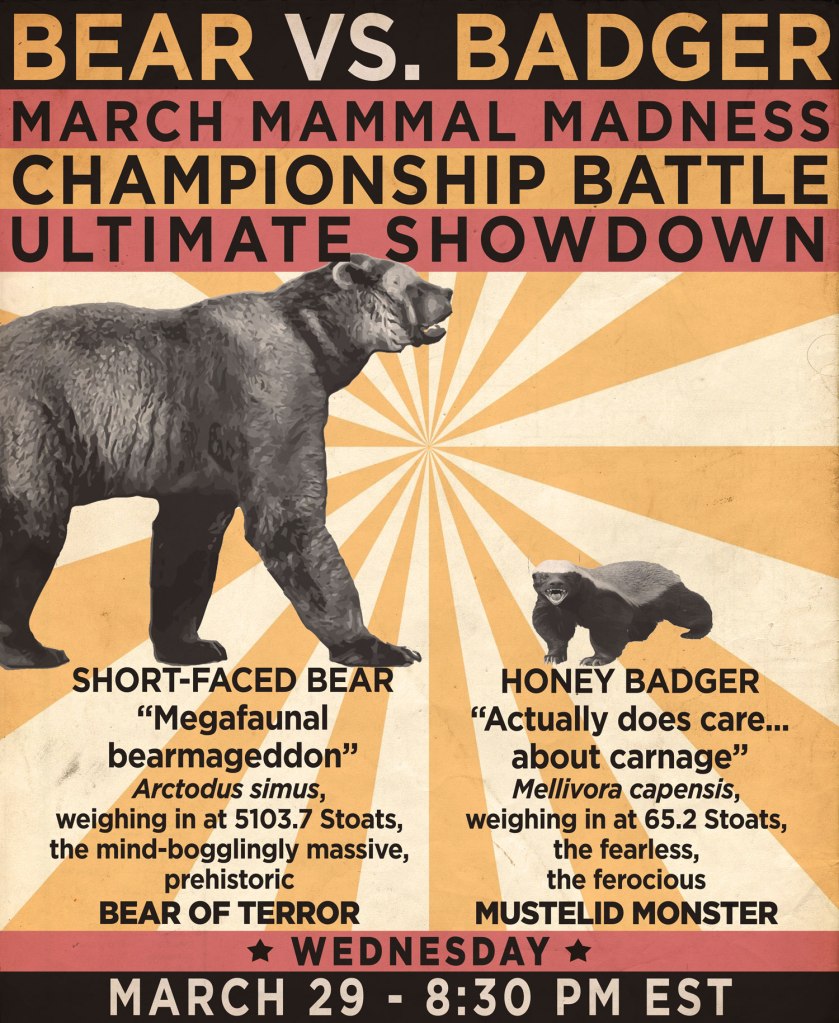
We made this poster for #2017MMM. Still pleased with “Megafaunal bearmageddon”
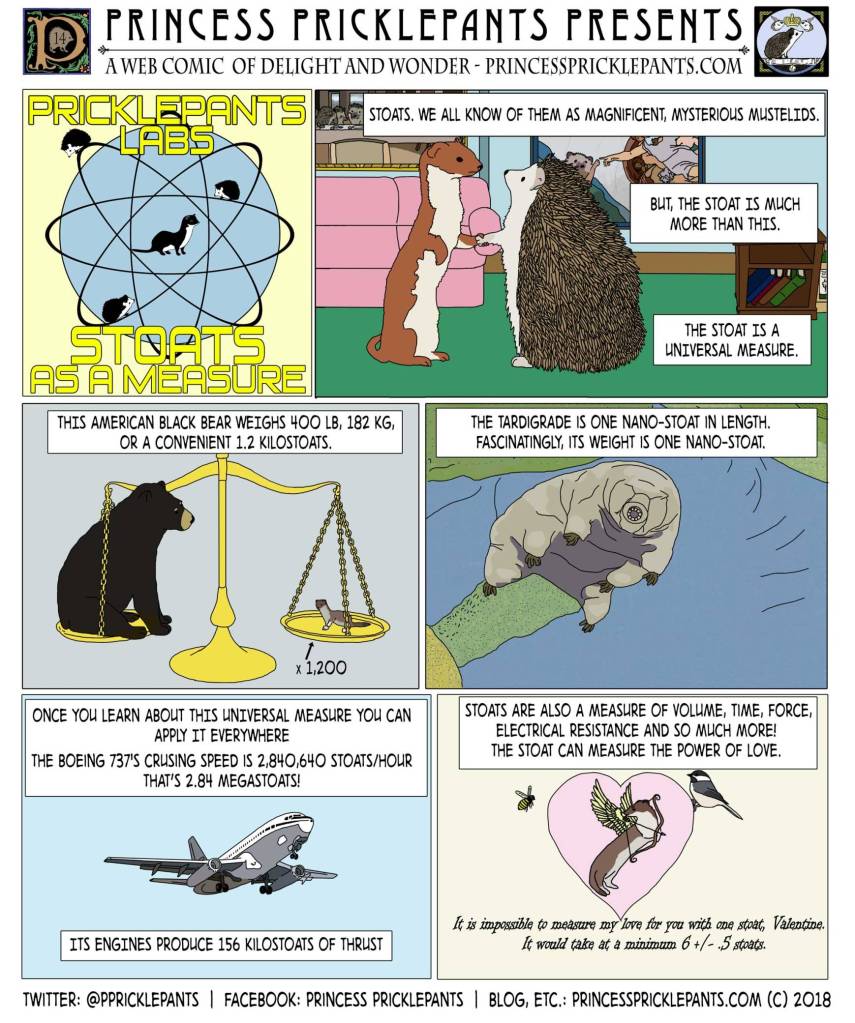
Stoats as a Measure also looms large – we even made a comic on the topic.
The question of ranking animals by rank must first be answered by answering the question “what is the best animal.” The answer is, of course, hedgehogs. These tiny creatures are the pinnacle of evolution’s current non-teleological progress, a natural process with no goal which reaches its perfection in hedgehogs. Their weight to prey ratio, combined with scientific measures of their ferocity, adorability, and quilliness all combine to give hedgehogs the only bestness score of 100 – off the charts. Thankfully, we live in a world where everyone’s aware of the hedgehog’s magnificence, so at least this is an uncontroversial and natural choice.
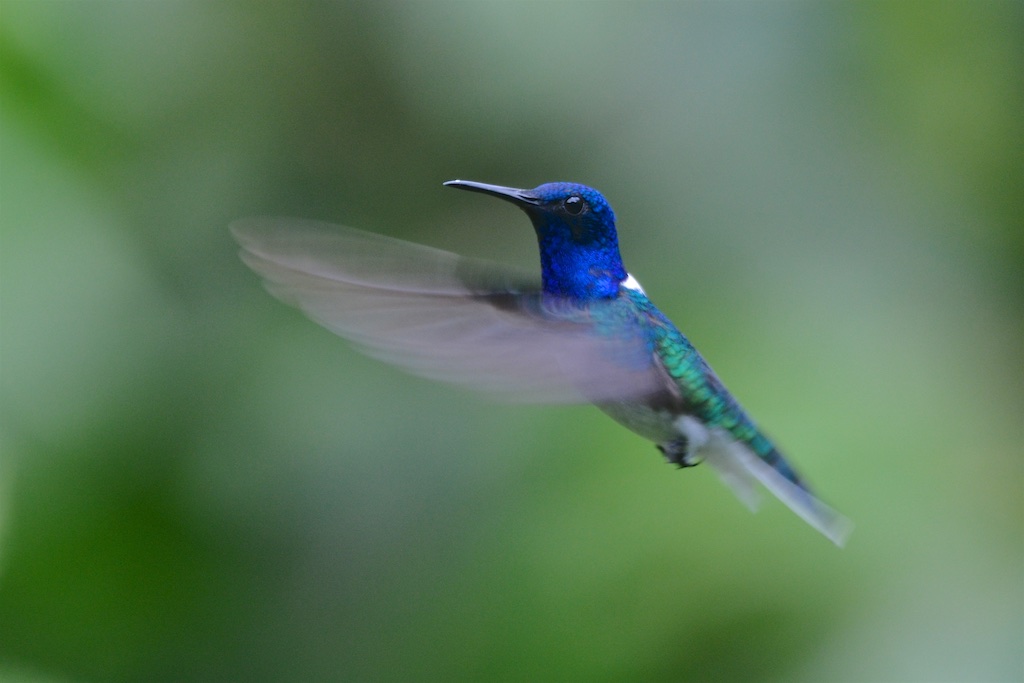
Where things get tricky is considering which animal is second best. No primates – too obvious, no quills, and an almost unnatural over-intelligence that’s a danger to the poor things. Not even a mammal, really – the best animals after hedgehogs are birds, where the best bird is the hummingbird.
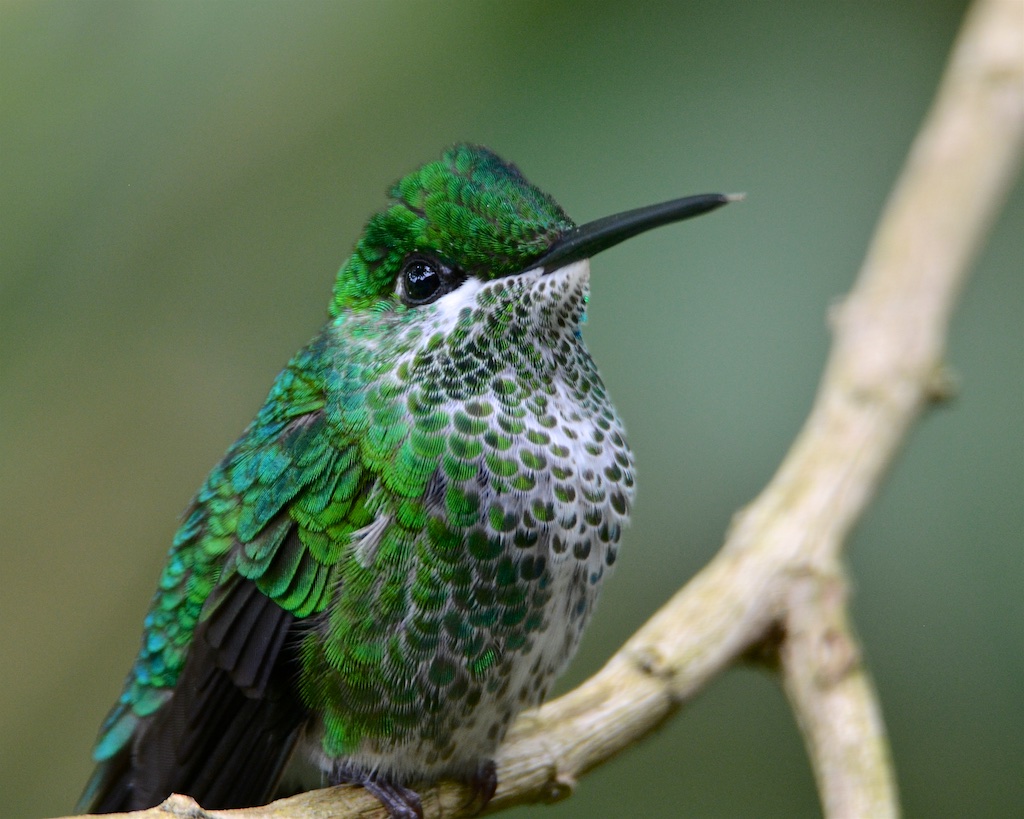
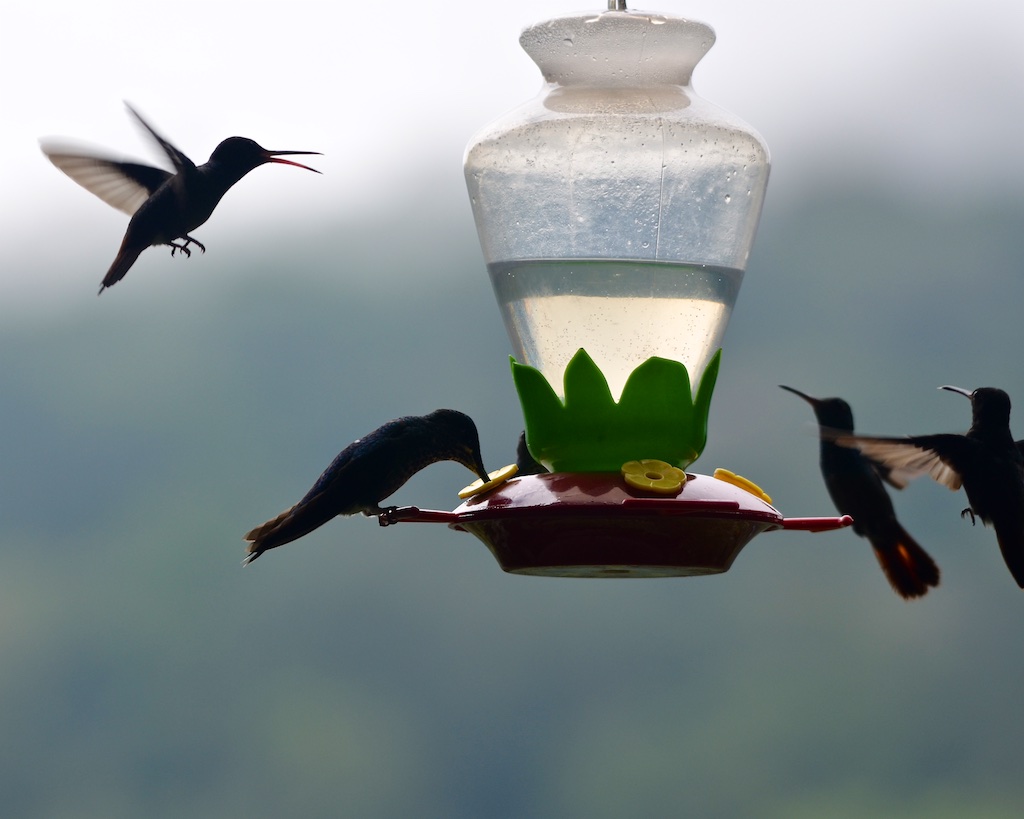
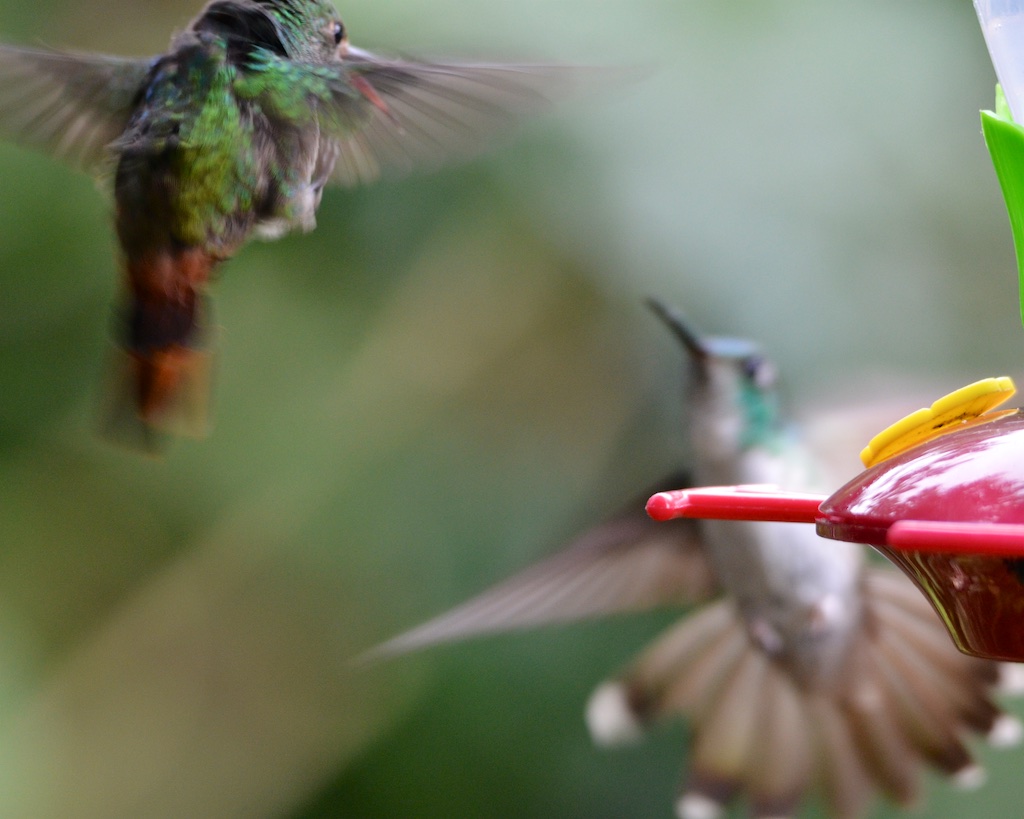
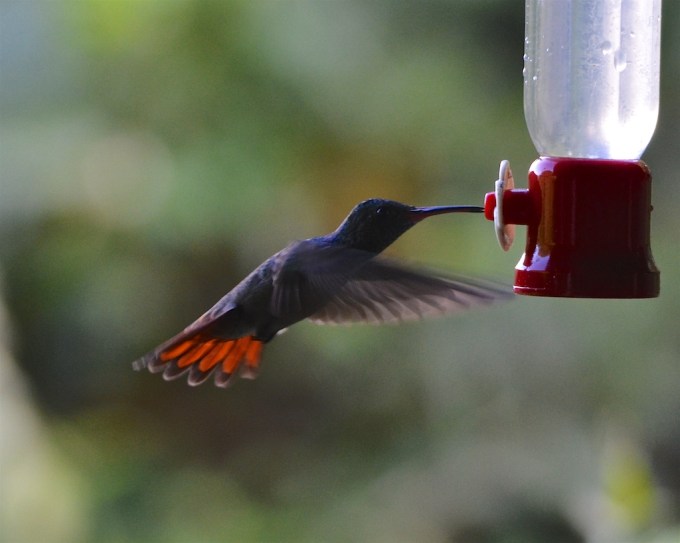
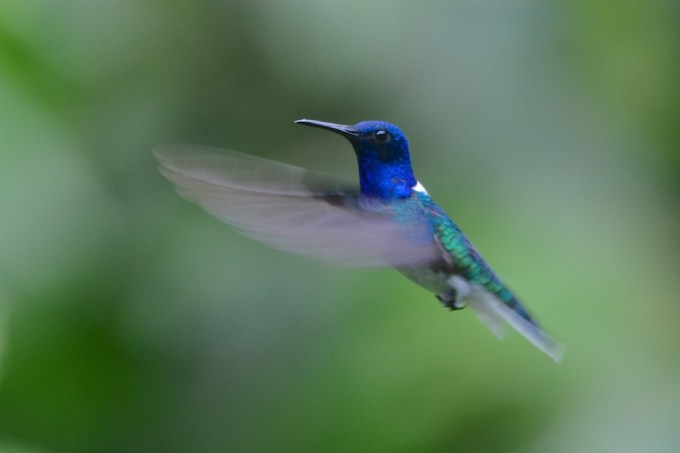
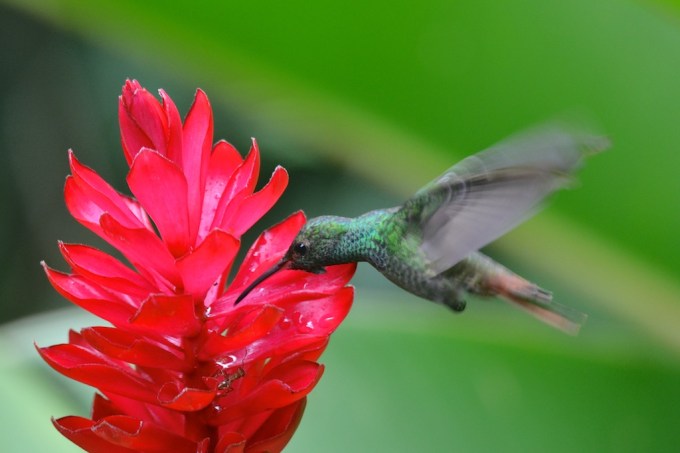
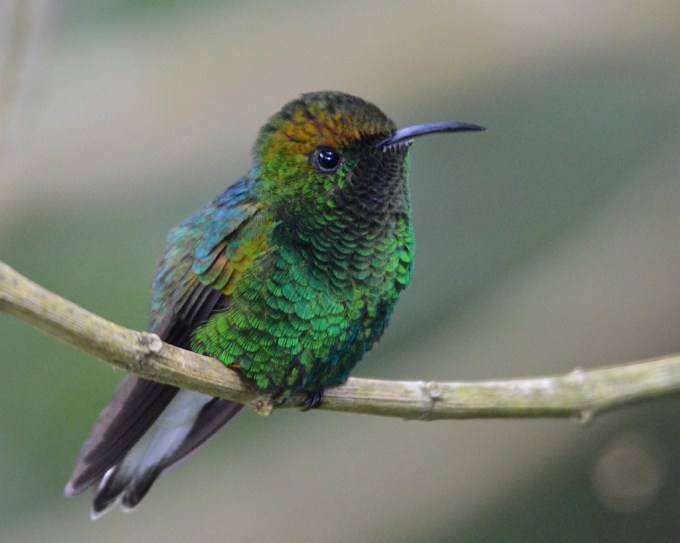
Technically these should be photos of the Bee Hummingbird (Mellisuga helenae), but we don’t have any photos of those so please imagine the animals depicted in these illustrative photos are actually images of the bee hummingbird, though equally pleasing to the eye.
How this comes to be is based on the Pricklepants scale, explained here:
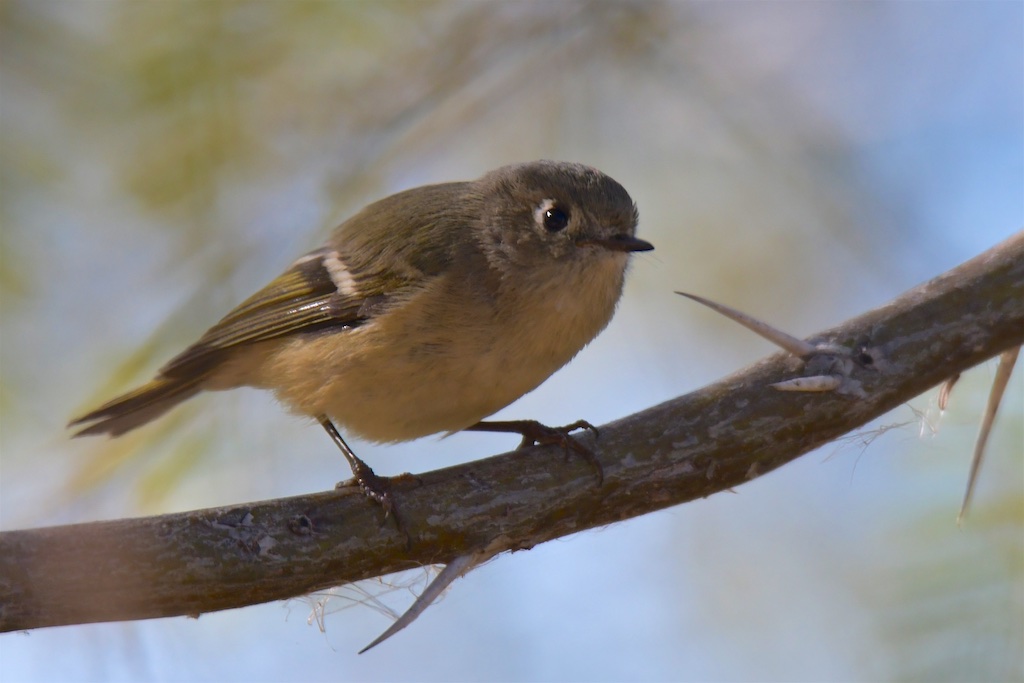
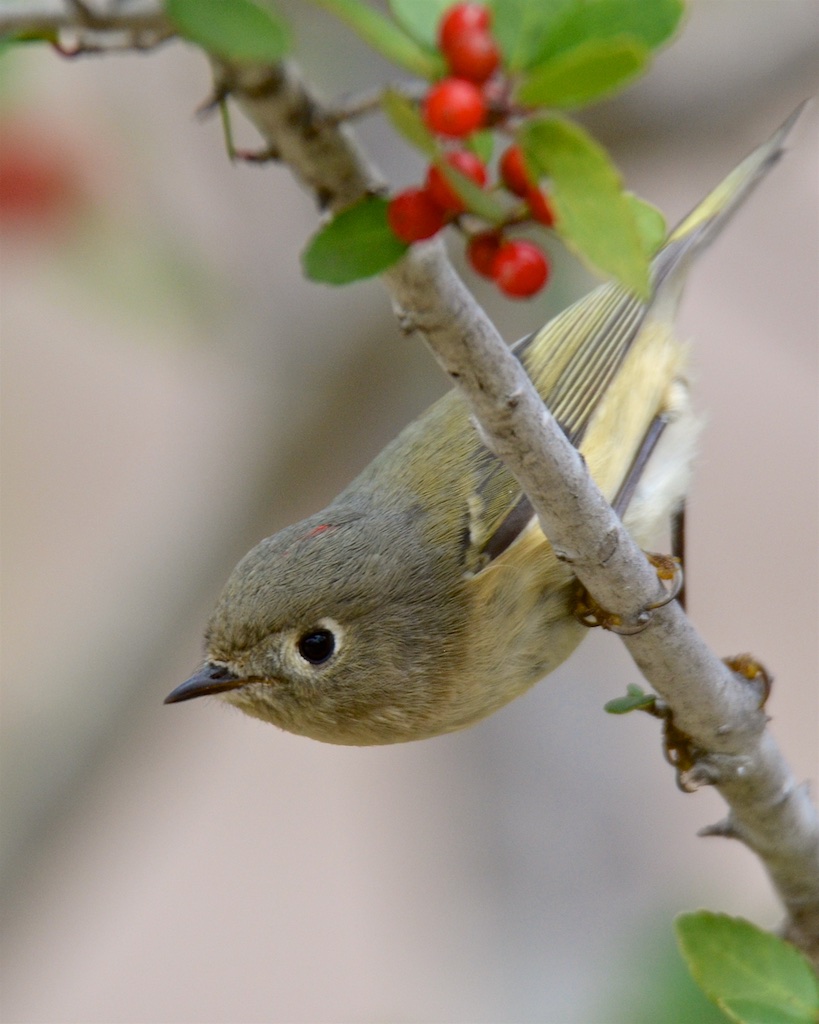
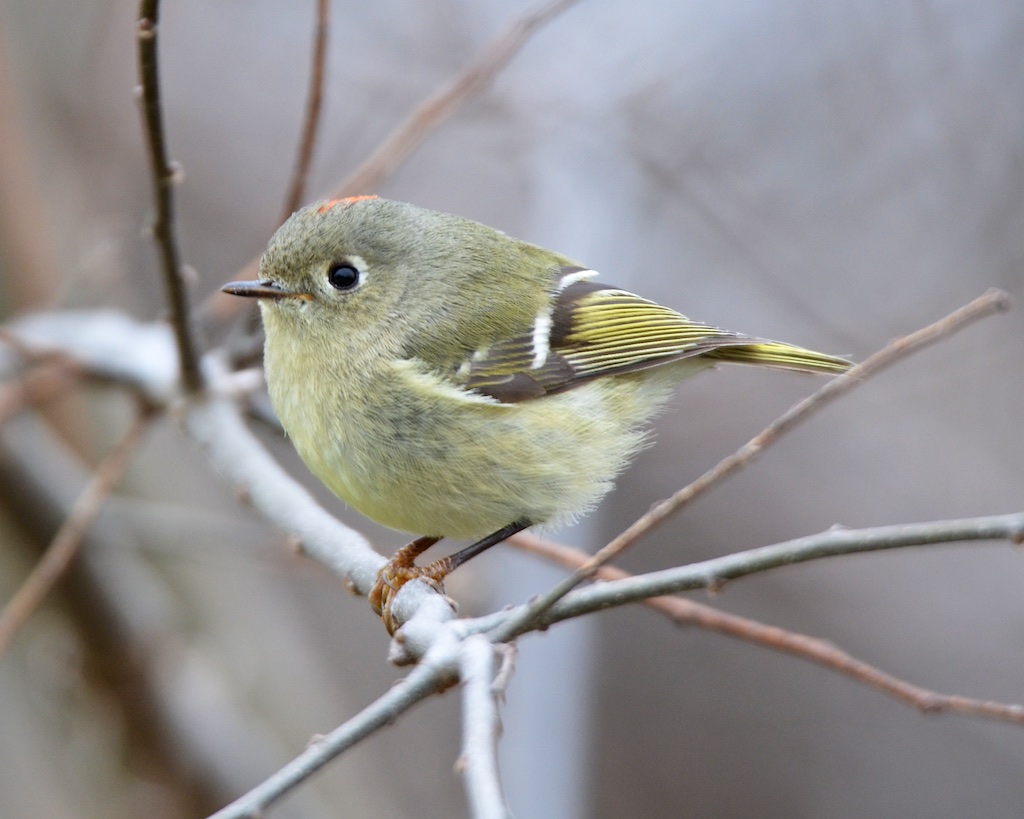
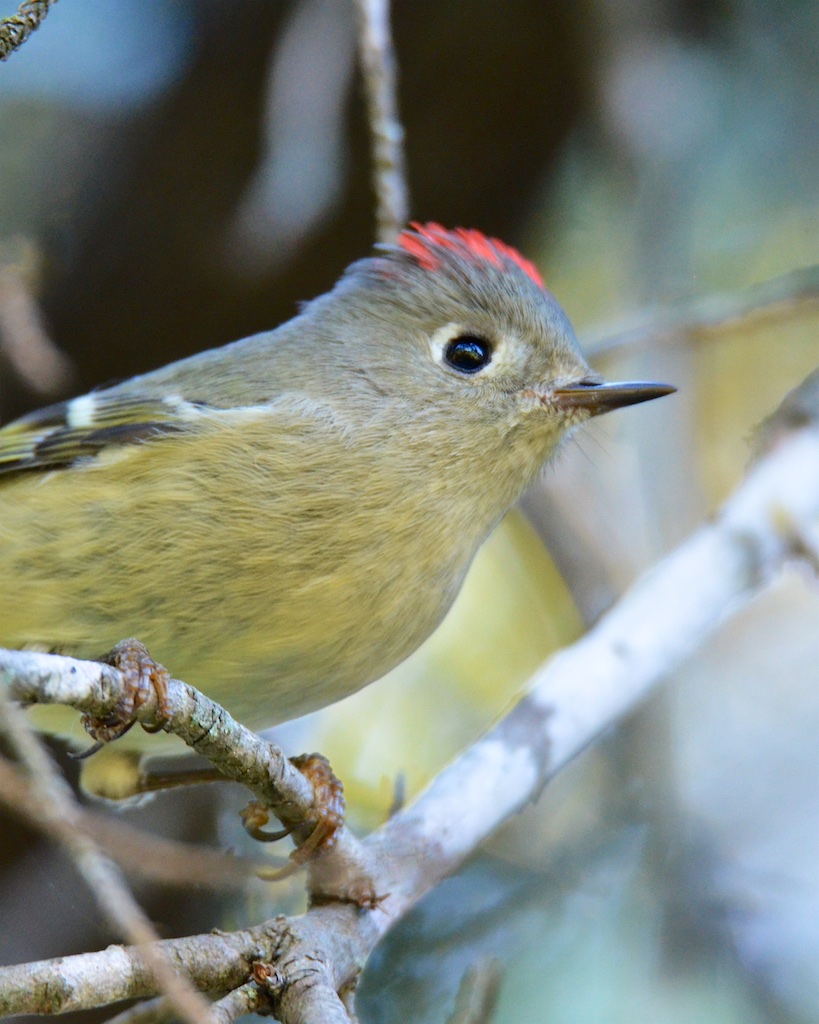
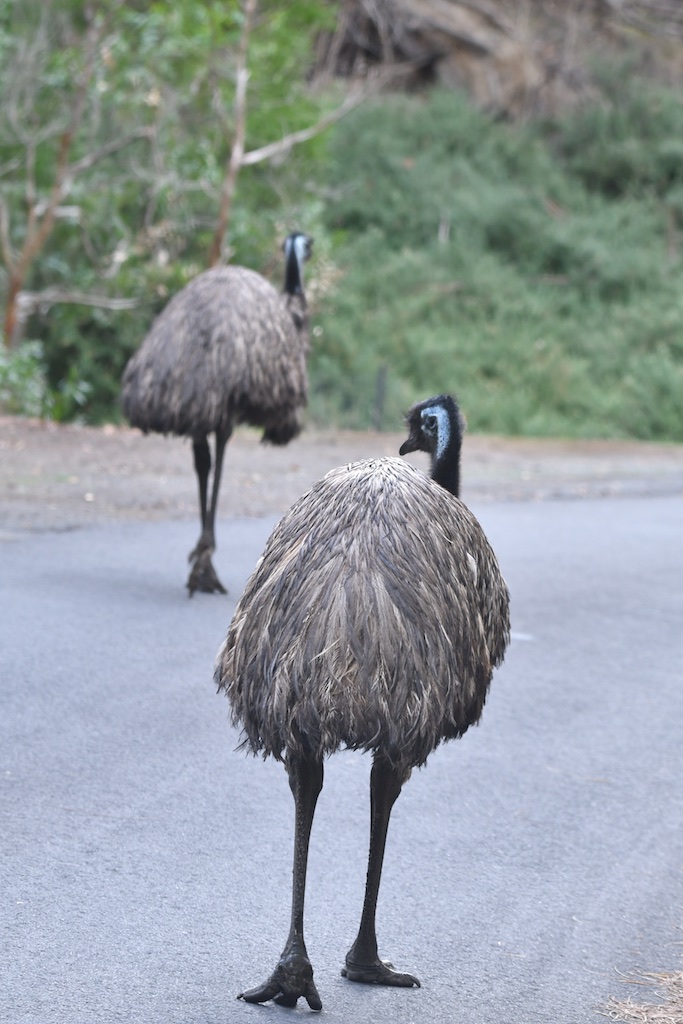
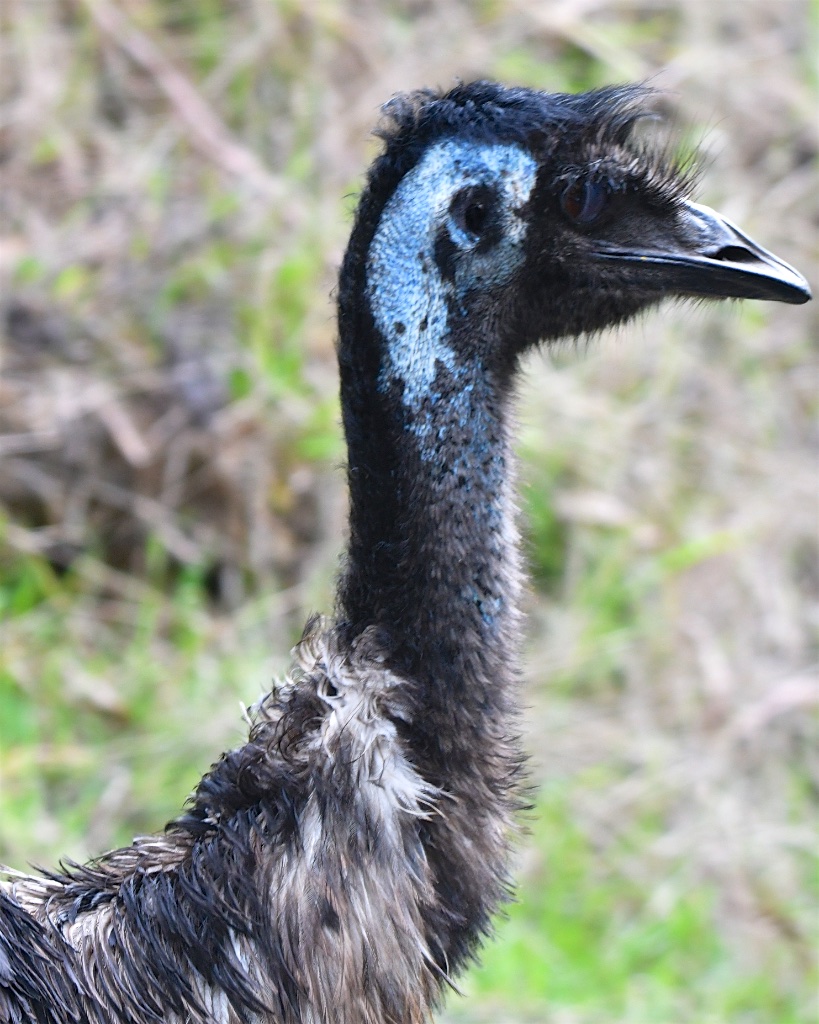
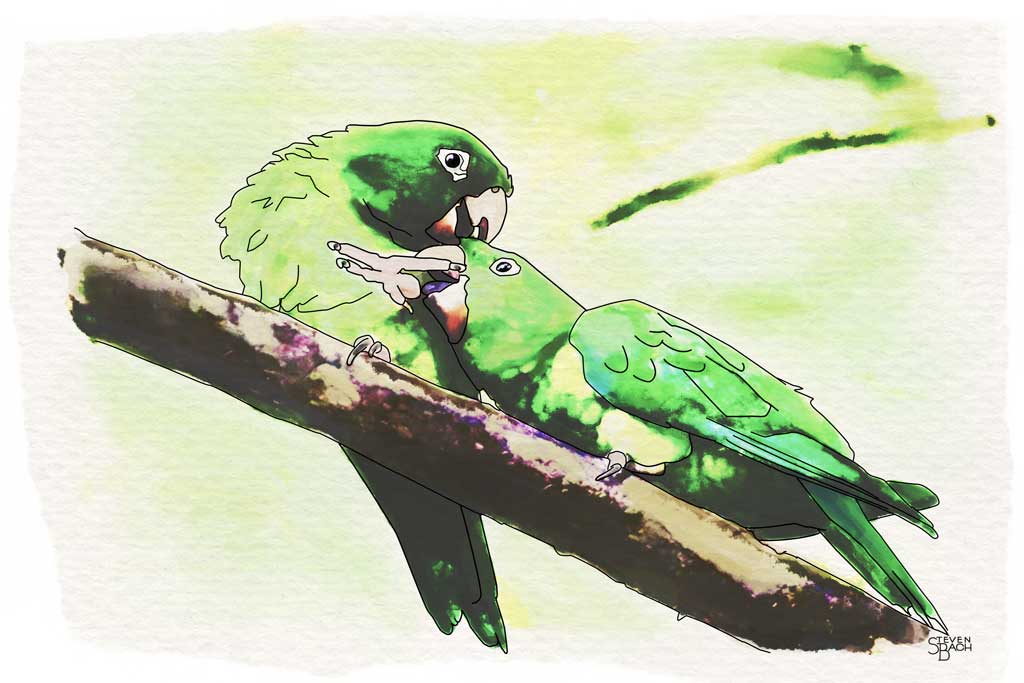
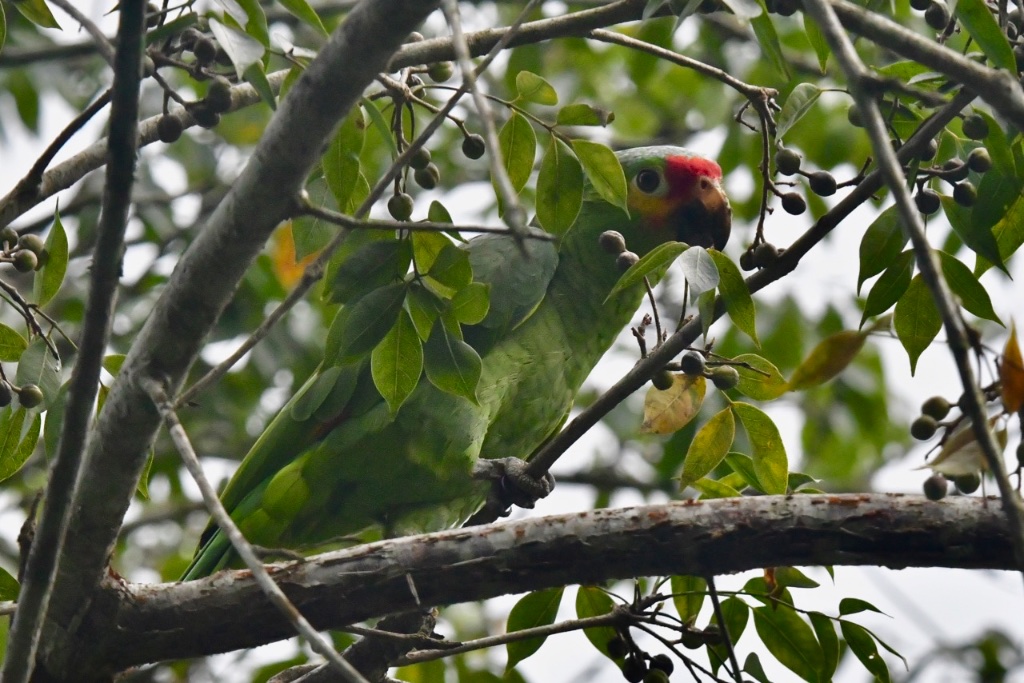
The smaller a bird is the better it is, the larger the worse. Kinglets and hummingbirds are the best, ostriches and emus the worst. Parakeets are better than parrots.
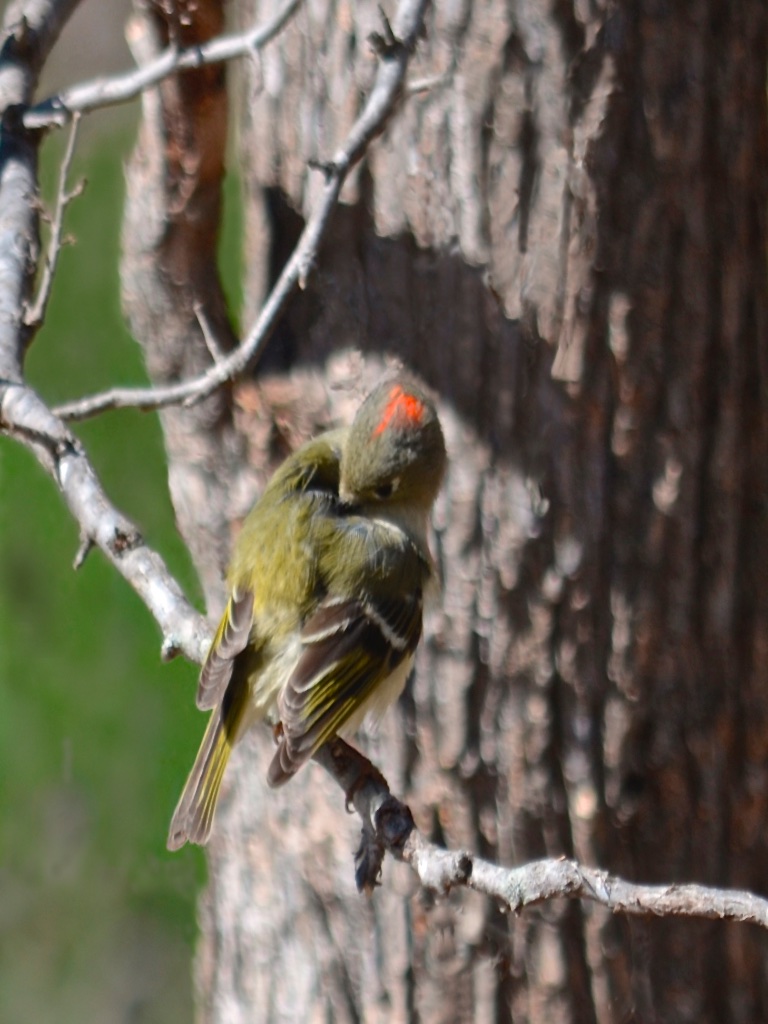
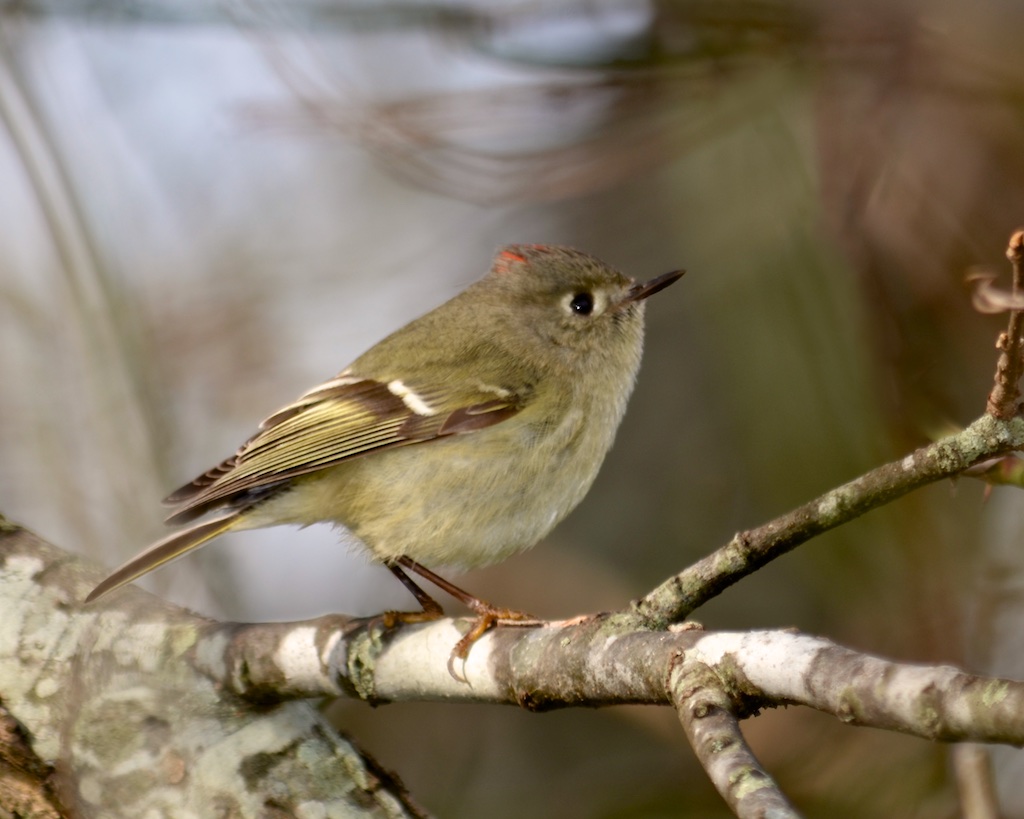
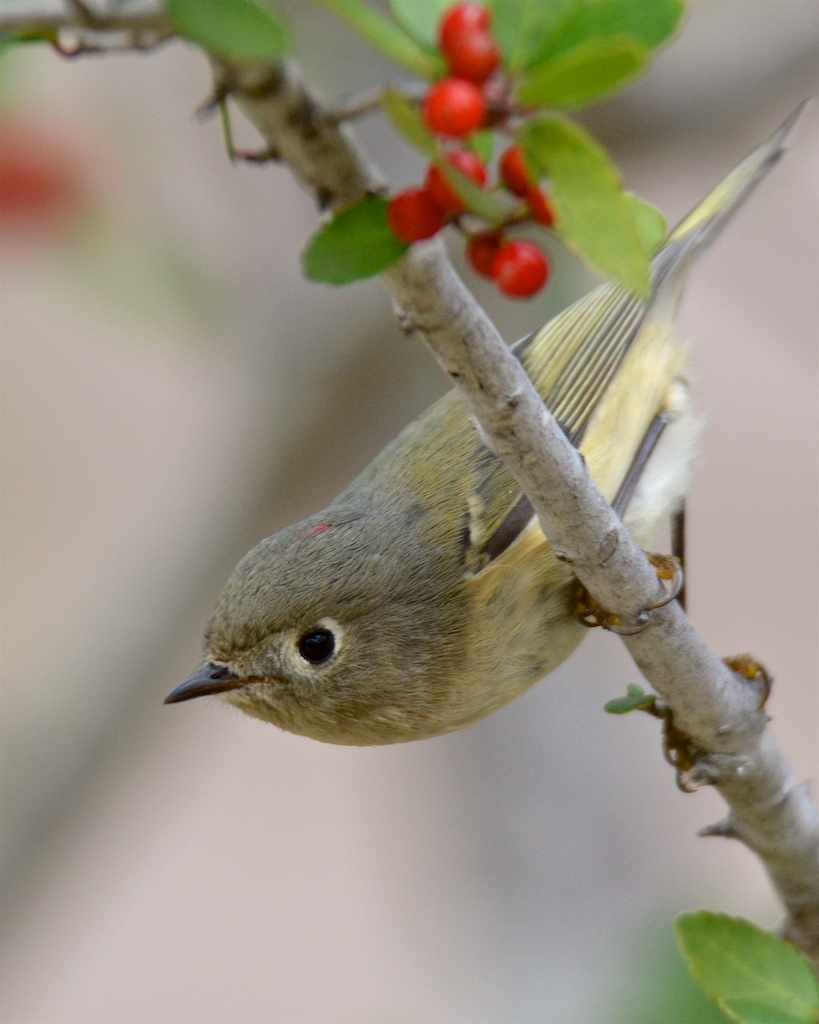
It seemed a stretch at first, but the data all fit. Hummingbirds are the best birds, and kinglets, well:
Ruby-crowned Kinglets
Hummingbirds and kinglets are both really excellent birds and both always a happy delight to see.
Emus: creepy
ParakeetsParrots: too many branches in front of them, poor lighting
This leaves all the other animals besides hedgehogs and birds, a domain of science still in its infancy. There it is clear that mustelids are excellent, but fish are also good, and it is possible that invertebrates very well may be better than mammals (save hedgehog), the debate shall continue, and whether some mammals (say, a stoat) might be better than some birds (such as a brown headed cowbird.) But the current best animals from the hedgehog to the ostrich are still nicely sorted.
We were pretty excited to visit Peru, since this would be our first trip to South America. Peru is a very unique place with amazing biodiversity. The unique biodiversity comes from a mix of its situation near the equator, the Humboldt current bringing Antarctic waters near the coast, the massive Andes running through the country and dividing things up between the dry coast and a lush Amazon basin.
The Humboldt current runs up from Antarctica bringing cold water and keeping surface temperatures of the Pacific very low, while carrying in abundant fish, nutrients, and sea life. Off much of Peru due to the very cold water temps and effects from the Andes there is a very limited water cycle, very little rain, and a terrain with arid land and deserts on the coast. In Paracas National Reserve there’s been one day of rain in the last 60 years.
At the same time the water coming up from Antarctica is rich with life and full of nutrients which supports a large fish population and a large shore bird population.
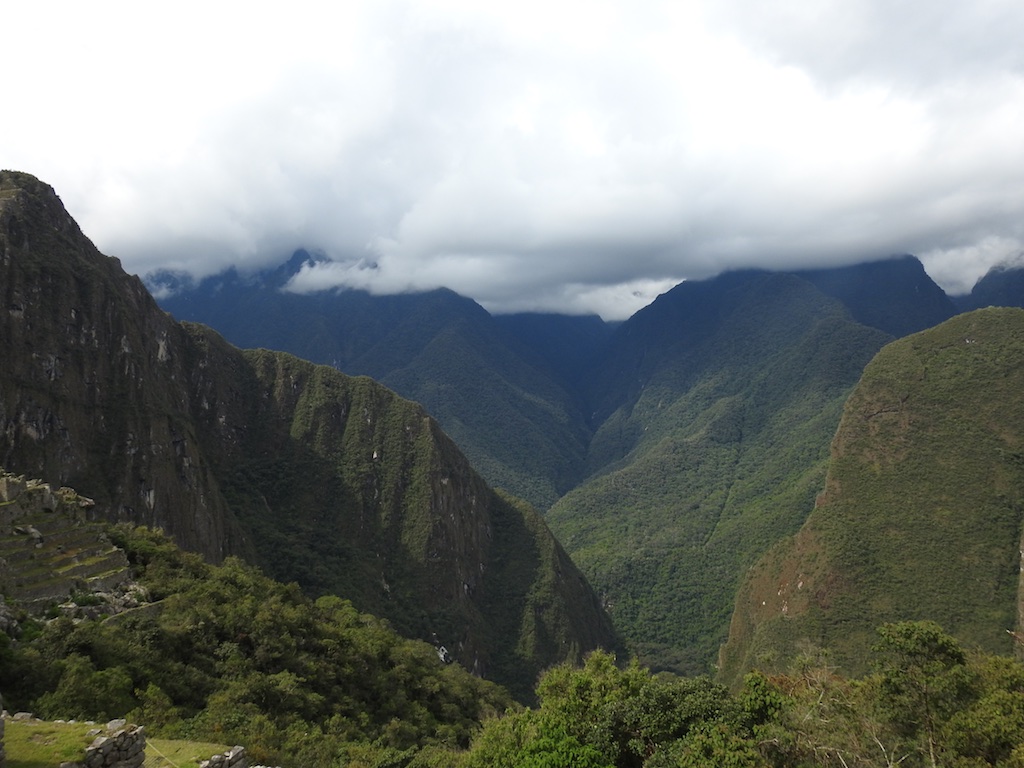
In the Andes the mountainous areas have unique biomes, a unique and a fascinating cultural heritage. The sheer scale of the ancient Incan terracing throughout the Sacred Valley is vast and really astounding to see.
Across the Andes, the Amazon has its own massive water cycle, massive biodiversity, and a lot of unique wildlife.
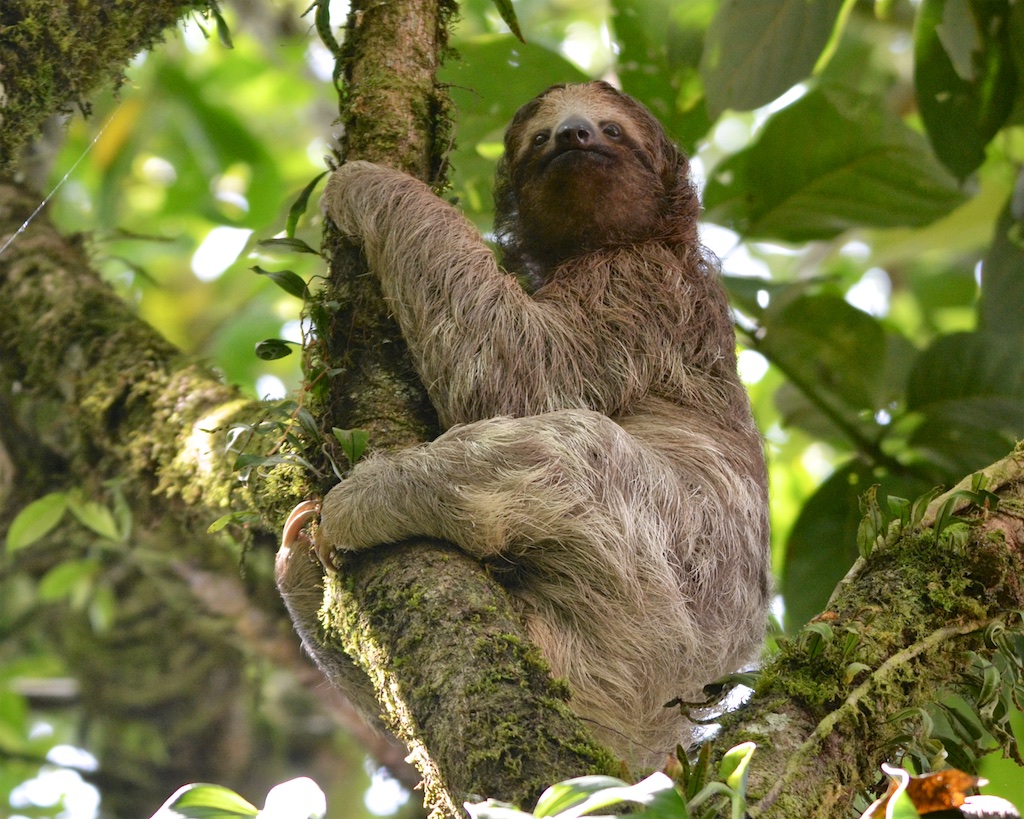
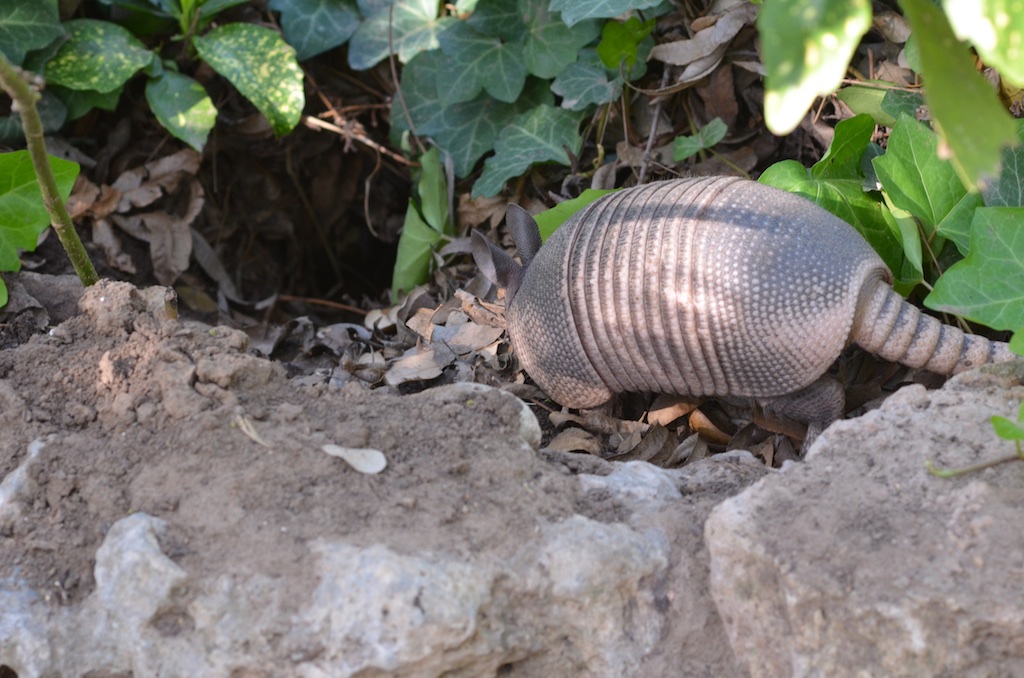
The continent of S. America was once connected to Australia along with Africa as Gondwana, breaking up around 150 million years ago with life on each continent branching out. Once separated, the mammals on the continent were marsupials and oddballs like Xenarthrans, whose living members include anteaters, sloths, and armadillos. They evolved in a geographically isolated continent for > 100 million years.
(These are our photos, but not from Peru.)
Central America eventually cropped up as a bridge around 3 million years ago causing the Great American Interchange. Armadillos, opossums migrated north, while migrants from N. America include squirrels, bears, wild cats, foxes, rodents, etc. Interestingly, ancestors of the guinea pig, capybara, coati, llama, and alpaca, all distinctly S. American creatures, migrated down at this point.
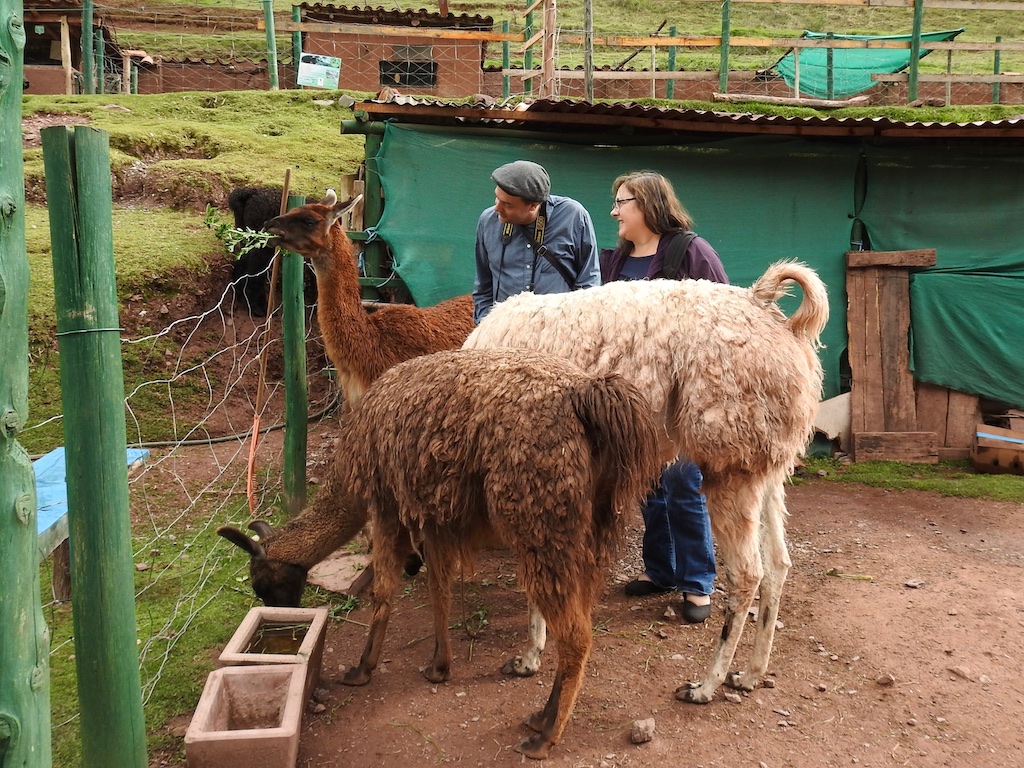
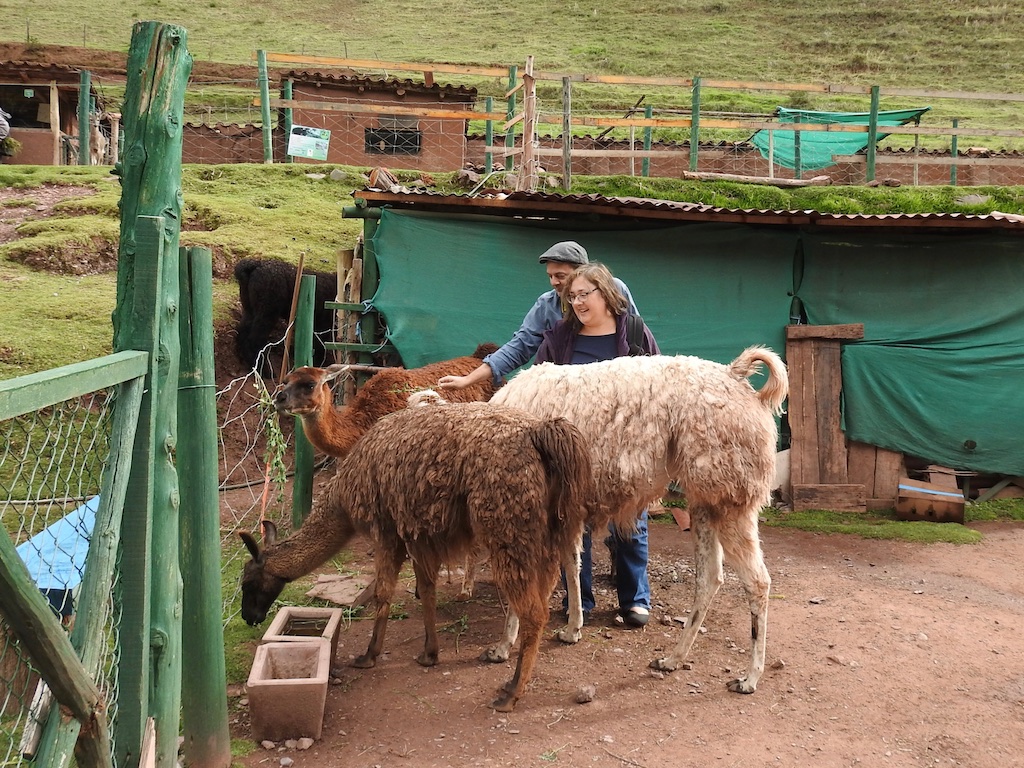
Since we’re never visited S. America, getting the chance to see llamas and alpacas was something really interesting for us. The llama is a domesticated guanaco. The wild guanaco’s camelid ancestors migrated from the plains of N. America to S. America around 3 million years ago. N. American camelids also crossed the Bering Strait and evolved into camels in Asia. There were still camelids in N. American until the end of the last Ice Age(!).
Us admiring llamas.
S. America also has primates, which showed up somehow around 40 million years ago. While the evidence is scant, the best theory for why there are monkeys and other primates in South America is that they crossed the Atlantic from Africa, island hopping at a time when sea levels were much lower and the distance between continents was shorter. Monkeys beat humans to the new world by around 40 million years. Personally I think we should should change Colombus Day to Monkey Day.
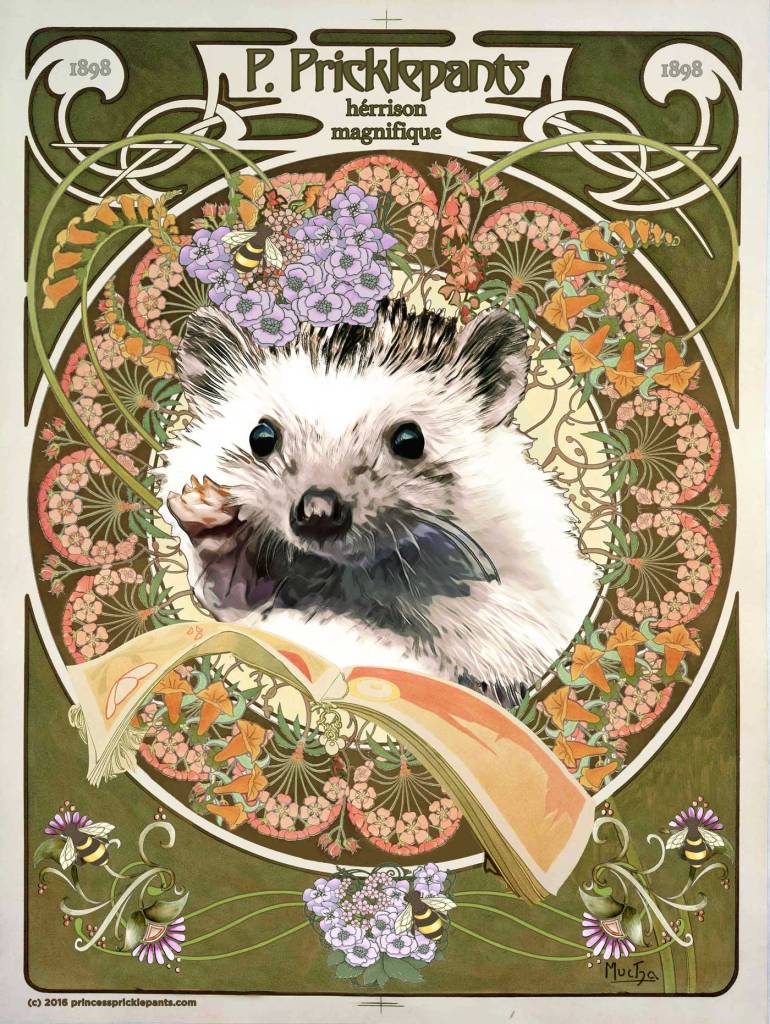
We’ve always really liked the poster art of the Art Nouveau movement, esp. Alphons Mucha’s work. This was one first Art Nouveau hedgehog poster art, designed to look like a work by Mucha.
Old Art Nouveau postcard art from the 1910s repainted and updated with hedgehog.
Art Nouveau line art. We redrew line art from an old public domain postcard for this, repainted things, and added the hedgehog.
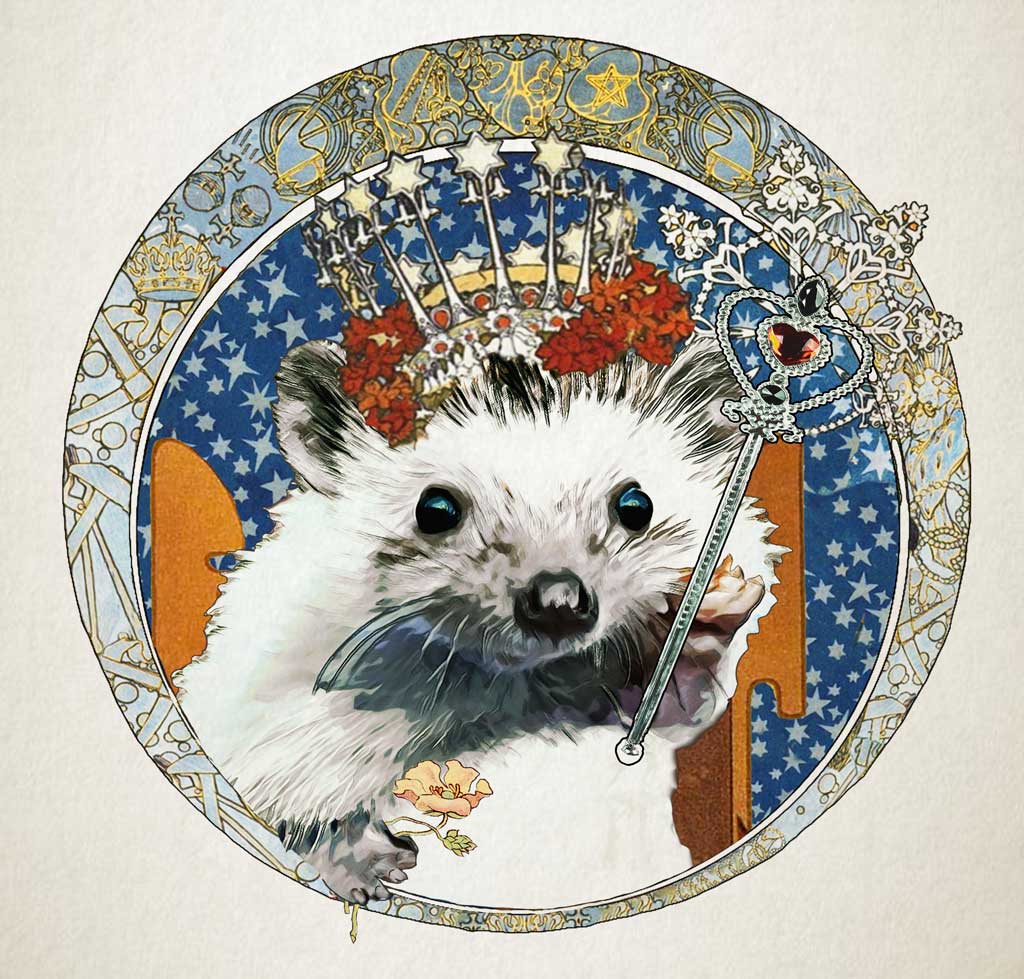
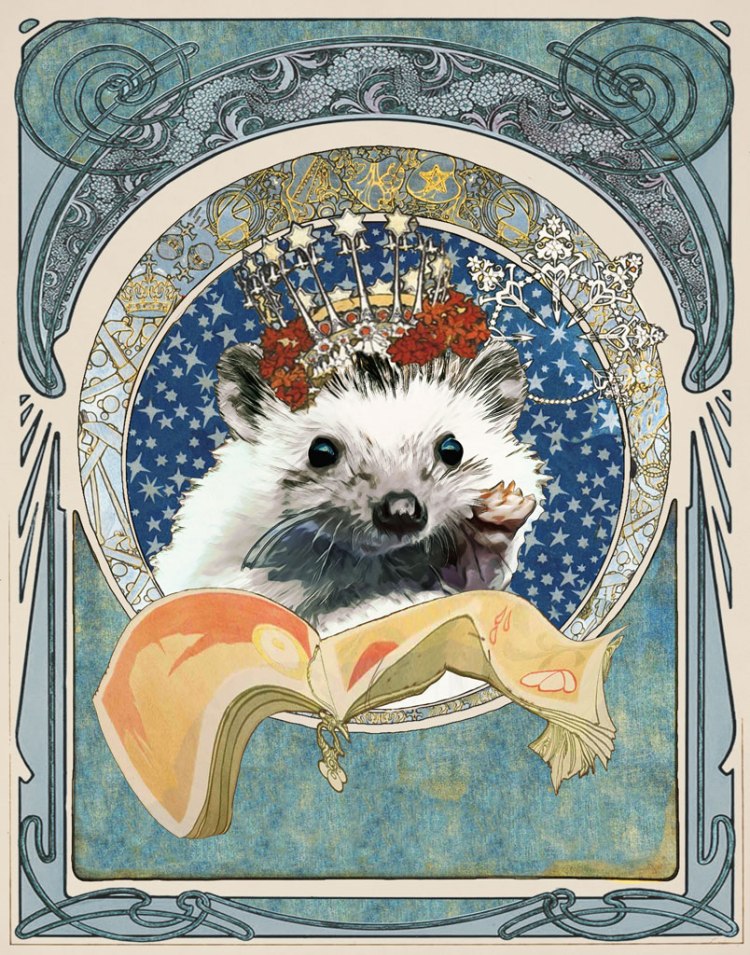
The Winter Hedgehog PrincessWinter Hedgehog Princess Reframed
We borrowed a lot from Mucha’s Princess Hyacinth here but drew a lot in using Mucha’s style.
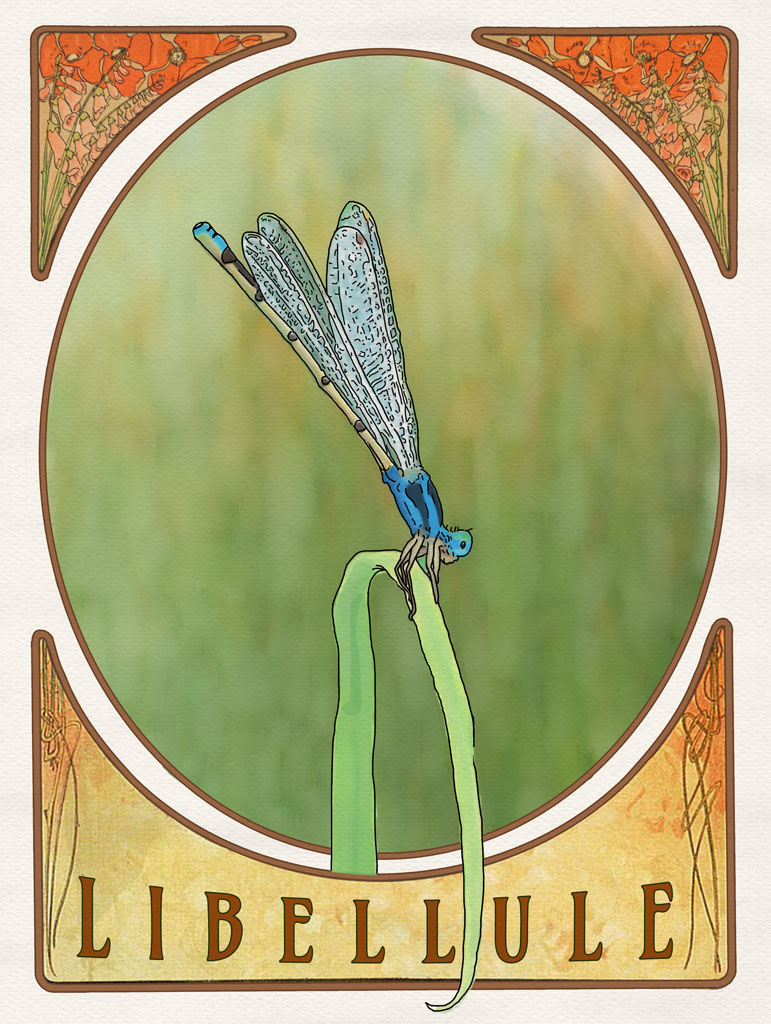
Damselfly Nouveau
The bug’s form is based on a photo of a damselfly in a nice pose. The exposure was blown out so it wasn’t a good photo, so I decided to use the bug as a mostly white canvas to paint in, painting in the color and the light. The wings involved a lot of fiddling. With no detail we got to pick the species so it’s a double-striped bluet.
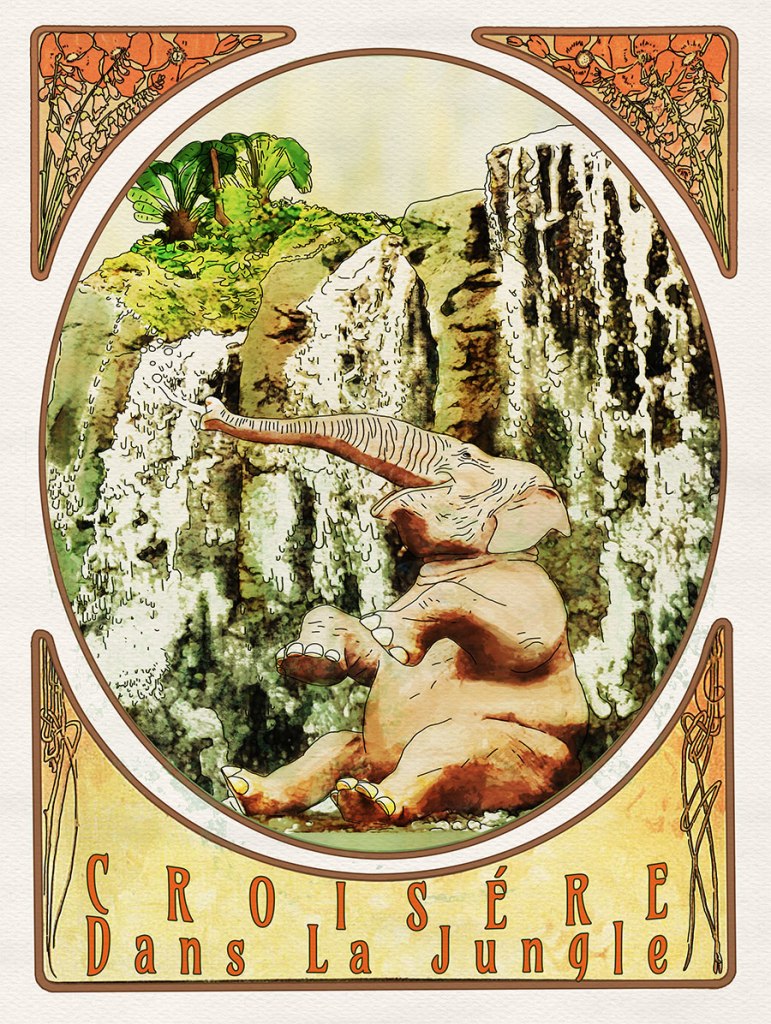
Jungle Cruise
Disney fan art. Walt has effectively taken over part of our brain.
Haunted Mansion wallpaper shapes in the corner, but we drew the bats. We actually used a model from the 1890s for Leota, so she has Gibson Girl hair.
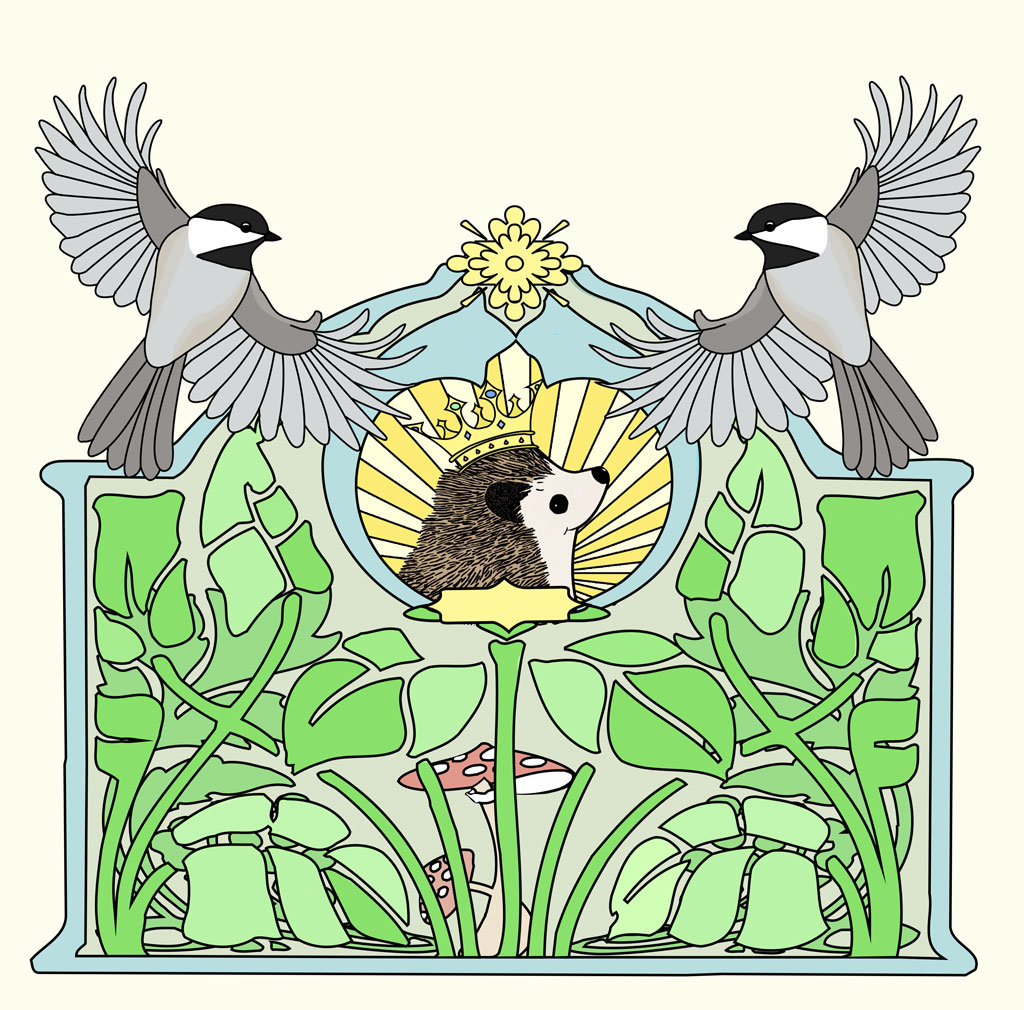
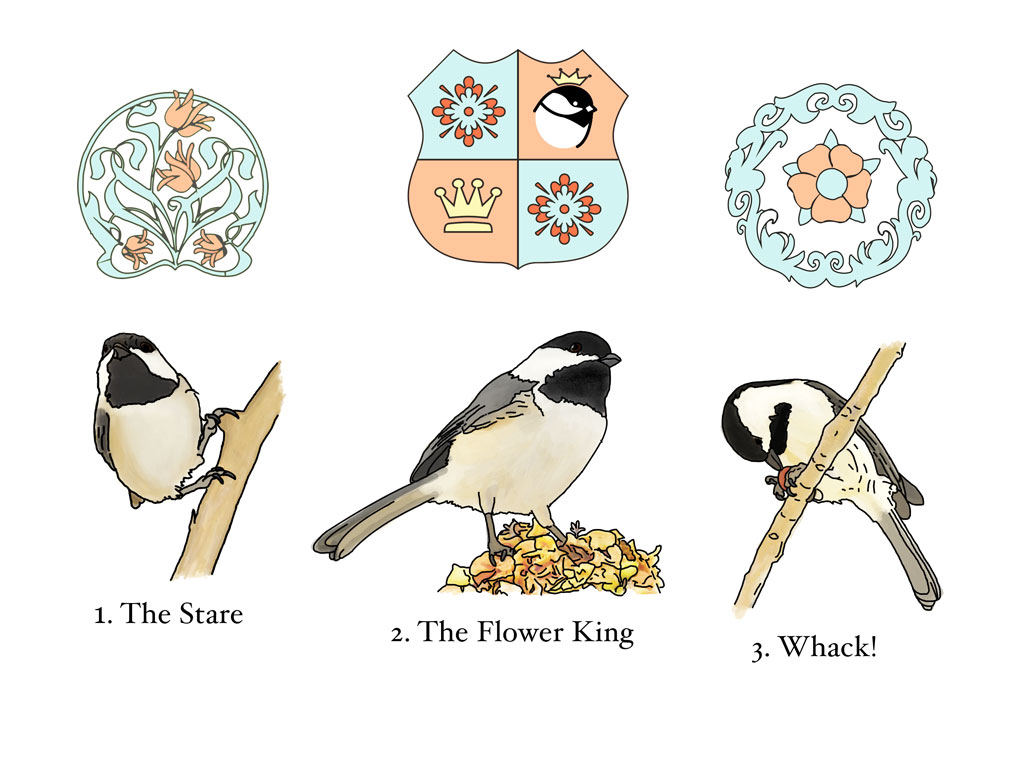
Chickadee Nouveau
I’ve been working on learning vector art since you can create nice clean lines and tune the lines until they’re close enough to what we want. The chickadees are vector line art but hand painted.
Vector Princess Nouveau
Revisiting the previous vector art with a new theme was fun. Also we should probably make shirts and things for this one.
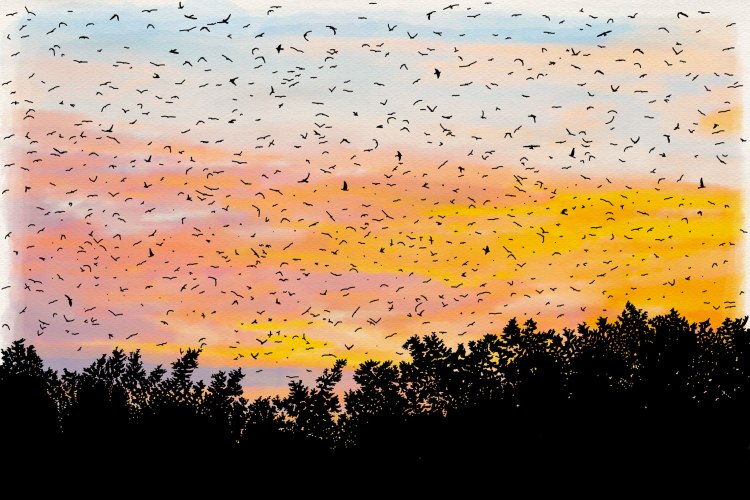
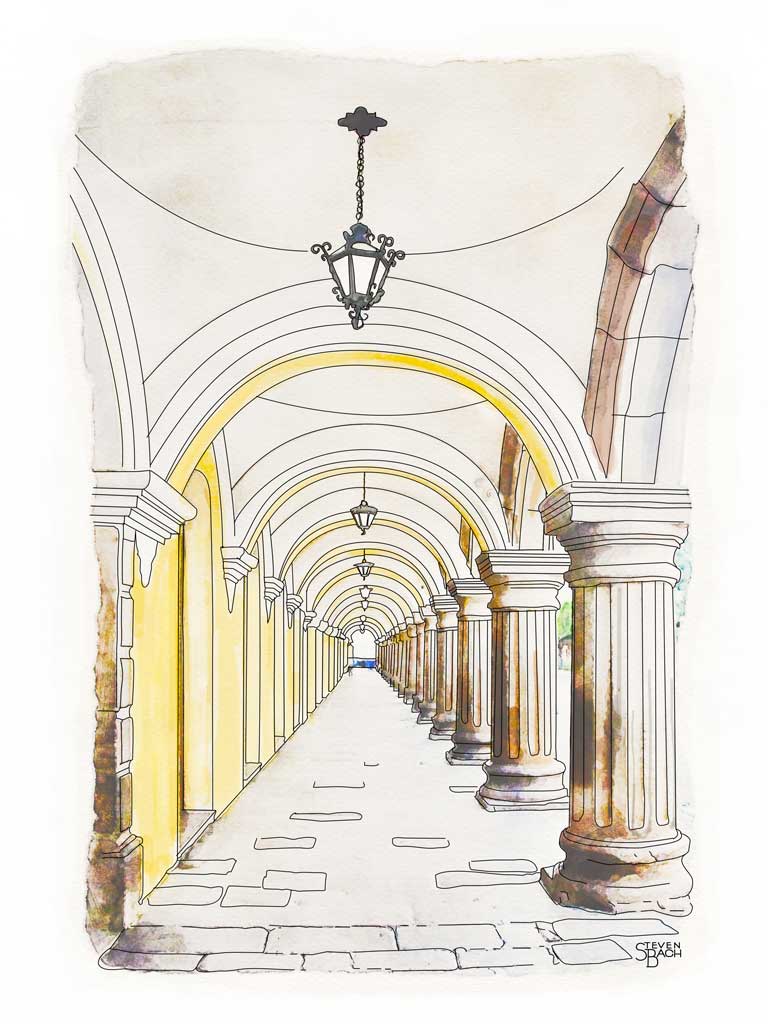
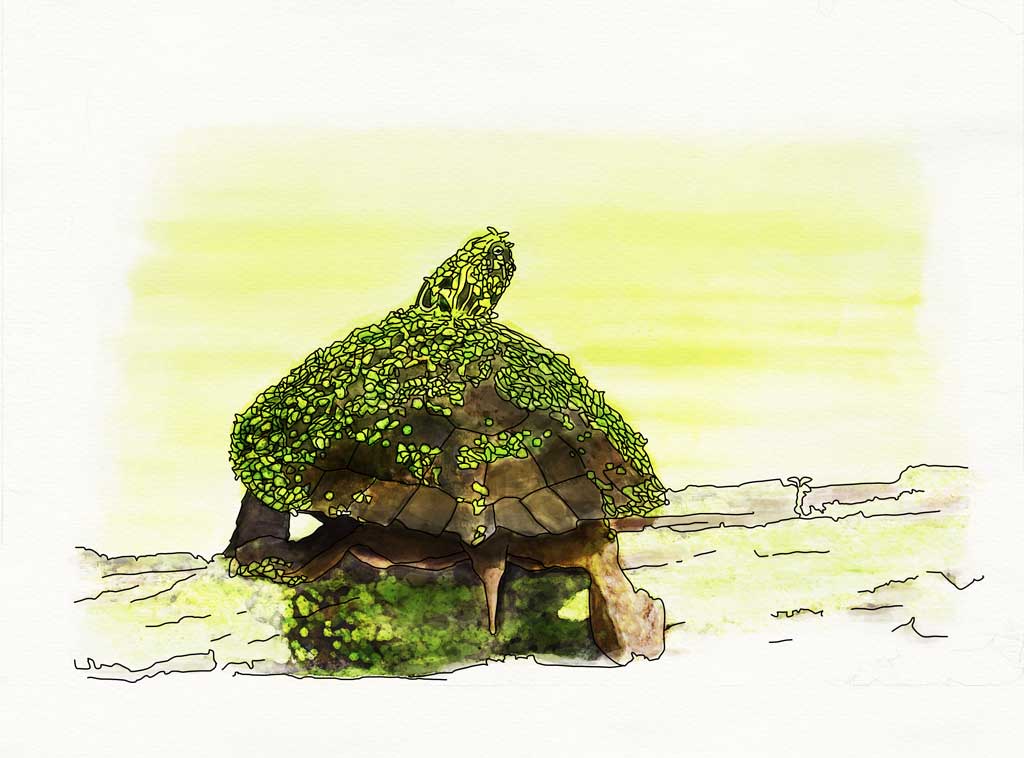
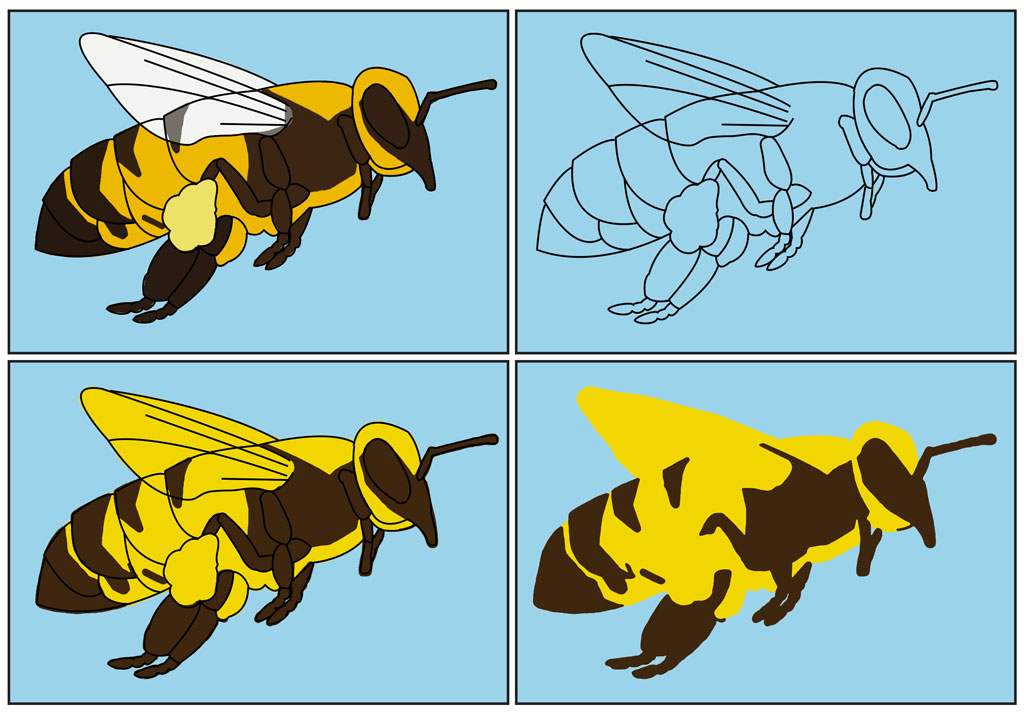
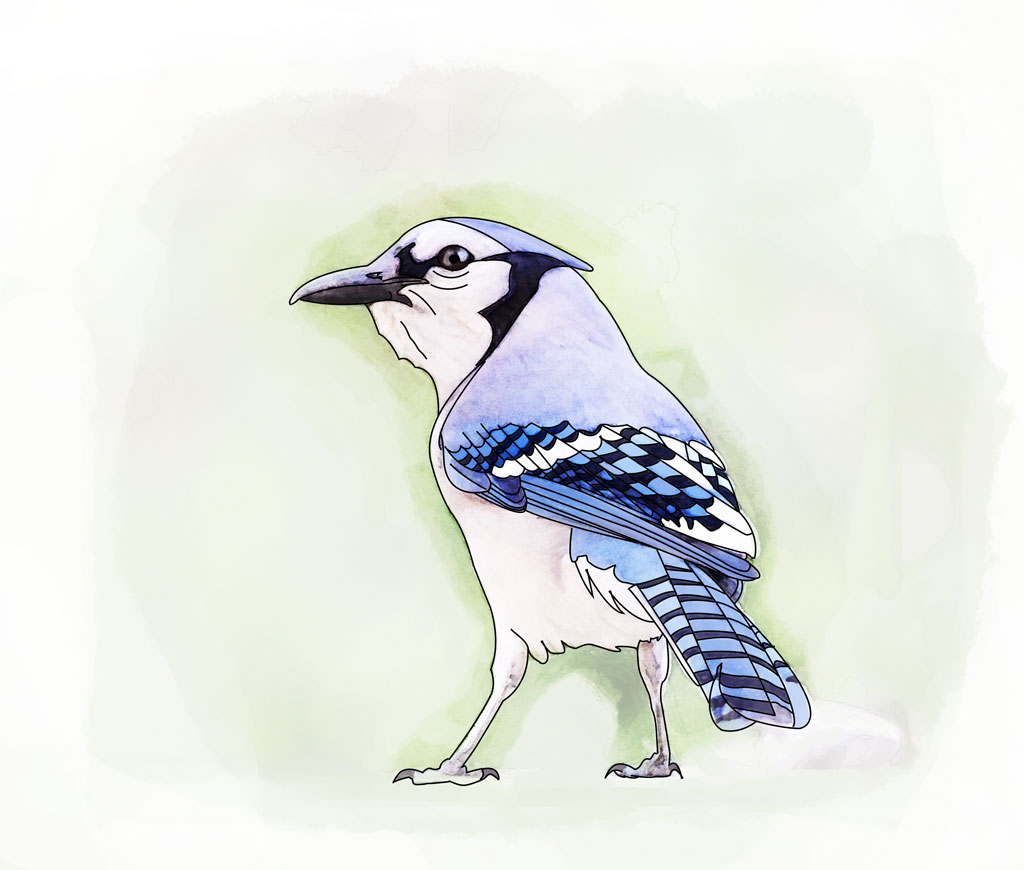
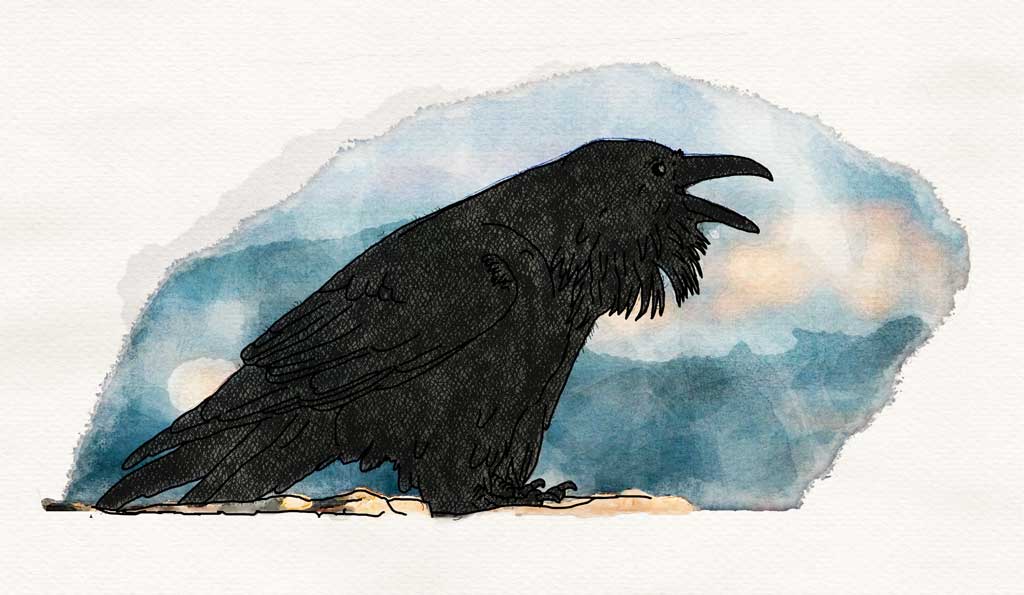
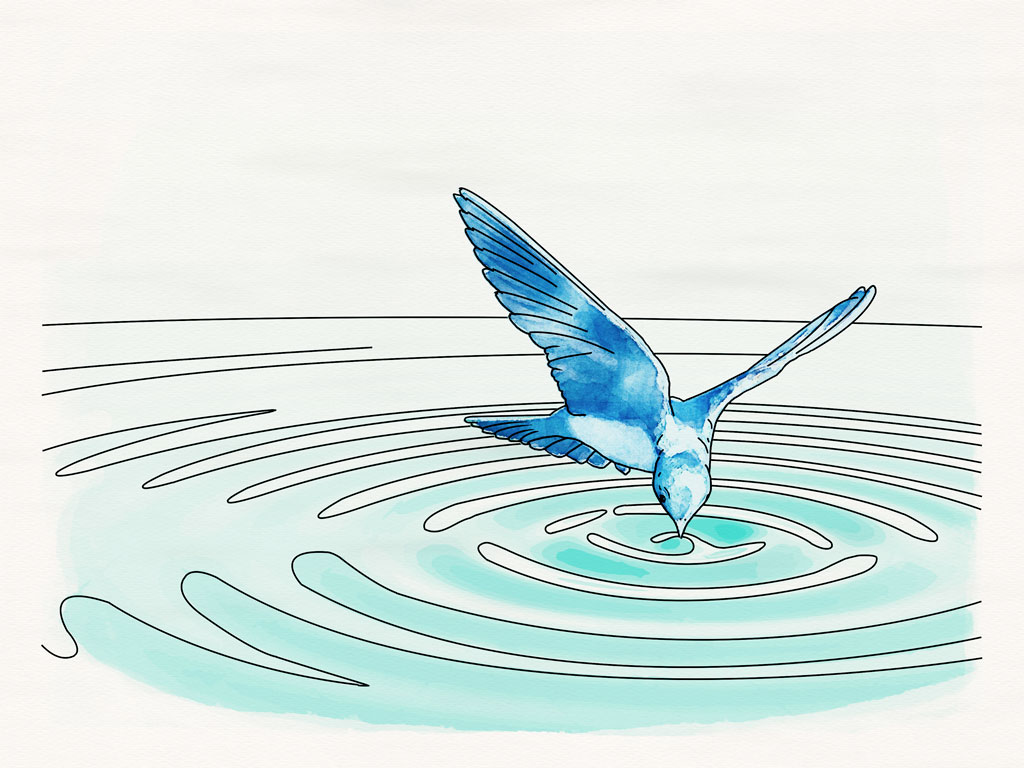
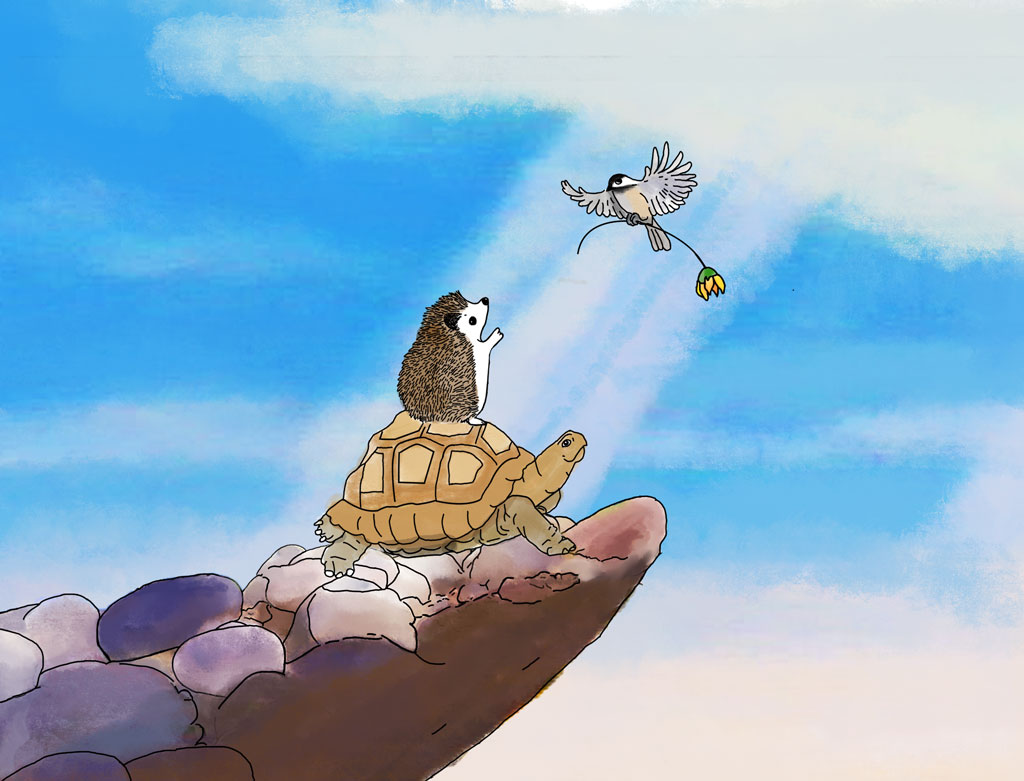
We’ve been making a lot of little nature themed watercolor-style digital paintings. They’re mostly based on photos of places we’ve been/things we’ve seen, and while making them I’m reflecting on the place. I decided to learn to do a watercolor-style art in the style used in illustrations around Jun 2019, and I’ve worked out some things I like. I also learned to use Photoshop’s pen tool/vector art which is hard to learn but not only speeds up line art, but lets you correct mistakes easily and facilitates fine-tuning line art. My hands are shaky, so I’m mostly programming lines instead of drawing them.
From Aug. A bit busy but I like it.Antigua in Jan.
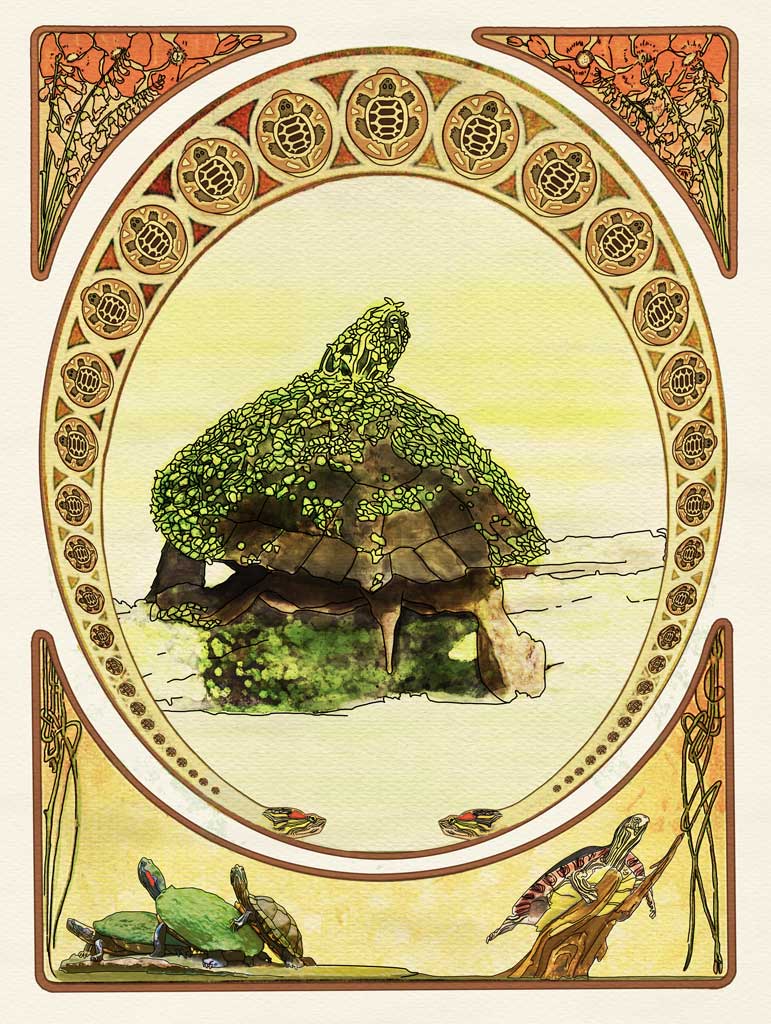
Most of these are based at least loosely on photos. We use nature as a model, and pay a lot of attention to palettes found in habitats, and draw/paint things as illustrations. This was a technique used by Alphons Mucha whose work we’re a fan of.
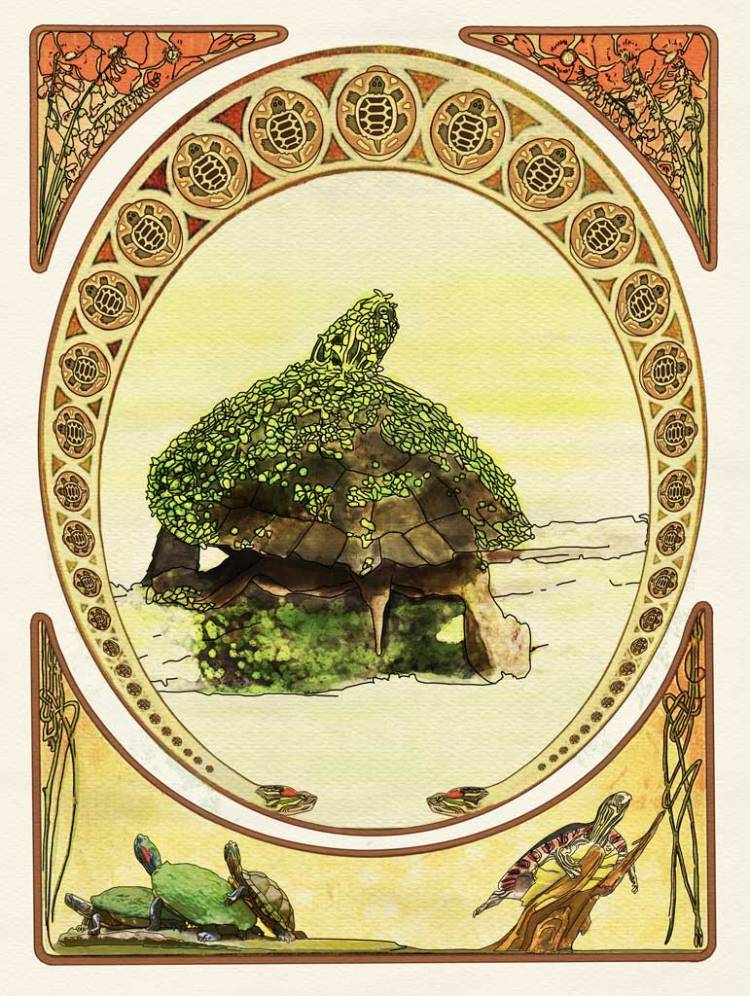
Mucha-style Turtle
Nature doodles.We use these techniques for character art too for hedgehog-related things.The sad thing we must say every time we meet one, usually before a proper introduction.
We’ll be including this kind of art in our posts and sharing things we’ve made.
While we are absolute squares, who are roughly as uncool as possible (there’s no way to make hiking boots cool in many circumstances we’ve worn them in, and we walk around with paper books as old squares do), we were practicing Spanish in Duolingo and hit exercises referring to a pen. A pen in Spanish is un lapicero in Guatemala, una pluma in Mexico, and probably un boligrafo everywhere.
I took a pen with me wherever we went, sometimes in a shirt pocket, though also in bags in part since we’ll have to fill out paperwork at the airport at least a couple times, and there’ll be things to sign. I took a few pens and guarded them. Not only are they handy, but then you don’t need to remember the right word for “pen.”
We picked up a Nikon Coolpix P900 for the Peru trip. It’s a fairly inexpensive bridge camera. Nikon crammed a mind-blowing super-telephoto zoom into a generally adequate camera. We’ve used it for a couple trips now, so here are our thoughts.
Our main camera is a Nikon D500 with a 150-600mm zoom. The D500 is a much better camera – it’s incredibly fast and powerful, but does get heavy. The Nikon D5 is Nikon’s flagship camera. The D500 is a mini-D5 with D5 guts paired to a smaller sensor with a huge round eyepiece with a great, bright optical field of view that includes nice digital overlays with clear displays for shutter/ISO/focus mode/focal point etc, a ton of modes for autofocus, etc. The P900 is a simple camera with a digital eyepiece with too low of a resolution and refresh rate to really like, but it has more reach and is great for daylight outdoor photography of subjects that are reasonably still and general photography in good light.
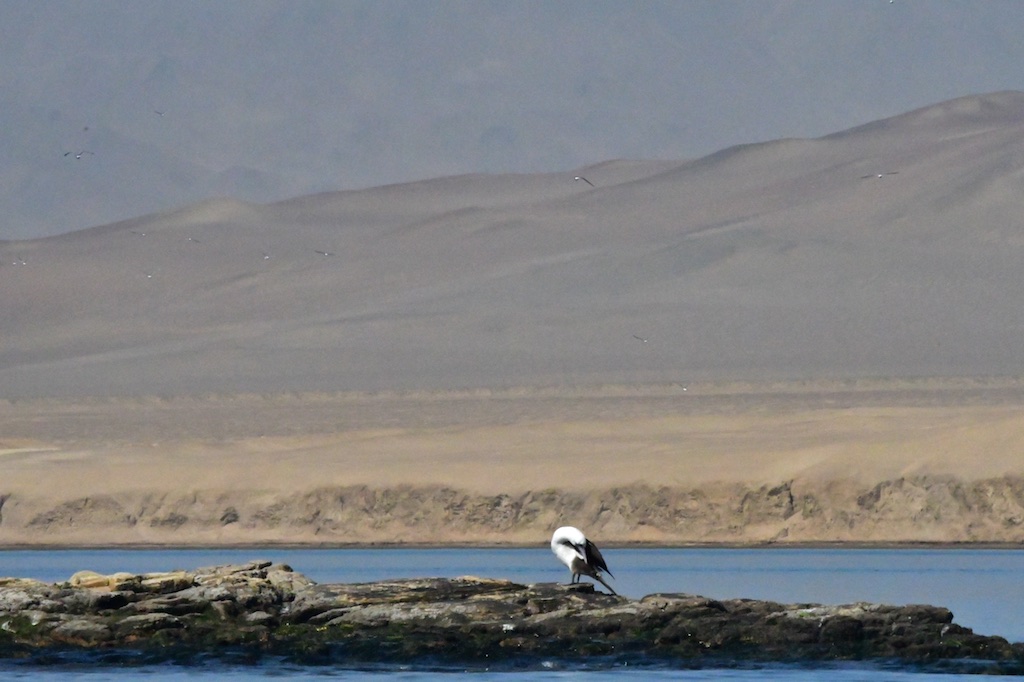
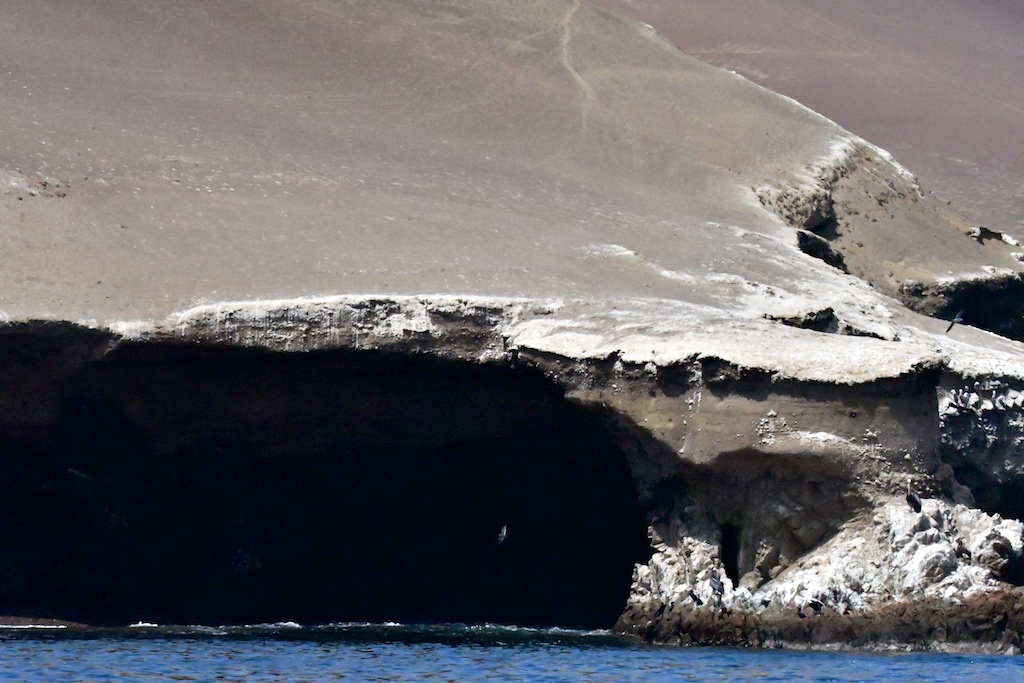
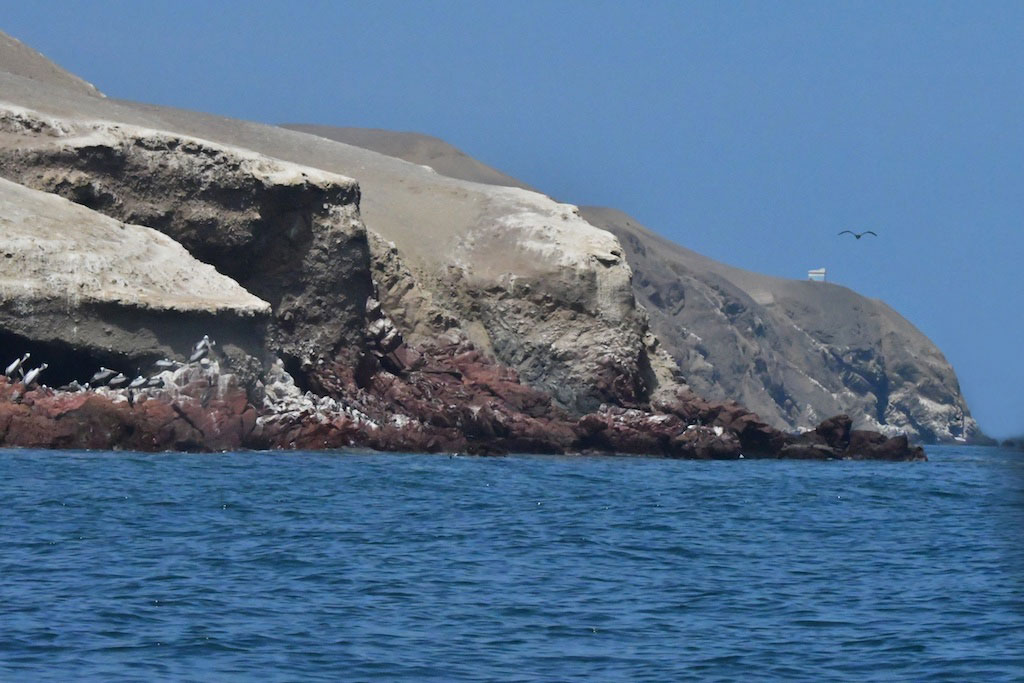
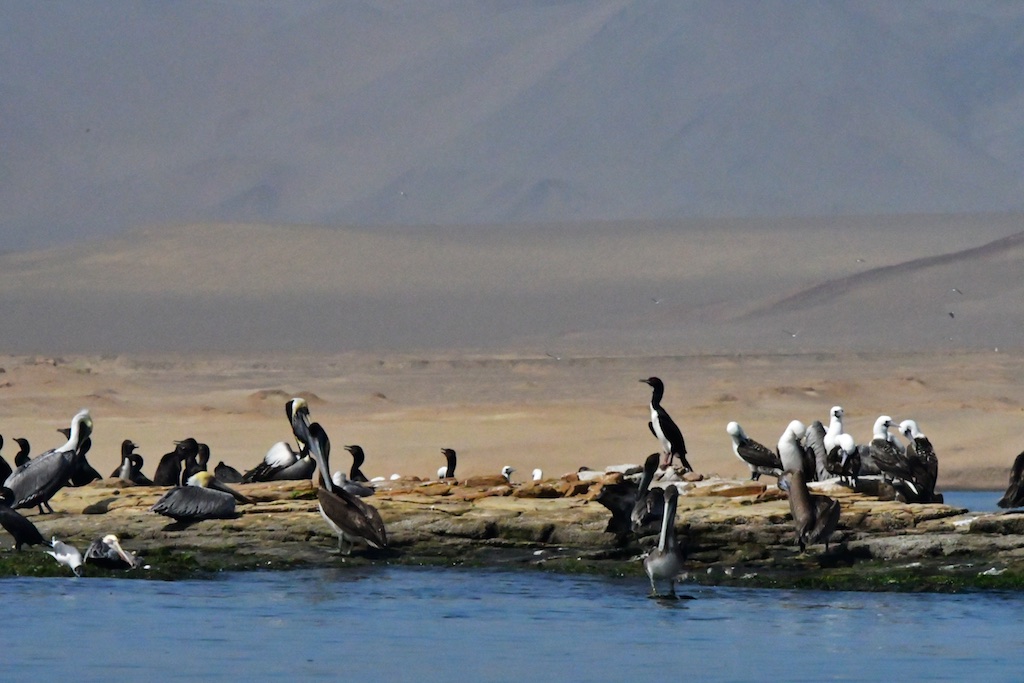
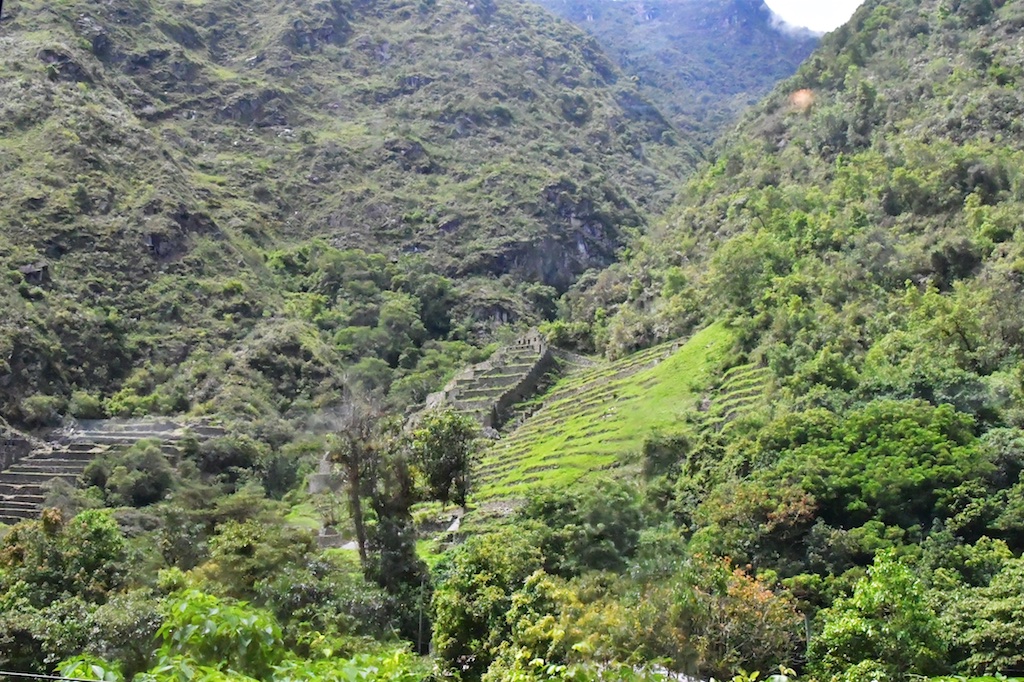
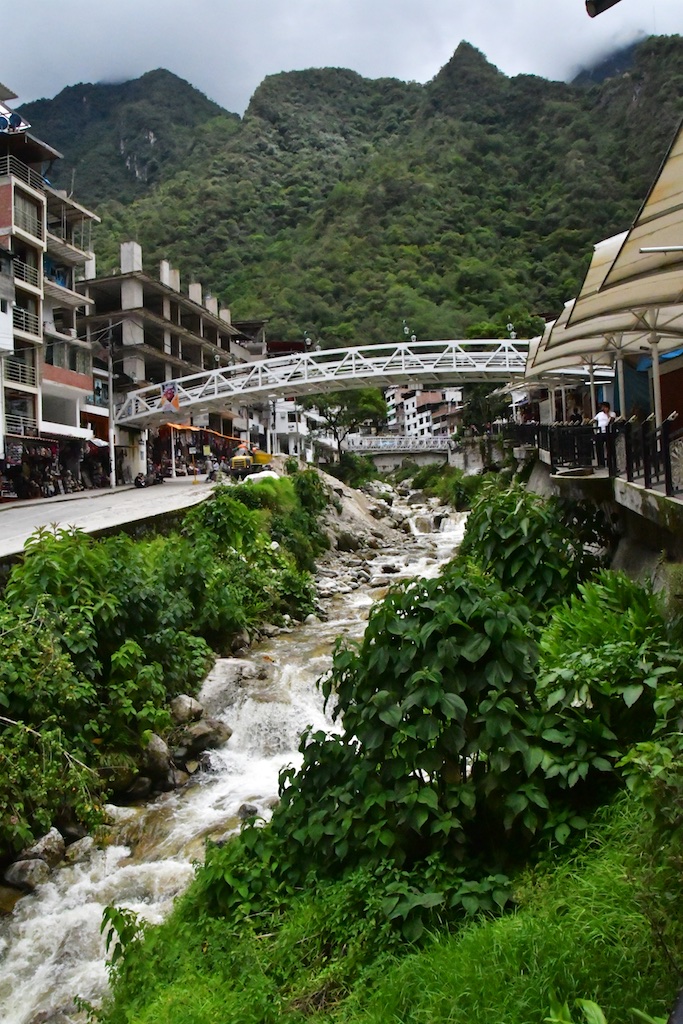
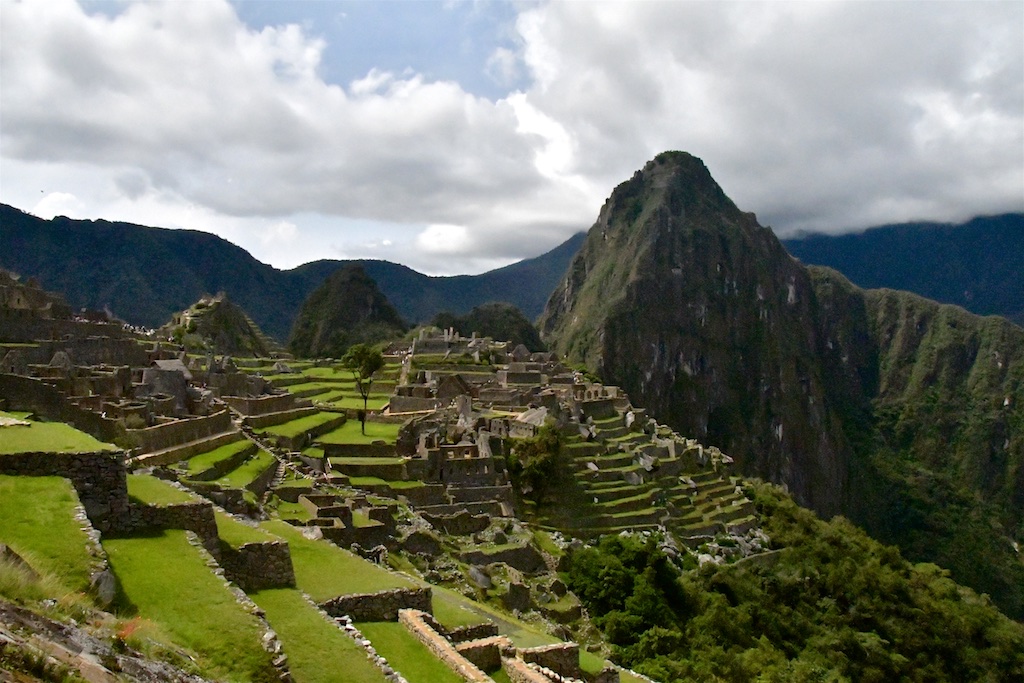
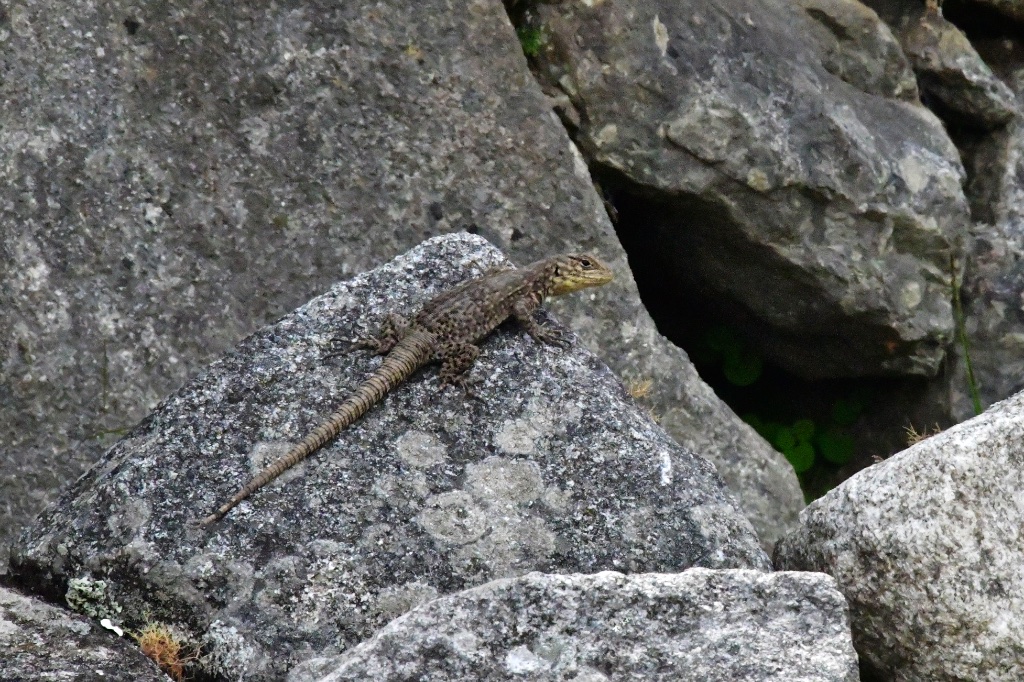
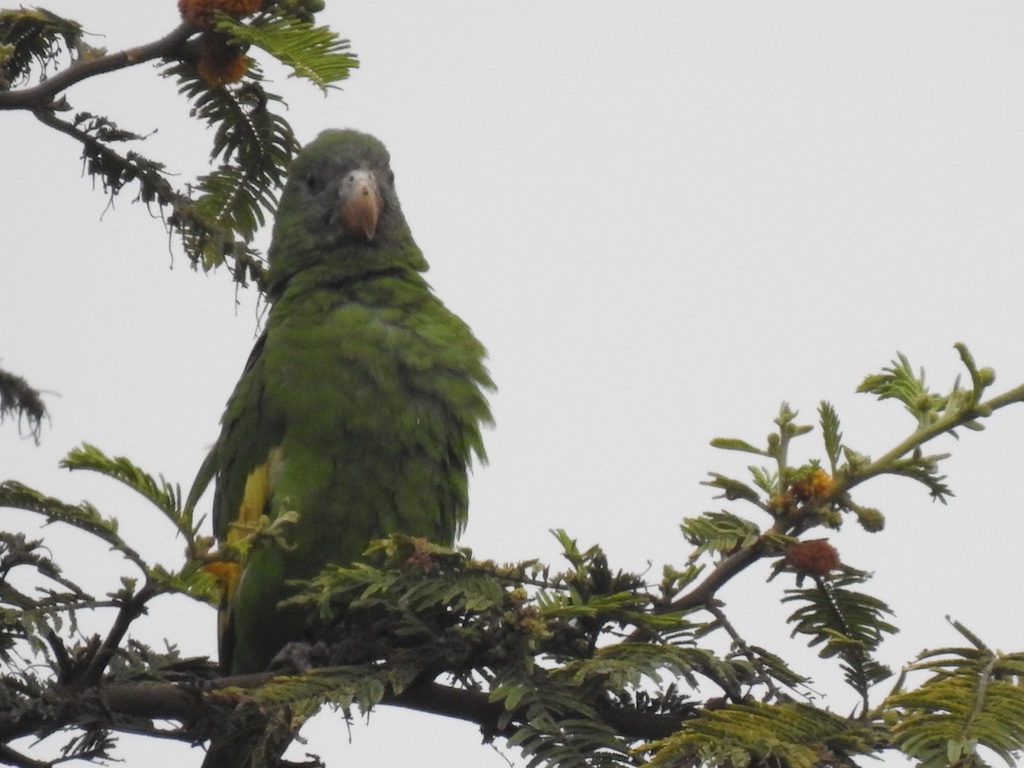
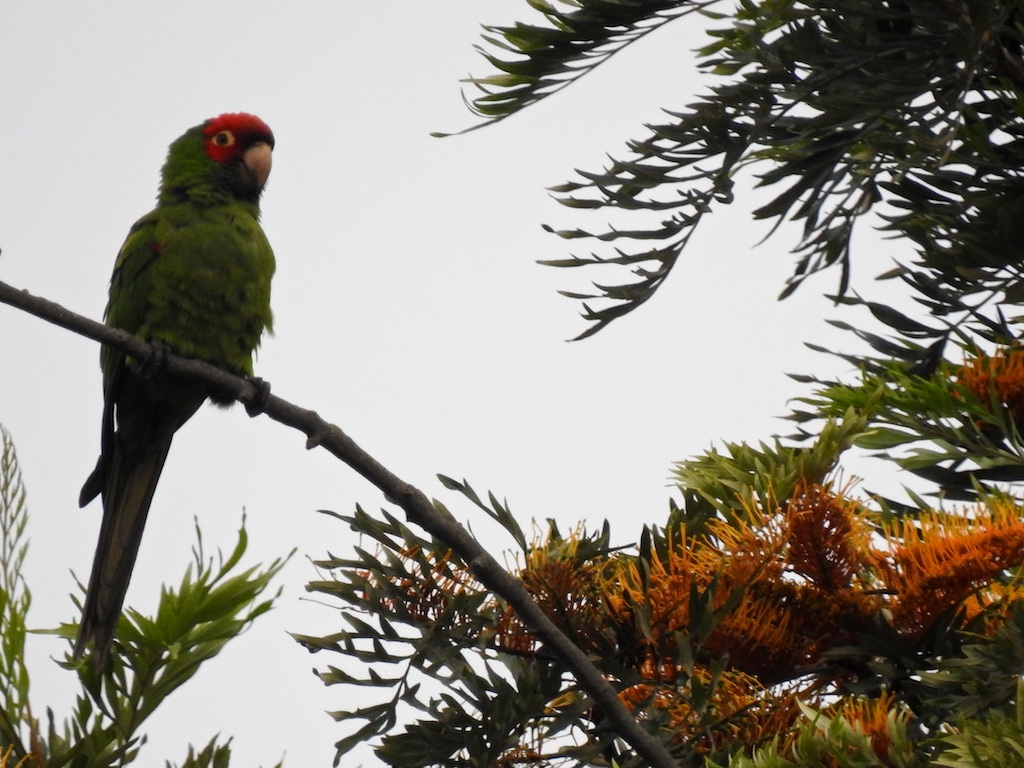
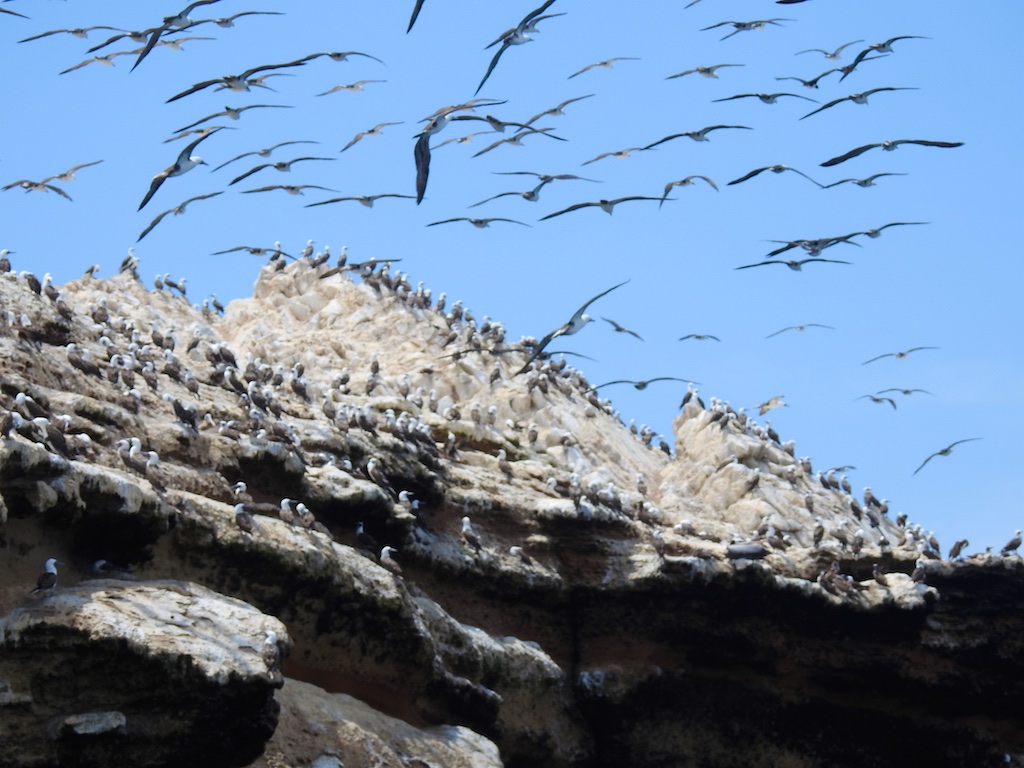
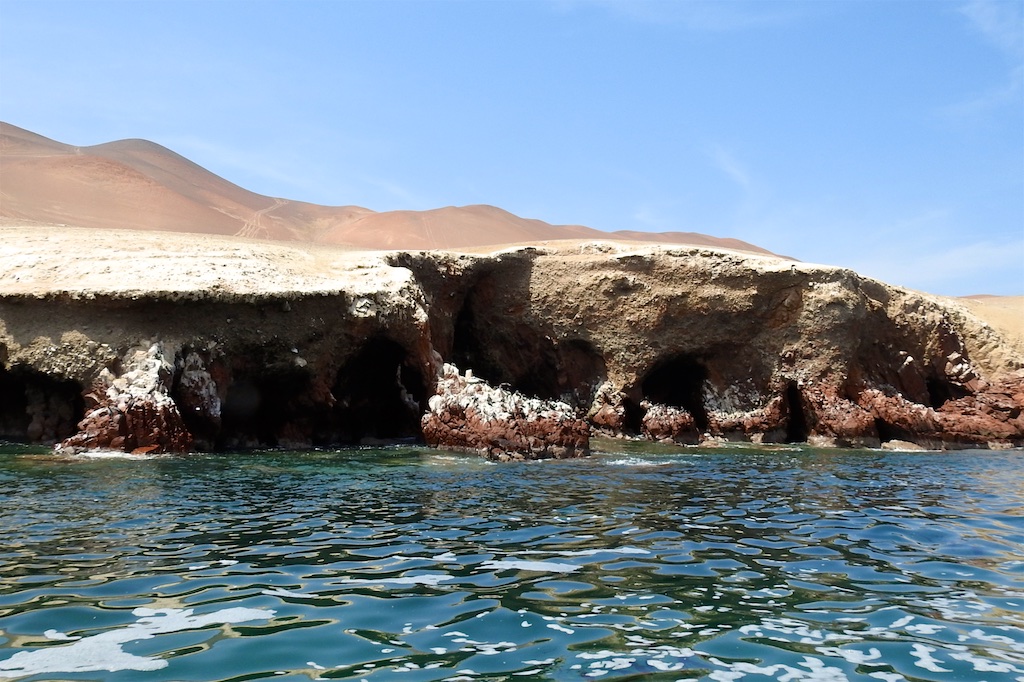
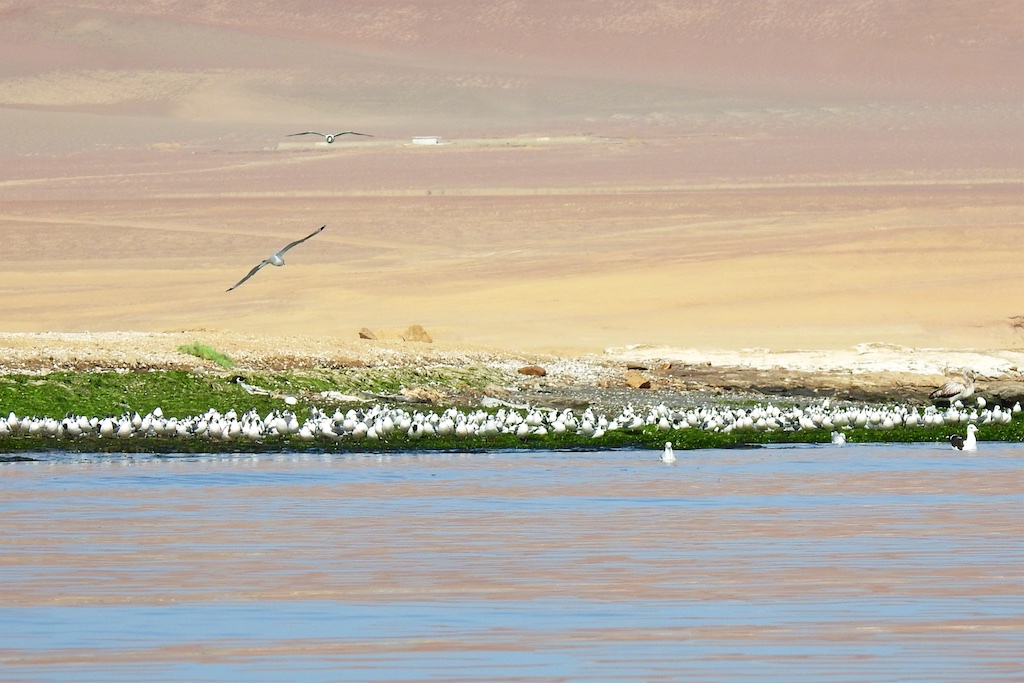
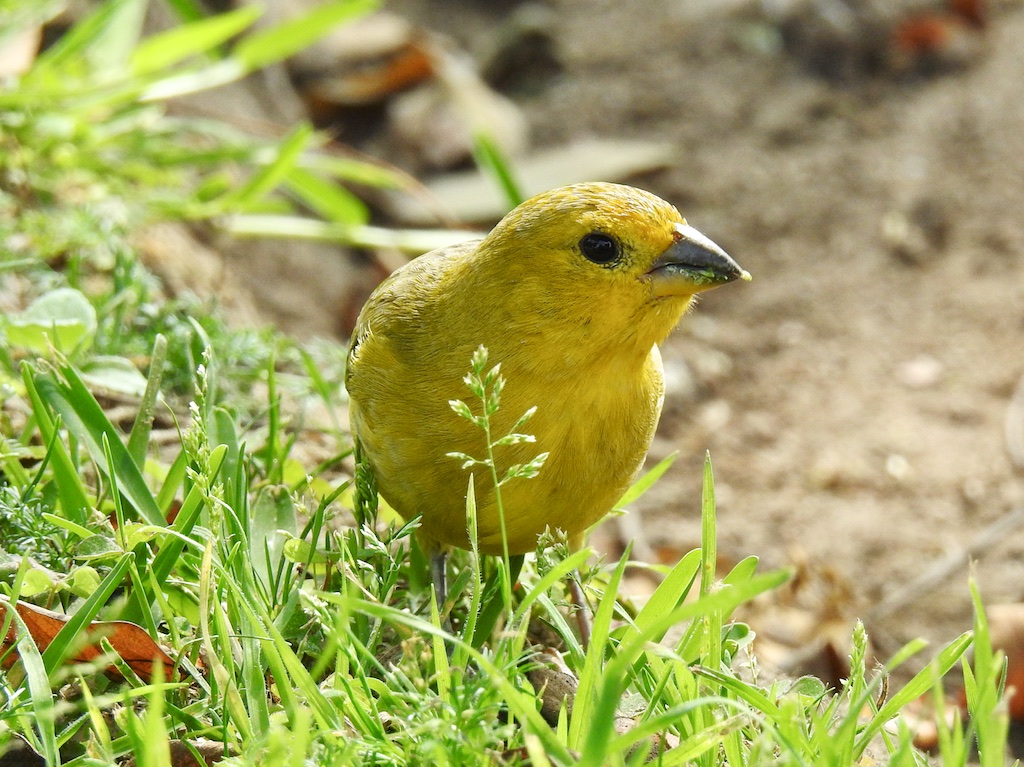
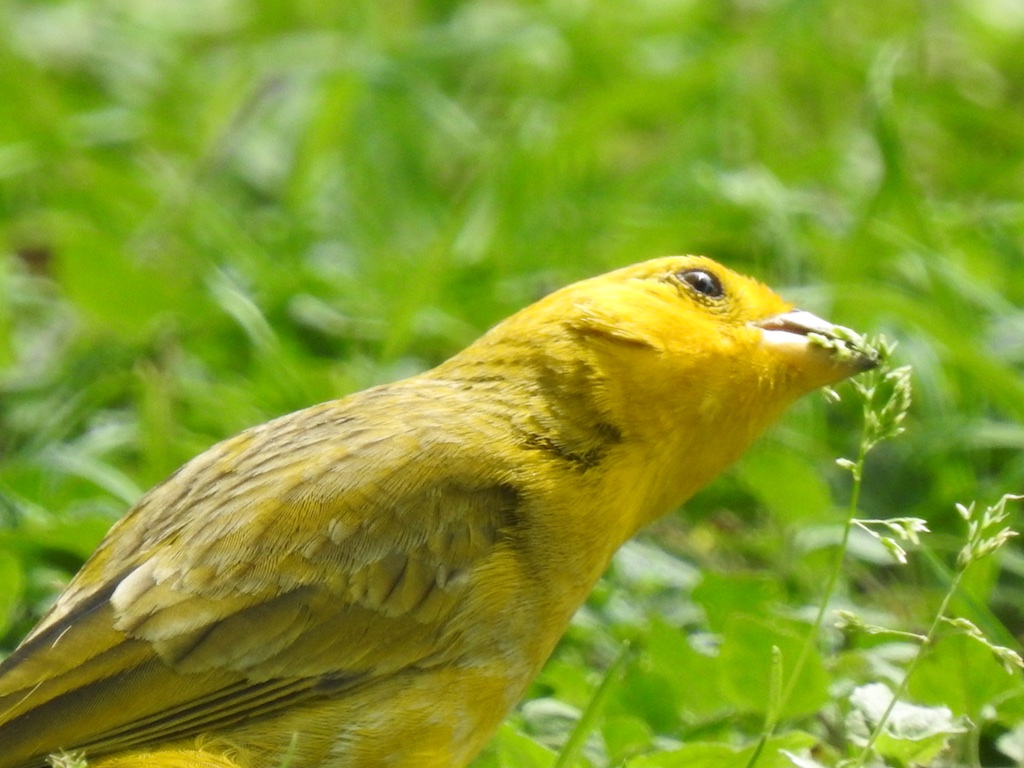
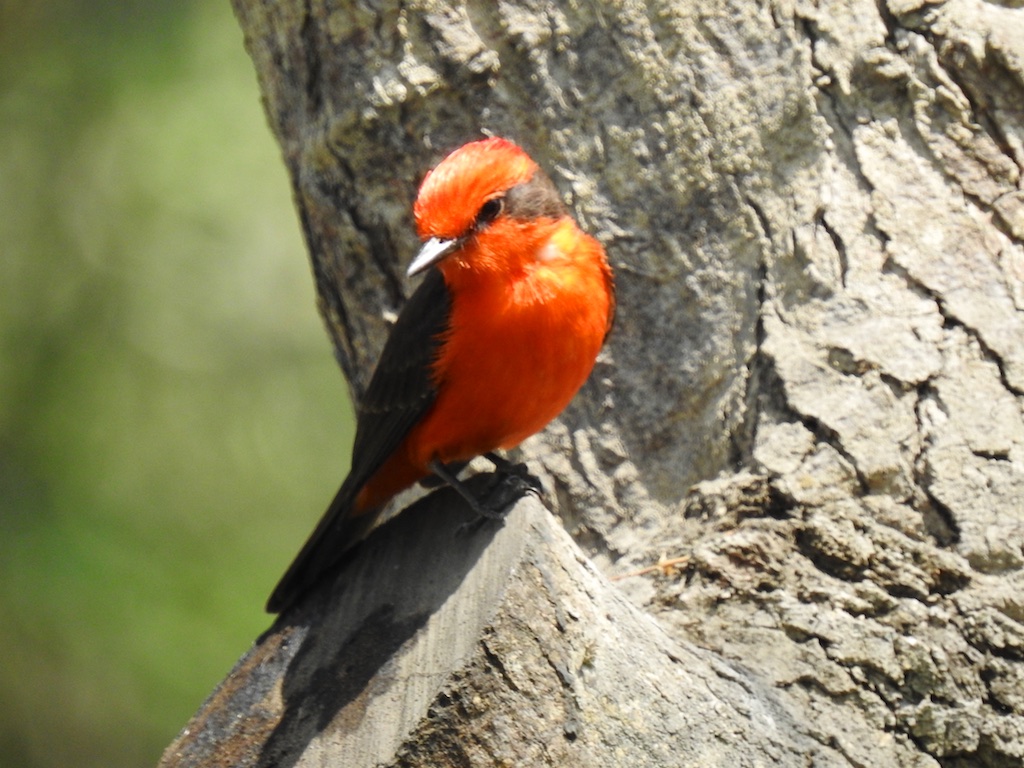
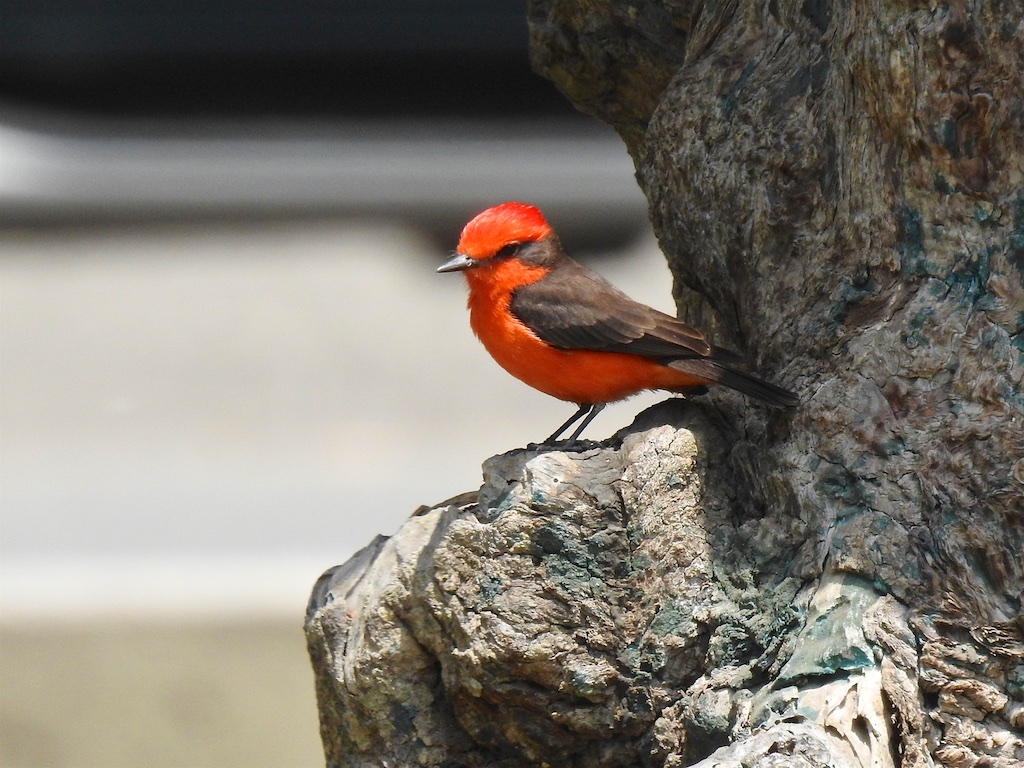
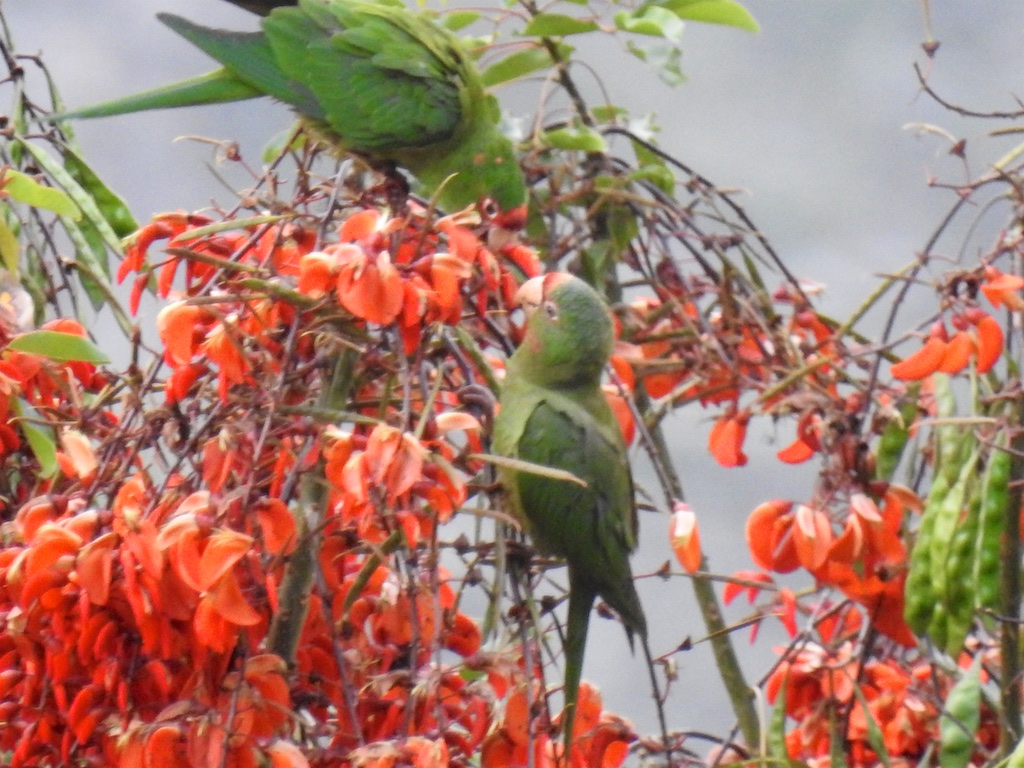
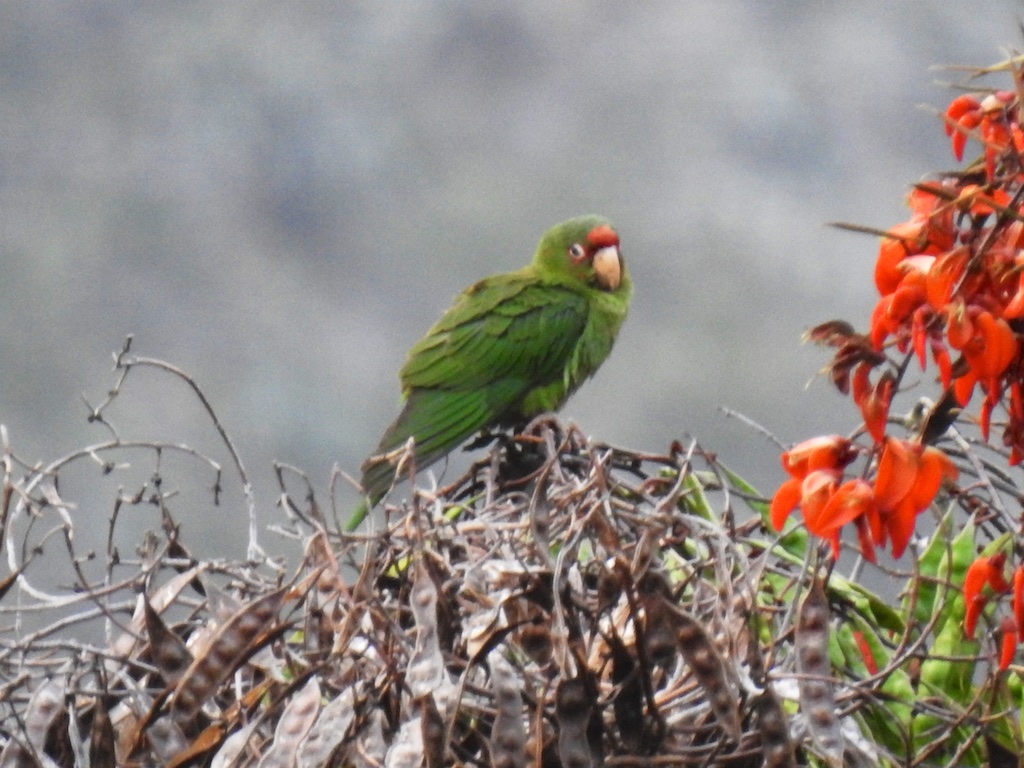
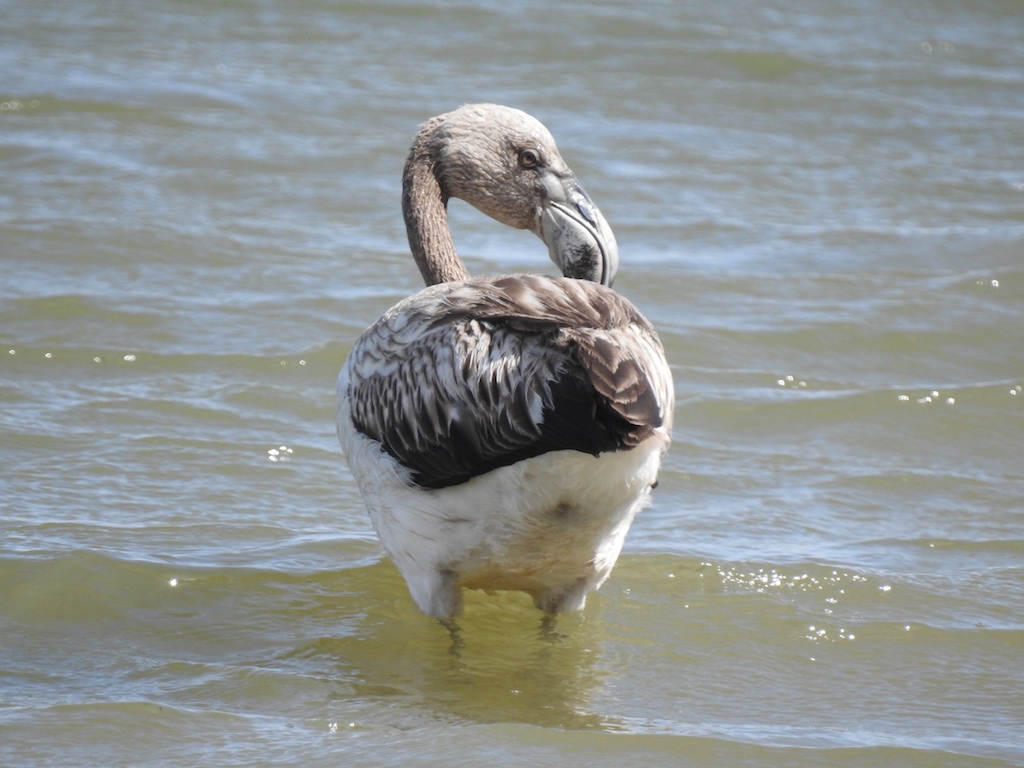
Here are some photos we took with it in Peru.
For a fairly small, fairly cheap, handheld those are really pretty amazing. For us it’s a great second camera. There’s a lot the D500 will handle better, esp. when birds are moving, light is lower, or speed is key to get a shot. But still it’s nice, it’s light, and great when the lighting is friendly, though very rough in poor light. Also the optical viewfinder isn’t good. Haley and I both used the P900 at various points, and for both of us the viewfinder is the biggest drawback this model has. Apparently the P1000 (which has even more zoom) is better, but it’s such a large camera we didn’t want it for travel photography. I thought it might be some kind of larger video camera since it’s a big long tube with the body build around it. Well worth getting your hands on any model camera in person before buying it if you can.
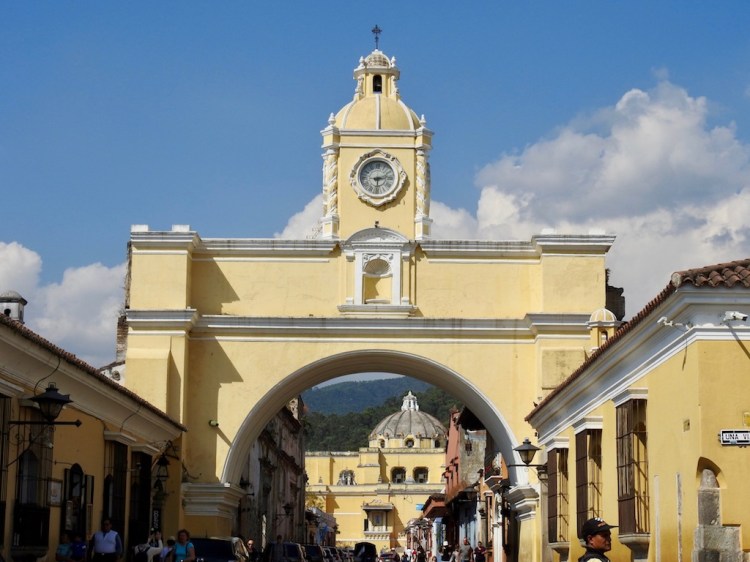
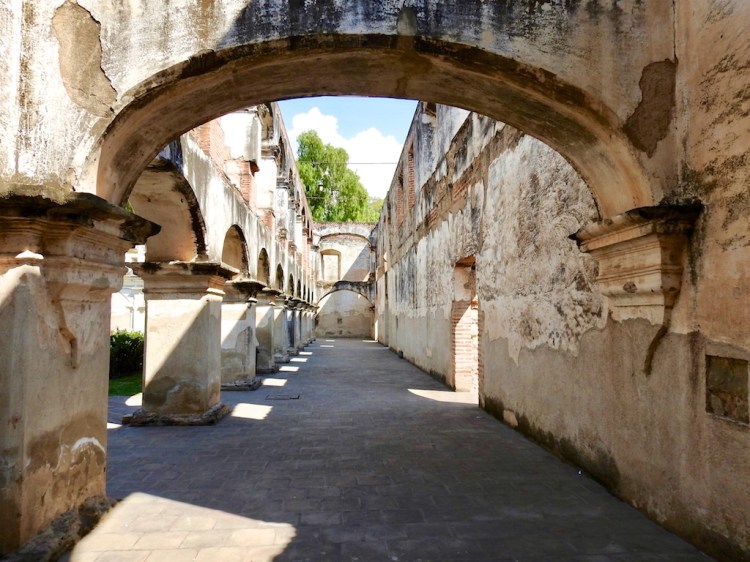
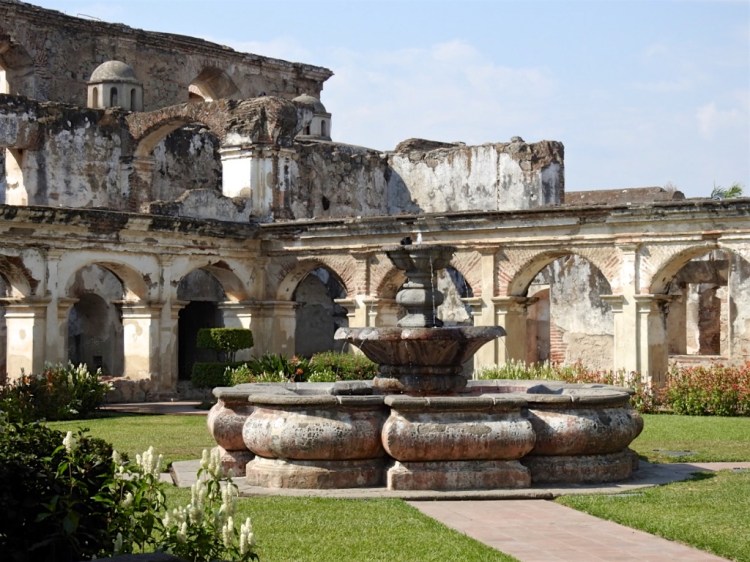
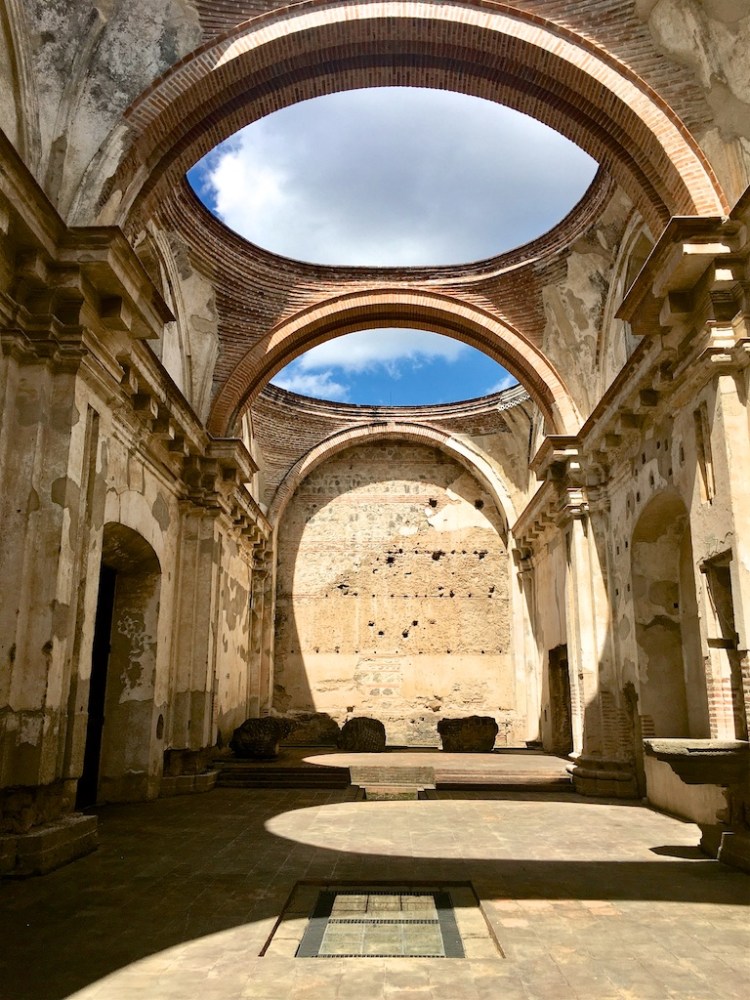
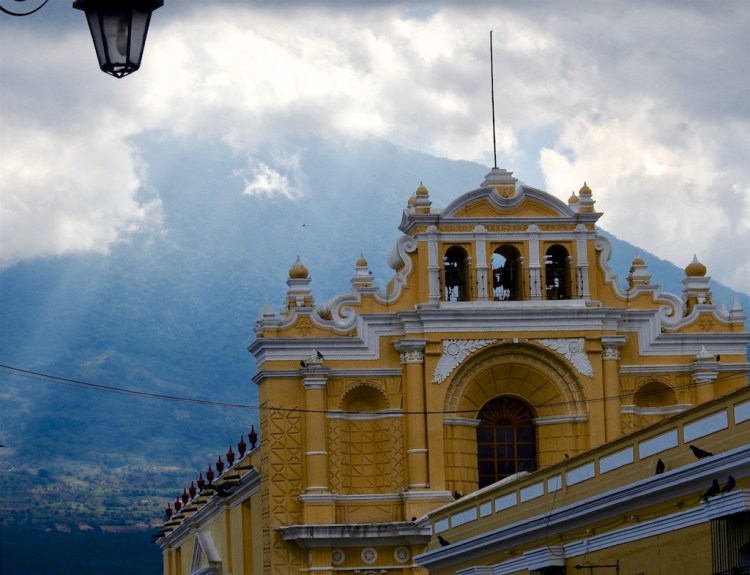
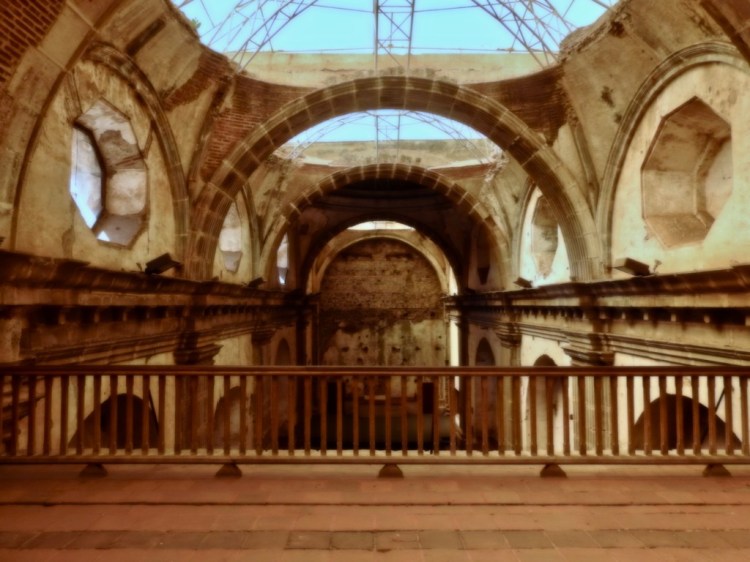
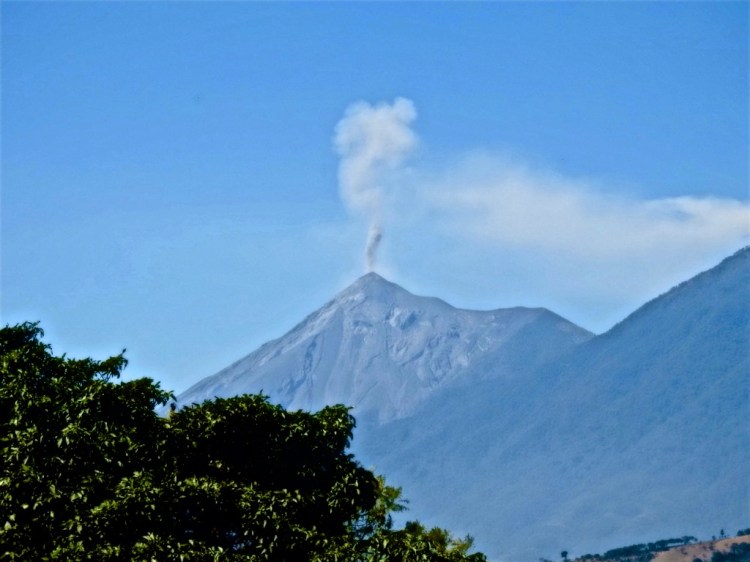
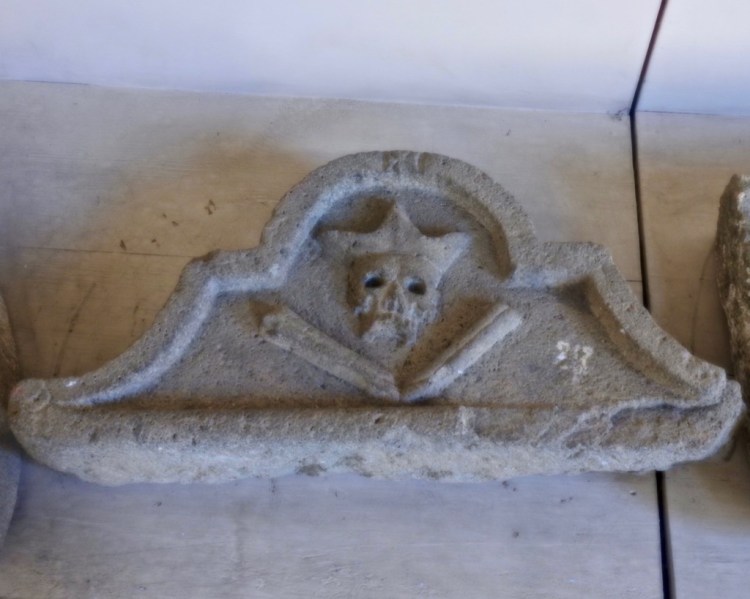
Above is a gallery of photos we took in Antigua with the P900. I could certainly get better shots with a wide lens on the D500, and sharper shots for much of it, but the P900 was really just fine for this stuff and incredibly handy compared to swapping lenses on the D500.
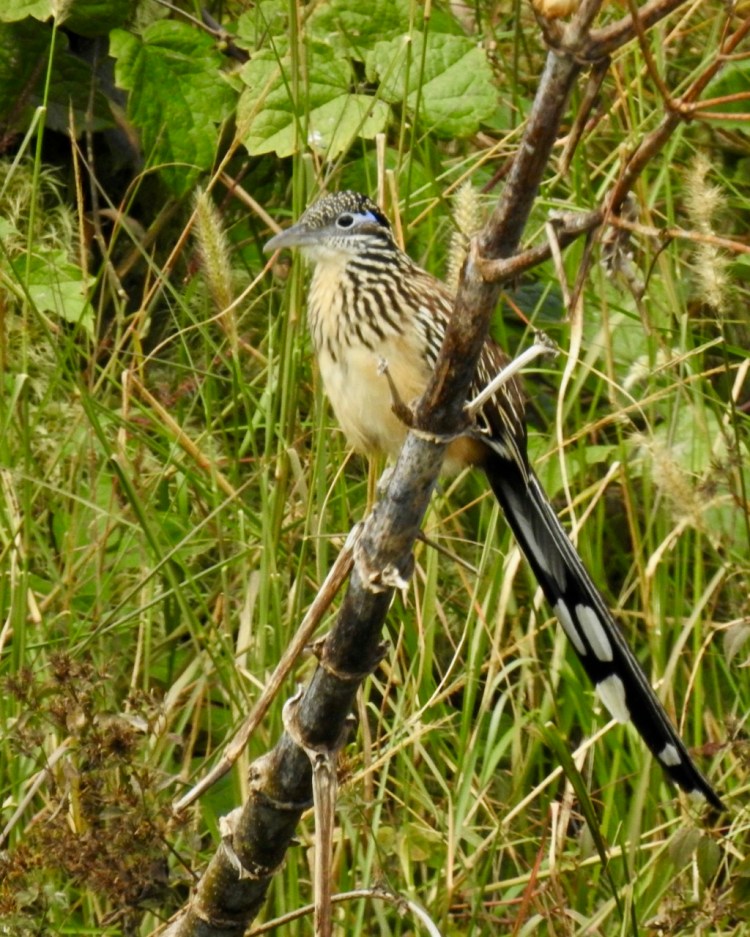
With birds that are way out the autofocus isn’t going to lock optimally. This isn’t National Geographic material, though you can really tell that’s a lesser roadrunner and you have a nice view of the cuckoo spots under the tail.
This camera’s not going to handle indoor lighting well. There are places in broadleaf forests where it’s always going to be too dark for this camera to perform well. You have limited control over the camera’s settings, but generally adequate. “Bird mode” puts you in single point enter focus with shutter and exposure settings that generally work so long as the light’s adequate.
This thing isn’t going to replace the D500. It can lock onto a moving bird in the middle of dark broadleaf forest with rain just starting and still nail the shot. It’s special. But the P900 is good for what it is when the conditions are right.
(Jan 2020 content – we’d gotten back from Peru, were writing about the 2019 trip, didn’t publish this back then, it’s a bit dated now, but we’ll have more to say on learning Spanish so this adds some context)
Once we’d booked the flight, we started planning for Peru. One early thing we did was go to a local Barnes & Noble to take a look at travel guides on Peru. We read through them and liked the Lonely Planet’s Peru travel guide. It was helpful for looking things up in prep for the trip to get a sense of things there and to look up transit inside Peru. We also used to it in Lima to find things to do and get a sense of what was where.
We also looked for what Spanish-English dictionaries, phrasebooks, etc. they might have, though the brick and mortar had nothing I liked.
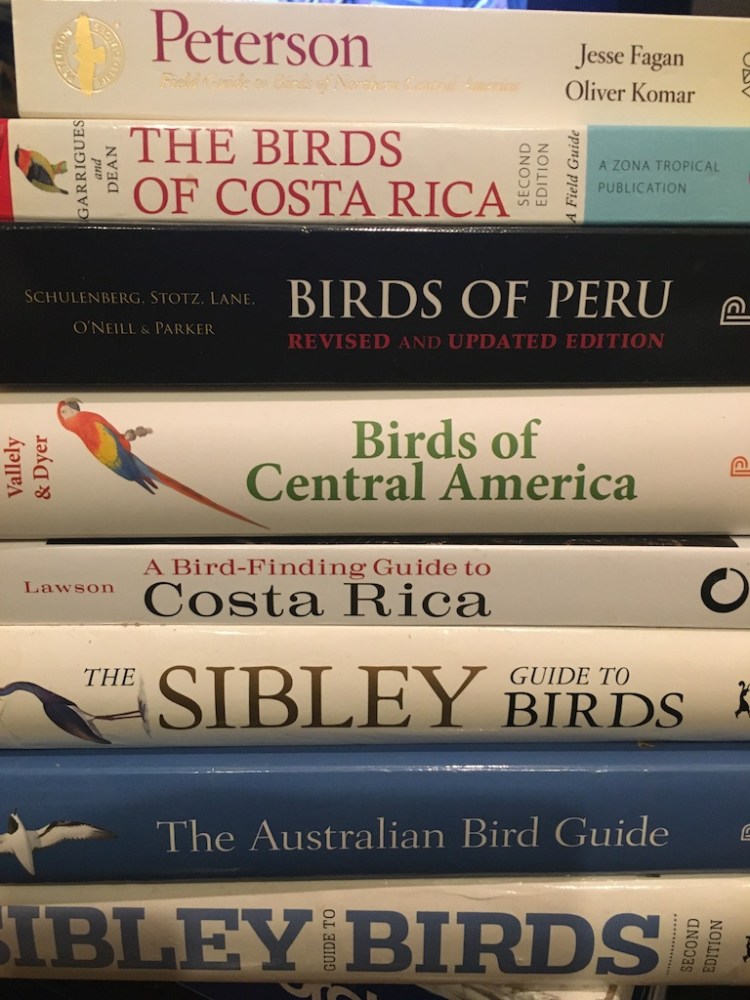
At home we looked up field guides to the birds of Peru, and got a used copy of Princeton Field Guides Birds of Peru which we read through in prep for the trip.
An important book for this trip was a Latin American Spanish phrasebook to use for prep and take on the trip. I’d visited Costa Rica and we managed to drive all over the country in a 4×4 and we were fine, but I am definitely not fluent. At one point in Costa Rica we managed to get a rented 4×4 stuck in the mud, I talked to some locals about our problem and got a solution involving a tractor pulling us free worked out, but I didn’t know the word for mud (which I eventually looked up – “barro”).
We decided we wanted a paper book for this trip. We were in areas with very limited network, so no online tools were reliable. We ultimately bought the Lonely Planet Latin American Spanish Phrasebook and Dictionary online and that thing has been worth it’s weight in gold.
The book’s good – helped sort out the important vocab quickly, offer phrased (of varying utility, but many helpful), and it has a small but nice dictionary in the back.
I read and reviewed relevant sections of the book before the trip for prep, on air/bus/train travel, hotels, restaurants and other utility vocab./phrases to work into working memory. I reviewed before the trip and also during transit times or other down times. I hadn’t spoken Spanish in a couple years and was far from fluent then, so I had to work a lot in. I read bits and pieces of the dictionary as well just to look things up when I wondered about vocab. The book worked well for this.
I studied four years of Spanish in high school, and in college studied Greek and Latin with bits of French and German. This kind of background meant that I have a fair proficiency with reading Spanish, but learning to understand spoken Spanish by ear is really hard.
Part of my prep for ear training was listening to Latin music, and listening to/watching Spanish language media. Before the trip I watched a fair amount of Maria La Del Barrio with Spanish subtitles. This helped catch up on vocab more and work on listening skills. Also on the bus from Pisco to Lima Wallace and Gromit: Curse of the Were-Rabbit came on with Spanish voice acting and Spanish subtitles. That turned out to be a great show for immersion. (Iron Man II which was on earlier was less effective). I also listened to Latin music, though it’s likely Tito Puente’s latin jazz instrumentals didn’t really solidify my Spanish much.
Since the trip we watched The Muppets in Spanish which was great, and also interesting since the Latin American Spanish voiceover and the Latin American Spanish subtitles didn’t match.
I did Duolingo every day for a couple months leading up to the trip to keep basic language exercises running and help good enough vobab in working memory. It’s probably not the best language teaching app, but it’s adequate and helpful for reinforcing core vocab and reinforcing basic idioms. Since then I’ve kept it up and daily practice really is key.
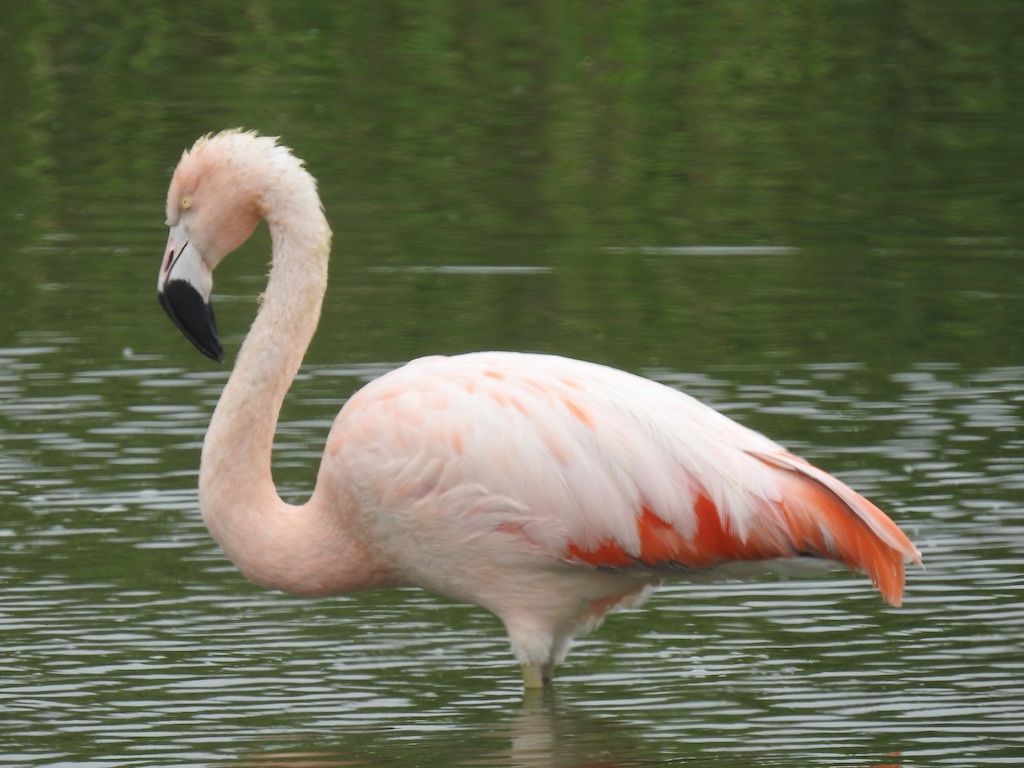
Immersion really is the a great way to exercise auditory processing of a language, so this trip was also an opportunity to work on improving Spanish listening/comprehension skills. During the time spent in Peru I practiced where I could, and the immersion really did help a lot to reinforce learning. On the ride to the airport on the way home from Peru I chatted with the driver about the things we’d done like seeing penguins and flamingos on the coast, and how I really liked meeting people who spoke Quechua and he told me about the protections of pre-hispanic languages and cultures in their constitution, and we talked a bit about Aymara and Quechua.
My Spanish skills improved, though I was motivated to improve and thus spent time studying in prep. Learning some Spanish before visiting a Latin American country helps ease getting through customs/airports/train stations, etc. It’s also helpful in getting better food, and helps for finding interesting spots to visit on the ground. It’s really nice to be able to just chat with locals about birds and wildlife, it’s pretty common to find people who really do love seeing their local wildlife, and it’s honestly just nice to be able to tell them in their language how interesting/wonderful/important you find the local ecosystems and wildlife. You also manage better when visiting the little produce stores and so on. If you want to improve in a language, motivation really is important since you need motivation to keep up a practice regimen. The chances of getting really good food, seeing interesting birds/wildlife are easy motivators for me.
You can learn things about areas to look around, get pointers to interesting birds, etc. You also can save money, since stuff catering to anglo tourists can be priced higher than things marketed to Latin America, esp lodging. It also really is interesting when you get the chance to talk to people who live in other countries.
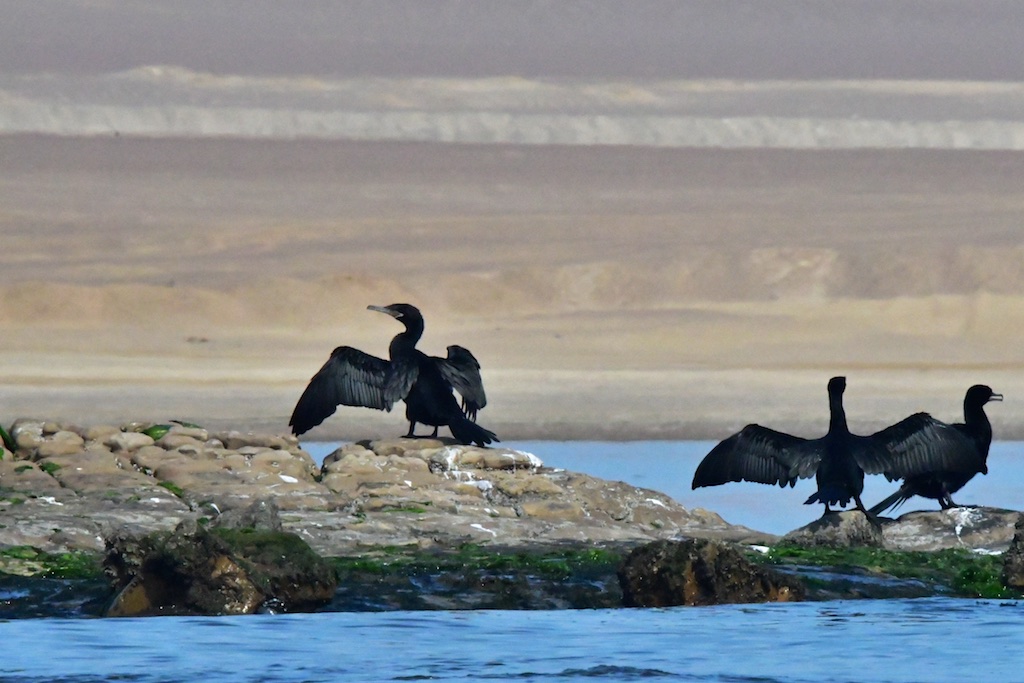
Neotropical cormorants on the coast of Paracas National Park
This is our blog, which is mostly about a pair of naturalists wandering around in various habitats hyperfocusing on them.
We’ll touch on travel, photography, nature, new species we find, cool habitats, cultures of the areas we visit, seeing what indigenous culture and traditions carry on, and also many bird facts sharing trip reports/travel stories about our ecotourism trips, tips, and whatever other excuses we can find to post bird photos and talk about the ecosystems we visit. Even if it’s fun for no one else, it’s me getting to ramble about things I like to ramble about.
We have a flickr photostream here we post highlights to with cool photos. If you are a fan of cool photos you should check it out.
We’re a big fan of citizen science and working at becoming a better citizen scientist. We should be better about posting to iNaturalist, but our iNaturalist account is here.
The general but flexible idea behind this blog is to focus on travel, nature and wildlife photography, amateur naturalism/citizen science, biology, birding, and related things. Over time we’ve worked out ways to travel cheap (enough) and keep things affordable (enough) on the ground to visit amazing natural spaces around the globe. We take a lot of nature photos, and will be posting many photos of cool birds and wildlife we find out in nature. We’re based in Austin and have traveled around the US & the world visiting the many ecosystems that make up our world.
Our cast:
Steven: nerd, bird obsessive, researcher, photographer, porter, driver, speaks some Spanish, primary blog author
Haley: nerd, researcher, master of finding cheap flights and working out bookings, photographer, navigator, speaks very little Spanish, blog editor and contributor
We work together as a team pretty well. Driving in a foreign country is much easier with a navigator. Steven’s knowledge of Spanish opens up a lot of opportunities, Haley’s abilities in planning the details of a trip for travel and lodging while keeping things cheap/affordable are amazing.
One of the keys to affordable ecotourism is using points and miles to work out deals on airfare, lodging, rental cars, and related things. One of the best is to grab mistake fares to destinations that sound interesting and then learn about them and take a trip there. We aren’t likely go into a ton of detail on these things but you can learn about them at the FlyerTalk Miles and Points forums. This also means we’re not doing tours or packages and are sparing in hiring guides.
We also both like going out and seeing birds and wildlife in their natural habitats. We love being in nature in general and especially look for places with a lot of wildlife. Getting to go hiking around exploring the worlds parks and protected habitats is great fun. Finding and learning about interesting plants, wildlife, and natural phenomena is a great hobby.
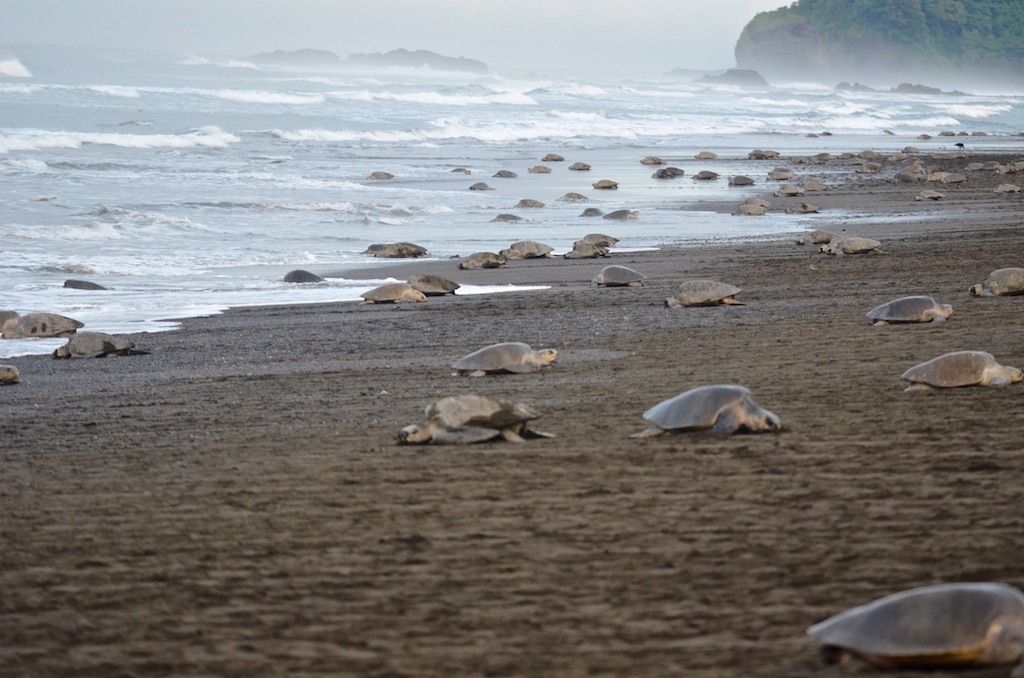
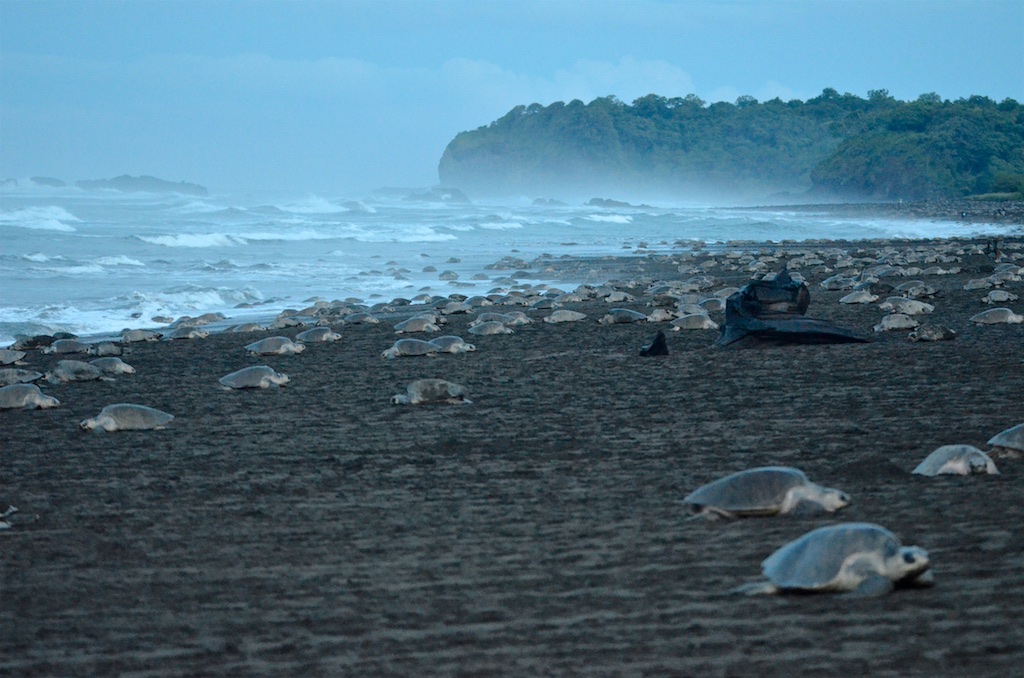
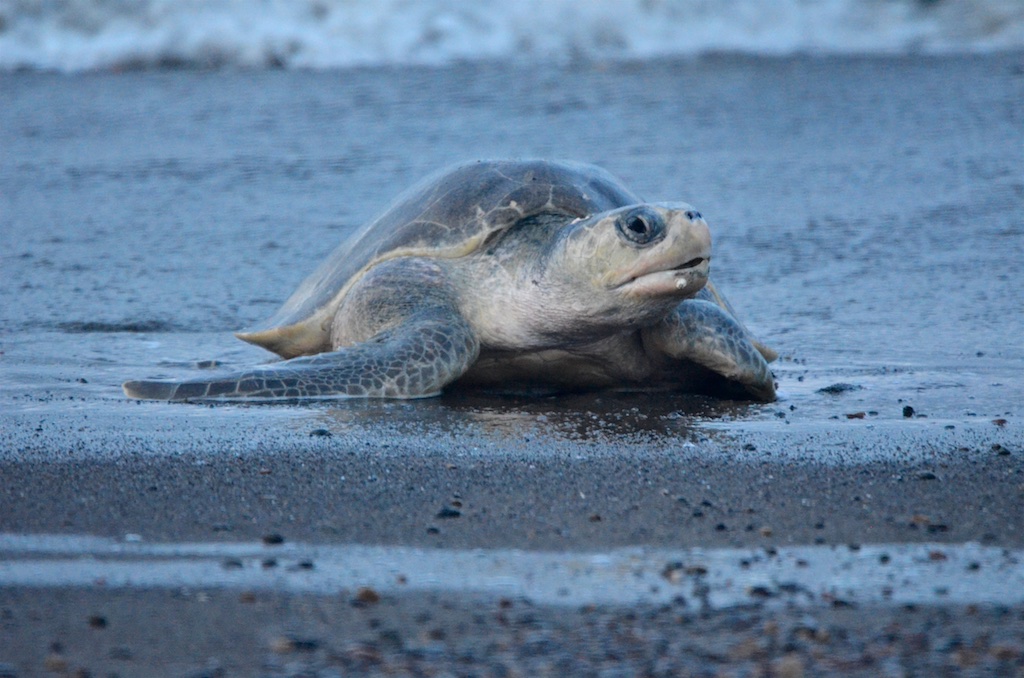
One of the highlights of our travel so far, for both of us, was (carefully and respectfully) seeing the Olive Ridley sea turtles coming ashore to lay their eggs. It was awesome In the original sense of that word.
Olive ridley sea turtles laying eggs in Nosara, Costa Rica
Over time we’ve traveled a fair amount visiting natural habitats and finding wildlife around the globe. We visited Oslo during spring migration, took a trip to Australia, visited Costa Rica, Norway, Greece, Canada, the UK, and elsewhere around the world checking out nature and wildlife. We love getting to see the variety of species of creatures on the Earth in person, and trying to understand the biogeography, natural history, and other things that shape the many different ecosystems around the world. On our blog we’ll be sharing our time visiting the amazing natural places on our planet.
We’re more naturalists than birders. Like a lot of folks, we like to seek out and admire the amazing things in nature and learn about nature. Birds are the ultra-successful inheritors of the legacy of dinosaurs. They’re managed to find a way to live and thrive on every continent in diverse habitats all over the Earth so they’re easy to find and fun to see and learn about, but other animals are always a wonder to see, and the plants and the ecosystem are all really interesting as well.
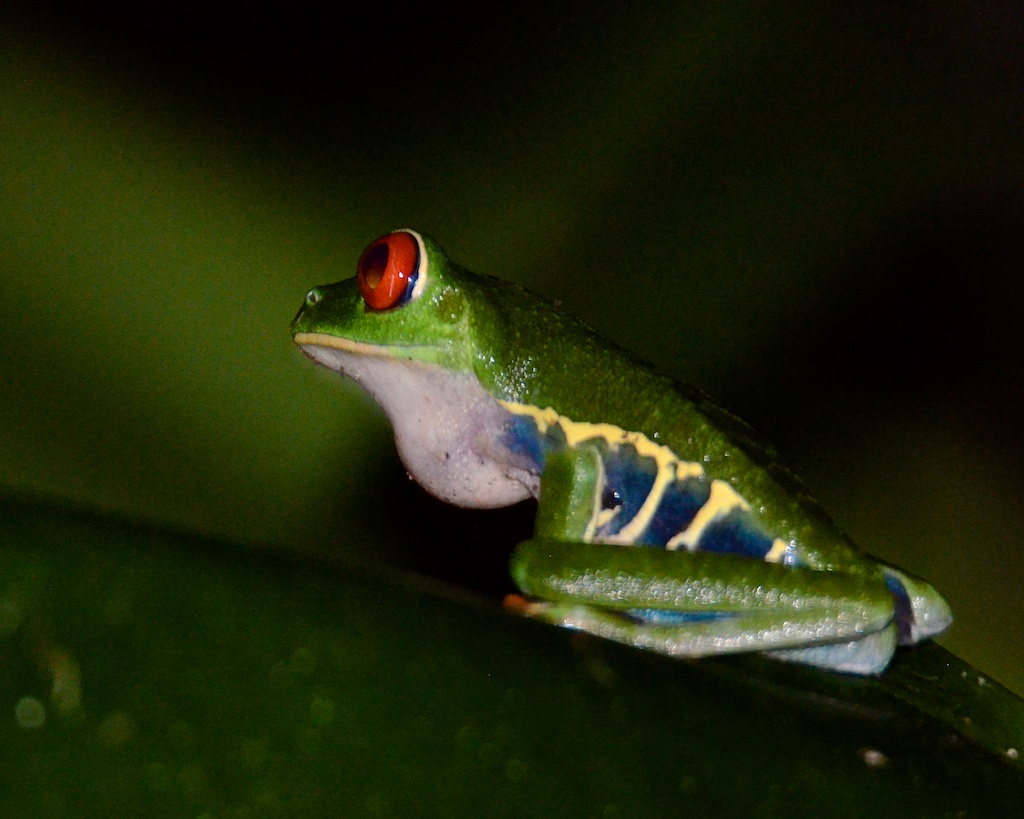
Red-eyed tree frog in CR
We’re a casual naturalist in the sense that we don’t keep carefully curated lists of each species we’ve seen. We’re not going out trying to find rare animals, the common ones are interesting and when uncommon and rare things show up they’re great, but our goal is to enjoy time spent in the wild looking around at wildlife. We don’t keep our bird life list counts up to date. We really do want to use eBird more to contribute to the project but we’re not there yet.
This also applies to photography. We like taking photos of birds and wildlife, and like seeing them as reminders of the different wonderful and sometimes amazing things we’ve seen, and it’s really cool having a way to share the things we find, but the photos aren’t the goal.
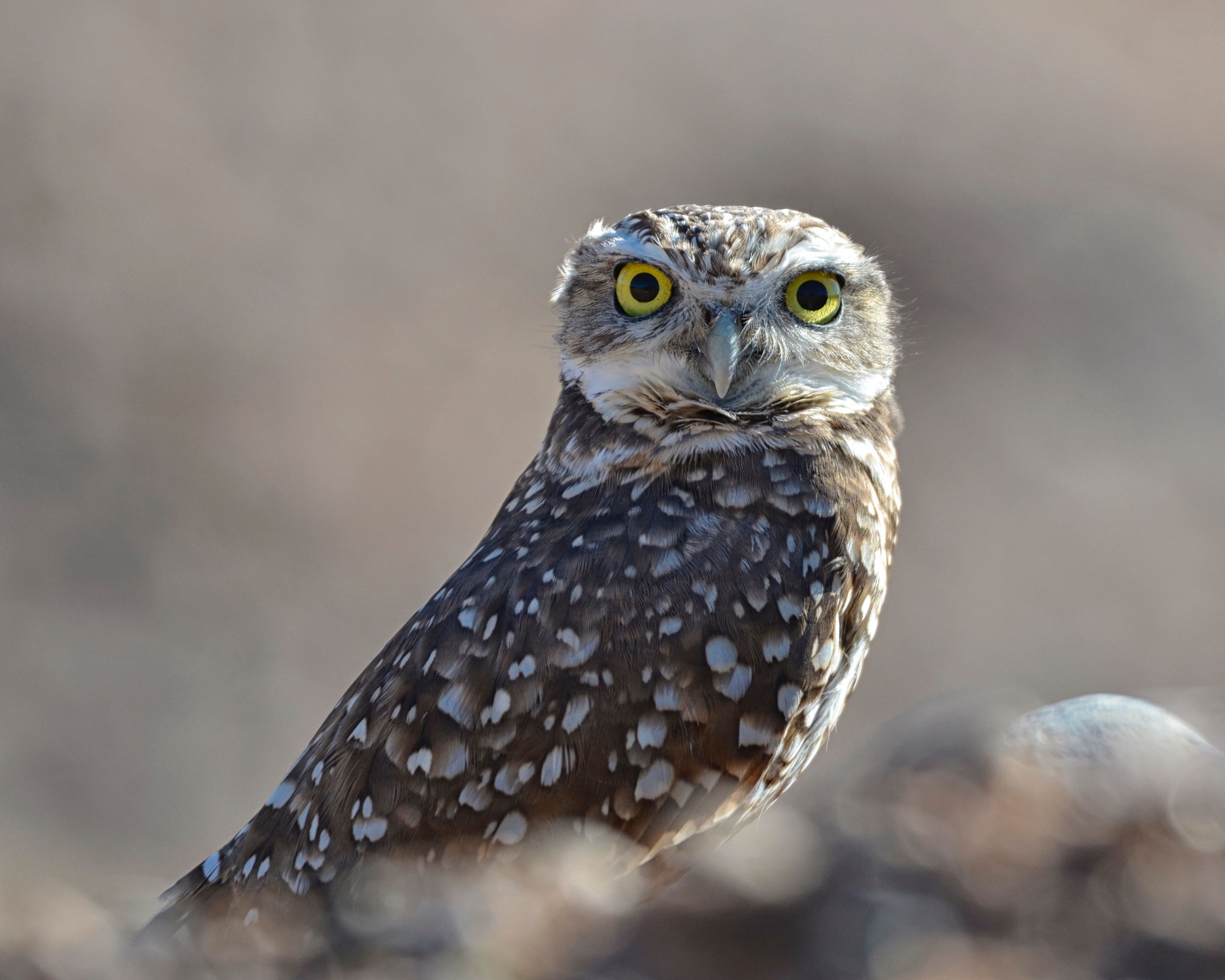
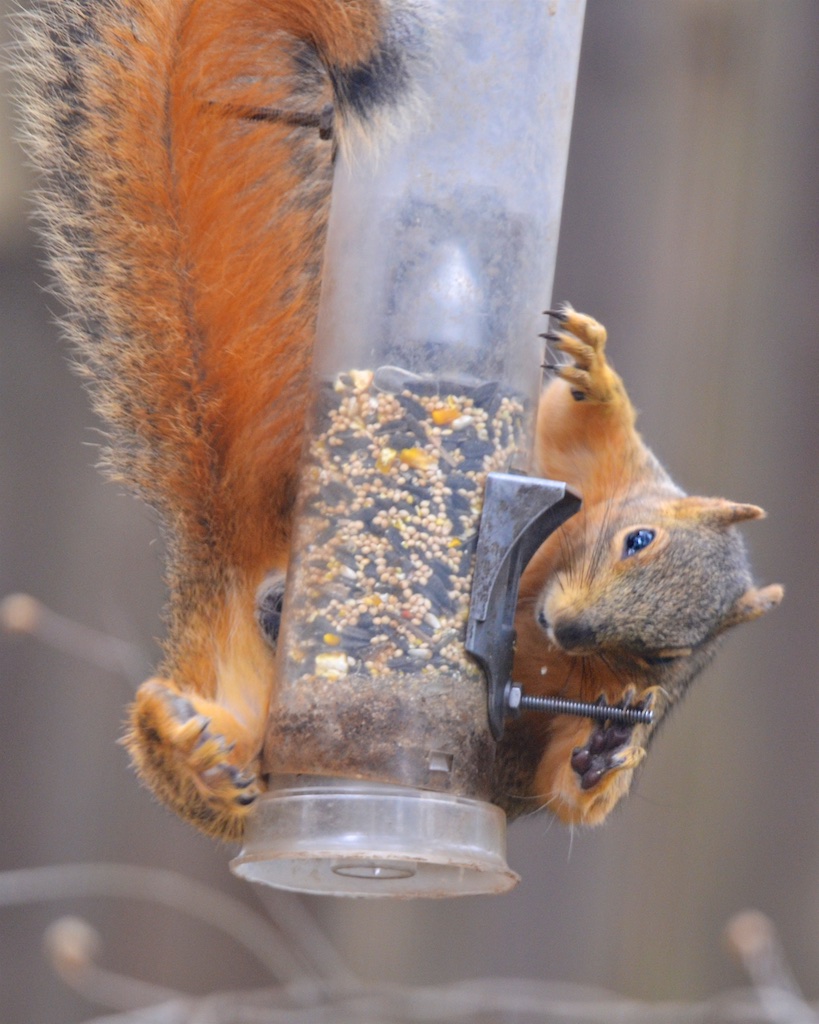
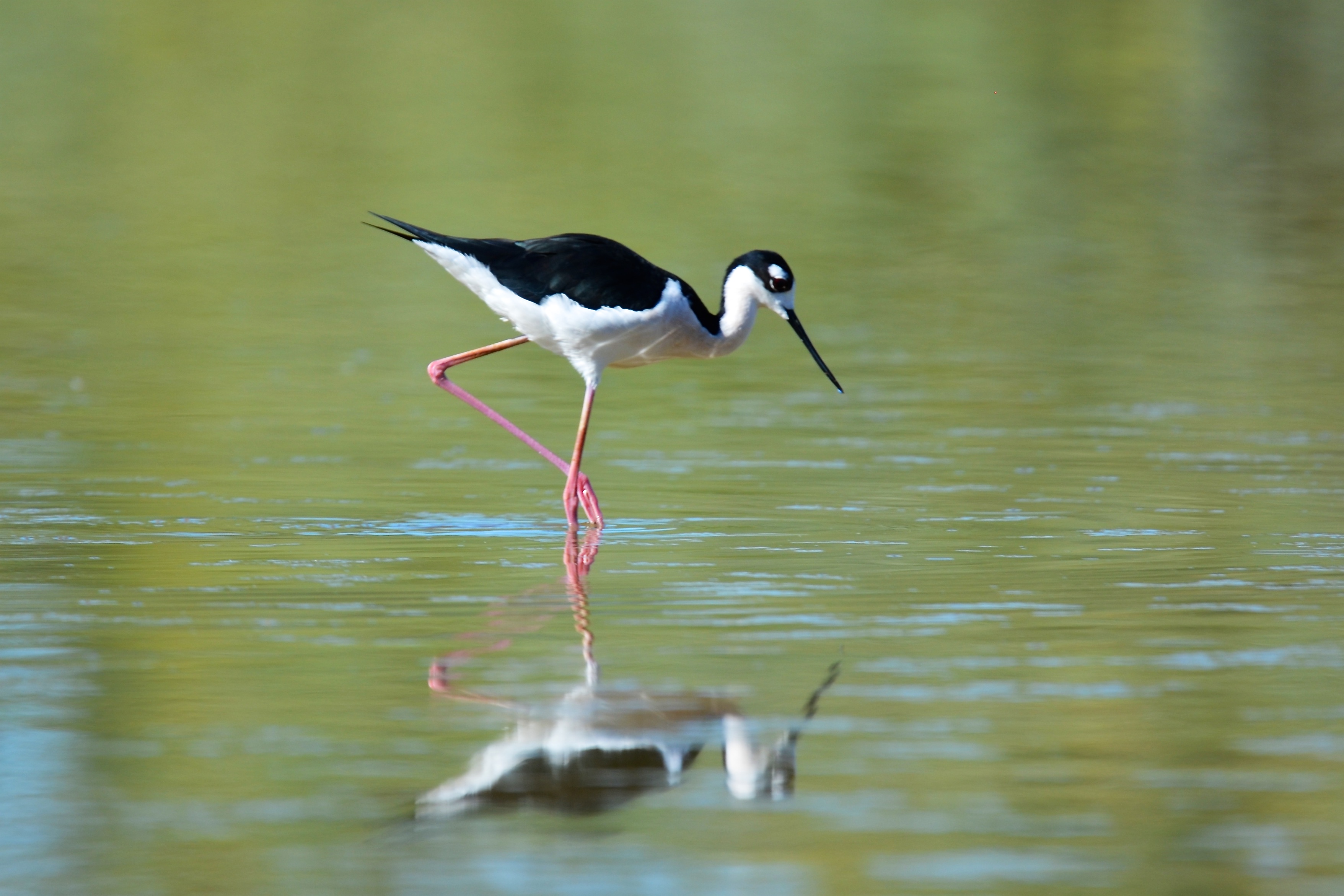
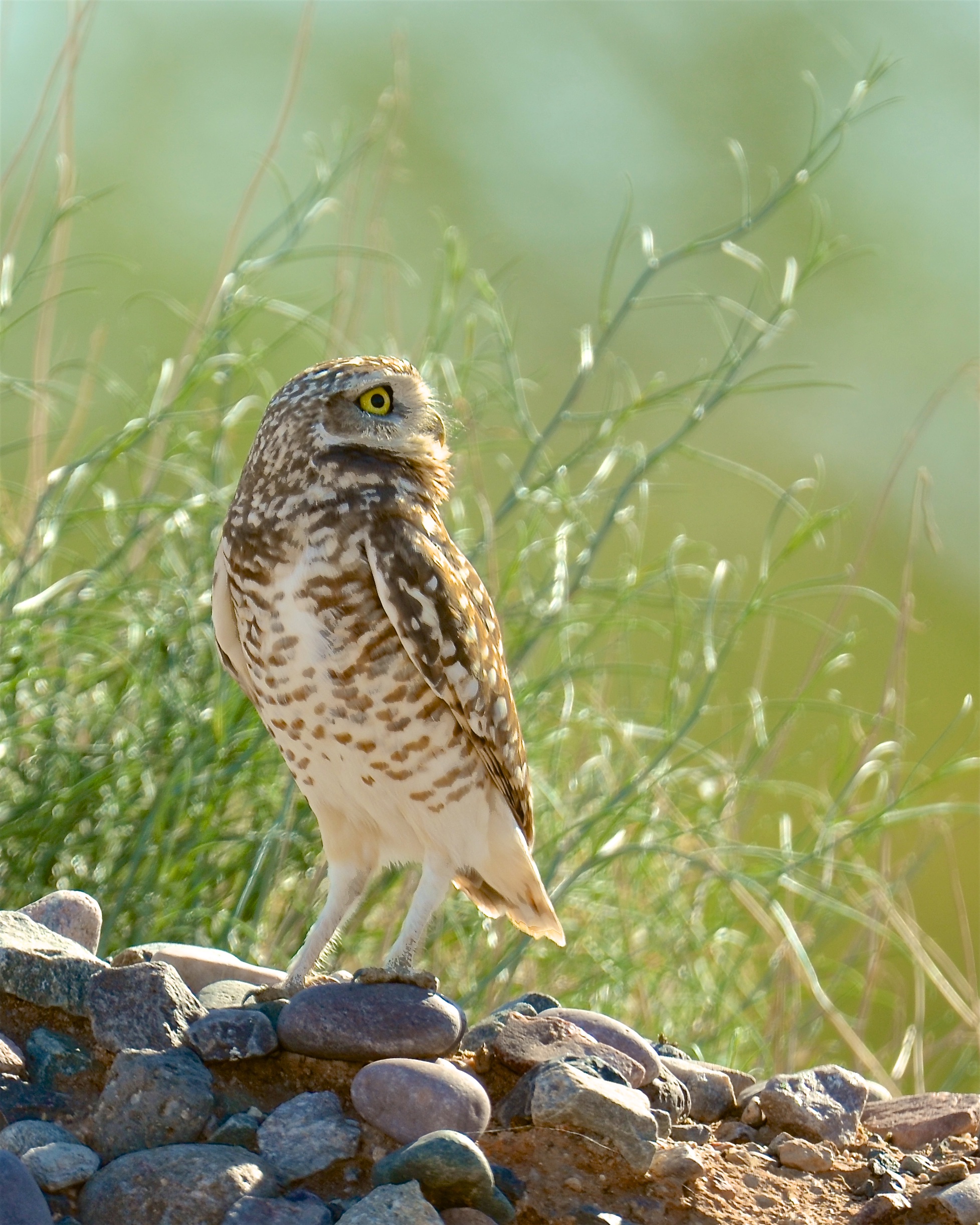
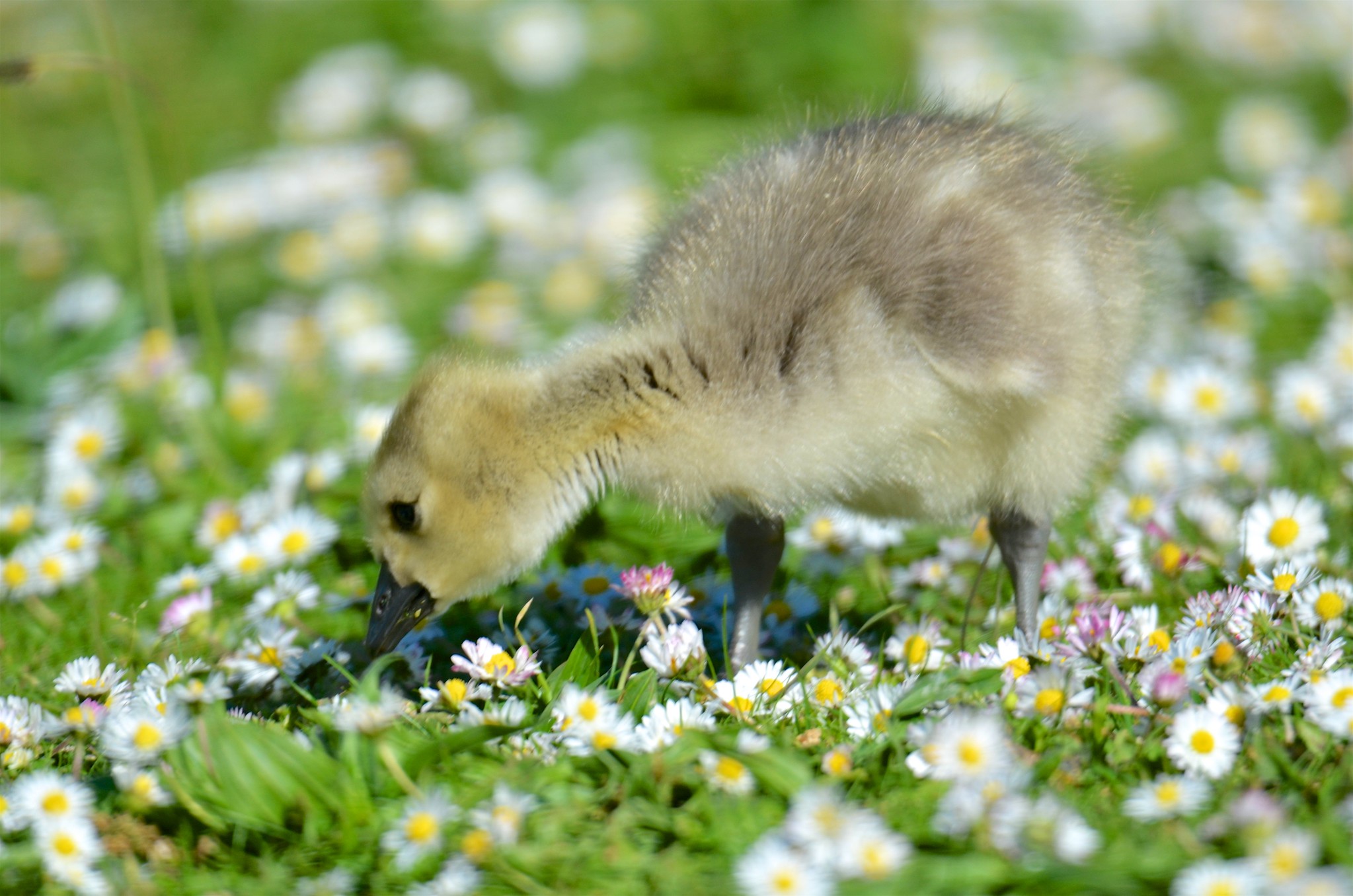
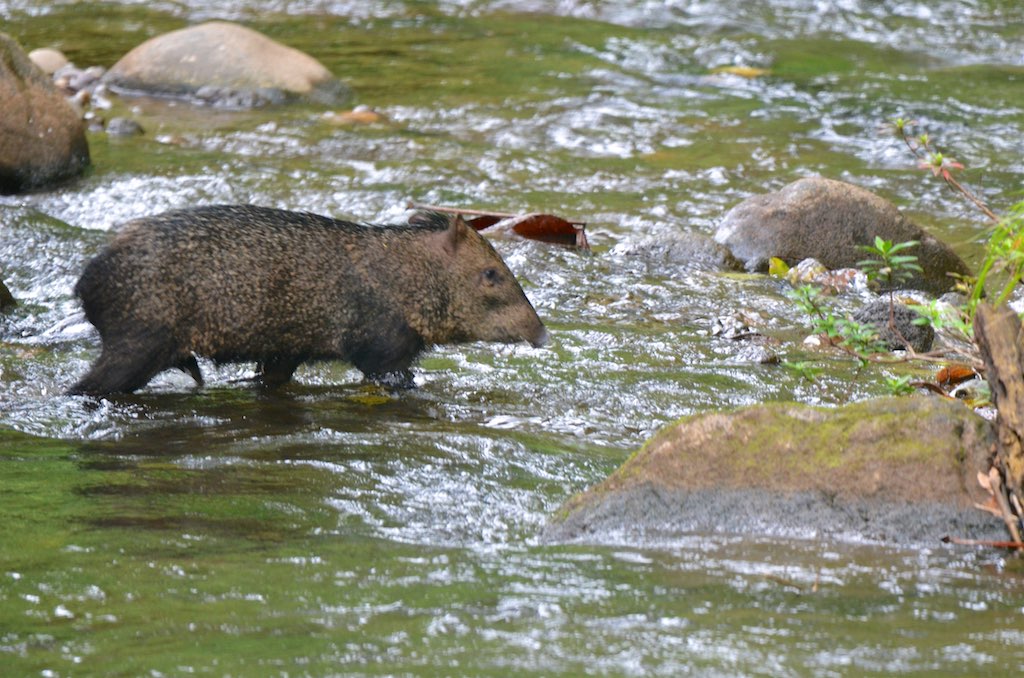
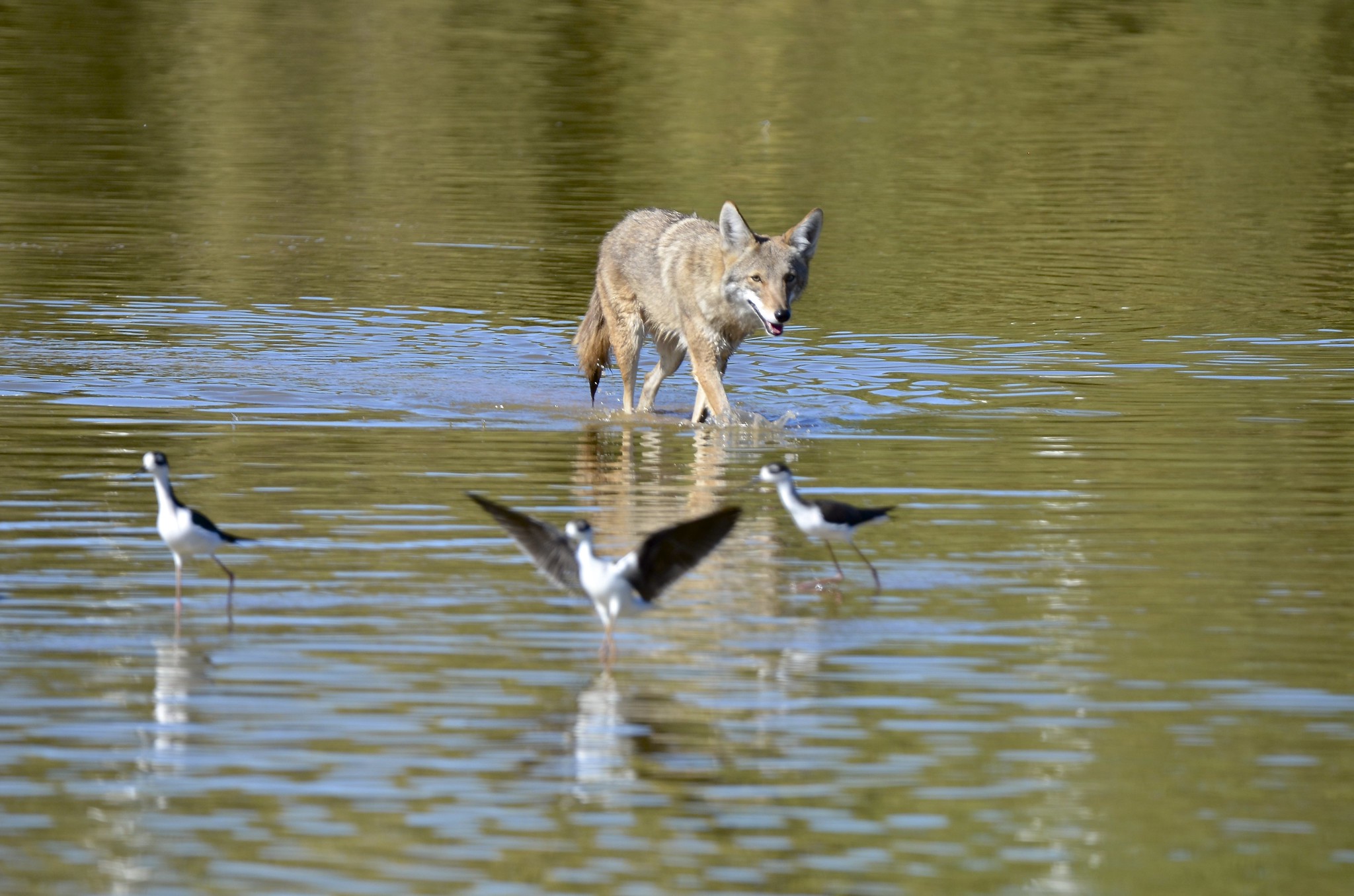
There’s a lot of amazing wildlife out there. The following is a probably far too-long collection of some of our favorite photos we’ve taken of wildlife in nature.
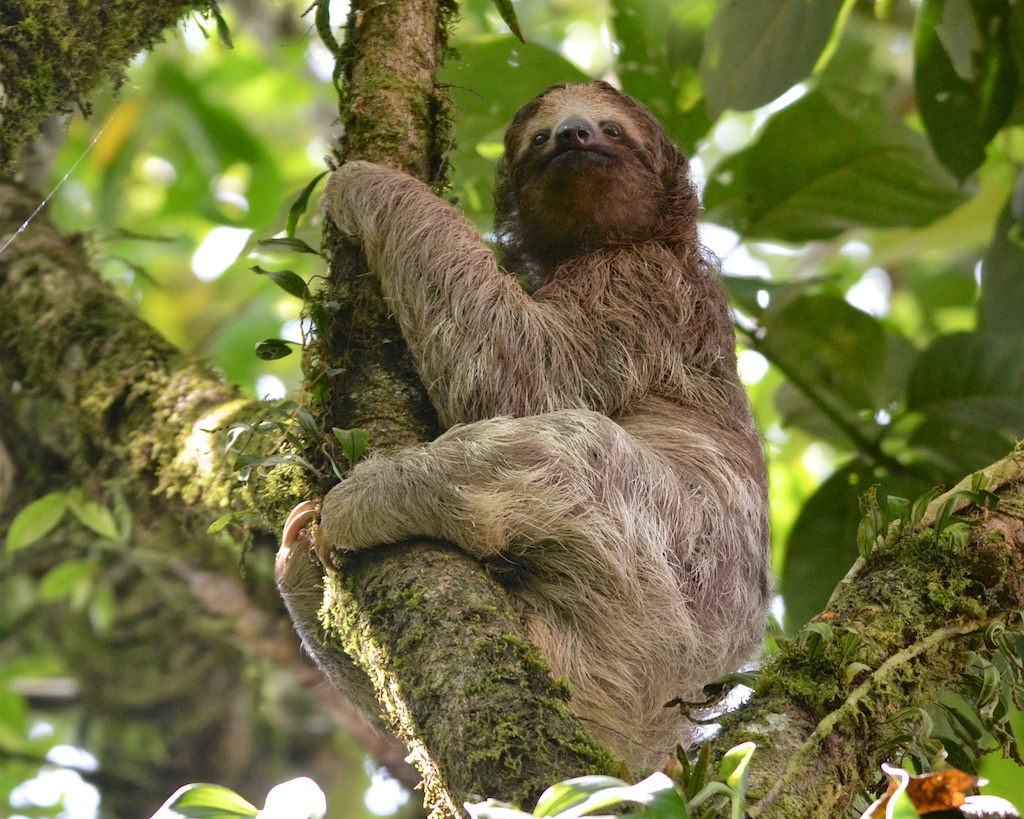
Three toed sloth
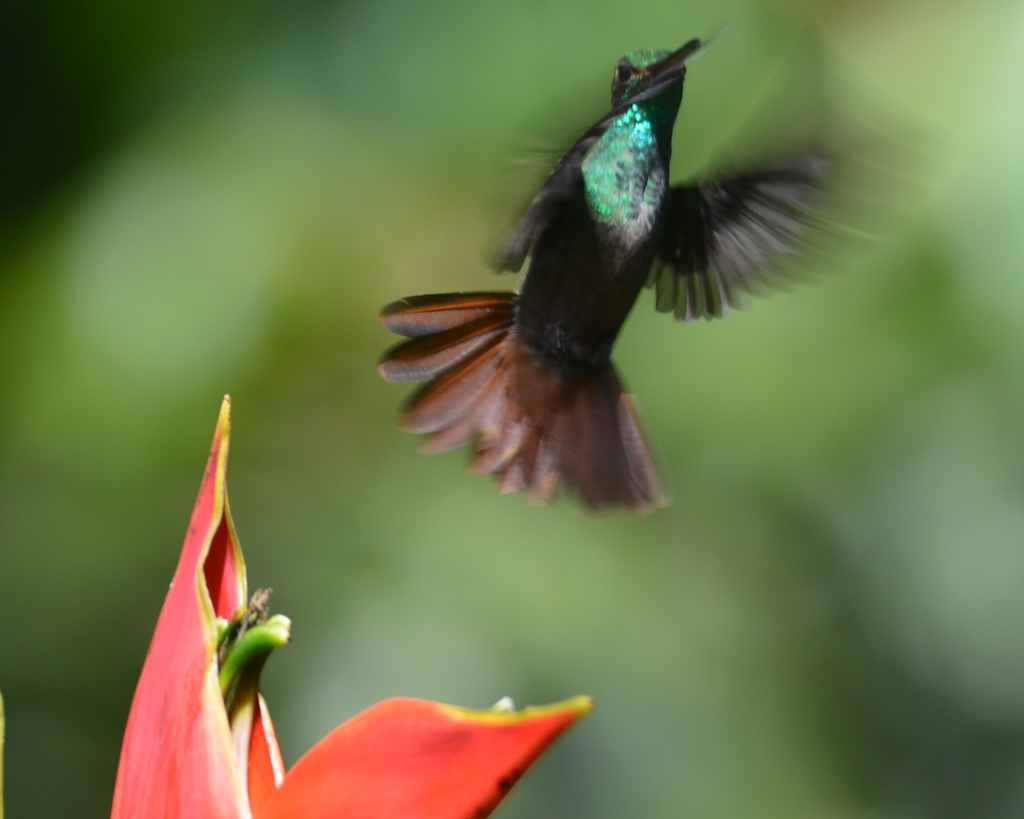
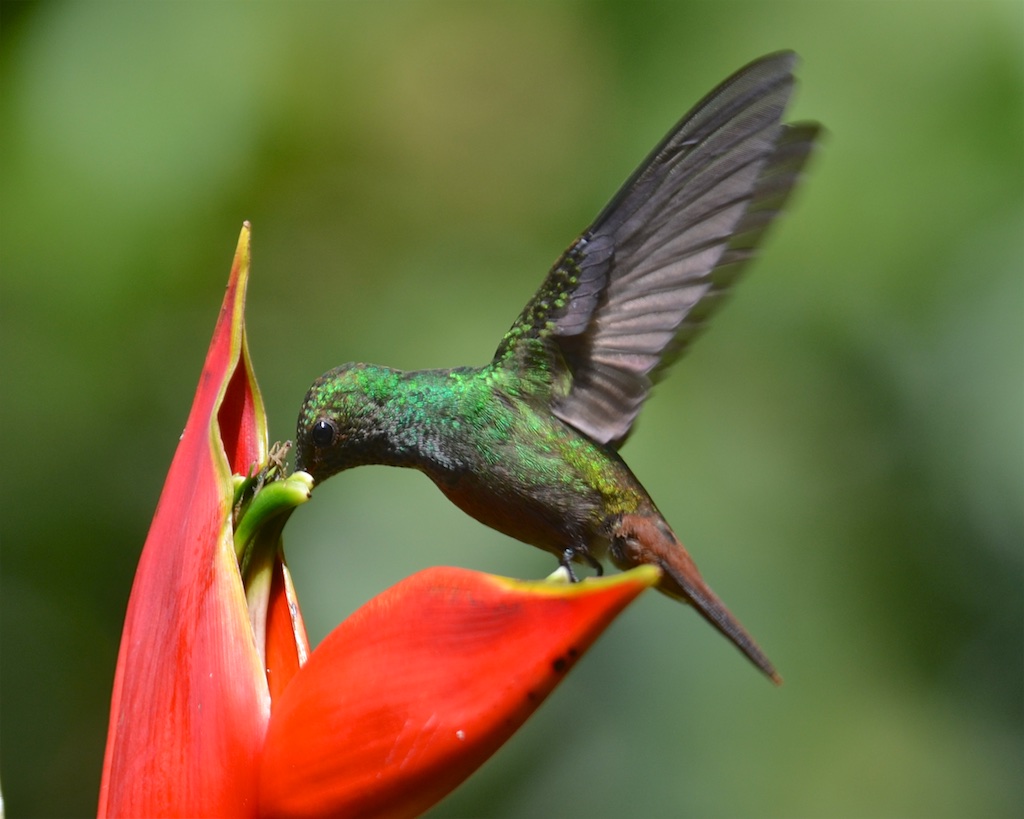
Bronze-tailed Plumeleteer
White-necked Jacobin
Bronze-tailed Plumeleteer
Coppery-headed Emerald
hummingbirds
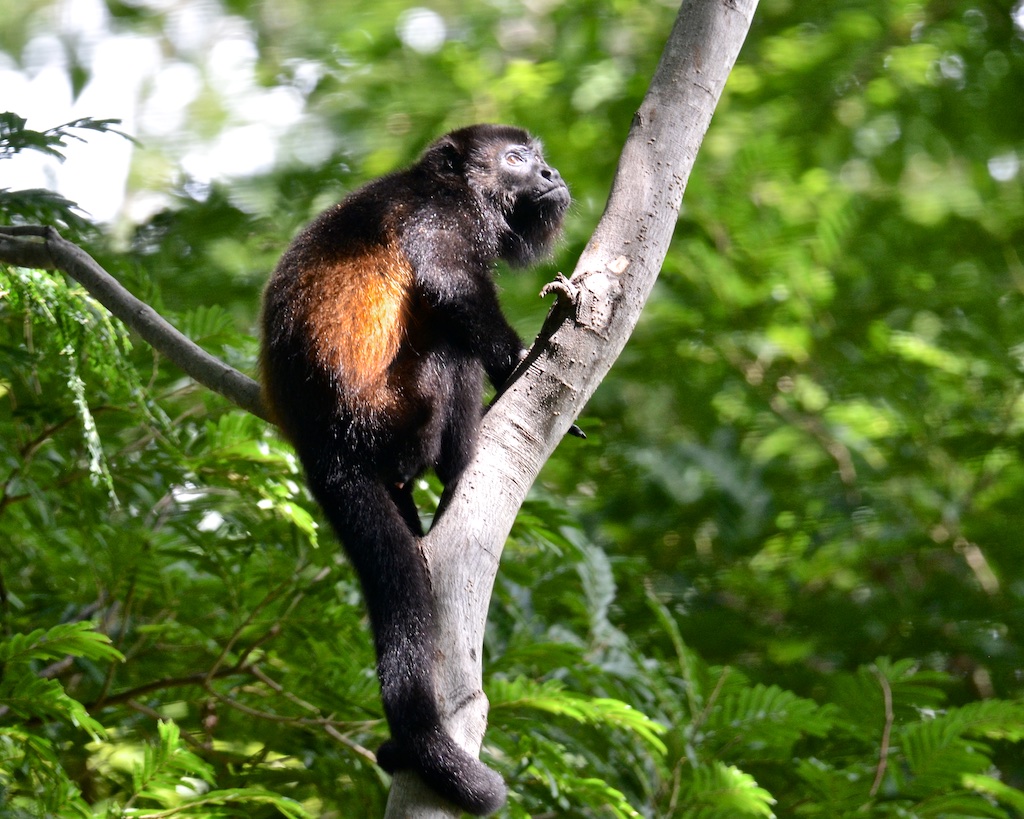
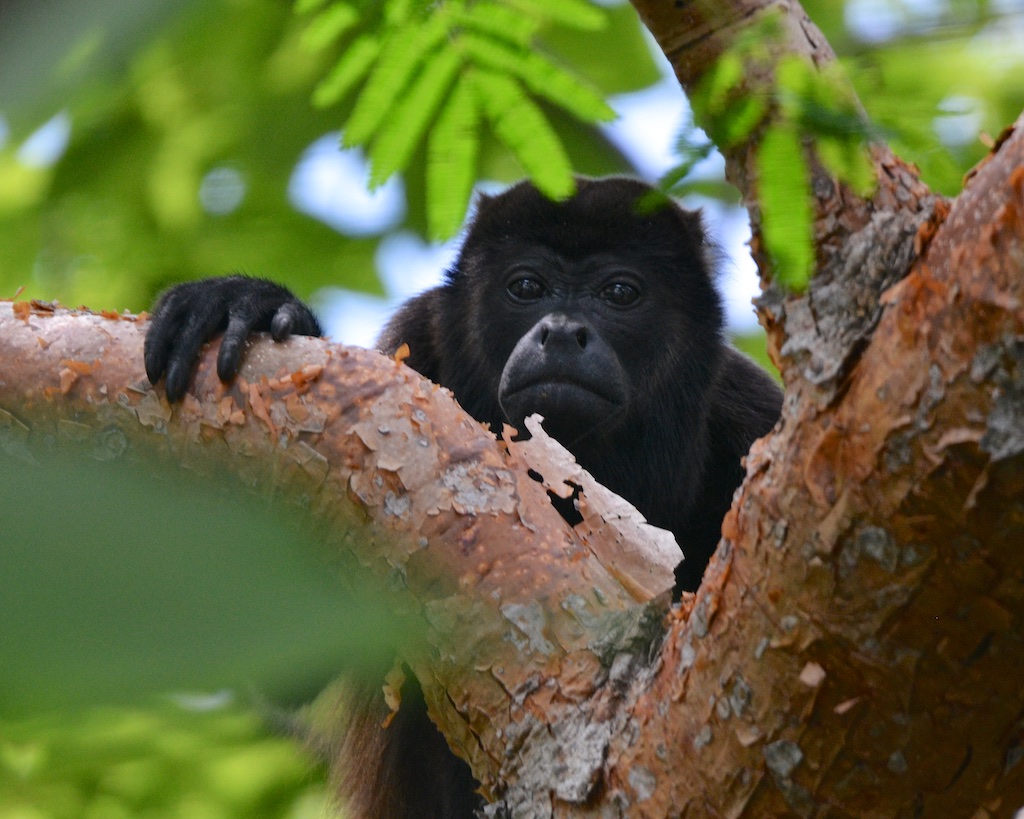
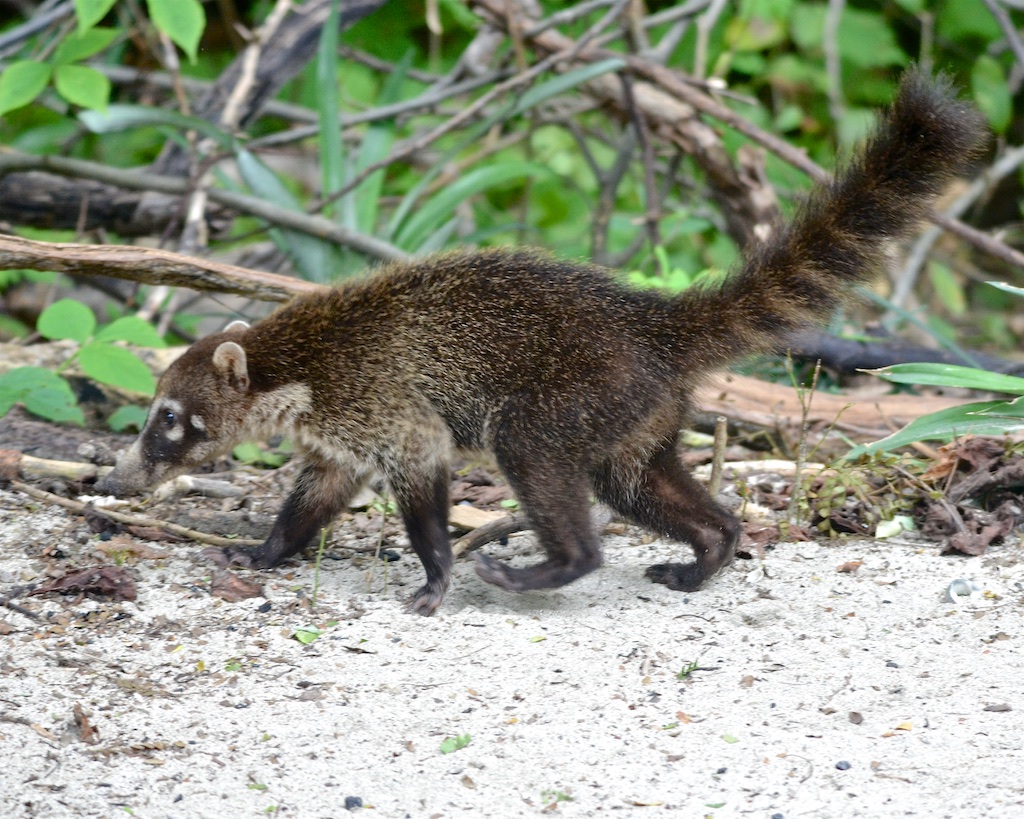
Howler monkeysJuvenile coati
There’s a lot of amazing nature we’ve found out there and we’ll be sharing the cool things we find here.







 The Nature Bloggist