Categories
Art Blog Post

Corpus Christi Birding Festival, Choke Canyon State Park on the Upswing – Apr. 2022

Last year in 2021 we visited in Corpus Christi during a fallout. We saw a lot. ⬅️ That Flickr album just scratches the surface, we had 50 bird species observations in two days, but the birds also were so abundant. The conditions that caused all those birds to be in Corpus are called a fallout, and this year we learned more about them in sessions we took at The Birdiest Festival in America. We learned from and really enjoyed the sessions, we did bird walks with local guides who were great at spotting things, knew the diverse species well, and chatted about habitats, field marks, etc. which was great, and this year David Sibley did the keynote. I was a huge fan of every guide we went out with, and was grateful to them, they always had interesting things to say and had a lot of experience. We arrived in Corpus on Apr 19th left Apr 24, perhaps merits more than one post – there was a lot.
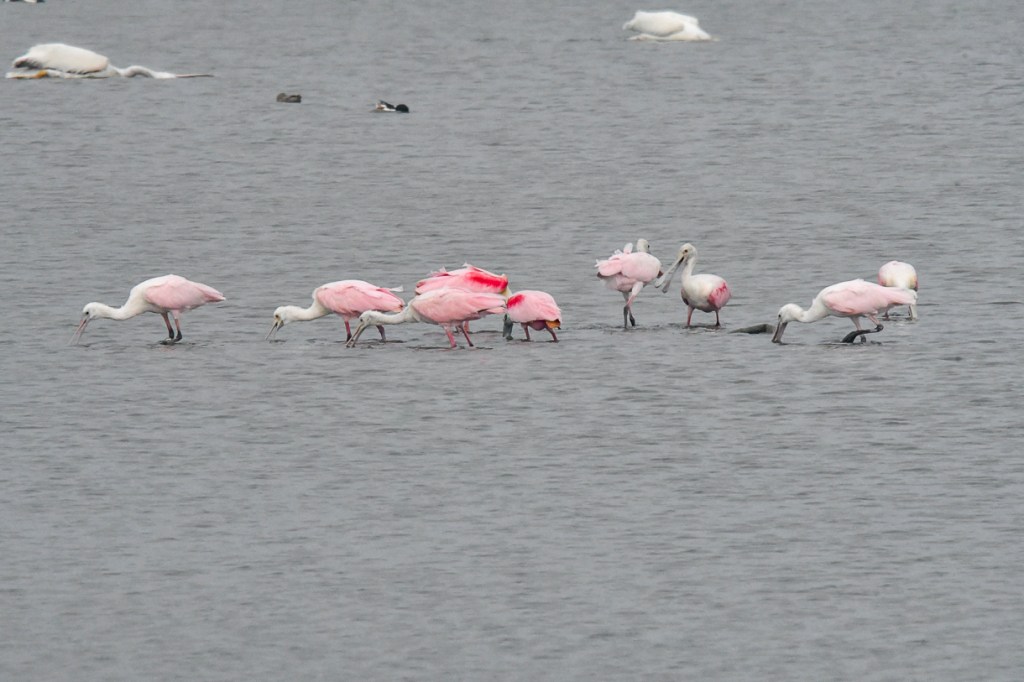
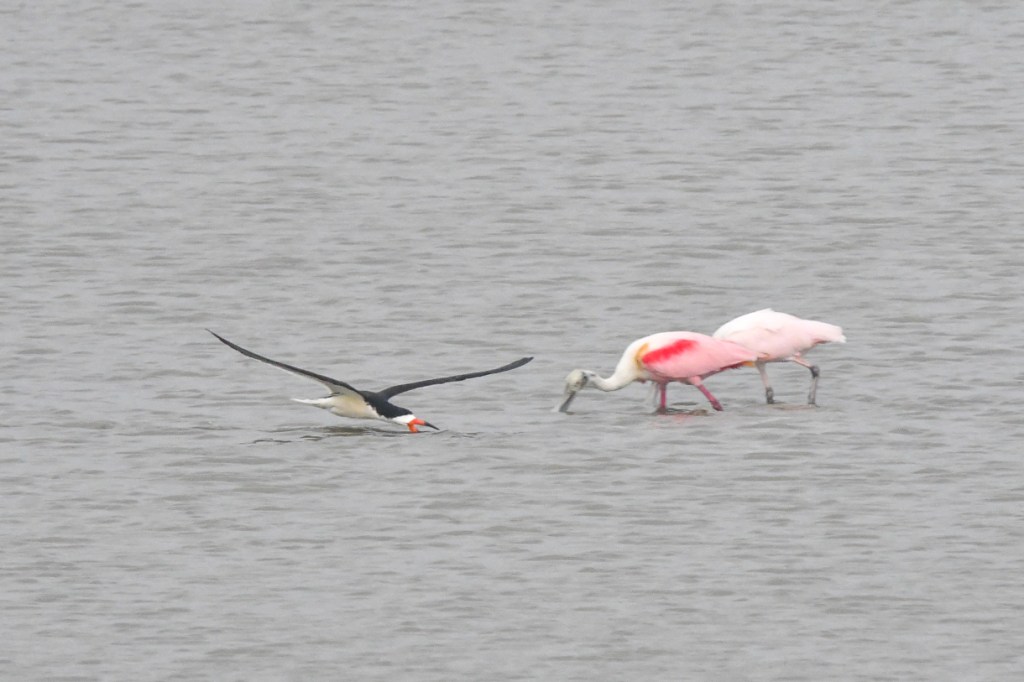
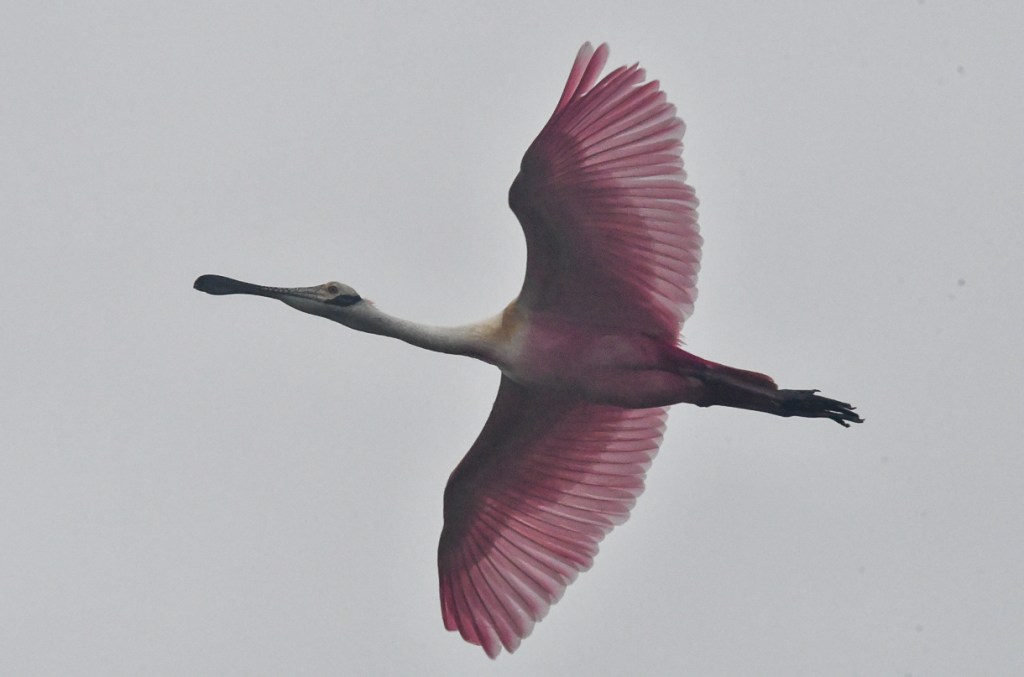
At the Botanical Gardens where the festival was set up, we saw tons of roseate spoonbills. I observed them feed by swinging their spoon bill back and forth for a long time. To the local birders these were just a common bird barely worthy of note.

This year we were there for five days, but the winds were strong and helping to push the birds onshore. So while there were birds, there were fewer and what we saw was less diverse. Between five days of birding that includes both Corpus and Choke Canyon near San Antonio we got photo ids of 31 species. The winds were blowing up from the southeast, helping the birds in their difficult migration. Less fun for birders, but a very good thing for the birds. We learned about migration a lot, and it turns out that in fallouts not all birds make it to the shore. Those that do land hit the ground immediately since they are exhausted from the fight to make it ashore, making them easy to observe, but not all make it.
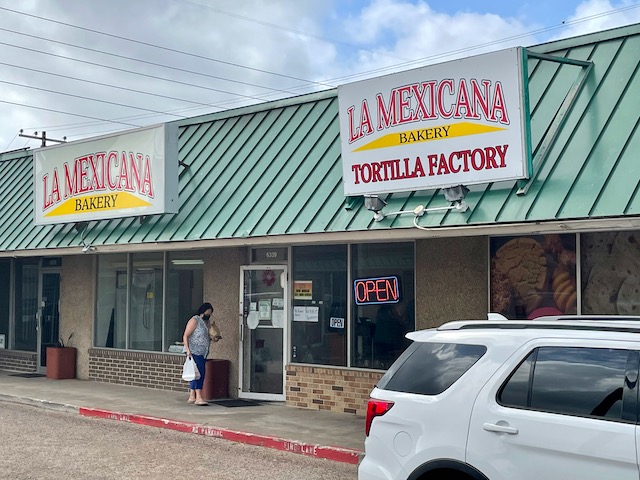
La Mexicana on S. Padre Island Dr. was a great panderia and had cheap, delicious breakfast tacos

We wound up booking more workshops than birding tours this year, which worked out well for us – the winds weren’t great for birding and folks going out weren’t finding a lot on field trips. We looked at the tours and there are some Haley would be able to manage, so maybe in future years we’ll do some, but really all the workshops were excellent.
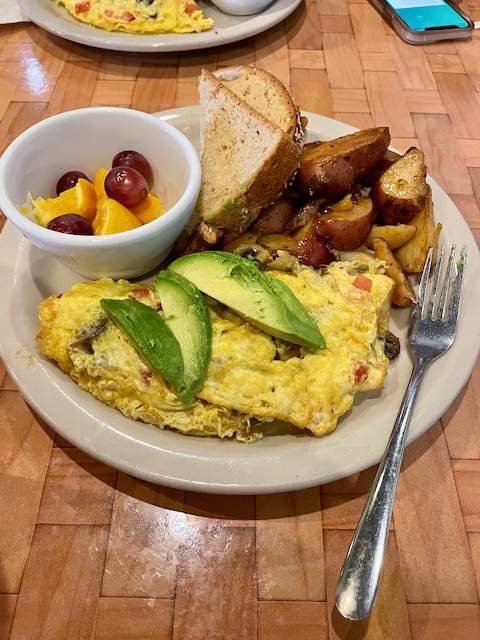
Atomic Omelette

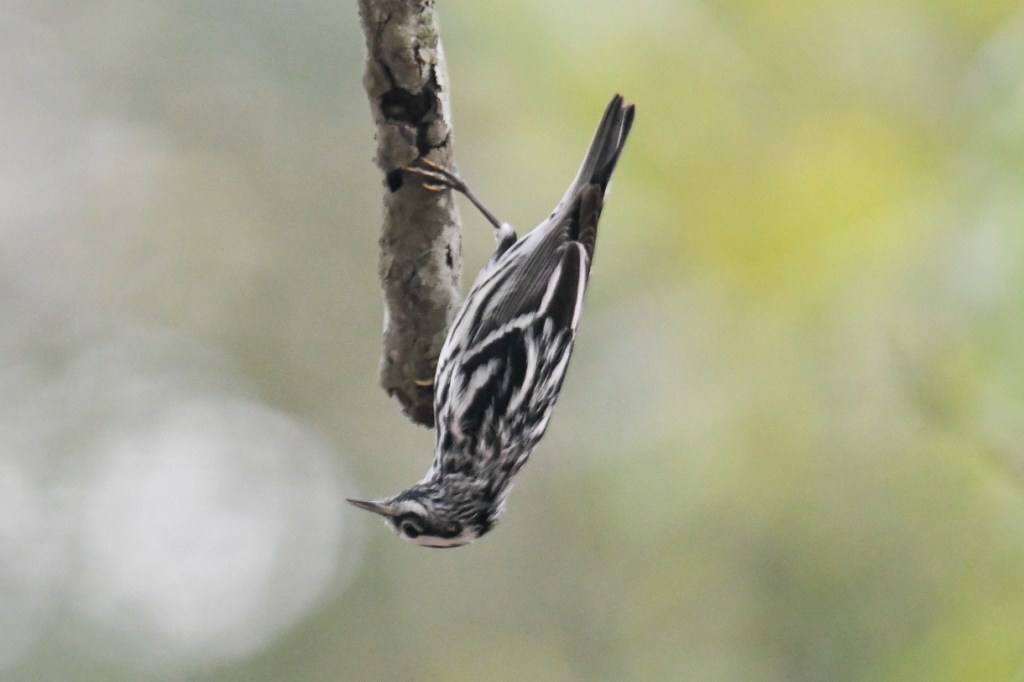
The first workshop we did was with Cameron Cox of ABC/Avocet Birding Courses. This might have been the best preso we saw, it connected a lot for me and Haley said it was the same with her. He went through a long list of warbler species going over details of size, call, position in canopy, behaviors, and migratory route. He showed how you could use a warbler’s tail length/body style helps get a sense of how far their migration route’s length. There was a lot there that connected my own experiences of seeing different warblers in different contexts.
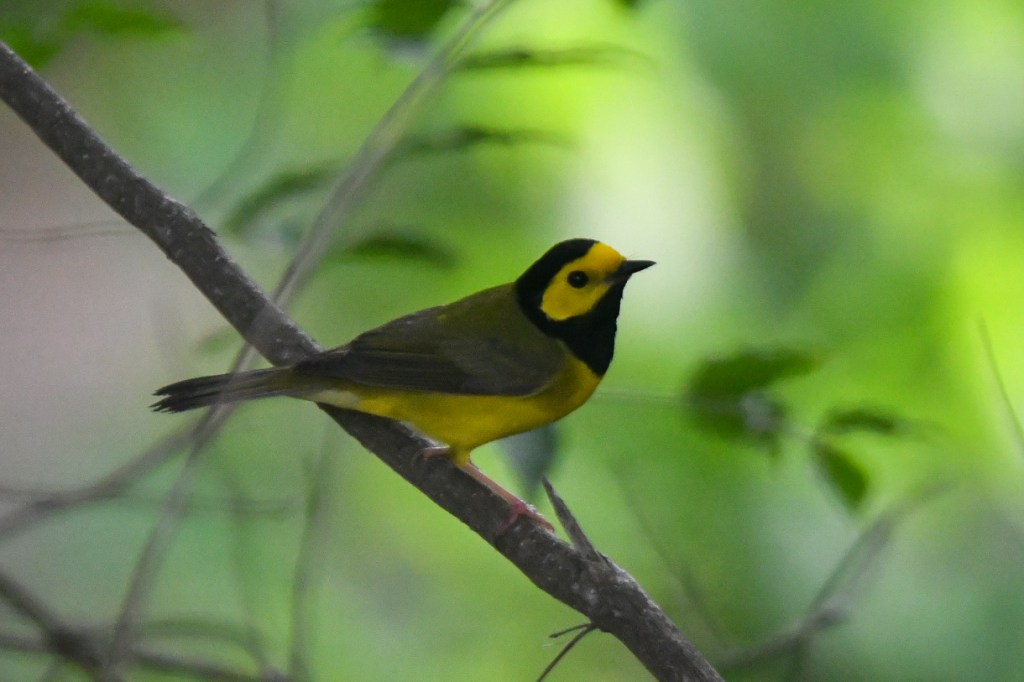
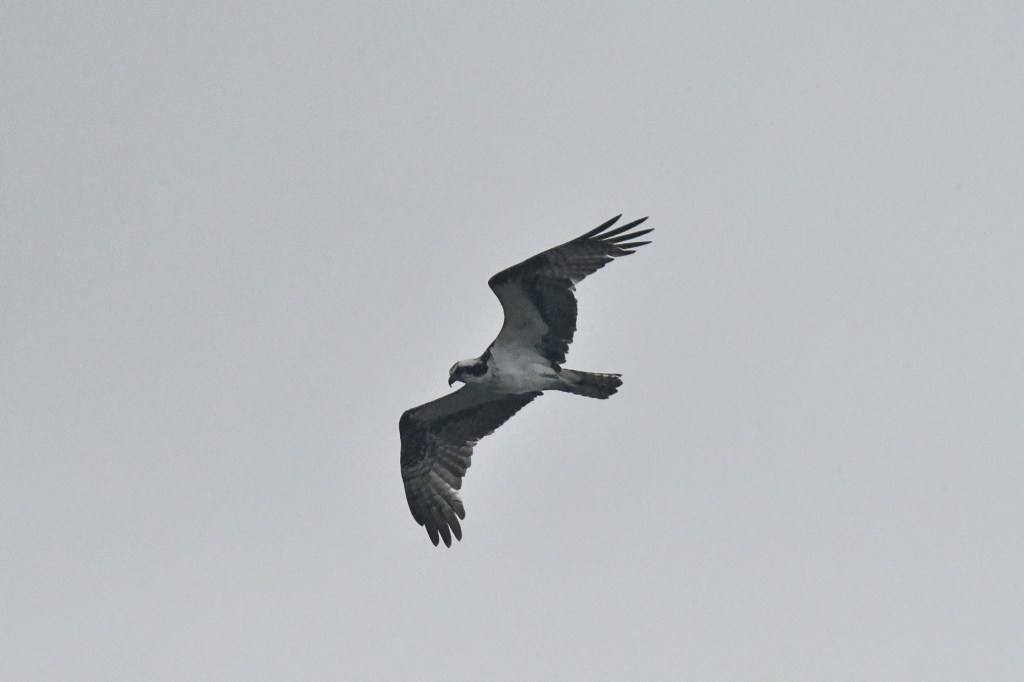
The next preso was Hawk Watching 101 by folks with Corpus Christi Hawkwatch. Identifying raptors by profile high in the sky’s not easy, and these folks do id and get counts during migration when there can be thousands of birds in the air. We had planned to go out to Hazel Bazemore at some point after this talk, which we were even more motivated to do after this talk. Dane and Libby Ferrell were great and all the hawk watching folks were really interesting, it felt like an honor getting to talk to these folks really. Their work’s primarily volunteer work, it’s really challenging, but their population tracking data is really valuable for conservationists, biologists, ecologists, etc. They talked a lot about tips for identifying raptors in flight. I’d been less inclined to id hawks/raptors in flight before this since it’s pretty challenging, but since then we’ve been putting what we learned to use. When we were in Costa Rica a couple weeks later we were scanning the skies looking for king vultures and identified a number of other raptors.
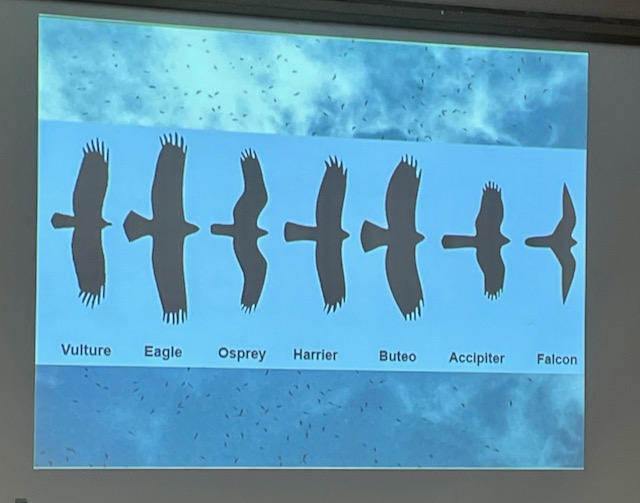
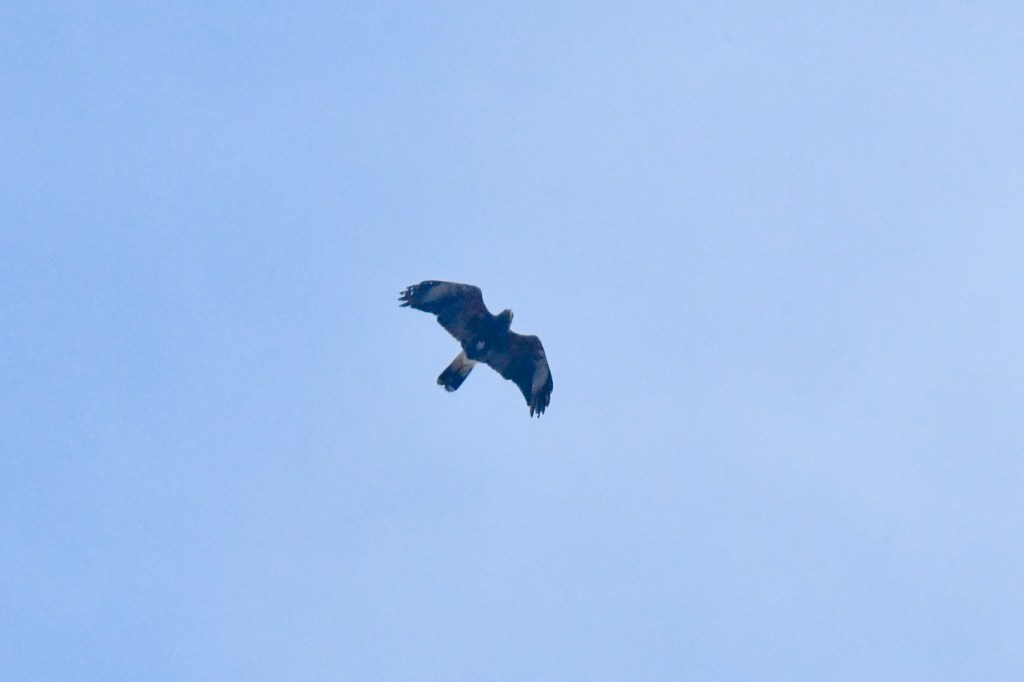
Hawk-watching basics
Harris’ Hawk

We drove around Corpus and by getting slightly lost we made it out to Mustang Island where we saw a lot of shorebirds. There we saw our first reddish egret, a lifer, and such a neat bird.
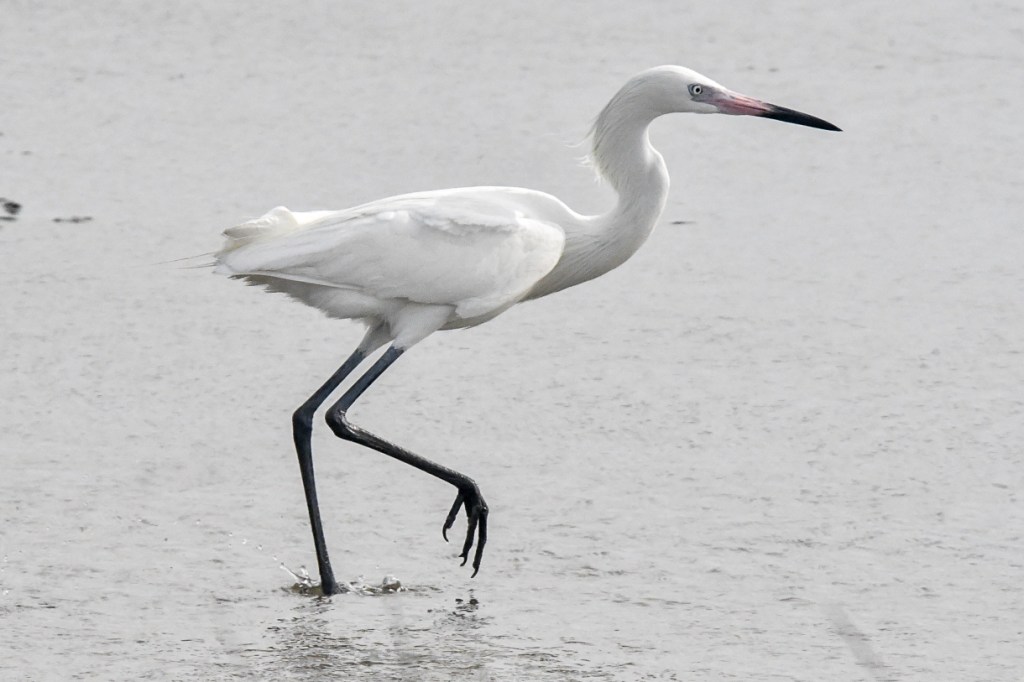
Reddish egrets can look like a white morph little-blue heron, but they have very distinct behaviors
Black skimmer with spoonbills!

We did a Nature Photography course with Stephen Fisher that was really fun. We didn’t learn a lot but it was fun to discuss, and interesting to see how some shots are set up and what goes into some of the more challenging types of things to get photos of, and we got on well with the instructor. We made a few contacts with him and a few other folks we’d like to catch up with when we’re next out there. We met some folks who know some nice ways to spot whooping cranes.
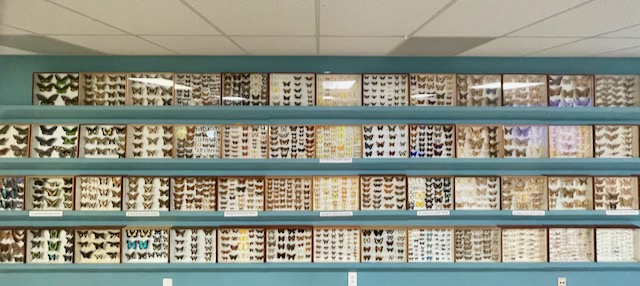
Butterfly displays at the South Texas Botanical Gardens and Nature Center

We went out between and after sessions and found a lot of birds.
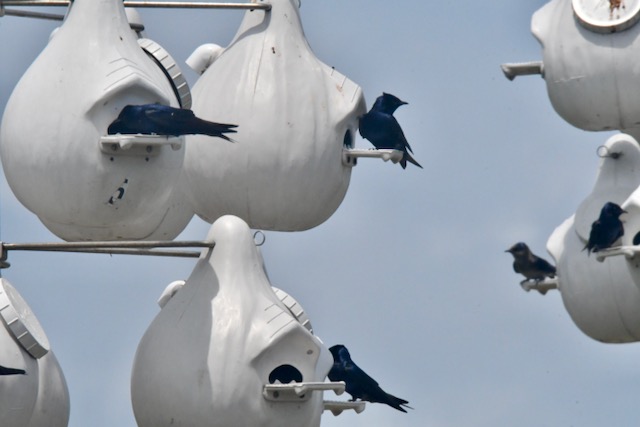
Lots of purple martin houses
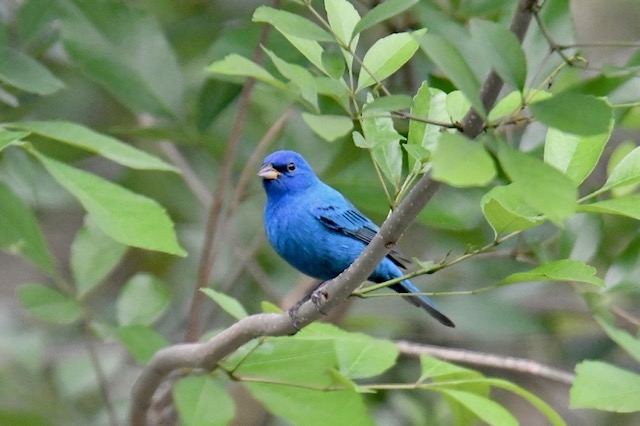
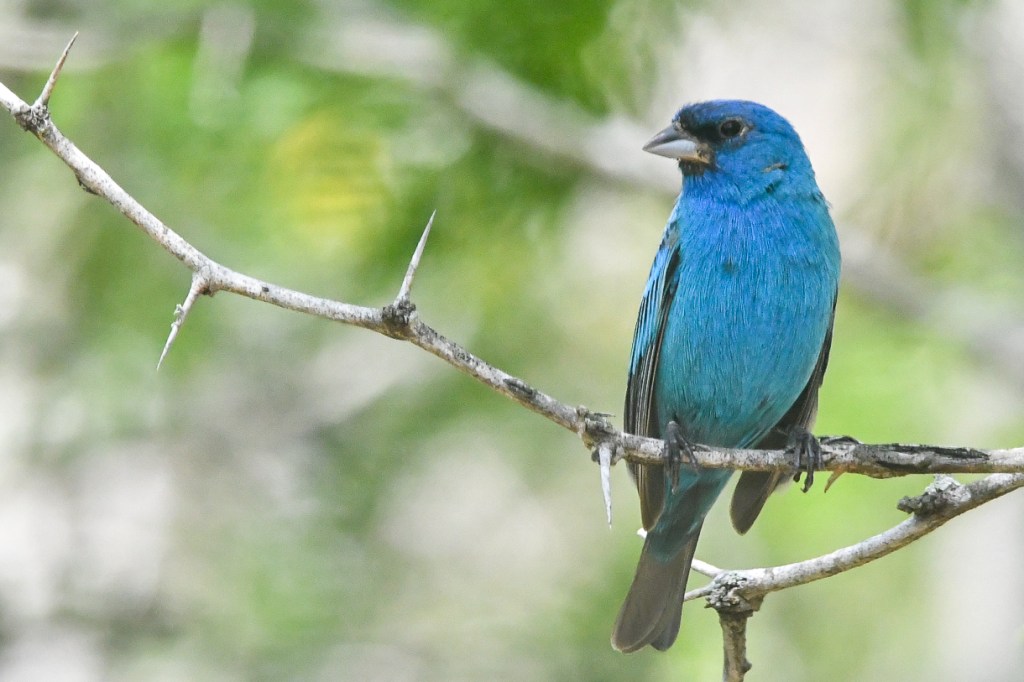
Indigo Bunting

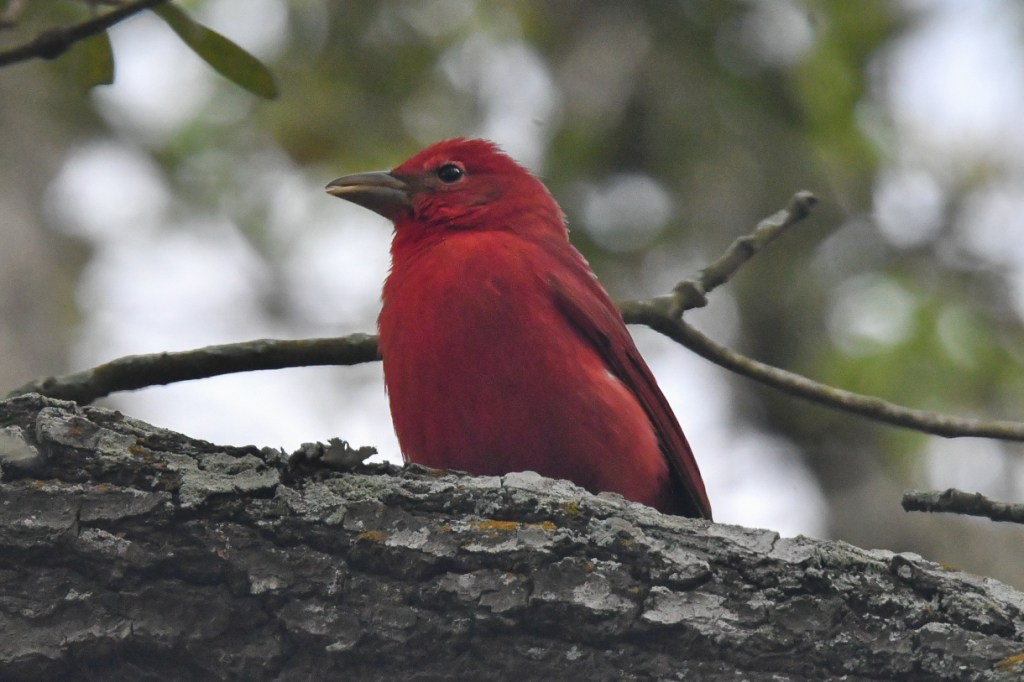
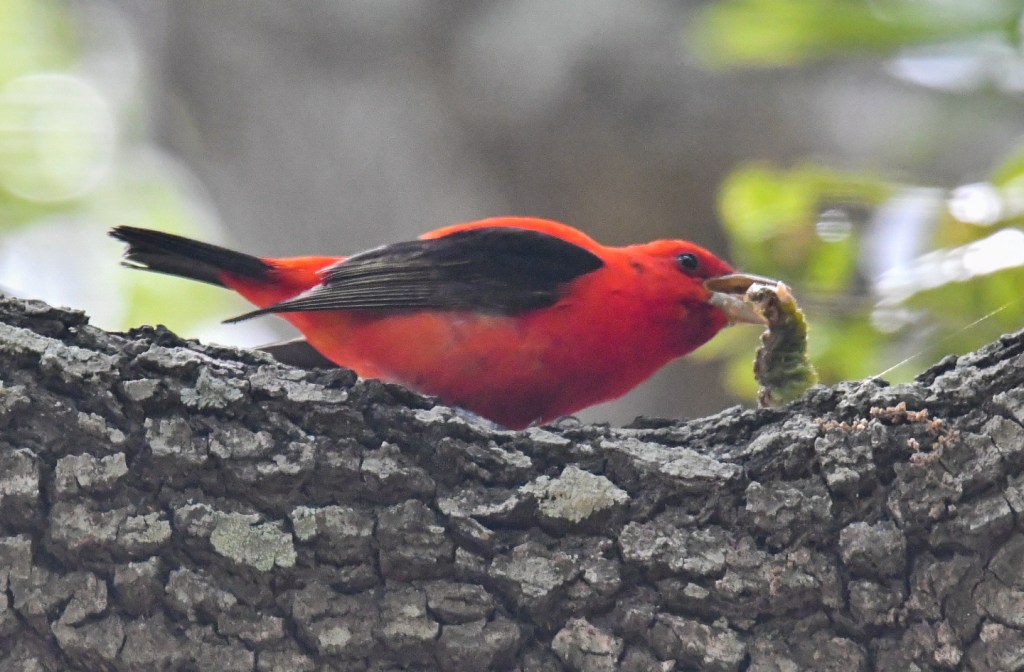
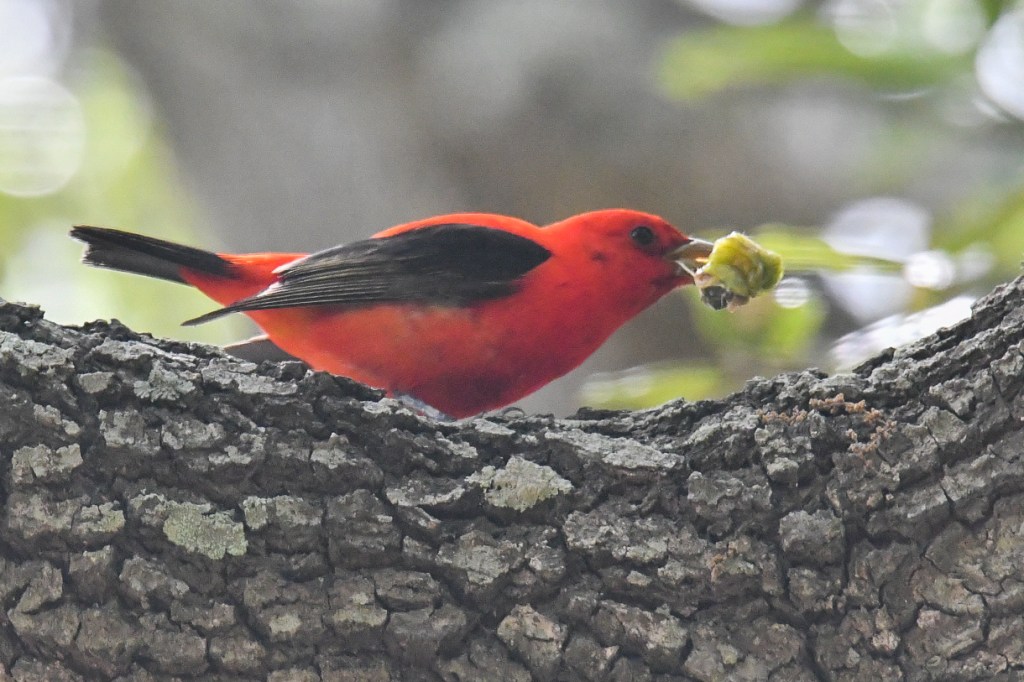
Blucher park was esp. productive, and Rose Hill had a lot of warblers as well as some orioles and tanagers.
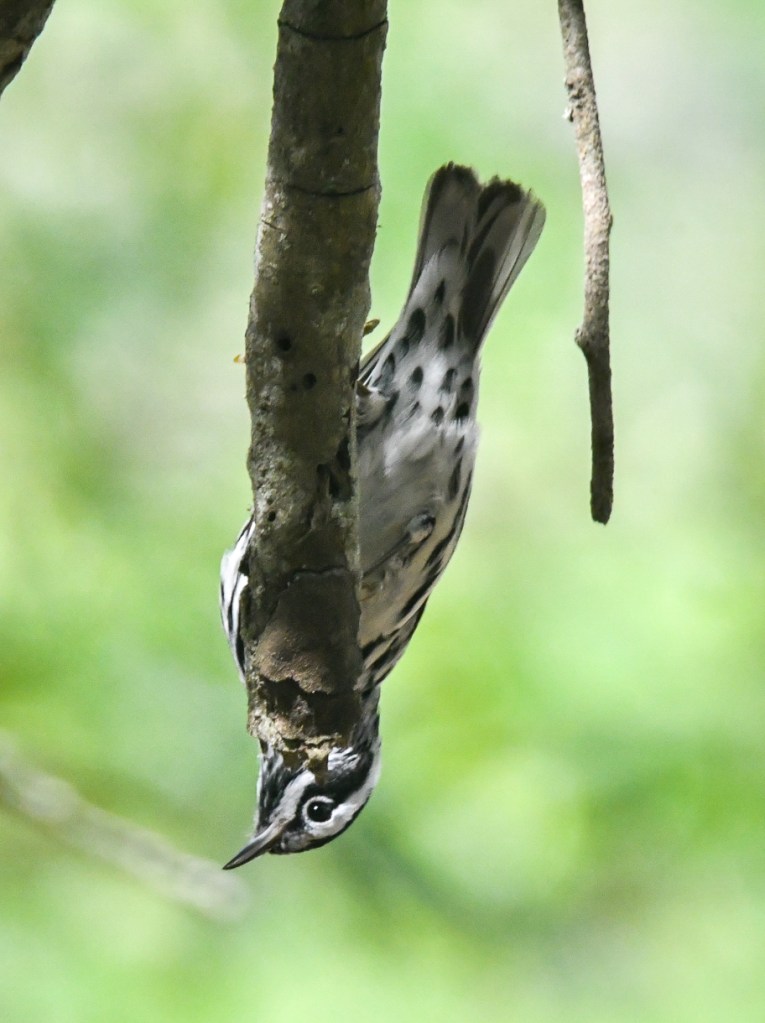
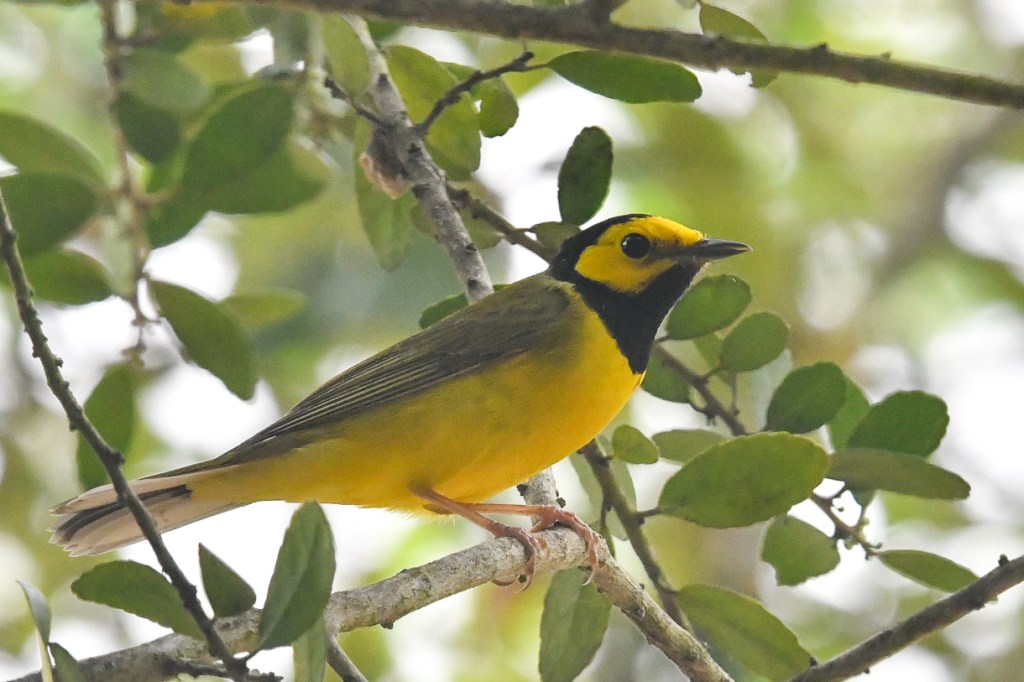
The final presentation was “The Resilient Whooping Crane: Challenges to Recovery” by Dr. Liz Smith by a whooping crane liaison who was brilliant. The story of the work they do to help preserve the habitat these birds need is very interesting. We talked to a few folks after this session and others, and are making plans to visit in Jan or Feb 2023 to see the whooping cranes.
We met a lot of birders who were interesting to talk to at the festival, talked to a few rangers about things to do in Texas, and are thinking about doing some other the other birding festivals since this one was really good.
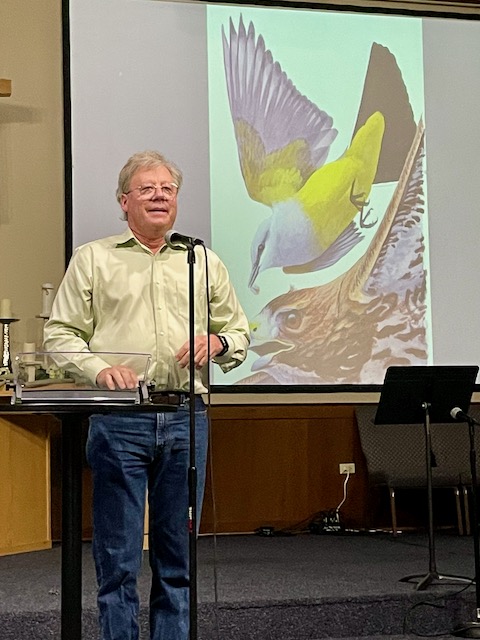
Whoah, it’s David Sibley!

I got a copy of What It’s Like To Be a Bird for my birthday, I loved the book – it’s fascinating and has excellent illustrations. I sent copies to my mom and sister as Christmas presents, they both really liked the book. Sibley’s keynote discussed this book, and we got our copy signed. We’ve re-read What It’s Like To Be a Bird a number of times, the art’s great, and the contemporary research described is fascinating. His keynote tied into this and I really was enthralled, things like bird vision are really fascinating. At the book signing I perhaps a little overwhelmed so I stammered and mumbled when I met him, trying to explain that I’d gotten the book for my birthday and liked it so much I bought two copies for my mom and sister. I also asked him to draw a bird. He wrote “happy birthday,” but he drew a bird for me, and he was very nice.
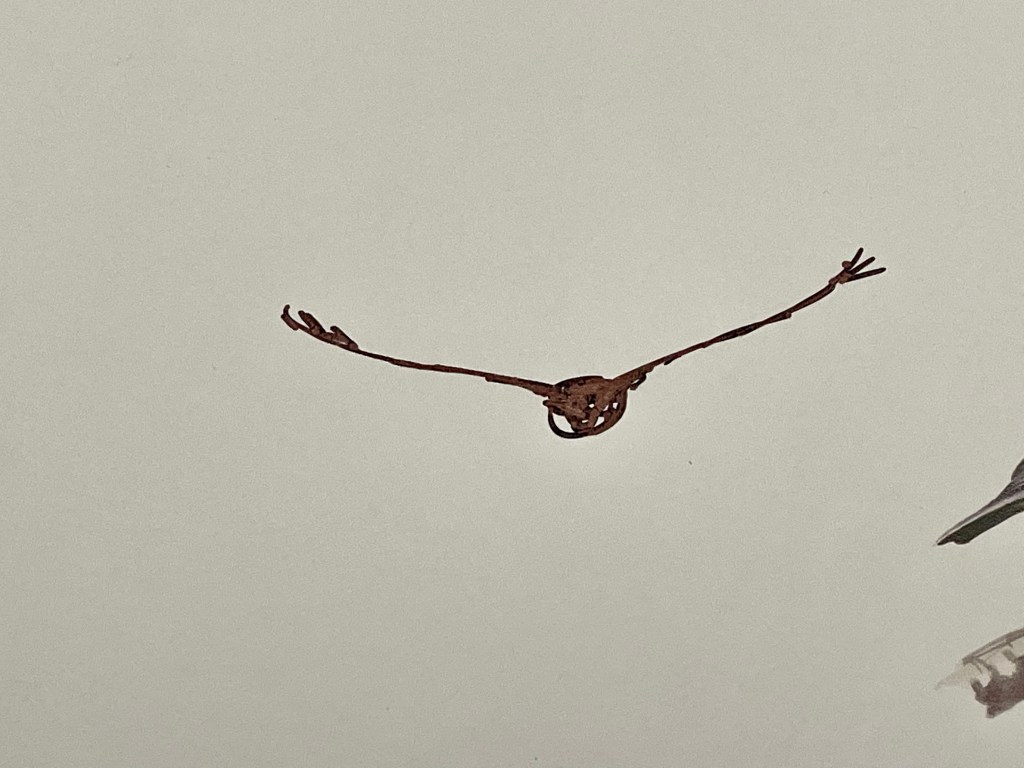
David Sibley drew a bird for us!

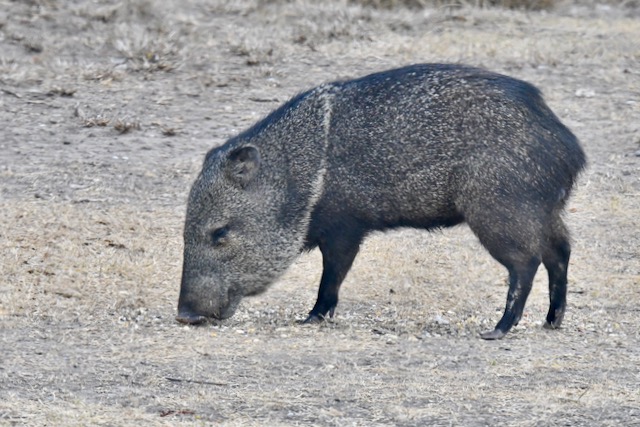
Traveling to Hazel Bazemore we hoped to find green jays, but didn’t spot any. It was hot and quiet when we were there. We visited the hawk watch area, and Haley and I both counted raptors when we spotted them, which was fun. We did see a collared peccary at Hazel Bazemore which was very cool.
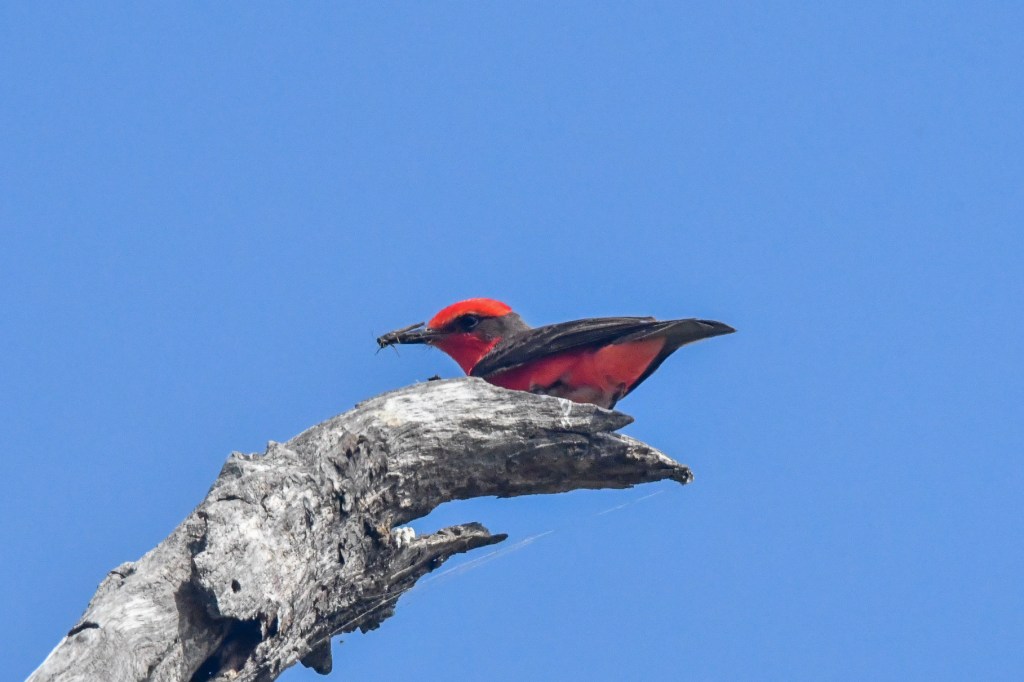
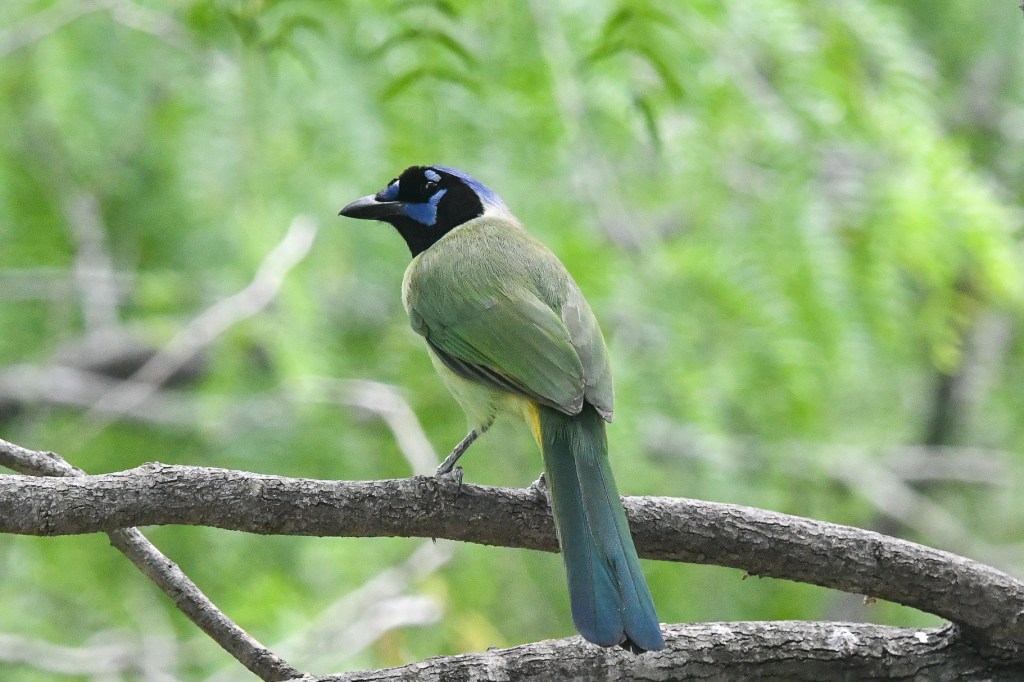
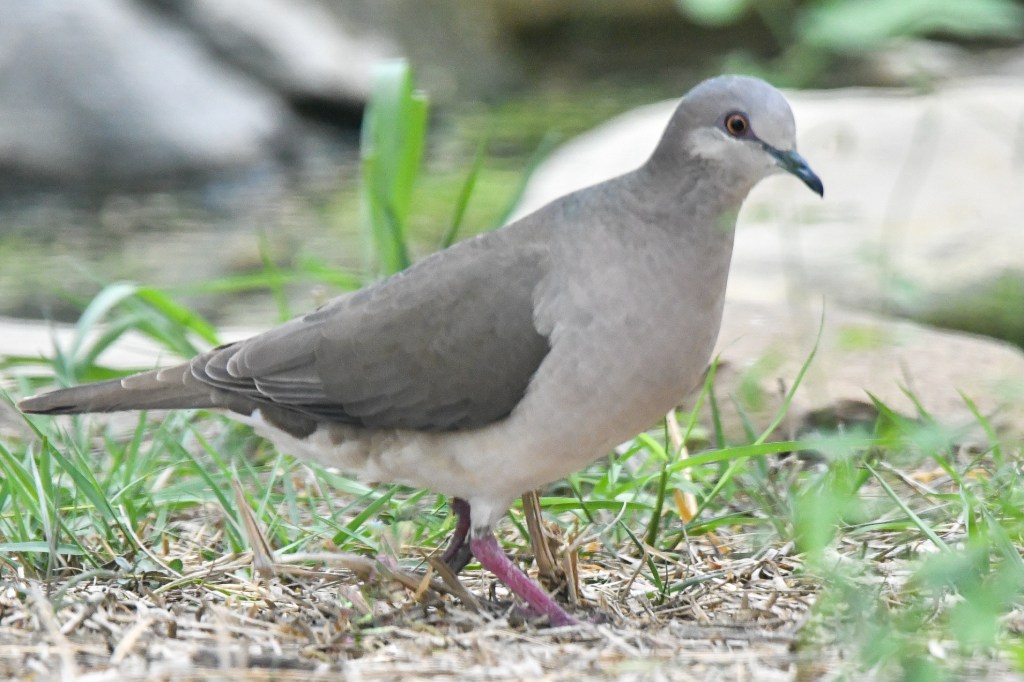
On the drive back to Austin we went by Choke Canyon State Park near San Antonio, and that place was lit. We saw green jays, white-tipped doves, and a lot of other nice finds like groove-billed anis, caracaras, vermillion flycatchers, et al.
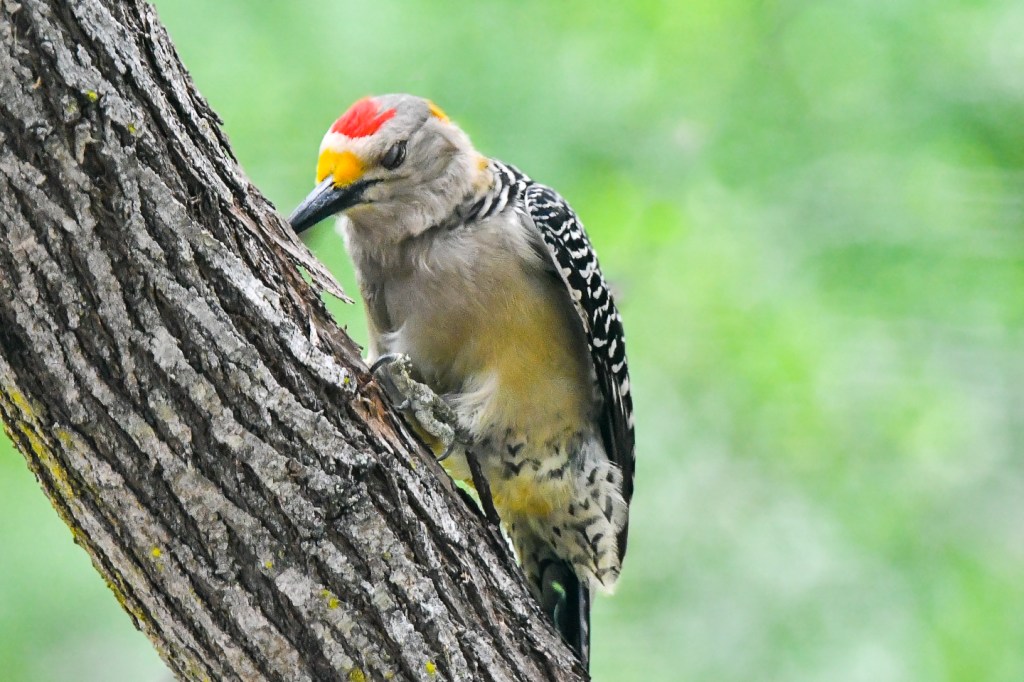
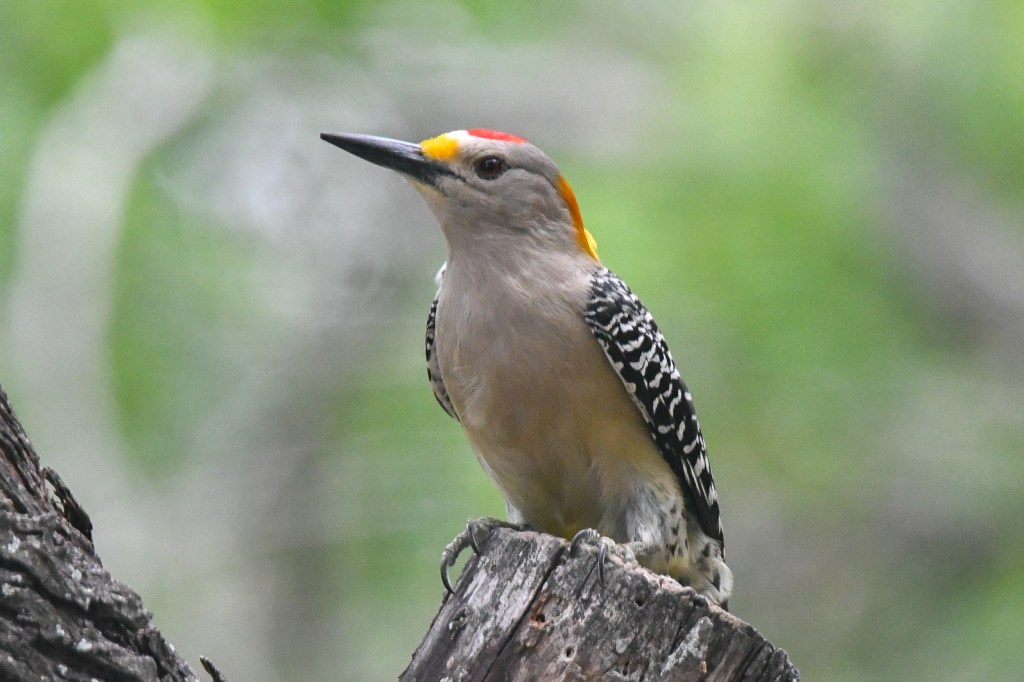
This golden-fronted woodpecker cis a lose cousin to the red-bellied woodpecker

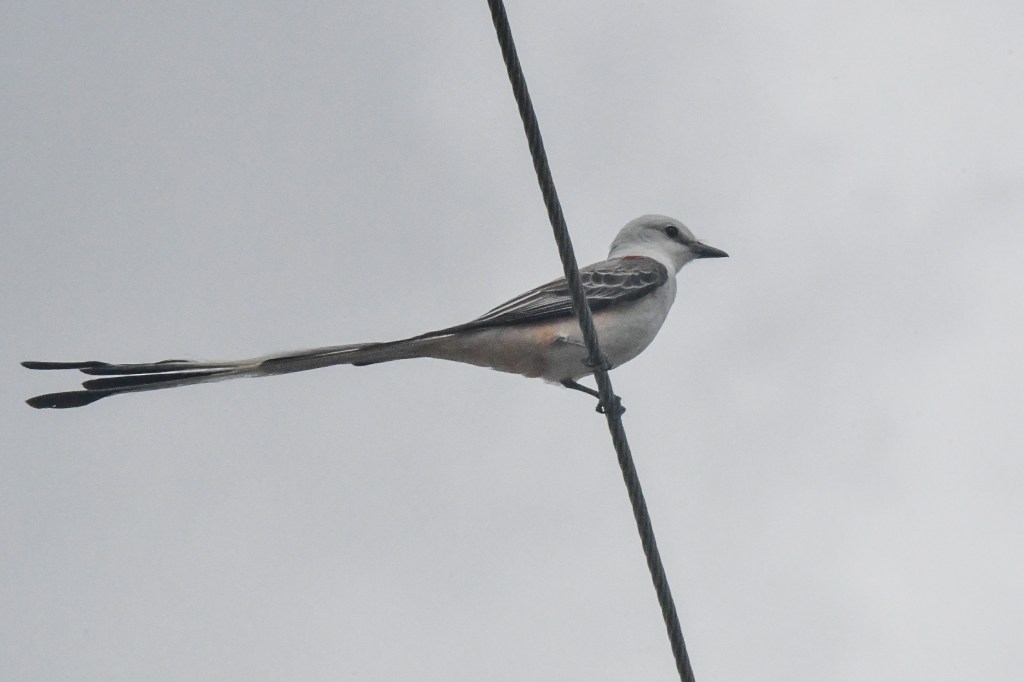
This was a great visit, we saw a few long-hoped-for birds, the vermillion flycatcher and crested caracara were pleasant surprises, and scissor-tailed flycatchers were always fun.
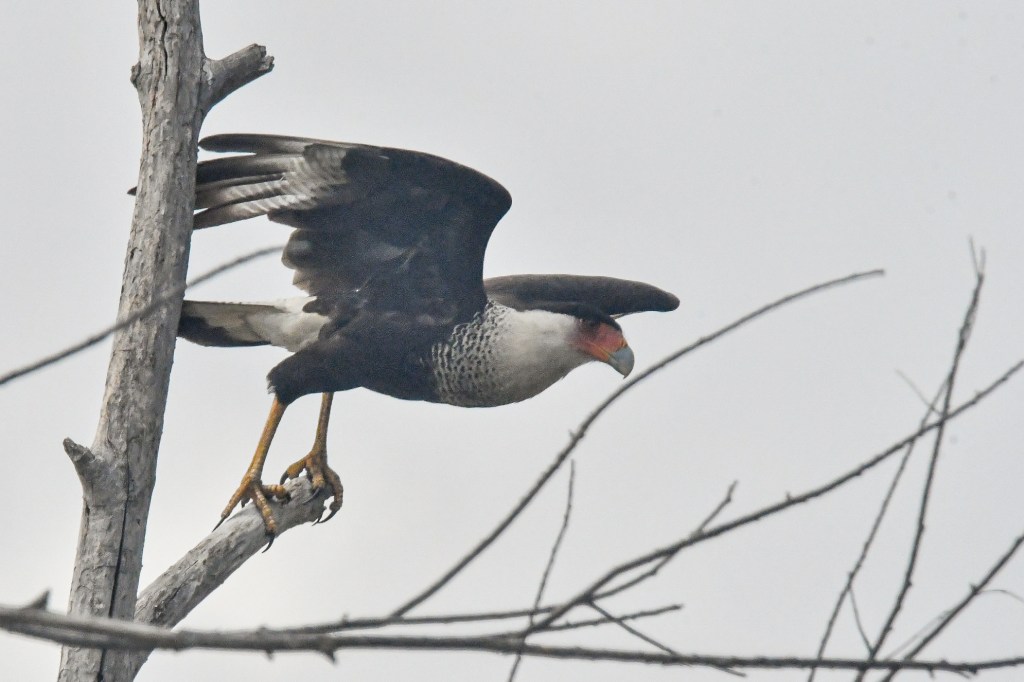
This trip was just before we left for Costa Rica. We took a couple days off work for workshops, which was great since the workshops were excellent. We met a lot of folks who were really enjoyable to talk to, birders are chill in general, and we learned a lot.

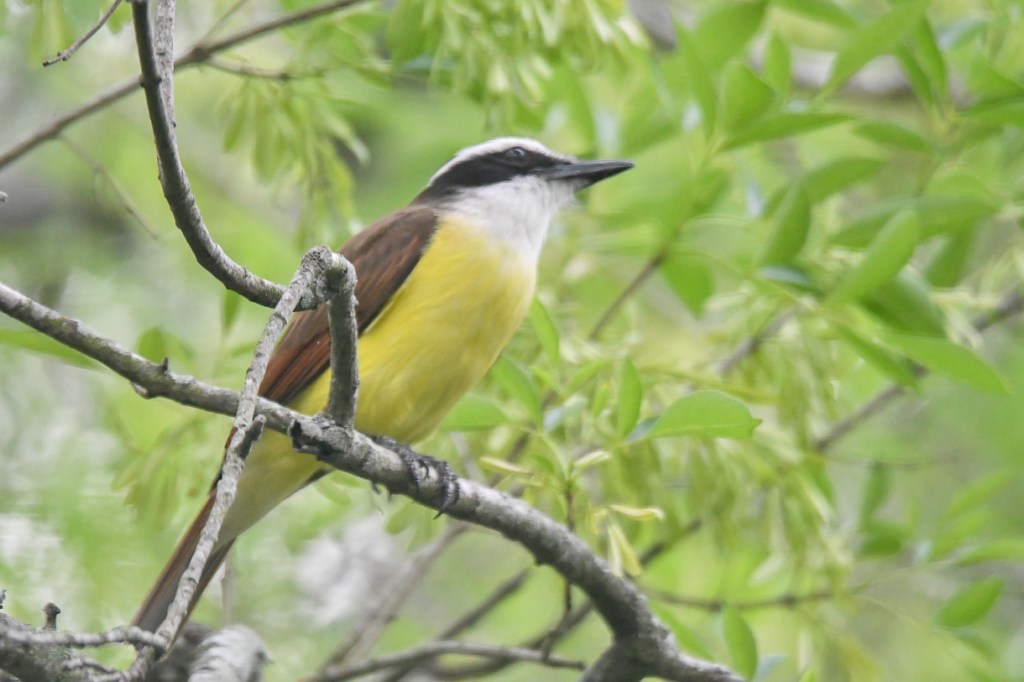
We saw ten new species of birds, including the green jay, white-tipped dove, mottled duck, Couch’s kingbird, Eastern kingbird, reddish egret, et al.

Some year we want to hit the Rio Grande Valley Birding Festival as well as seeing the whooping cranes as they overwinter in Corpus.
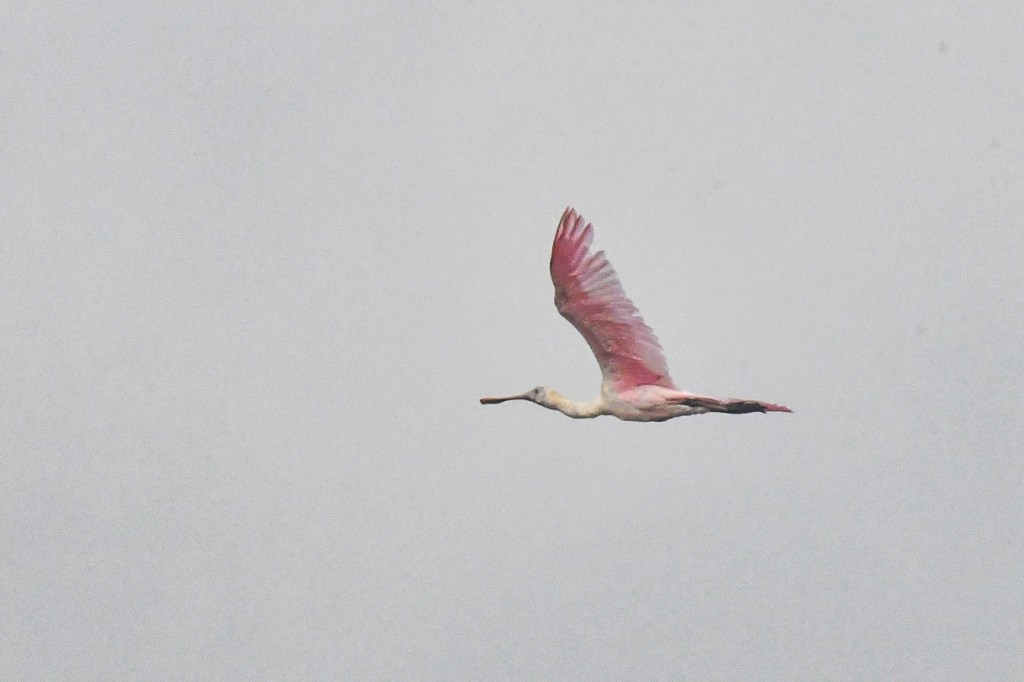
Still amazed every time I see a roseate spoonbill tbh.
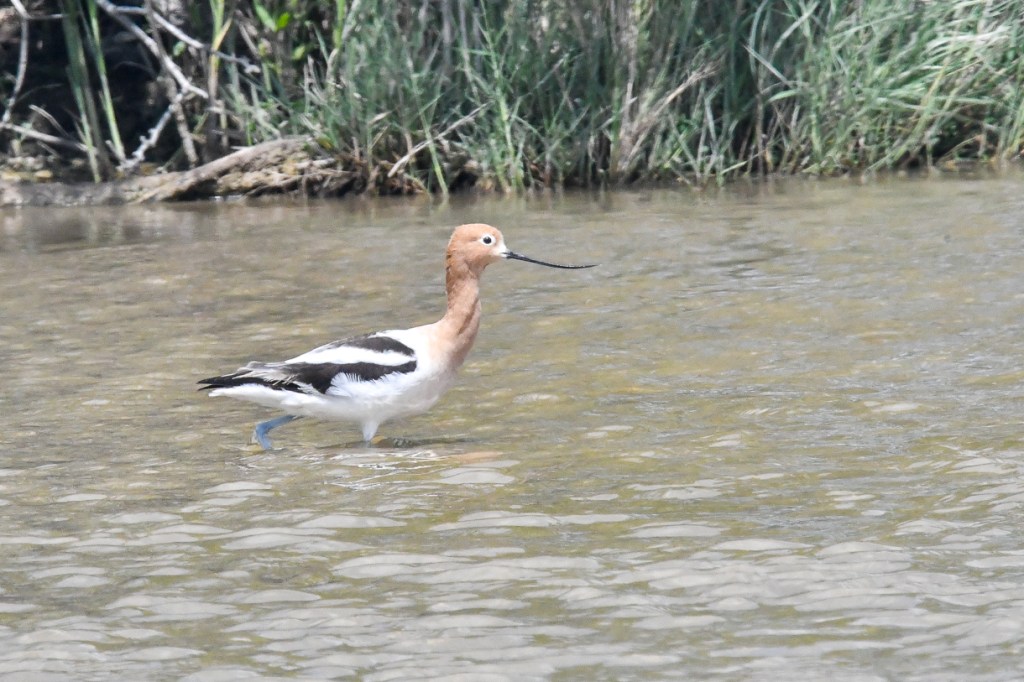
American Avocet – lots of these around, this photo was taken at Hazel Bazemore
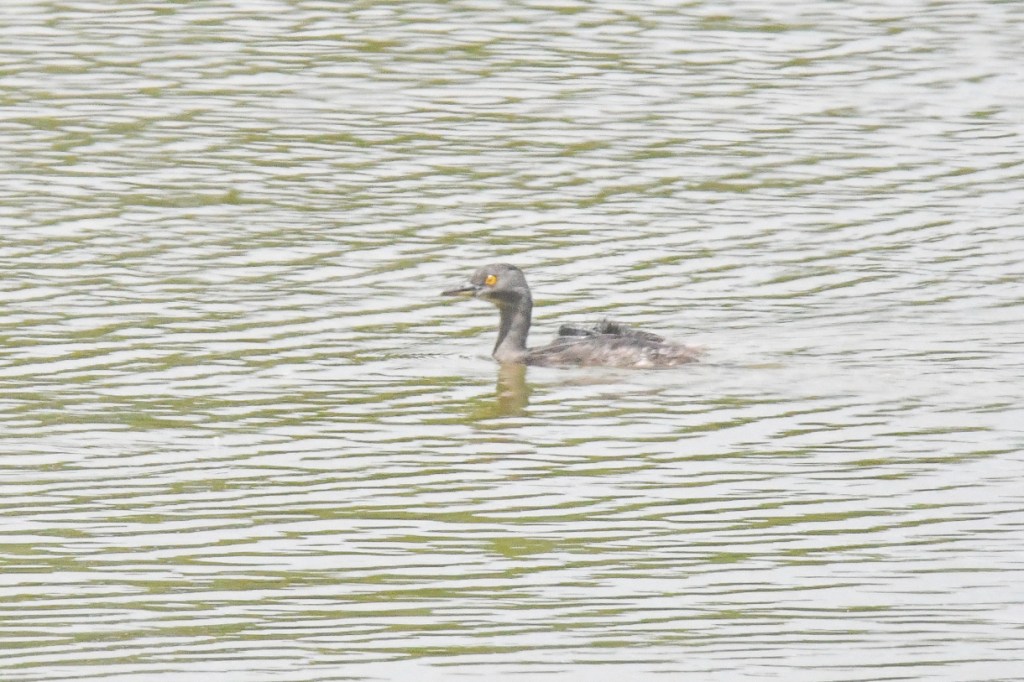
Least Grebe
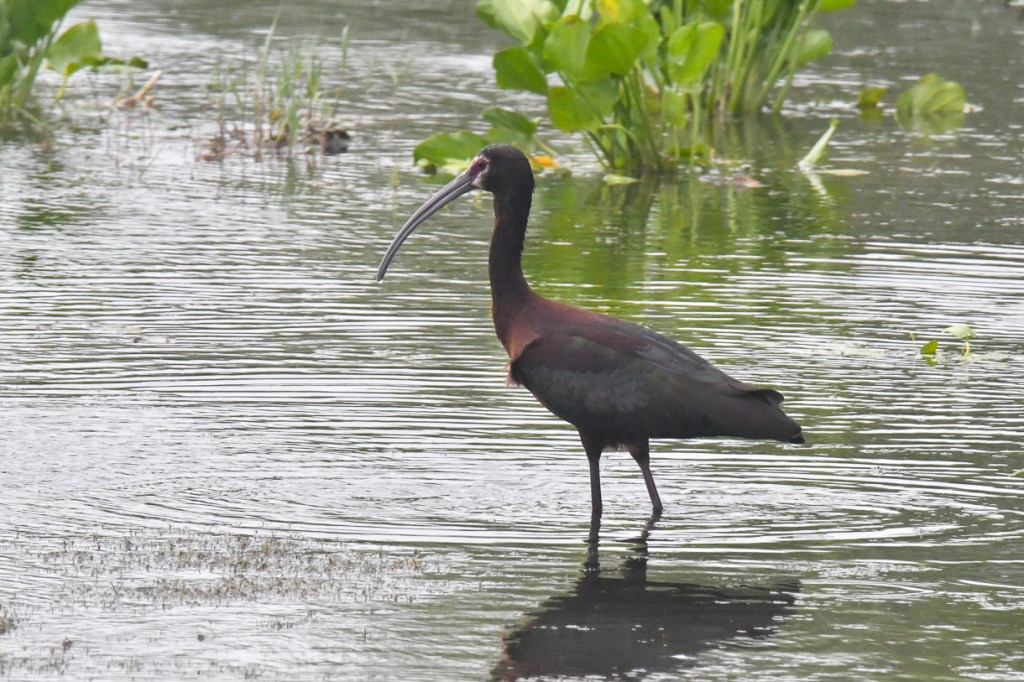
White-faced Ibis
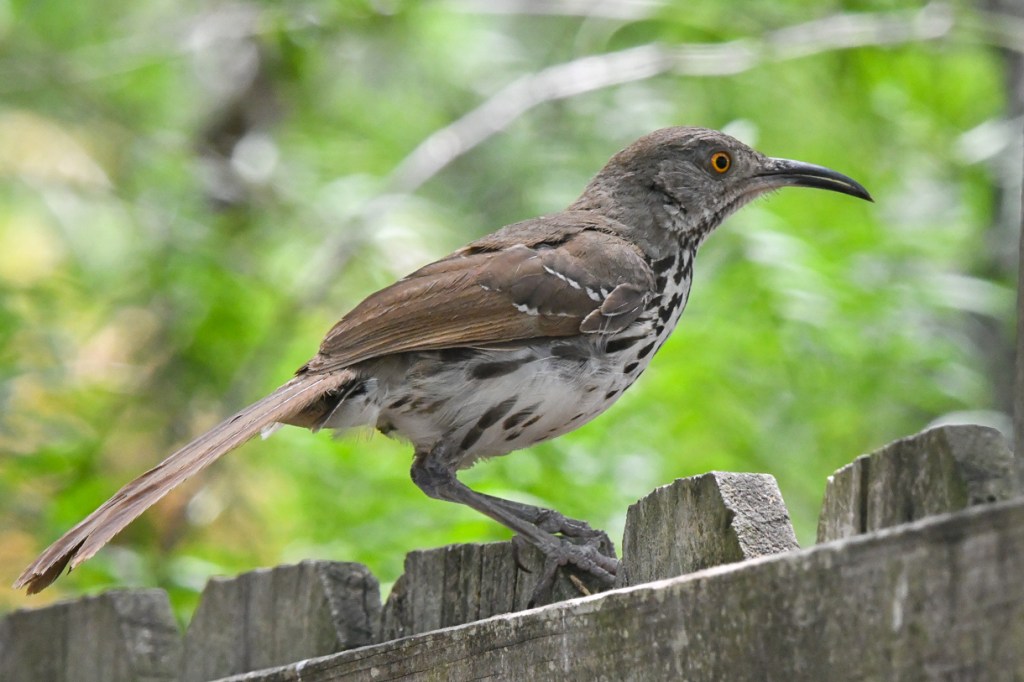
Curve-billed Thrasher

This was a quick trip before the big Costa Rica trip, but it wound up being pretty big as well. The workshops we did were all top notch, we met a lot of interesting folks and make some contacts with people for future visits. We got photos of 31 bird species, a jumping spider, and 4 insect species including one Lepidoptera I’d been looking for for years (Pyrgus oileus).
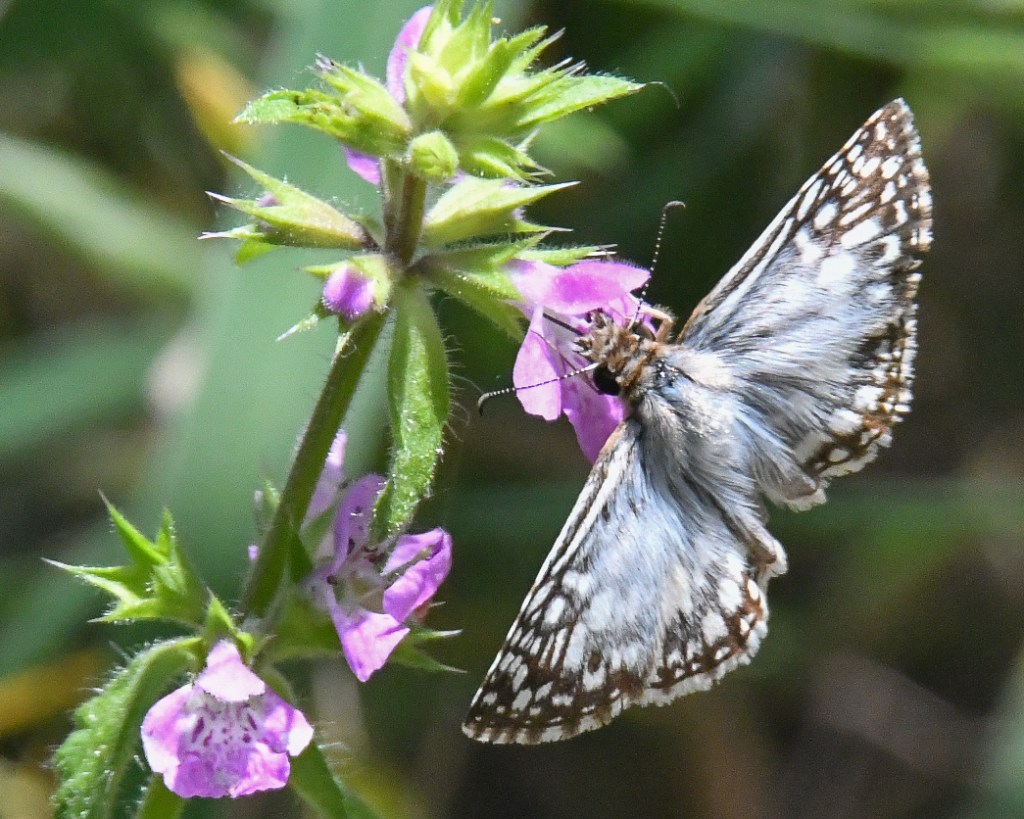
Pyrgus oileus

Categories
Art Blog Post

Oregon Part 2: Portland, Sauvie Island, Ridgefield NWR – Fall 2021

Our time in Cannon Beach was good, the coast there is gorgeous in the Fall. The weather was cool, there was some rain, but we were prepared for this, and it was still nice to be out in since it was dropping into the high 40s low 50s on the colder eves while we were there. Right when we left it got colder.
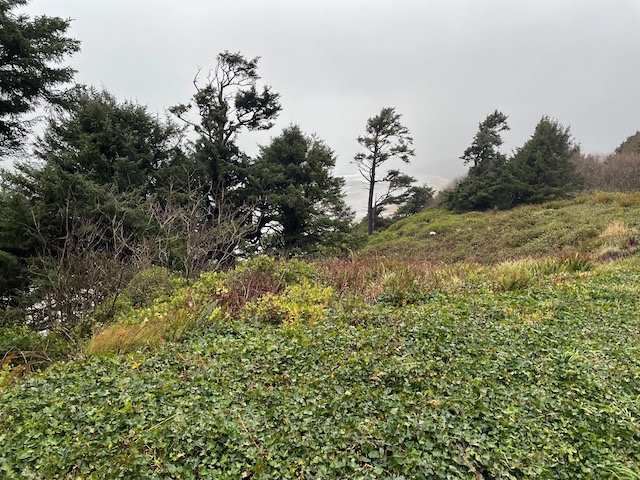
It got really cold the day we left.

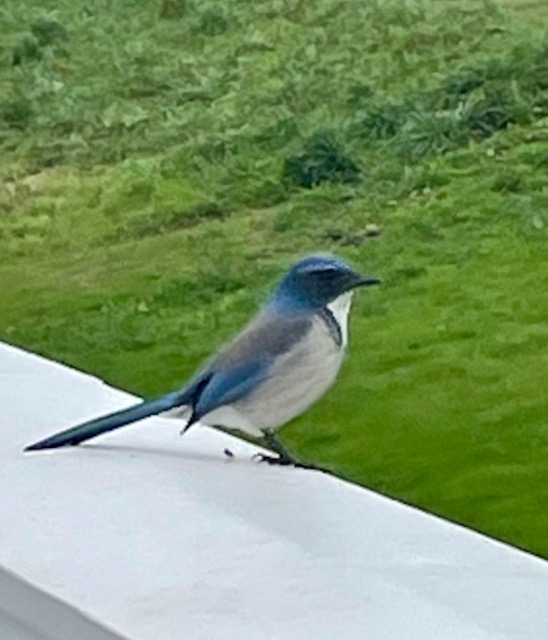
Our hotel was fine, the main goal there was mostly to avoid contact with people and this was easy. We spotted a western scrub-jay outside the hotel and got a phone photo right away that was good enough for an id. But the hotel had bathrooms with motion sensing lights that turned on automatically when we got up to take care of business early in the morning.

iPhone bird lifer – nice

We found a great food truck complex that we went to most nights, we love our local food trucks, and there are a lot of food truck places in Portland that have nice seating and things.

On one of our evenings we went out to Powell’s and picked up a field guide to fungi since we were both learning more about mushrooms, and picked up Logicomix, a graphic novel that’s a bio of Bertrand Russell I finished on the flight home. It touches on Gödel, Turing, Cantor, and goes into more of Bertie’s life and career which I found very interesting.

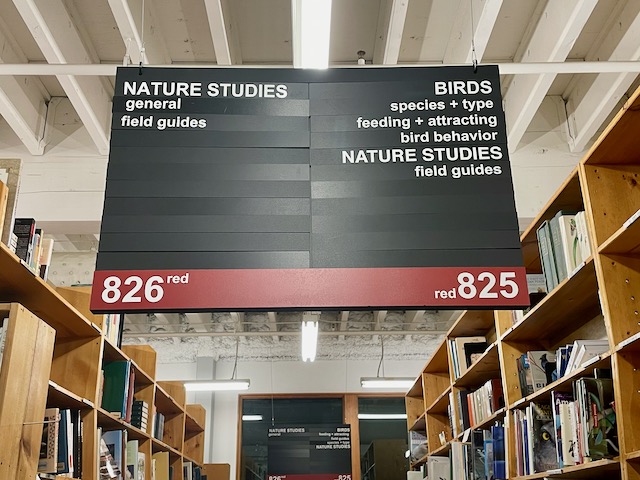
We spent a long while in this part of Powell’s City of Books

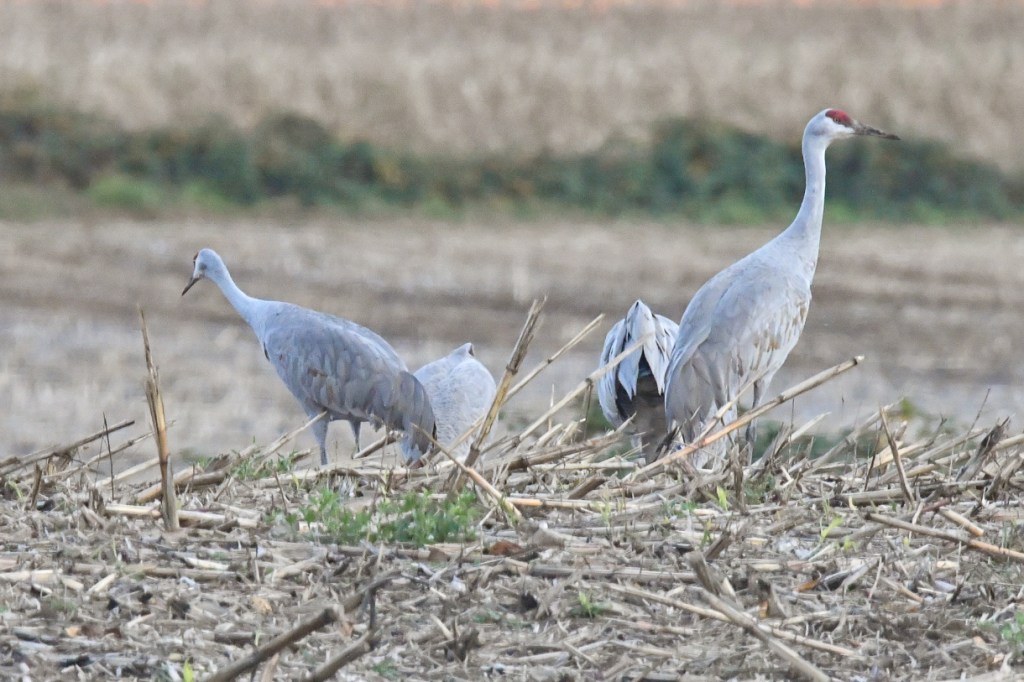
The Columbia is a huge river that runs through Portland. Just to the south is an island, Sauvie Island, just south of Portland that we first headed out to. Our target bird was the sandhill cranes wintering there.

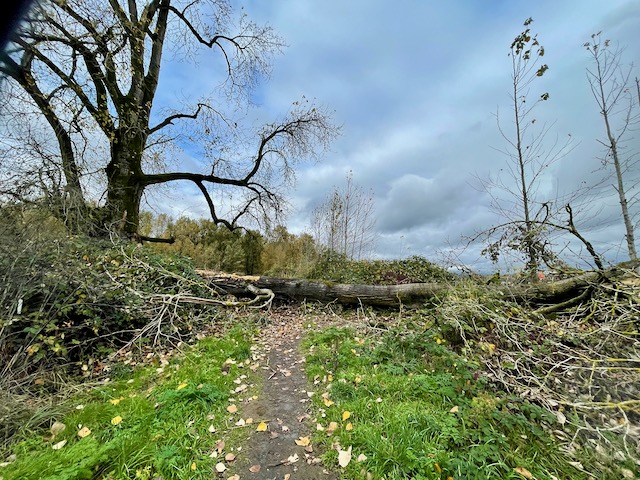
end of a trail at Sauvie
The graffiti was with us

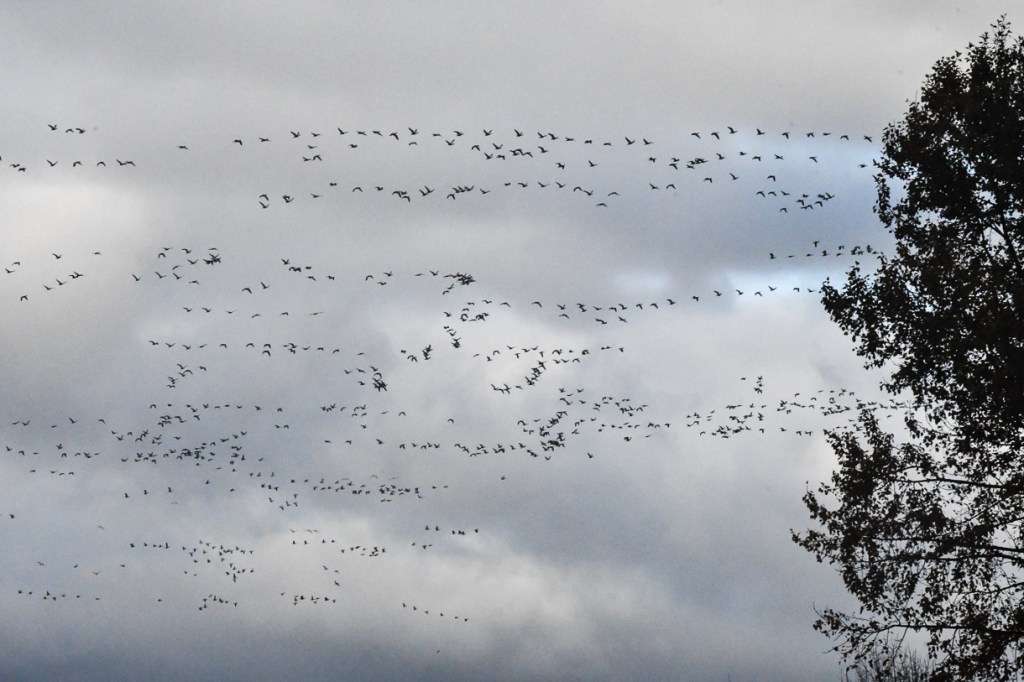
Sauvie Island is a fairly large island. We drove around it along the main road the followed the shore, and it’s generally really lovely. It’s got a lot of farms, they were growing tons of pumpkins while we were there. There are various wetlands dotting the island that fill with vast numbers of Canada geese.

The skies are regularly full of giant streaming flocks of geese. Their populations are doing quite well and the rich and wet marshy habitats on this island are perfect for them. They’re also great crane habitat.

We stopped early on to look around at one path and managed to accidentally flush a barn owl which flew right past us – super cool!

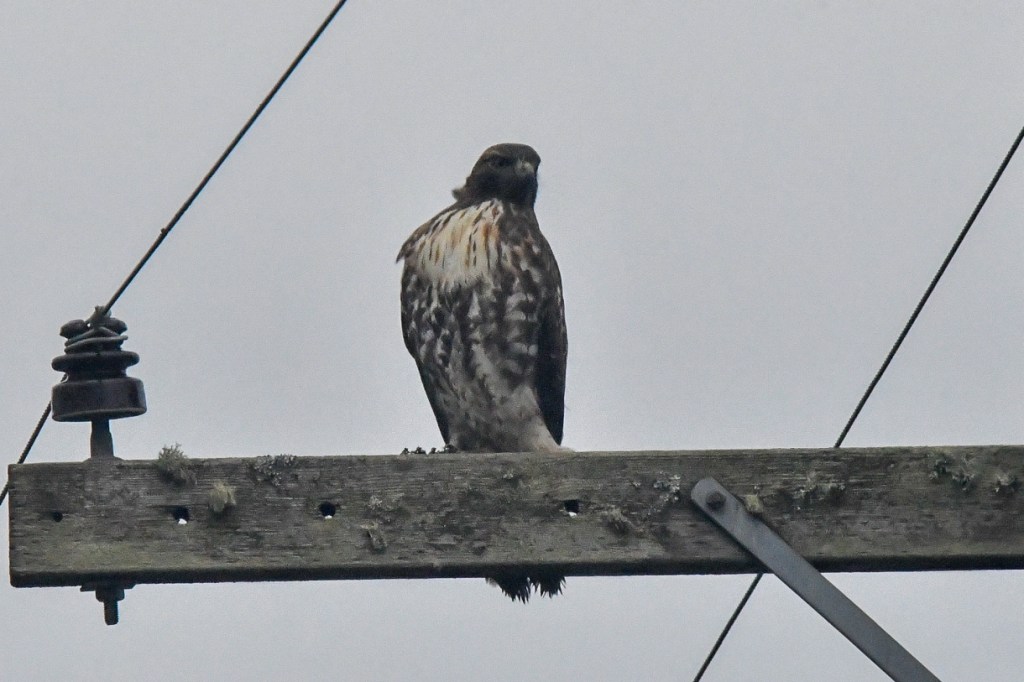
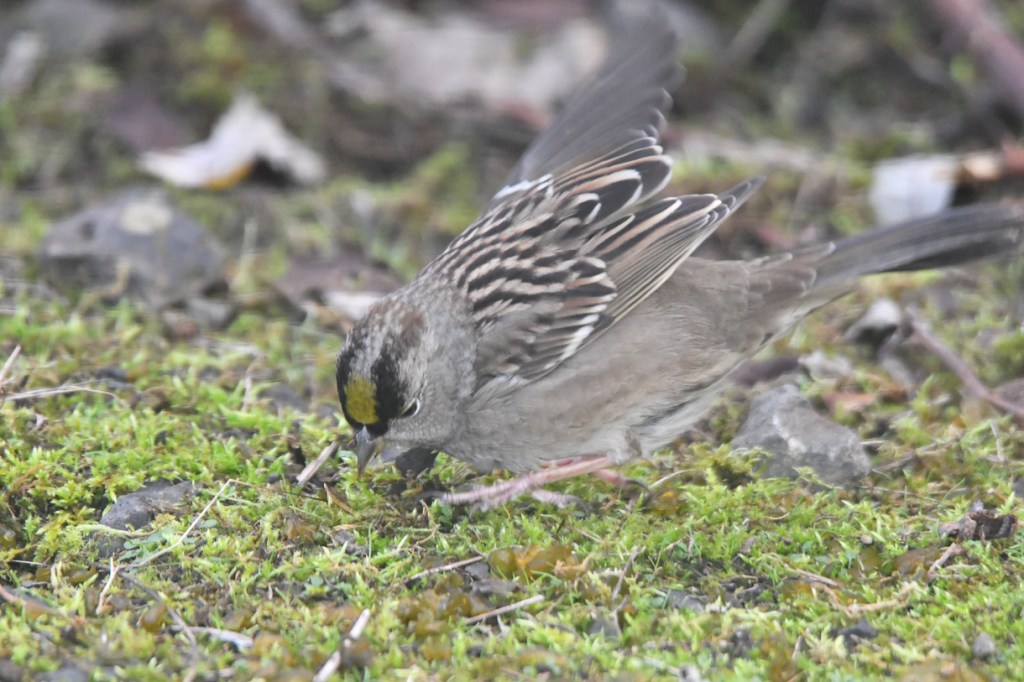
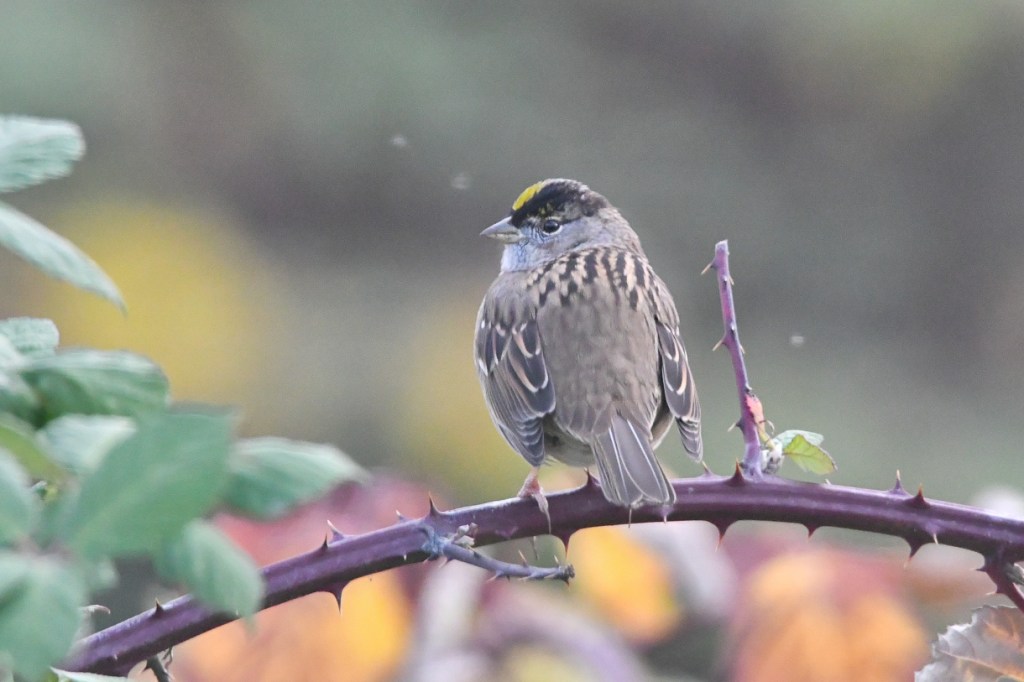
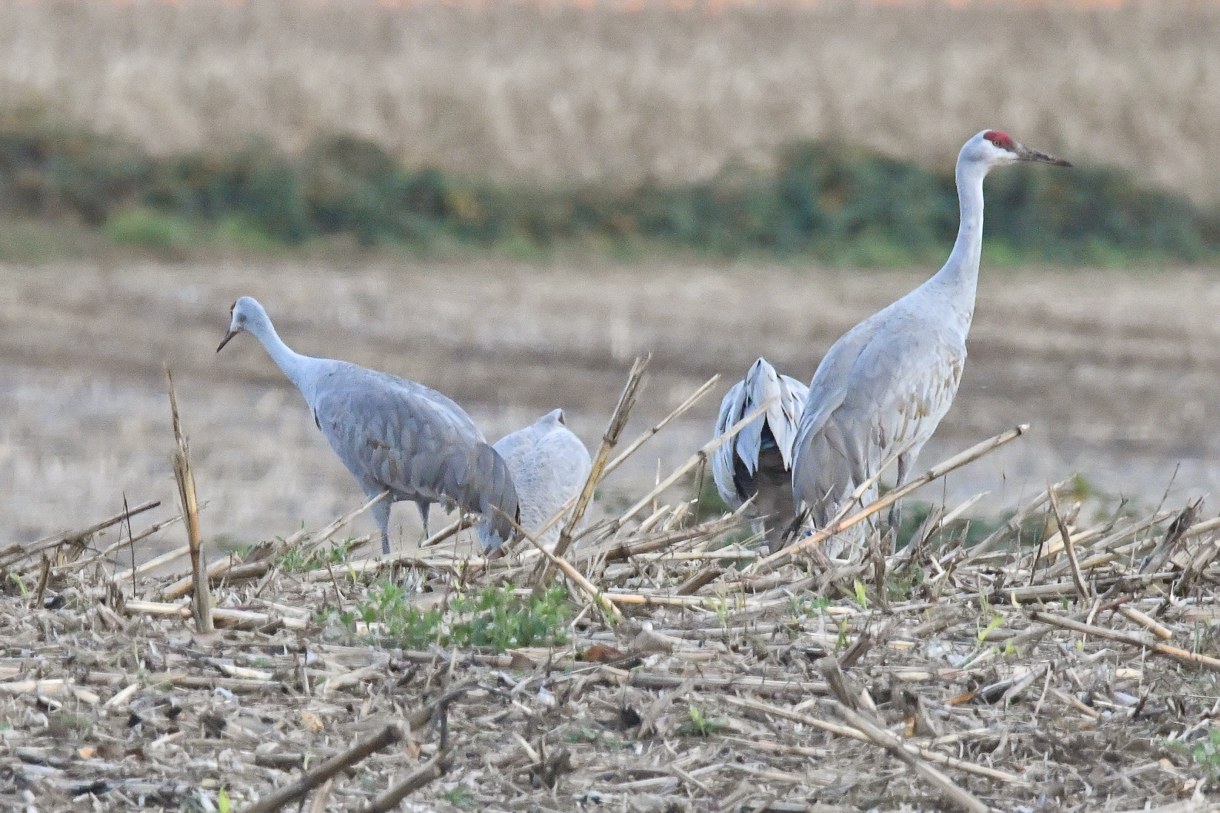
We kept an eye out for Sandhills but didn’t spot any for a while, though we saw a lot of raptors, shore birds, and lots of sparrow species, but mostly golden-crowned sparrows. Light was not ideal for photography for most of the morning, but the clouds lightened up over time and we got plenty of pics good enough to identify the local birds.

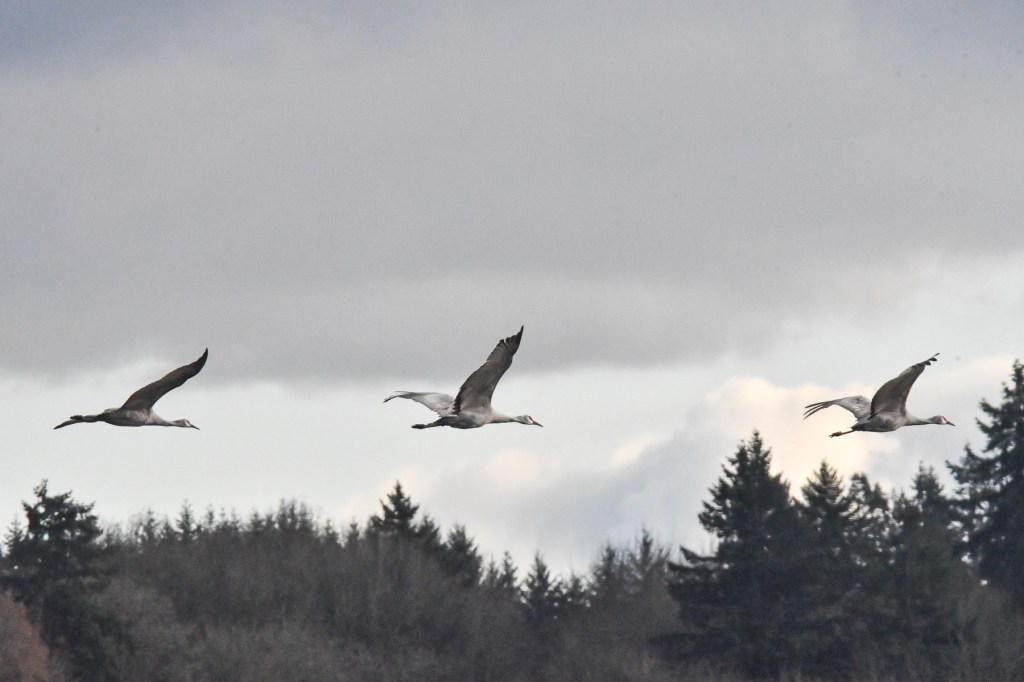
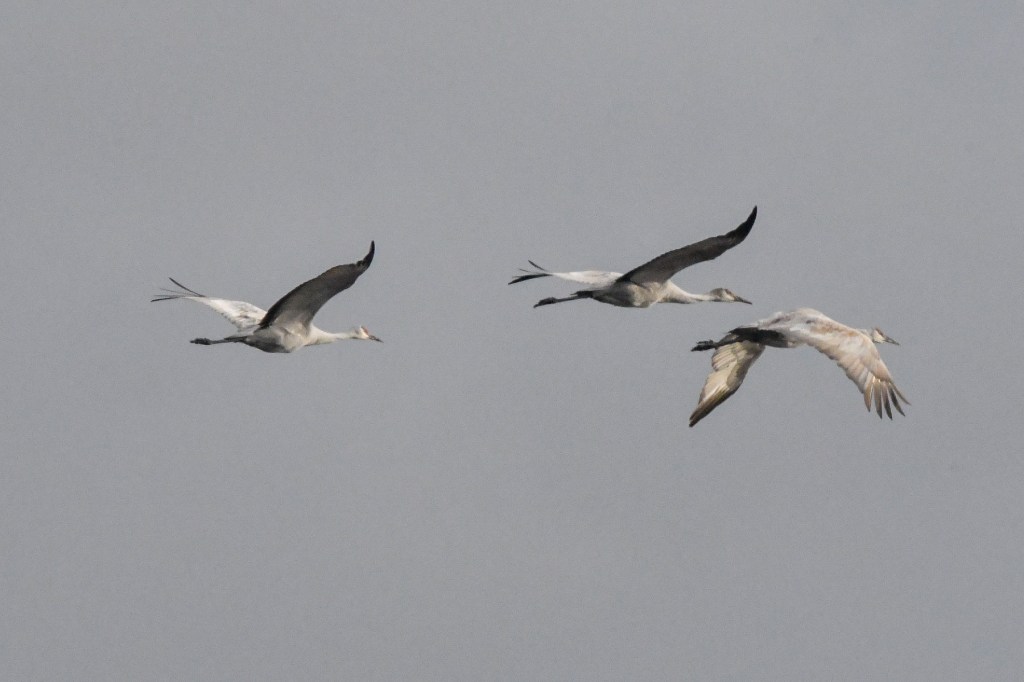
We used eBird and iNaturalist to look up hotspots and places with observations of sandhill cranes, and found a spot called Raccoon Point which was a great overlook where we spotted sandhill cranes, tundra swans, a bald eagle, and other things.

A number of local birders knew the spot, chatting with them we discussed other spots to visit. Virtually all recommended Ridgefield, so we put that on the top of our list.

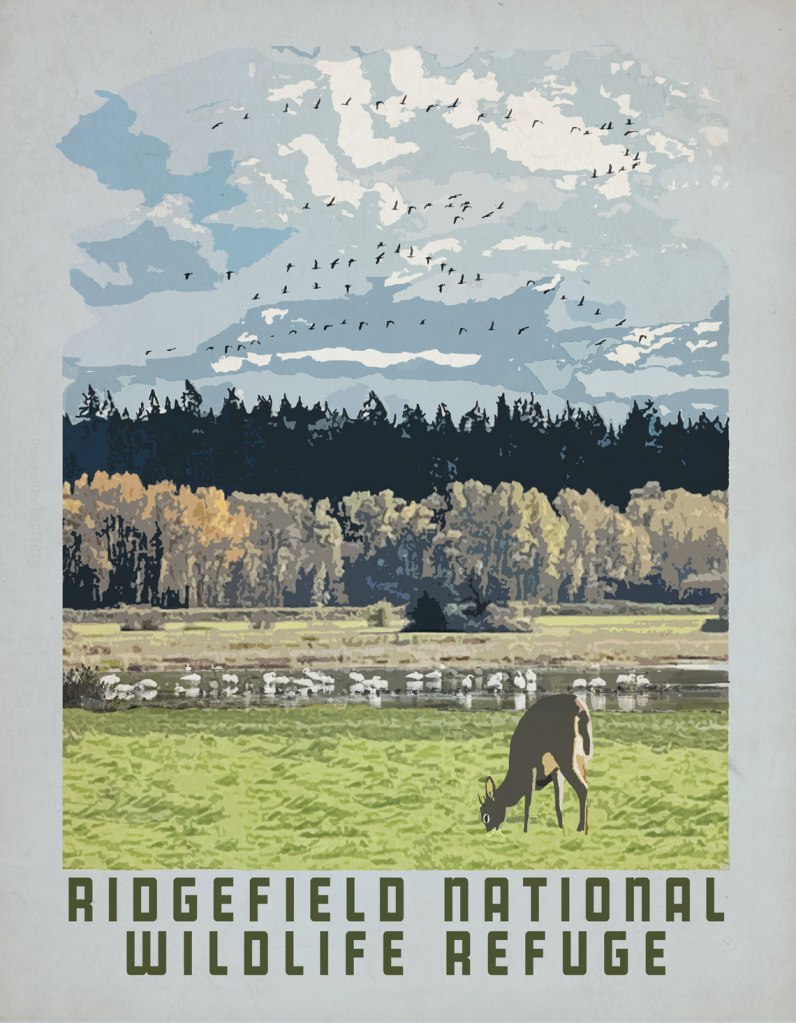
We liked Ridgefield enough that we made fan art.

The next day we headed out to Ridgefield NWR in south Washington. Ridgefield is a wildlife refuge, not a park. Wildlife refuges are effectively land set aside to protect duck, deer, and other wildlife populations for hunters, but they’re still generally good for birding. There was duck hunting going on in some areas, we could hear the noise, that part’s not my favorite, but even with that, this place was great for lazy birding.

One of the problems with birding in many areas of the US is that many outdoor areas draw a lot of people, and each big lumbering ape wandering around out there is seen (rightly) as a threat by most local birds. If any person brings a dog off leash then that’s an even worse threat, and most birds will leave.

At Ridgefield you drive in a very large loop using your car as a blind. Birds and wildlife are far more threatened by a loose person or a loose dog than they are by any car or truck. As a result there are a lot of birds in ponds and marshy areas hanging out near the driving path that would be long gone if anyone exited their car. Happily, exiting cars is forbidden. There were a number of cars like our making a very slow loop with a bit telephoto lens leaning out of the driver side window and binoculars peeking out of the passenger side.

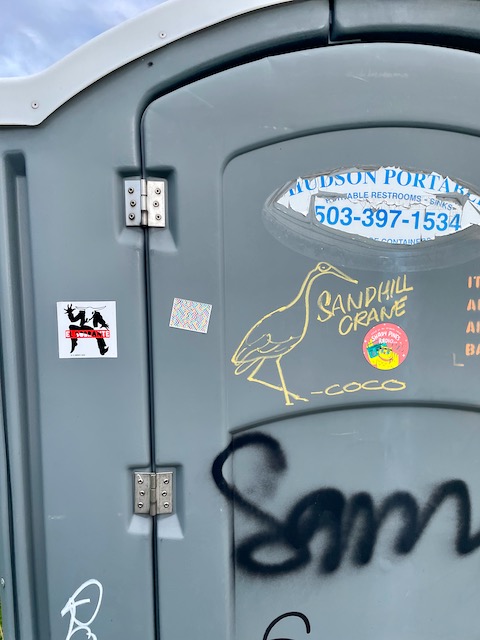
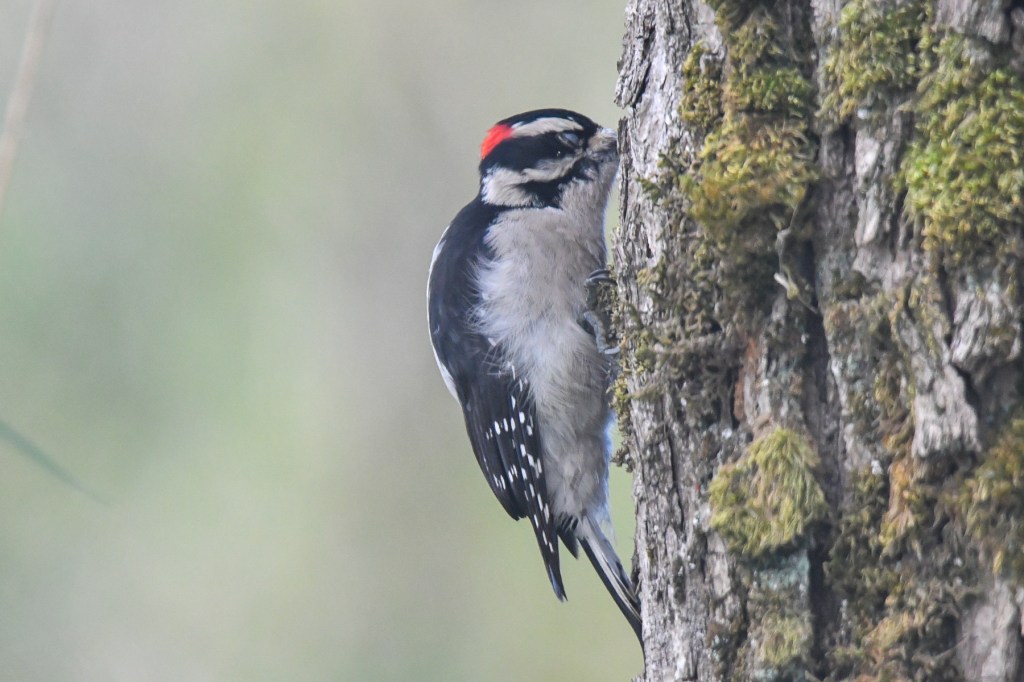
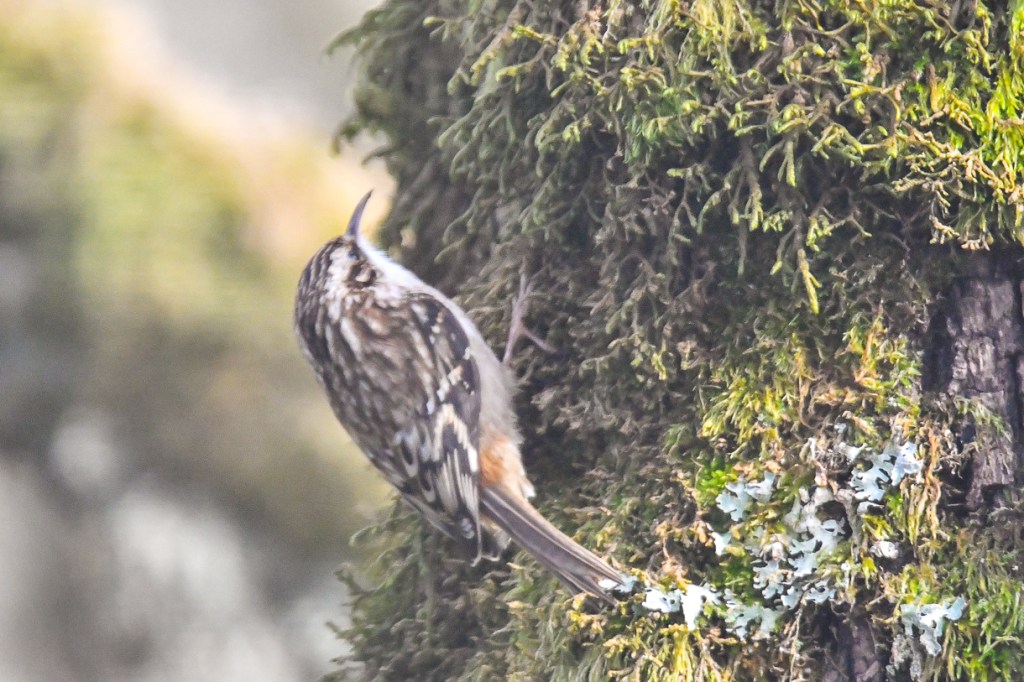
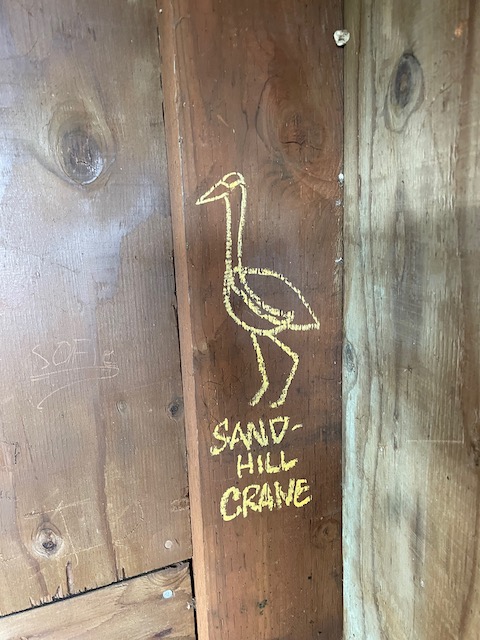
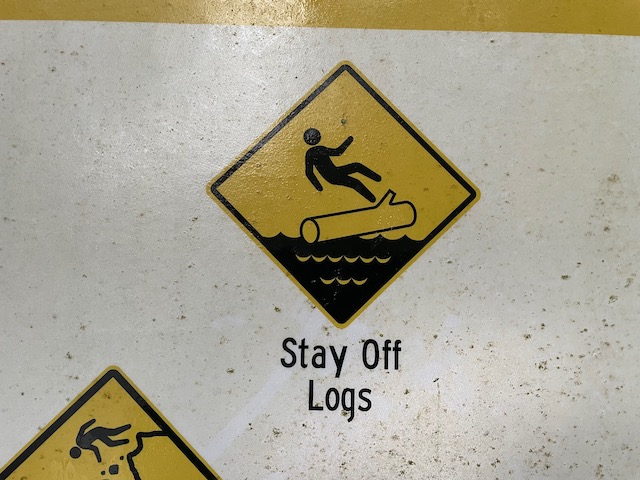
There’s one very nice small footpath where we spotted the brown creeper and the downy woodpecker above, and also spotted a red-headed sapsucker, song sparrow, hummingbirds, red-winged blackbirds, etc. Also at the bathroom here we found this:

The Sandhill Crane Gang are widespread across Oregon and Washington
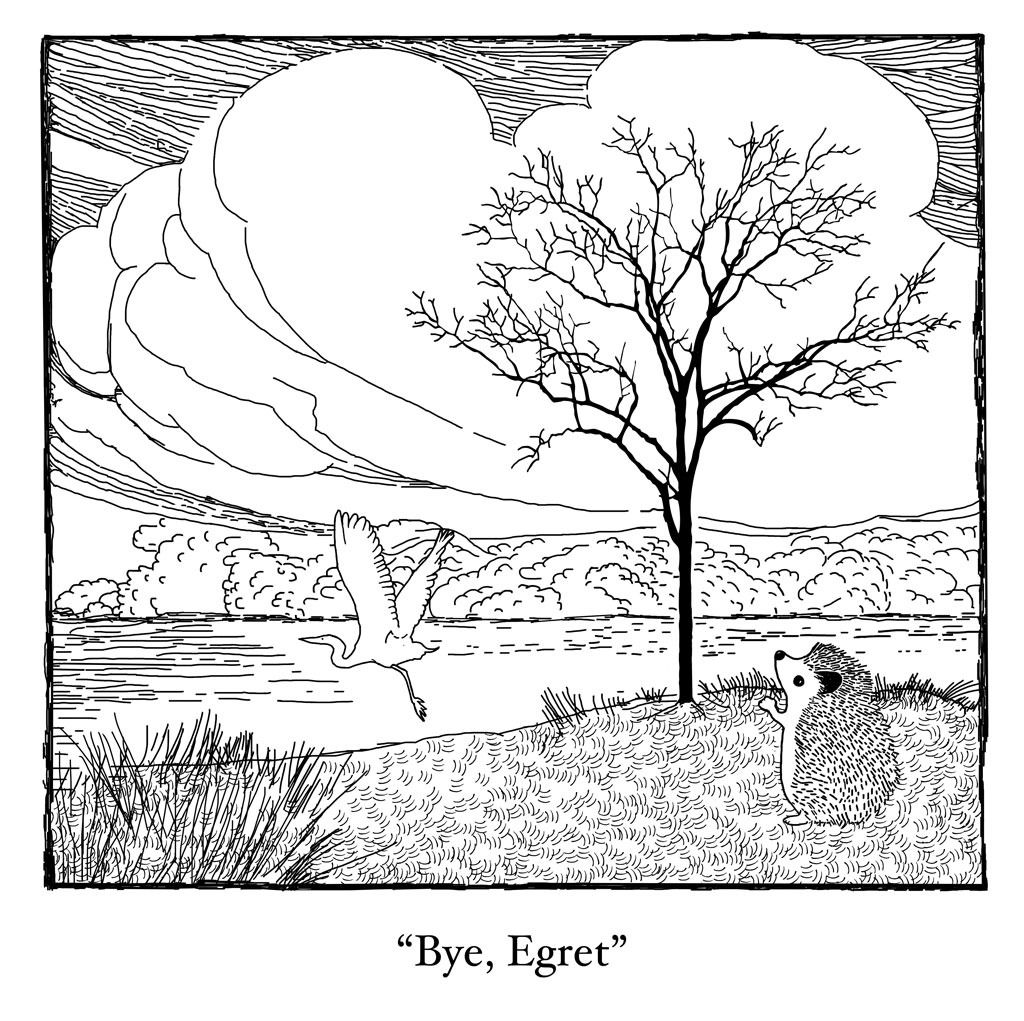
Bye, Ridgefield

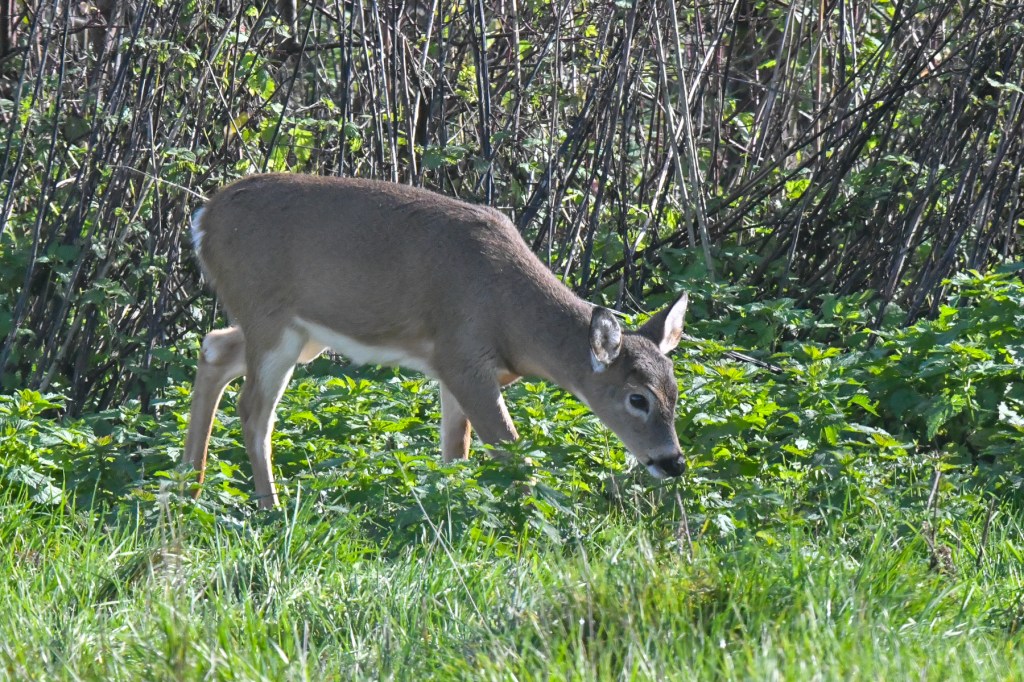
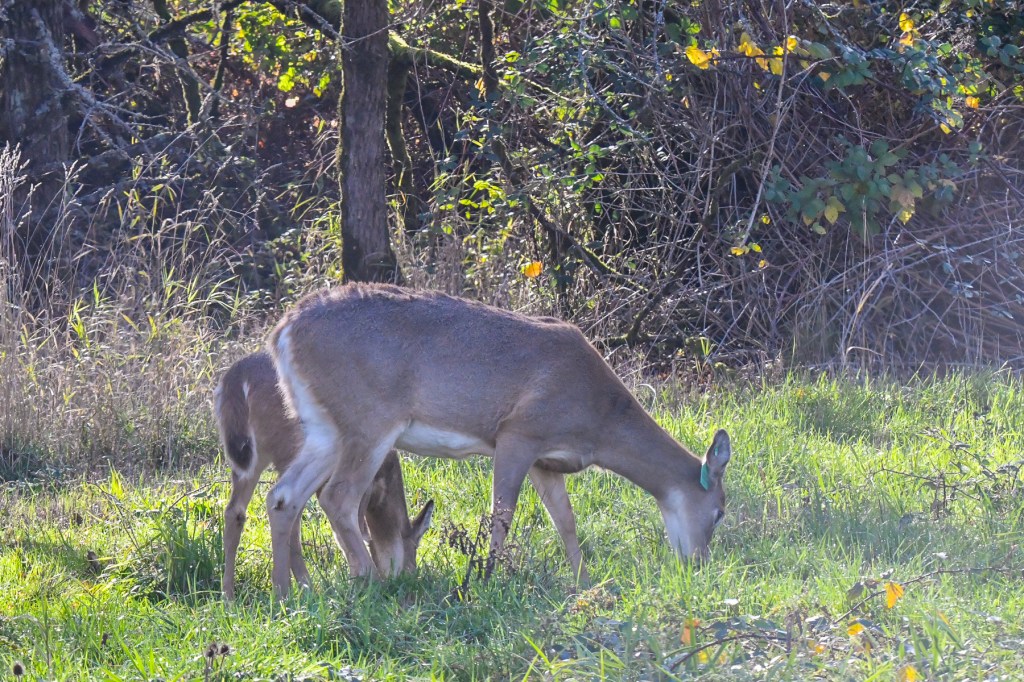
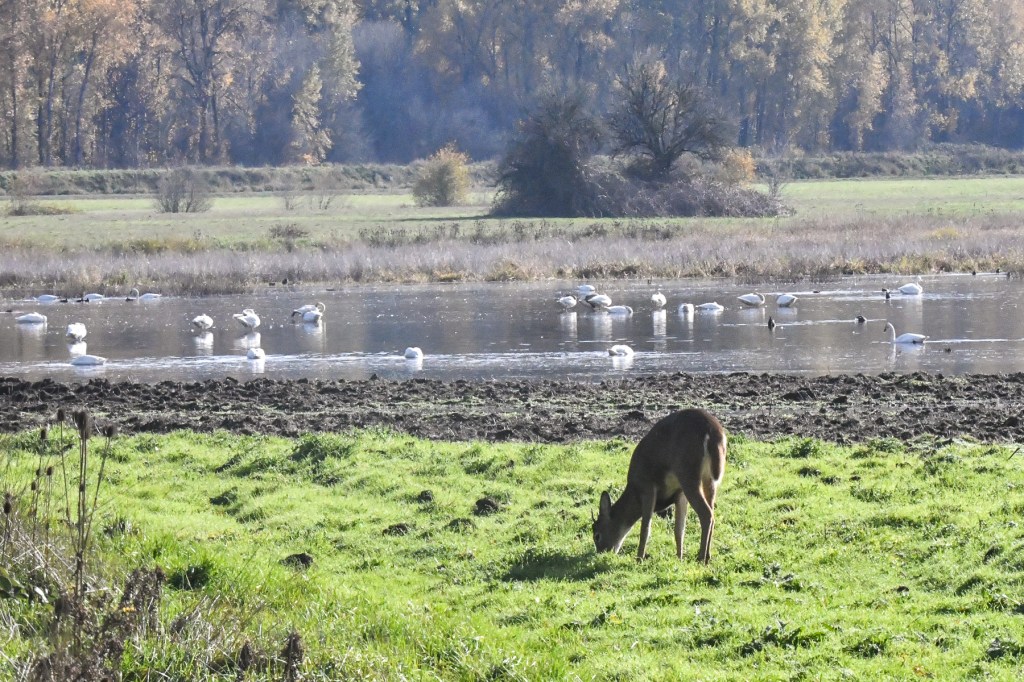
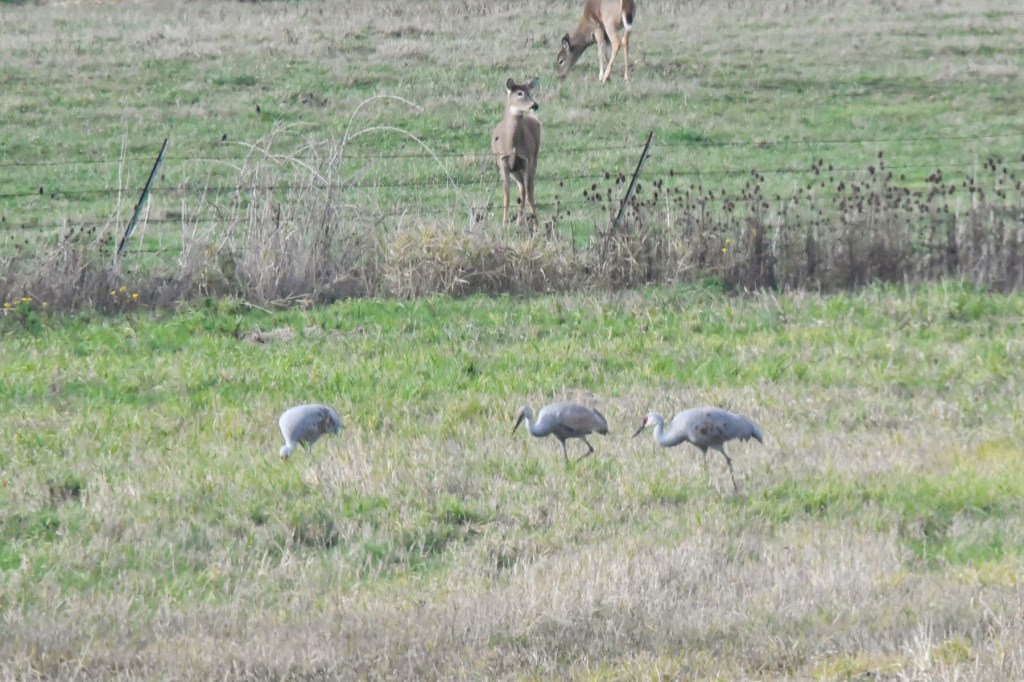
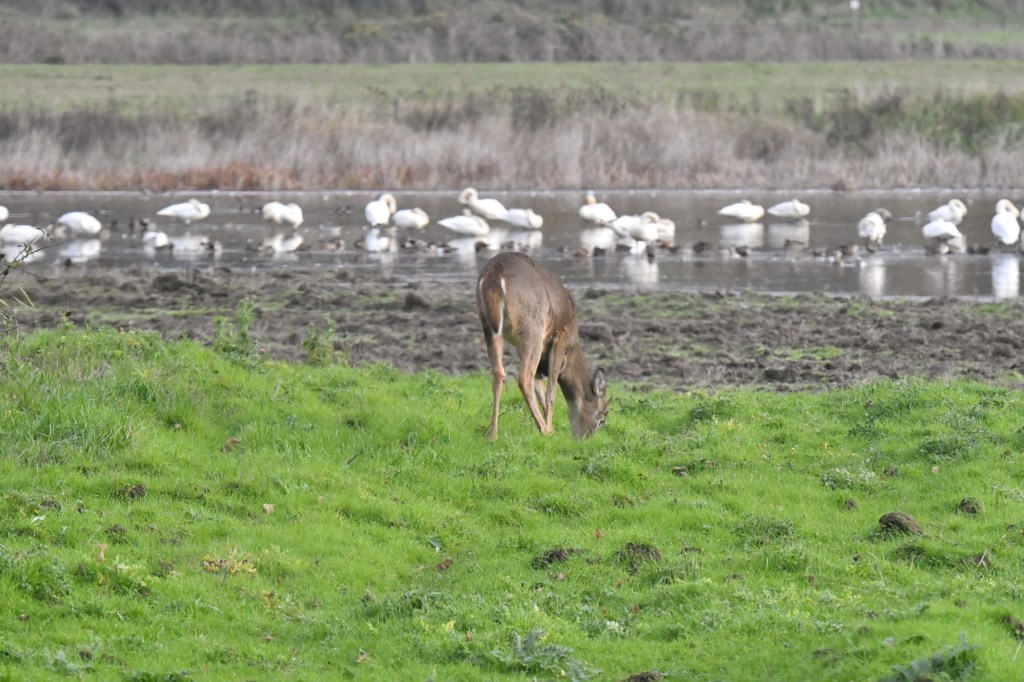
Along the drive there were really nice views of tundra swans, buffleheads, sandhill cranes, deer, elk, rabbits, and many species of duck.

We looped it twice and Ridgefield slightly late to go back to Portland, pack, and stage next to PDX to fly back to Austin.

After that trip, the company I was working for was acquired and I became very busy. The next trip we took was to Corpus Christi for the Birdiest Festival in America late Apr. 2022, which we’ve got a post about in the queue.

Categories
Art Blog Post

Oregon Part 1: Cannon Beach – Fall 2021

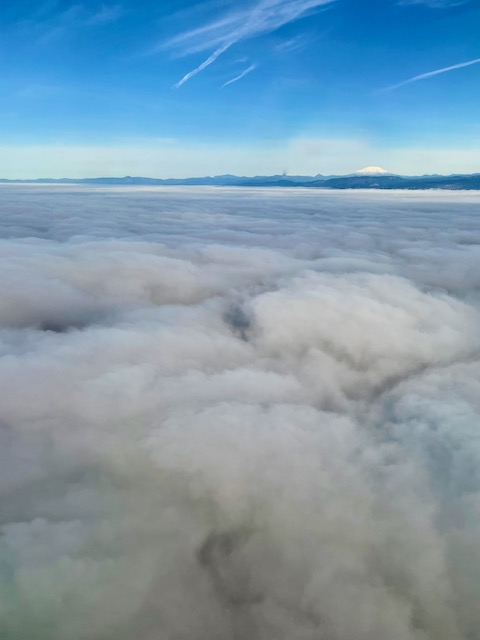
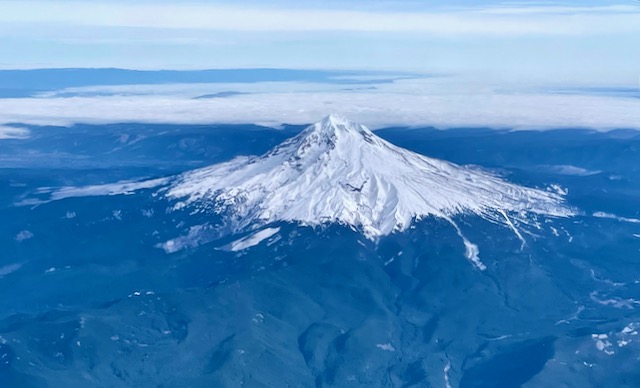
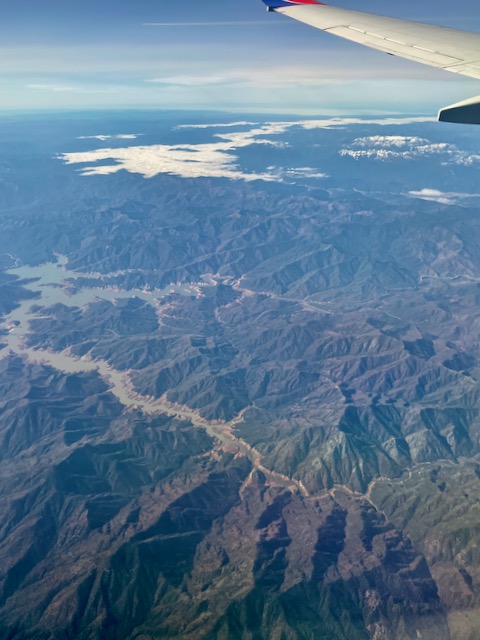
Nice views for much of the flight into Portland

Flying into Portland you can see there’s a lot of wild spaces in Oregon. Lots of forests, lots of habitats, and lots of microclimates. Once we were on the ground we hit the visitor center to learn a bit more about Oregon. The welcome center guide was a former Austinite who’d moved there and we had a nice long chat about various national parks, birding spots, and other things, and got info about Cannon Beach where we were heading after a night in Portland. We also got a recommendation for lunch, a Vietnamese place that was excellent.

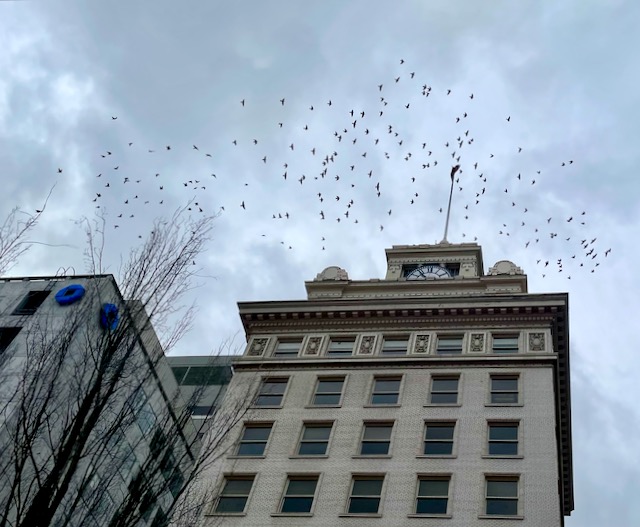
Our first night there we walked the streets of Portland downtown near Broadway and Main. It wasn’t the most affordable city, but we enjoyed Portland a lot, even in November when it’s mostly gray. The Columbia river is a huge waterway with a number of shorebirds nearby, not far out of town there’s Sauvie Island which was a good spot to find sandhill cranes, and a bit further out in southern WA, there’s Ridgefield NWR – more on those later.

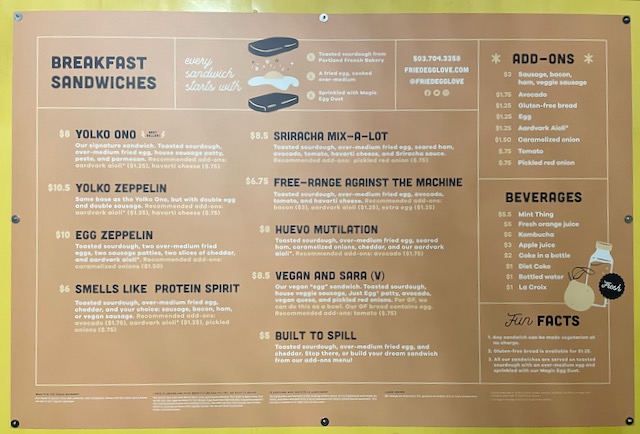
In Pioneer Square transit mall there’s a great breakfast food truck with a long line.

Strong recommendation on the Yolko Ono, props to them for Smells Like Protein Spirit

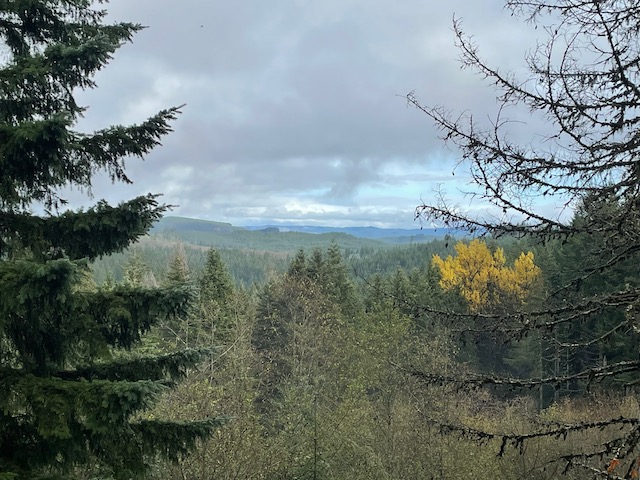
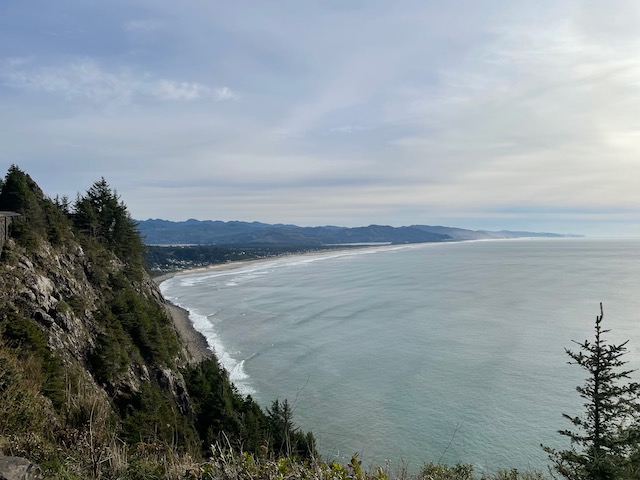
The next morning we drove out of Portland and onward to Cannon Beach, a very popular coastal town. We left with a loose schedule and a plan to stop and look around if we saw anything along the drive that seemed worth stopping for. We stopped at various spots along the way at scenic points, and wow is Oregon full of lovely scenic points and neat things:

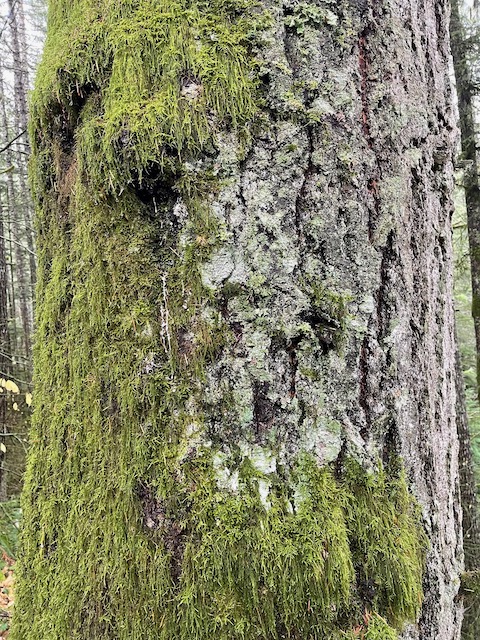
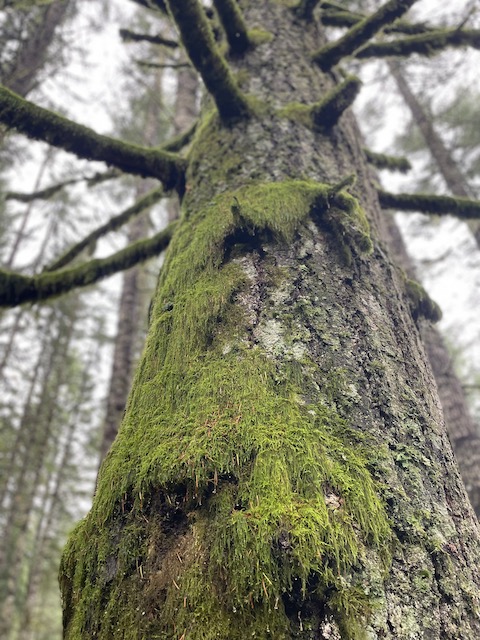
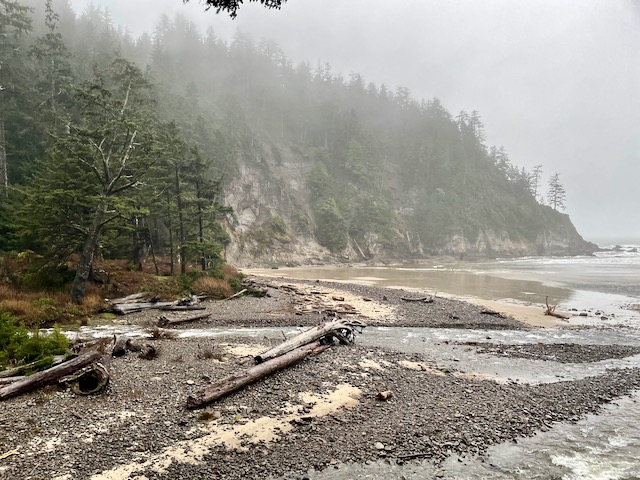
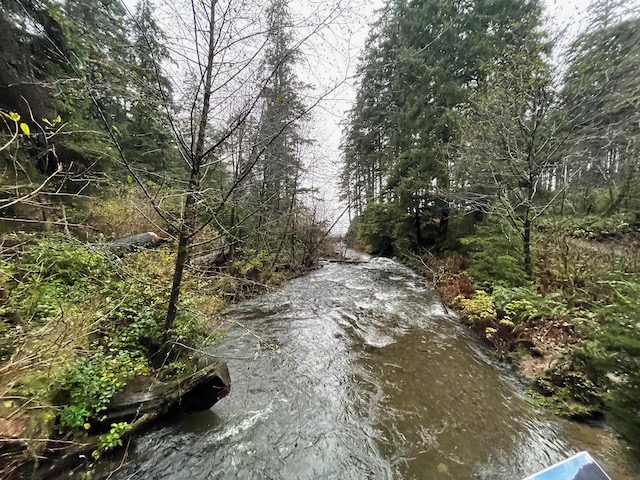
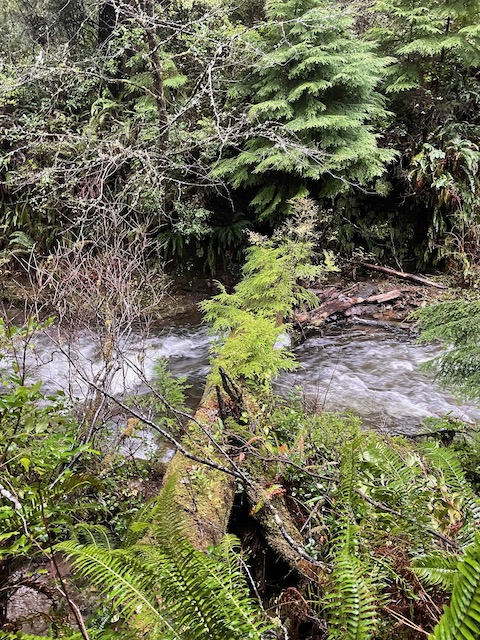
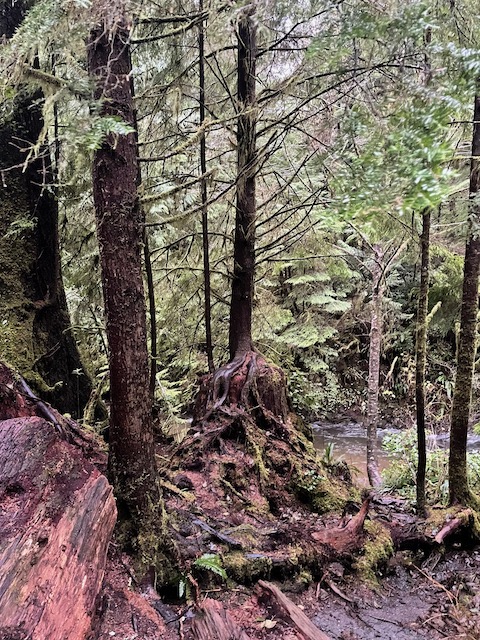
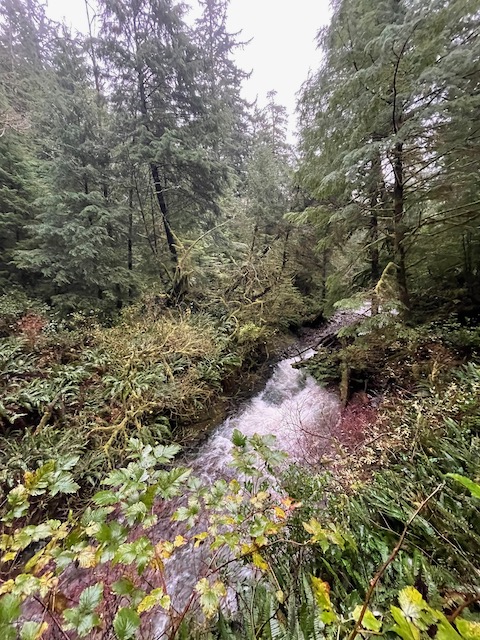
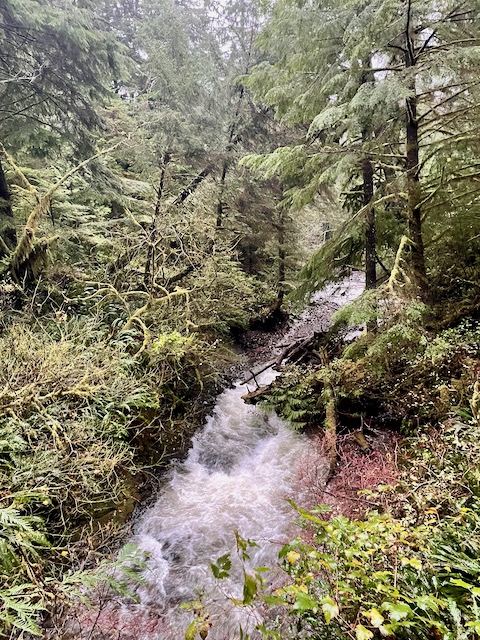
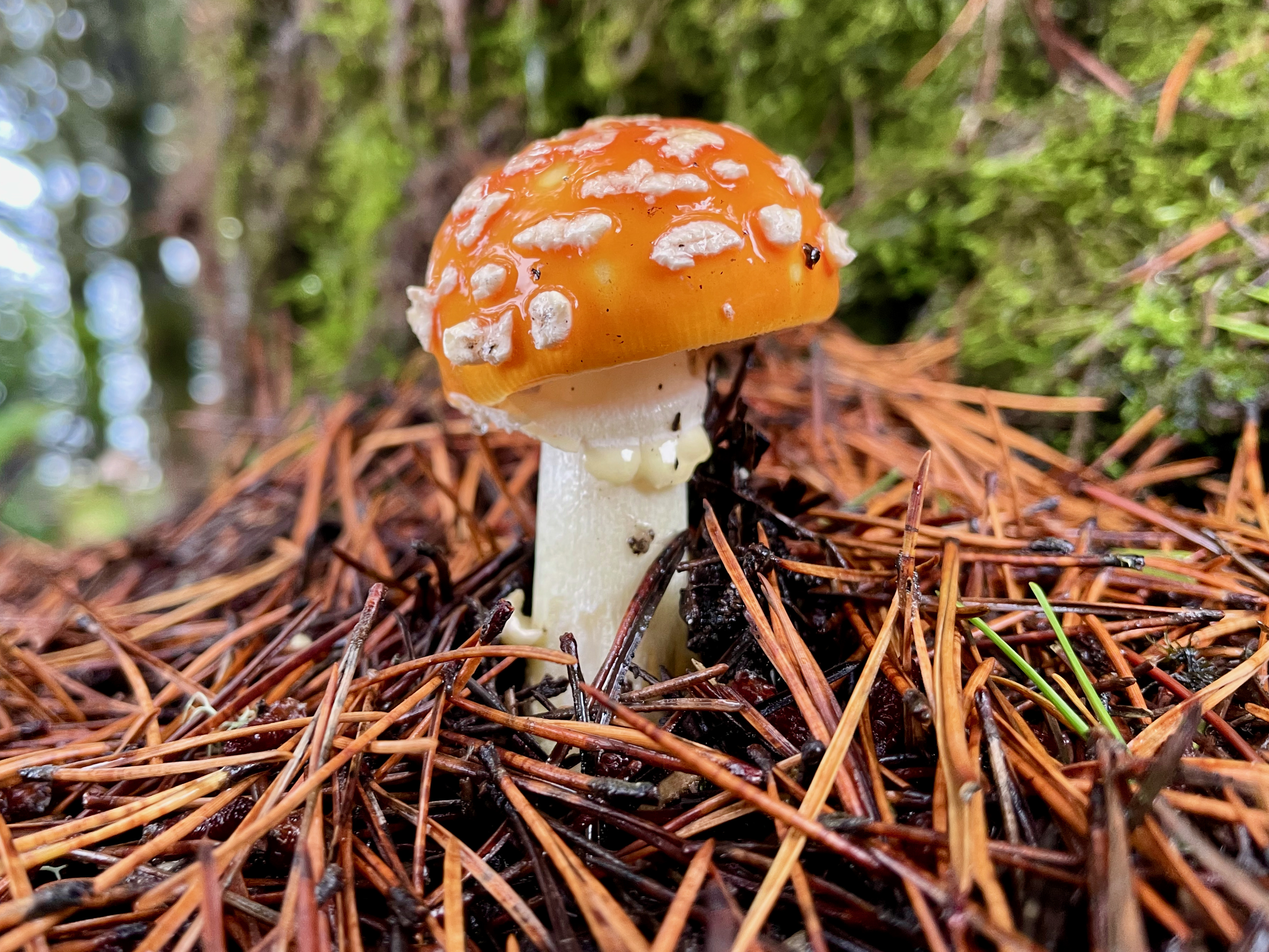
There’s a stop right near Arcadia Beach that’s got a trail that follows a fairly strong stream/small river down to the ocean. Not a lot of wildlife, but just being among the ferns, mosses, and fungi was cool.

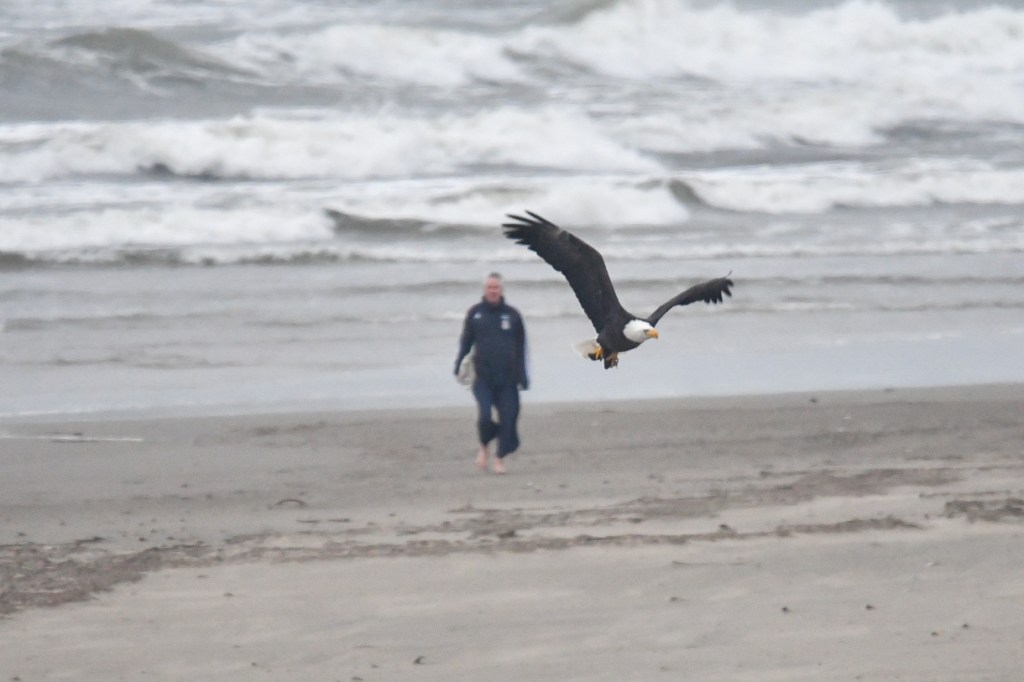
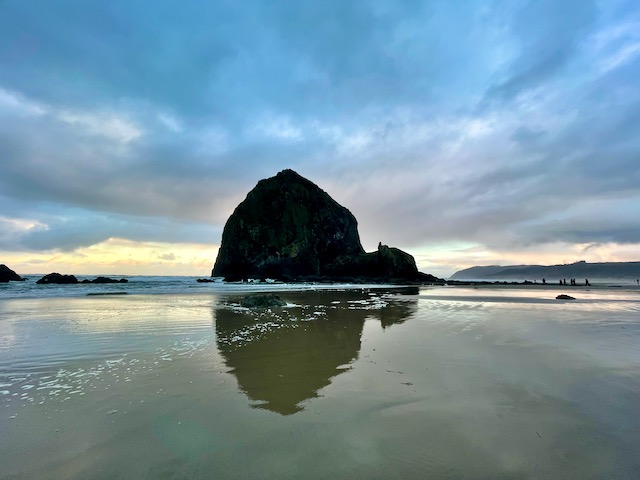
It was quiet when we checked into our room in Cannon Beach, Nov. is the off-season, but even with that there were still a fair number of people out at Haystack Rock and the beaches of Cannon Beach tended to have people walking them early, usually with loose dogs further driving away the wildlife, and the occasional eagle-chasing maniac.

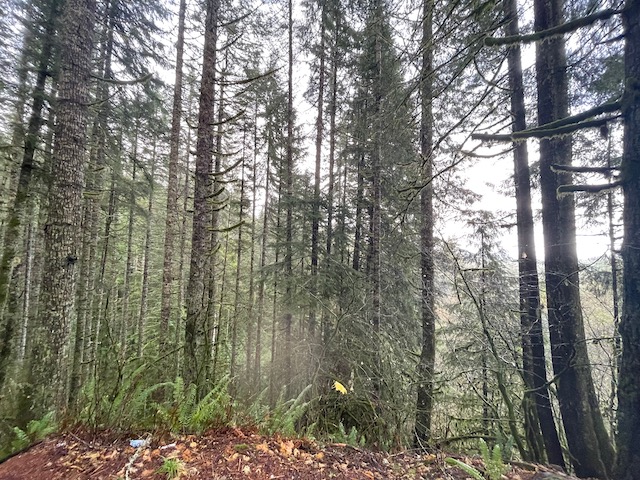
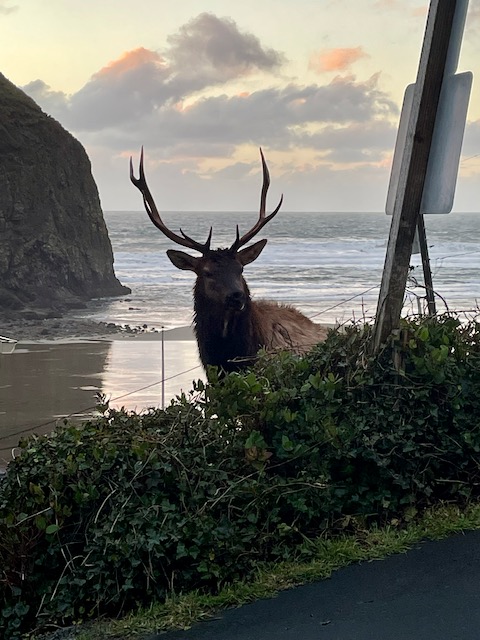
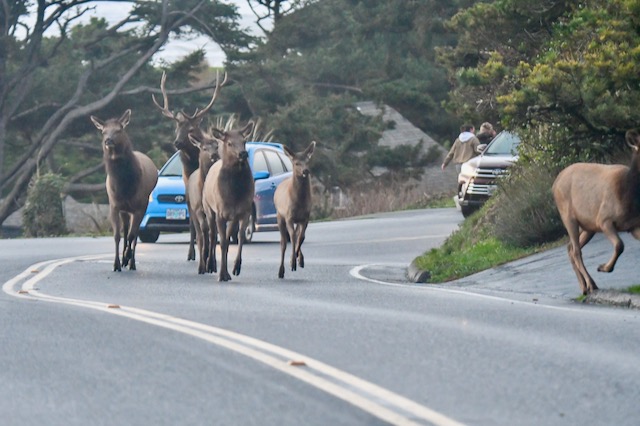
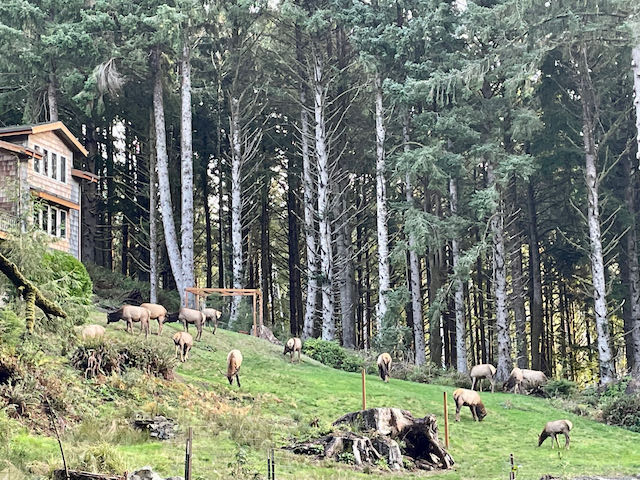
Cannon Beach was still amazing. There were Roosevelt elk and white-tailed deer wandering around town, sometimes blocking traffic. The area is in the middle of a very wet conifer forest habitat hitting the Pacific, so it was full of life even in mid-November.

No, seriously, there were Roosevelt elk all over the place

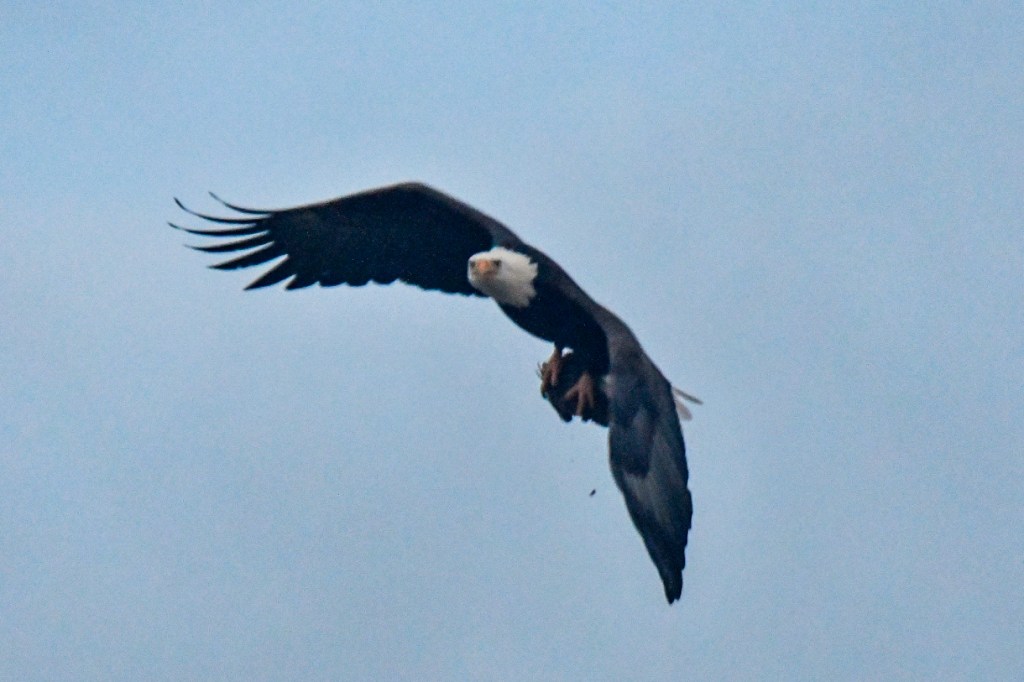
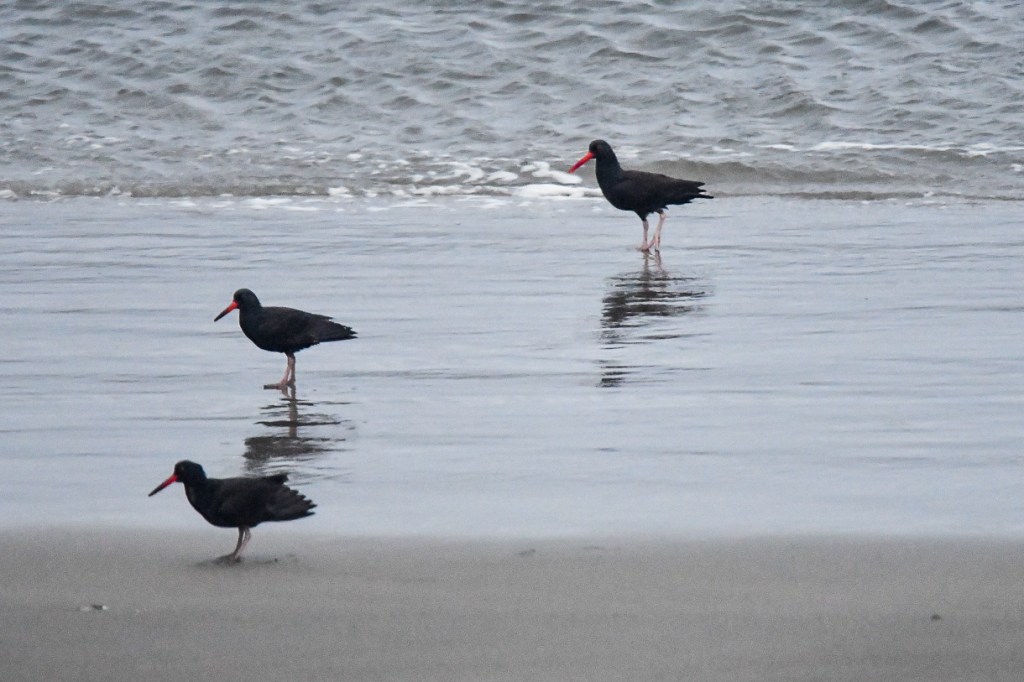
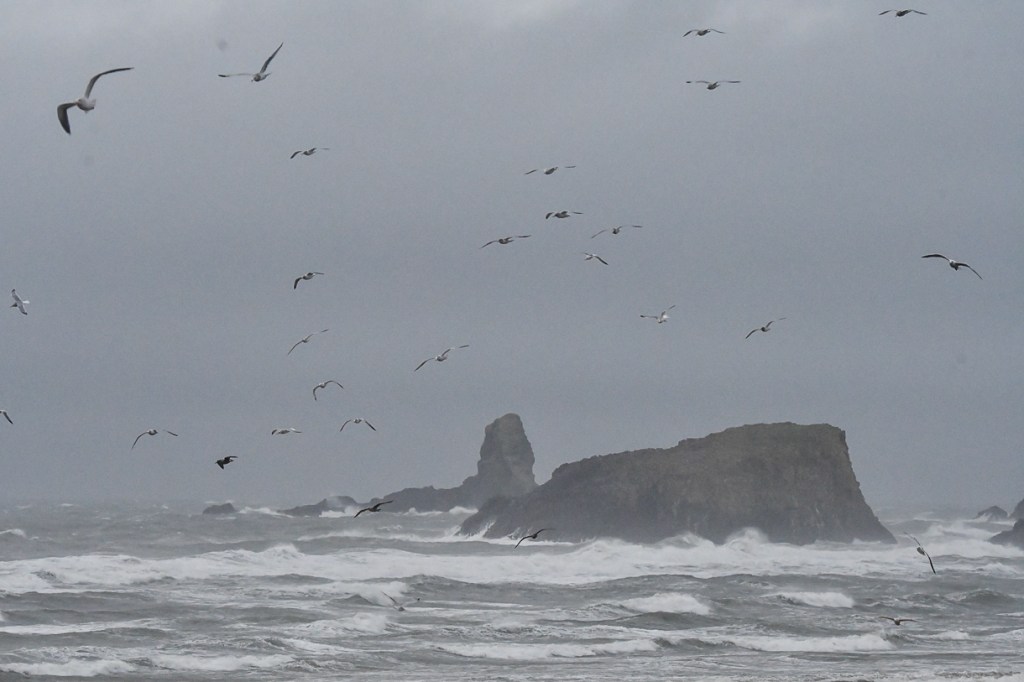
On our first morning, looking back from the patio we spotted a bald eagle nearby, we saw black oystercatchers wandering nearby, and saw tons of gulls, especially where Ecola creek fed into the Pacific.

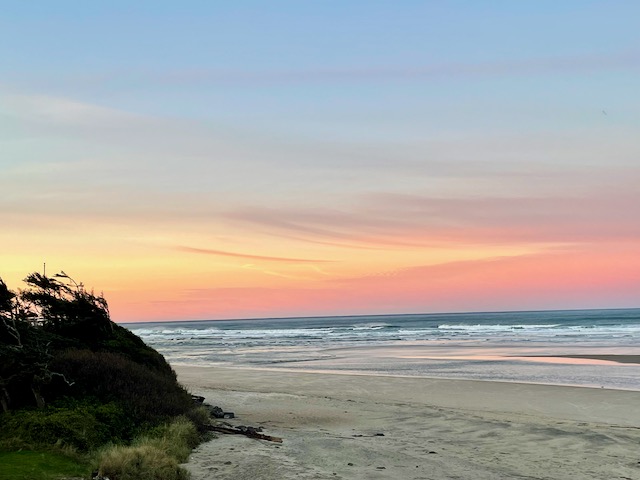
The first morning’s view from the patio
Black Oystercatchers were a target bird we saw from the patio
Gulls, dramatic coastline
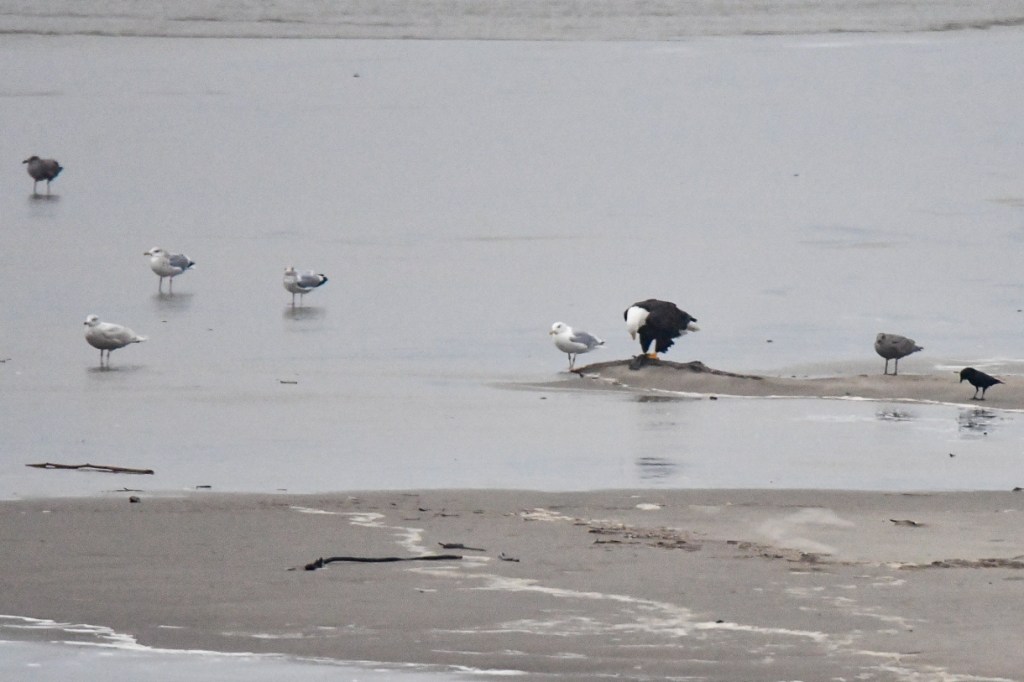
Eagle stealing from gulls – we saw them engage in this behavior several times
Eagle-chaser here was bothering the poor bird. Don’t be this guy.

I worked remote a bit at the start of Cannon Beach, we took walks on the beach after some meetings which was nice, and in our free time we took some time off to go see things.

“Chaos Elks, +4 attack!”

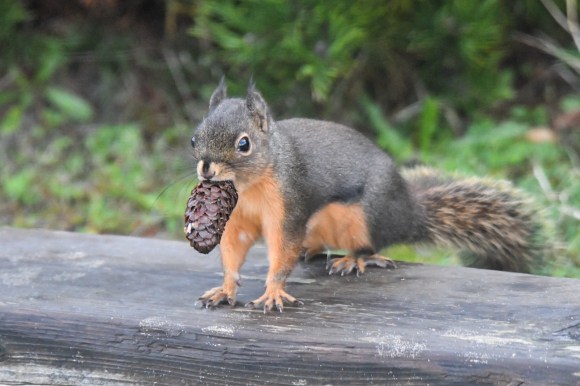
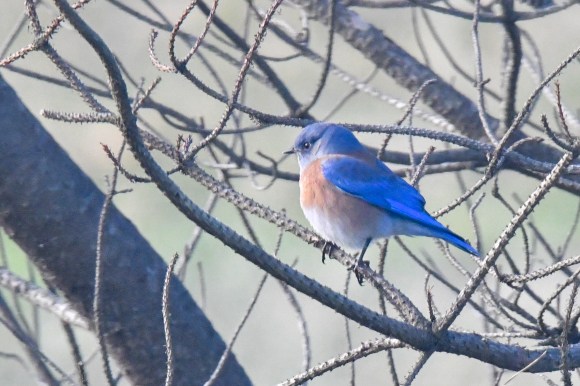
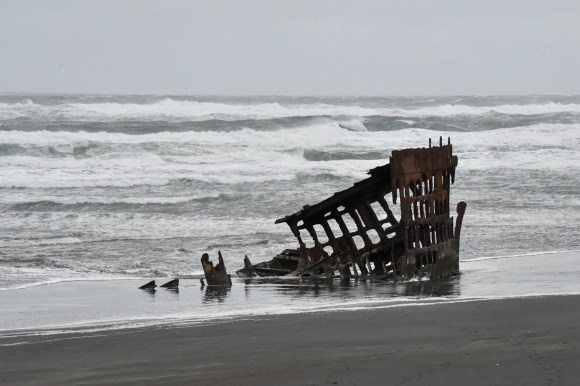
We used Cannon Beach as a base and drove up and down the coast to visit different sites. While looking around we saw a Douglas’s squirrel, eastern bluebird, the shipwreck of the Peter Iredale, and spent a lot of time out in the cool wet forests full of moss, ferns, and fungi.

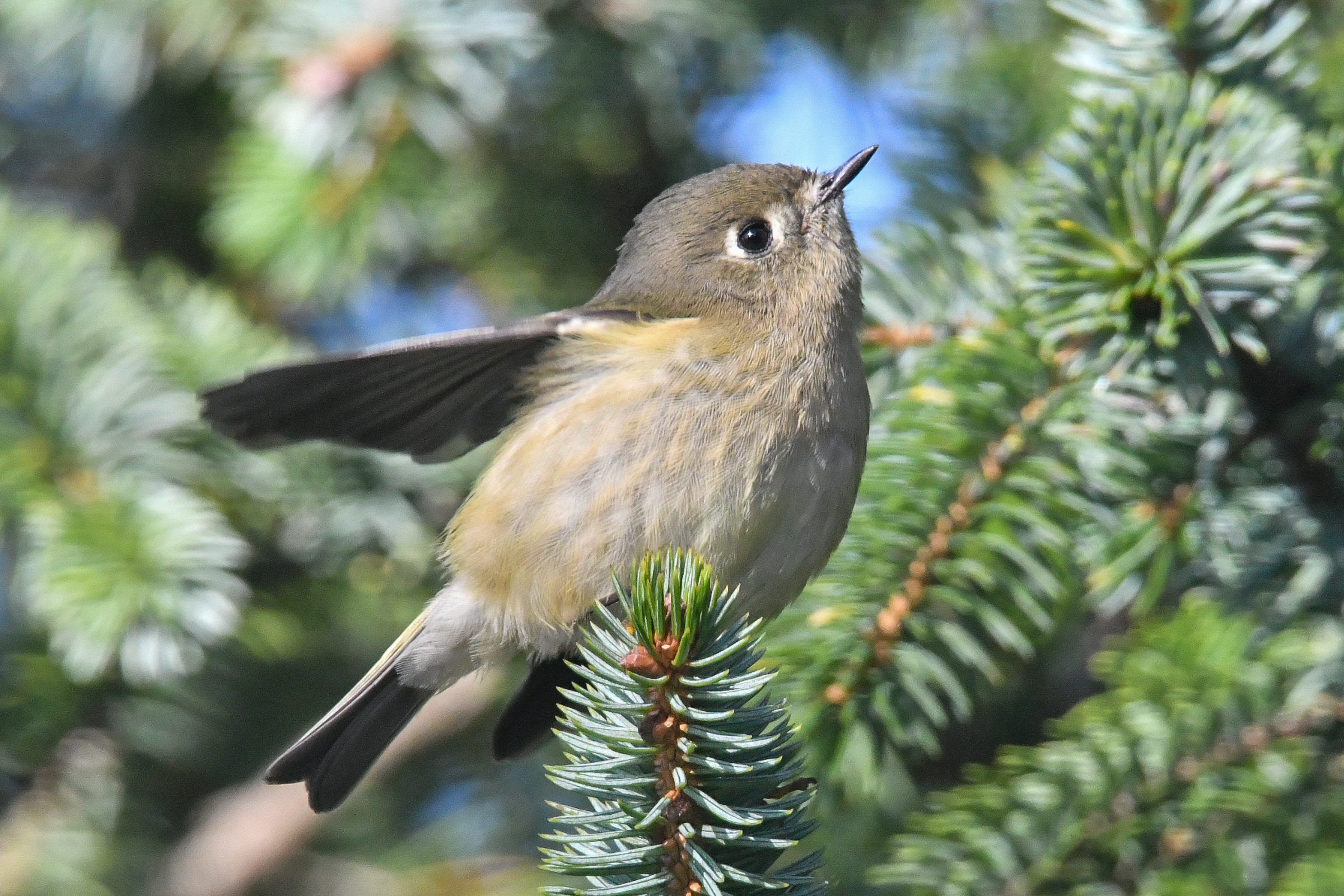
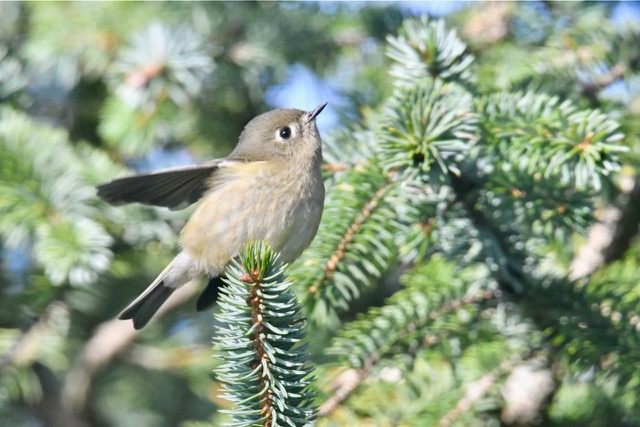
A new species of squirrel, and an eastern bluebird were both great finds. One bird I was hoping to spot up north was the golden-crowned kinglet. In Austin the ruby-crowned kinglet is a winter visitor. We found a few ruby-crowned kinglets.

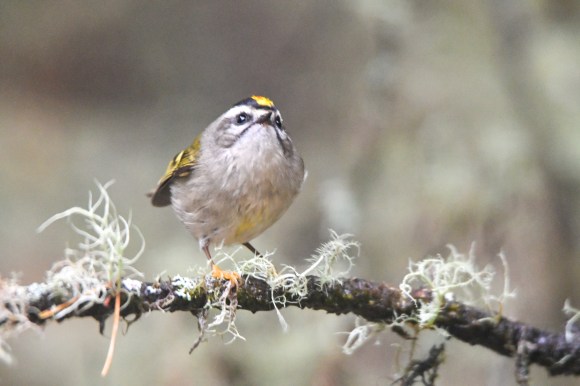
Their cousin, the golden-crowned is much less common, but Oregon was a good place to find these, and happily we did at Fort Steven’s State Park!

We wanted to find one of these for more than a decade, really

The golden-crowned kinglet was very nice, and the coast overall was amazing to behold.

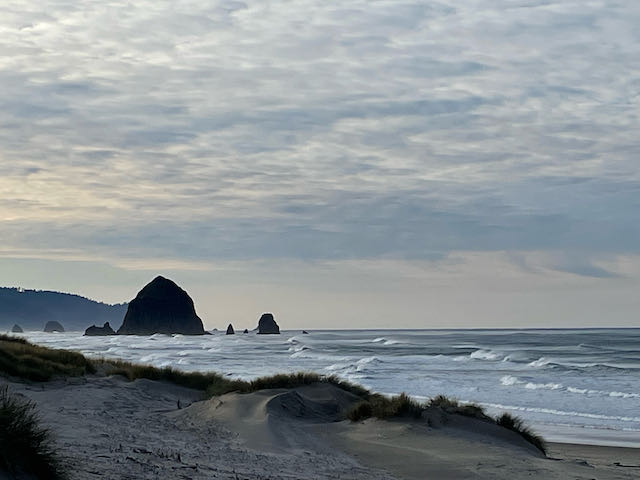
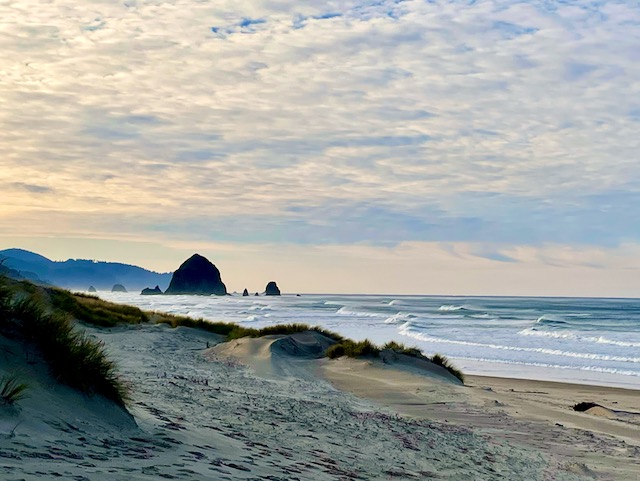
Haystack Rock an iconic part of Cannon Beach

At the right time in the spring you can find Tufted puffins nesting on Haystack Rock, and apparently local birders bring out spotting scopes to let folks see them. No harlequin ducks or puffins when we were there, guess we’ll have to come back.

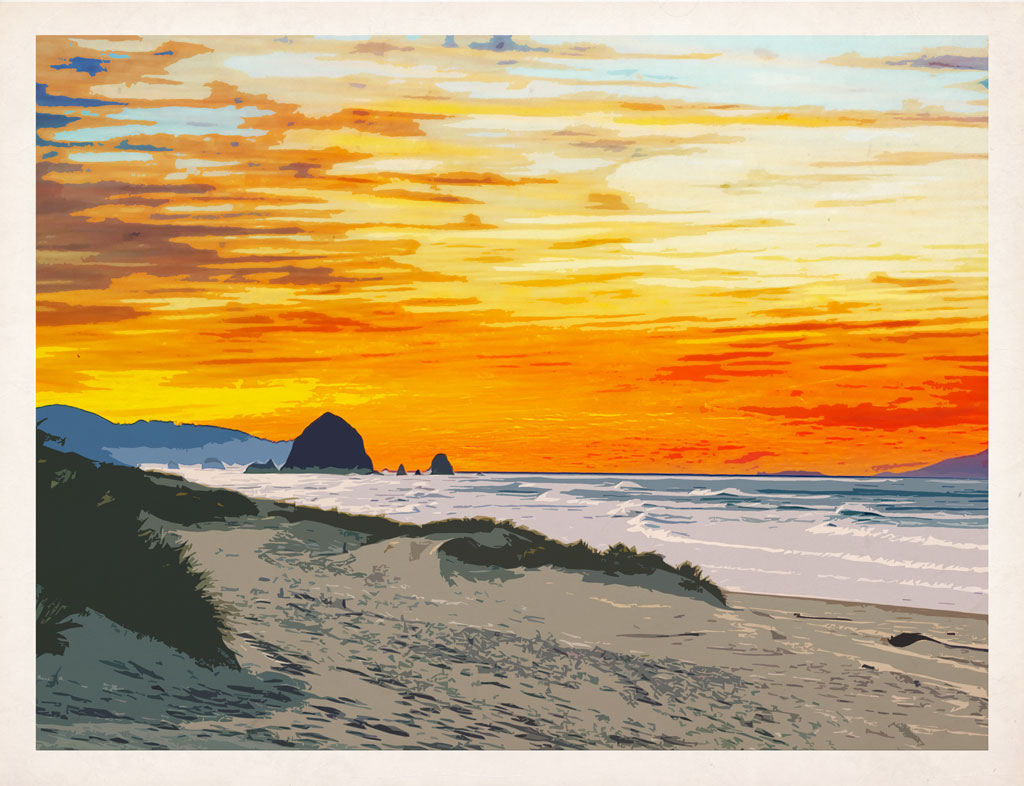
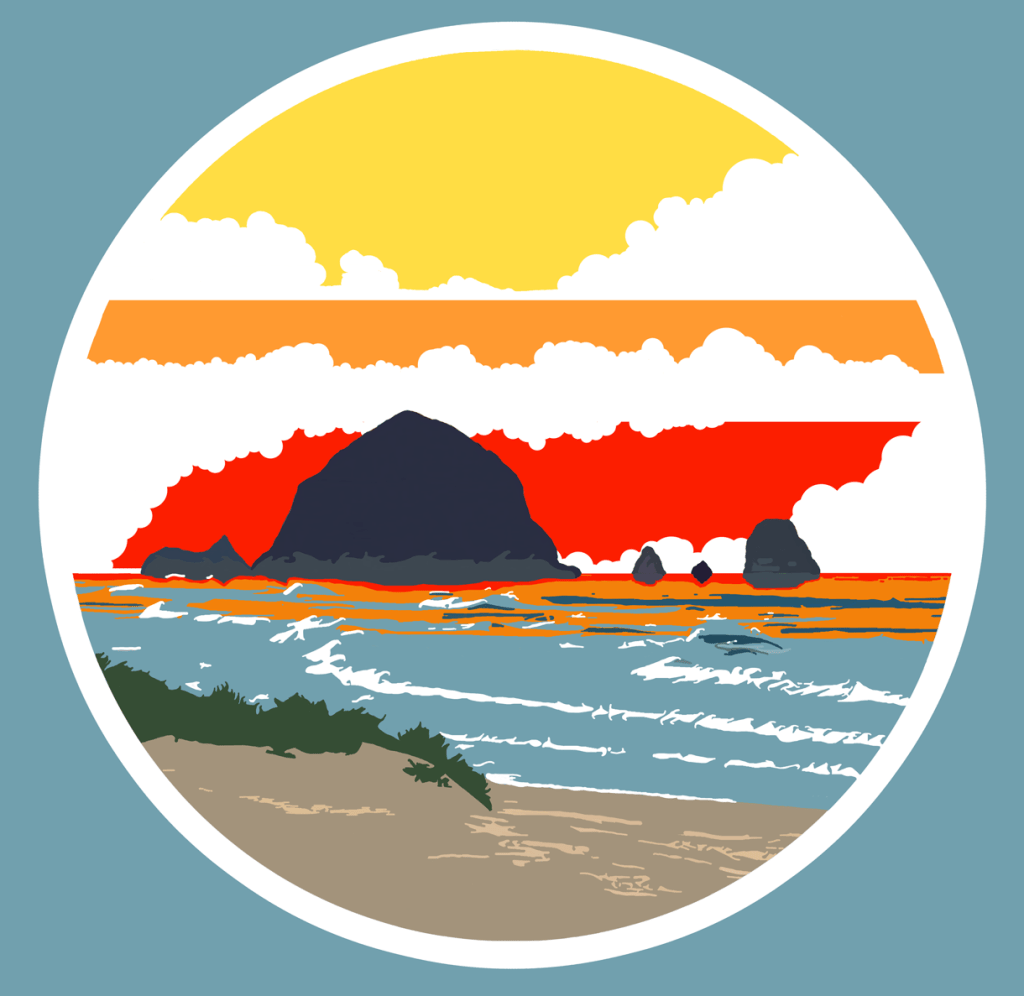
Art inspired by the trip.
… and more art inspired by the trip

We spent most of our days there driving north or south to see the rest of the coast. We made it up to Fort Stevens State Park, where the shipwreck is off the coast and there’s very good birding, and drove south once very slowly seeing nearer things, and once going all the way down to Tillamook where we saw the cheese factories. In Garibaldi nearby there was great birding, we saw mergansers, buffleheads, surf scoters, and other weird ducks. The Oregon coast is full of scenic vistas.

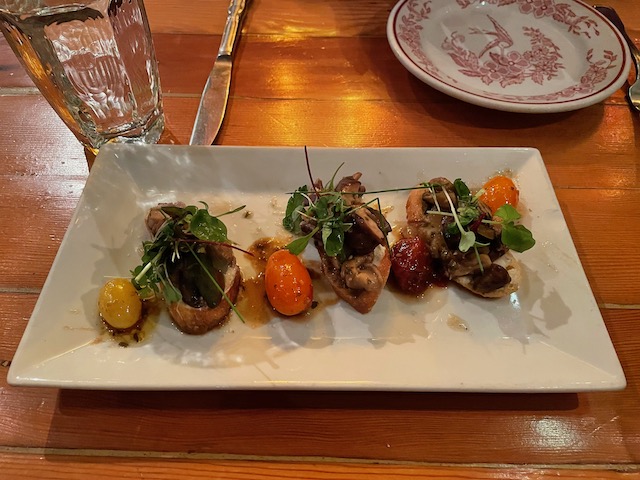
Cannon Beach is a little touristy, a little pricey, and even in the off season it was much too crowded for my tastes, but it worked well as a base camp, and it really was a very cute town in a gorgeous setting. We found a place called Corbin’s in Cannon Beach that was a small family run restaurant that was something of a farm to table place, the fresh mushrooms and literally everything they made were extremely good, and we made reservations for the next night to come back once we found it.

We also went to Pig’N Pancake, all day breakfast menu – it’s paradise.

Pig’N Pancake is an all-day breakfast place – we became superfans

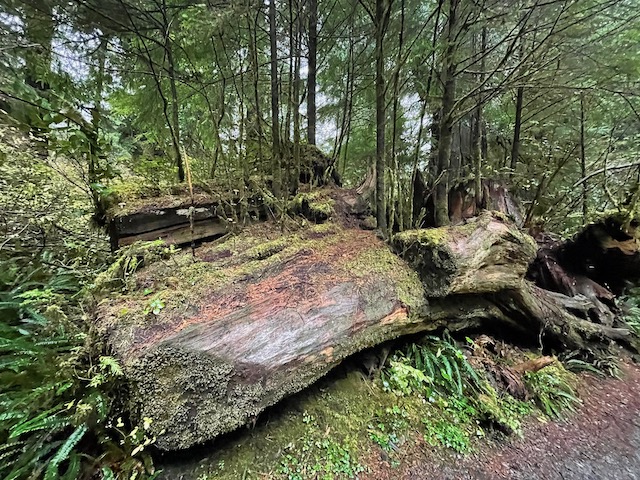
The Oregon coast’s beautiful old forests growing right to the edge of their rocky shore were truly wonderful to visit and explore. We drove back to Portland a little later than we’d first planned since it was hard to leave the coast.

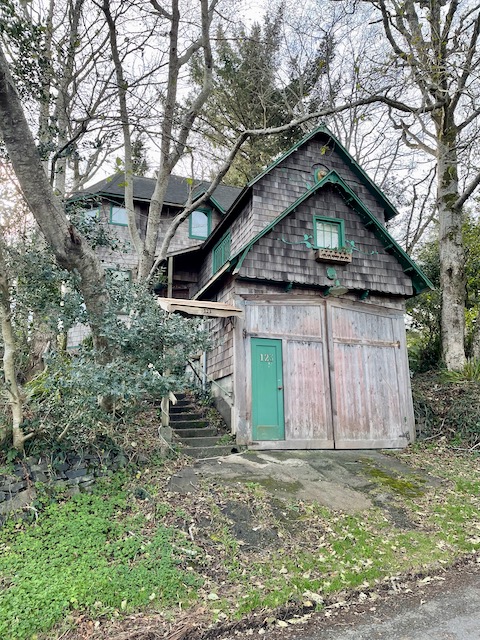
Probably not haunted
“whoah, hold on, let’s just stop here for a sec.”
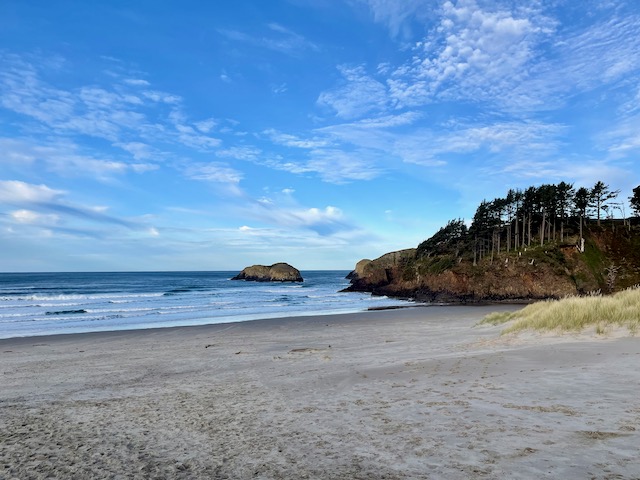
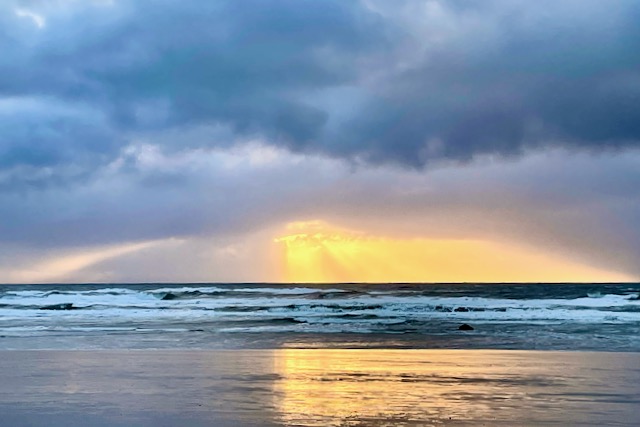
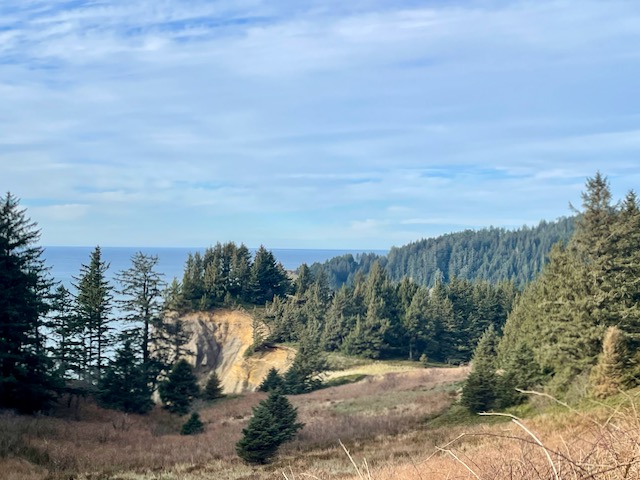
Last photo taken along the coast before we drove back to Portland
Categories
Art Blog

Owl Art

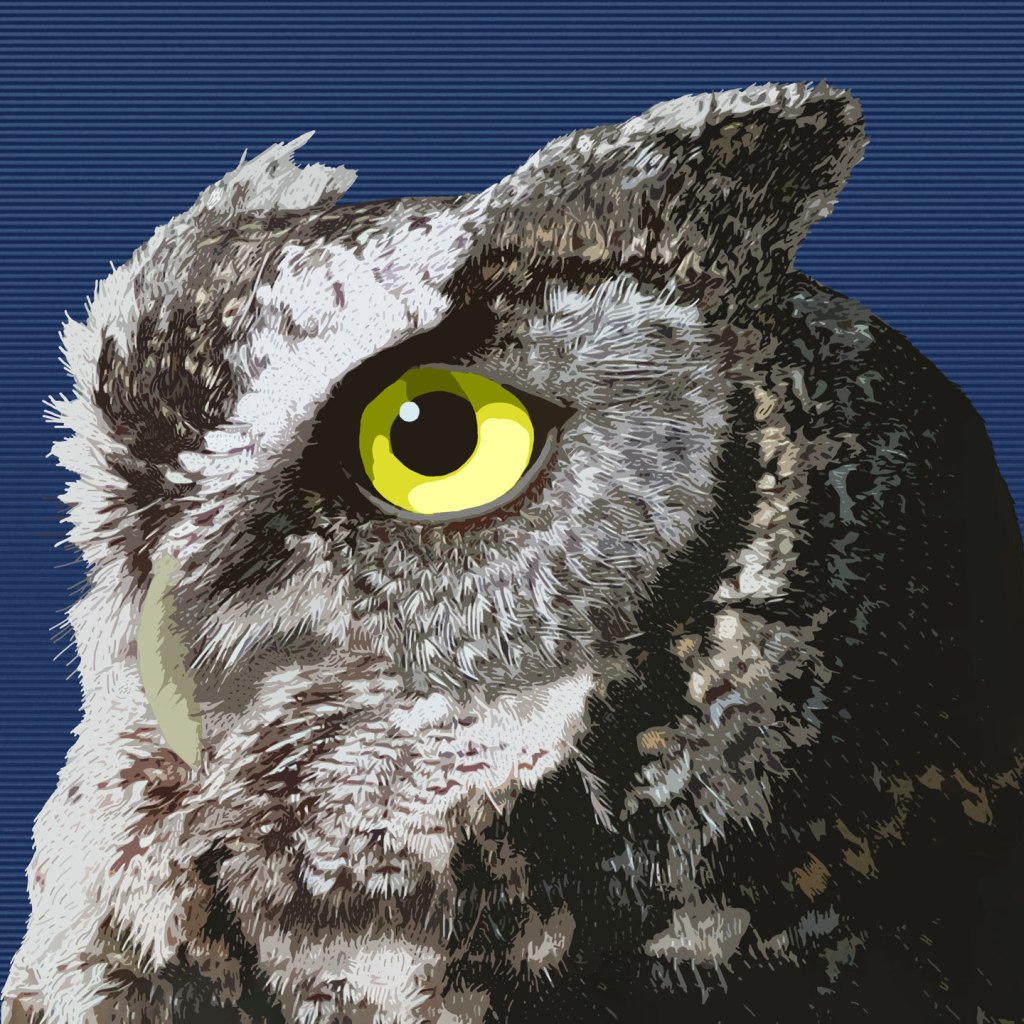
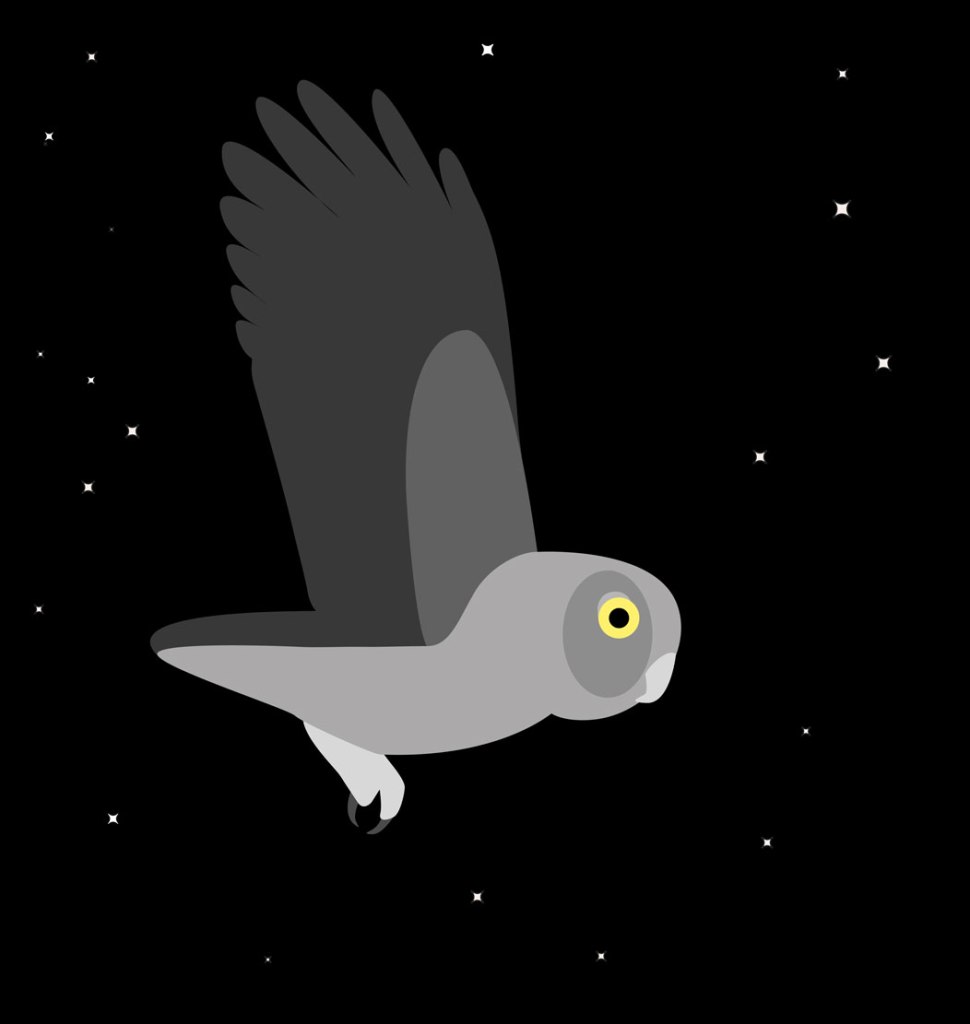
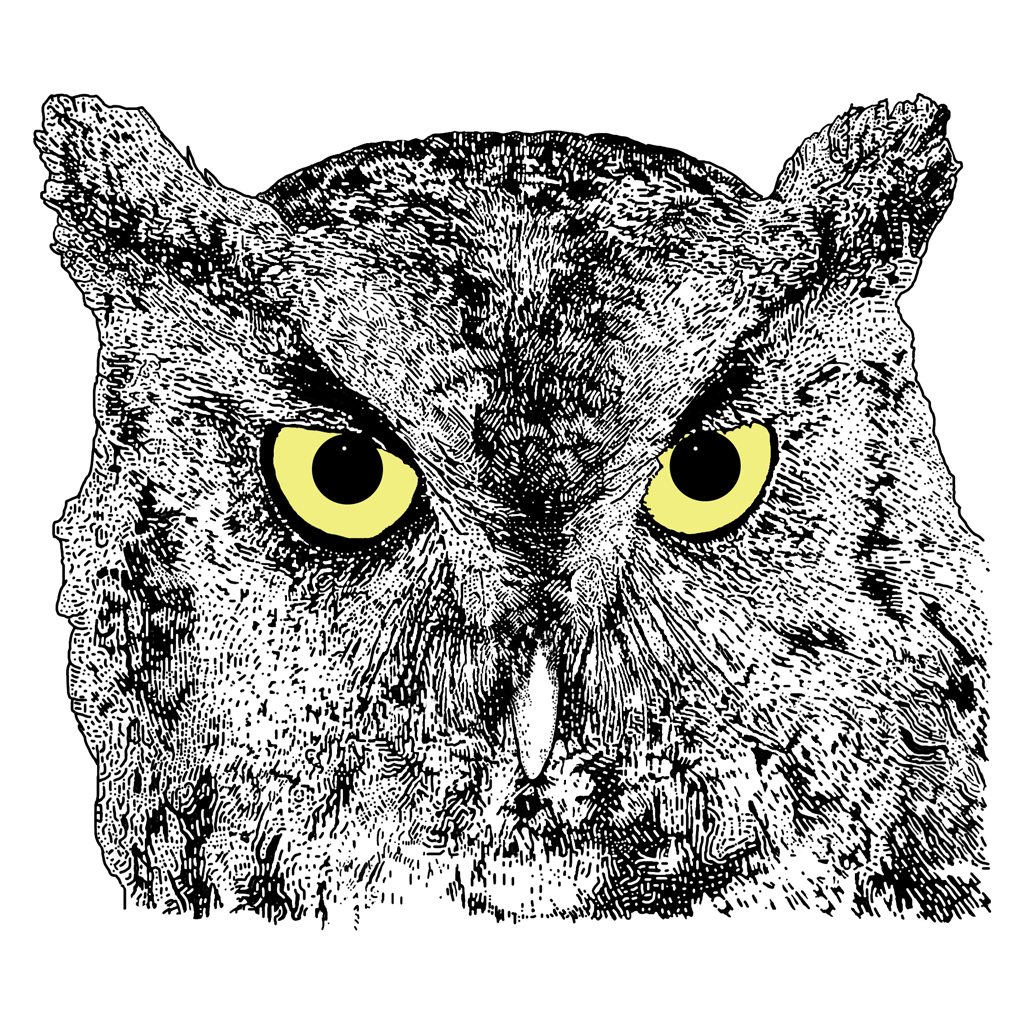
I’ve been inspired by owls as subjects for a long time. Screech owls moved into an owl box down the street, so I started this one in Nov. 2021. It’s an illustration style with a lot of opportunity for feather detail making it more interesting. I started at the one above in Nov. and kept working on it through Jan.

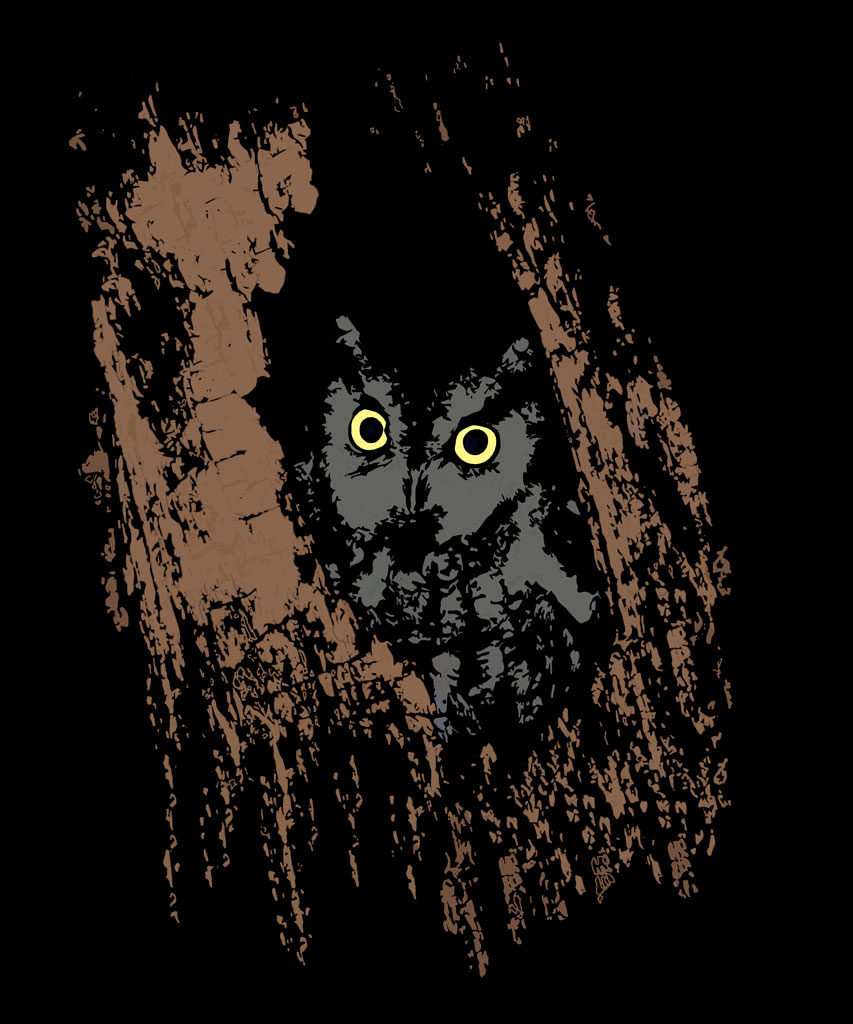
I made a shirt design in Nov. as well, a quickie shirt design in 3 colors:

This image has an empty alt attribute; its file name is screech-owl-tree.jpg

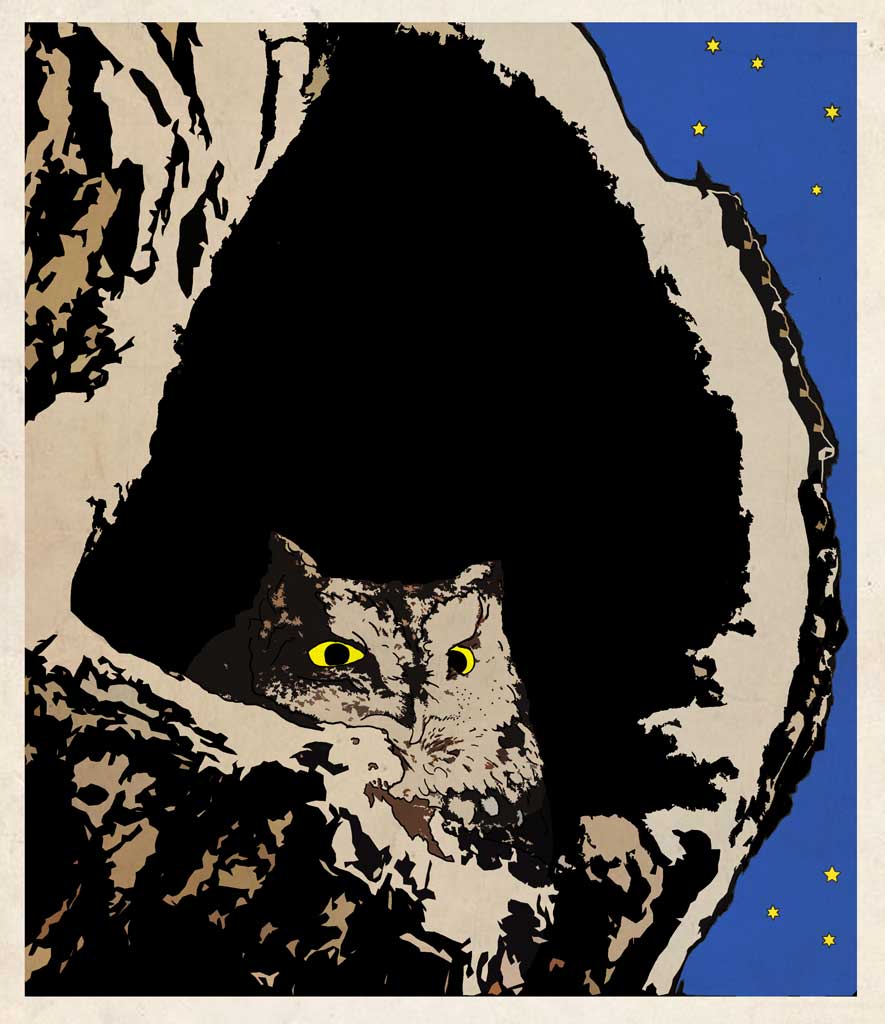
I’ve been inspired by screech owls for years, really. My fave is this one from Jan 2021:

This image has an empty alt attribute; its file name is screech-owl.jpg

A simple art-deco style:

A sketch:

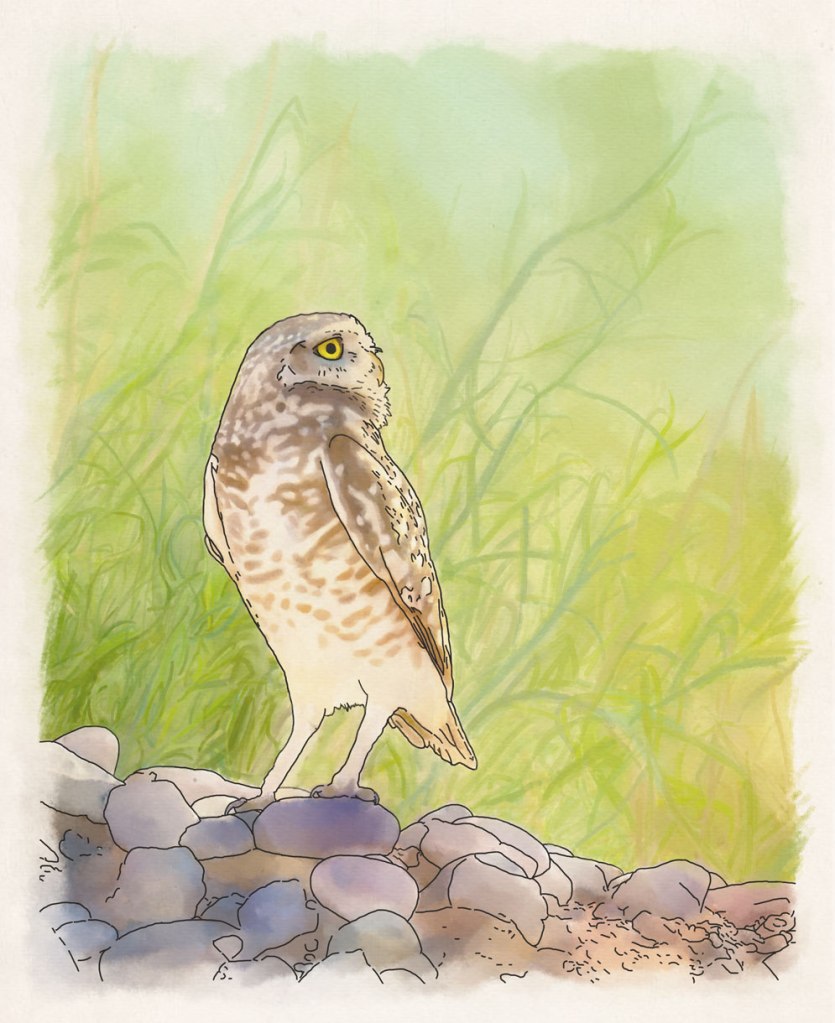
Love burrowing owls too:

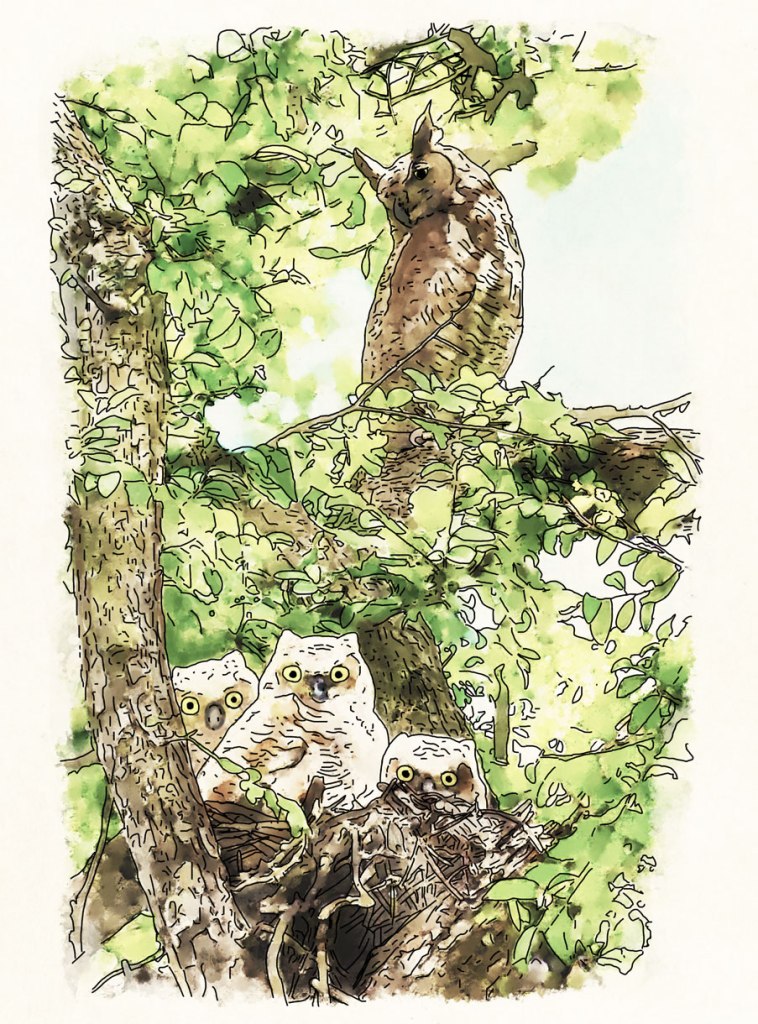
At one point a few years ago a great horned owl pair raised their owlets in a nest in a neighborhood next to ours, we visited regularly.

Categories
Art Blog Post

Recent Art

We started this blog as a sort of travel blog for ecotourism and local naturalism things, and also a place to dump art. The quarantining for the foreseeable future did dampen the interest in parts of that.

I’m still practicing Spanish since one day we’ll heading back to C. America and S. America. I’m on Duolingo streak – day 55. I’m glad to be able to keep my eye on some long term goals that I can work on these days to help remind that while current events are grim, the times will change.

In the last week I spent a lot of time playing Pokemon Sword on the Nintendo Switch. It’s a really nice game if the little Pokemon RPG world is familiar enough to you.

Because of the Nintendo time I traded off Photoshop time. I see them as very similar things, but I think Photoshop is a little more fun as a video game since it’s much more open ended. Also in the end you have an artwork, though that’s a side-effect of playing in Photoshop.

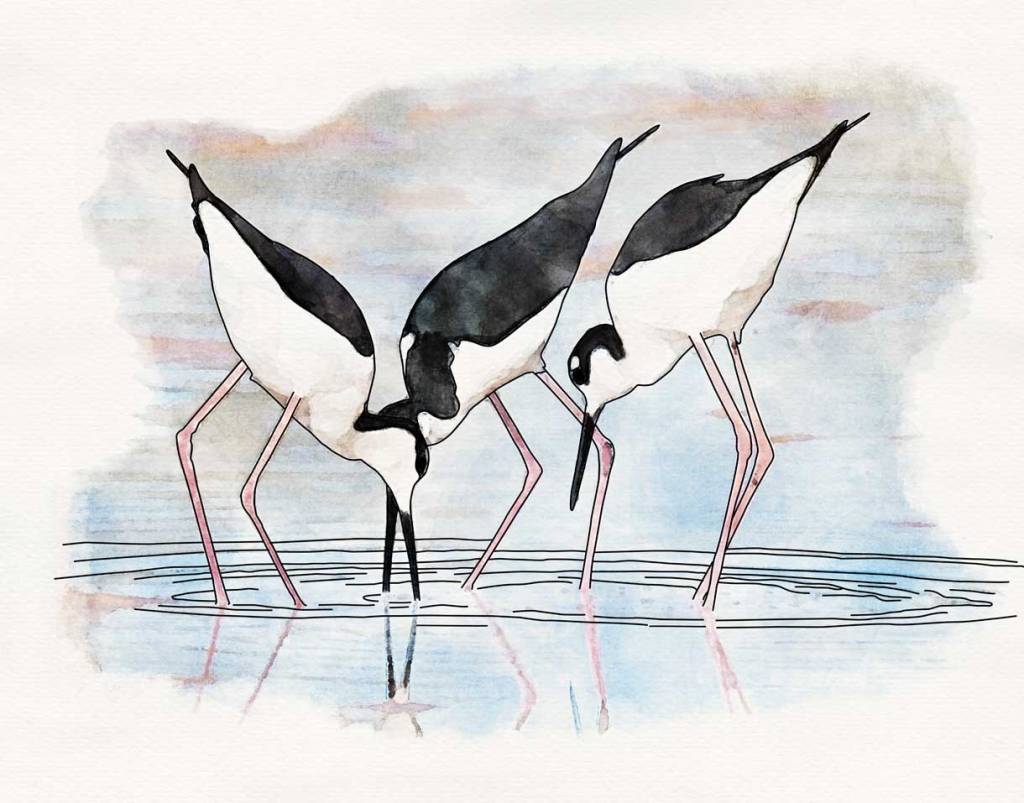
The Three Graces

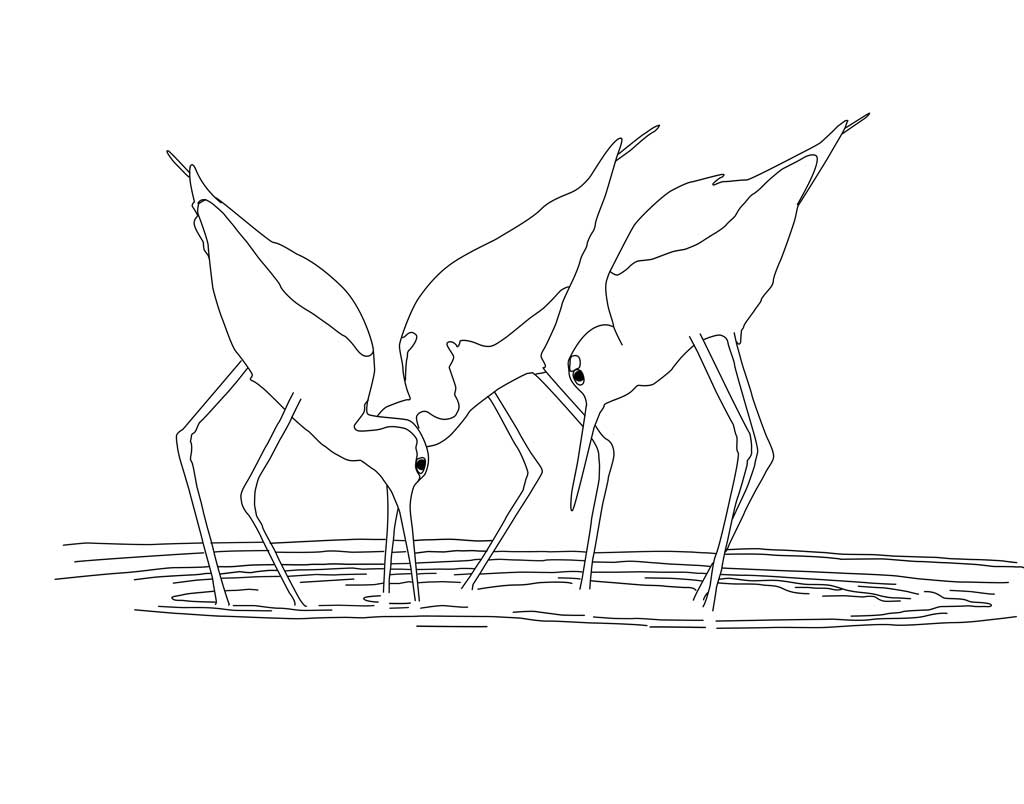
These are black-necked stilts. They’re somehow both beautiful and ridiculous, a rare combination to pull off. With the tuxedo, white eyebrow soft, and long pink legs they look like they could come out of a Seuss illustration, but they’re also very graceful sandpipers that are wonderful to behold. They’re all over the coasts but like the shallow parts of quiet wetlands. They like flat calm shallow waters with mud to dig for snails, worms, and crustaceans. They are in the same family as avocets and inhabit similar habitats to those avocets like – we see them together sometimes.

line art
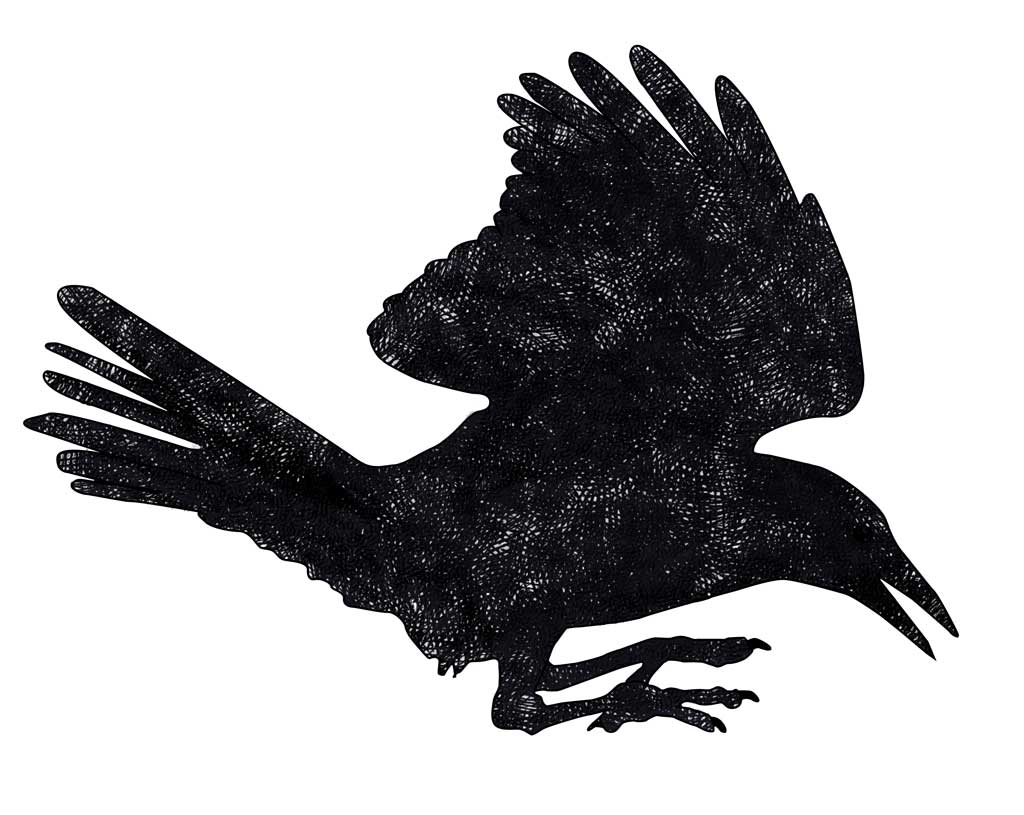
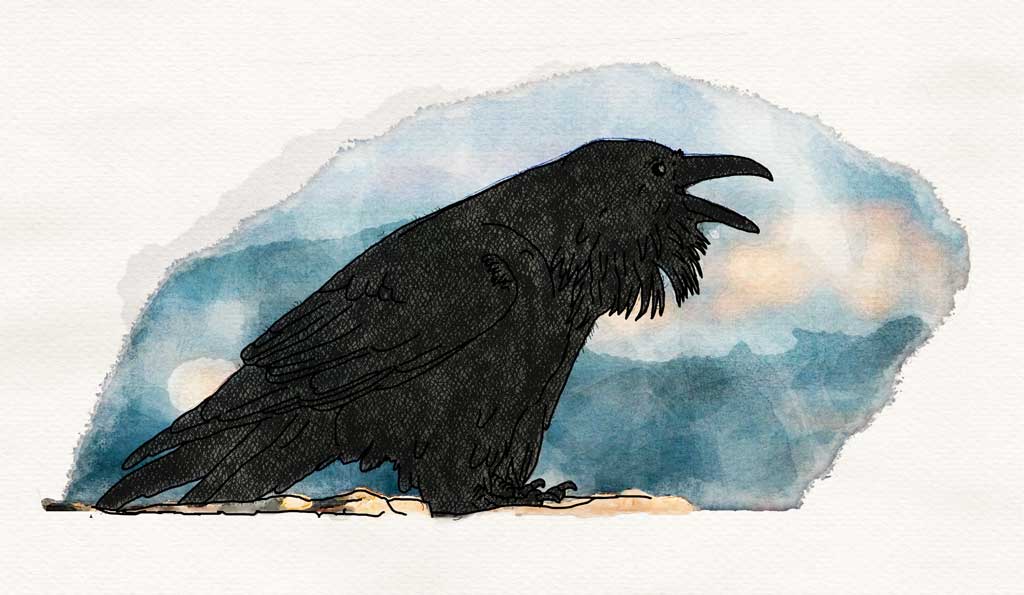
Crow Siege

I’ve been drawing a few corvids lately for no apparent reason 🙂 I don’t know that I love this specific kind of crosshatching, but it fills the space. I was building things up for shading but didn’t create a lot of contrast here, but it was an exercise I learned from.

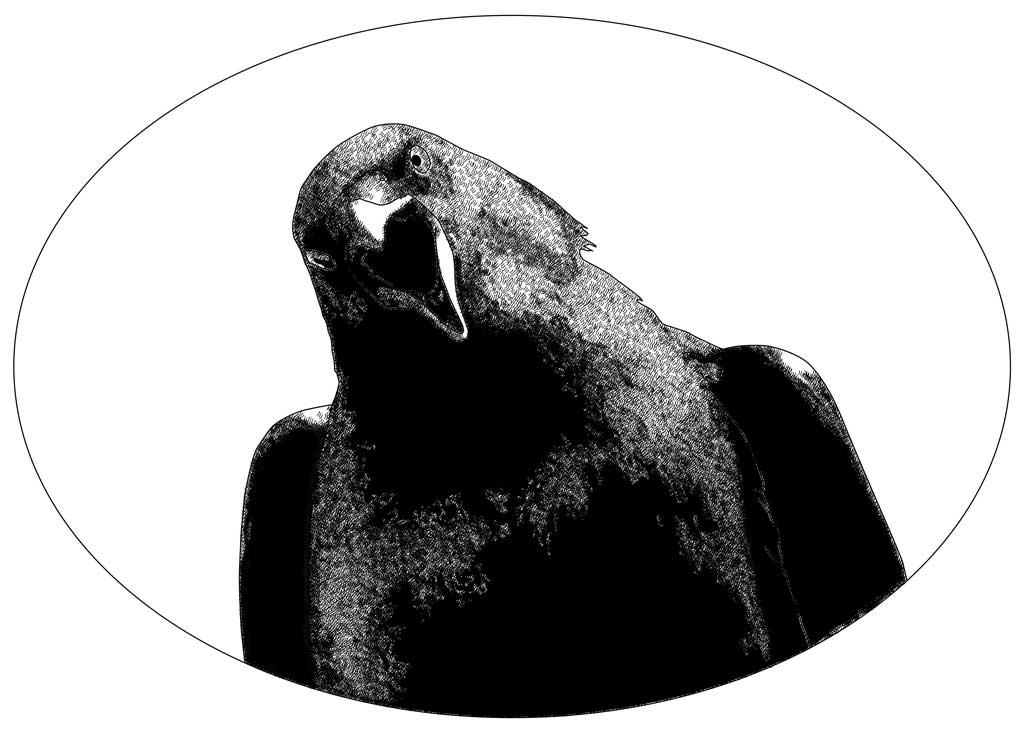
Angry Crow

The expression here works with the medium I think.

Categories
Art Uncategorized

Recent Art

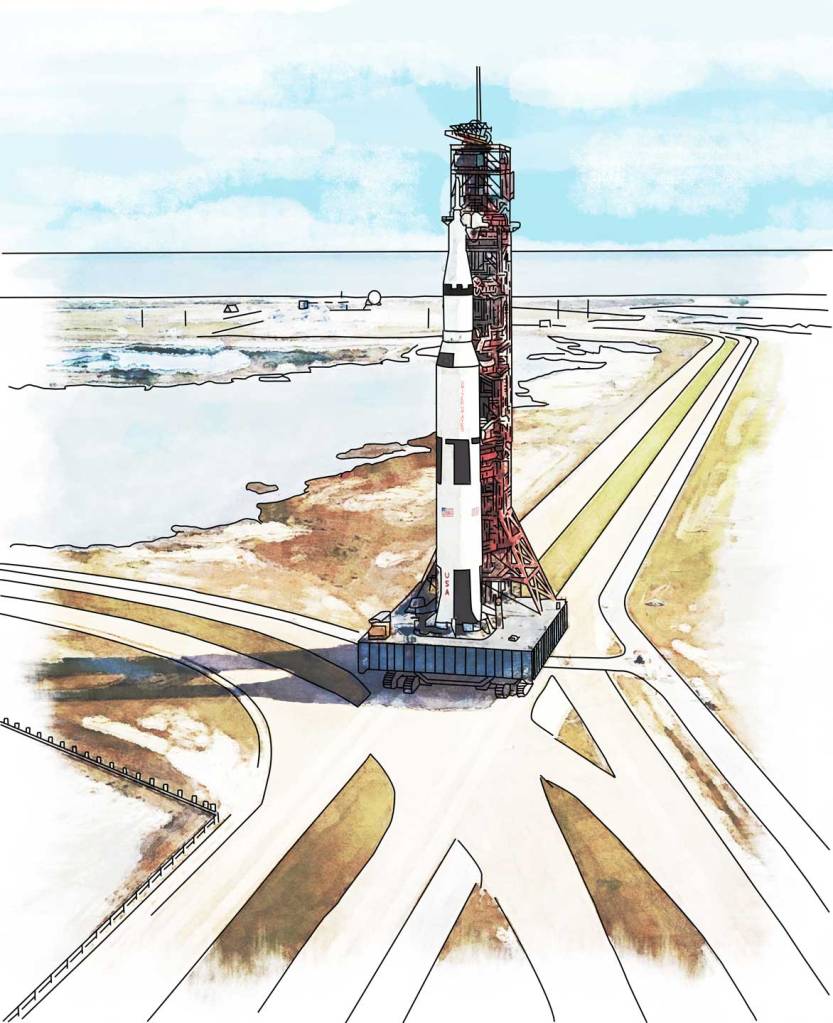
We Have Liftoff

We made a round cloudy background that was nicely generic.

Categories
Art

Recent Art

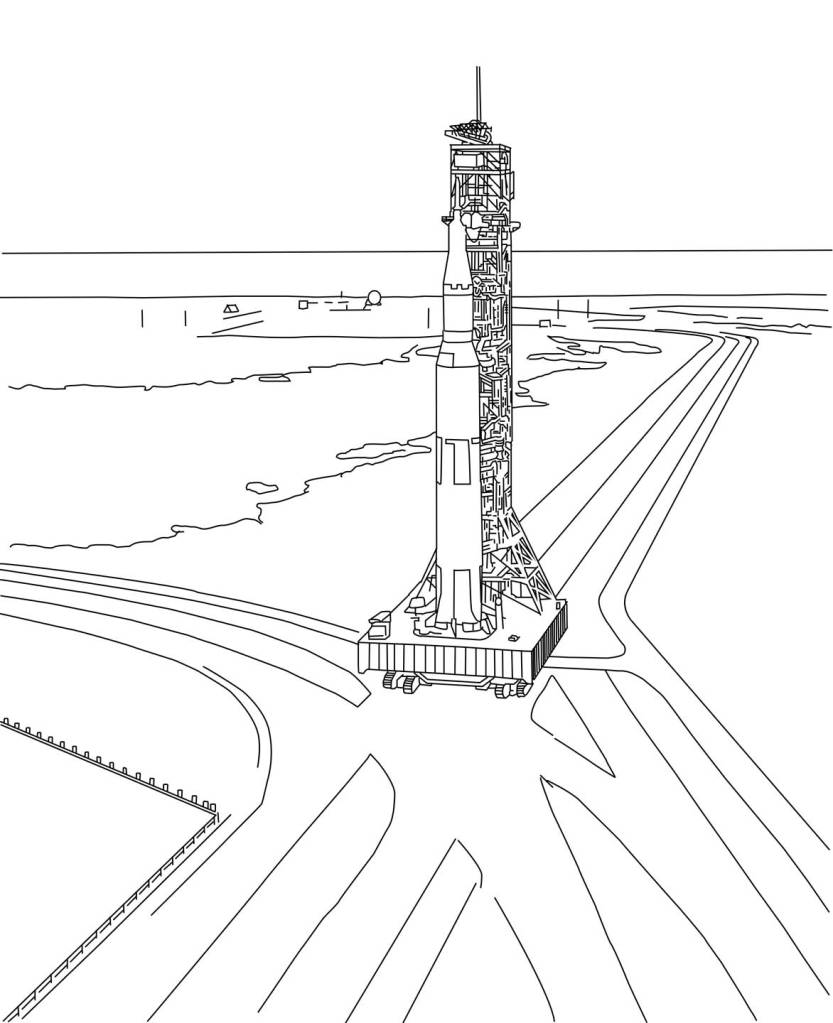
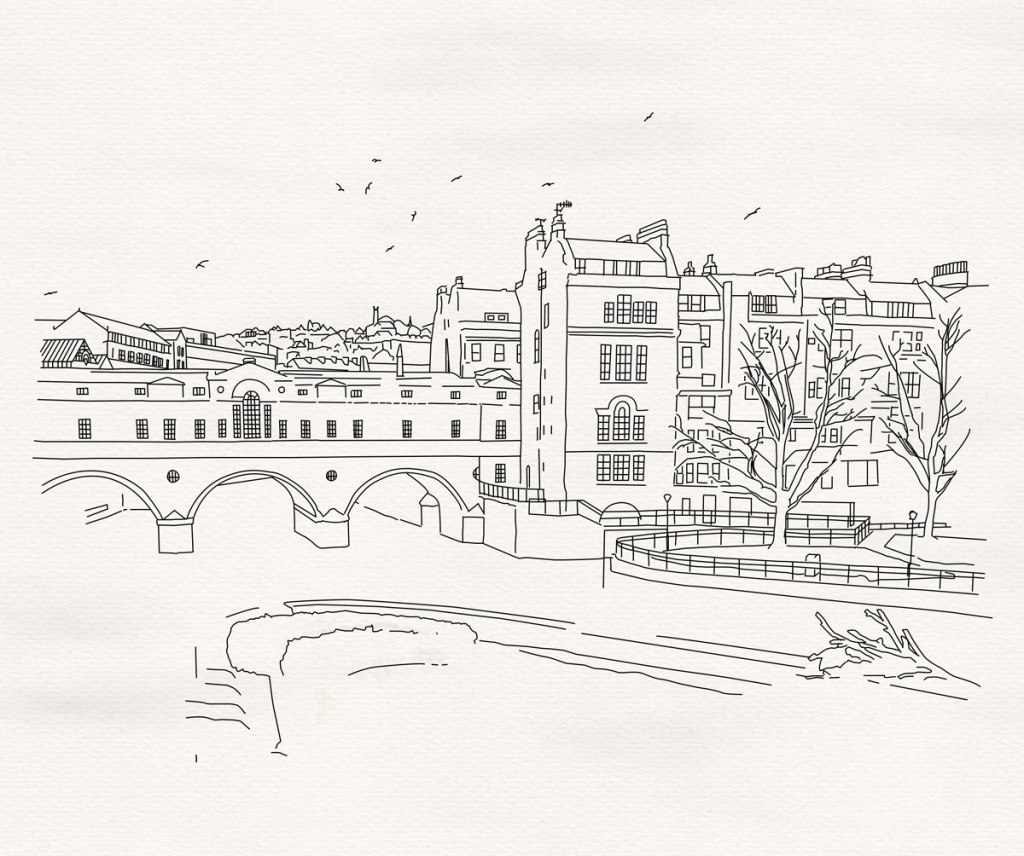
Lots of lines.
Saturn V at Cape Canaveral
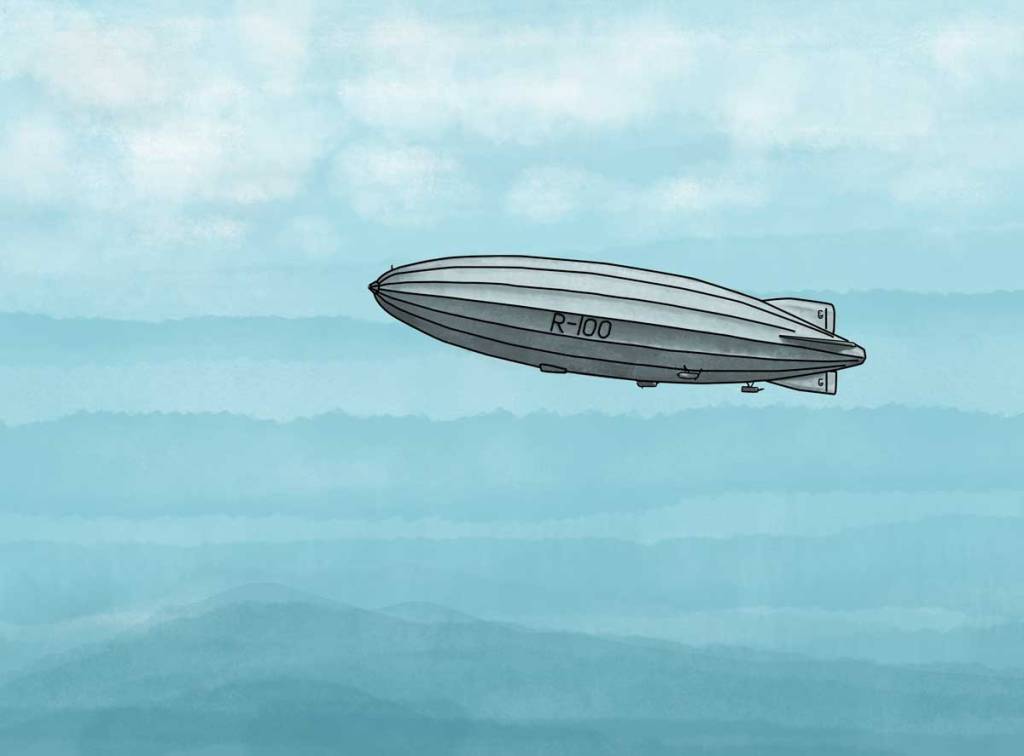
HM Airship R100

Was working on the clouds and playing with misty landscapes, and added the airship so there was a subject.

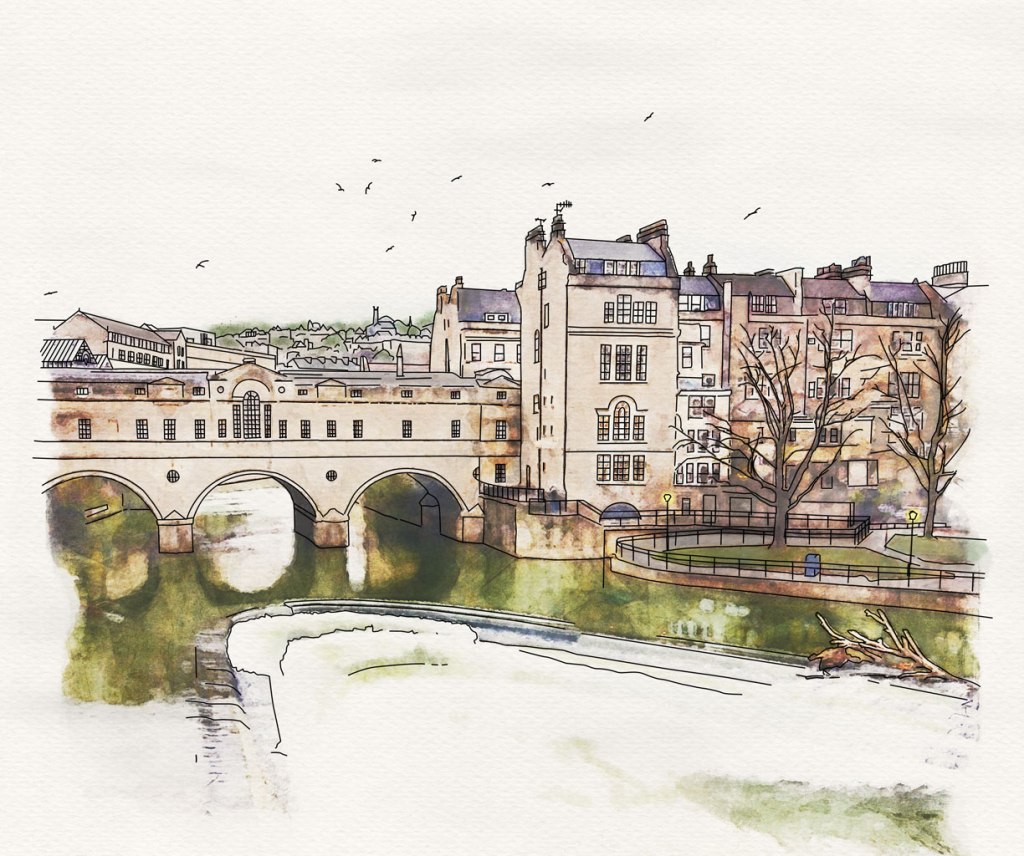
Pulteney Bridge, Bath, England
Categories
Art Blog

Art Nouveau

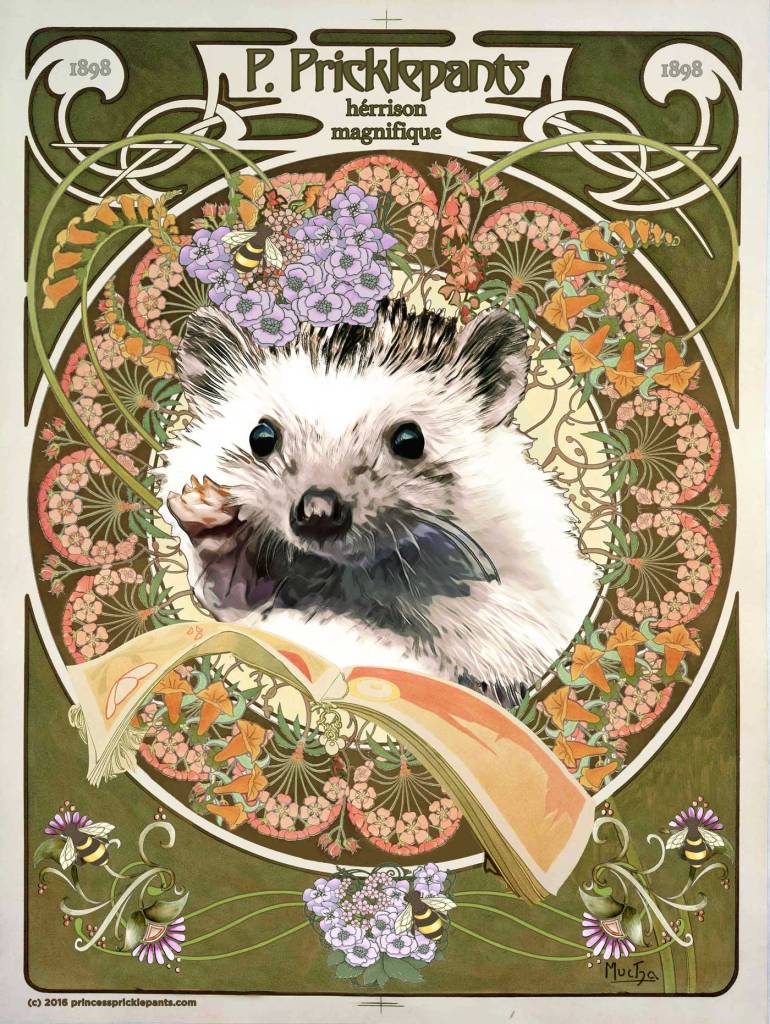
We’ve always really liked the poster art of the Art Nouveau movement, esp. Alphons Mucha’s work. This was one first Art Nouveau hedgehog poster art, designed to look like a work by Mucha.

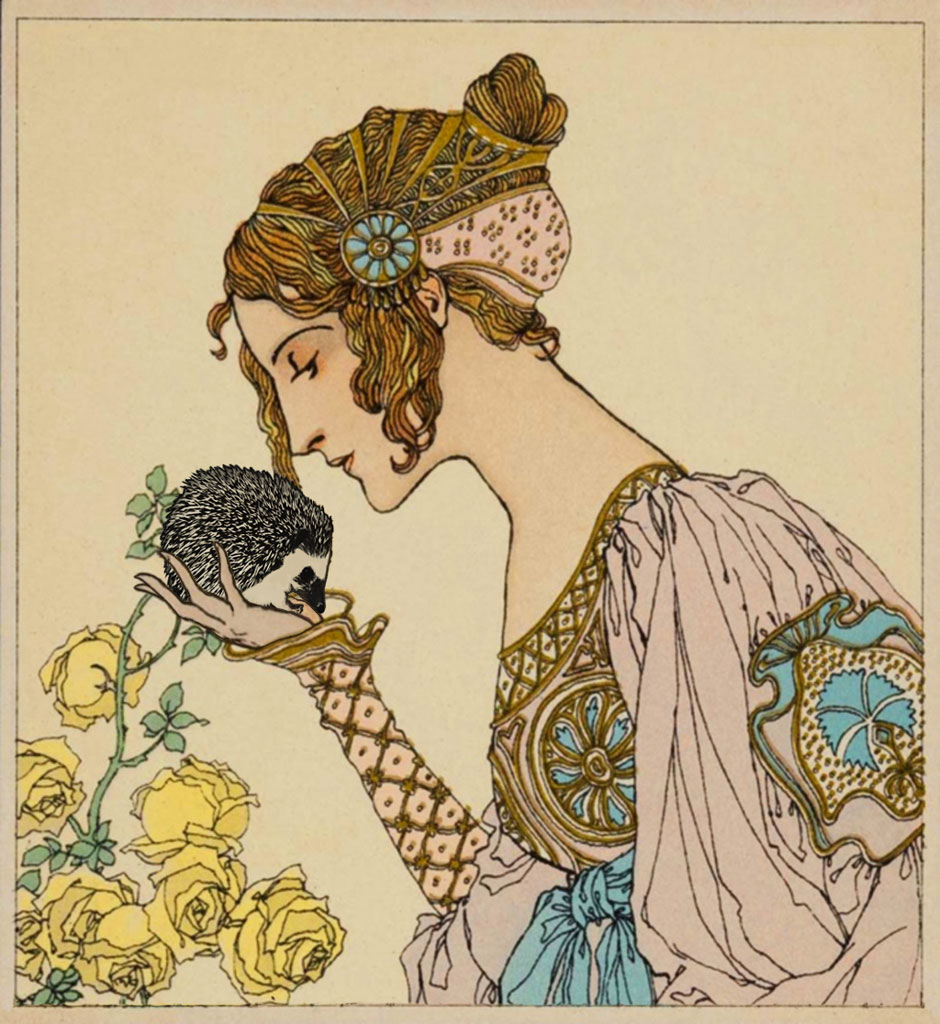
Old Art Nouveau postcard art from the 1910s repainted and updated with hedgehog.

Art Nouveau line art. We redrew line art from an old public domain postcard for this, repainted things, and added the hedgehog.

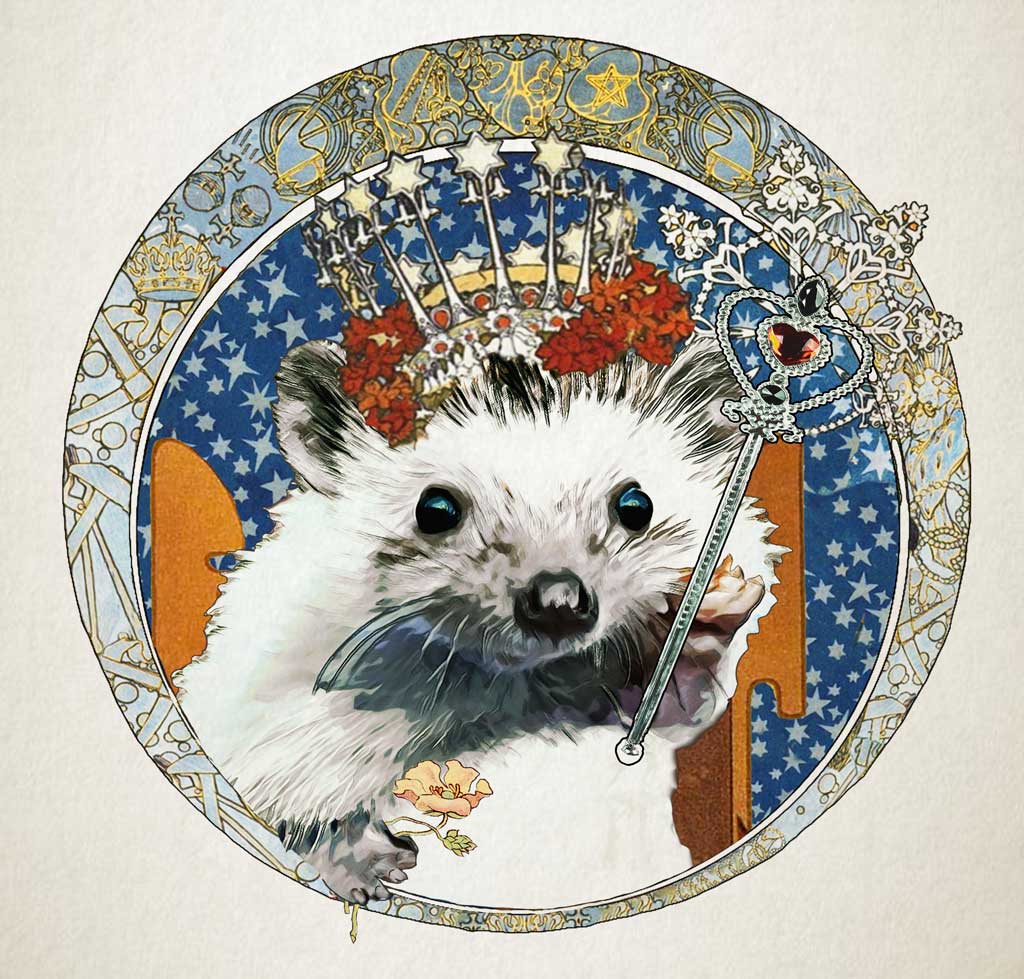
The Winter Hedgehog Princess
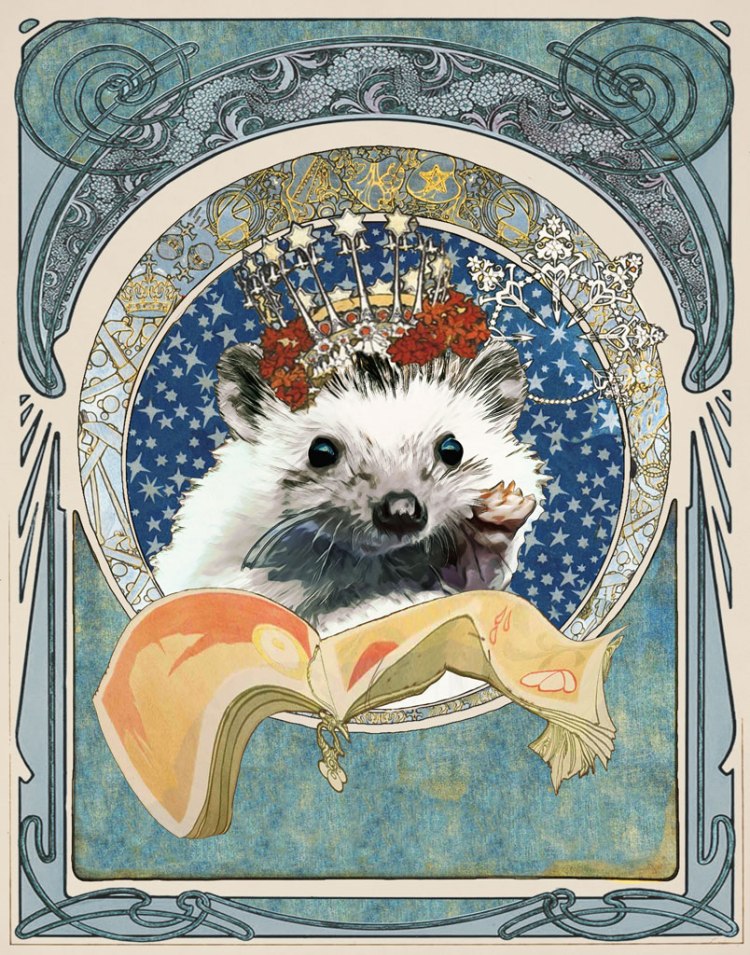
Winter Hedgehog Princess Reframed

We borrowed a lot from Mucha’s Princess Hyacinth here but drew a lot in using Mucha’s style.

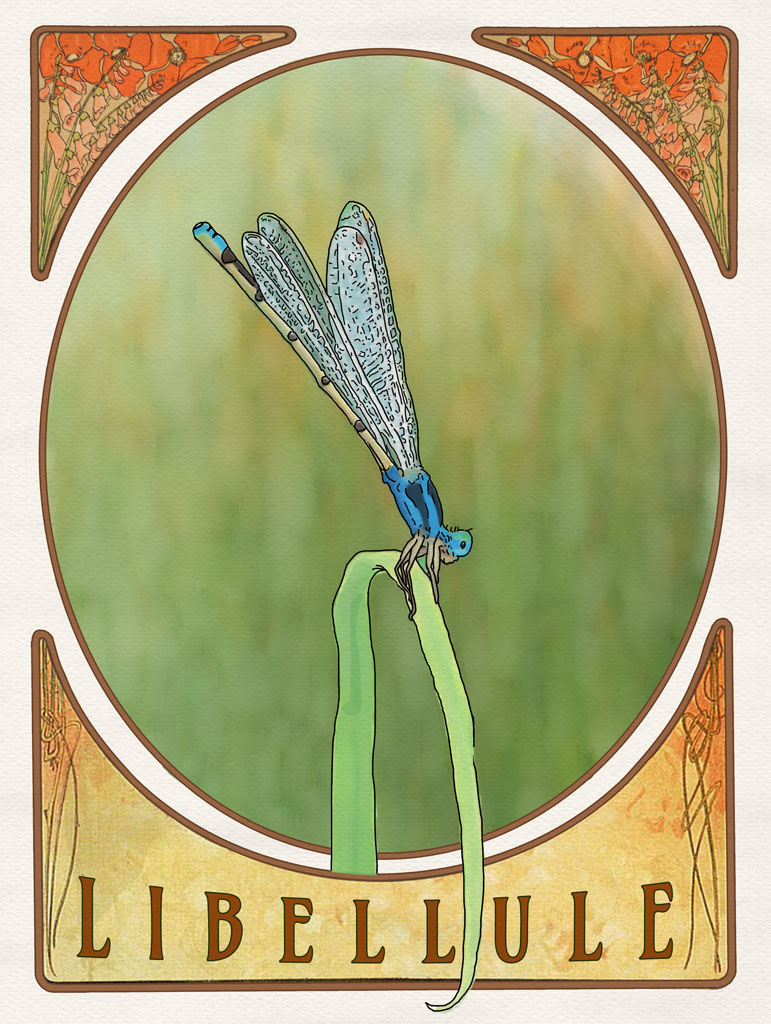
Damselfly Nouveau

The bug’s form is based on a photo of a damselfly in a nice pose. The exposure was blown out so it wasn’t a good photo, so I decided to use the bug as a mostly white canvas to paint in, painting in the color and the light. The wings involved a lot of fiddling. With no detail we got to pick the species so it’s a double-striped bluet.

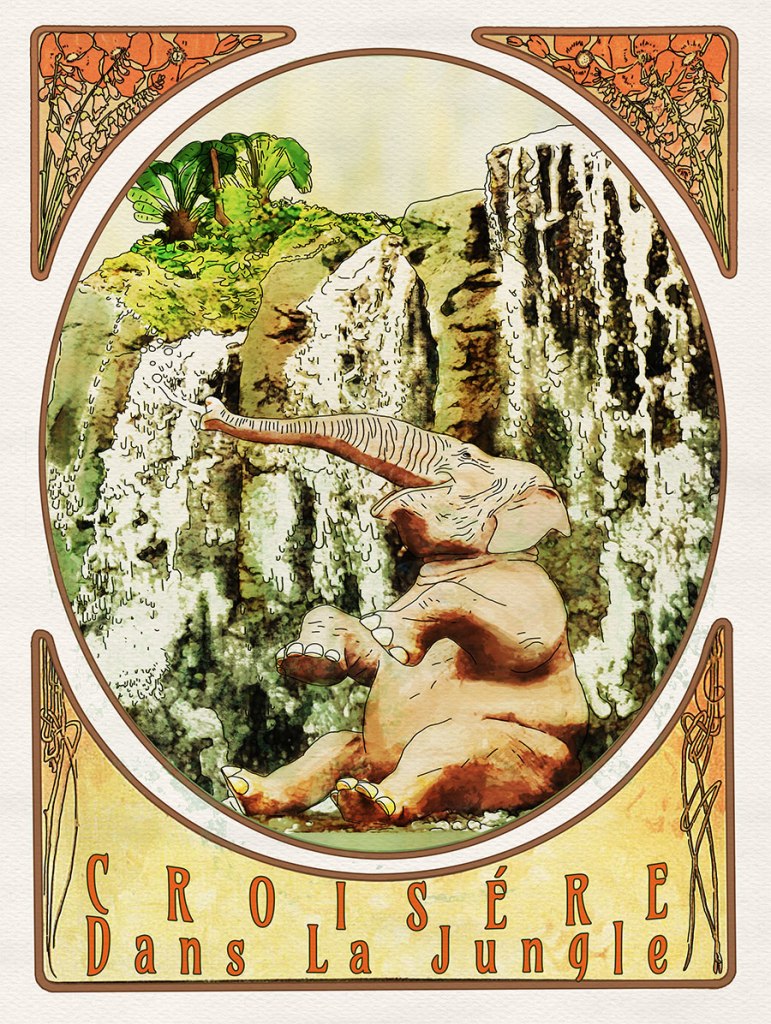
Jungle Cruise

Disney fan art. Walt has effectively taken over part of our brain.

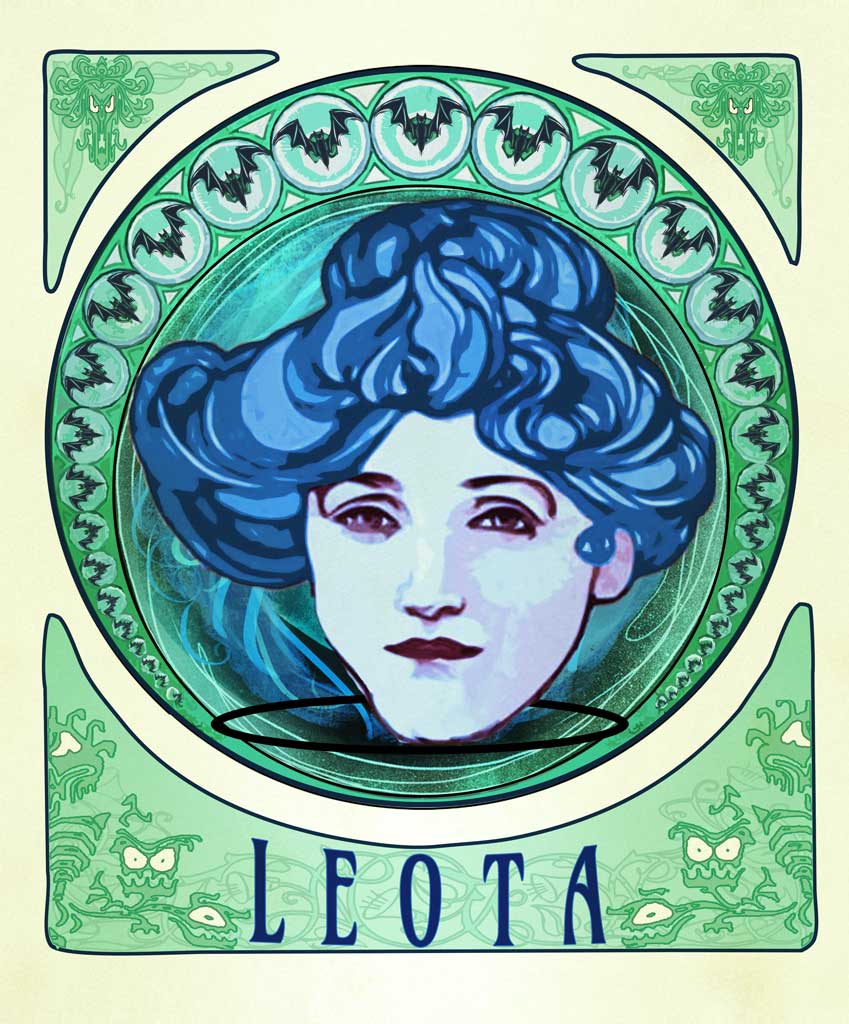
Haunted Mansion wallpaper shapes in the corner, but we drew the bats. We actually used a model from the 1890s for Leota, so she has Gibson Girl hair.


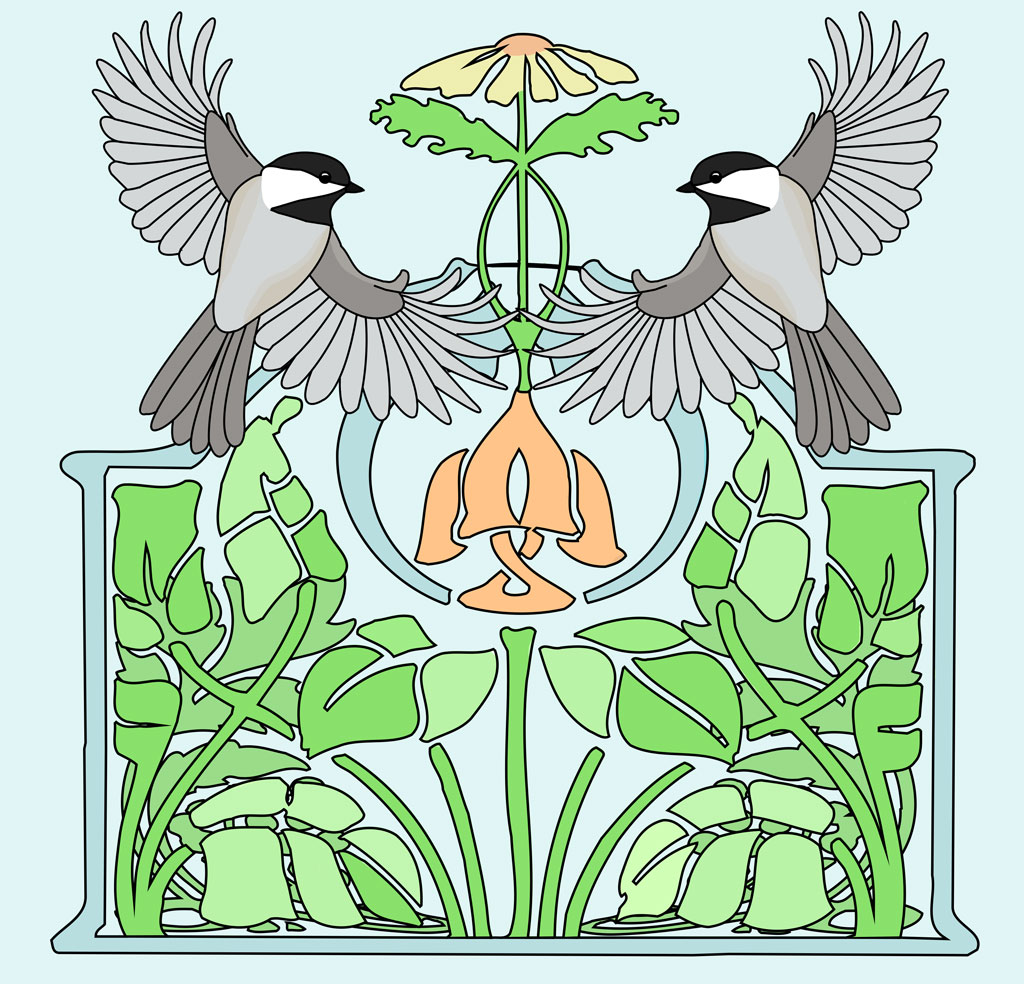
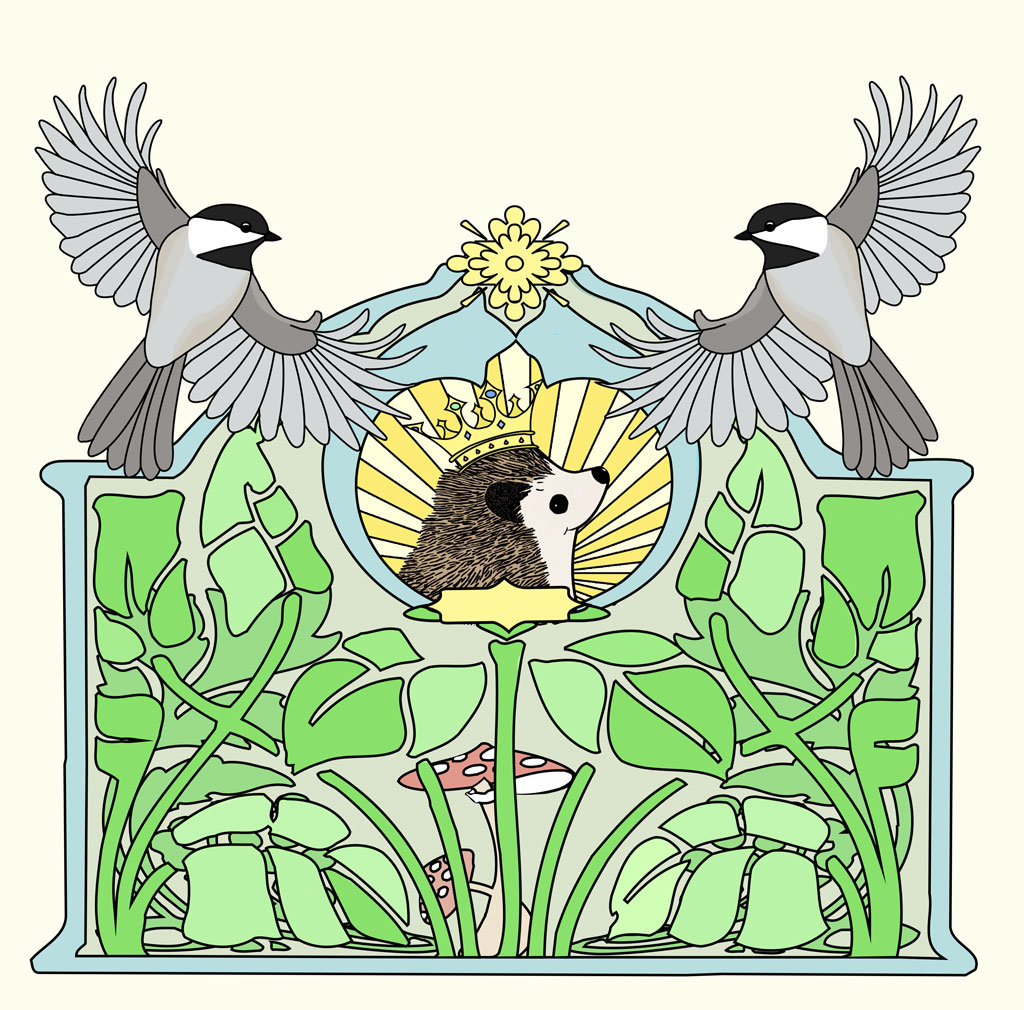
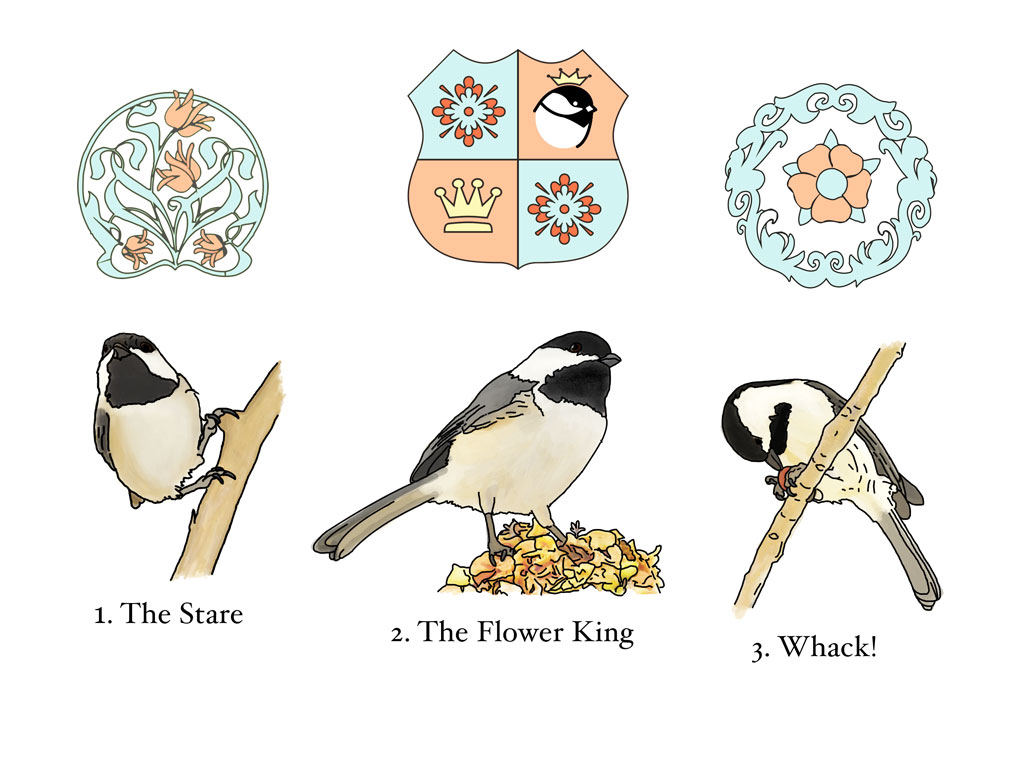
Chickadee Nouveau

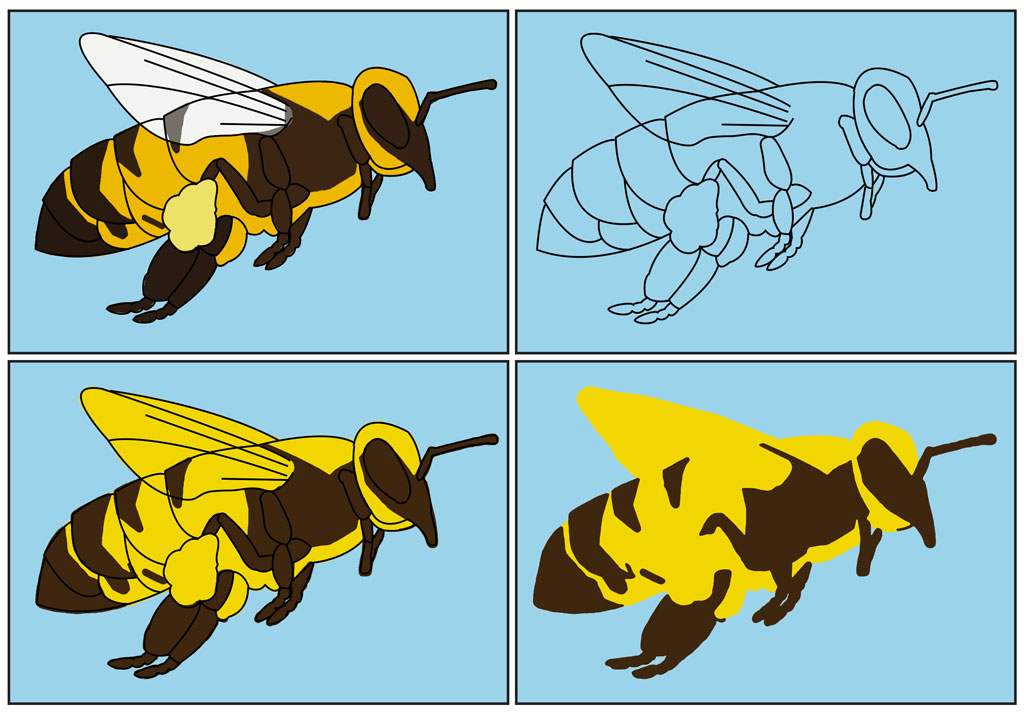
I’ve been working on learning vector art since you can create nice clean lines and tune the lines until they’re close enough to what we want. The chickadees are vector line art but hand painted.

Vector Princess Nouveau

Revisiting the previous vector art with a new theme was fun. Also we should probably make shirts and things for this one.

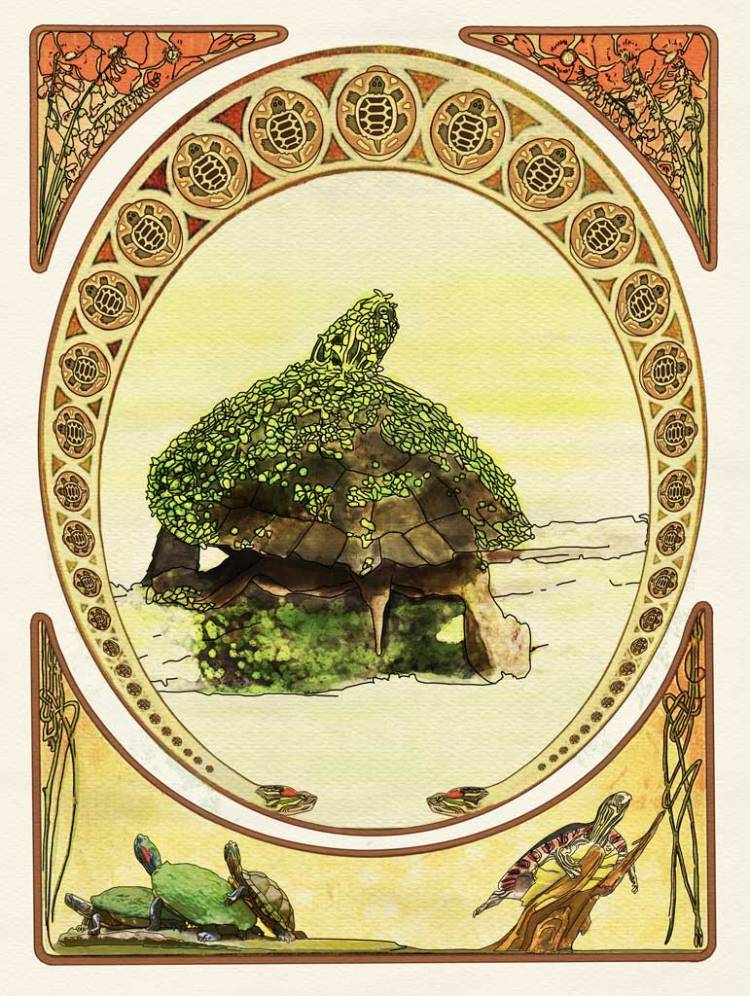
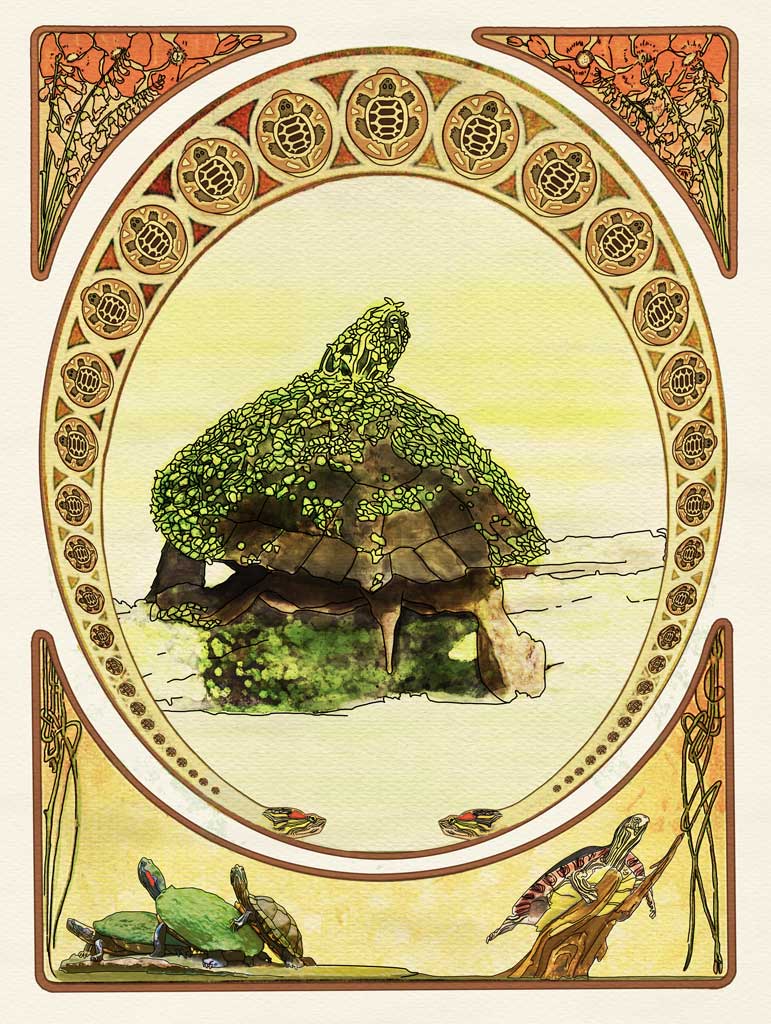
Turtle Nouveau

I like turtles.

Categories
Art Blog

Nature Art

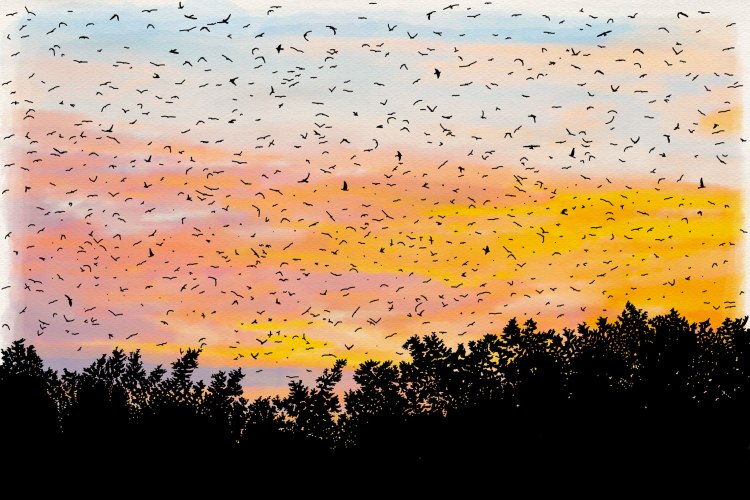
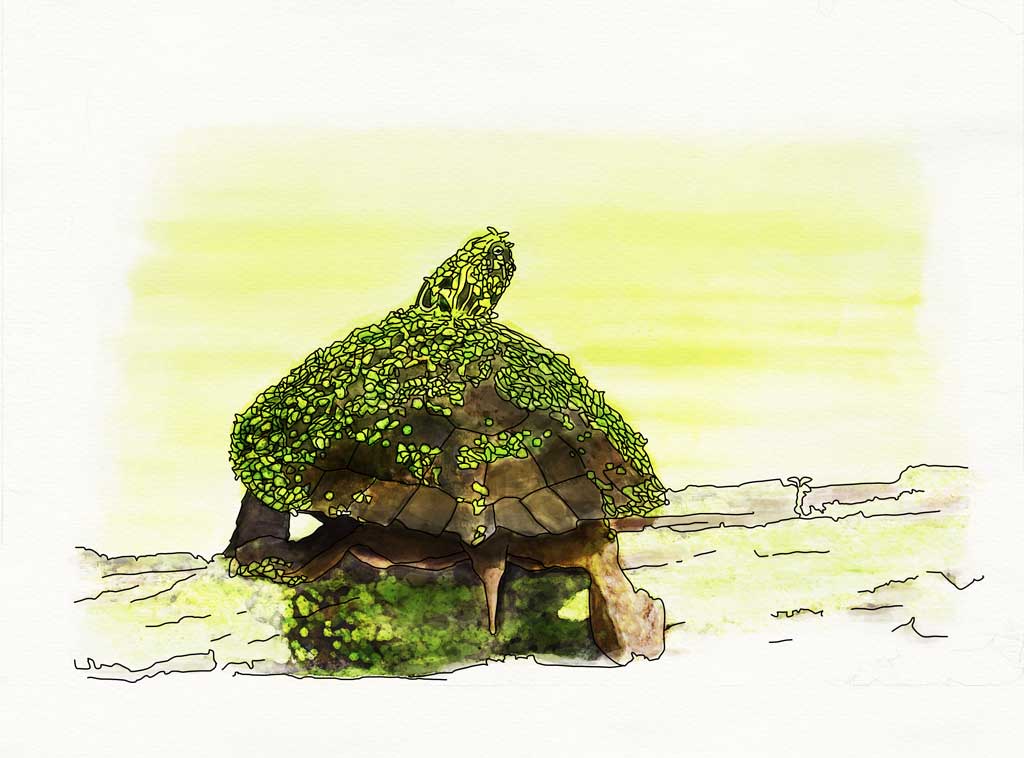
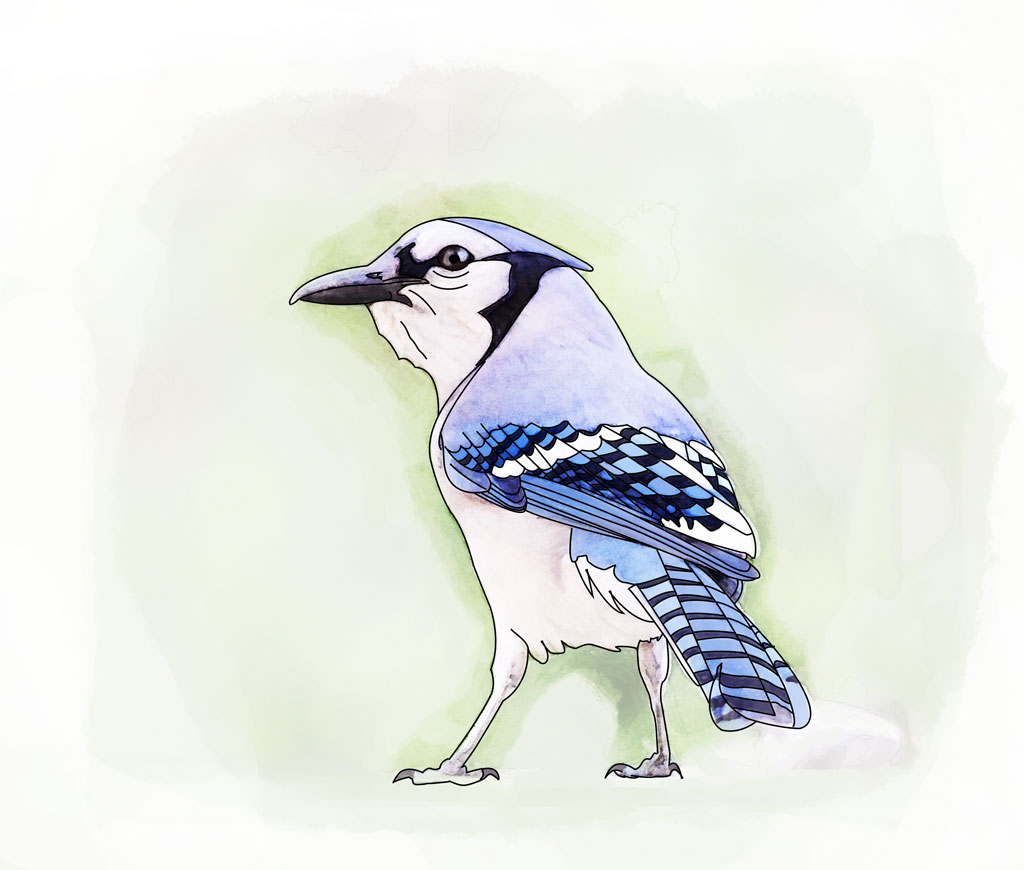
We’ve been making a lot of little nature themed watercolor-style digital paintings. They’re mostly based on photos of places we’ve been/things we’ve seen, and while making them I’m reflecting on the place. I decided to learn to do a watercolor-style art in the style used in illustrations around Jun 2019, and I’ve worked out some things I like. I also learned to use Photoshop’s pen tool/vector art which is hard to learn but not only speeds up line art, but lets you correct mistakes easily and facilitates fine-tuning line art. My hands are shaky, so I’m mostly programming lines instead of drawing them.

From Aug. A bit busy but I like it.
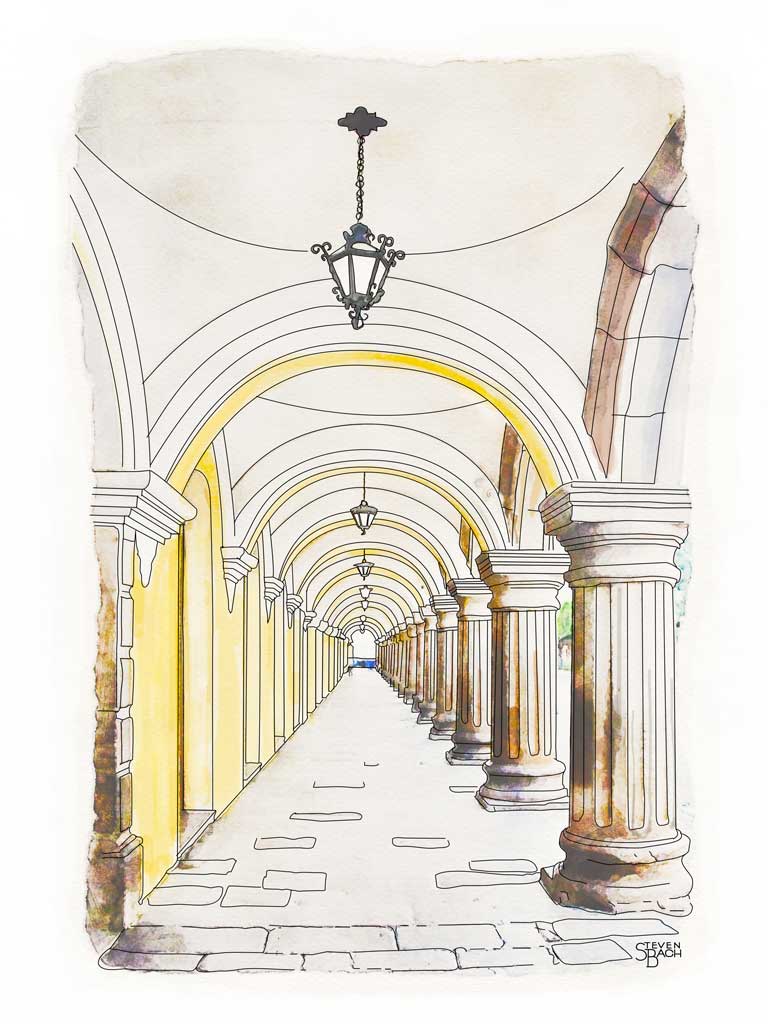
Antigua in Jan.

Most of these are based at least loosely on photos. We use nature as a model, and pay a lot of attention to palettes found in habitats, and draw/paint things as illustrations. This was a technique used by Alphons Mucha whose work we’re a fan of.

Mucha-style Turtle
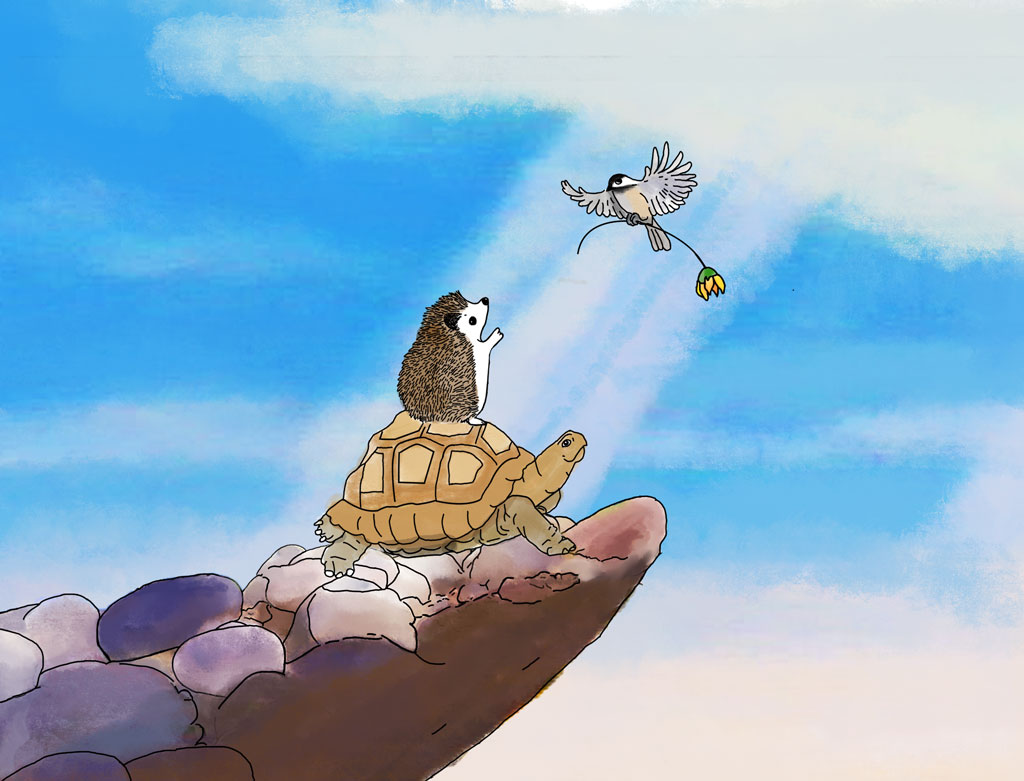
We use these techniques for character art too for hedgehog-related things.
The sad thing we must say every time we meet one, usually before a proper introduction.

We’ll be including this kind of art in our posts and sharing things we’ve made.

Design a site like this with WordPress.com
Get started