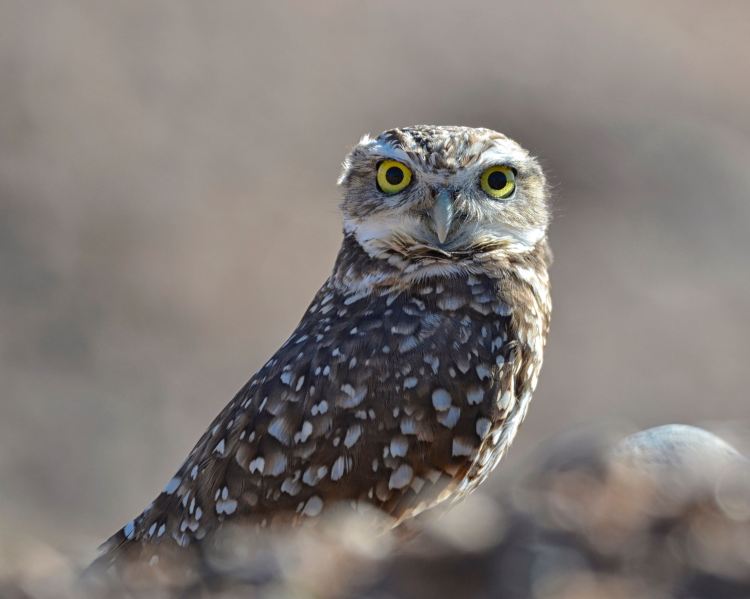
While at this point the bits of traveling we do are mostly to do outdoors things, when we see family or do non-ecotourism things we tend to go out and see what there is to see in the local habitats if there are any. When Haley’s parents lived in Scottsdale, AZ we’d use eBird to find interesting hotspots in the area. We found burrowing owls in the area and learned about nice birding/wildlife spots like Gilbert, AZ
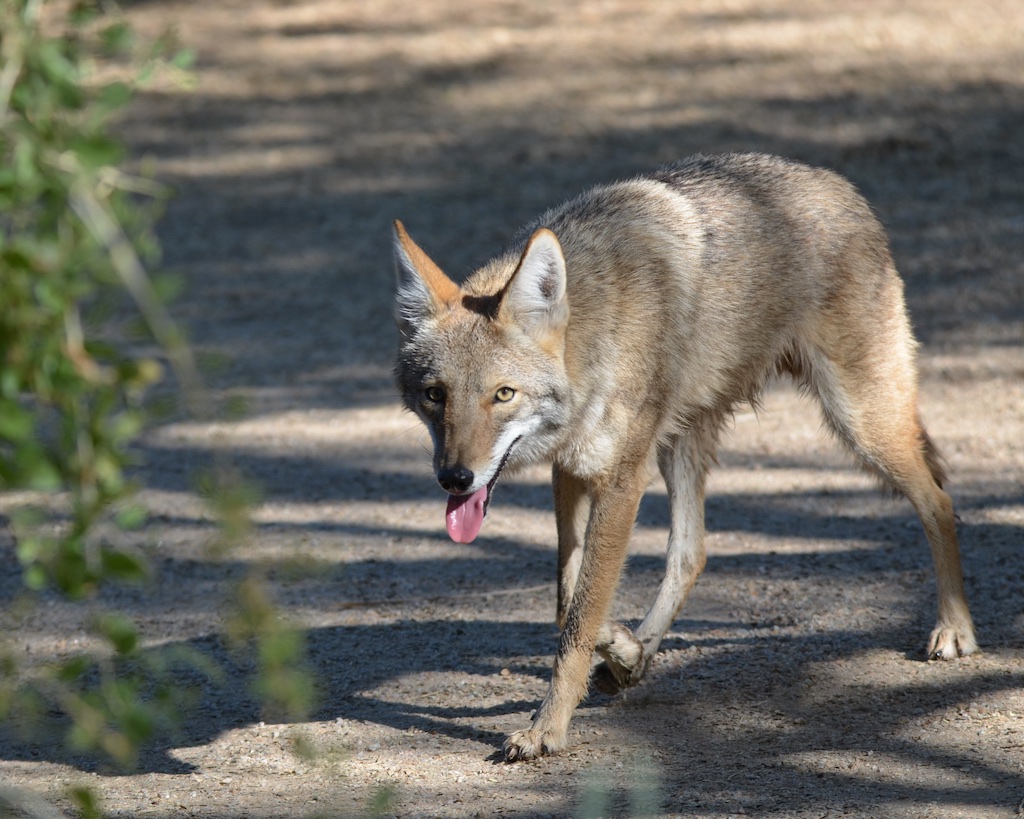
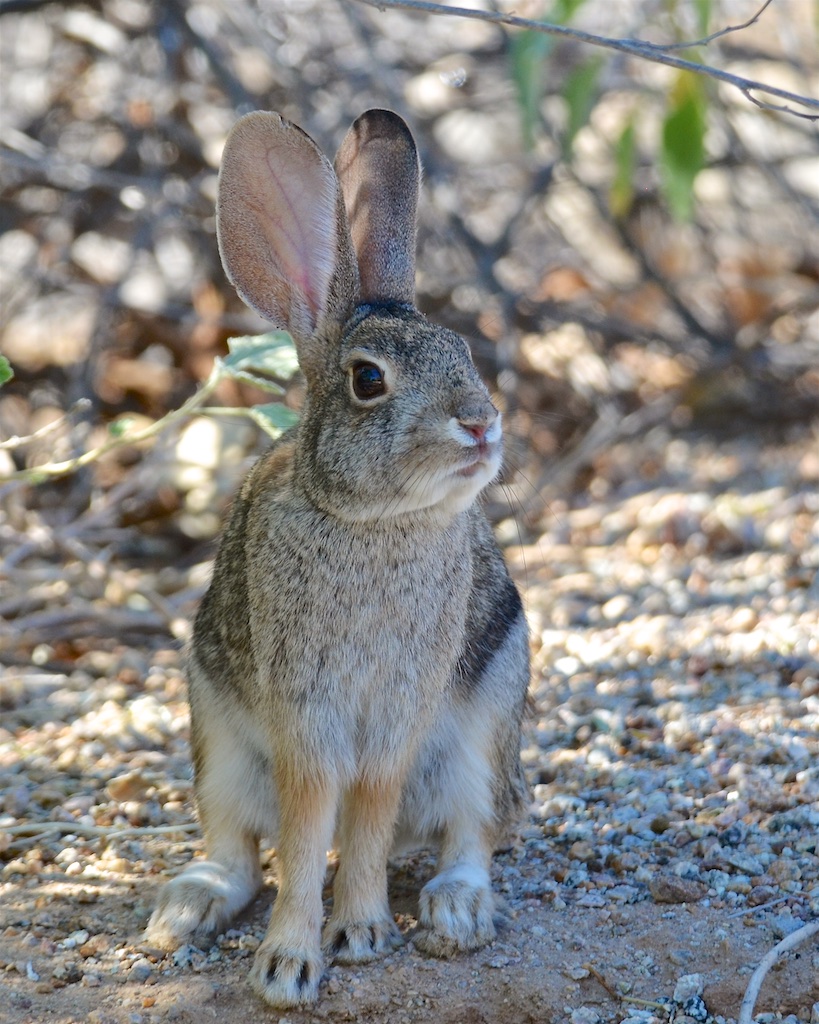
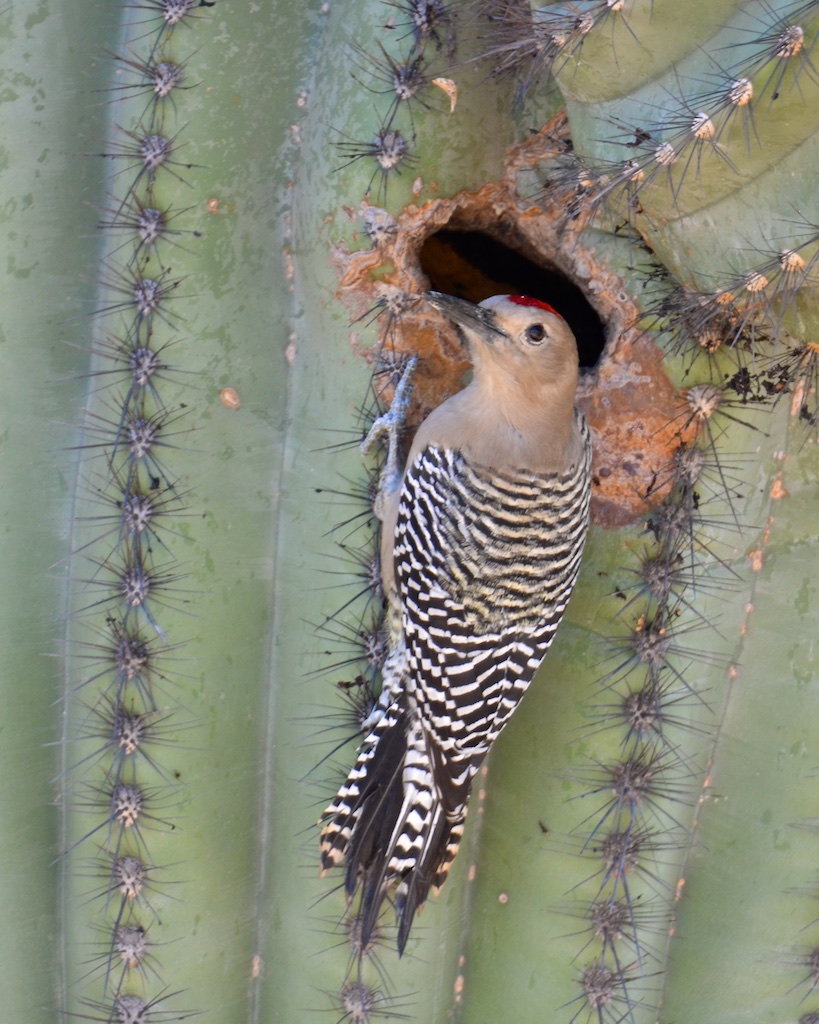
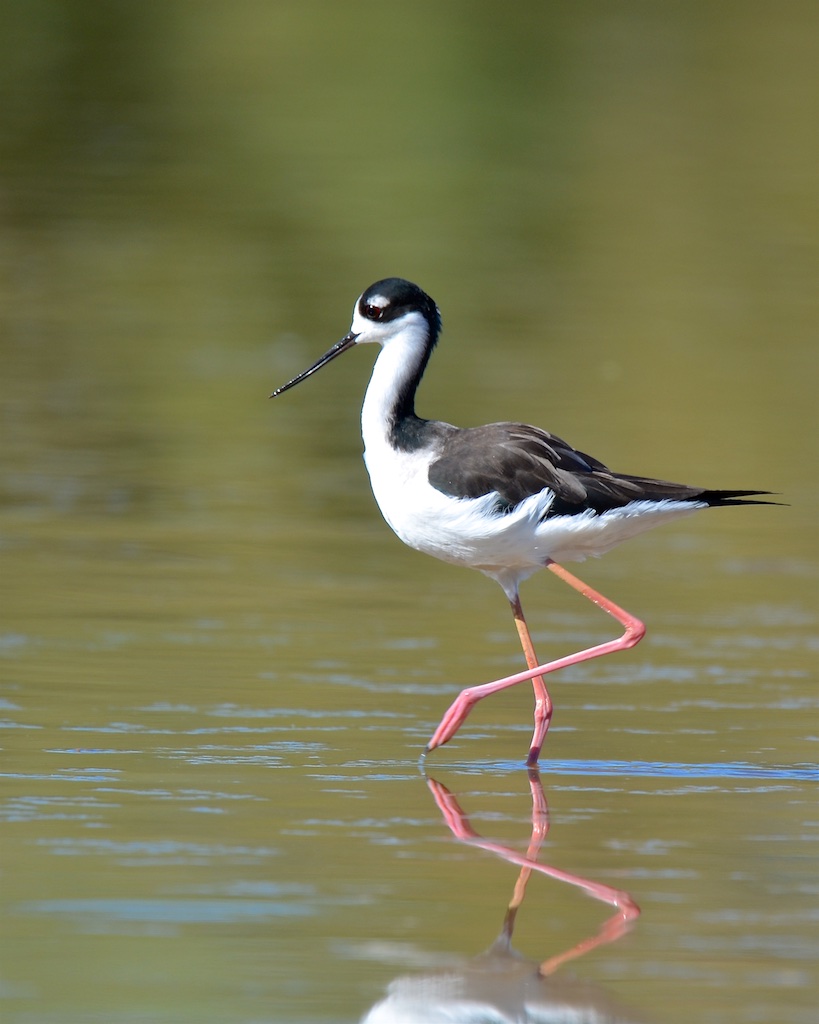
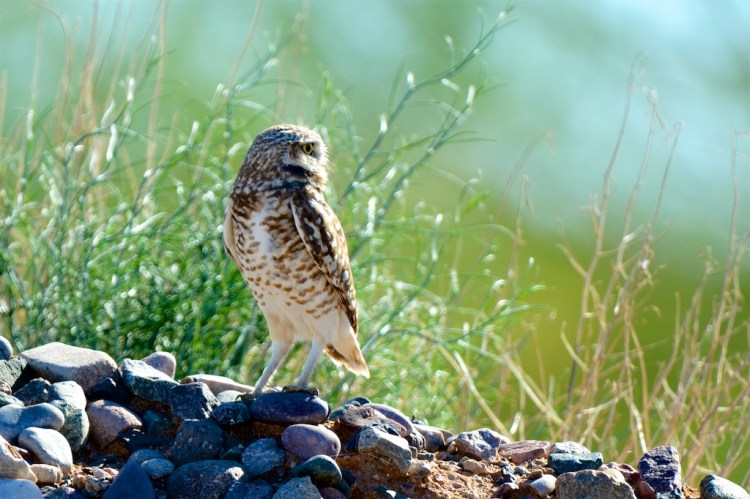
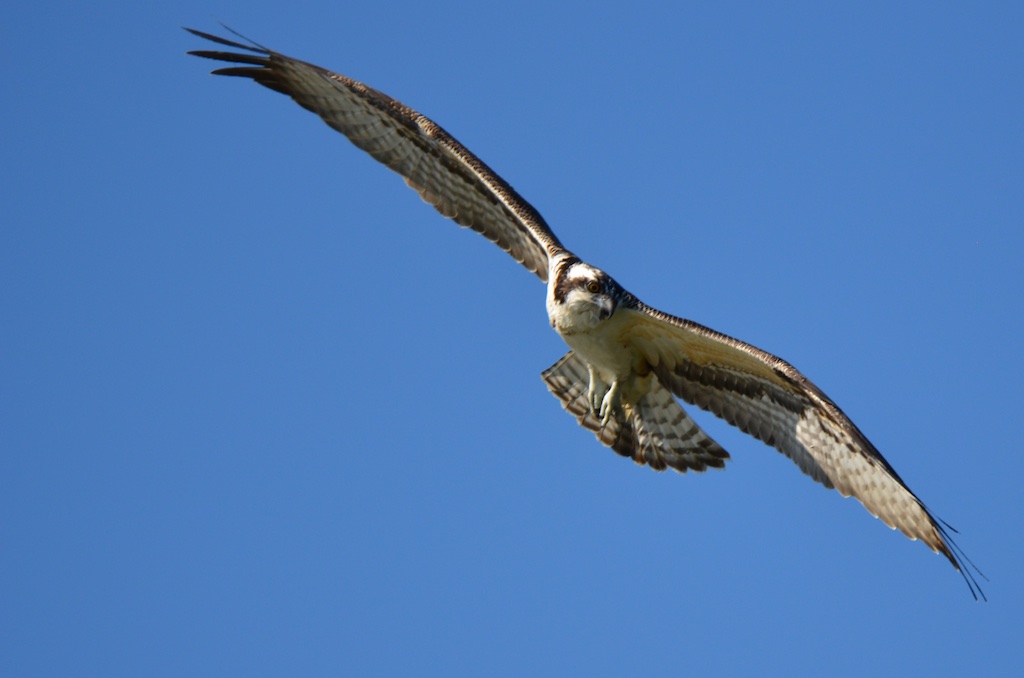
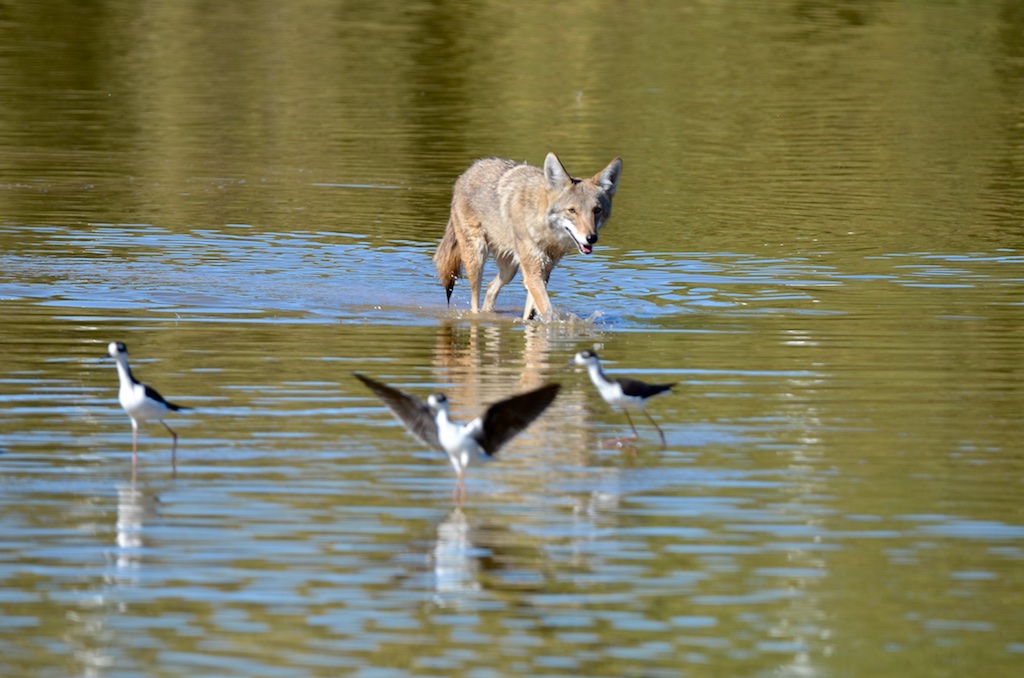
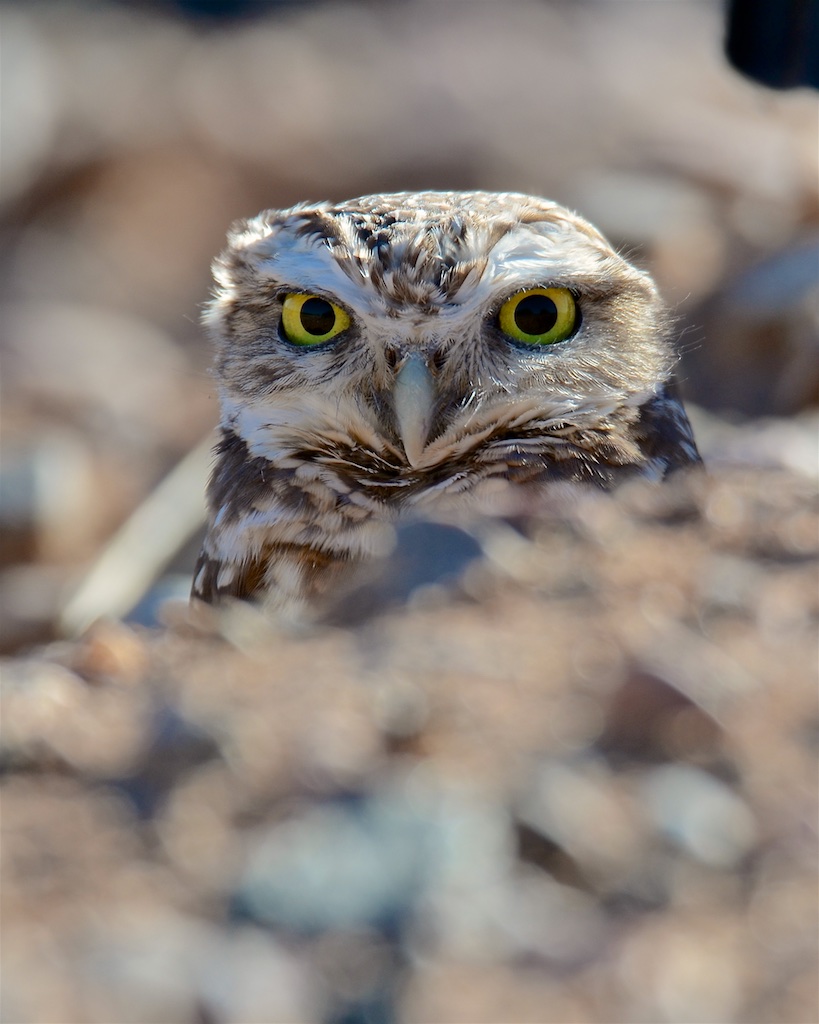
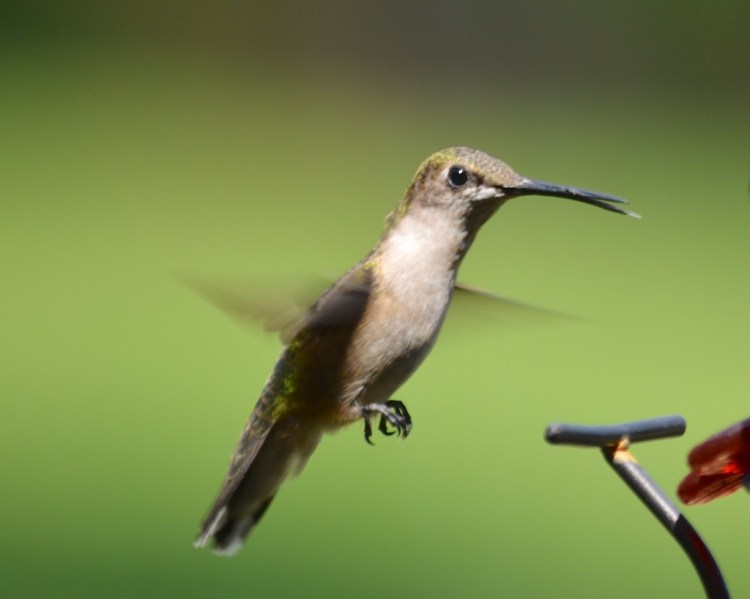
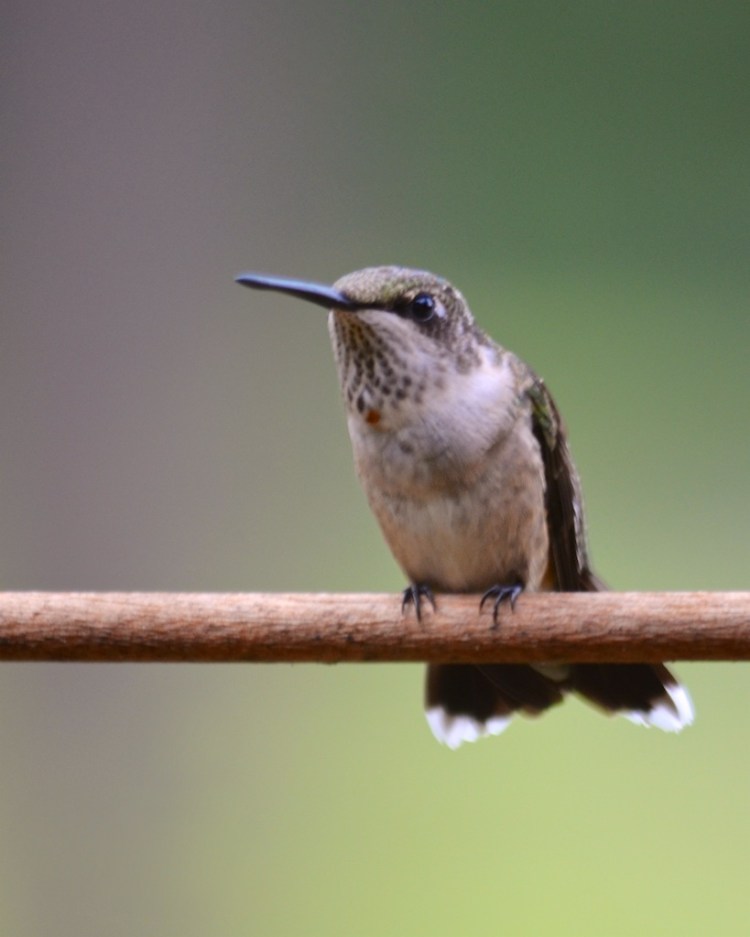
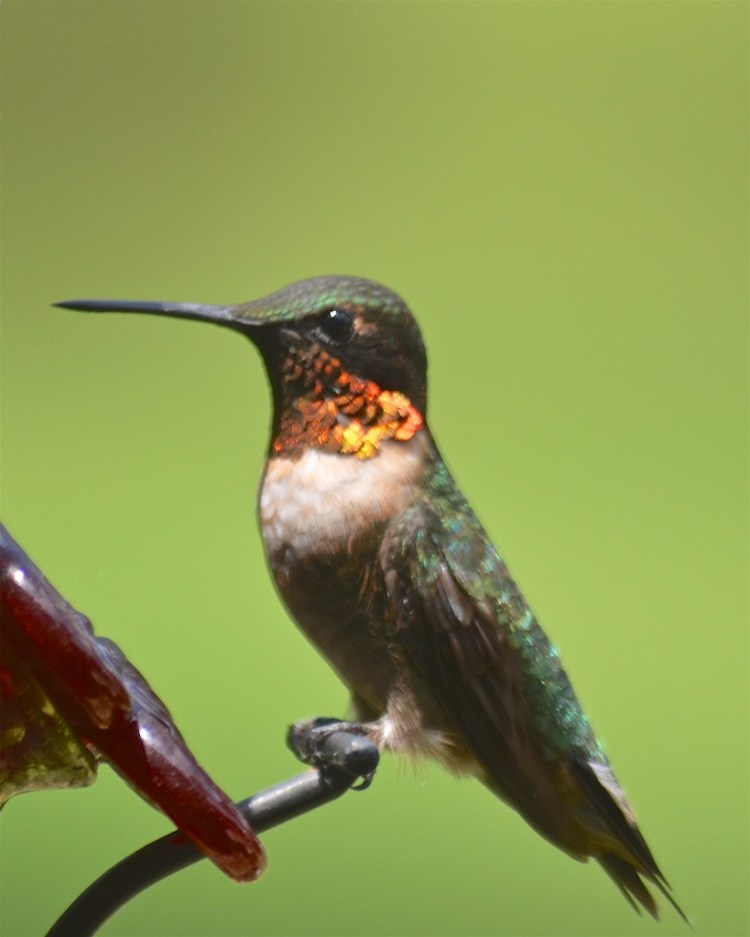
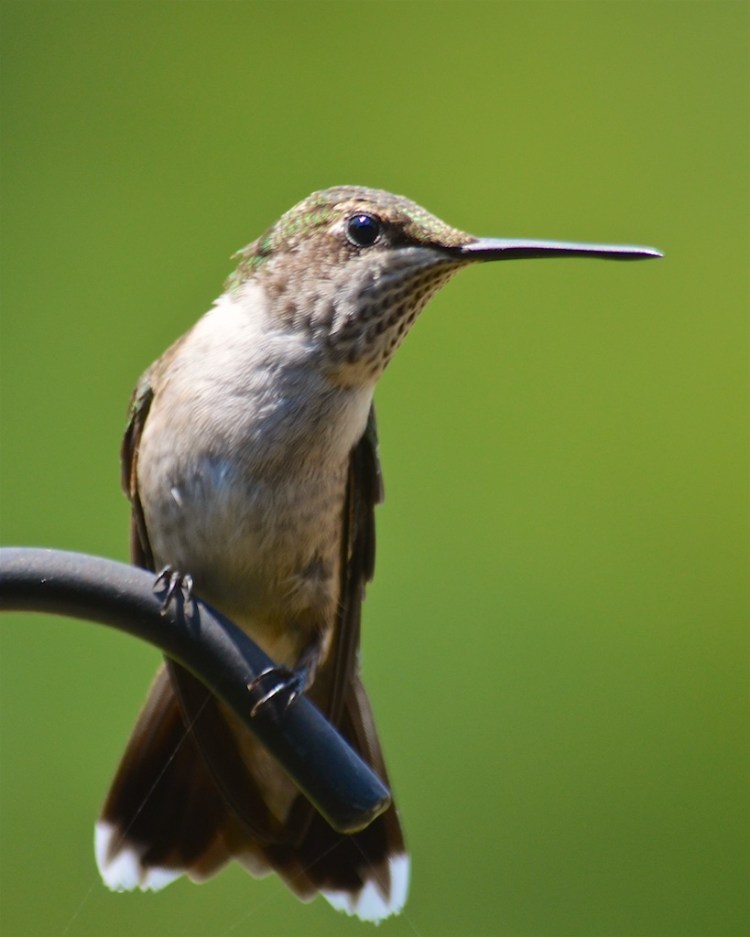
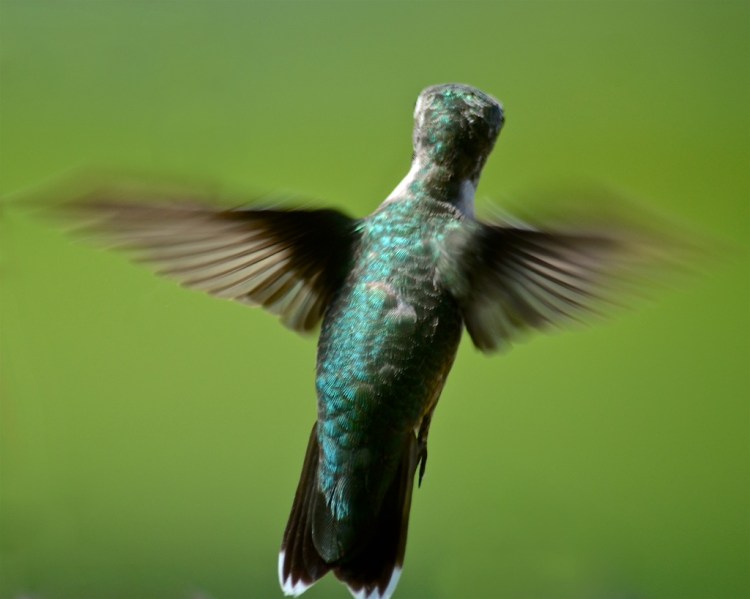
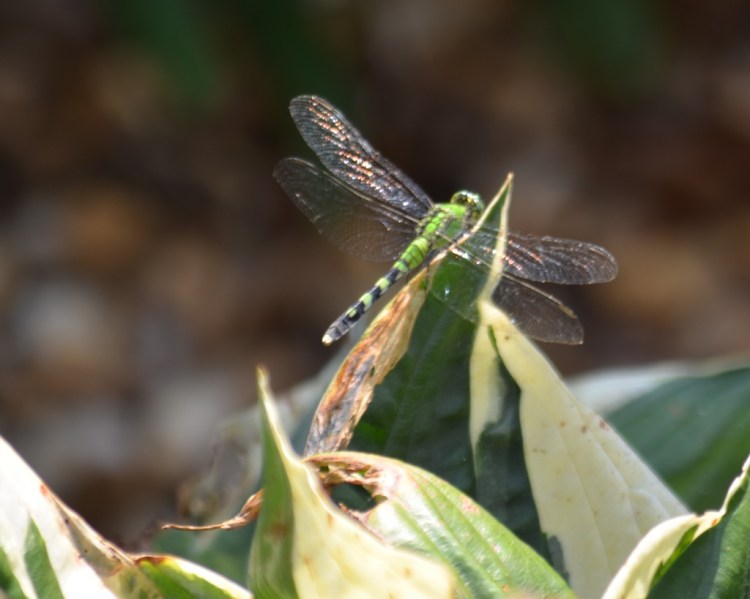
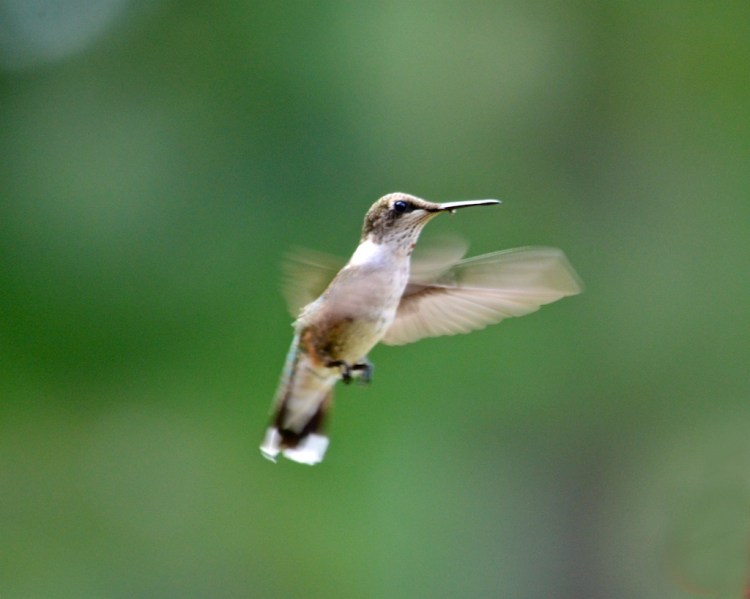
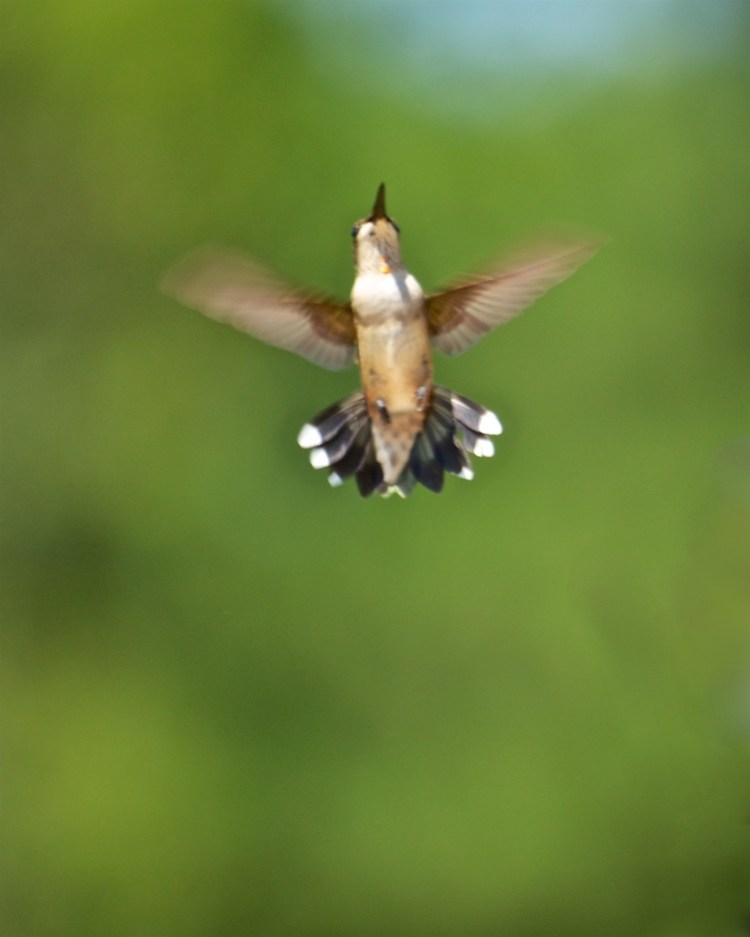
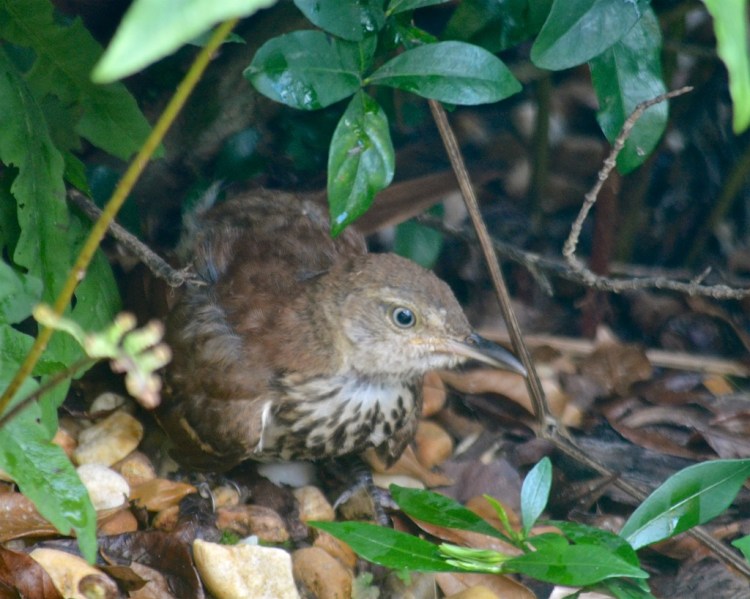
When visiting my parents’ house in Alabama, they have nesting ruby-throated hummingbirds in the area in the spring and other interesting wildlife.
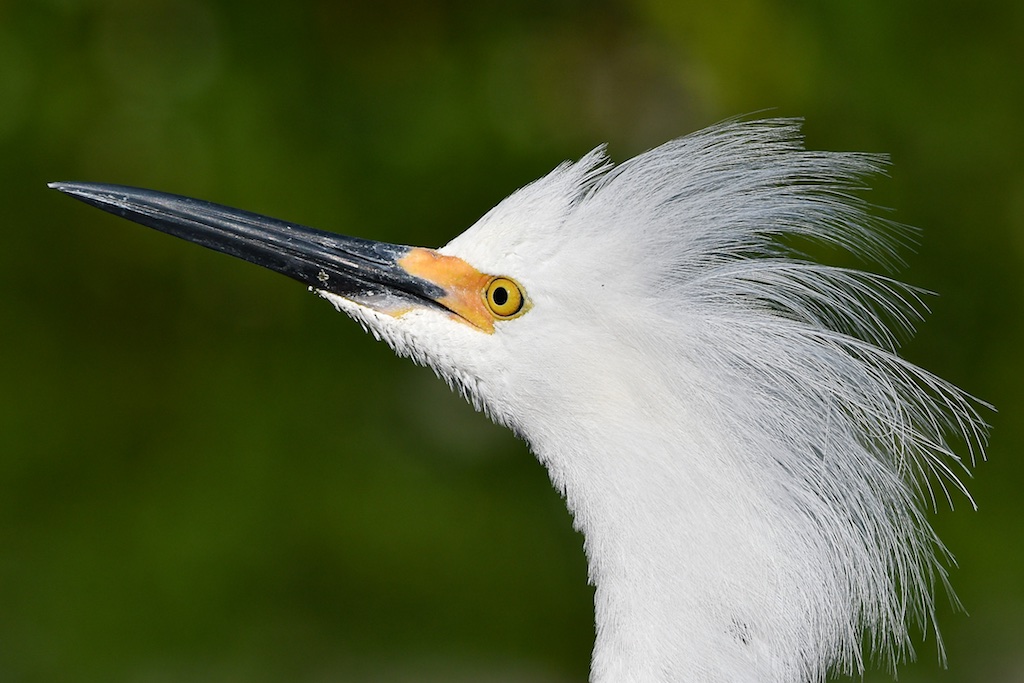
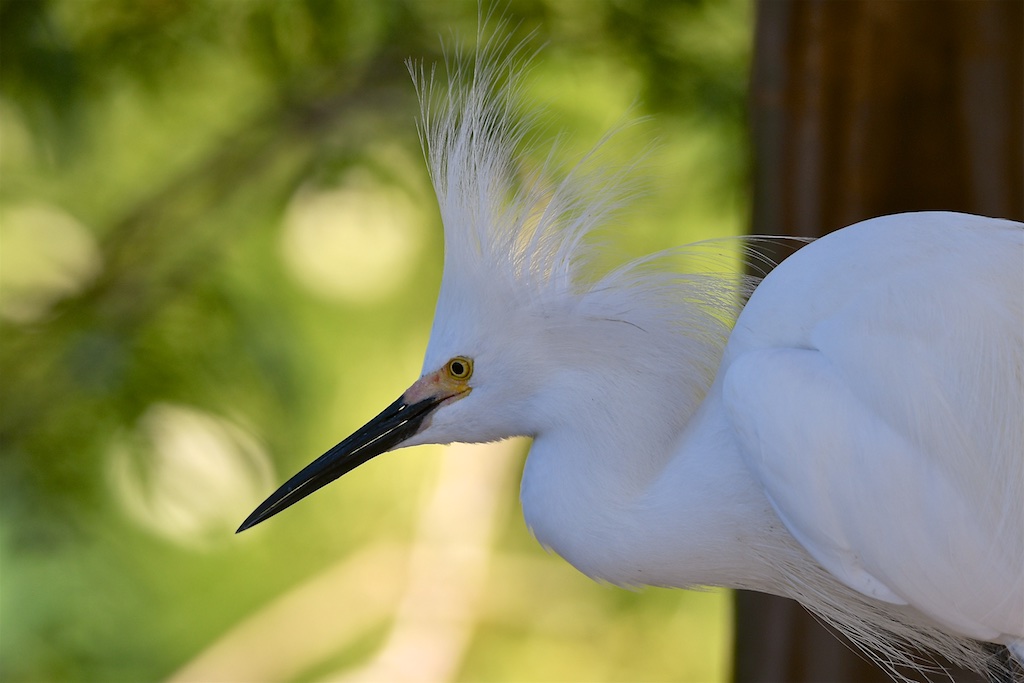
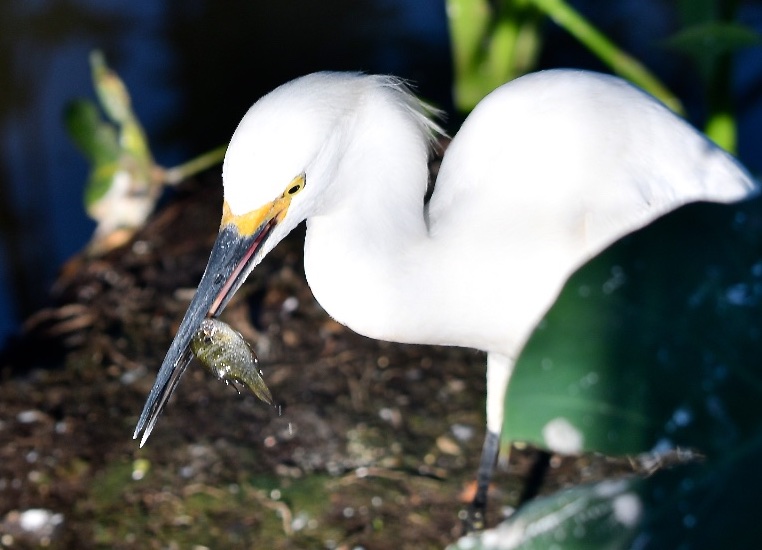
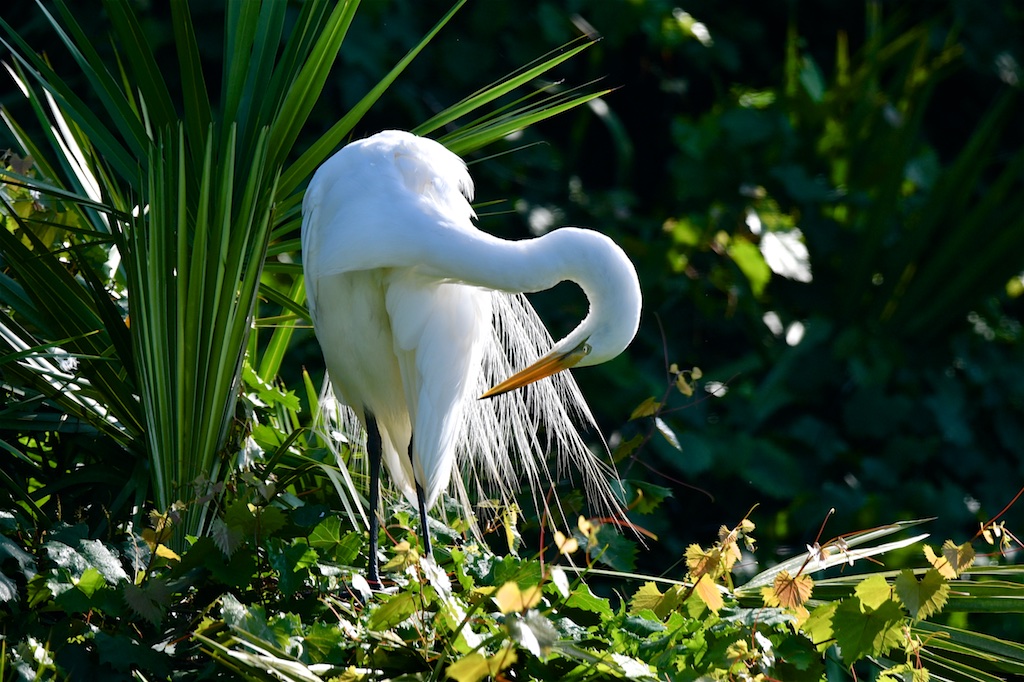
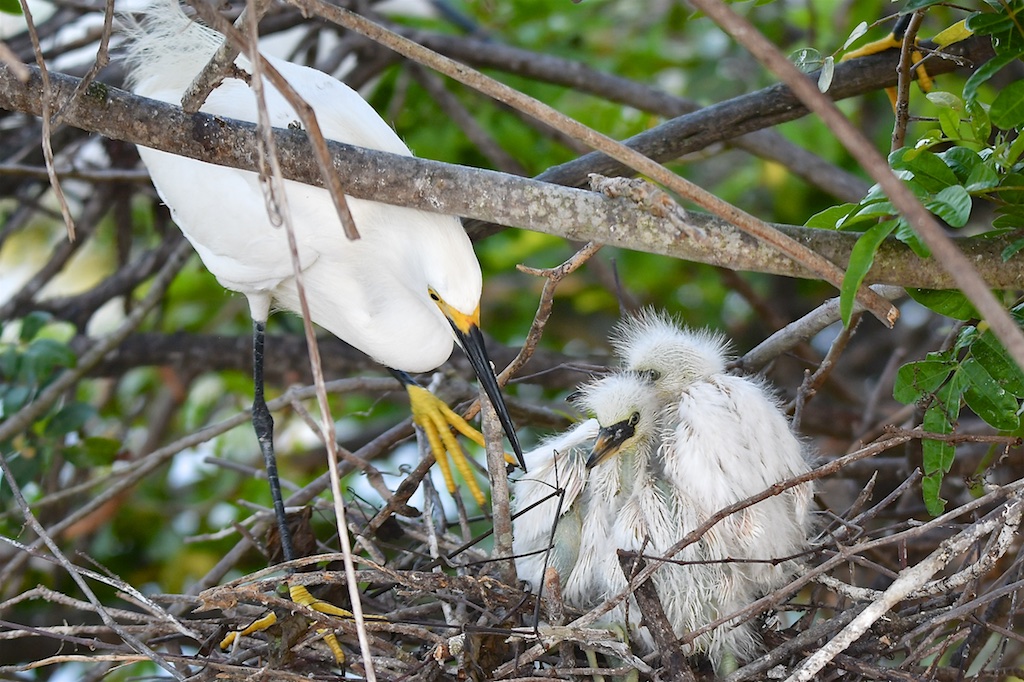
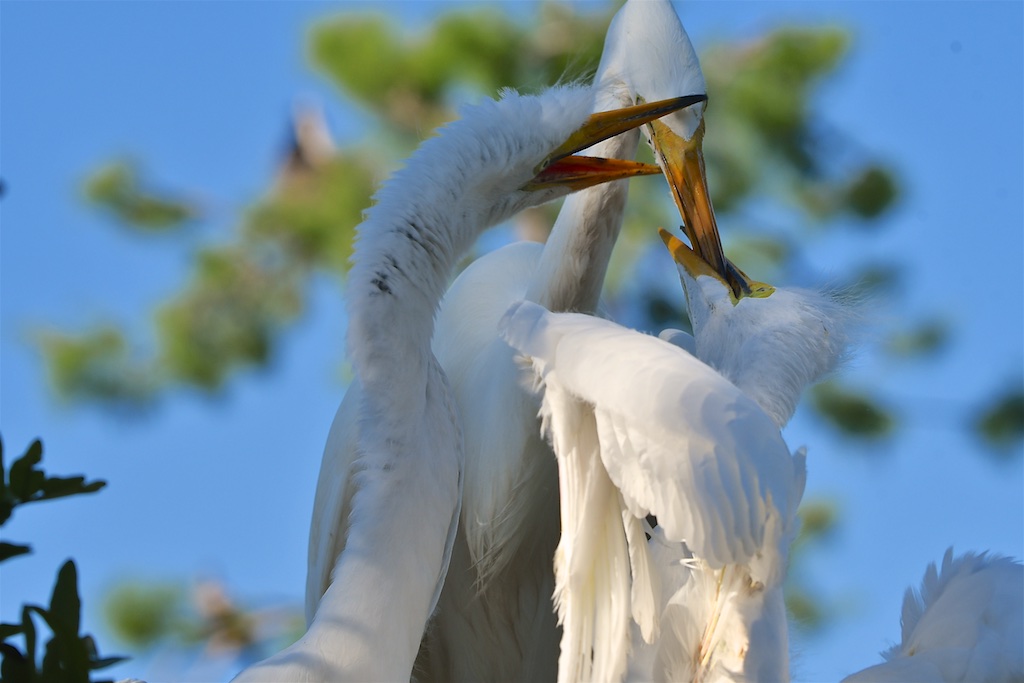
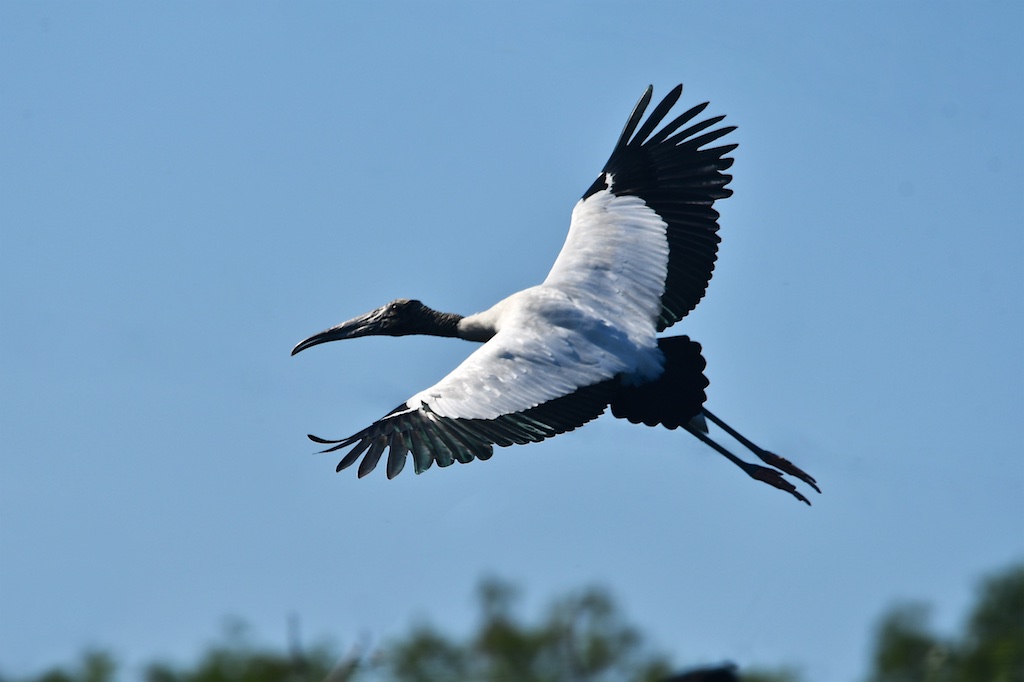
While we haven’t been in the last few years, we used to wind up in Orlando to go to Walt Disney World. Florida’s actually got some of the best birding in the US, so from WDW we’d sometimes work in a side trip to Gatorland’s rookery which is astounding. It’s a very cheesy amusement park, but in the back they set up a lagoon as an alligator with nice wooden walkways along the shore. Herons and egrets actually love to build nests with alligator moat defenses and now there are vast numbers of nesting birds in the back with some nests fairly close to the walkway. There are occasional roseate spoonbills, lots of species of herons and egrets, and also many wood storks. Looking up, you’ll usually spot a couple raptors in the air as well.
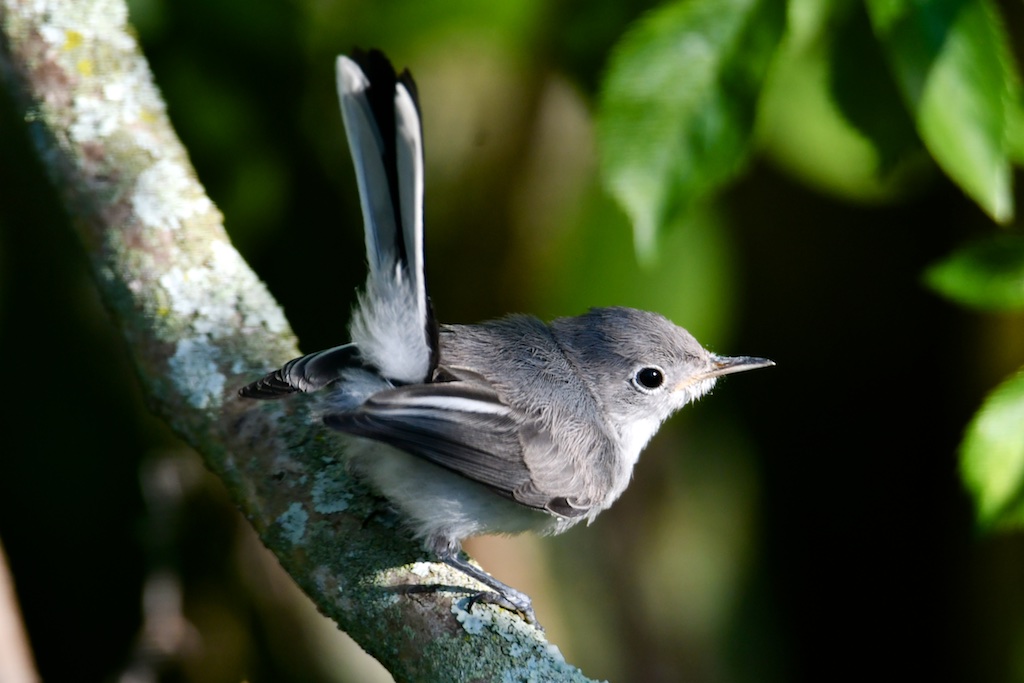
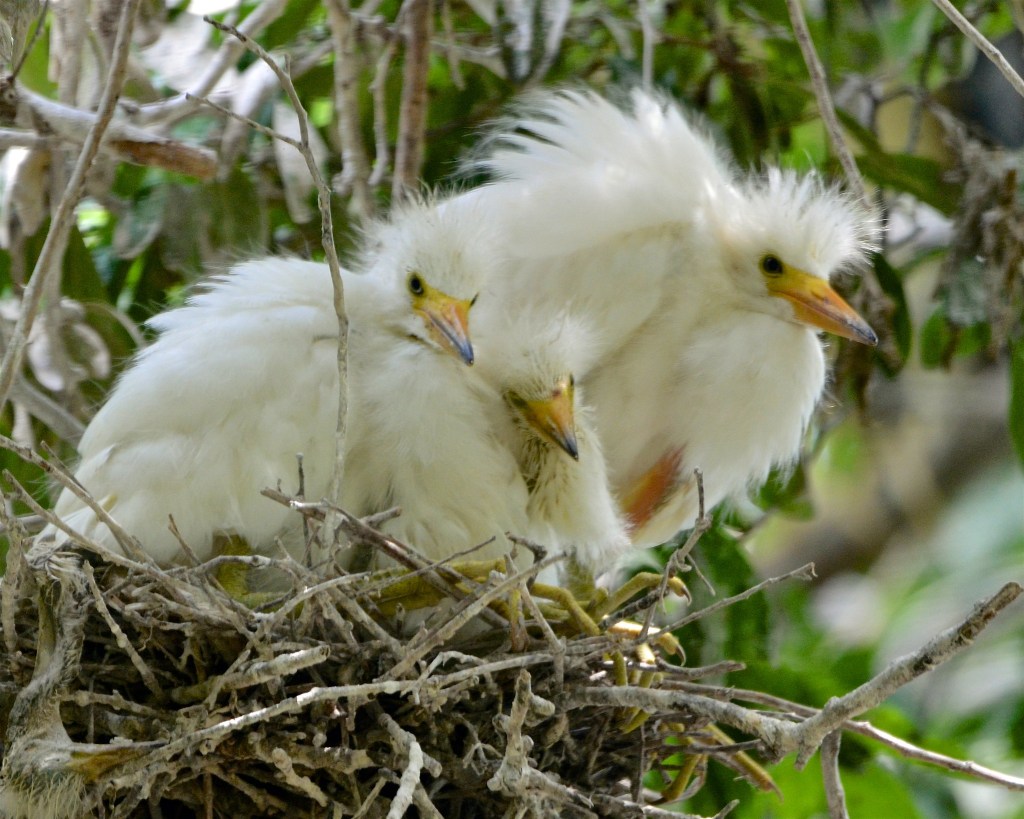
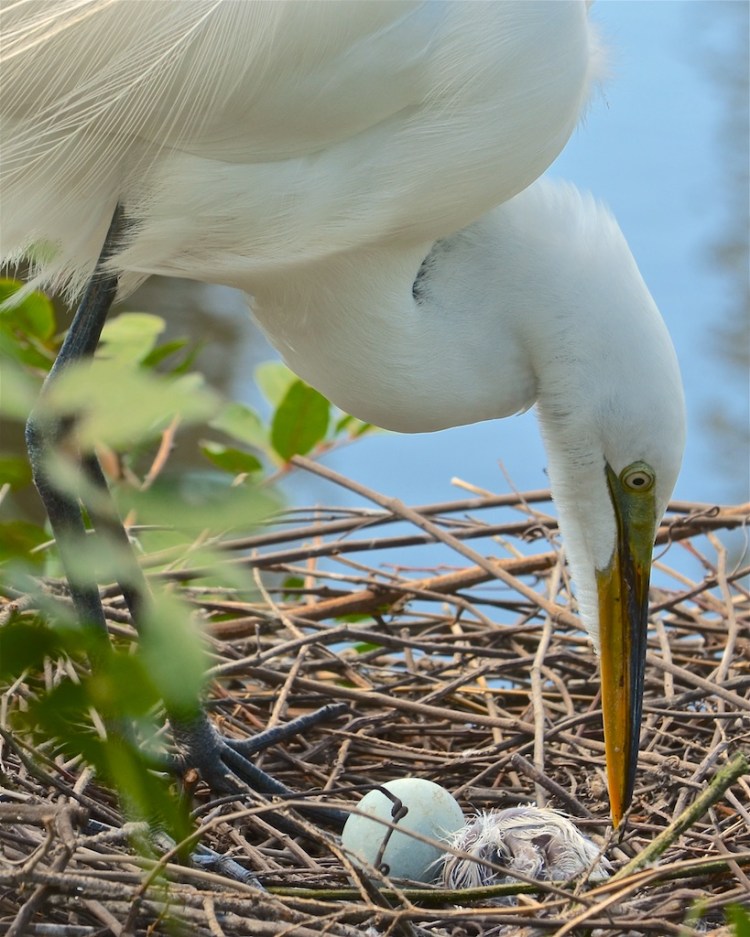
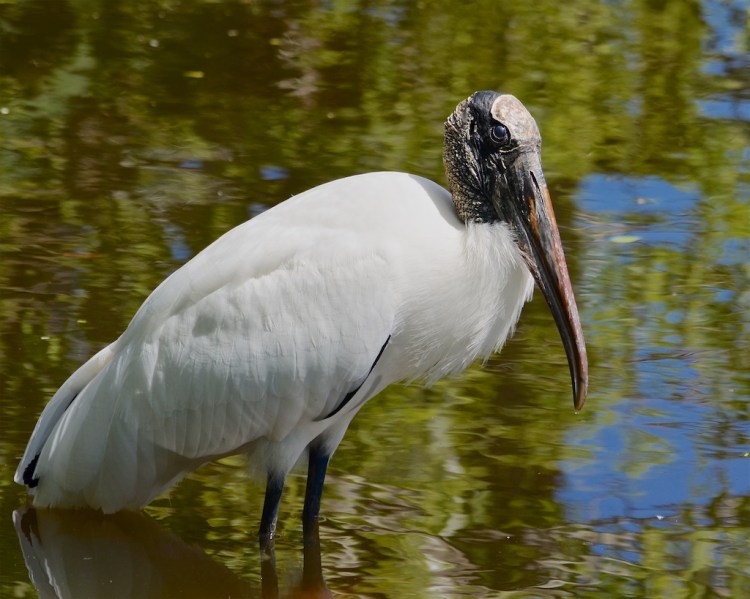
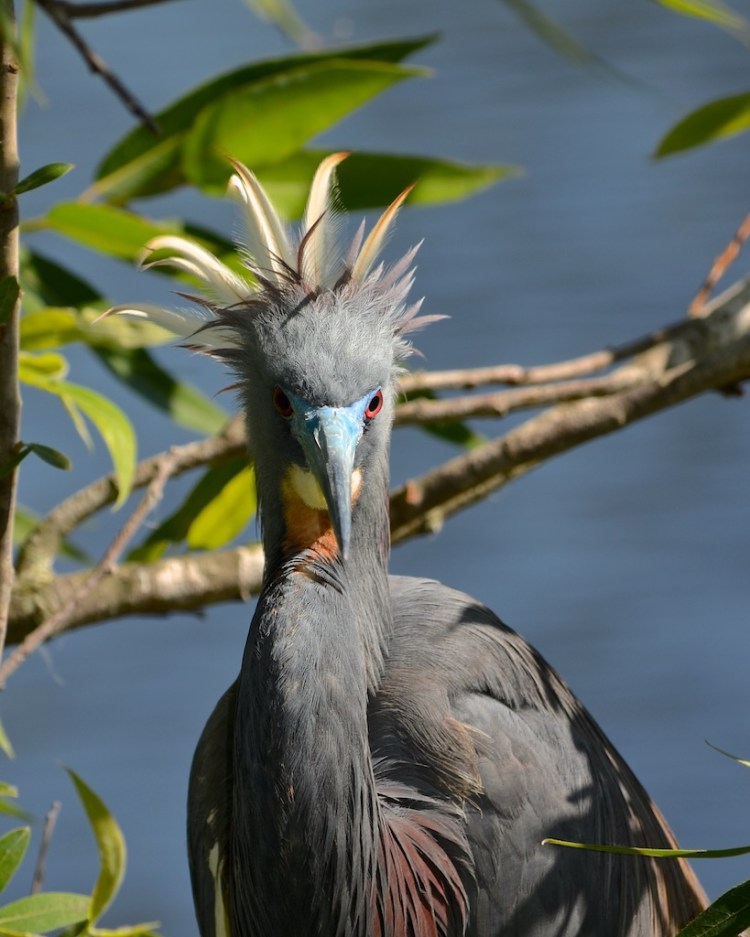
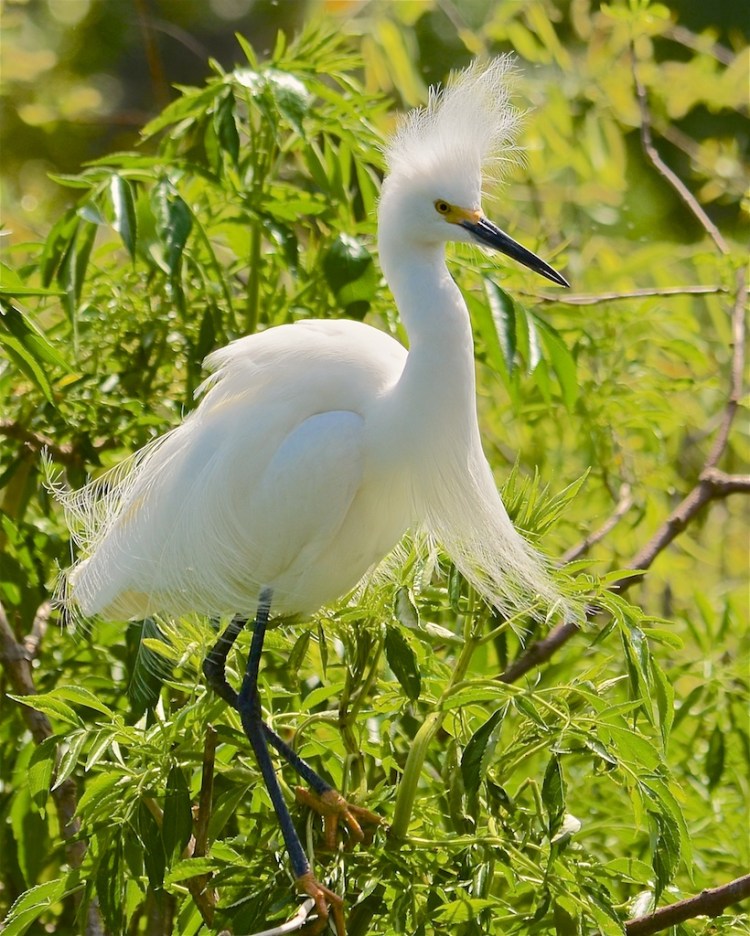
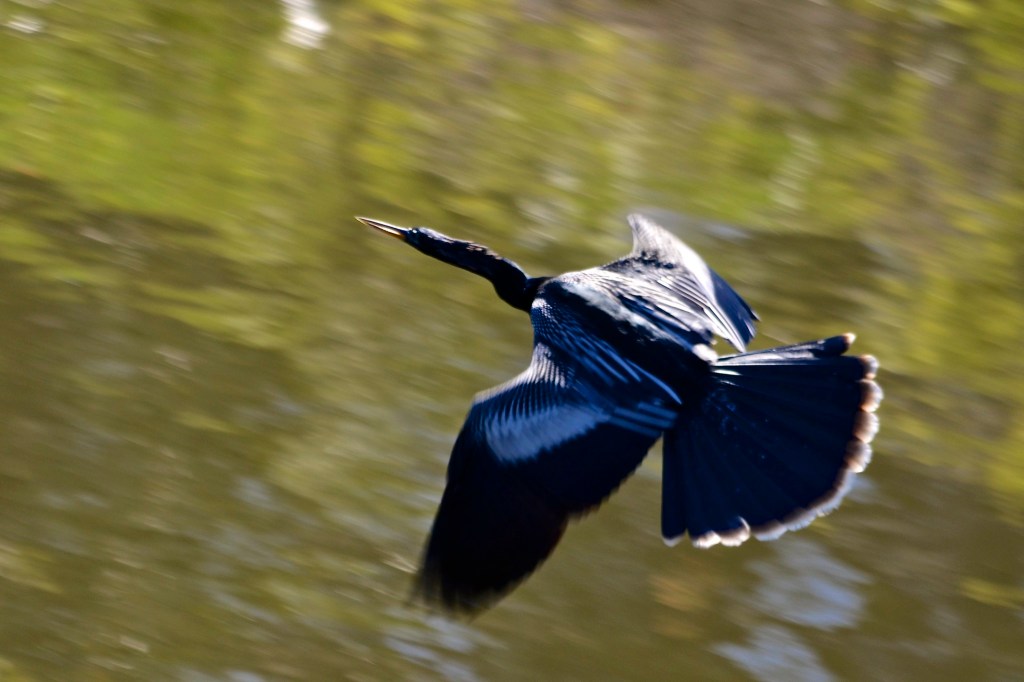
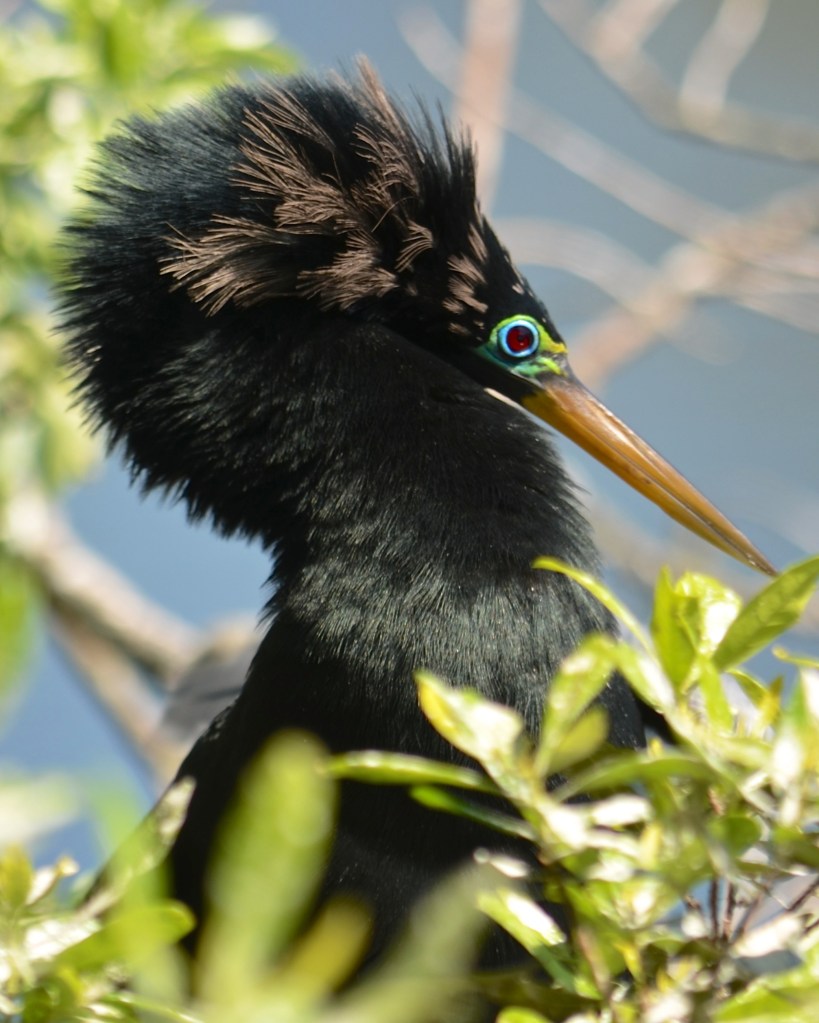
There’s often interesting wild things to see out in the wild if you know where to look. For planning and for on the ground research, eBird and iNaturalist are both really valuable tools for finding things. eBird’s great for looking up local hotspots and finding out where to find birds and other wildlife, and you can look for local areas with dense iNaturalist observations easily to find various sorts of rich habitats.
At this point we tend to record what we find on iNaturalist more than eBird. We’re working on getting more observations in eBird too, but we tend to log things by taking photos and making an id list later which fits iNat.
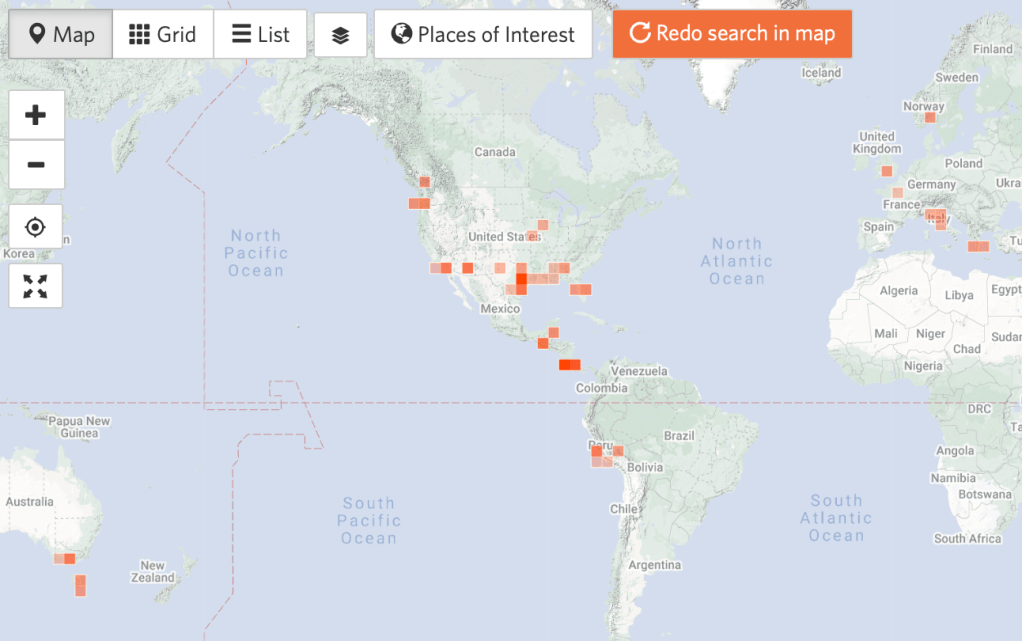
Below is our iNaturalist observation map. It’s fun watching those red dots expand. Even in a place like Rome, Italy, just taking a photo of a pigeon as an observation adds an observation.
While we don’t have a count of all the species of birds we’ve seen (a couple thousand probably), our count for birds with a photo id is currently at 607. If we counted things we just saw/heard without a photo that would surely be well over 1k, but we like having evidence and consensus-based id for our list.
We’ve seen 48 species of wild mammals, 92 butterflies & moths (always fun to find new Lepidoptera), and are always happy to see a new species of ant, bee, fish, bird, mammal, crustacean, etc. We’re more of a naturalist that’s interested in birds, than a birder per se. Always interested in learning more about biogeography, ecology, coevolution, and general macro-bio topics, so iNaturalist is a nice fit for us.
The other tool we’d heartily recommend is the Merlin app. We generally didn’t have any data but downloaded a Costa Rica pack and the local species lists with frequencies were always available. While the sound id doesn’t work as well outside the US, it’s often very good inside the US.
 The Nature Bloggist