
We took a domestic flight from Cusco to Pisco and landed in a very dry place.
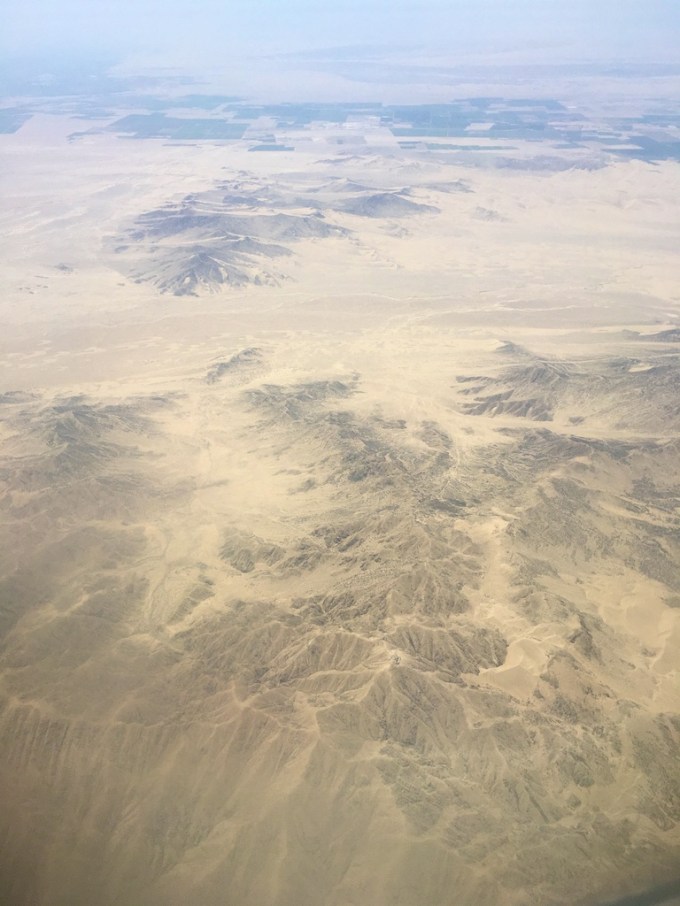
Off the coast the Humboldt Current runs up from Antarctica keeping the surface temps so low that there’s no evaporation. In the past 60 years this region has seen one day of rain (resulting in a catastrophe for Pisco). Near the coast there are a few tiny plants that subsist off dew, but there’s no rain, so there are no succulents/cactuses, etc.
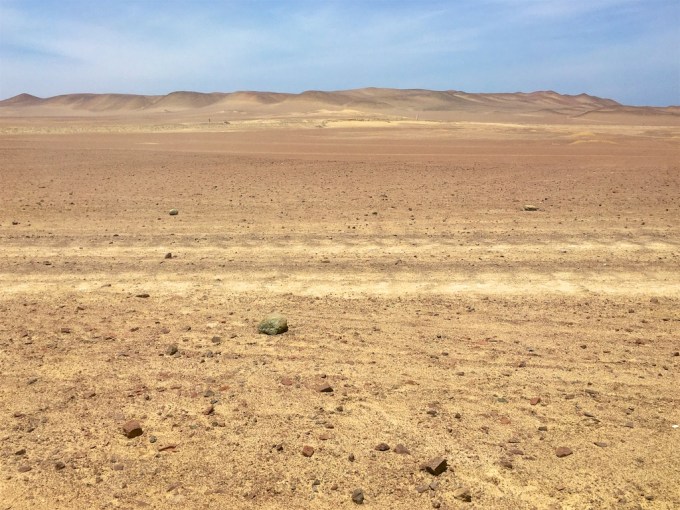
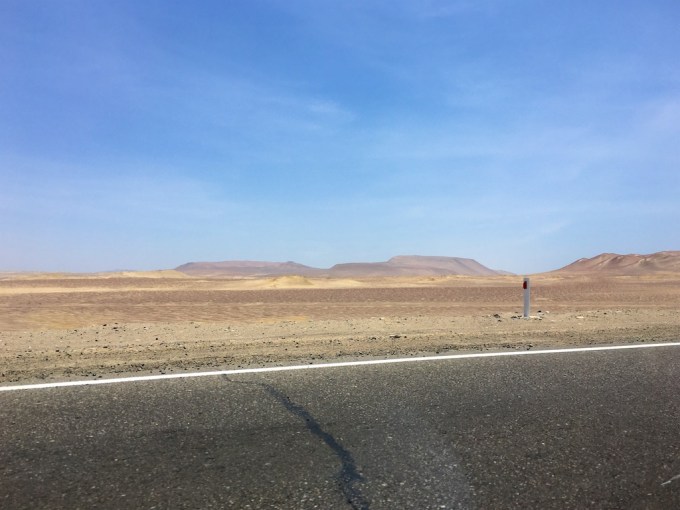
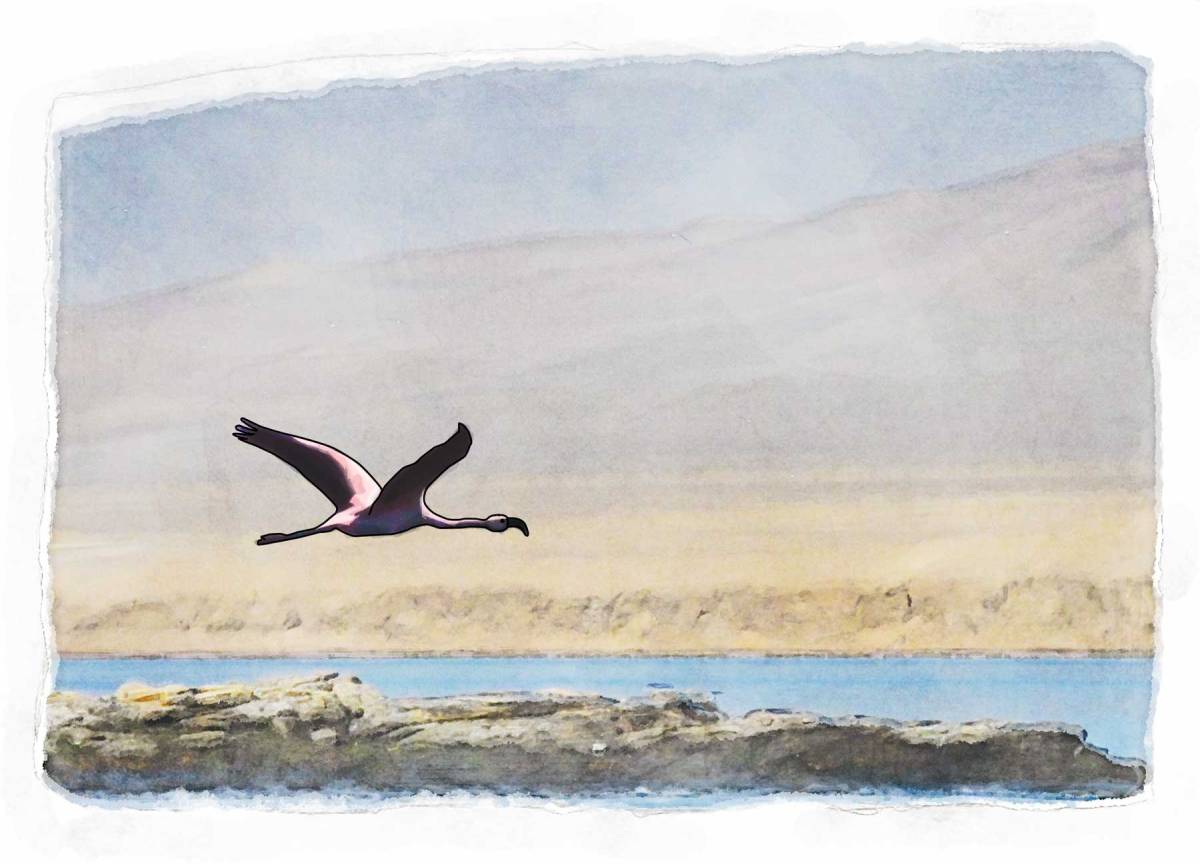
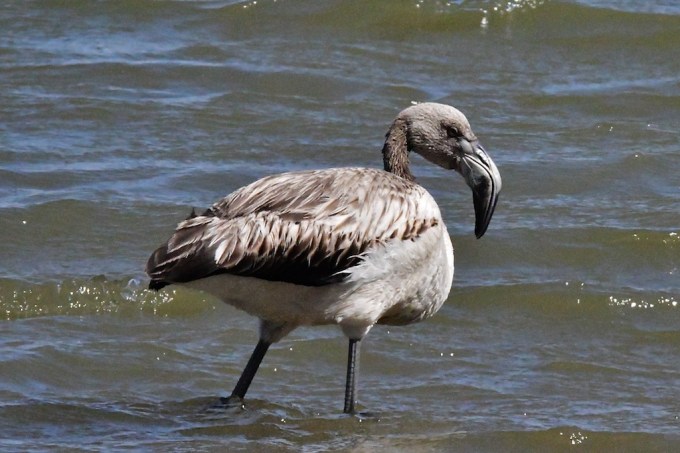
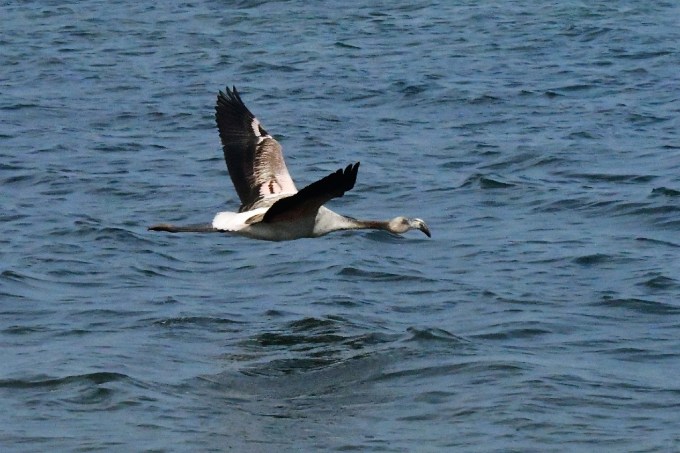
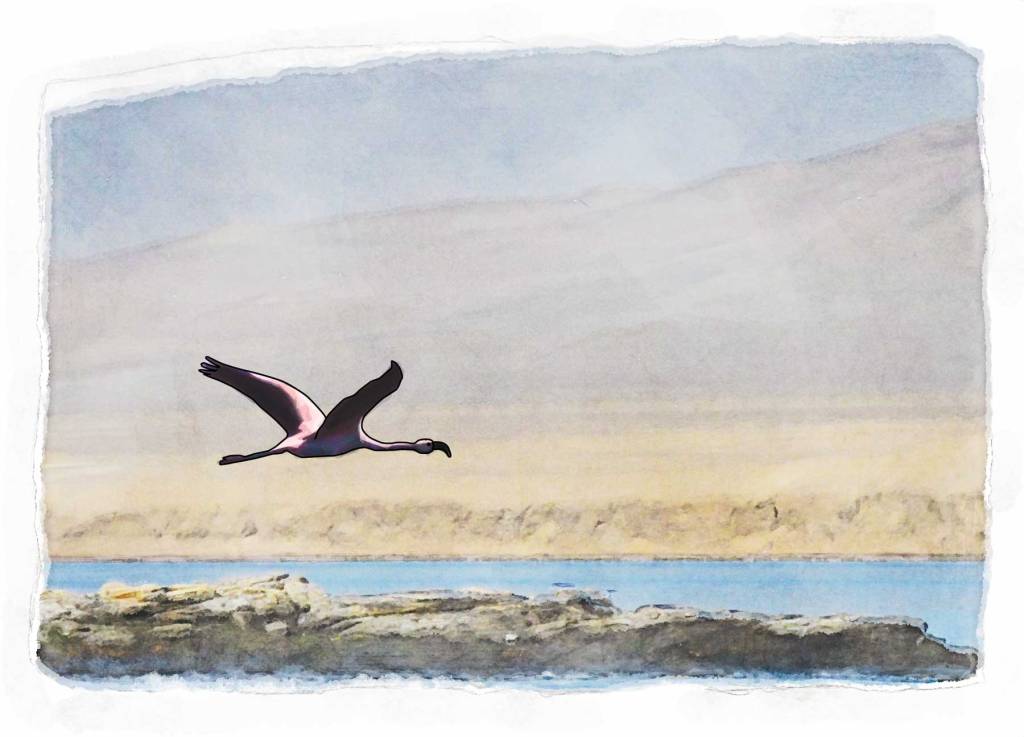
The coast of the desert here is rich with life. On our drive in we spotted a group of bright pink Chilean Flamingos on the beach and tons of shorebirds. And the Ballesta Islands here are host to huge amounts of wildlife, including Humboldt Penguins.
While researching this area, Haley had found an Air B&B listing for a place inside the park on the beach that was a working scallop farm. We planned to take kayaks in Pisco bay to see the local birds, get close to flamingoes, and spend time in a really unique and amazing ecosystem, and arranged to take a boat out to see the islands.
This was a great decision – they’re an excellent AirB&B deal. The place had what amounted to an outhouse, electricity was limited primarily to solar panels, and we slept on an air mattress in a tent, but it got us right on the coast in the middle of an area rich in amazing wildlife.
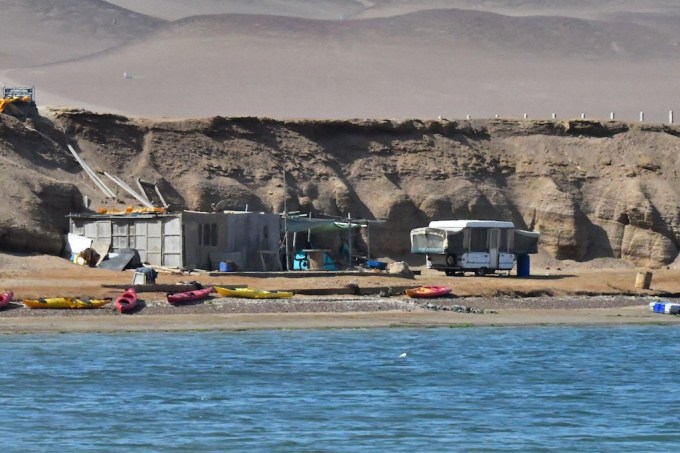
On arriving we walked around the beach and spotted a lot of Peruvian boobies scanning and diving for fish which were fun to watch.
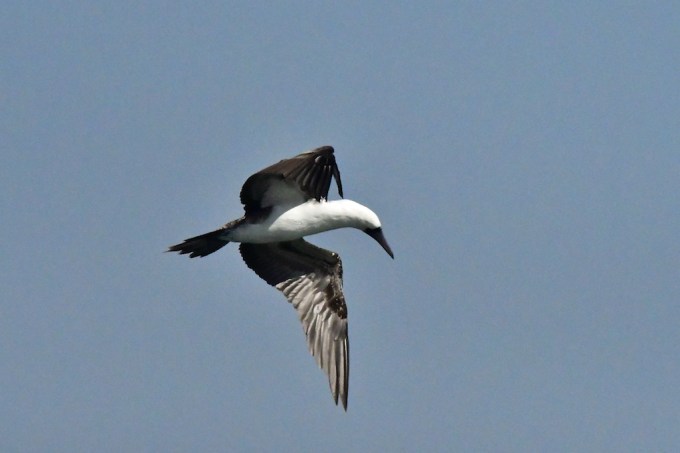
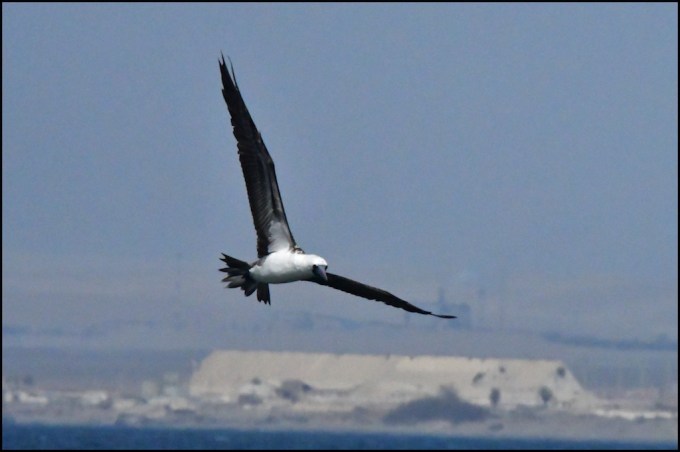
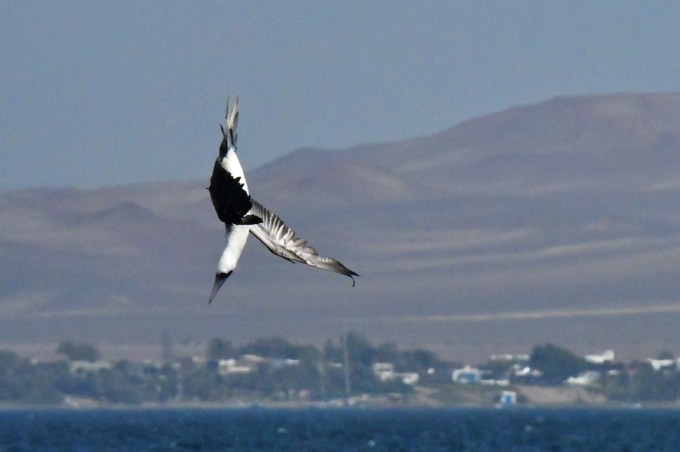
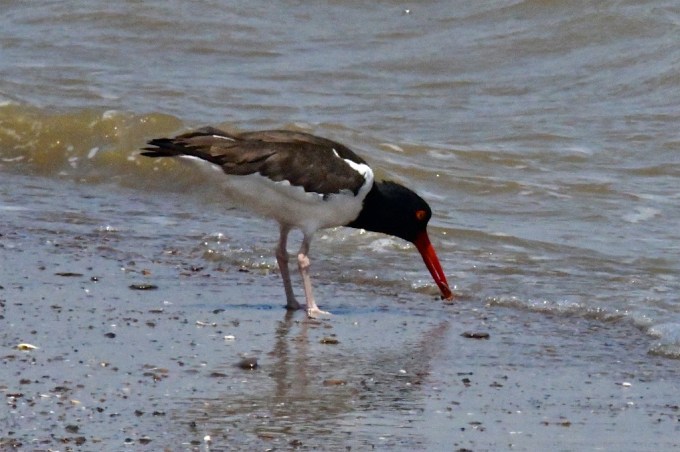
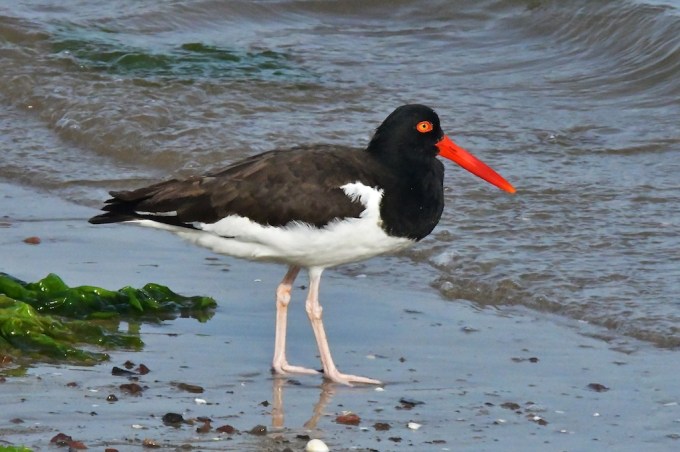
Also there were a lot of American oystercatchers.
And there was a juvenile Chilean flamingo hanging out on the coast of the scallop farm.
We also saw Wilson’s plovers, curlews, sanderlings, greater yellowlegs, gulls, terns, Peruvian pelicans, and various cormorant species on a short walk.
Anahi and Luis were really awesome to hang out with. Great hosts, very thoughtful folks, and wonderful to get the chance to talk to. We talked about the local wildlife and ecology, and I finally tried to sort on the deal with Español and Castellano. We paid a bit extra for full board and were really glad we did, they were amazing cooks.
We looked up birds in a copy of Birds of Peru we ordered used online. Luis had a hardback of the same version. We used it through the trip, the illustrations are good, the maps helpful, and the layout standard enough to be easy to use. We’ve found traveling with a paper field guide covering an area works well since looking things up online in apps is much less reliable outside the US, at that point I had limited data on a Peruvian Claro plan, and we had serious battery limits.
The farm itself is a netted area off the shore where scallops are grown out in the rich waters. Luis’ father Pablo ran the scallop farm, and the ten dogs at the site were his – he told us all the dogs names. He didn’t speak much English, but we chatted in Spanish.
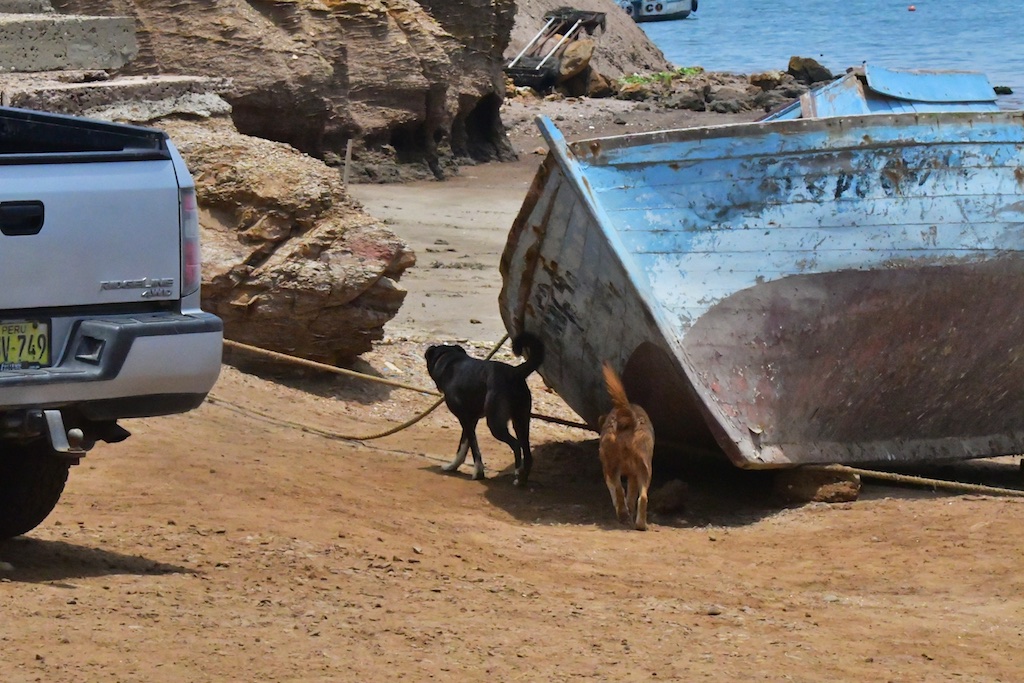
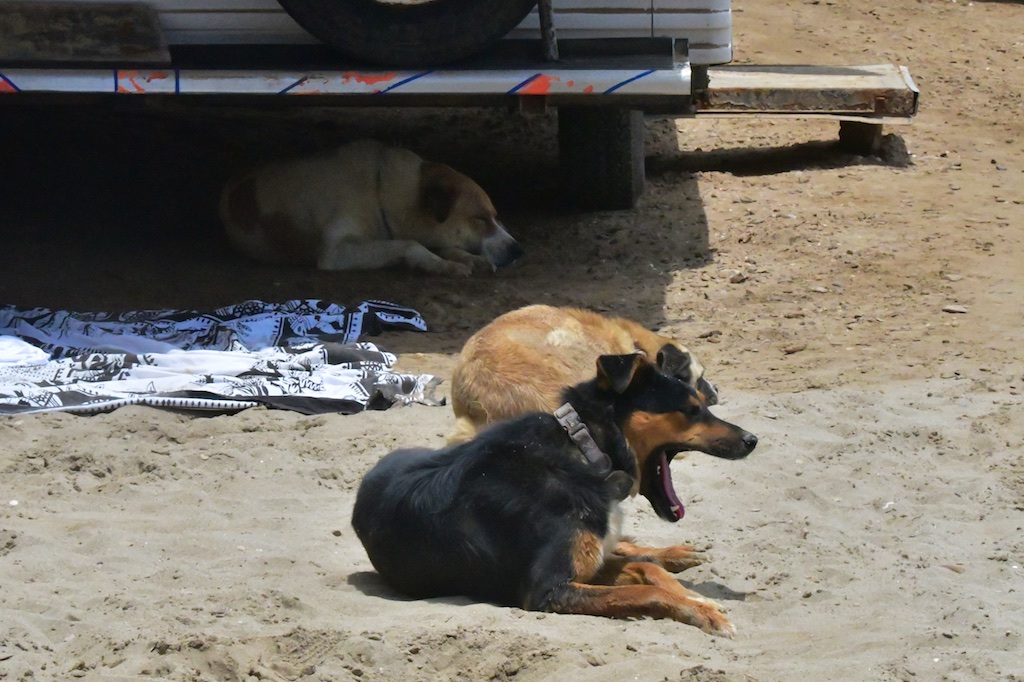
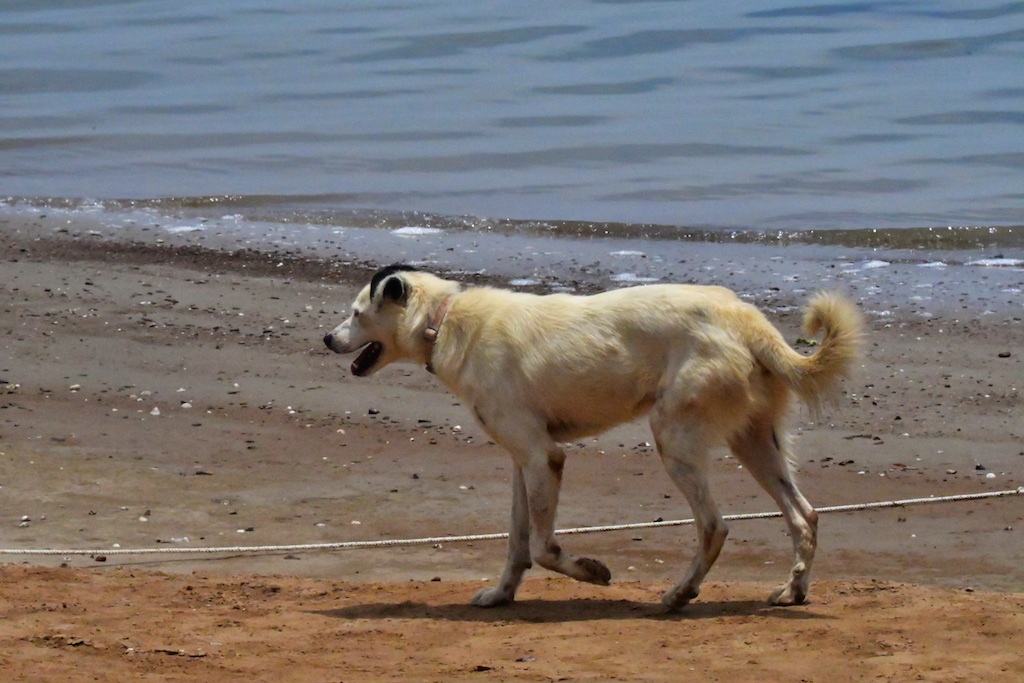
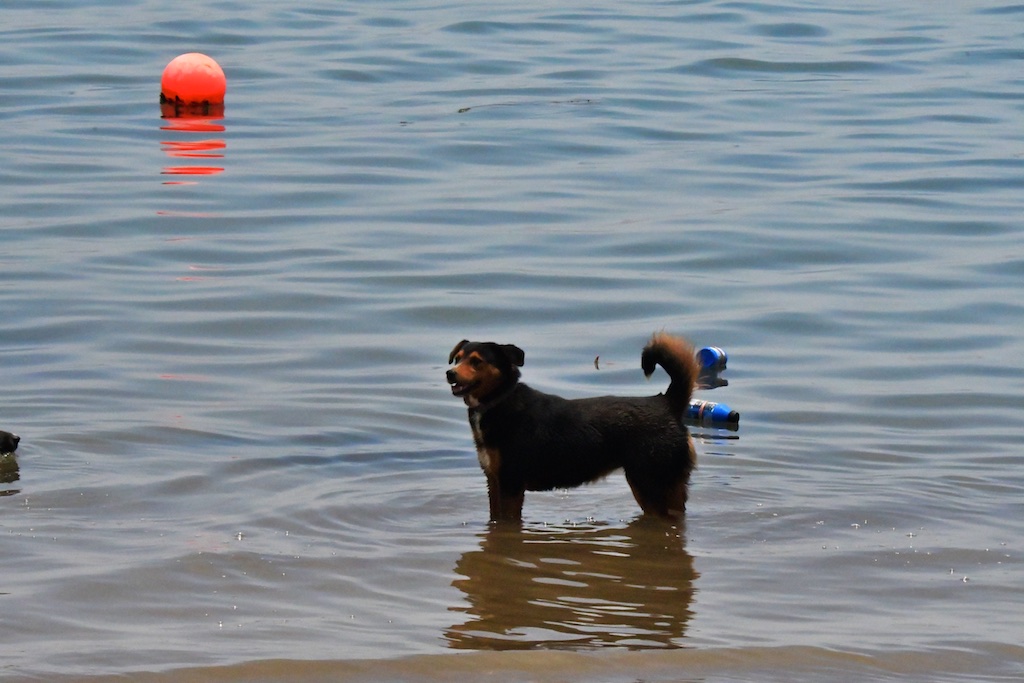
We walked along the coast, ate, played with dogs, checked out birds and shells and wildlife, and had a nice time talking to Anahi, Luis, and Pablo in the evening and eventually we went to bed.
 The Nature Bloggist
One reply on “Paracas National Reserve”
[…] next: Paracas National Reserve […]
LikeLike