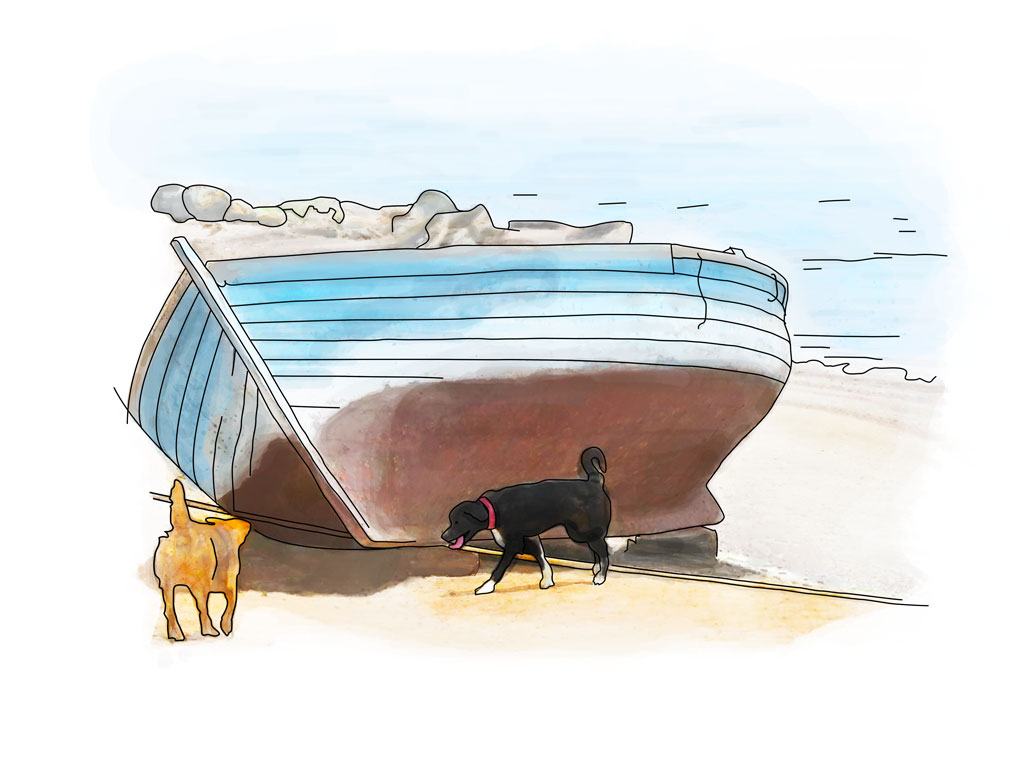
The next morning we got up, ate some breakfast which was very good, played with the dogs a bit, looked at shore birds and watched the Peruvian boobies dive. Anahi, Luis, and Pablo were all great hosts and we felt lucky to get the opportunity to hang out with them and talk about this beautiful place, dote on their adorable kids, and eat amazing food. The AirB&B listing is worth posting again since this was a highlight:
https://www.airbnb.com/rooms/30707377
After lunch we headed out on kayaks, Haley and I shared a kayak, Luis had a kayak, and a friend of his with a background as a nature guide came along.
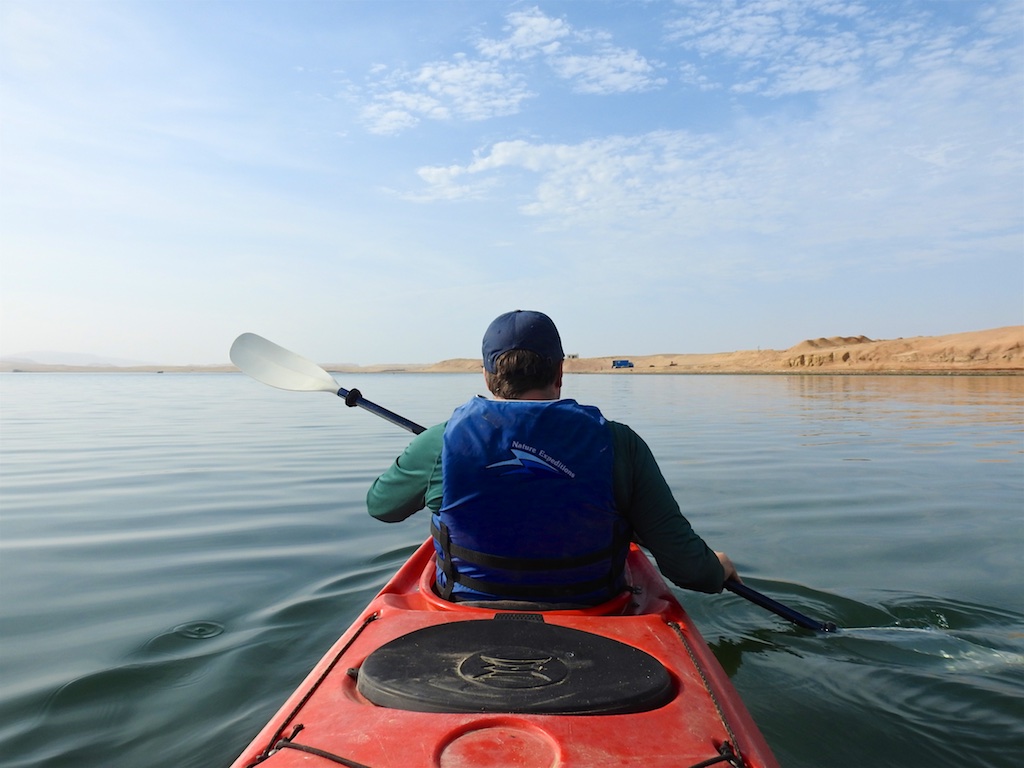
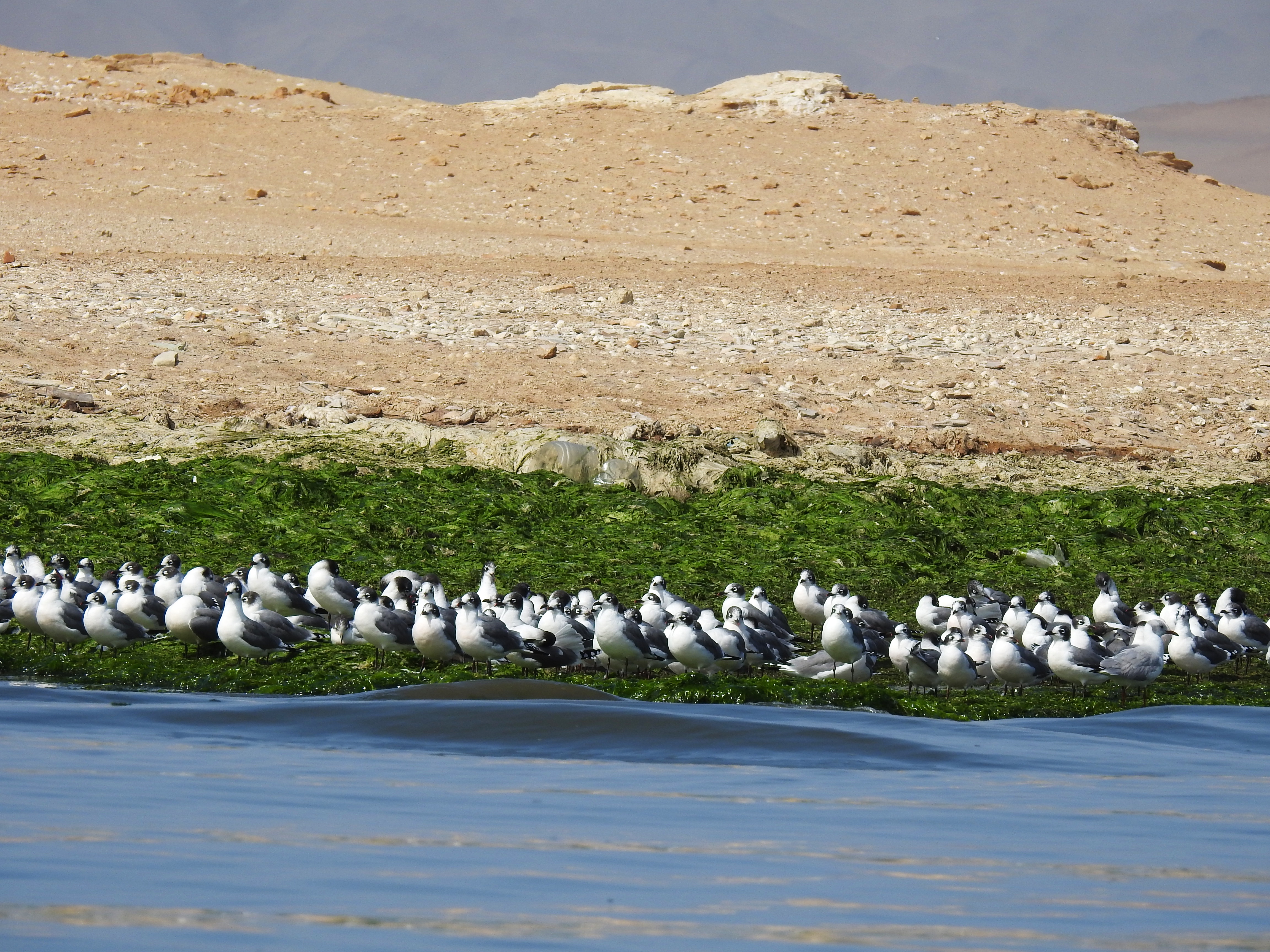
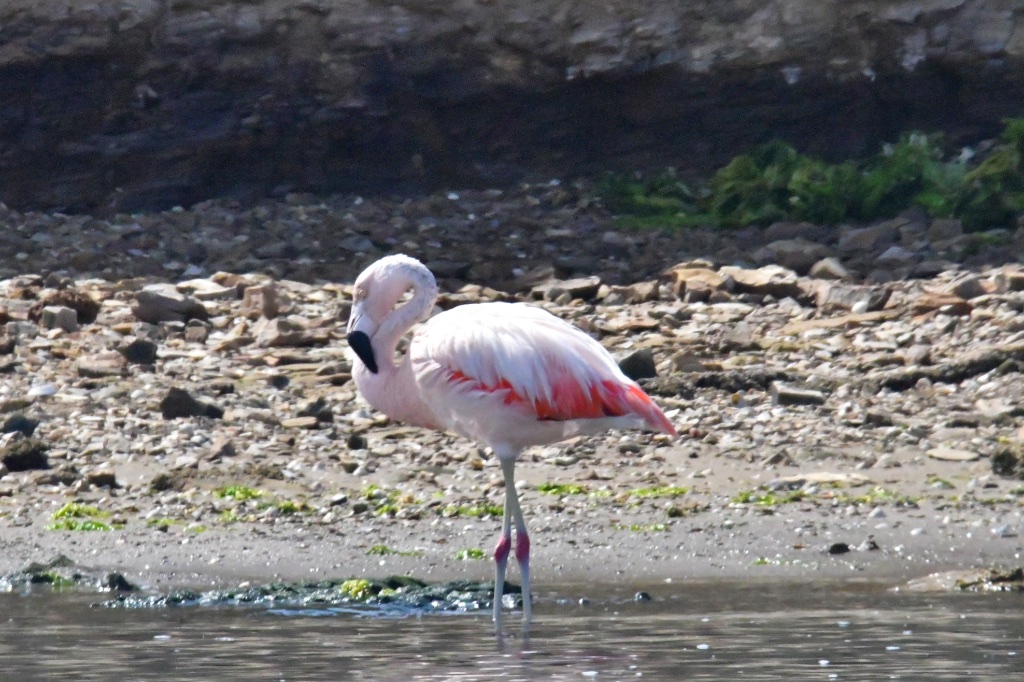
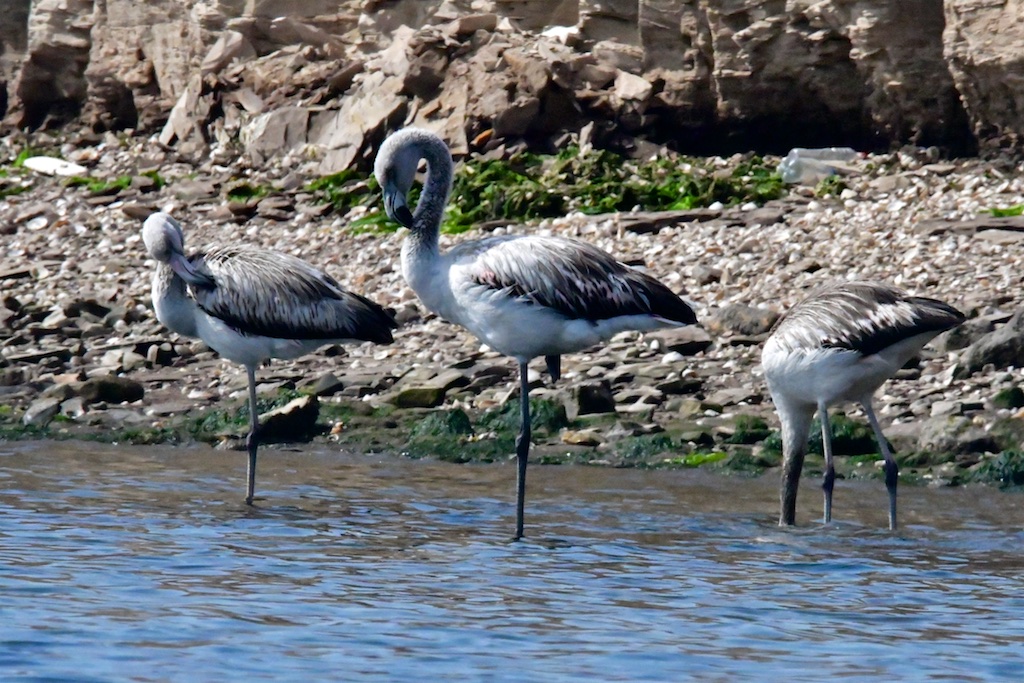
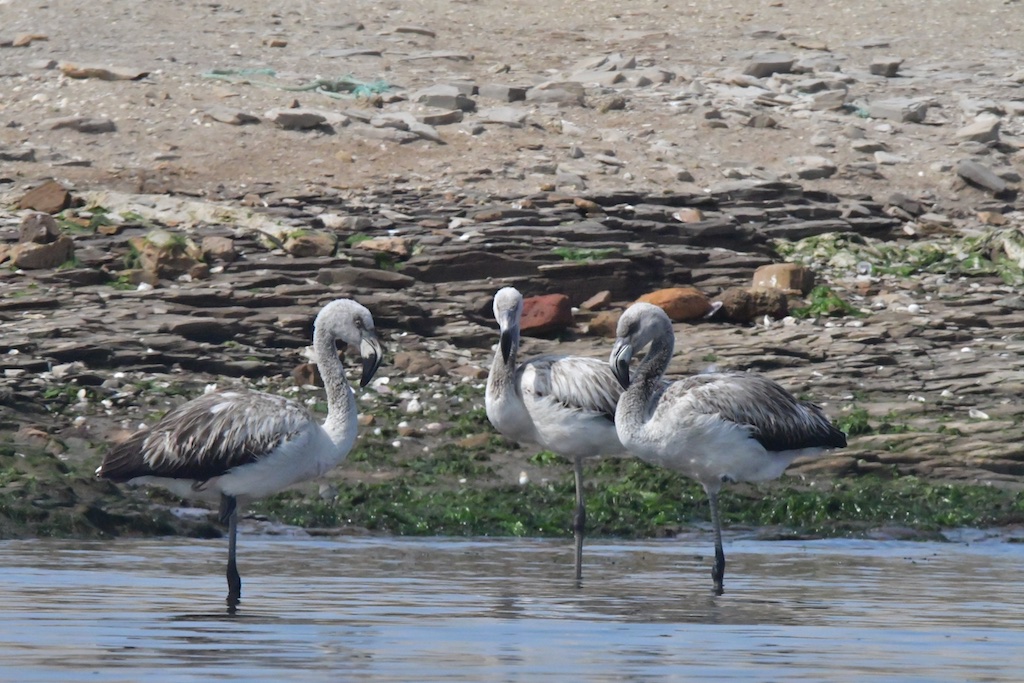
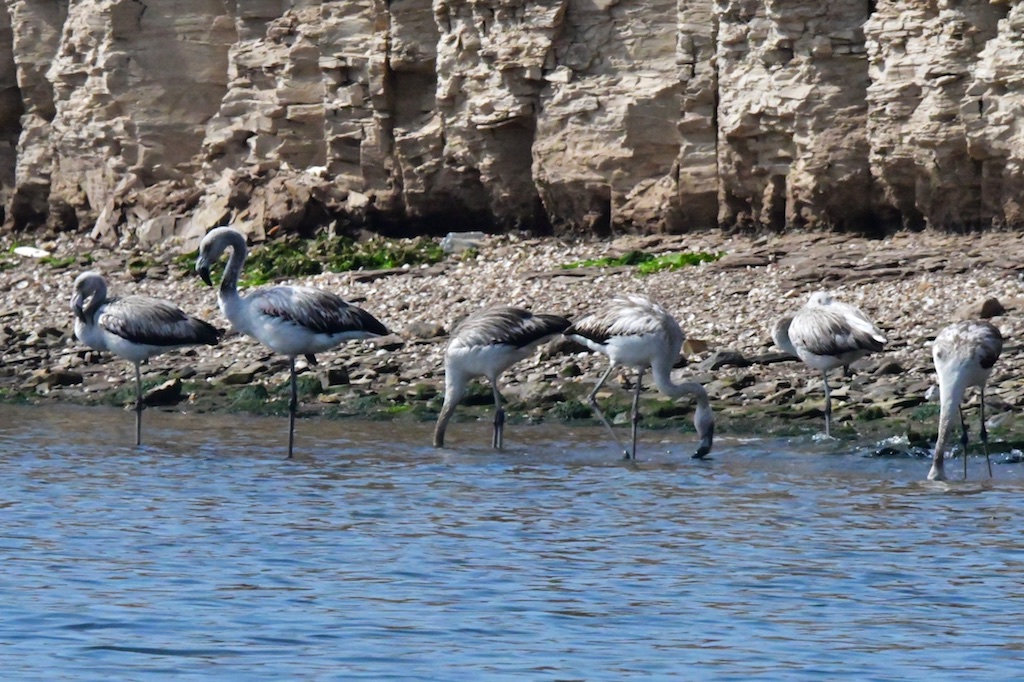
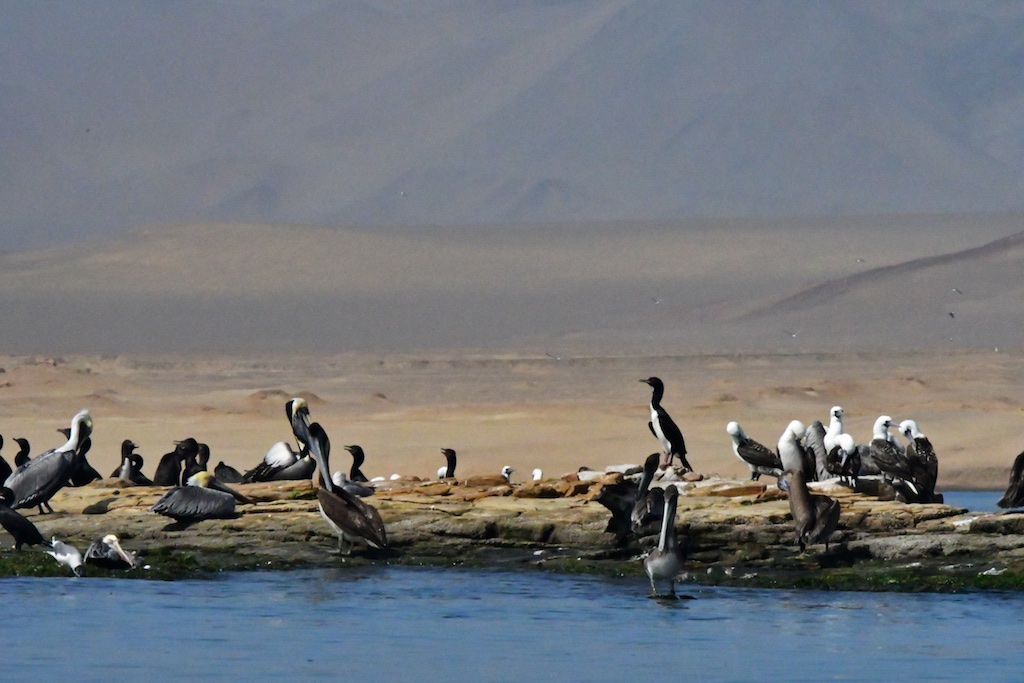
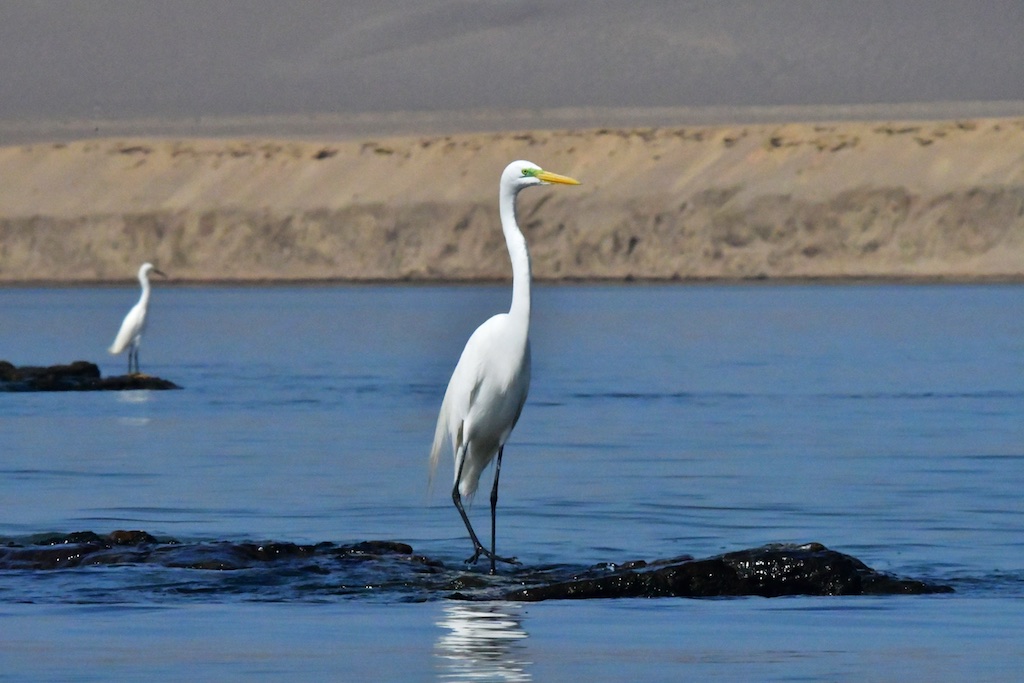
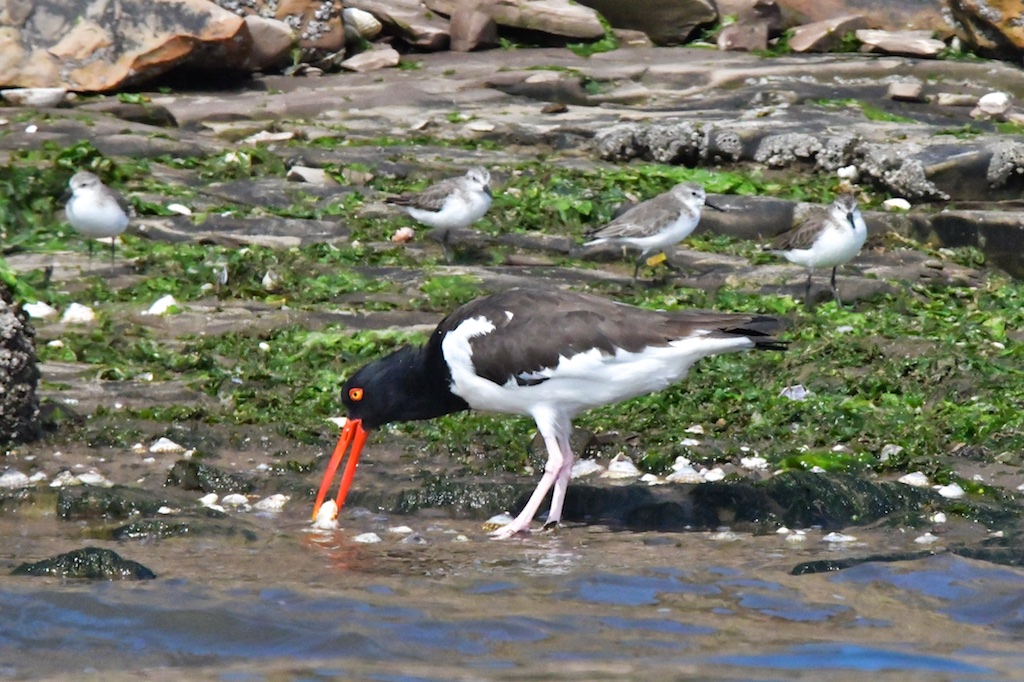
After we we got back from kayaking, we ate a bit and prepped to go out on Luis’ boat.
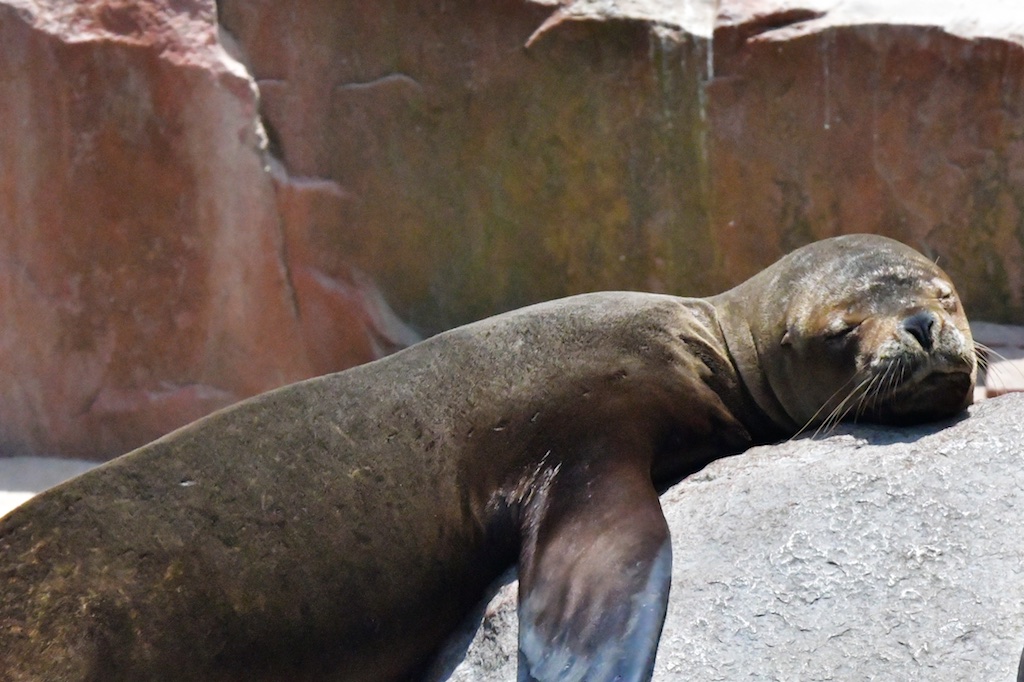
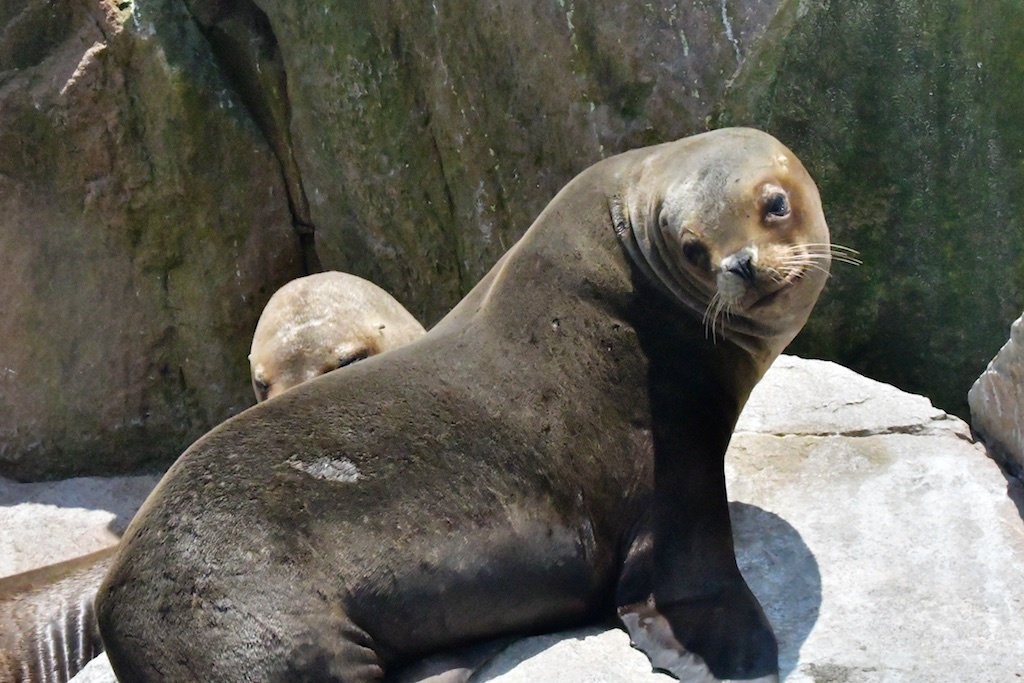
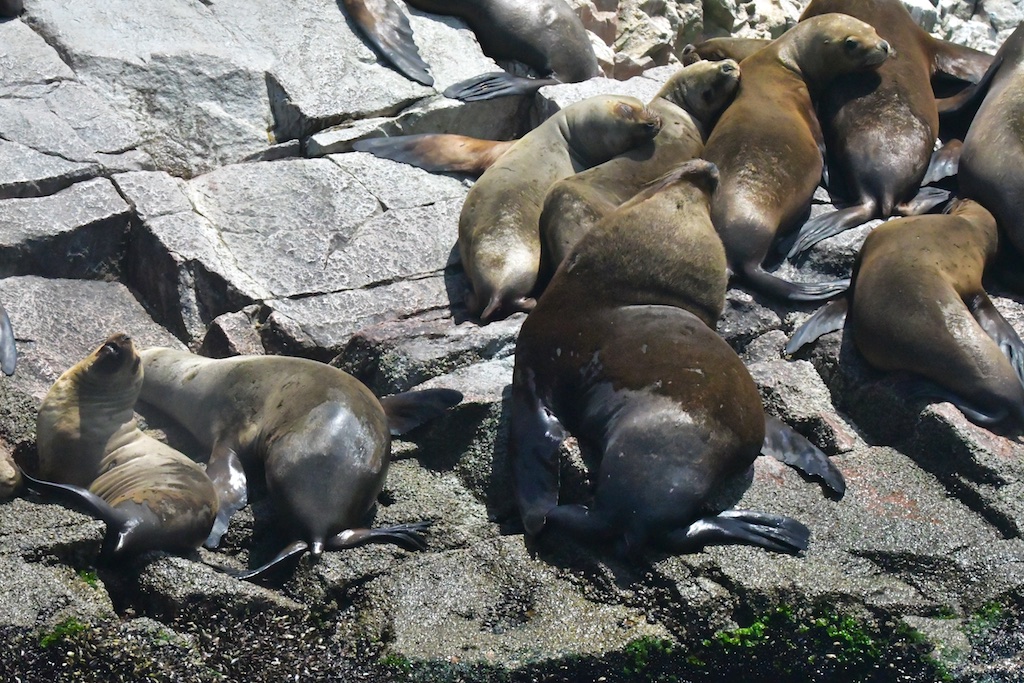
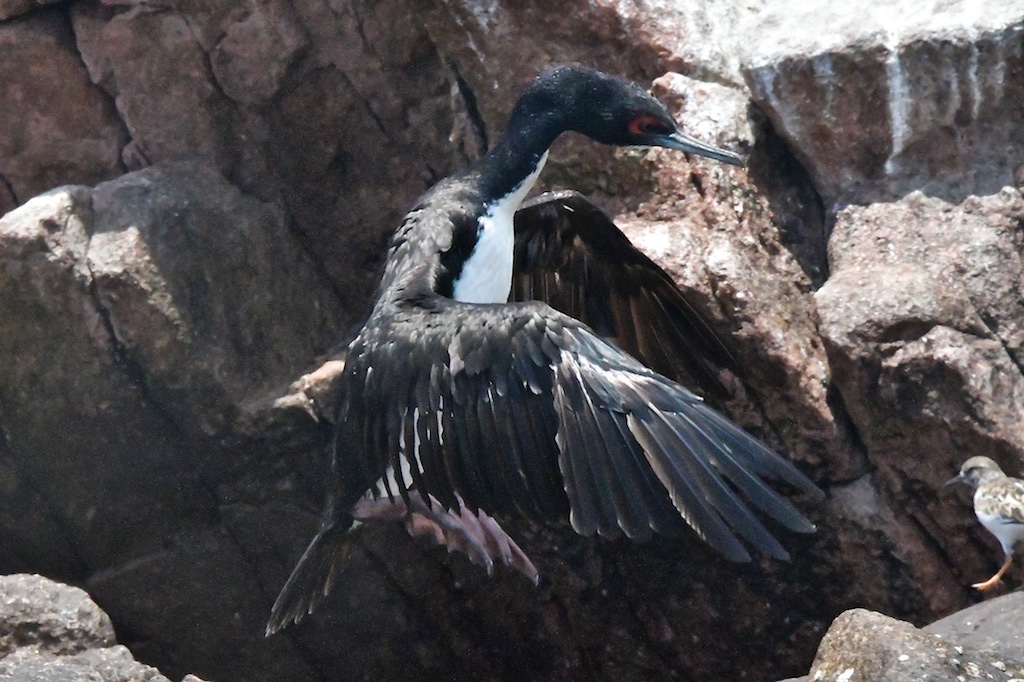
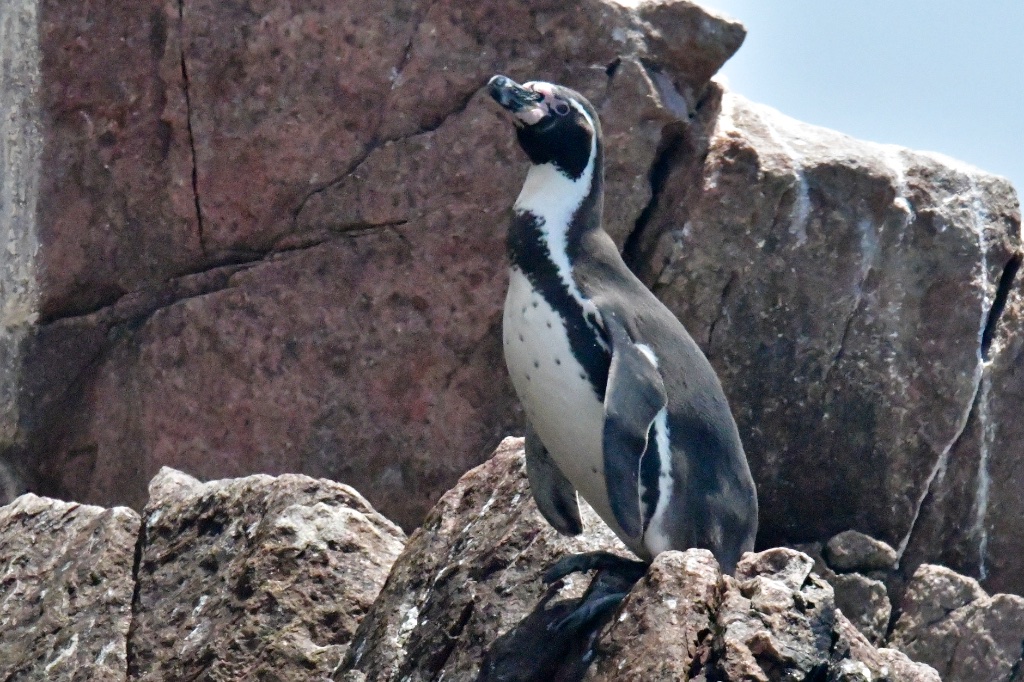
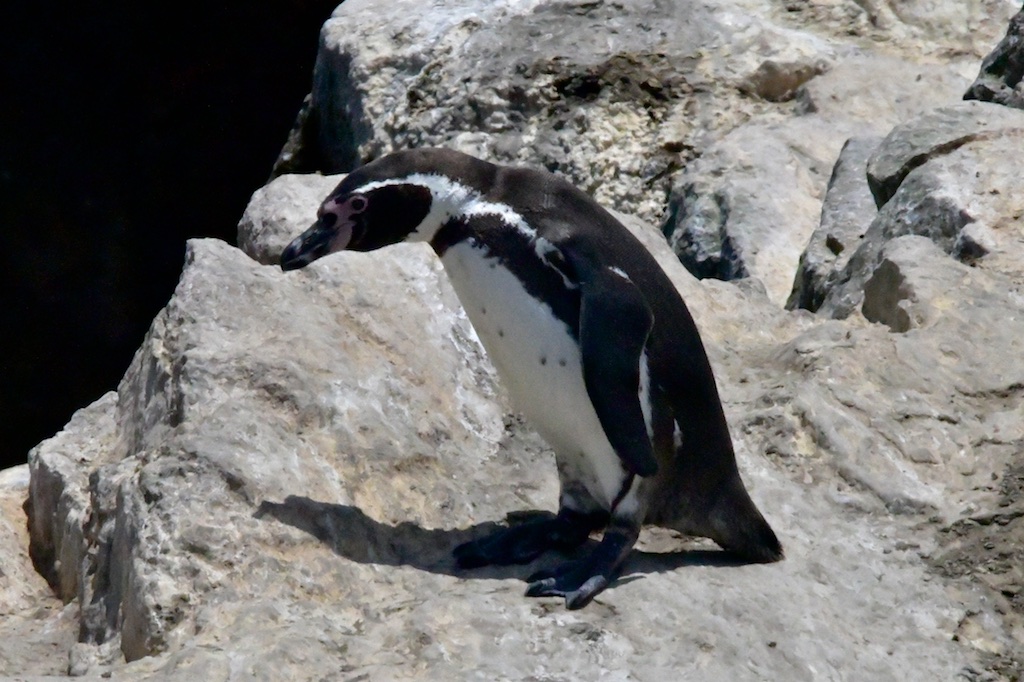
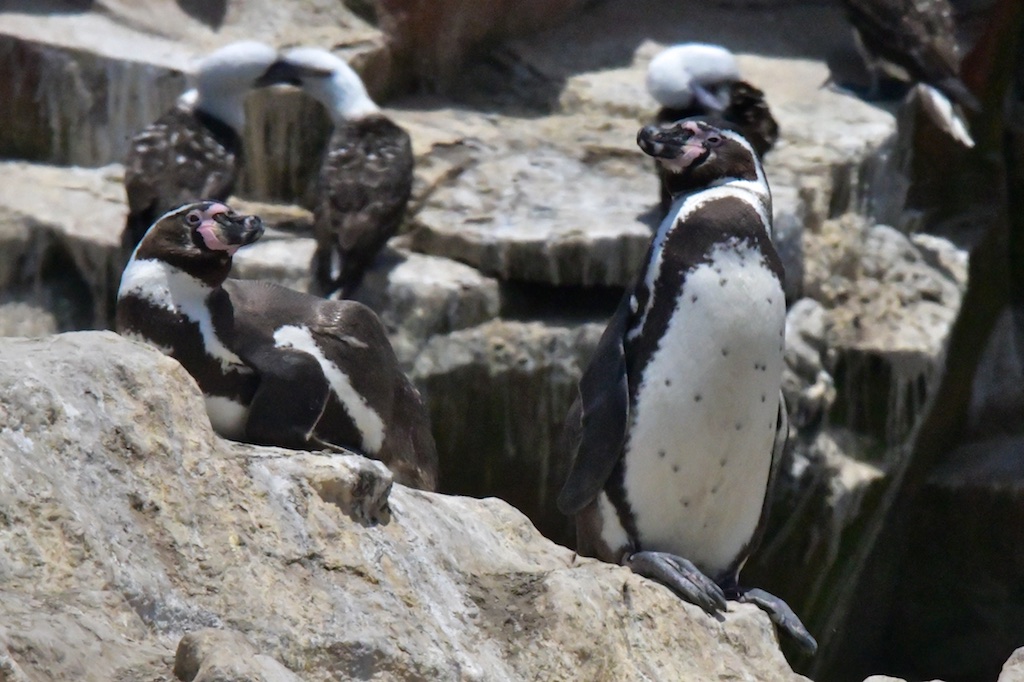
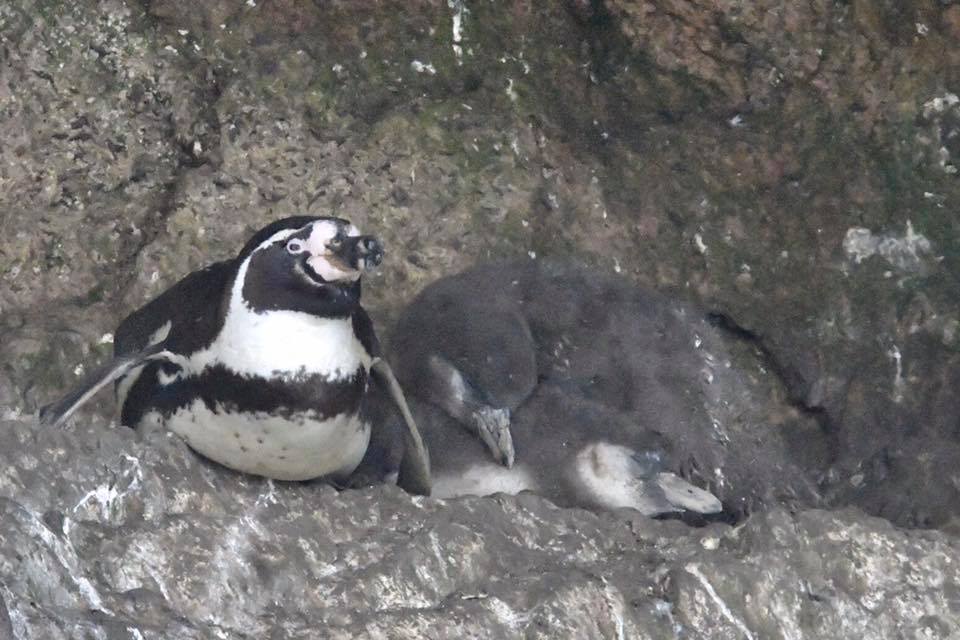
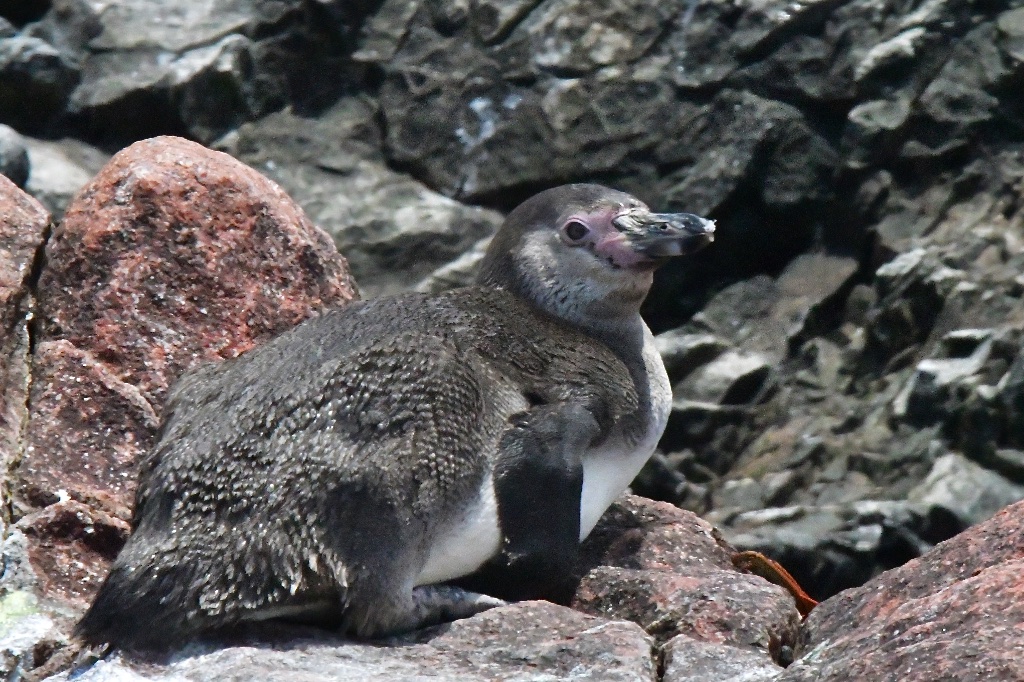
Off the coast of Paracas National Park in Pisco Bay there are a number of islands very rich in bird and sea life that are called the Ballestas. These islands have huge colonies of thousands of birds, large sea lion colonies, and Humboldt penguin colonies.
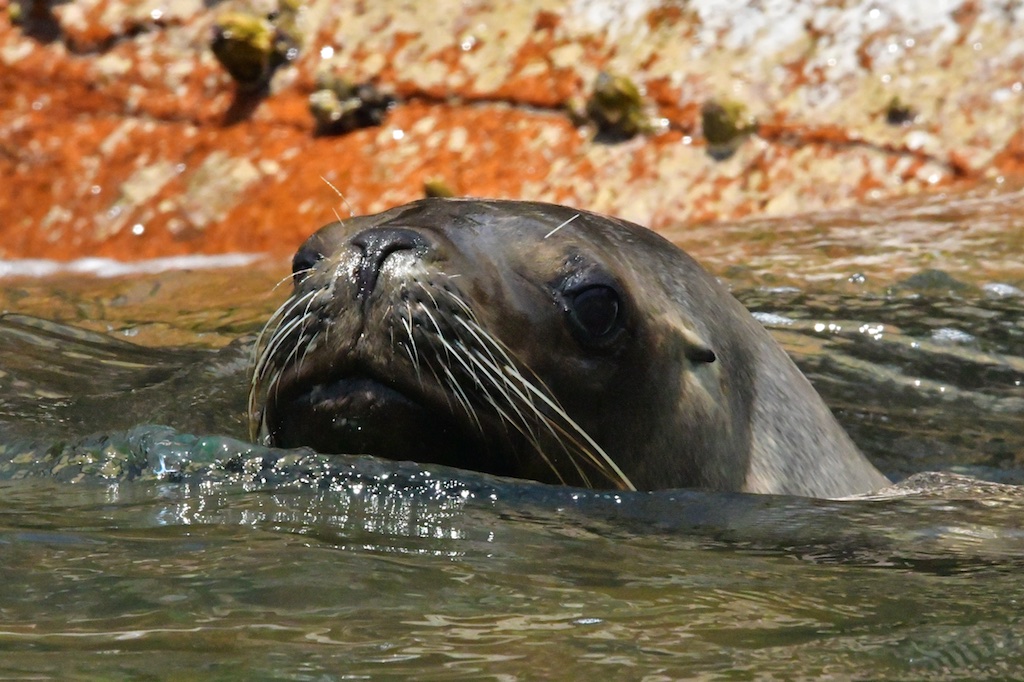
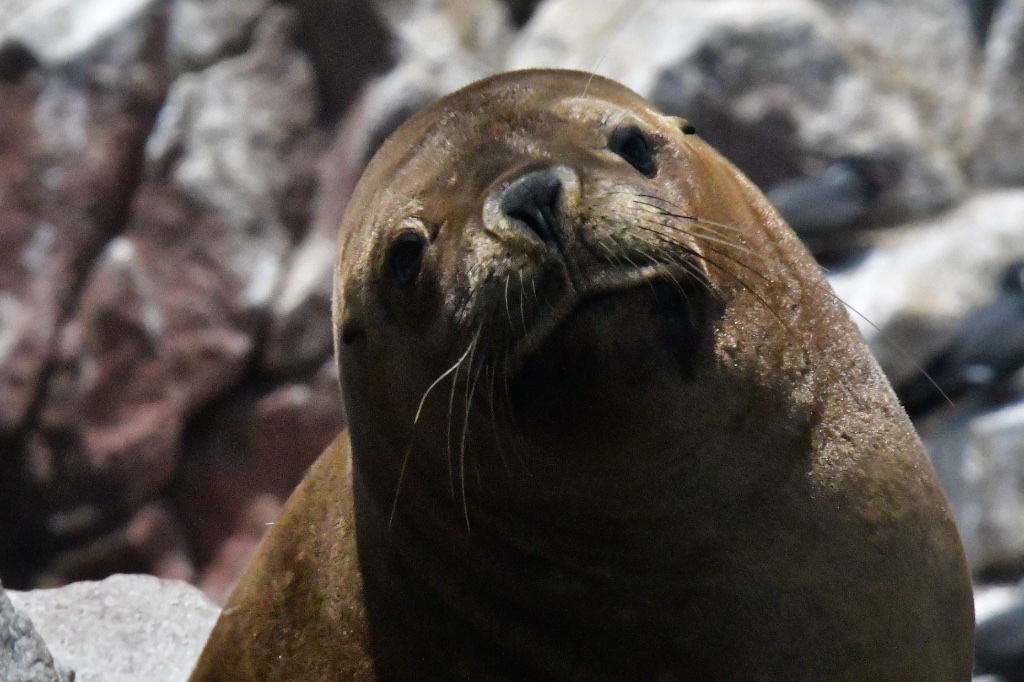
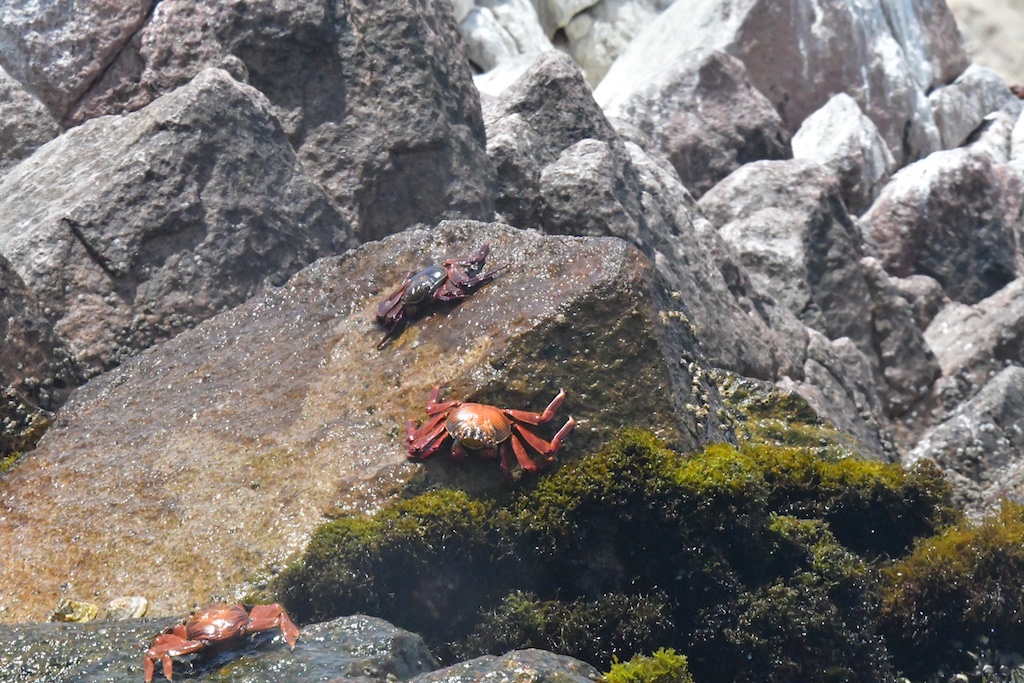
There are tour boats that go out to some of the islands. We saw the tour boats – they were crowded, the captain’s itinerary is set in a fairly fixed course, and things wouldn’t be fun with a camera with a big lens. We went out to Isla Blanca which isn’t on the main tour boat itinerary so it’s quieter, has a sea lion colony, a penguin colony, and has a ton of birds. Having a private boat was great. We wanted to take a look at the sea caves, so we pulled up near them – they were cool sea caves. We took our time around the islands getting the boat in position to get nice views and photos.
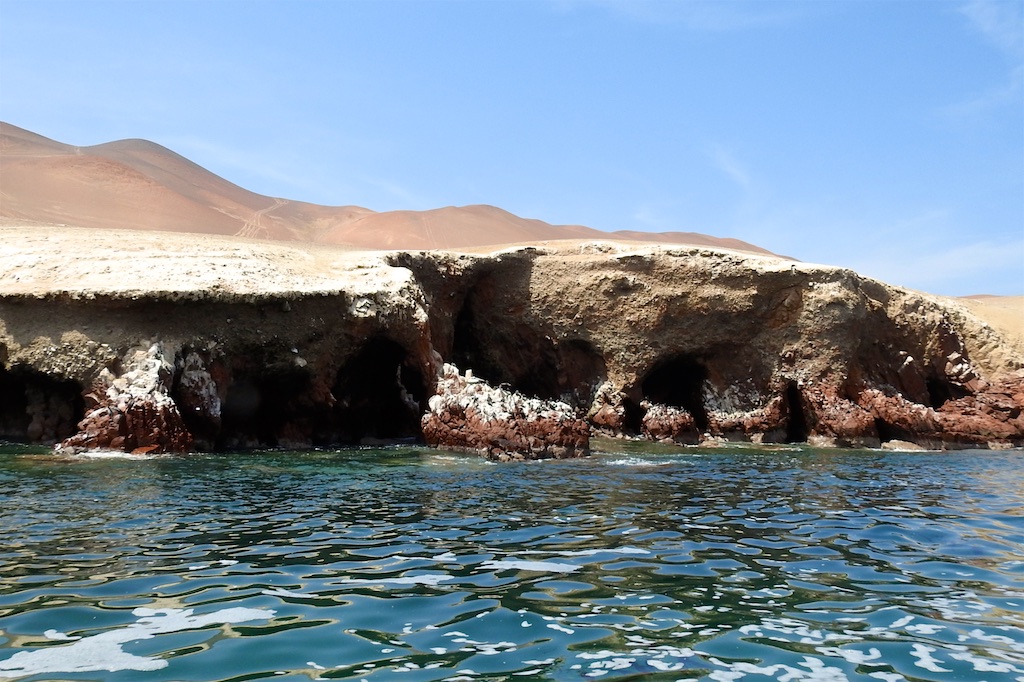
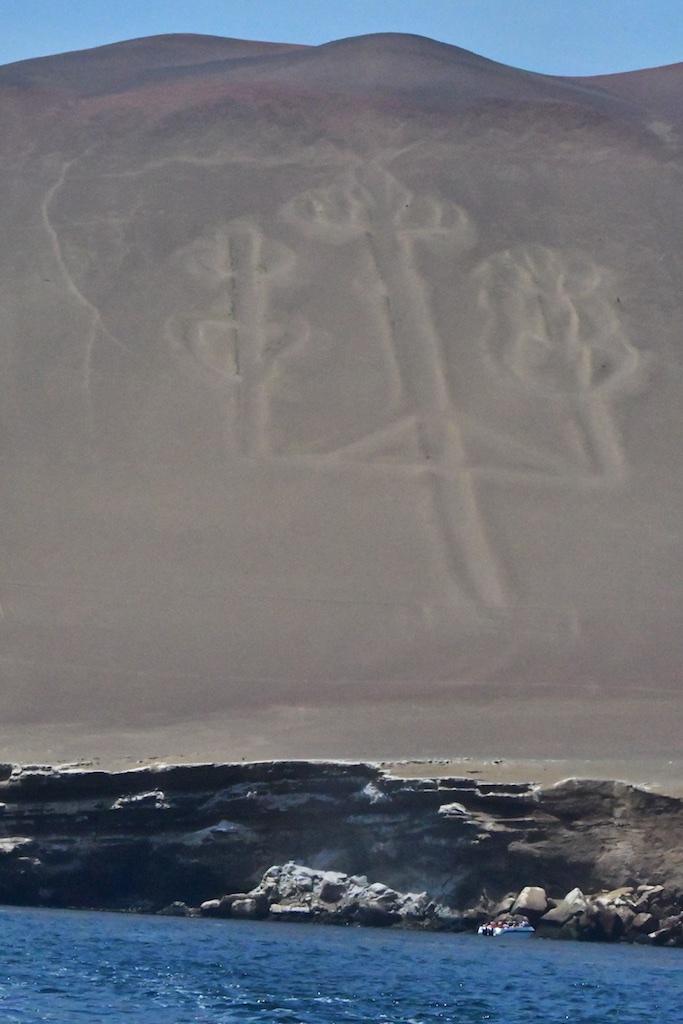
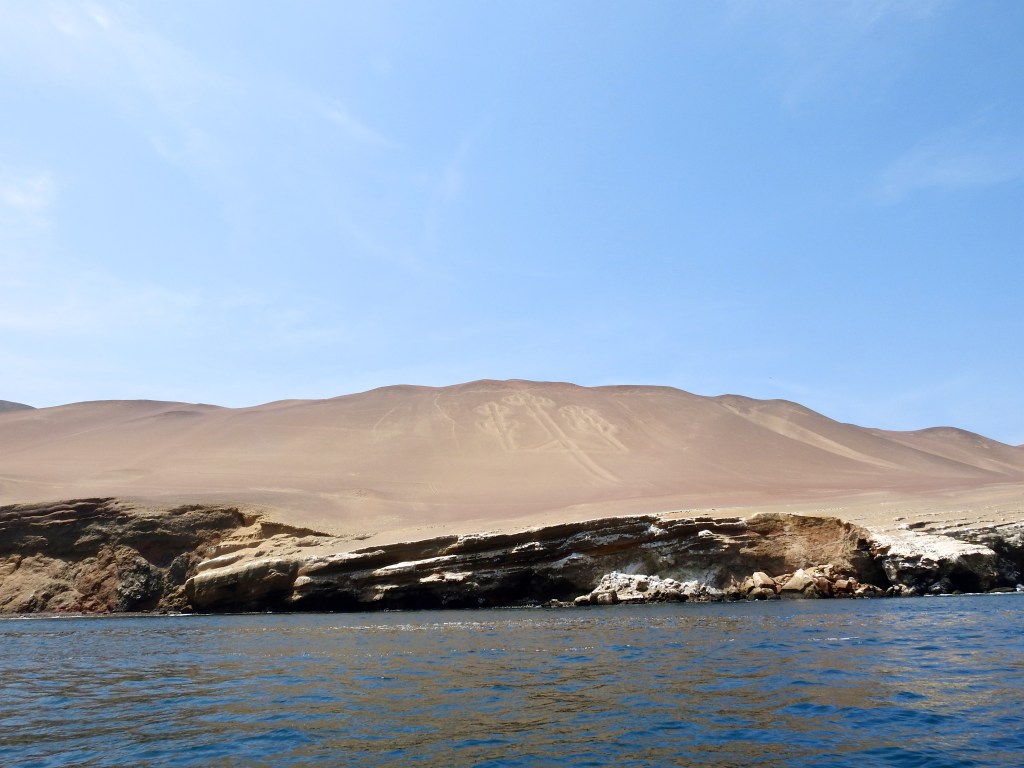
We went along the coast of Pisco bay until we got to the Candelabra. The Candelabra is a huge geoglyph in the hillside similar to the Nasca lines. It has an unclear history. While there are ancient pottery shards that suggests it’s very old, the earliest account of it was by Eurpoean colonists, and little is really known about it. It might have been made as a navigation aid, since Isla Blanca is due north of the candelabra.
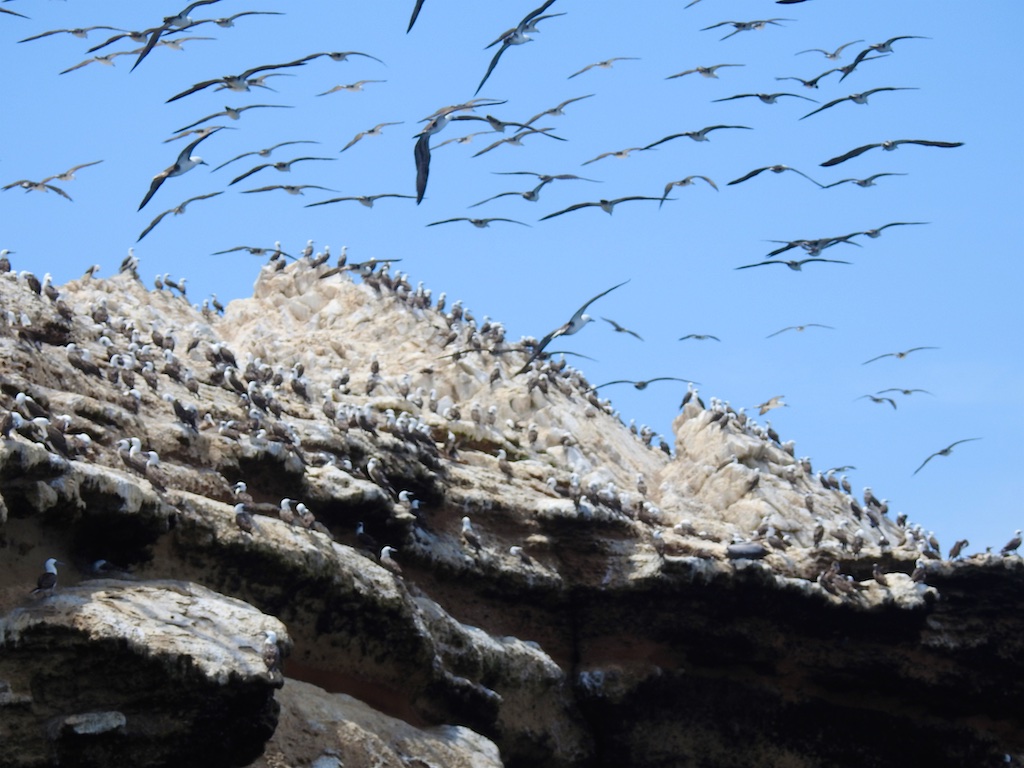
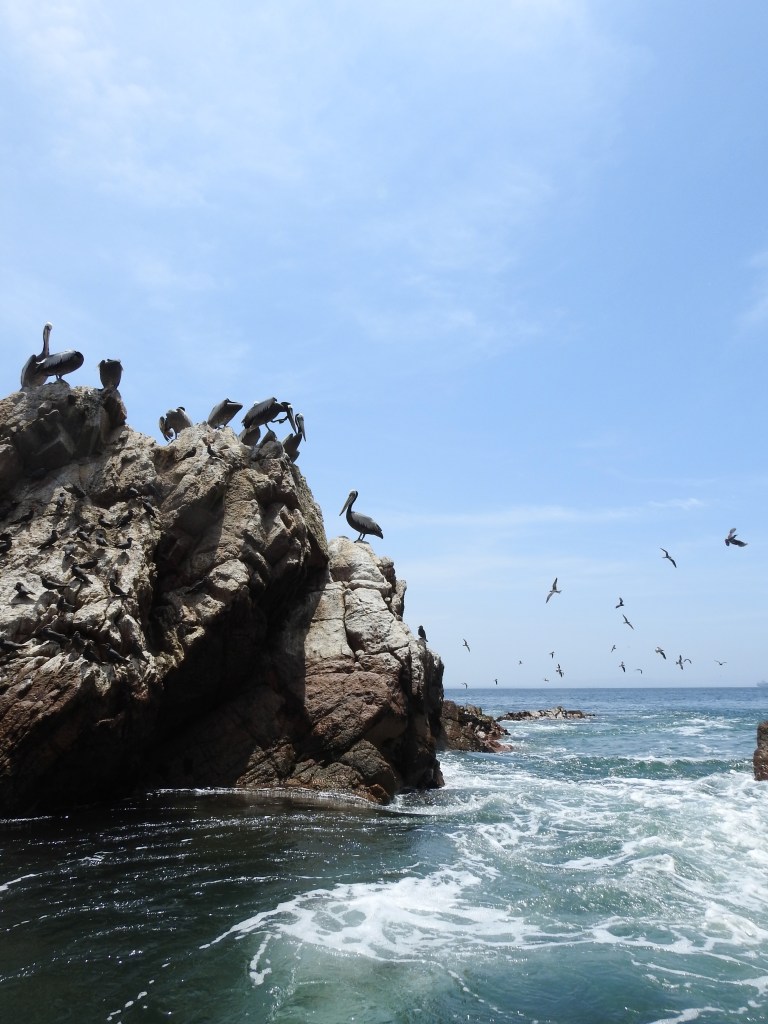
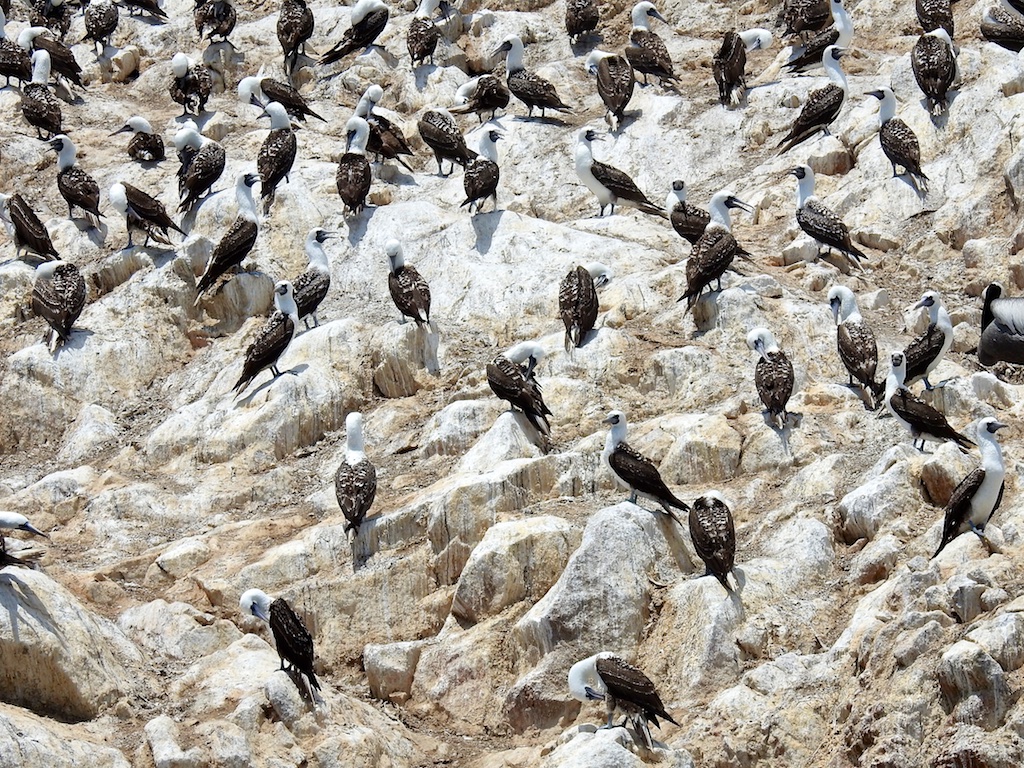
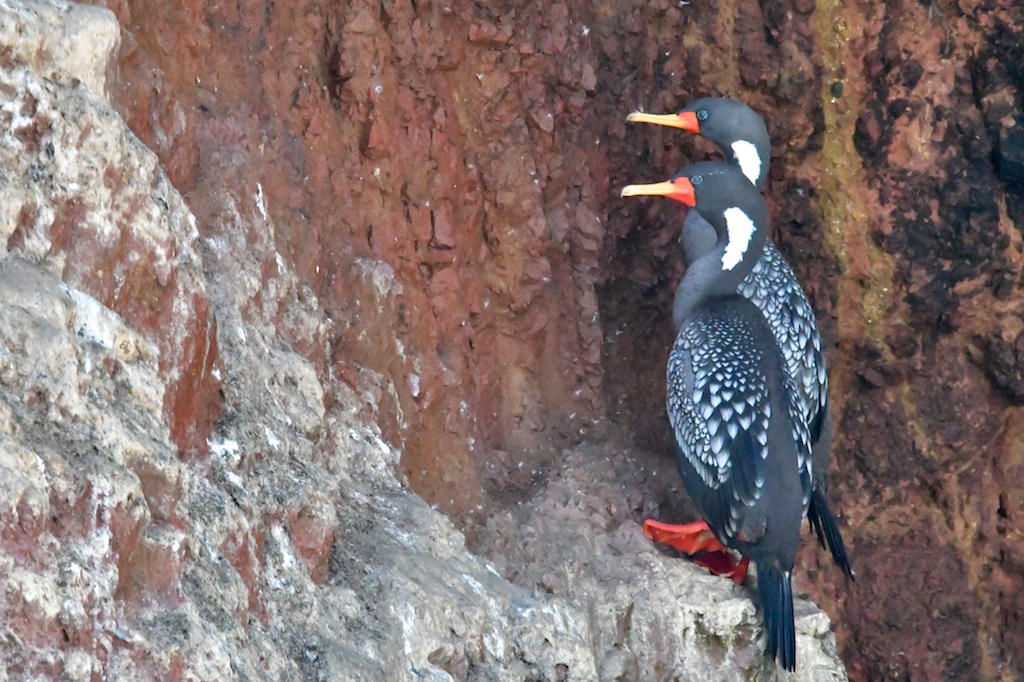
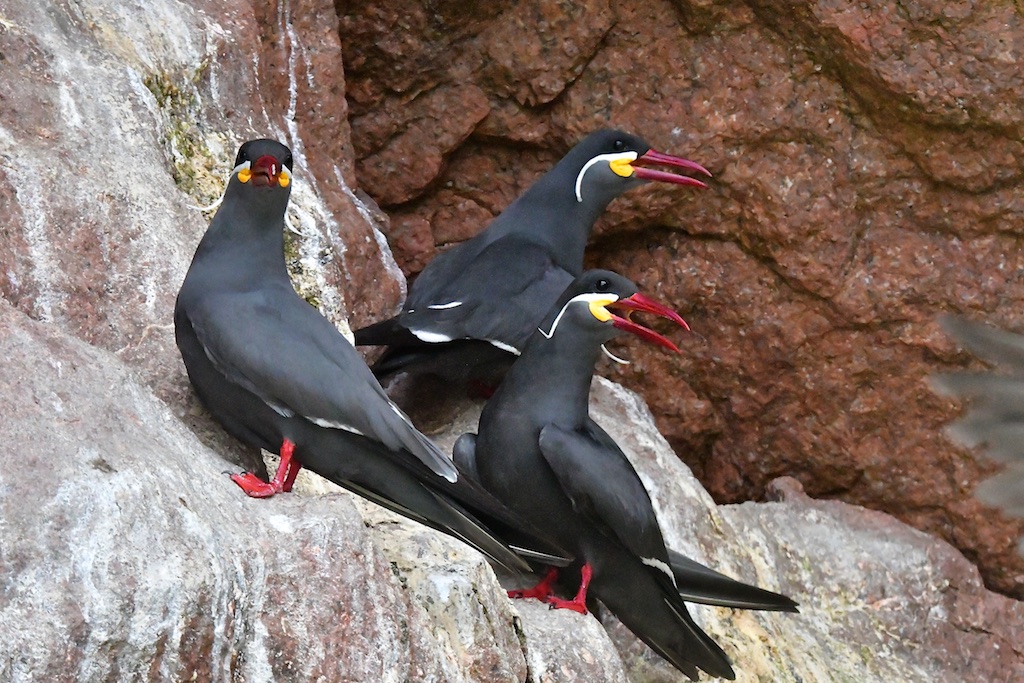
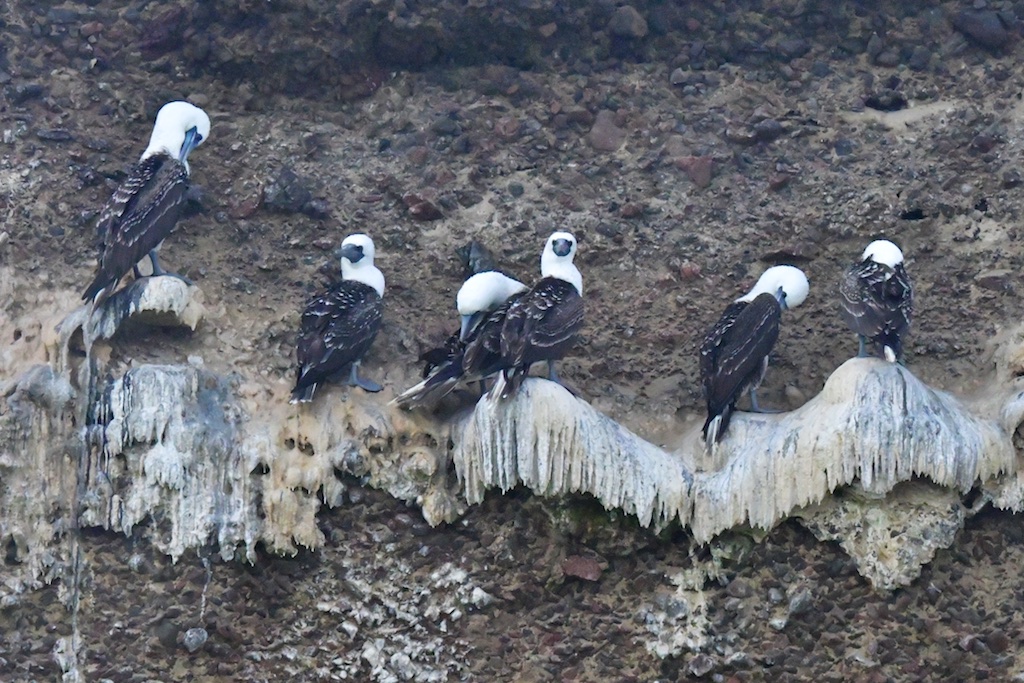
As we approached Isla Blanca we saw large numbers of terns, gulls, cormorants, and boobies.
next: Pisco
 The Nature Bloggist
One reply on “Paracas Day Two and on to Pisco”
[…] next: Paracas Day Two and on to Pisco […]
LikeLike