
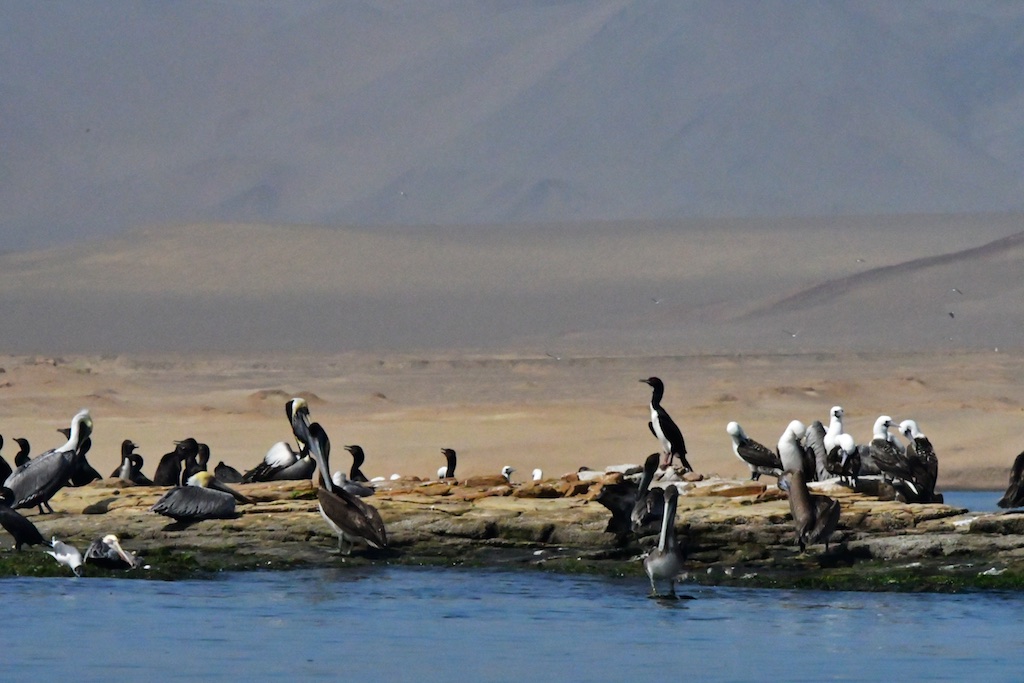
We were pretty excited to visit Peru, since this would be our first trip to South America. Peru is a very unique place with amazing biodiversity. The unique biodiversity comes from a mix of its situation near the equator, the Humboldt current bringing Antarctic waters near the coast, the massive Andes running through the country and dividing things up between the dry coast and a lush Amazon basin.
The Humboldt current runs up from Antarctica bringing cold water and keeping surface temperatures of the Pacific very low, while carrying in abundant fish, nutrients, and sea life. Off much of Peru due to the very cold water temps and effects from the Andes there is a very limited water cycle, very little rain, and a terrain with arid land and deserts on the coast. In Paracas National Reserve there’s been one day of rain in the last 60 years.
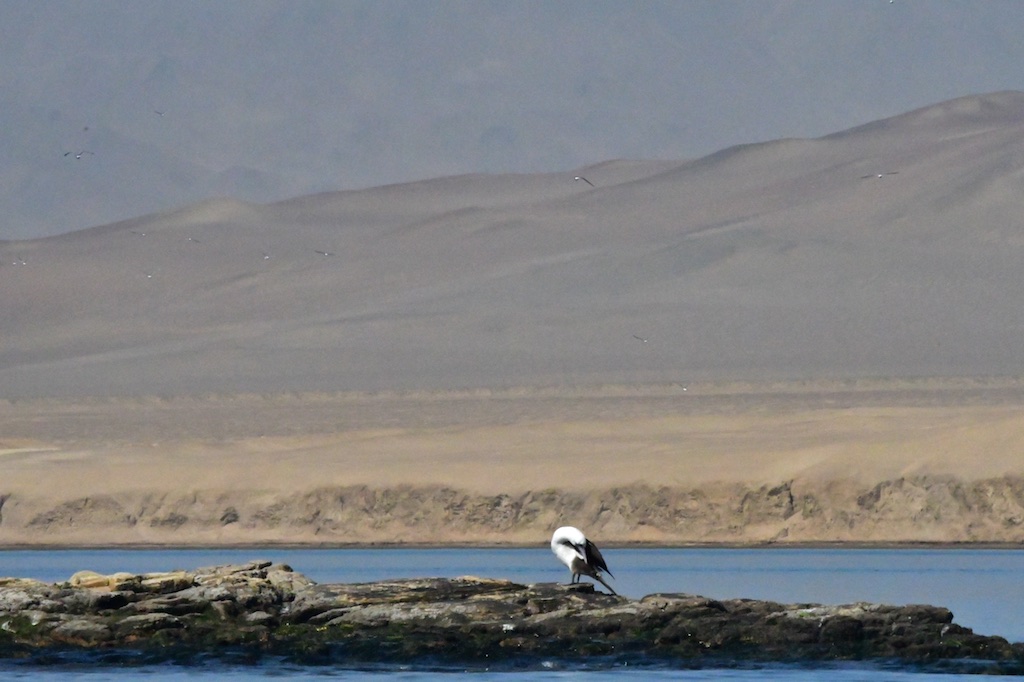
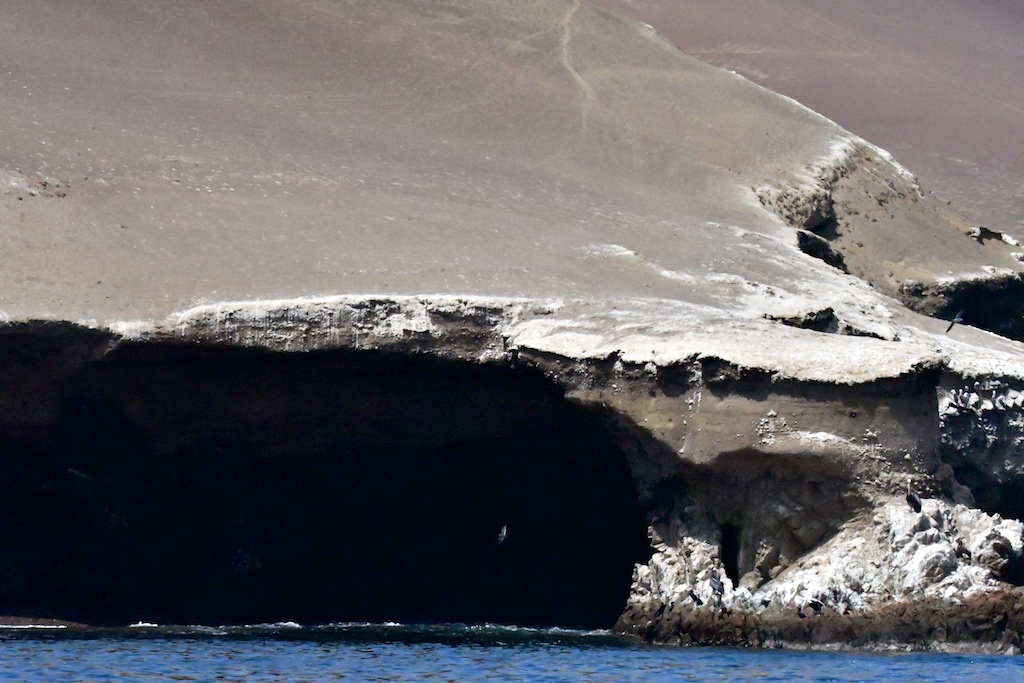
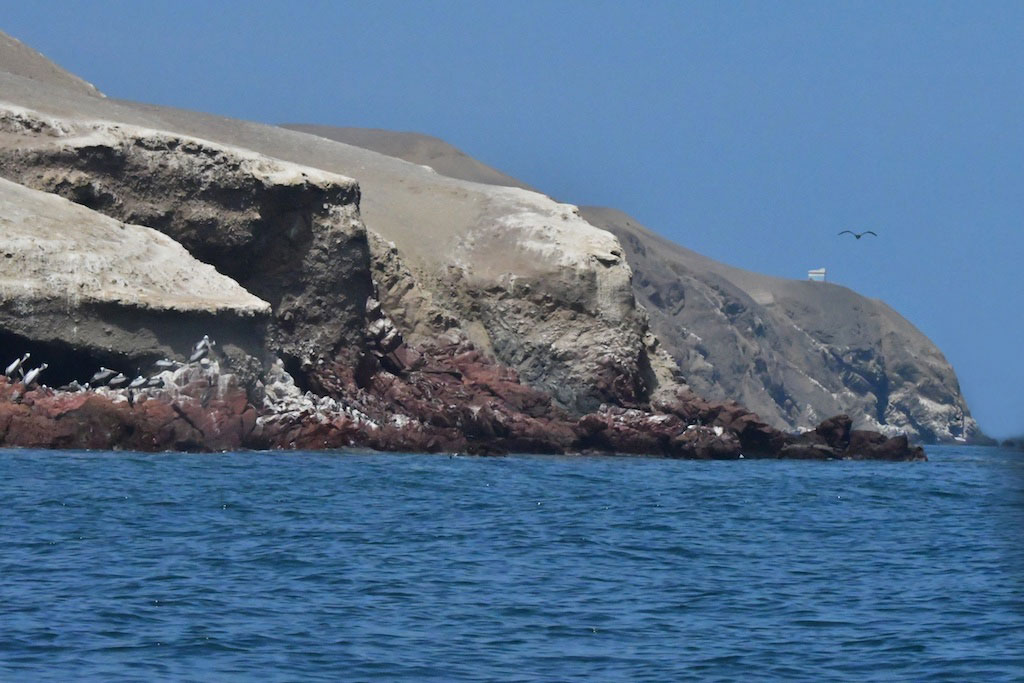
At the same time the water coming up from Antarctica is rich with life and full of nutrients which supports a large fish population and a large shore bird population.
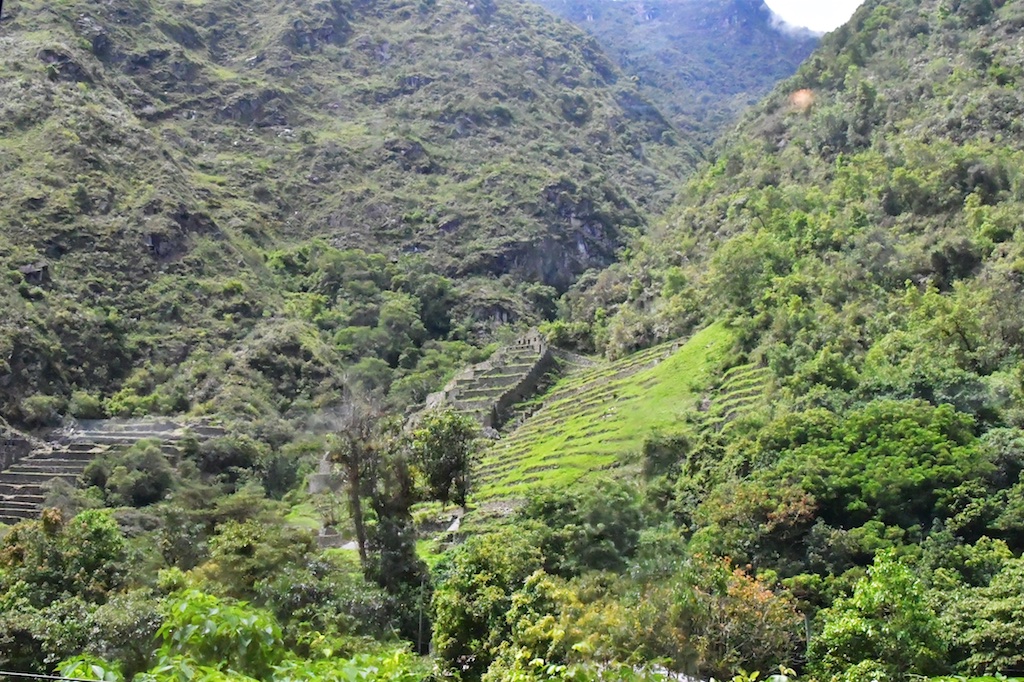
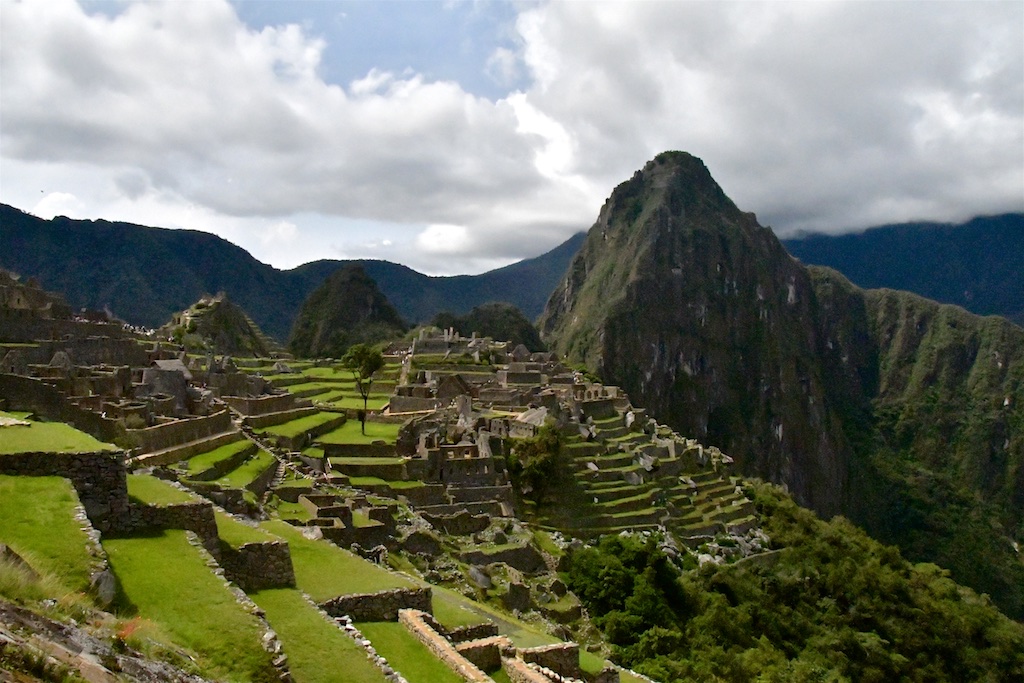
In the Andes the mountainous areas have unique biomes, a unique and a fascinating cultural heritage. The sheer scale of the ancient Incan terracing throughout the Sacred Valley is vast and really astounding to see.
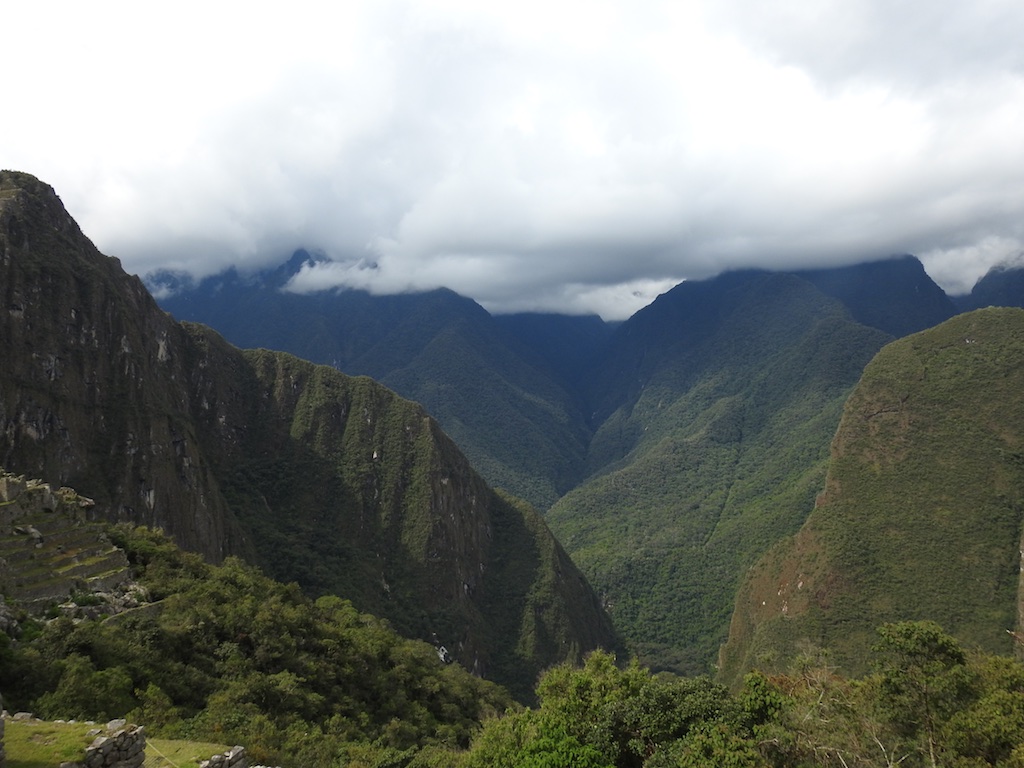
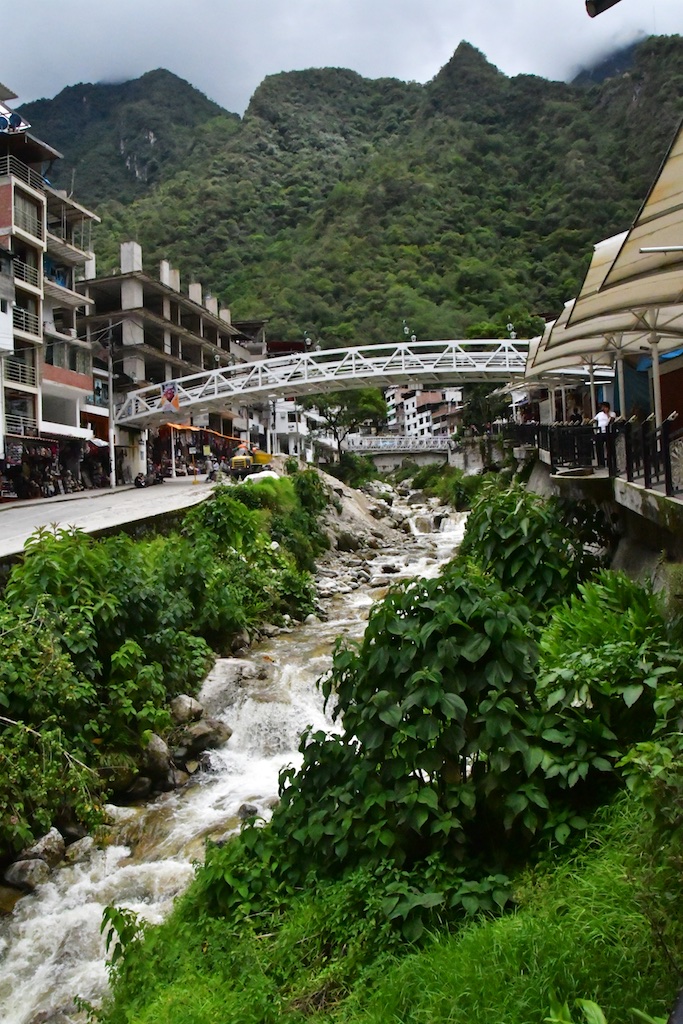
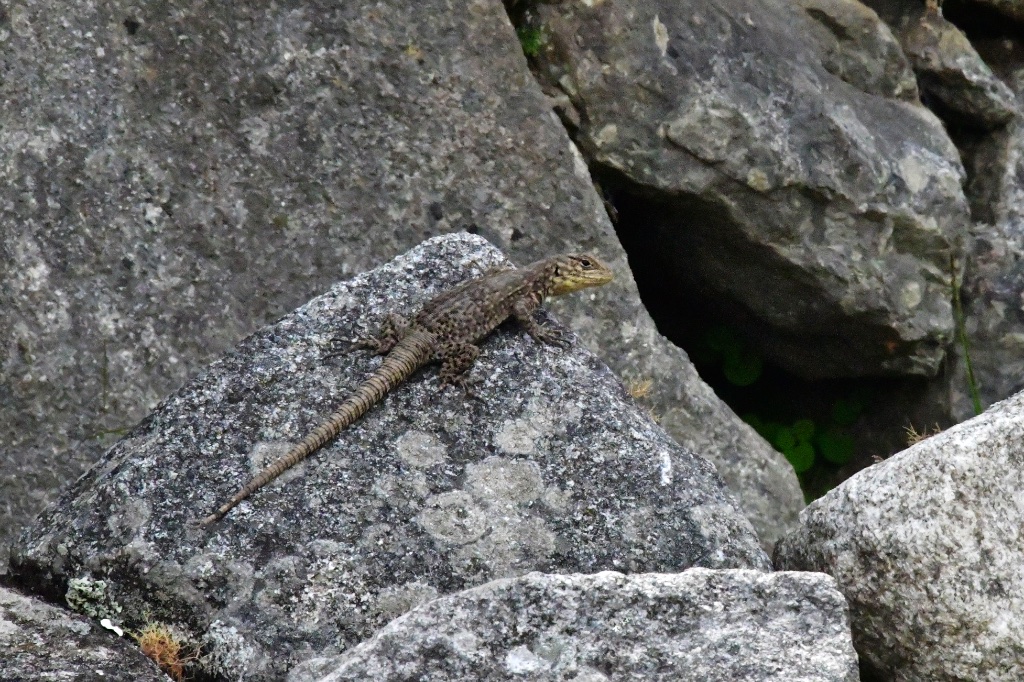
Across the Andes, the Amazon has its own massive water cycle, massive biodiversity, and a lot of unique wildlife.
The continent of S. America was once connected to Australia along with Africa as Gondwana, breaking up around 150 million years ago with life on each continent branching out. Once separated, the mammals on the continent were marsupials and oddballs like Xenarthrans, whose living members include anteaters, sloths, and armadillos. They evolved in a geographically isolated continent for > 100 million years.
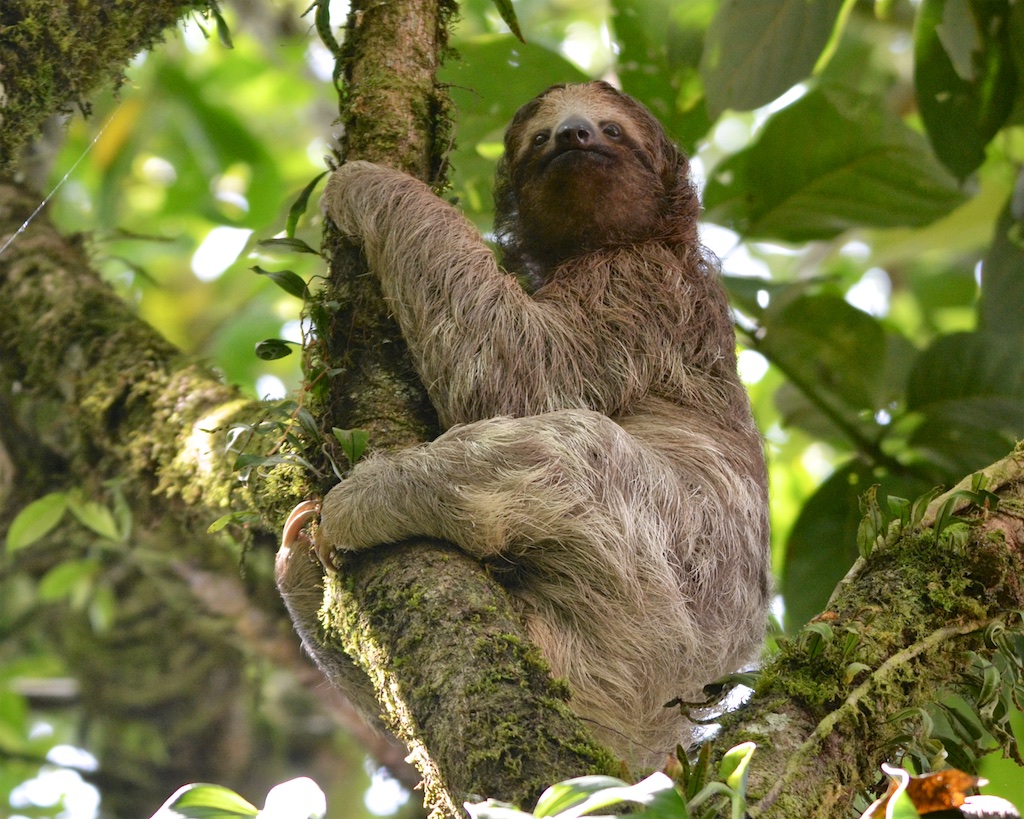
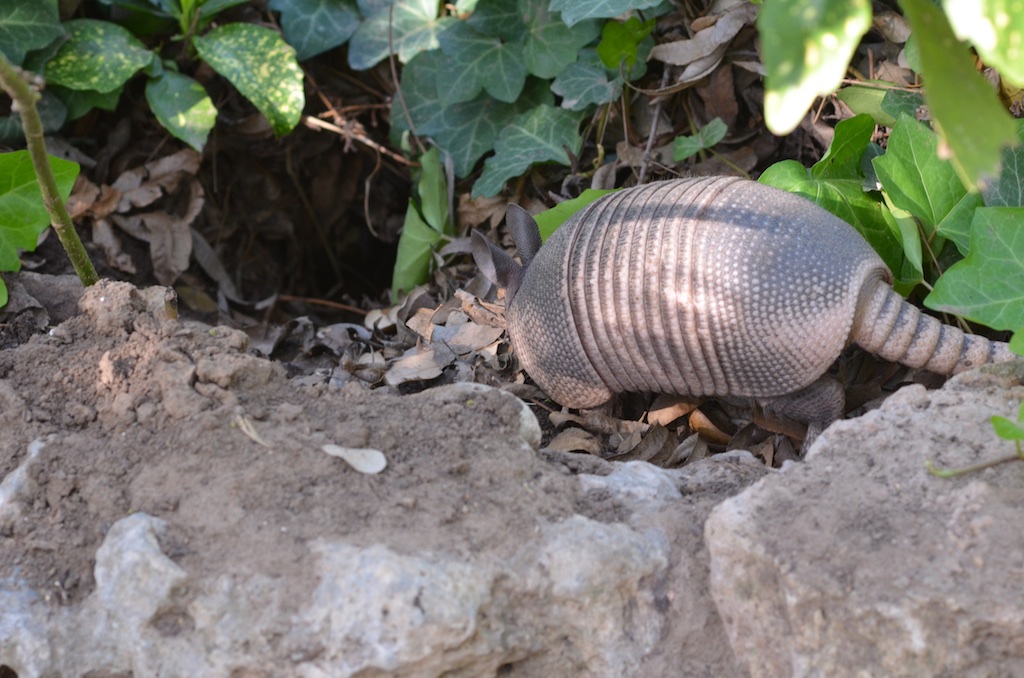
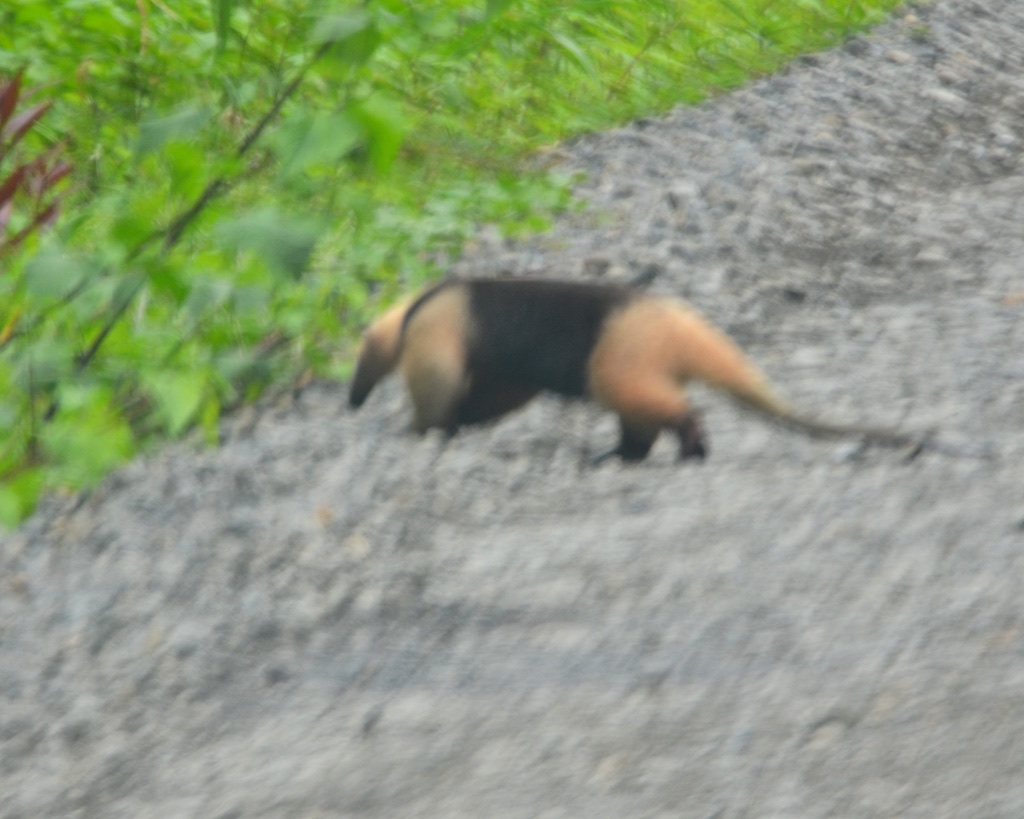
Central America eventually cropped up as a bridge around 3 million years ago causing the Great American Interchange. Armadillos, opossums migrated north, while migrants from N. America include squirrels, bears, wild cats, foxes, rodents, etc. Interestingly, ancestors of the guinea pig, capybara, coati, llama, and alpaca, all distinctly S. American creatures, migrated down at this point.
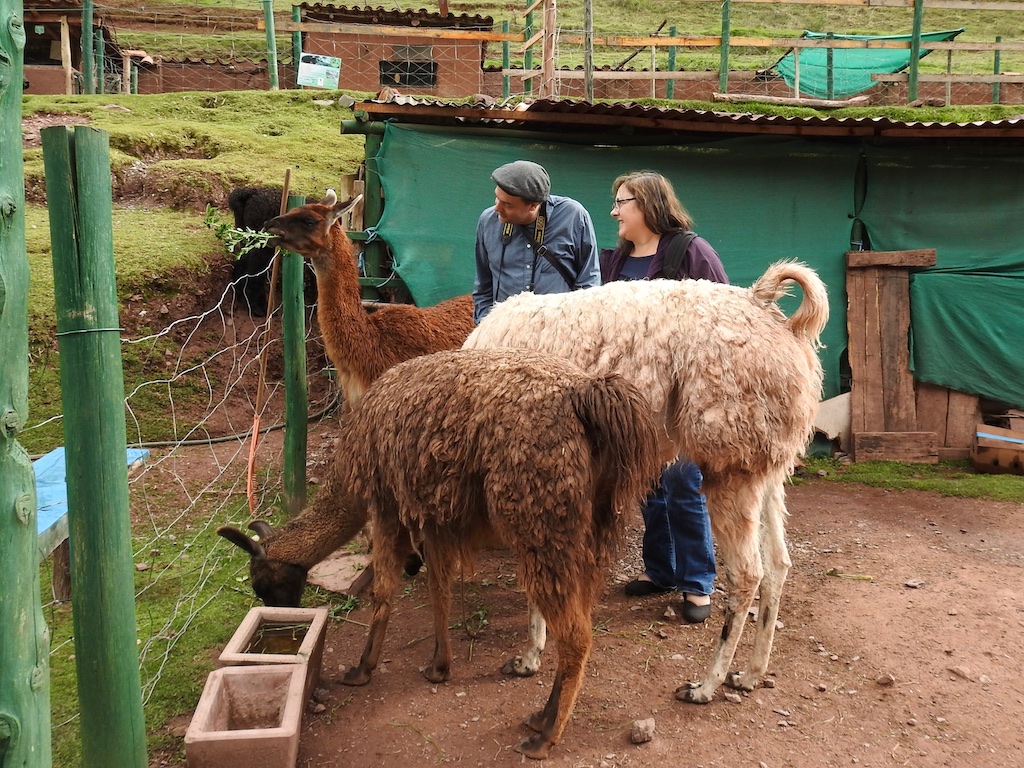
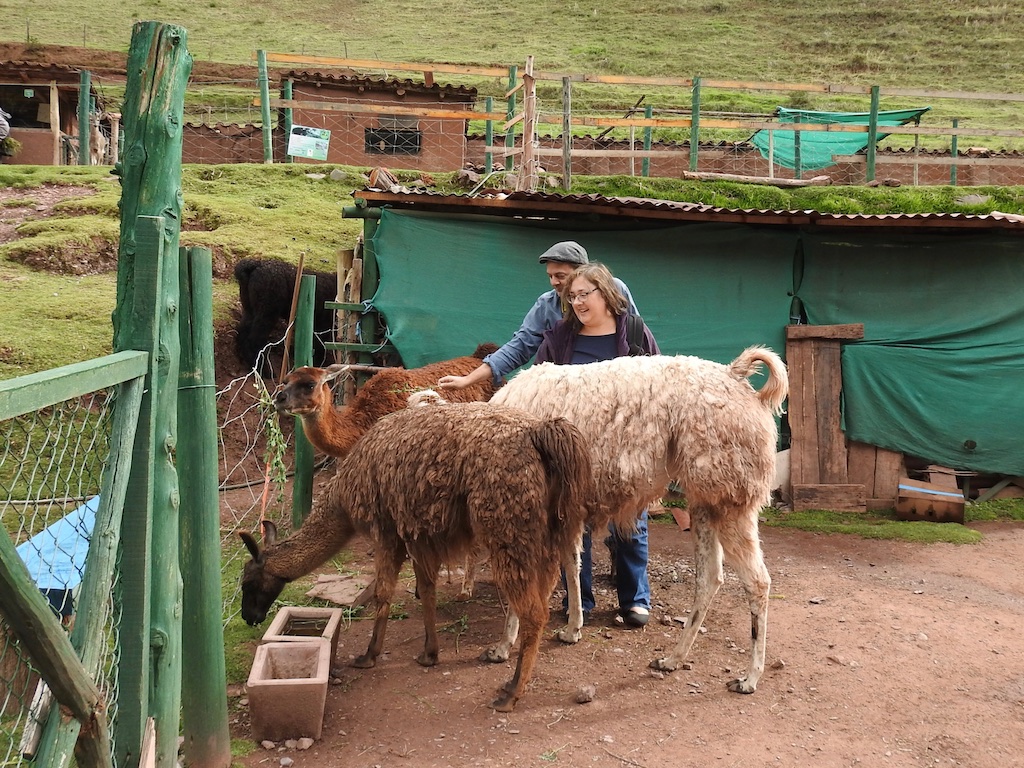
Since we’re never visited S. America, getting the chance to see llamas and alpacas was something really interesting for us. The llama is a domesticated guanaco. The wild guanaco’s camelid ancestors migrated from the plains of N. America to S. America around 3 million years ago. N. American camelids also crossed the Bering Strait and evolved into camels in Asia. There were still camelids in N. American until the end of the last Ice Age(!).
S. America also has primates, which showed up somehow around 40 million years ago. While the evidence is scant, the best theory for why there are monkeys and other primates in South America is that they crossed the Atlantic from Africa, island hopping at a time when sea levels were much lower and the distance between continents was shorter. Monkeys beat humans to the new world by around 40 million years. Personally I think we should should change Colombus Day to Monkey Day.
 The Nature Bloggist
One reply on “Peru’s Biodiversity: A Unique Treasure”
[…] next: Peru’s Biodiversity: A Unique Treasure […]
LikeLike